

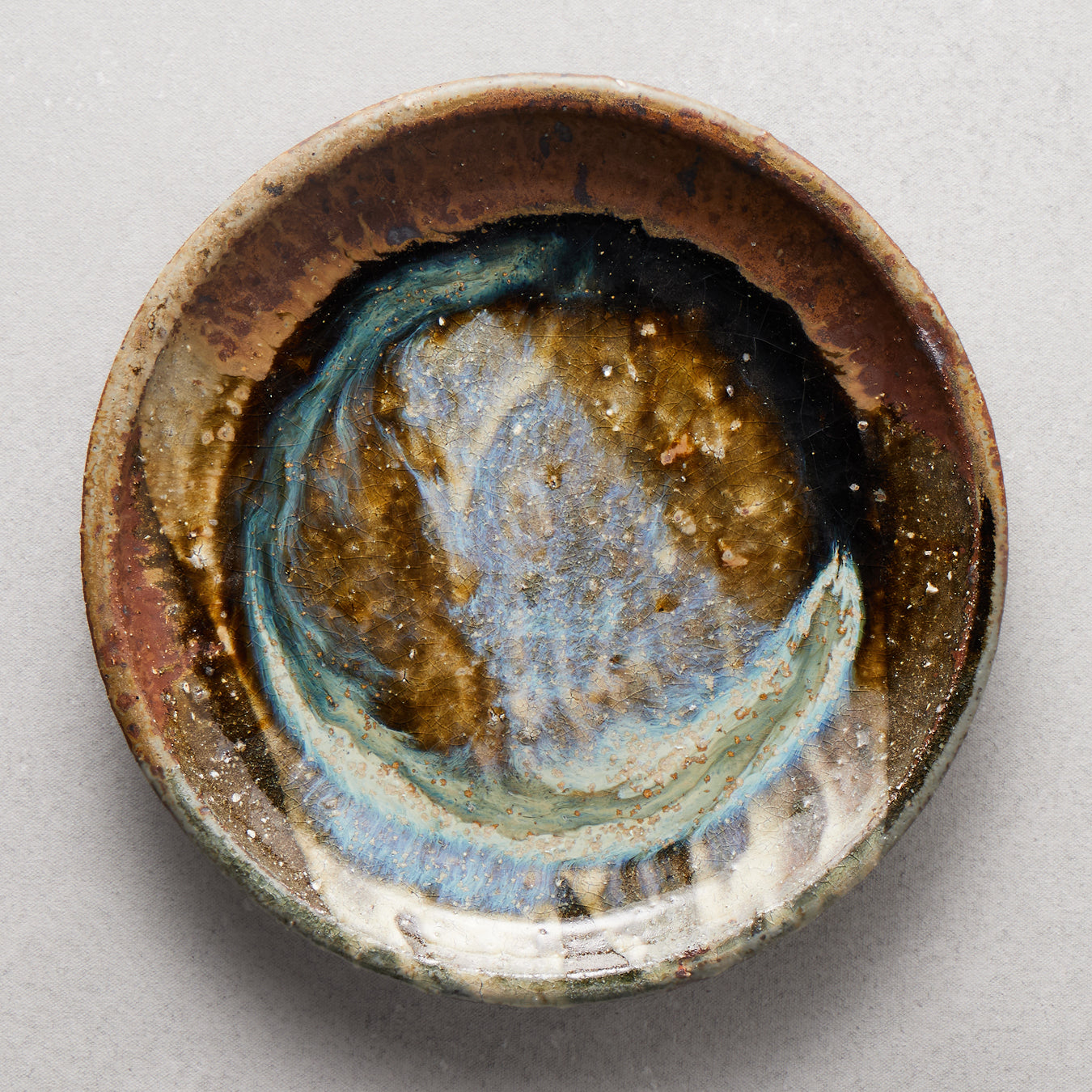

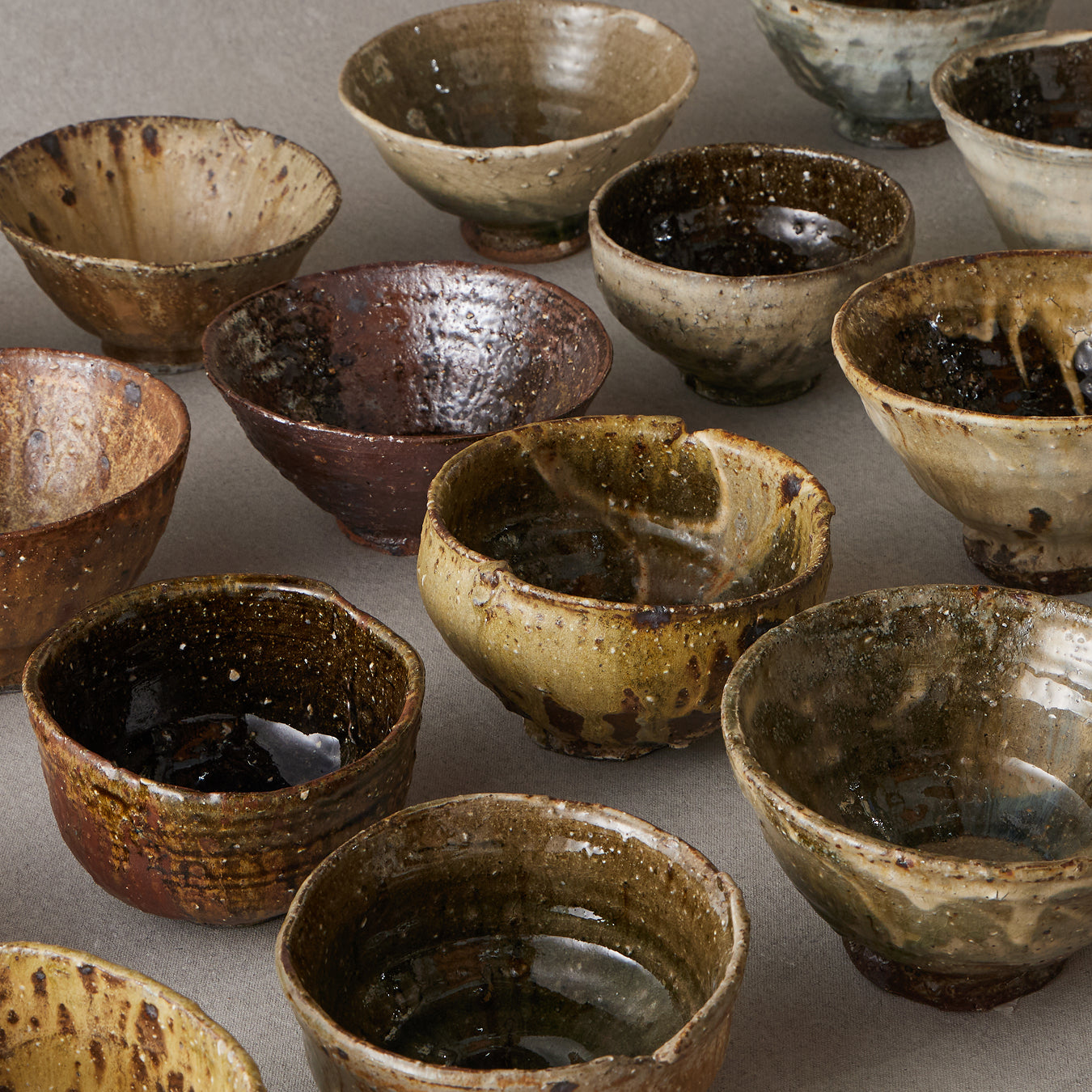
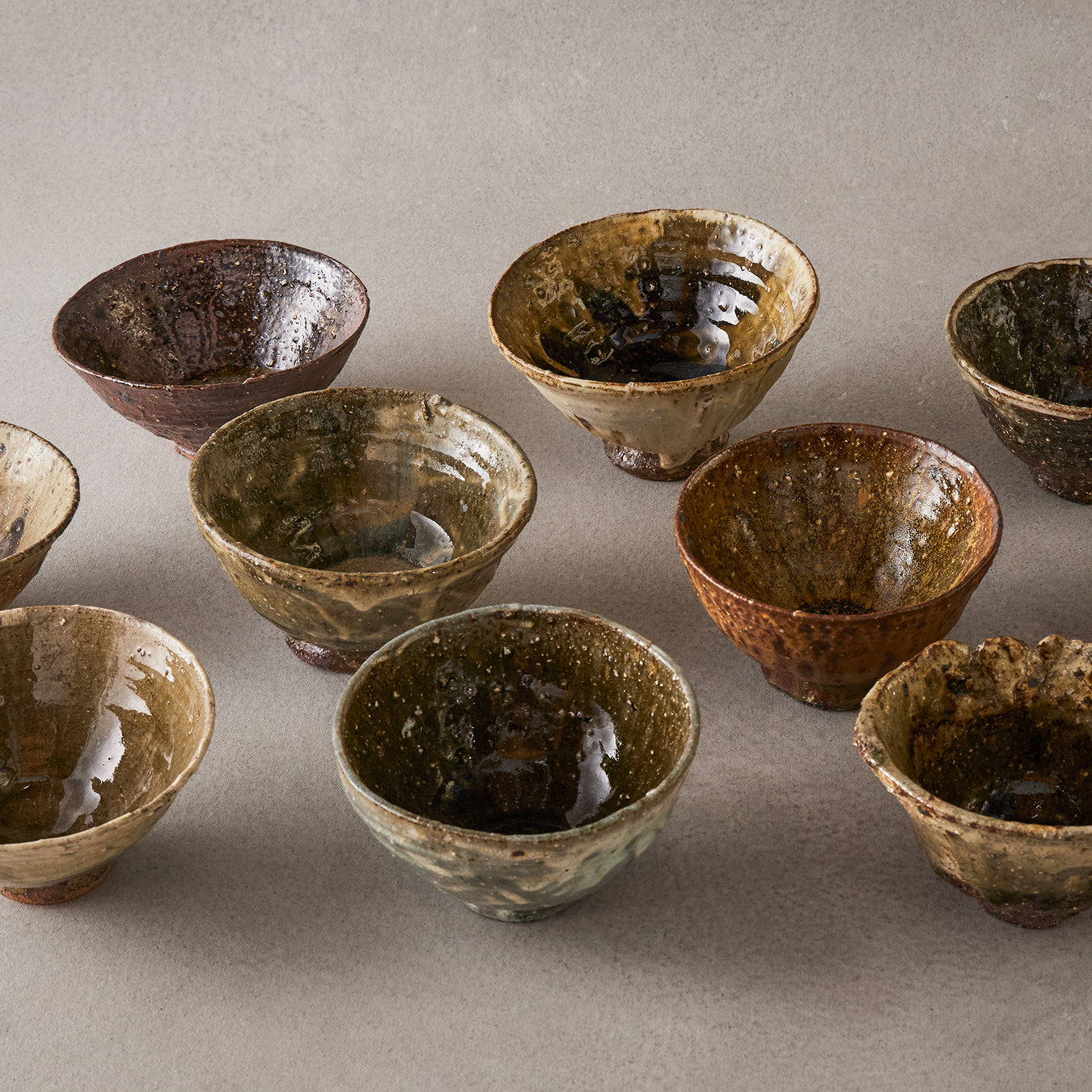
Motoyuki Tonoike Matcha Bowl 26-27
Description
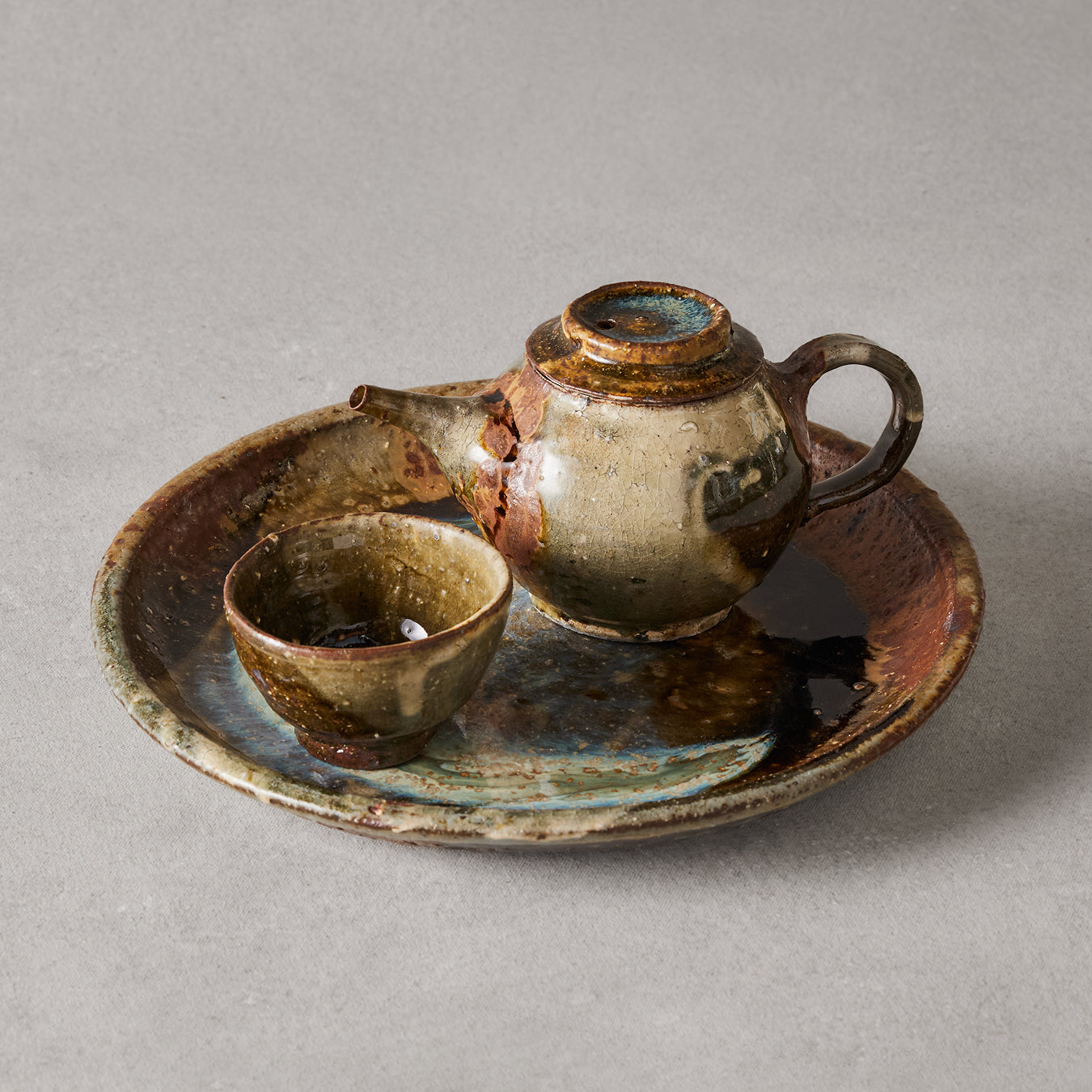
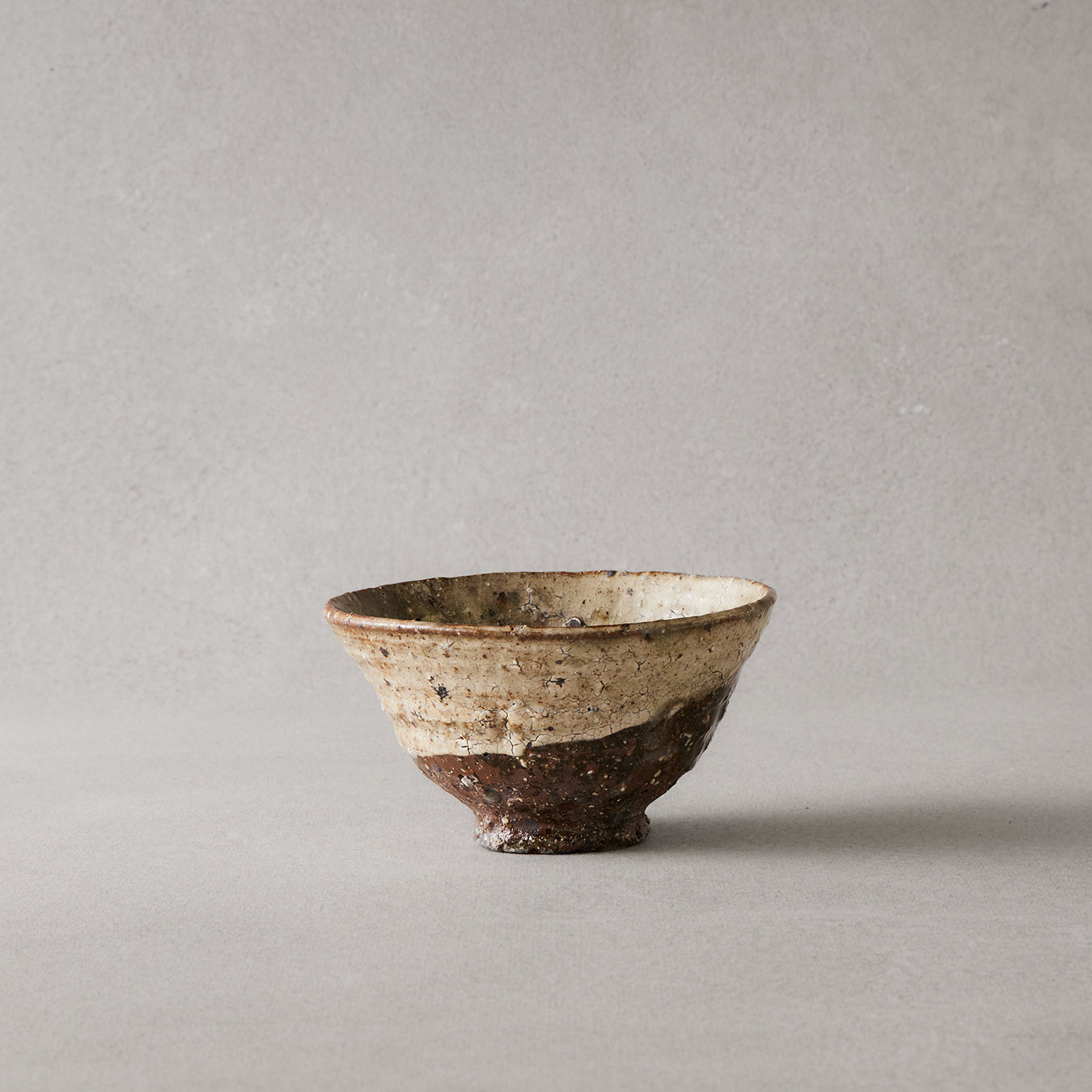
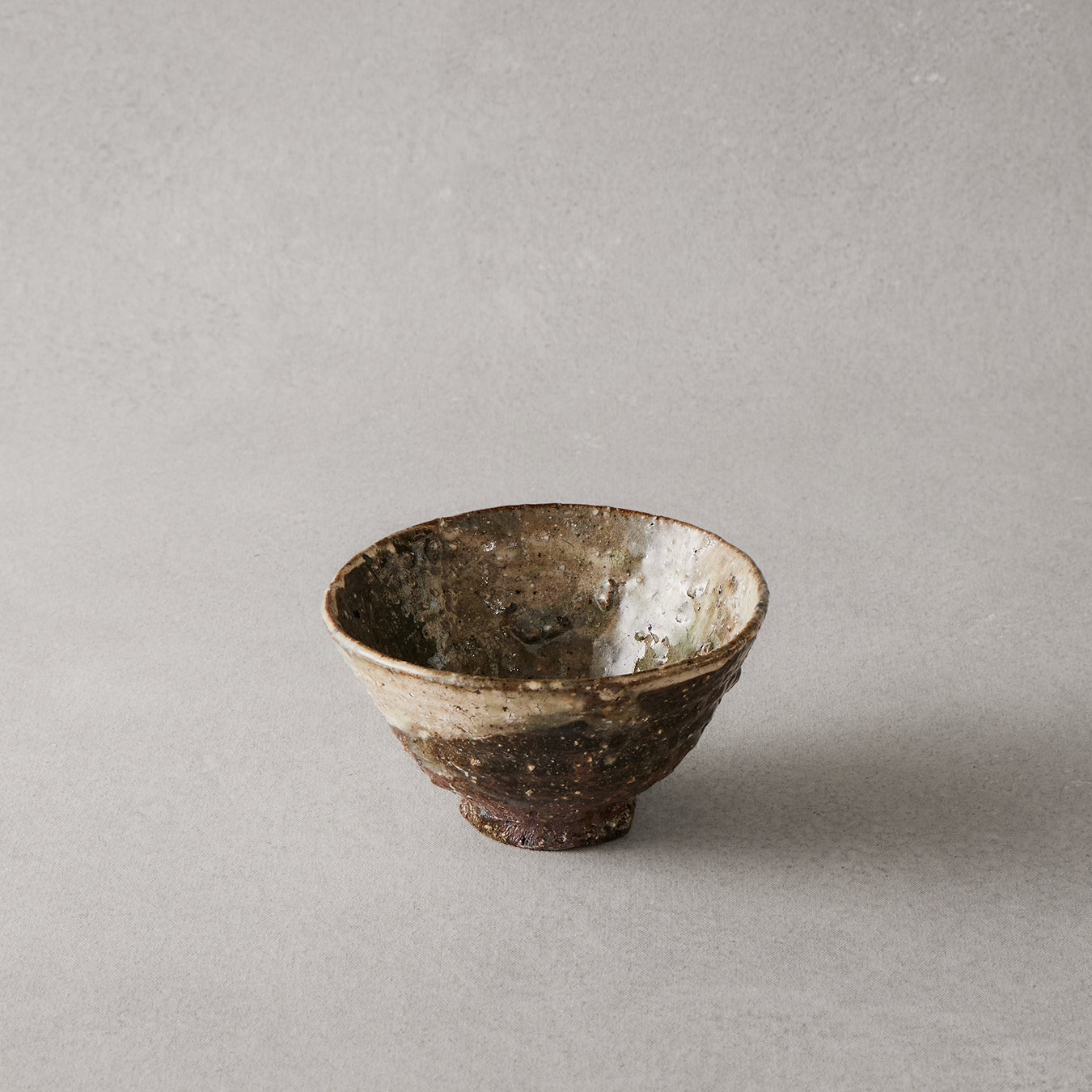
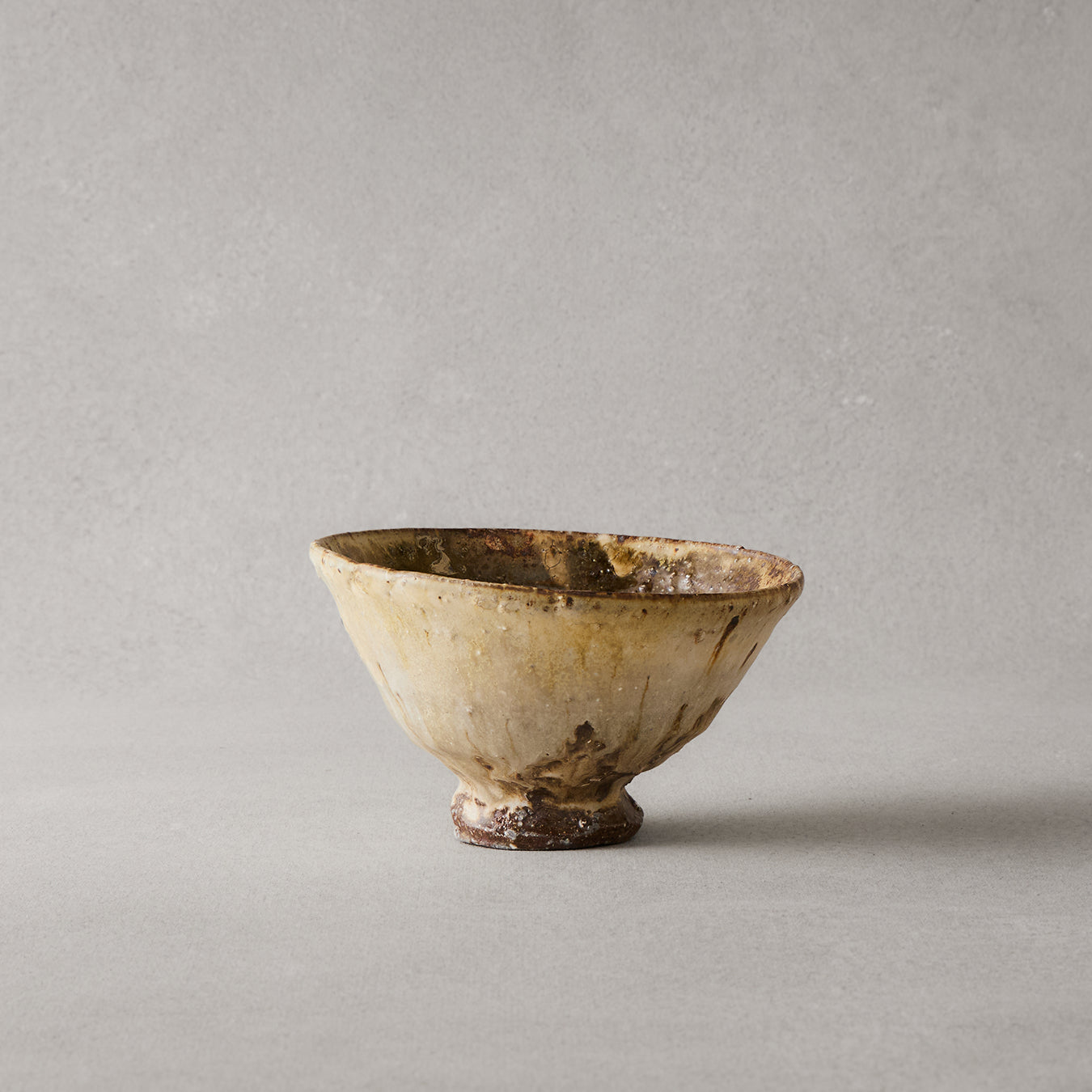
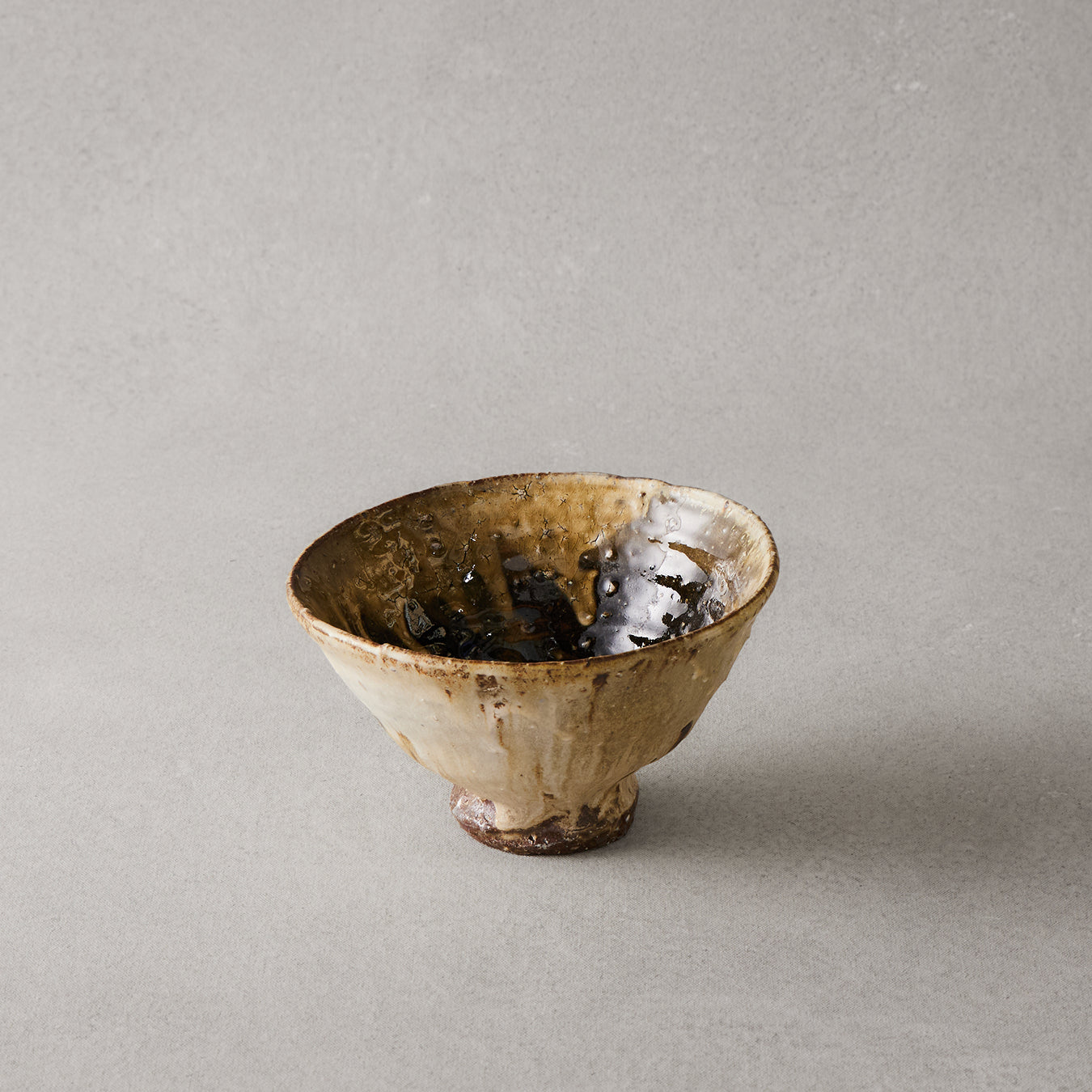
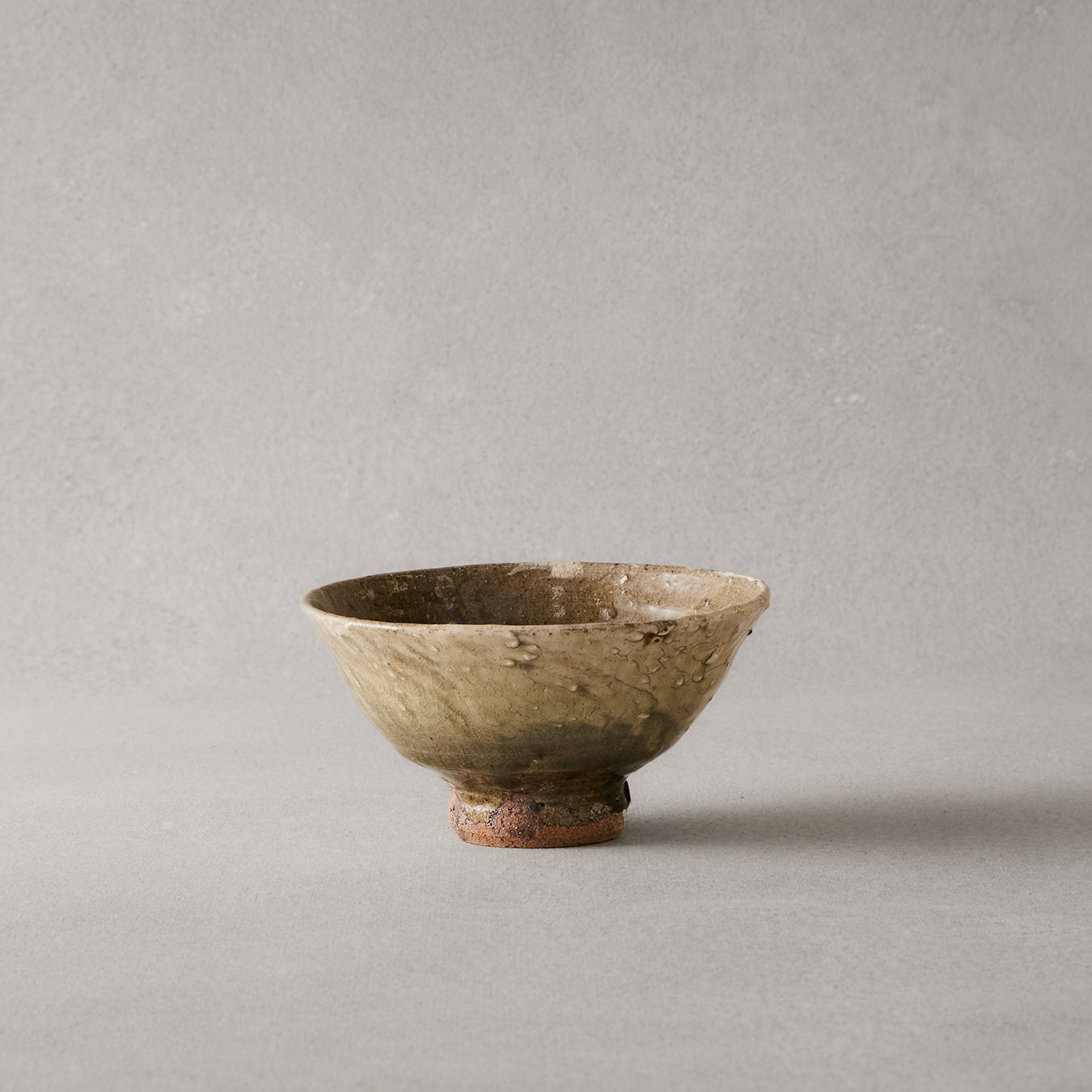
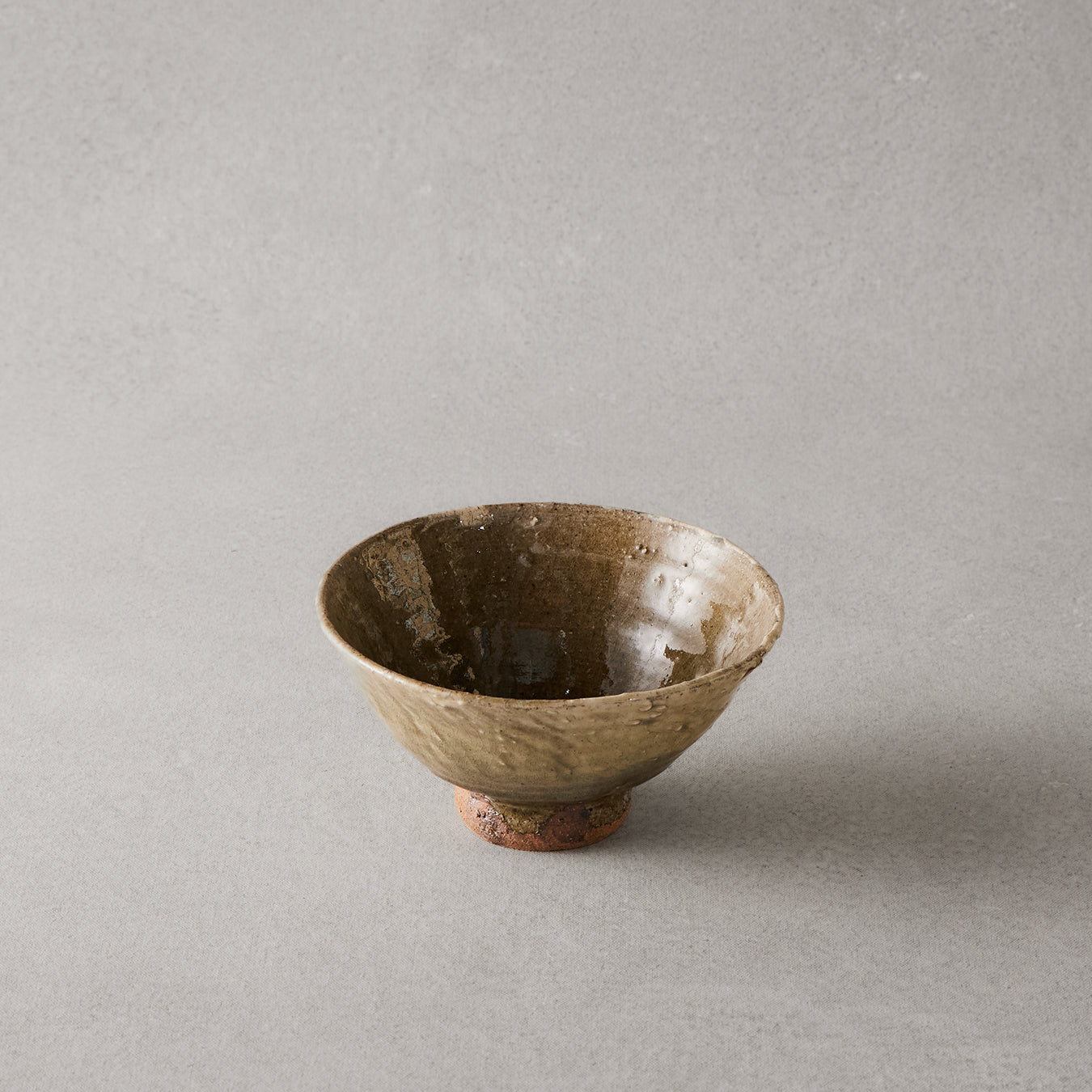
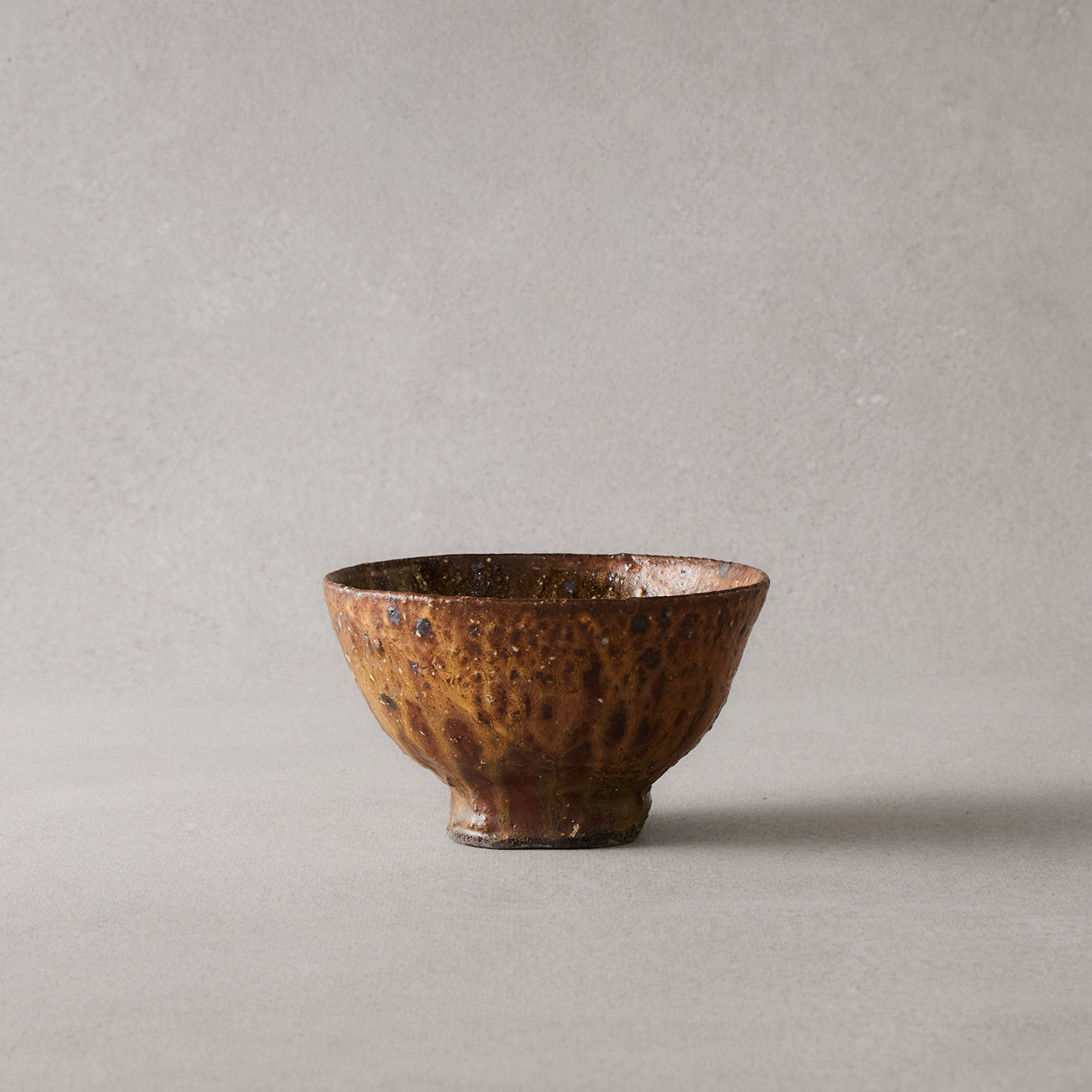
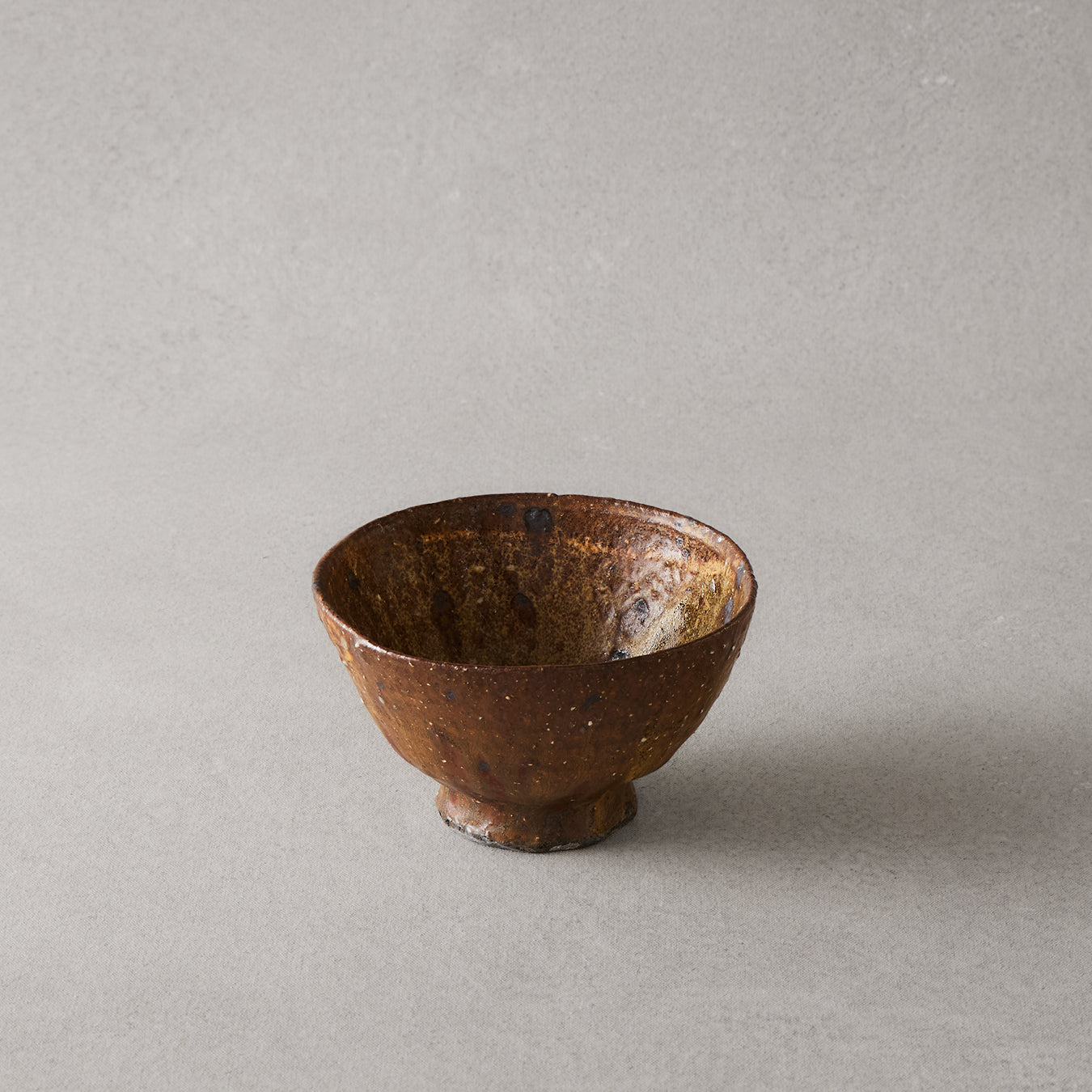
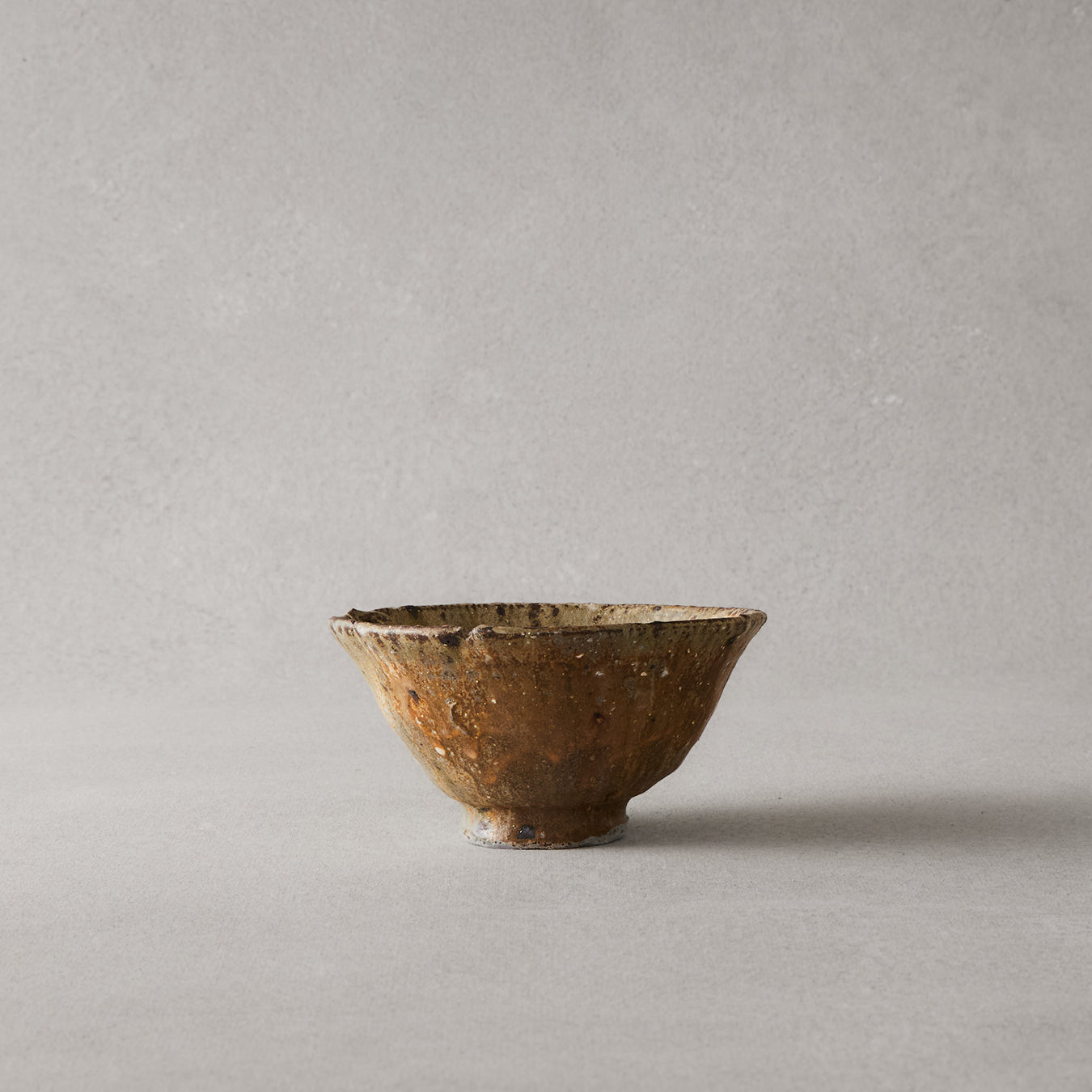
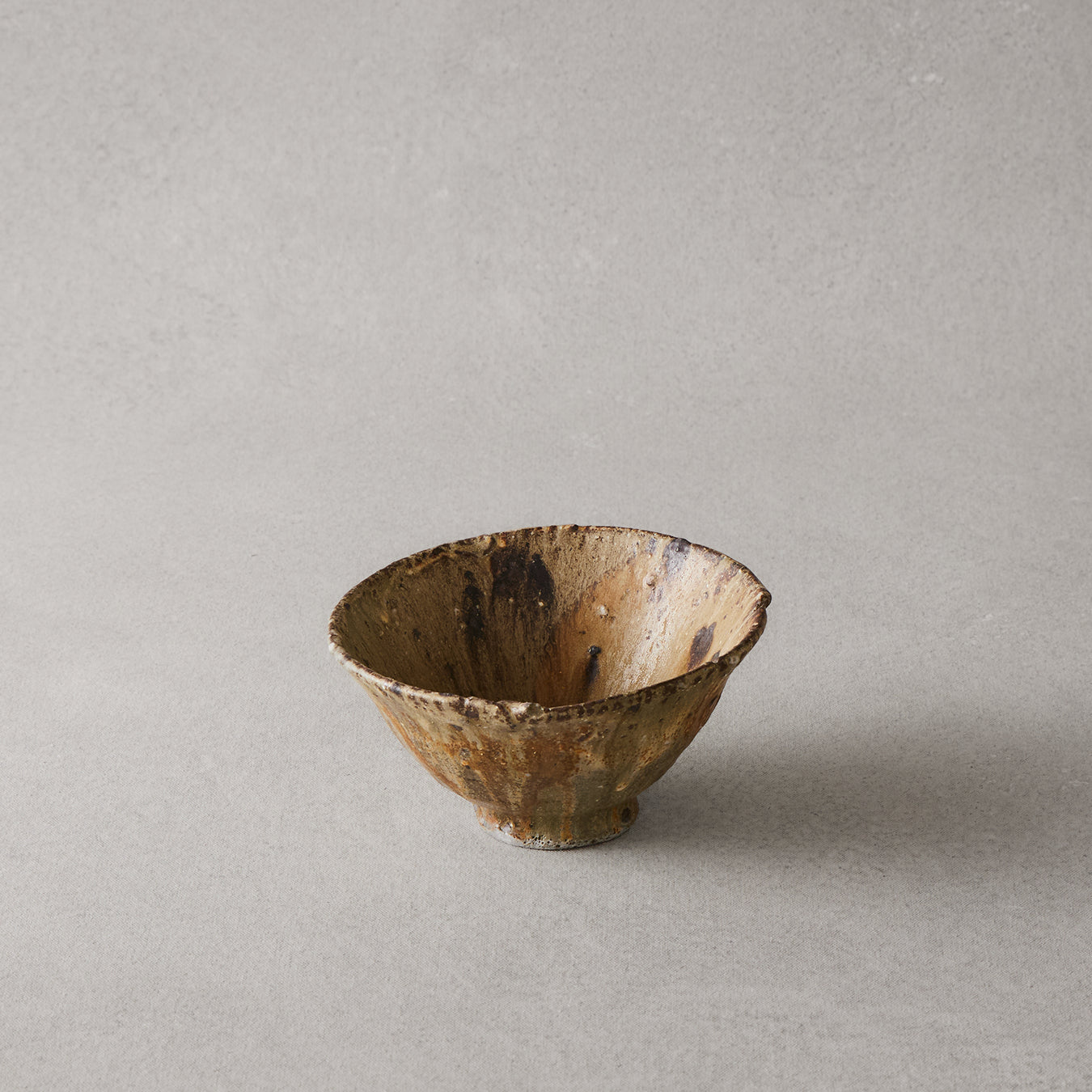
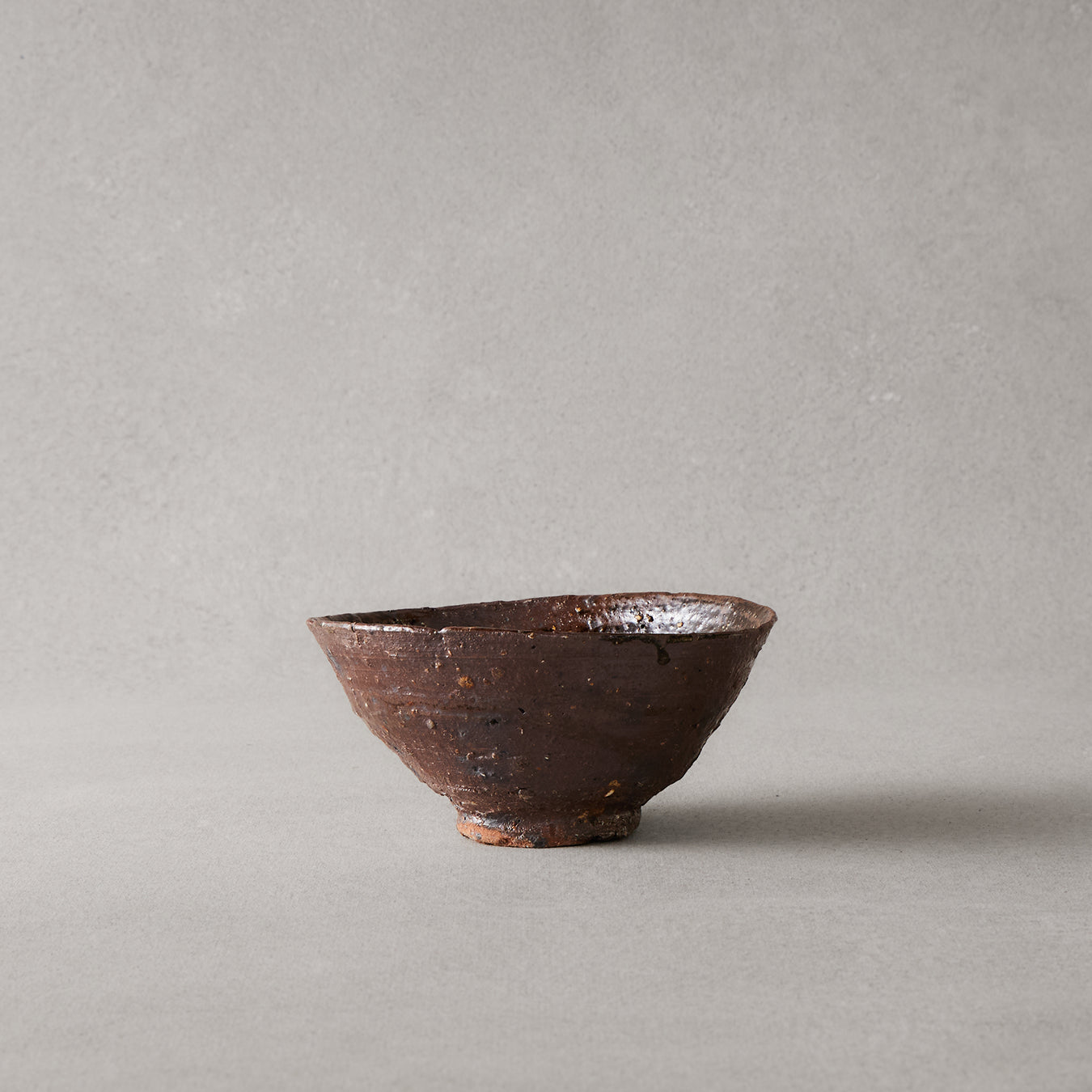
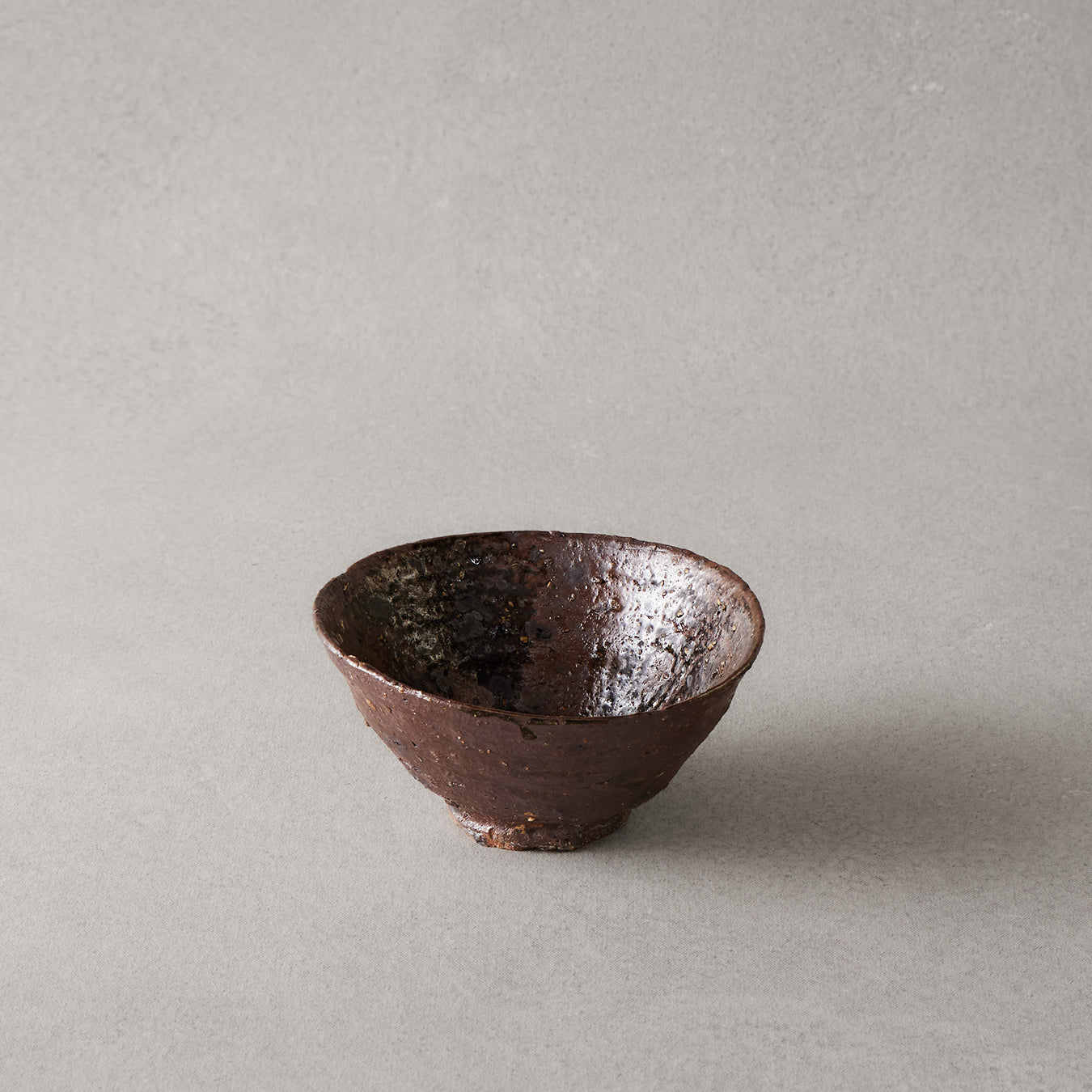
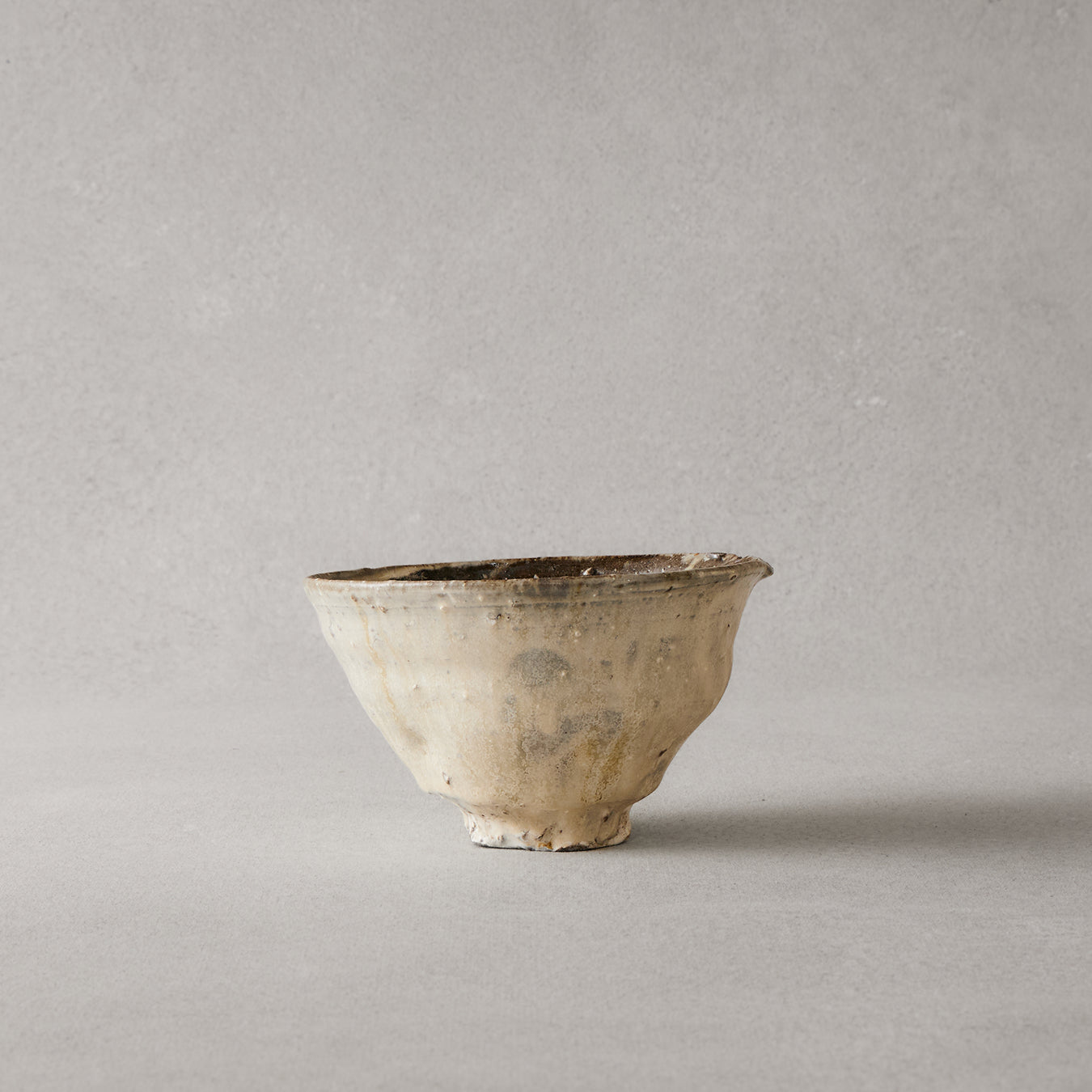
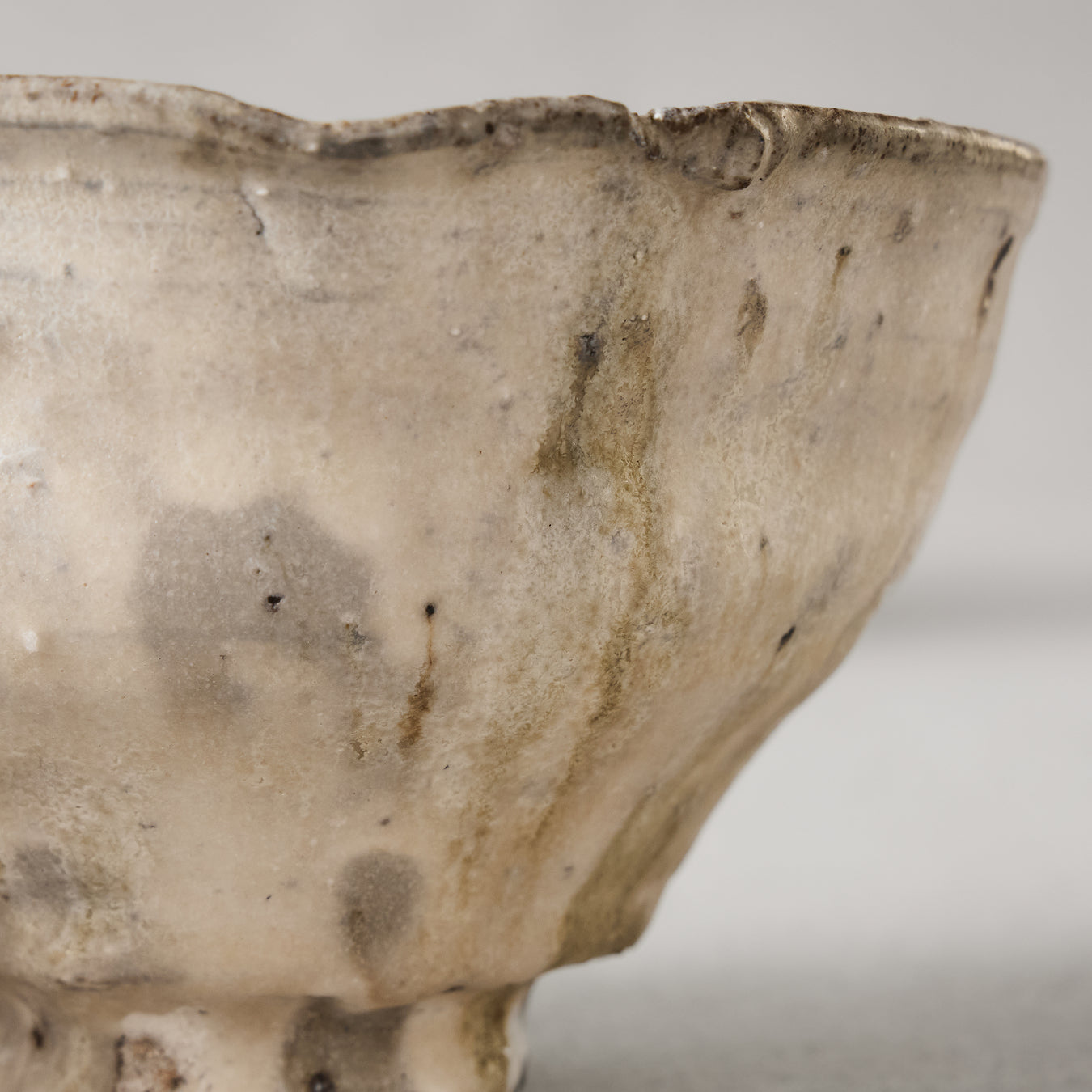
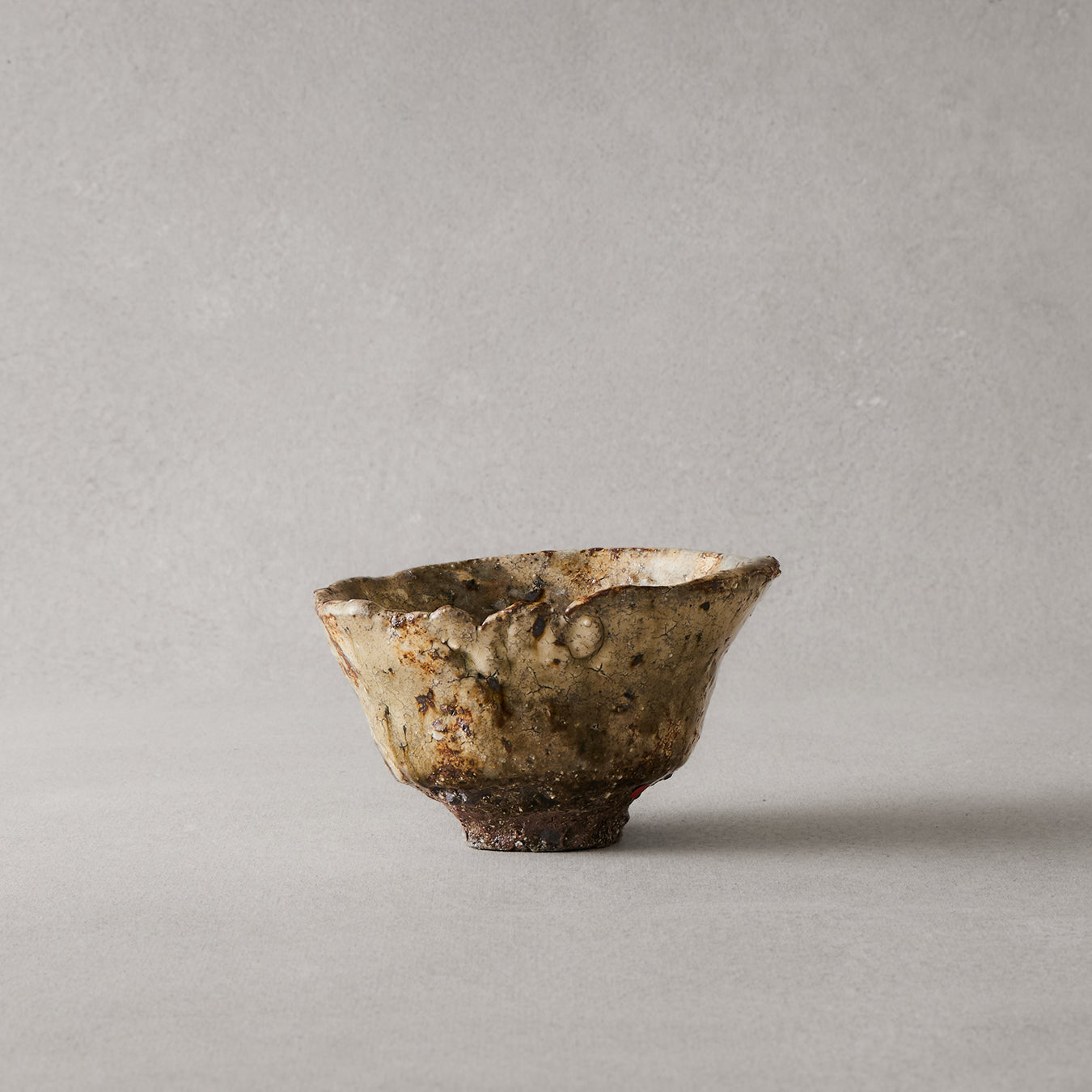
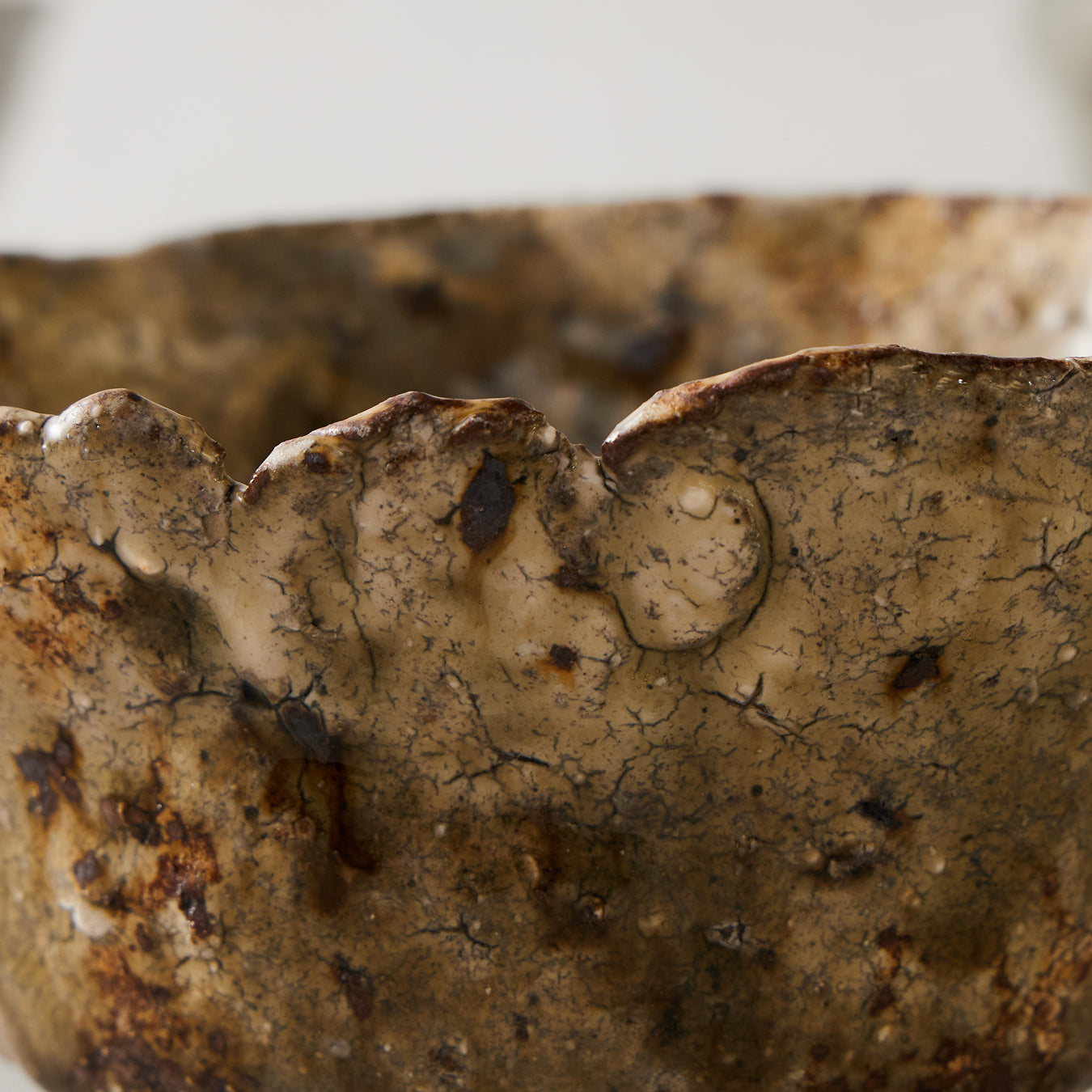
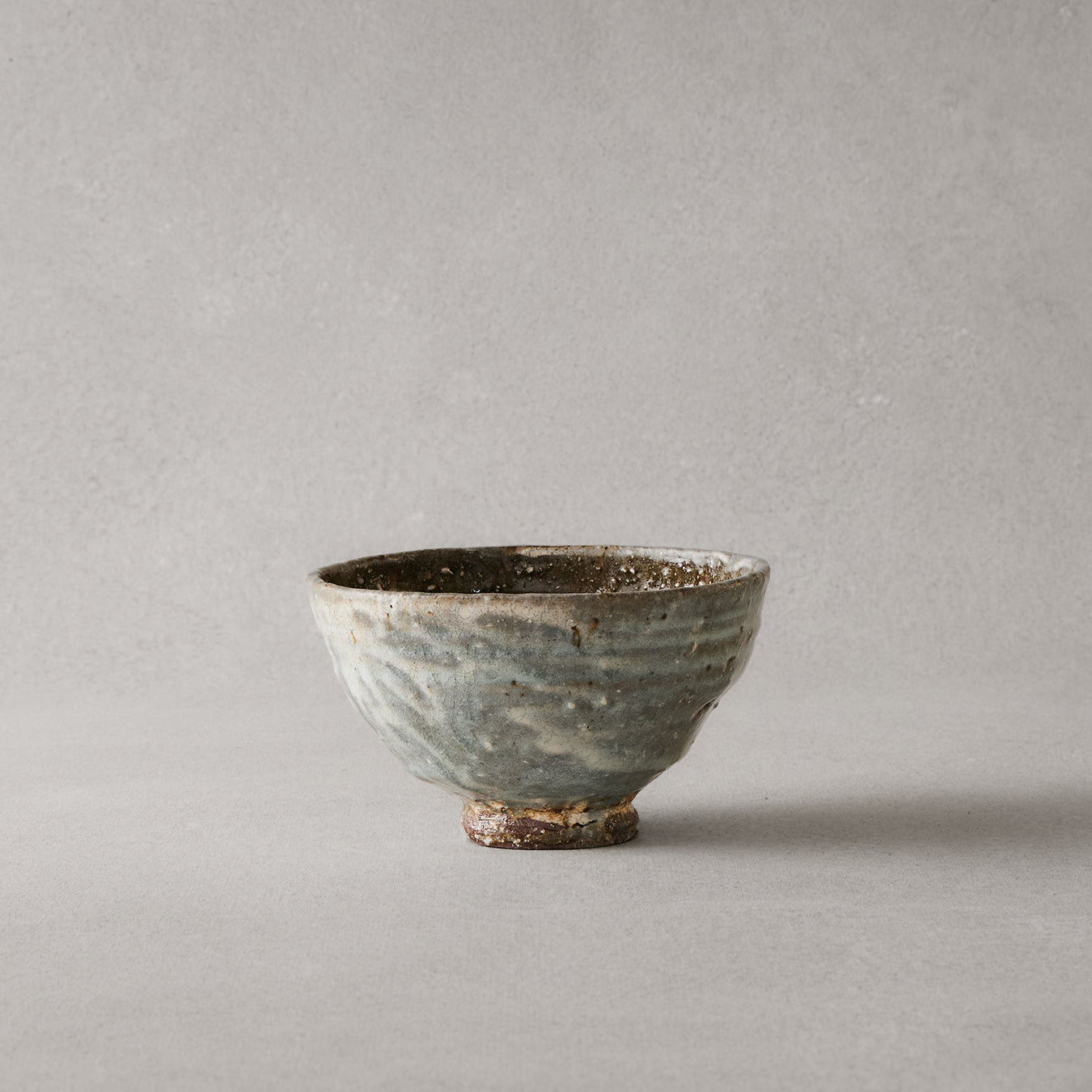
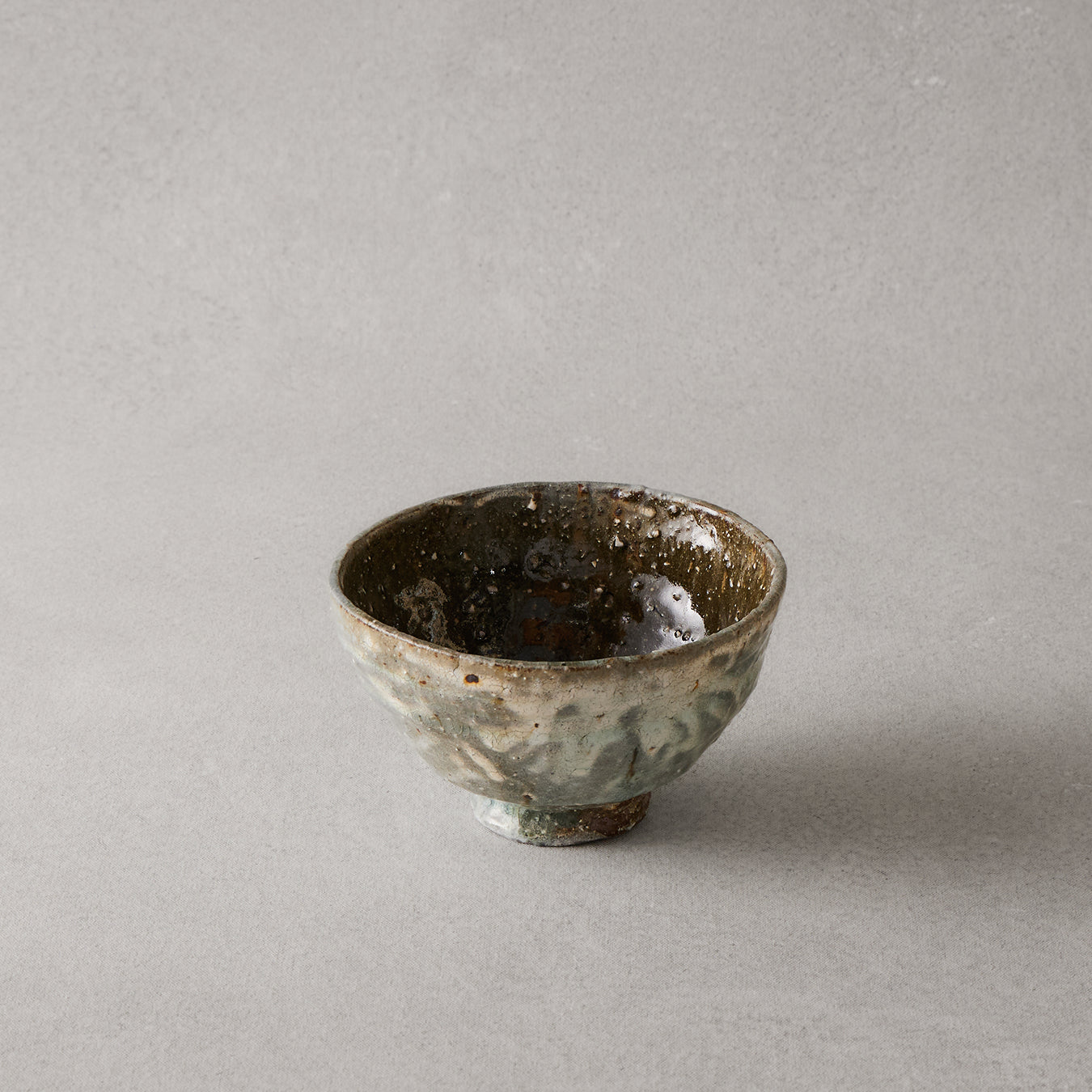
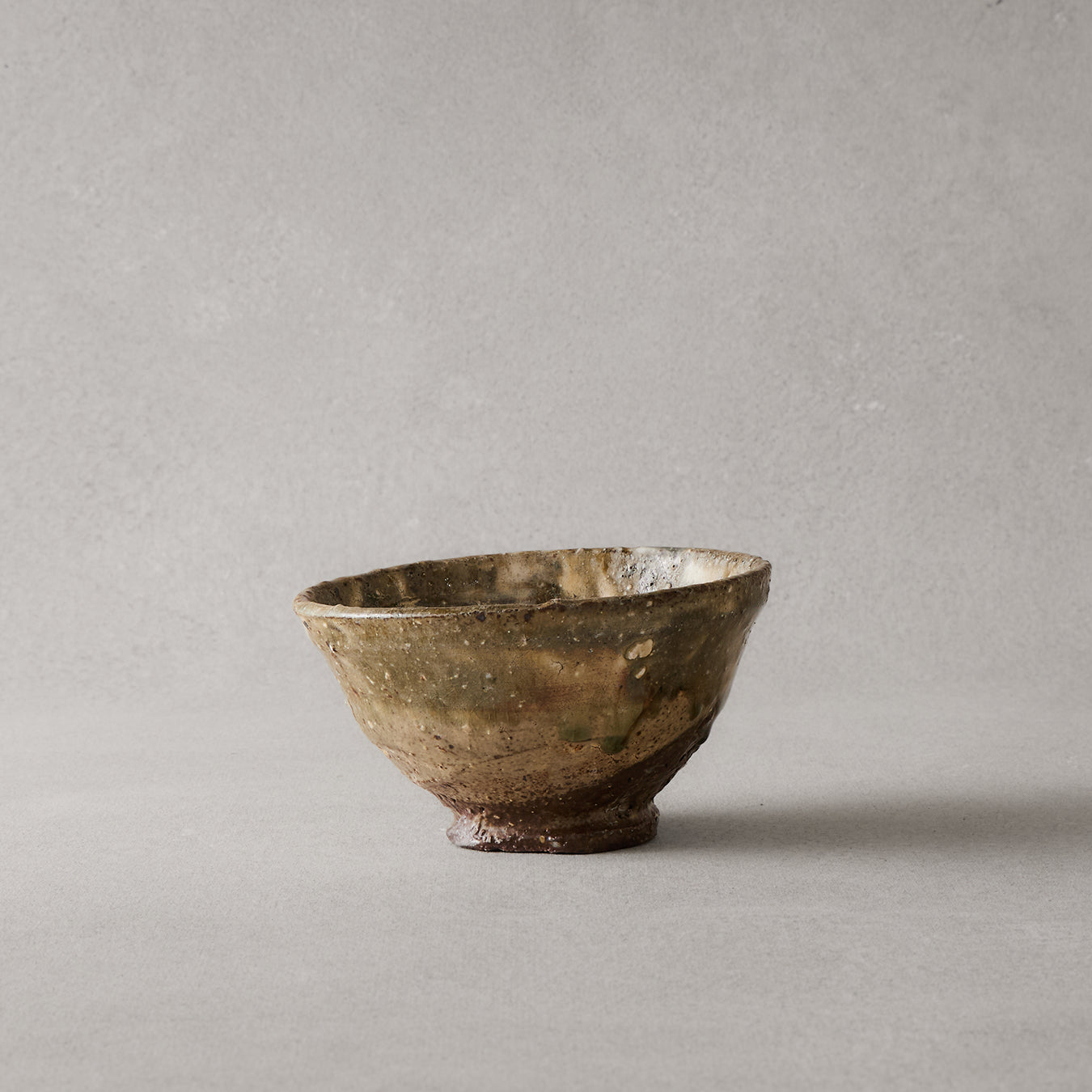
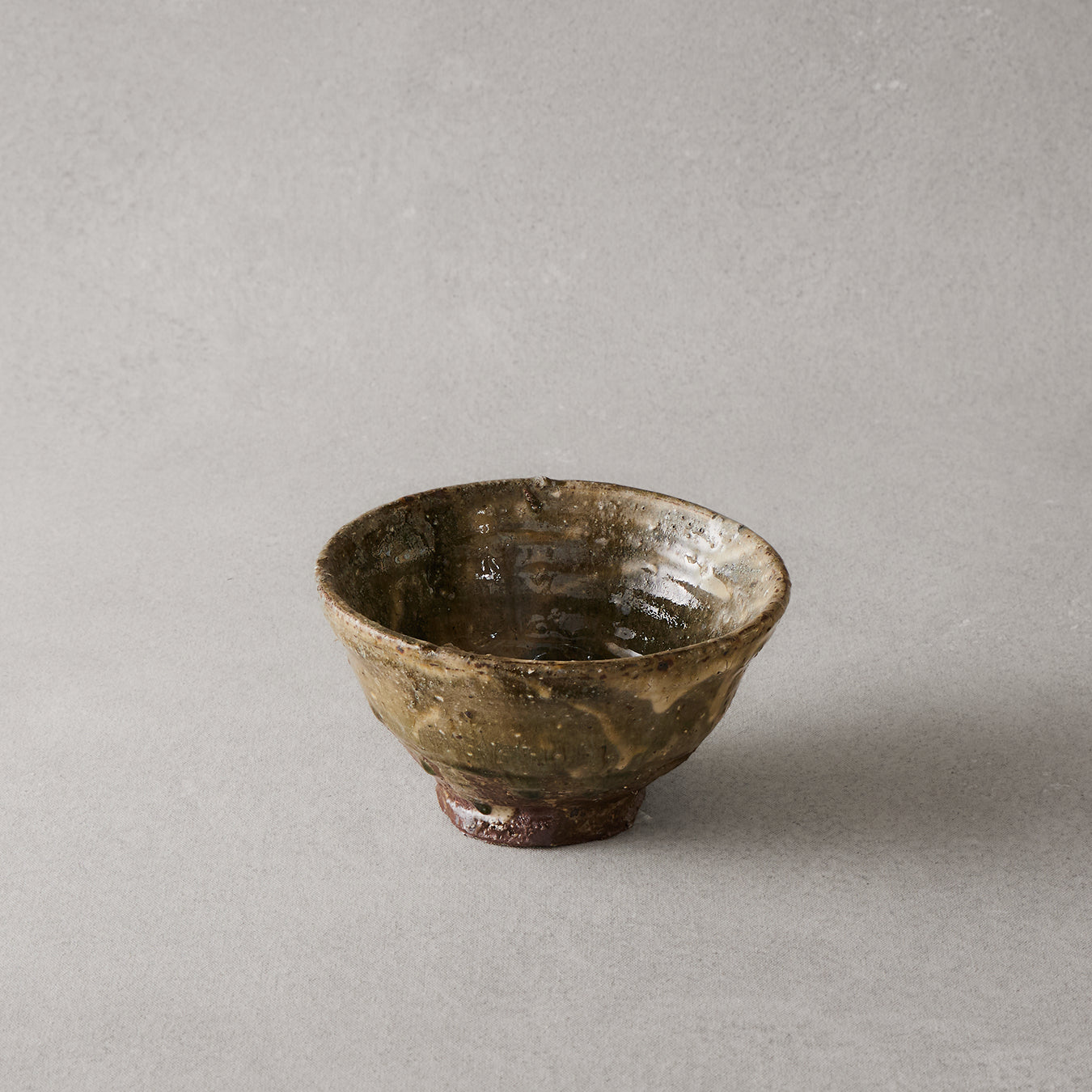
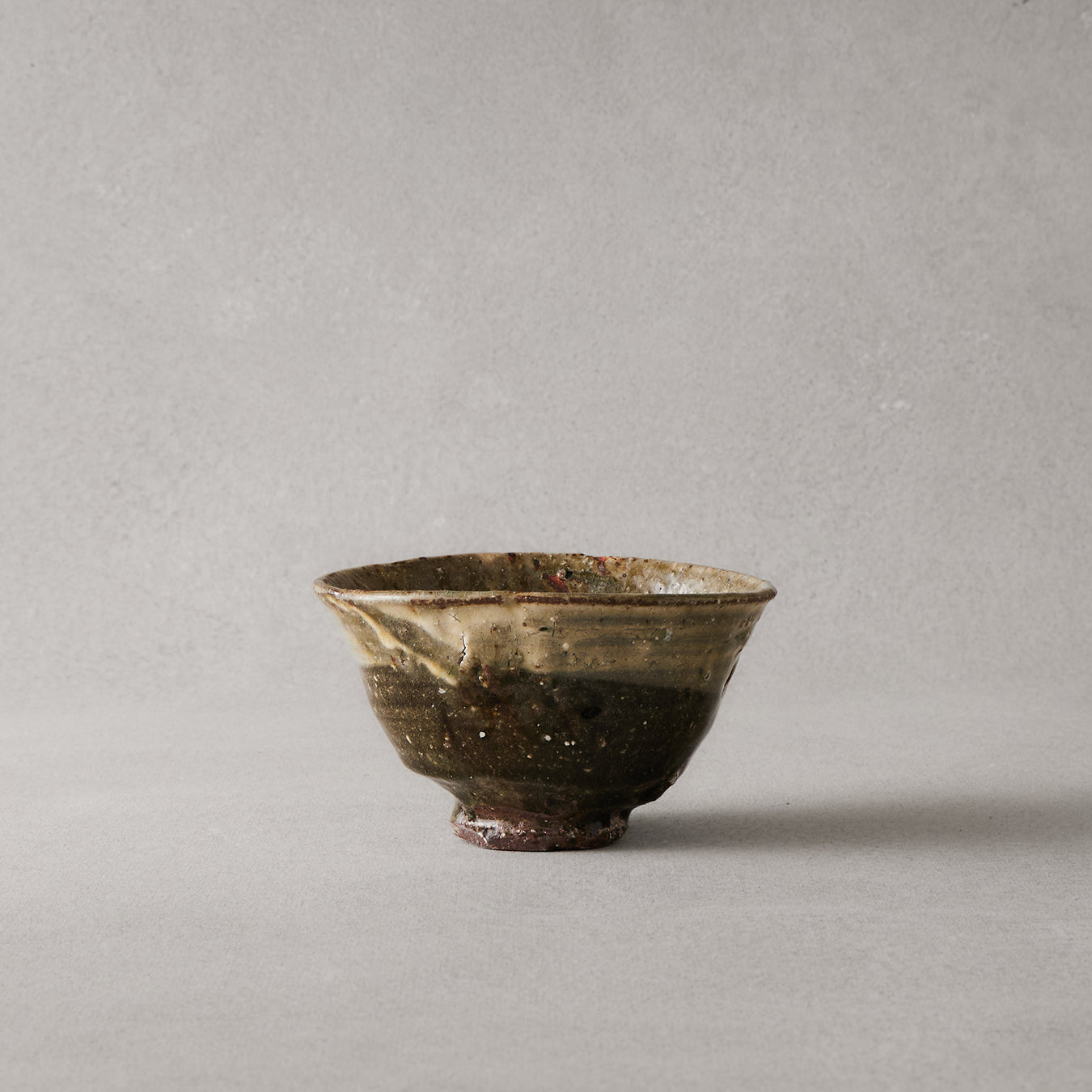
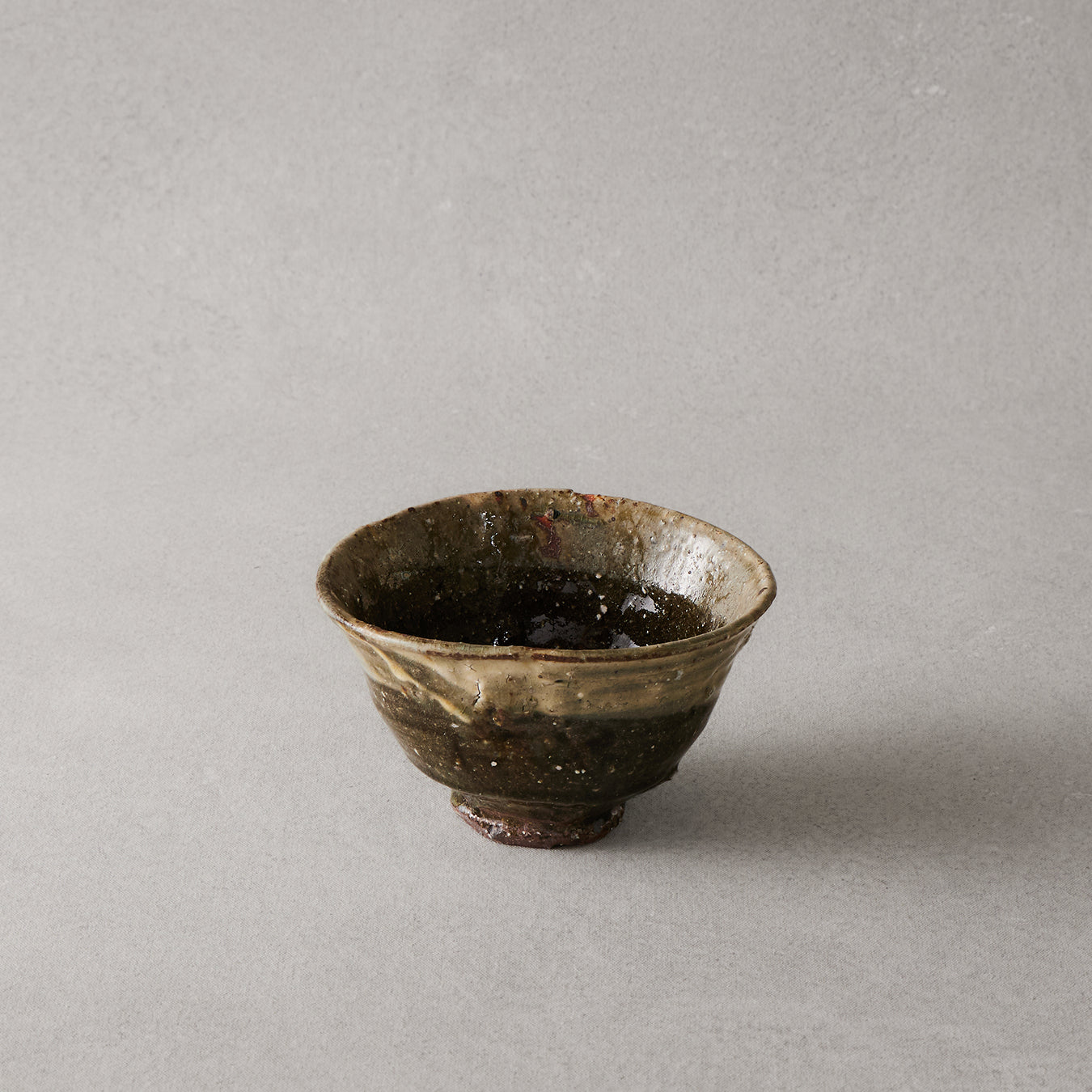
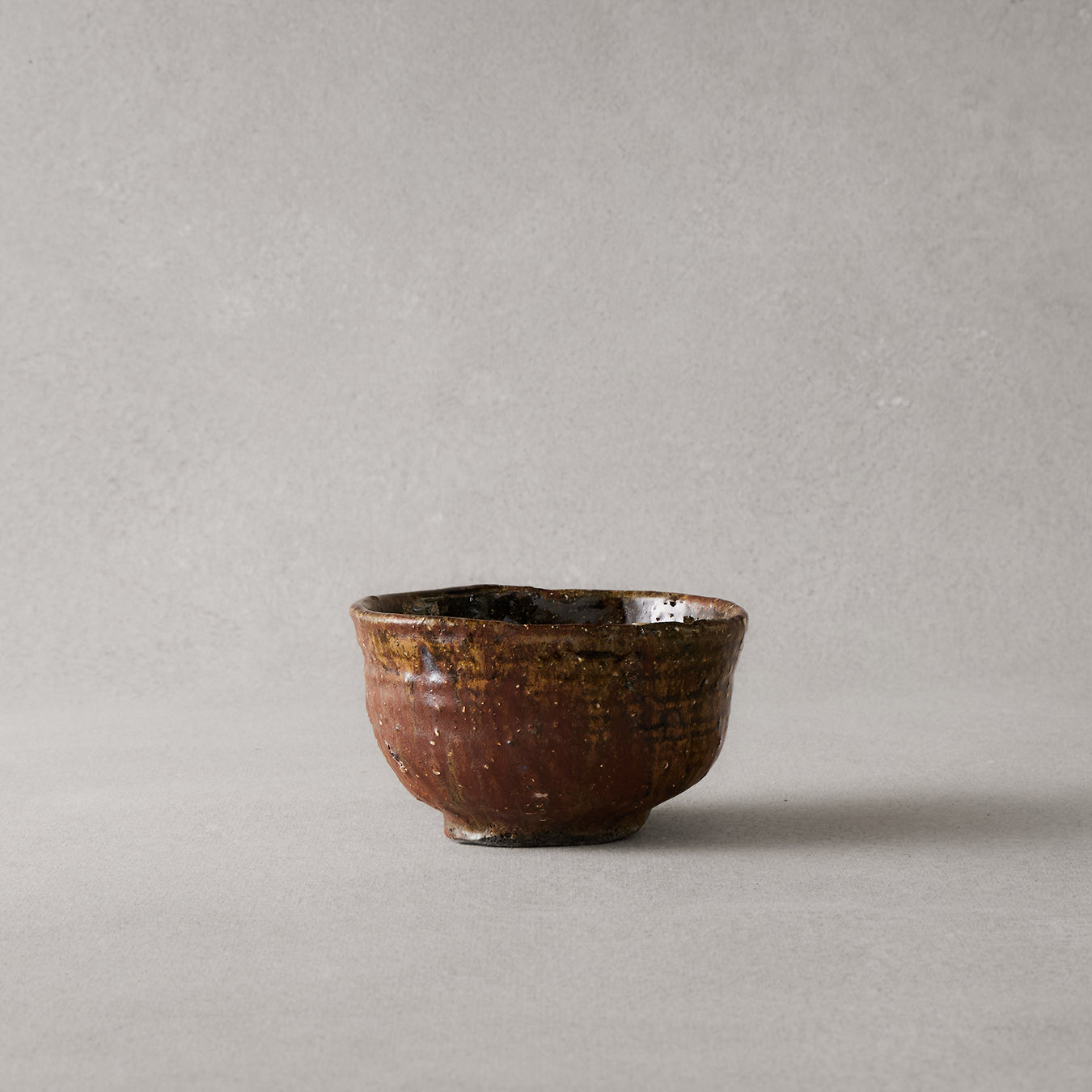
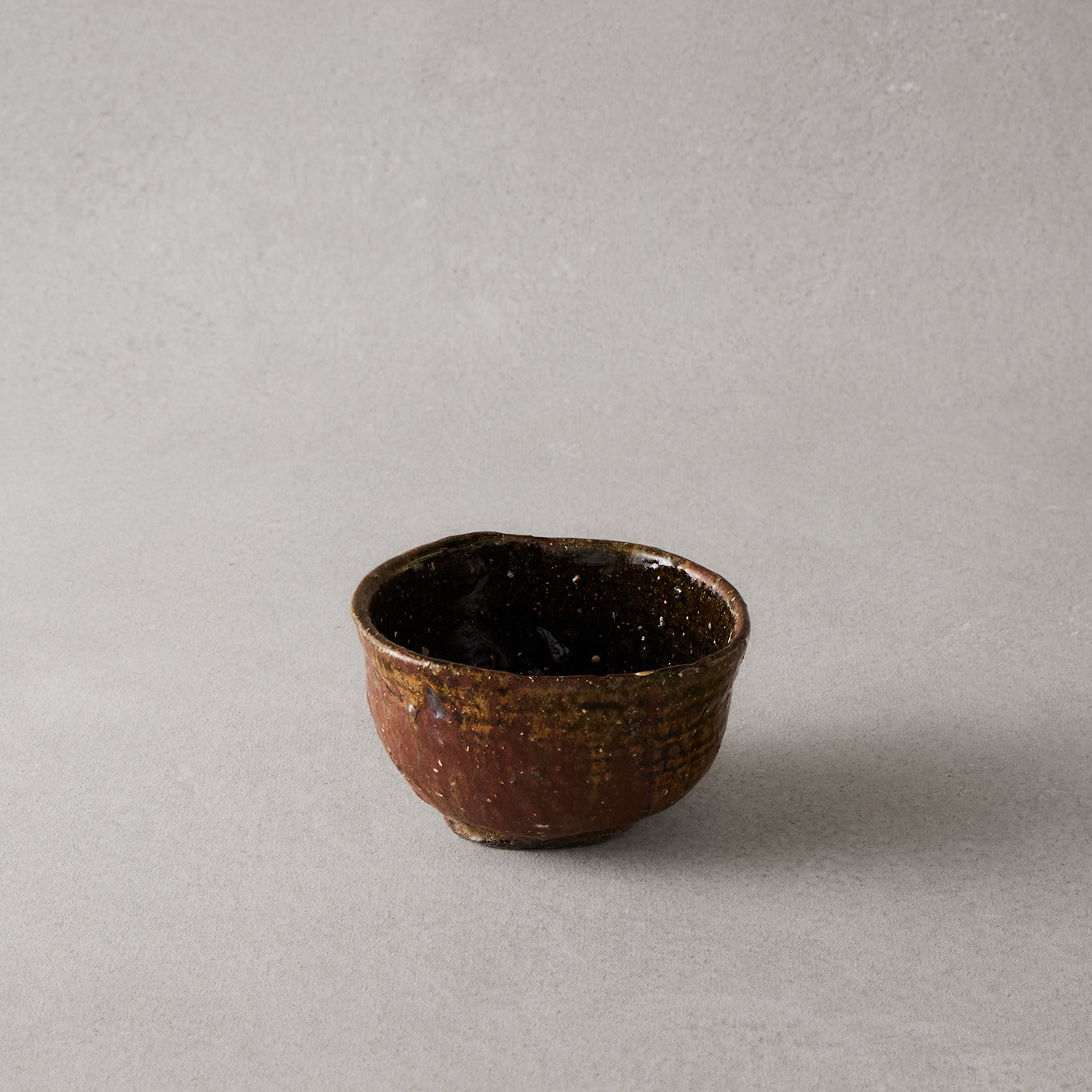
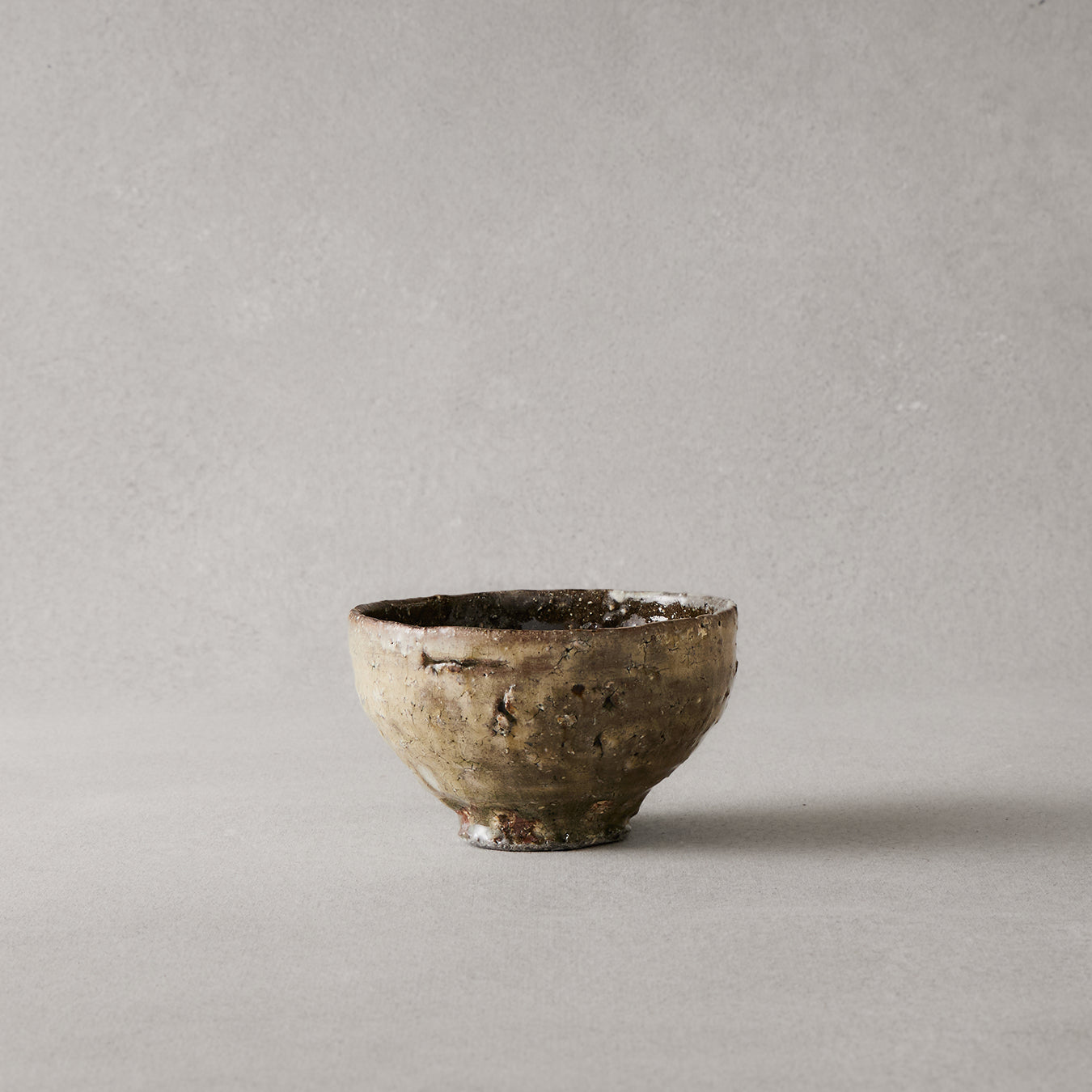
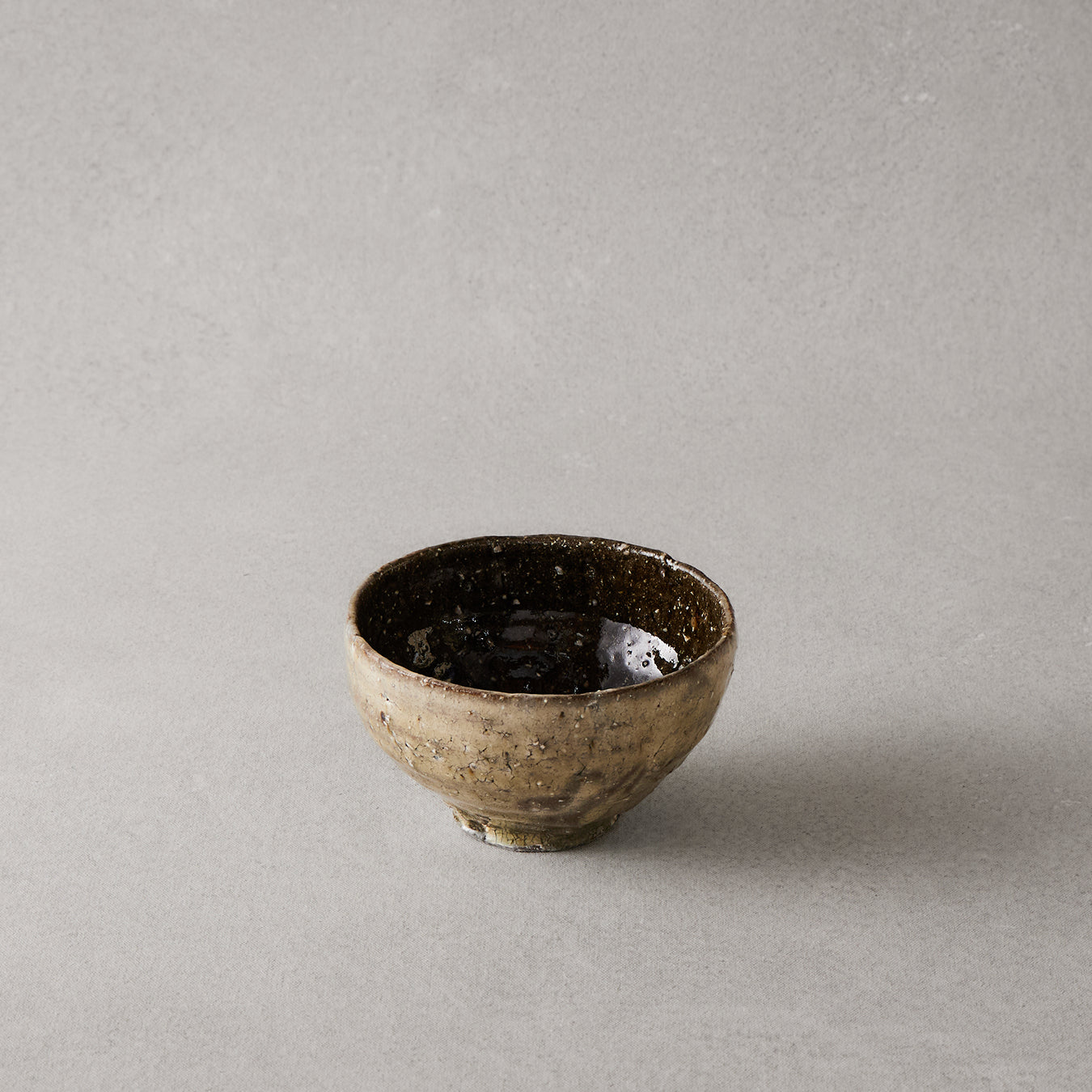
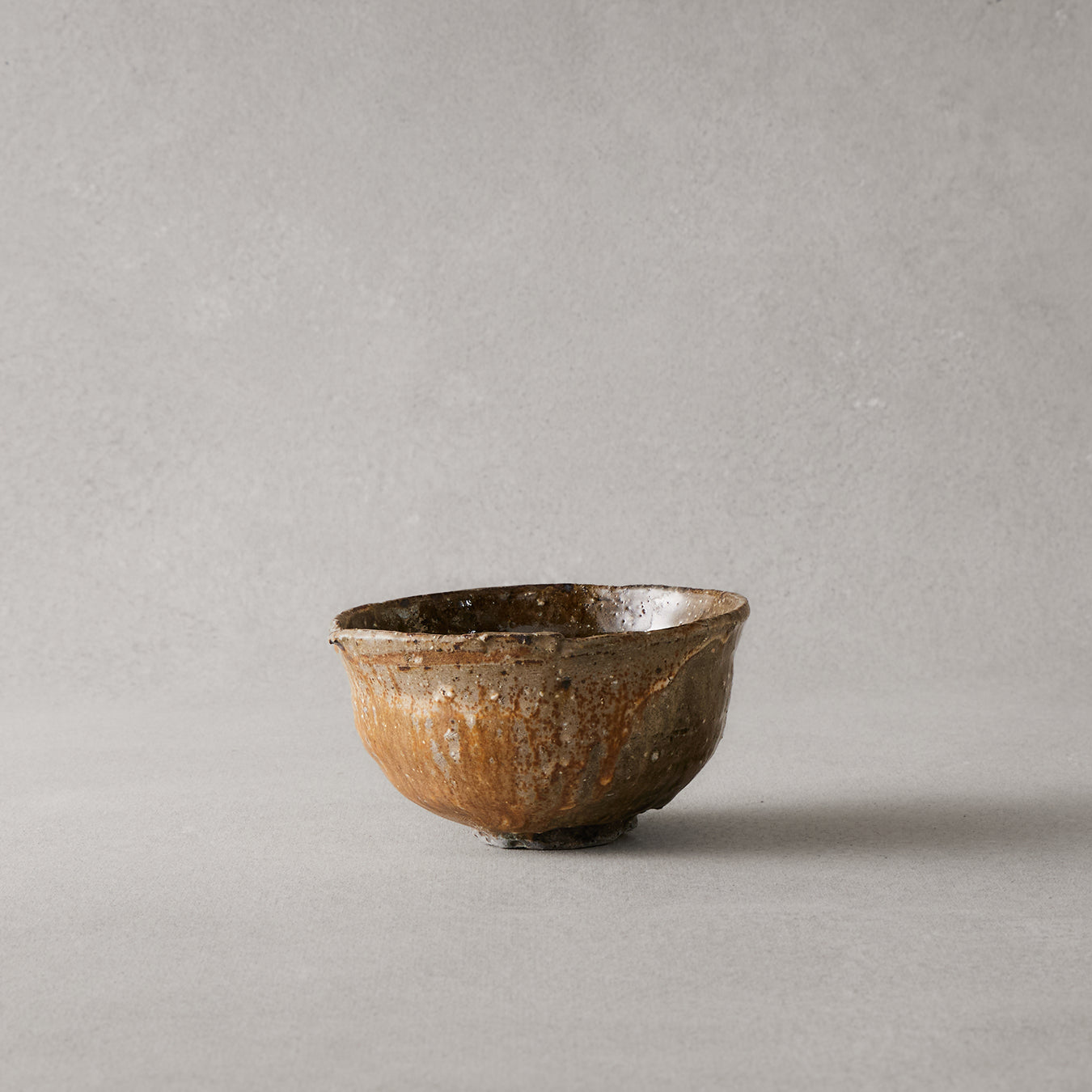
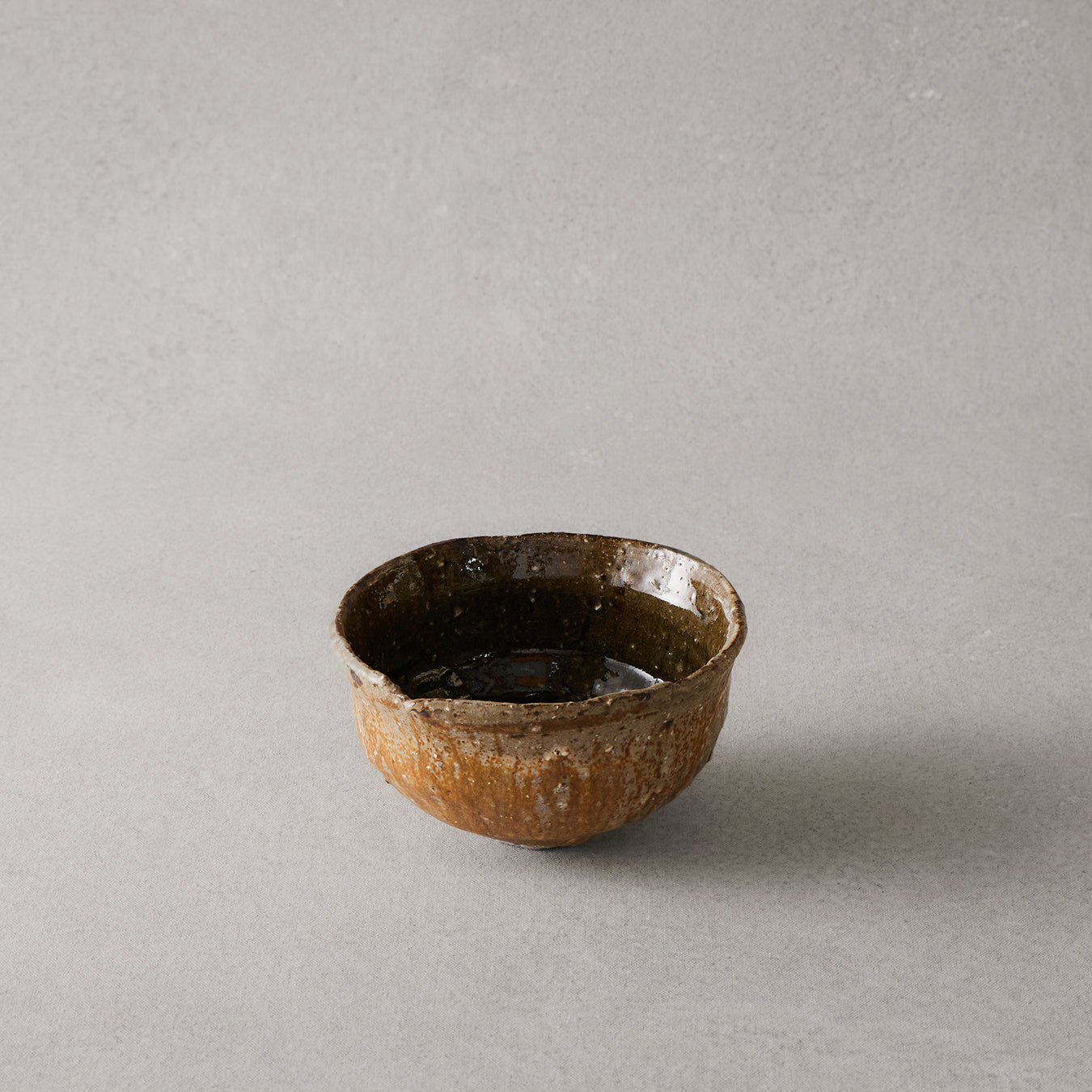
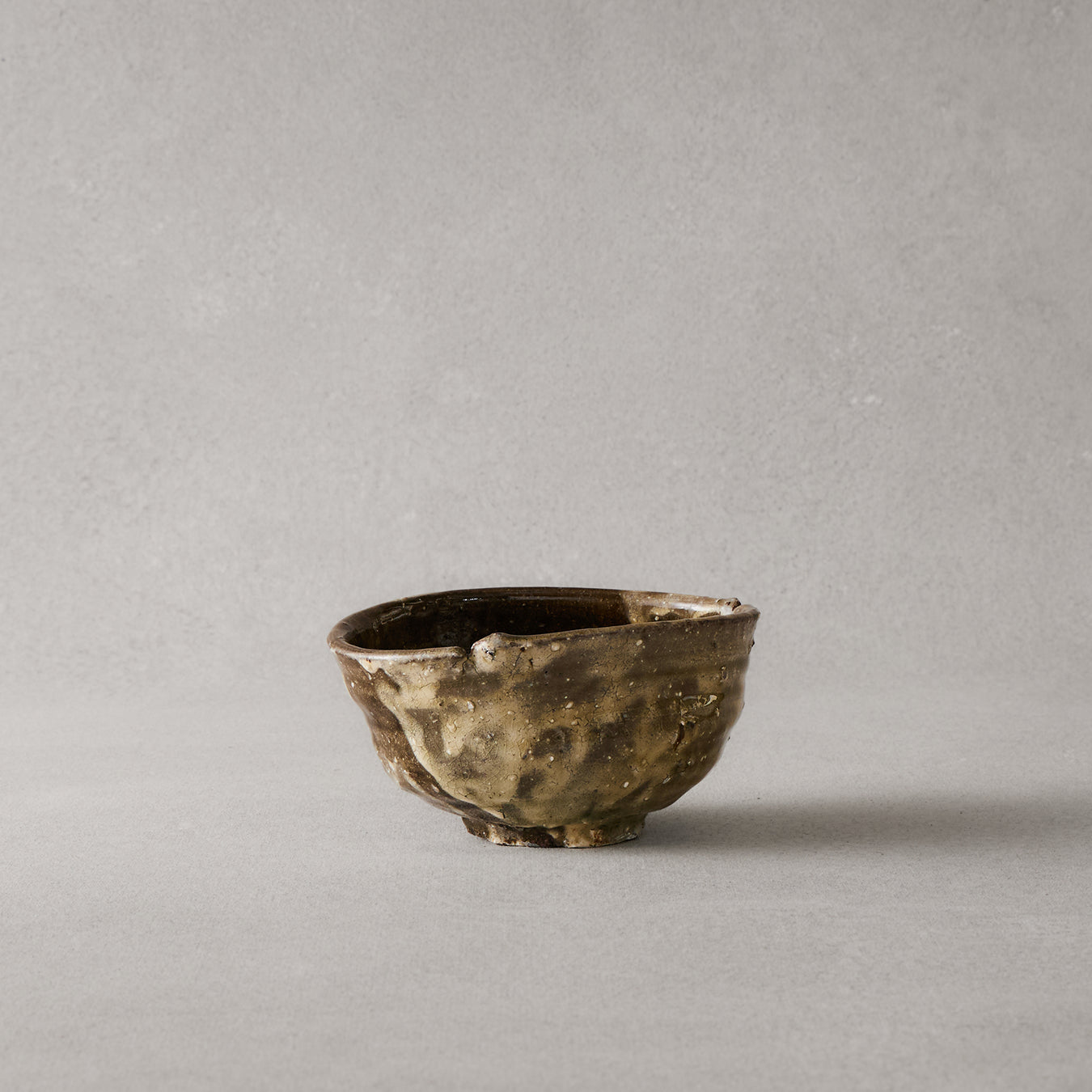
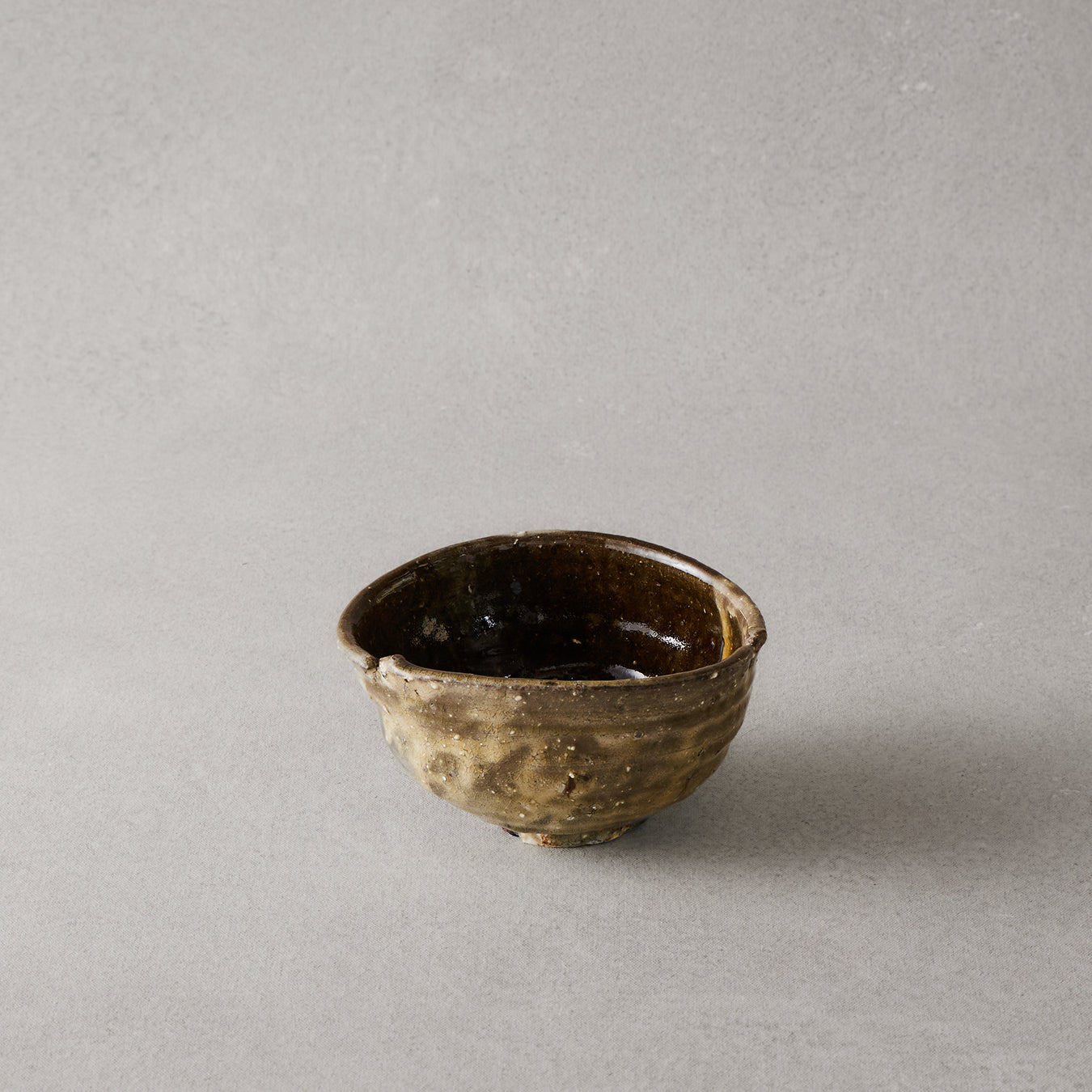
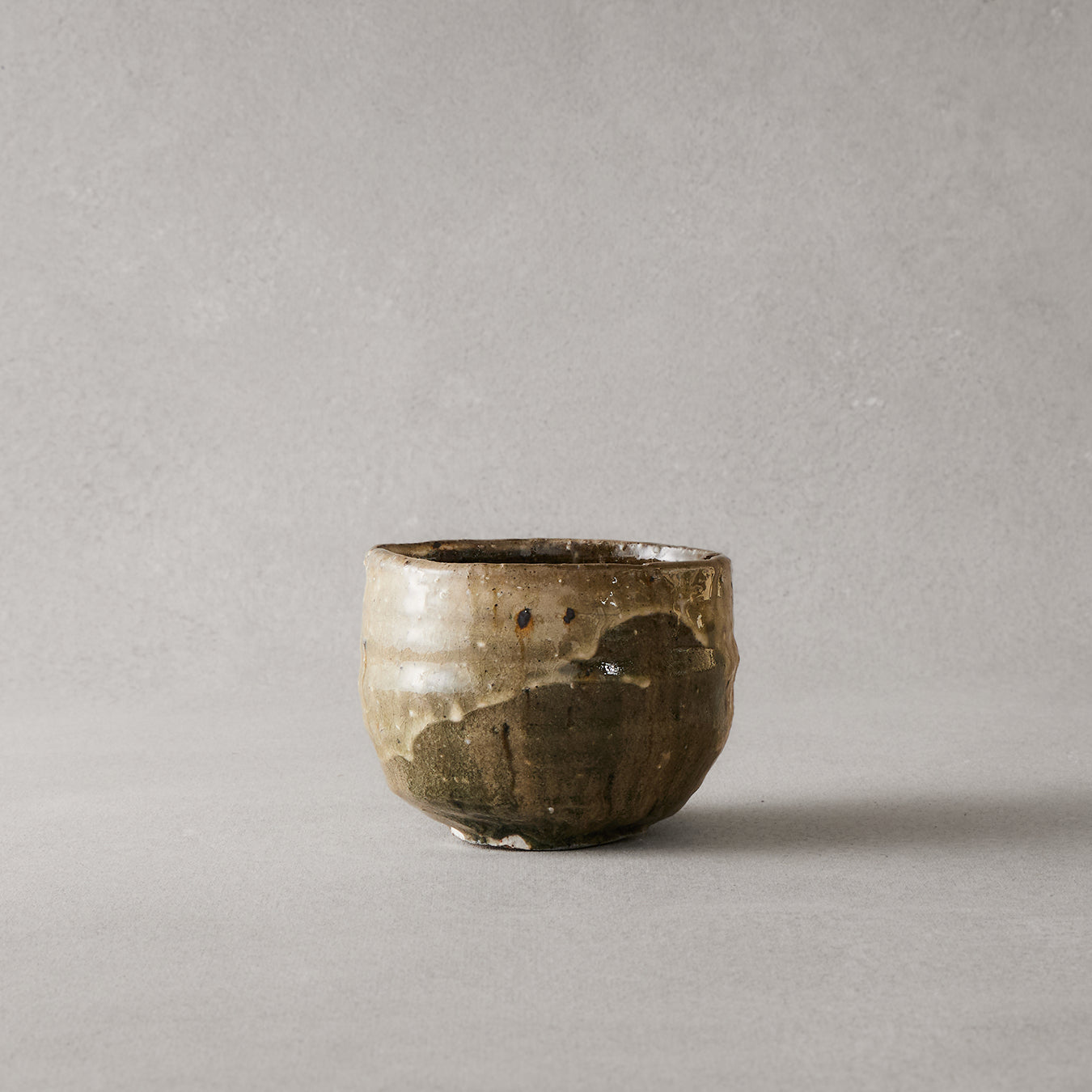
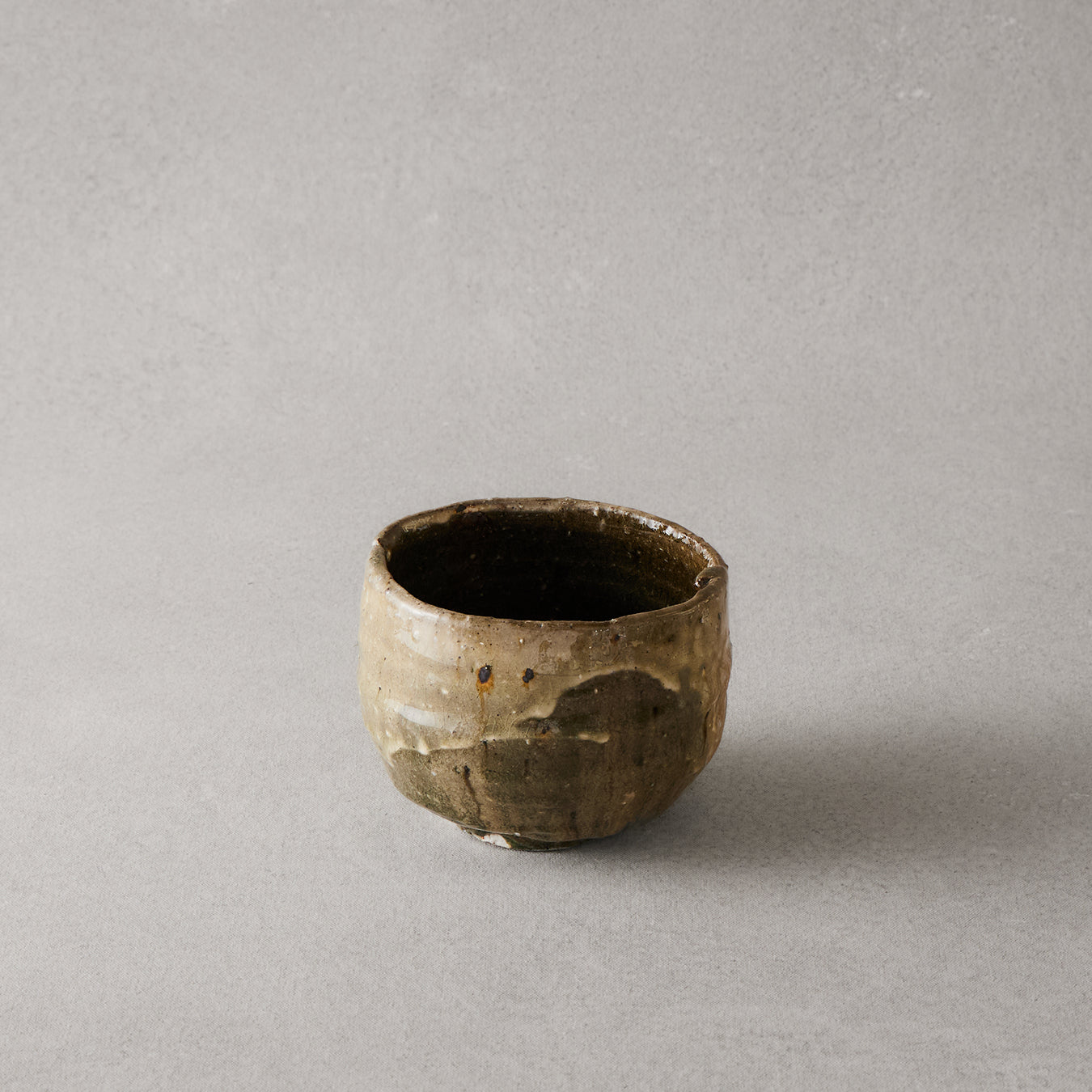
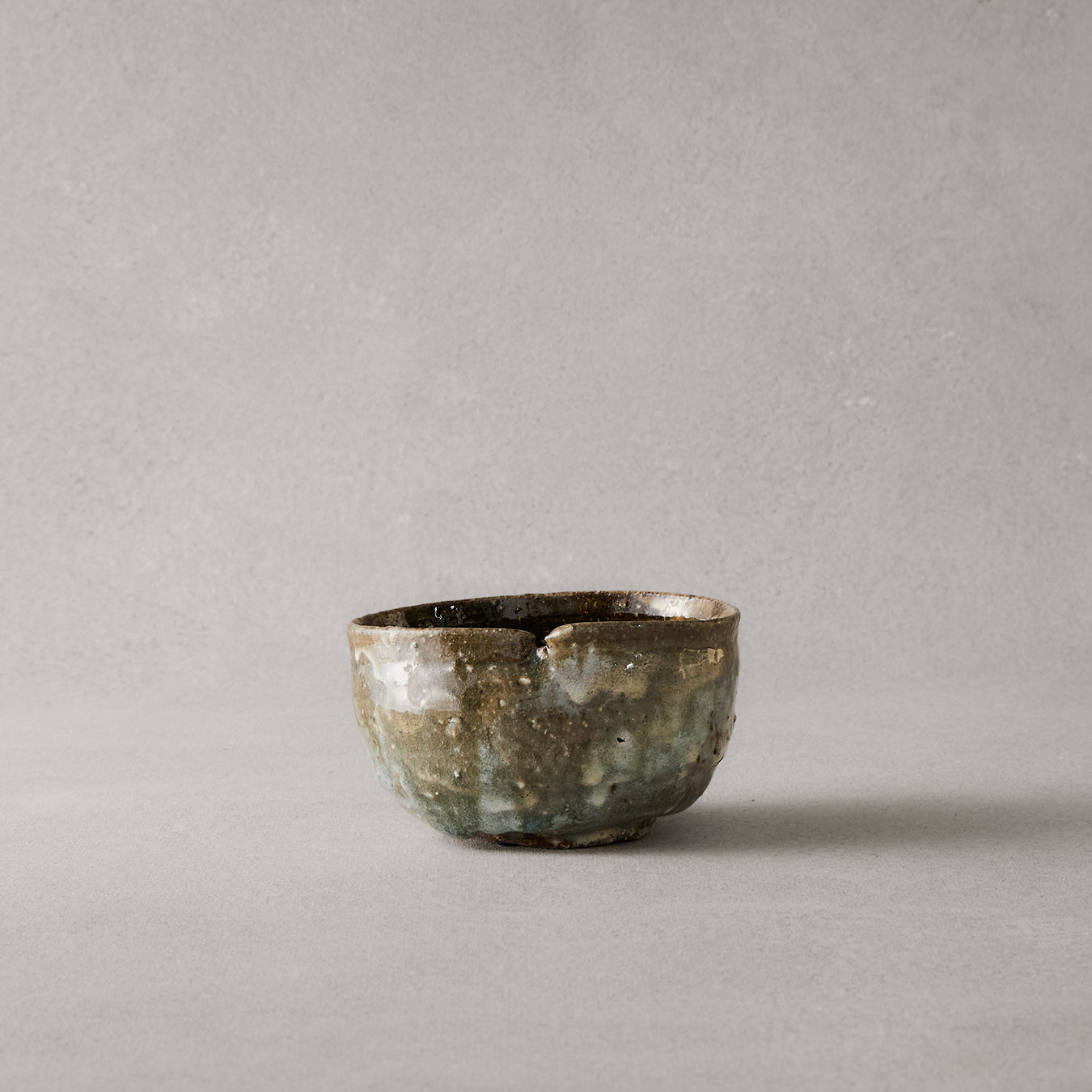
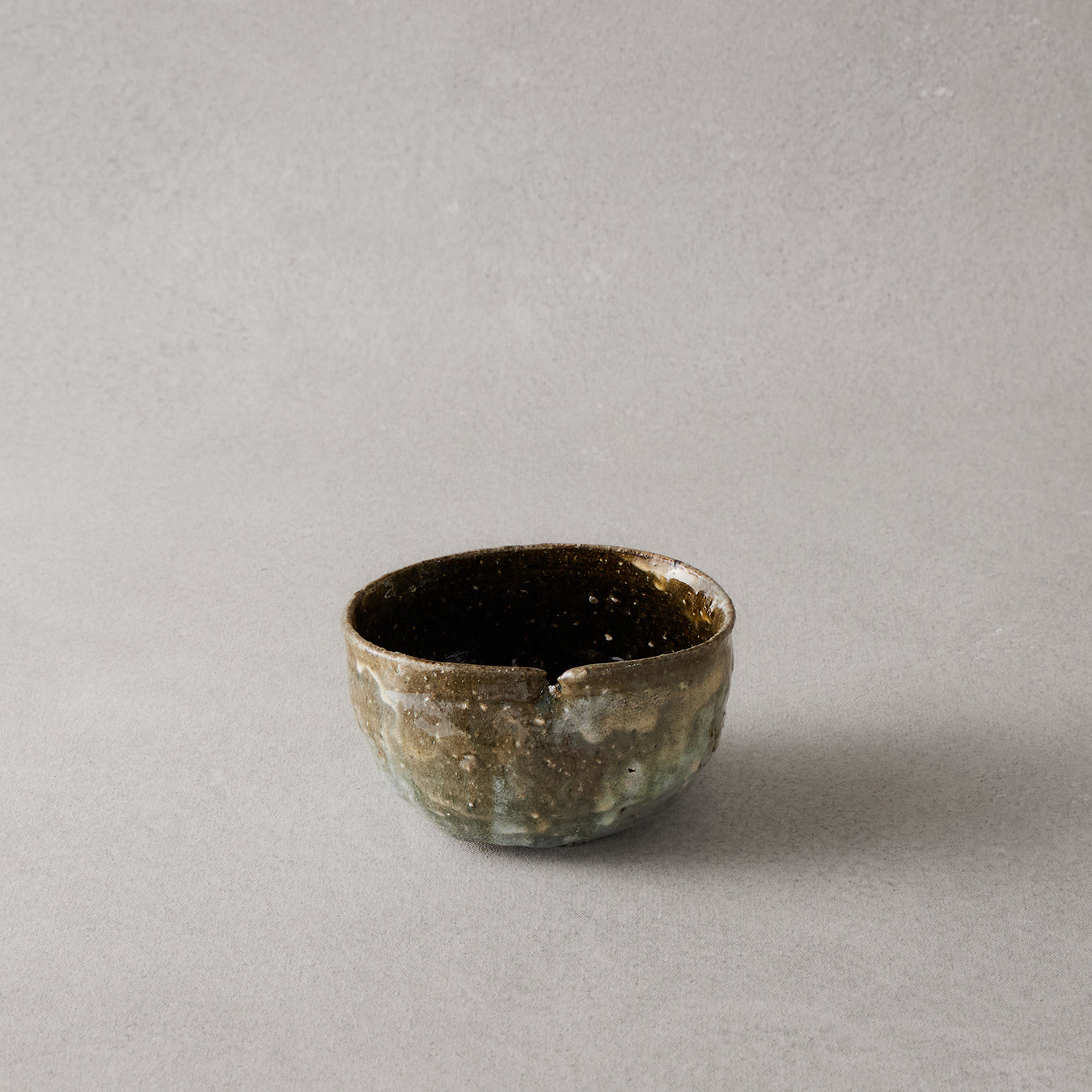
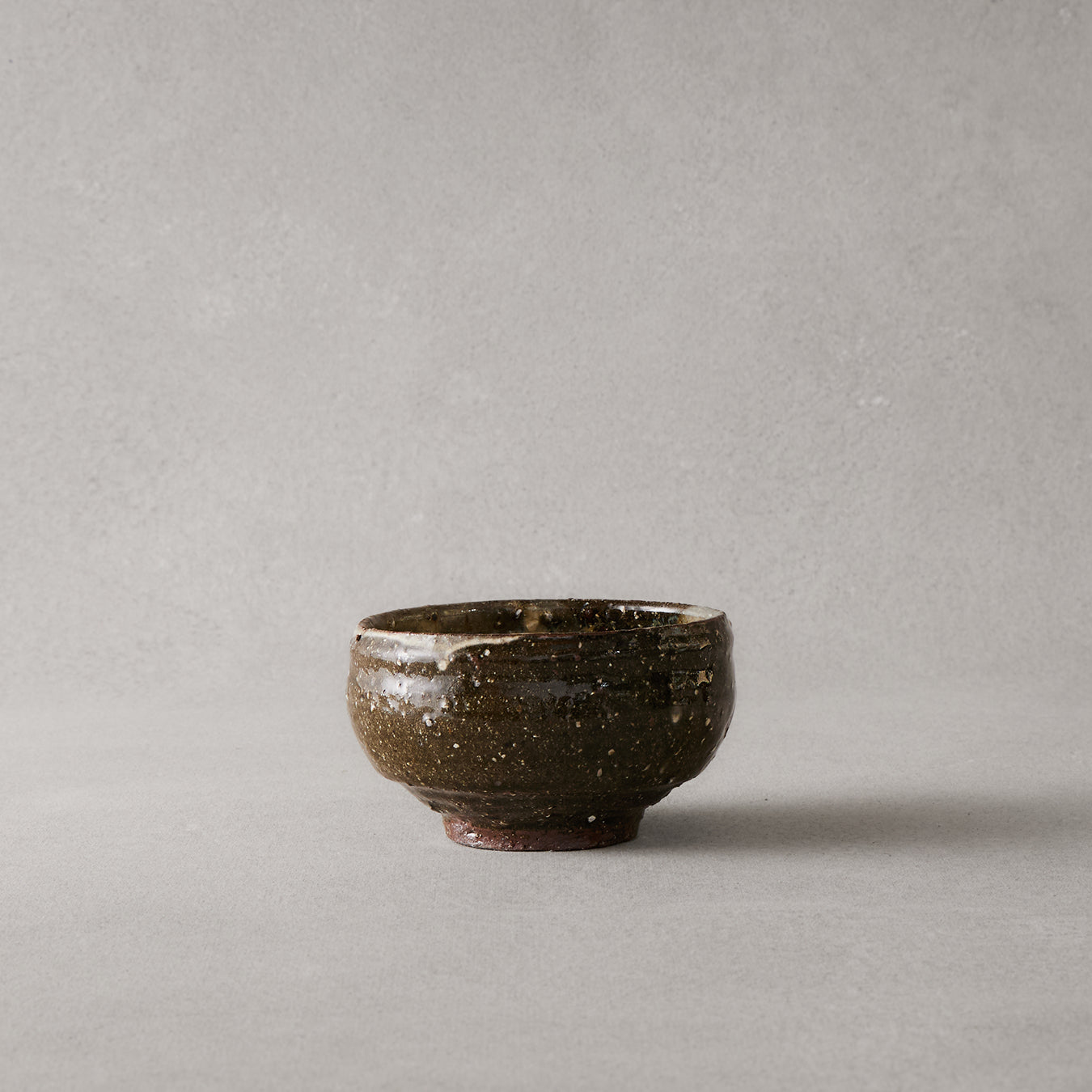
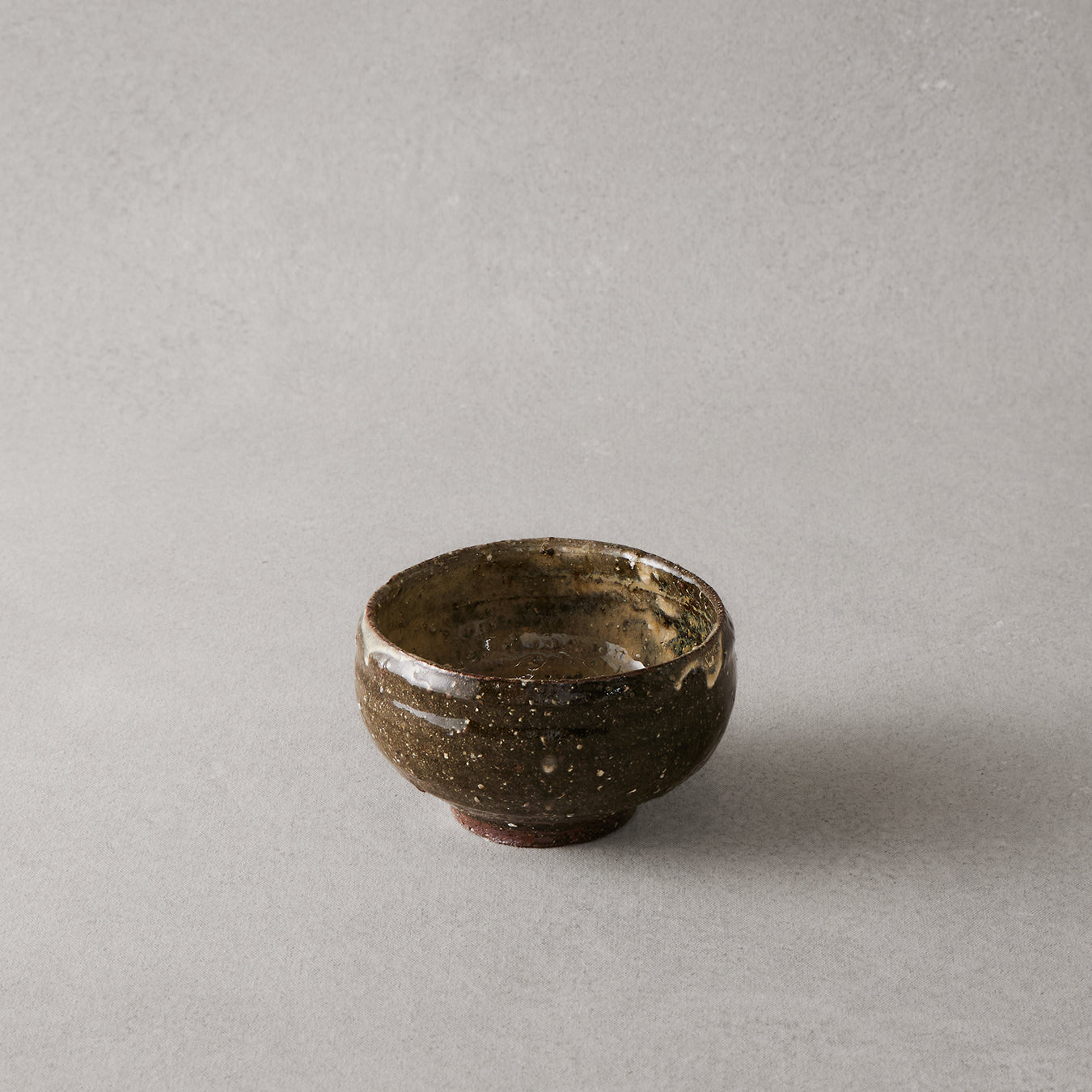
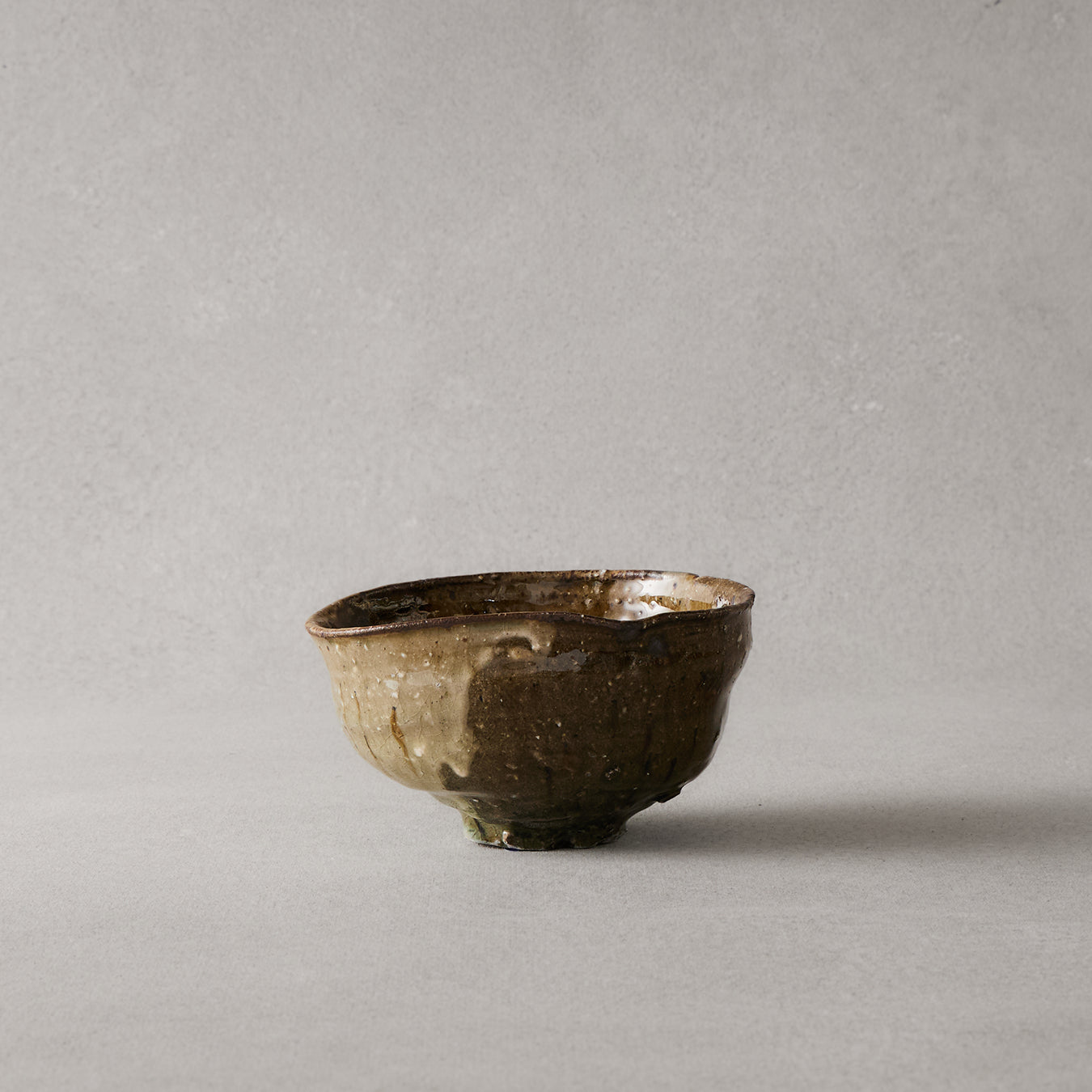
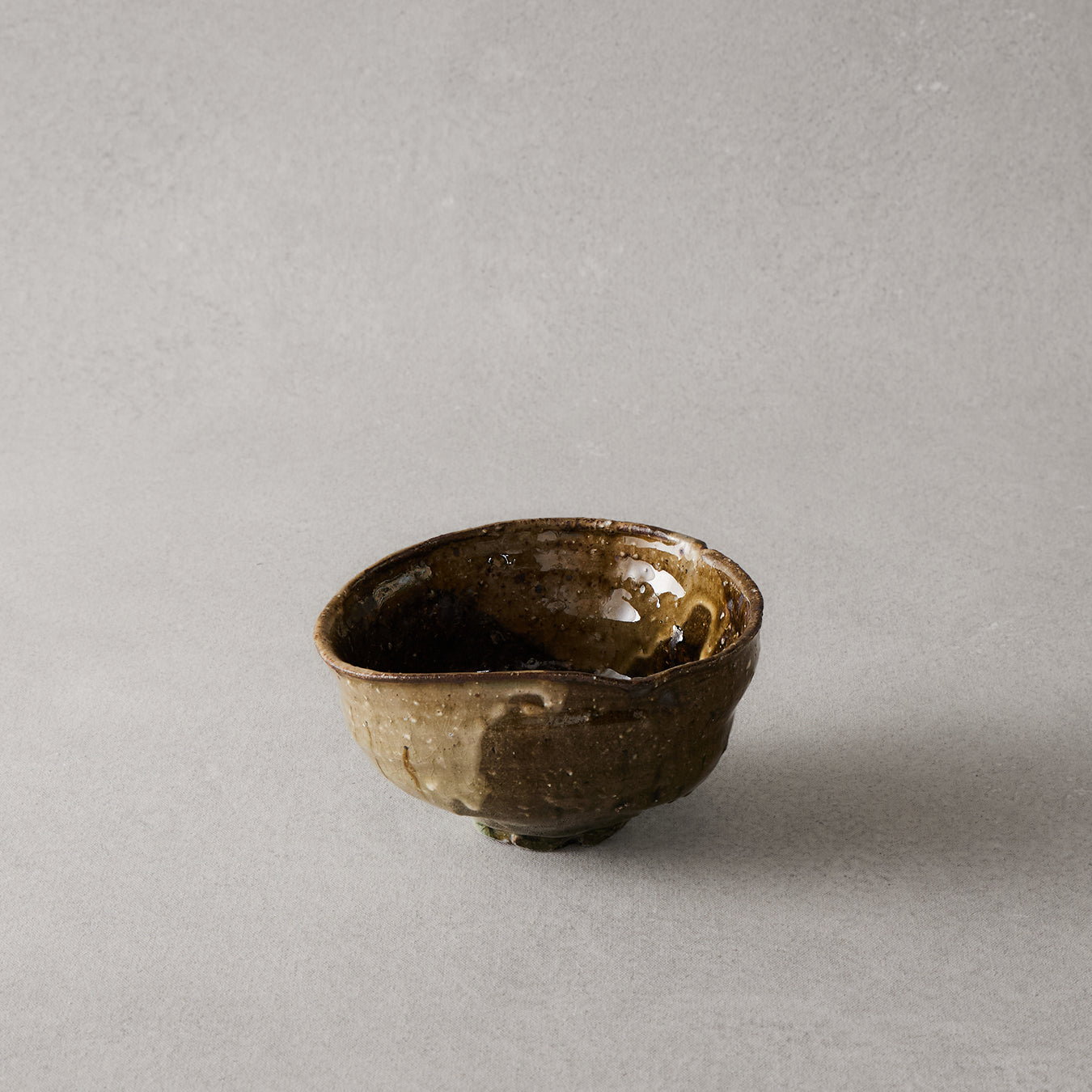
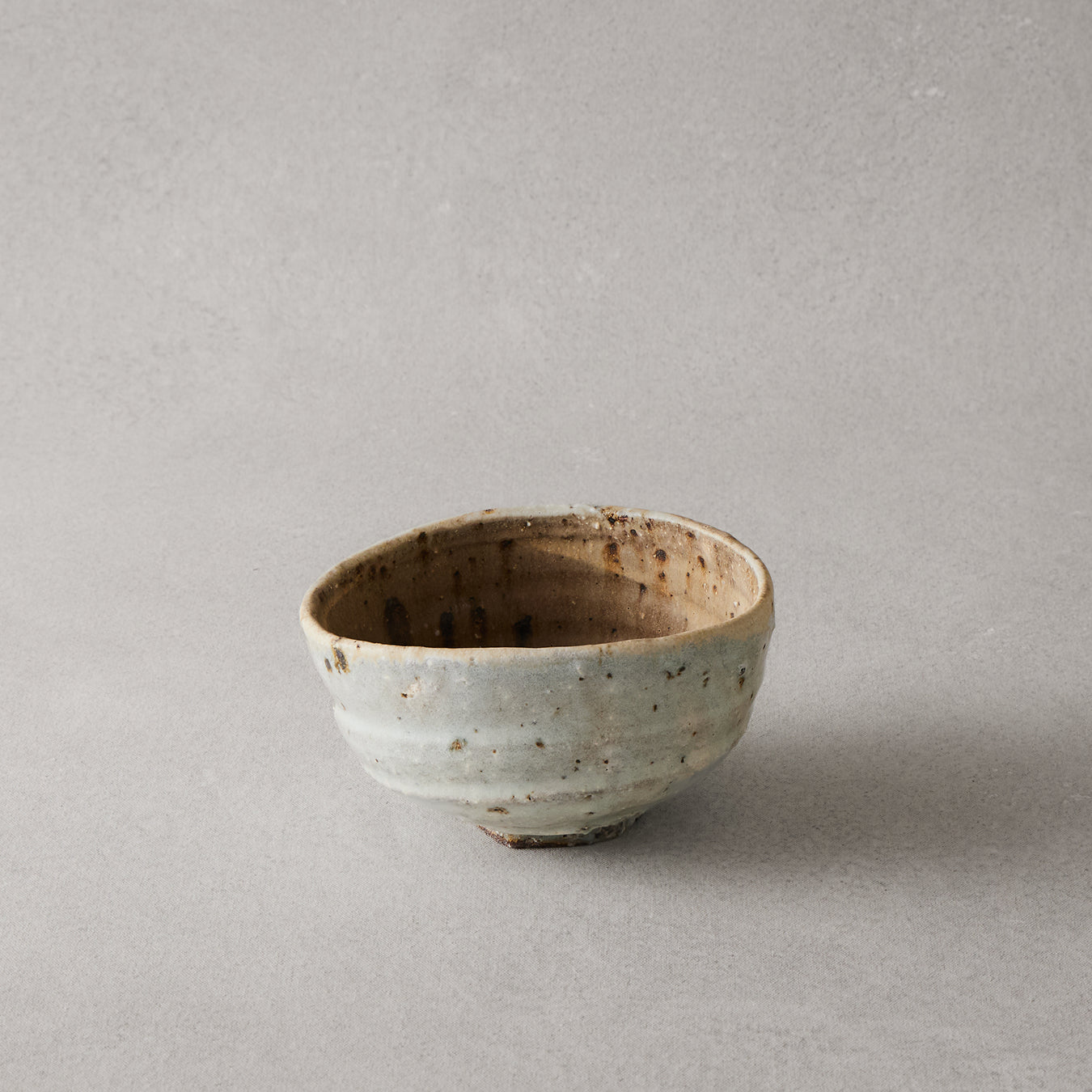
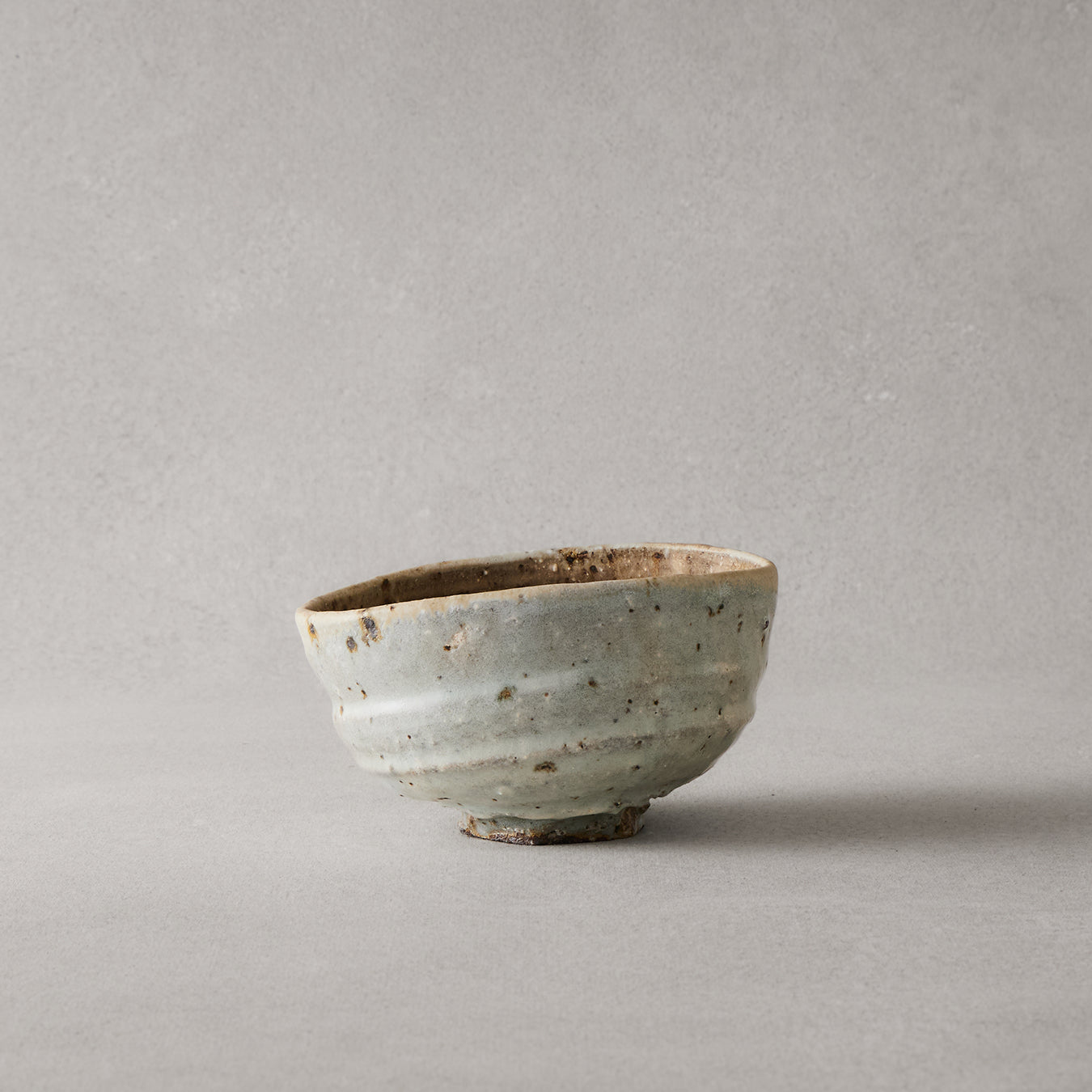
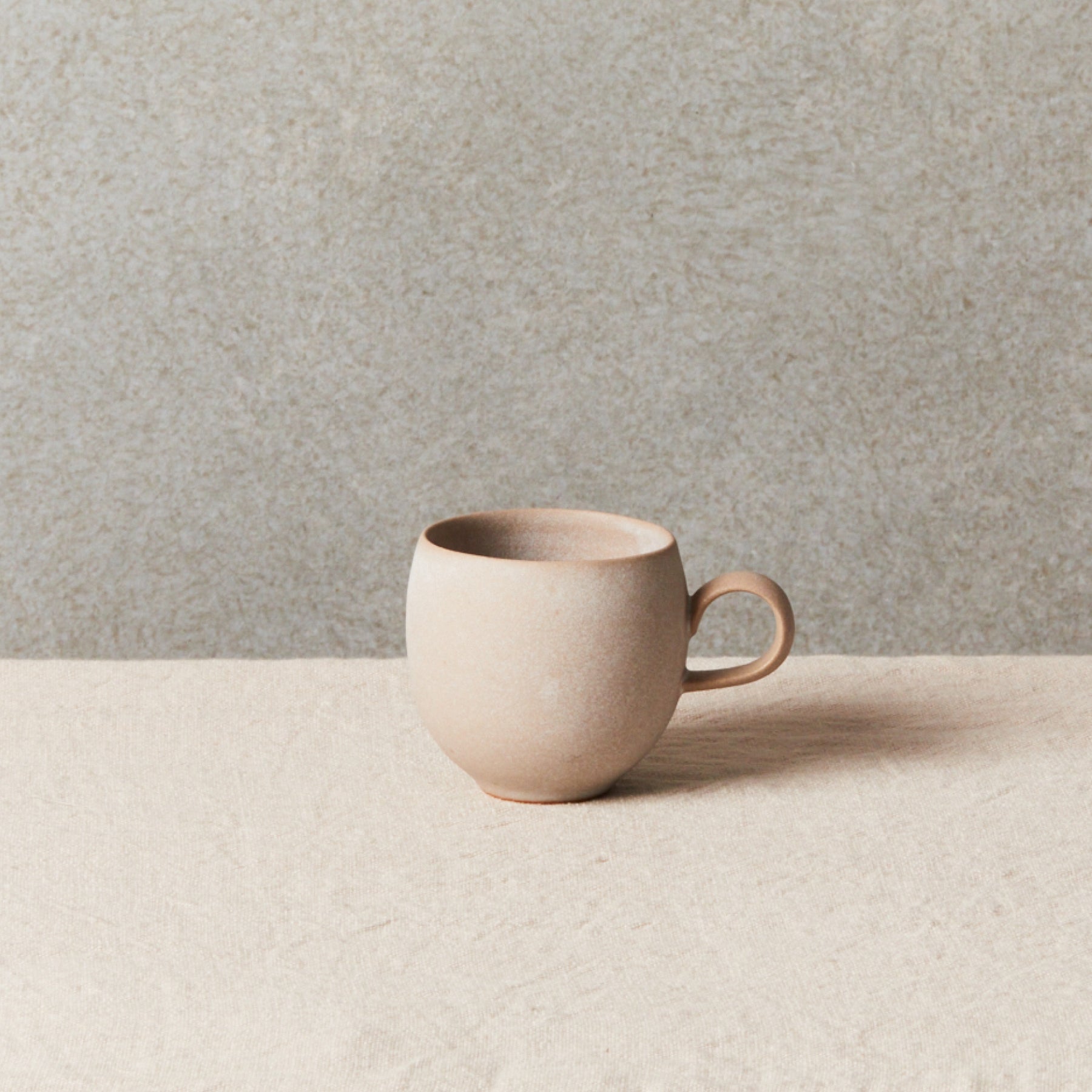
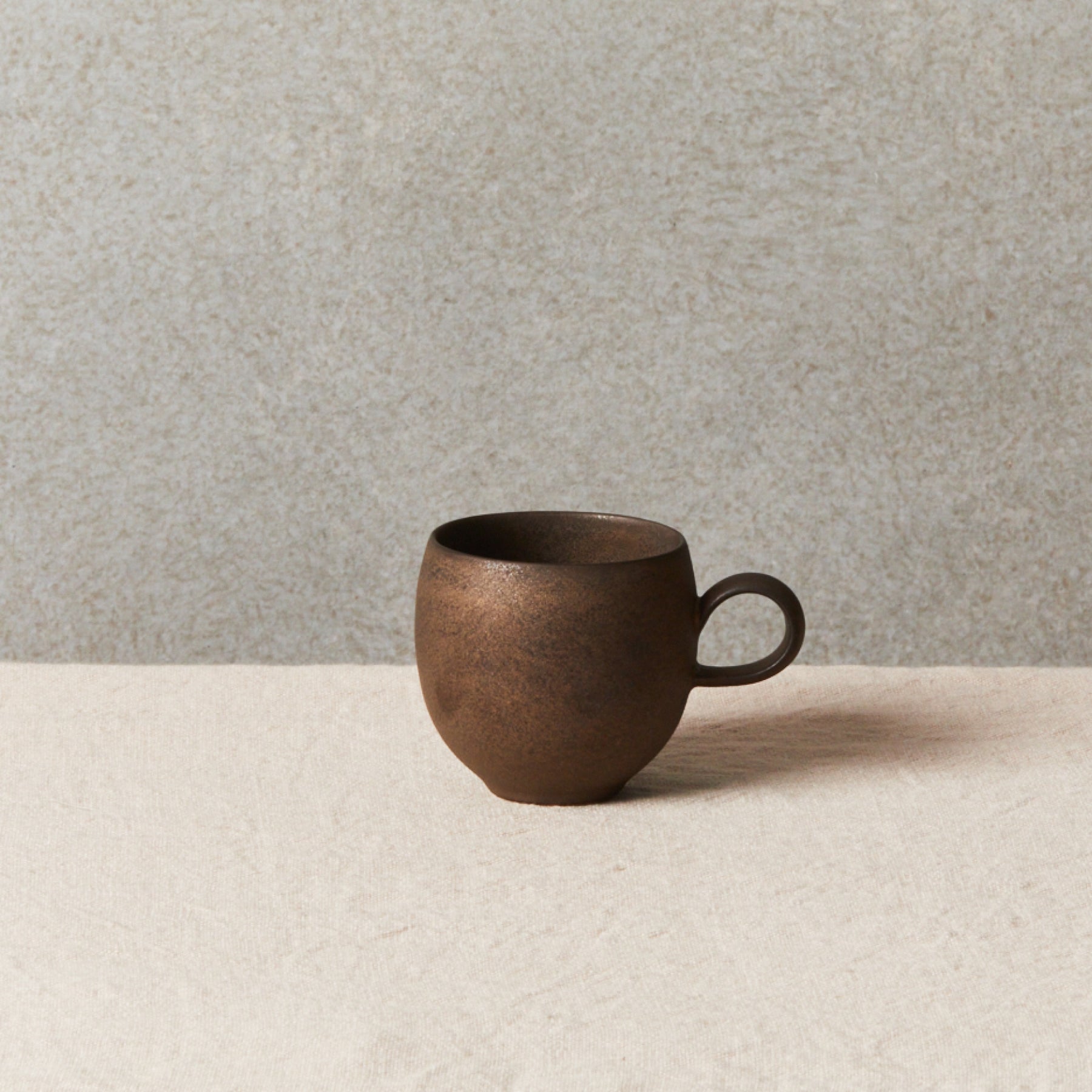
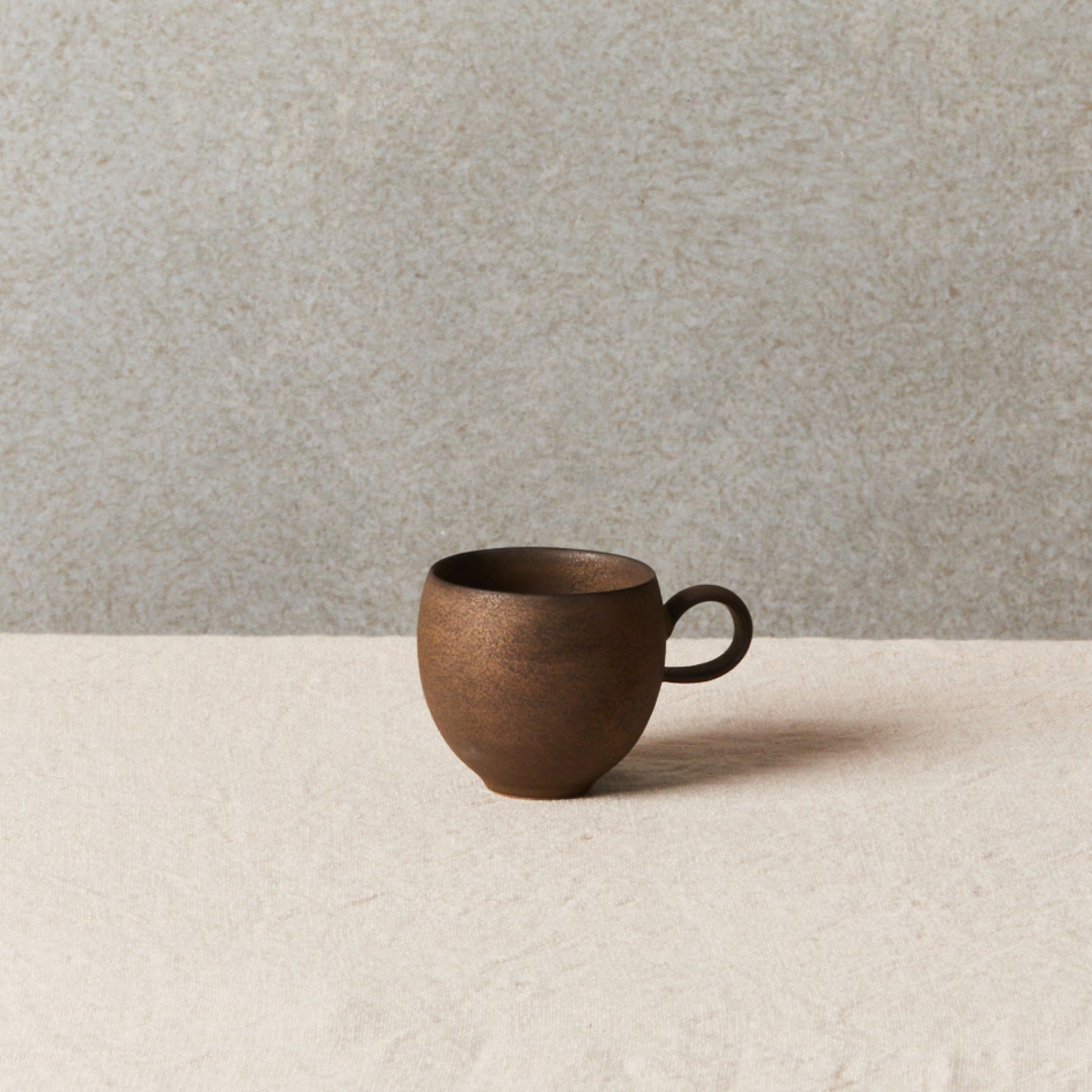
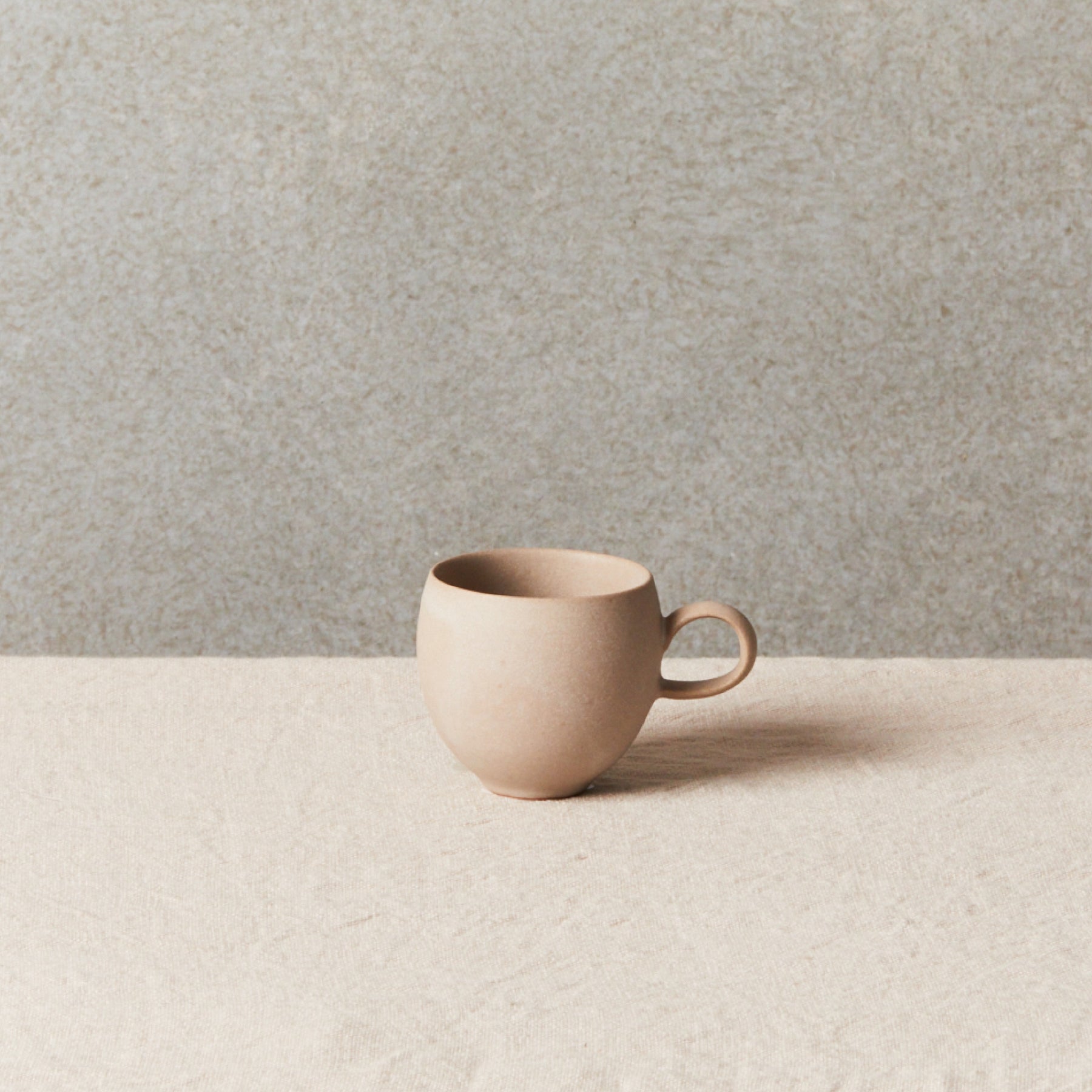
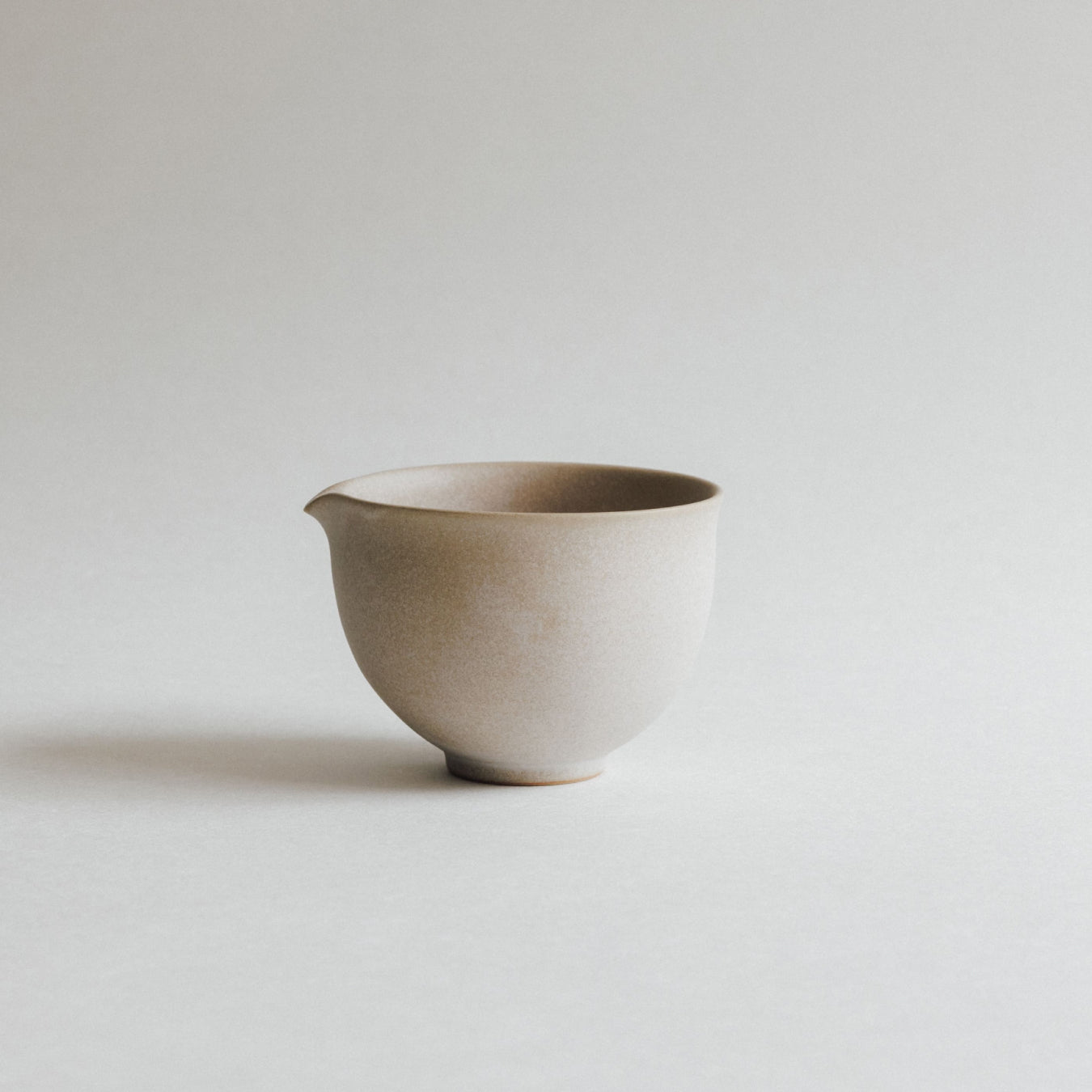
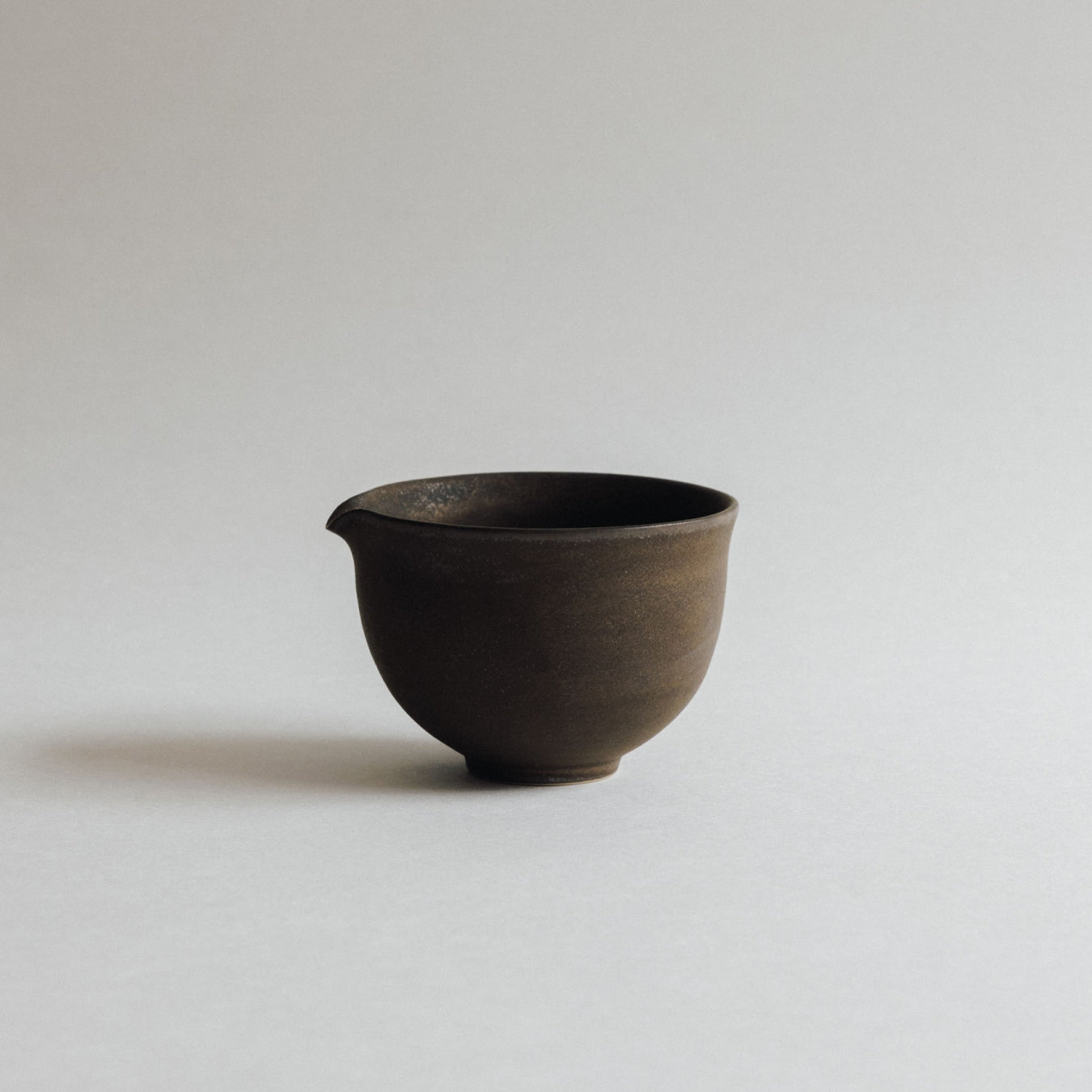
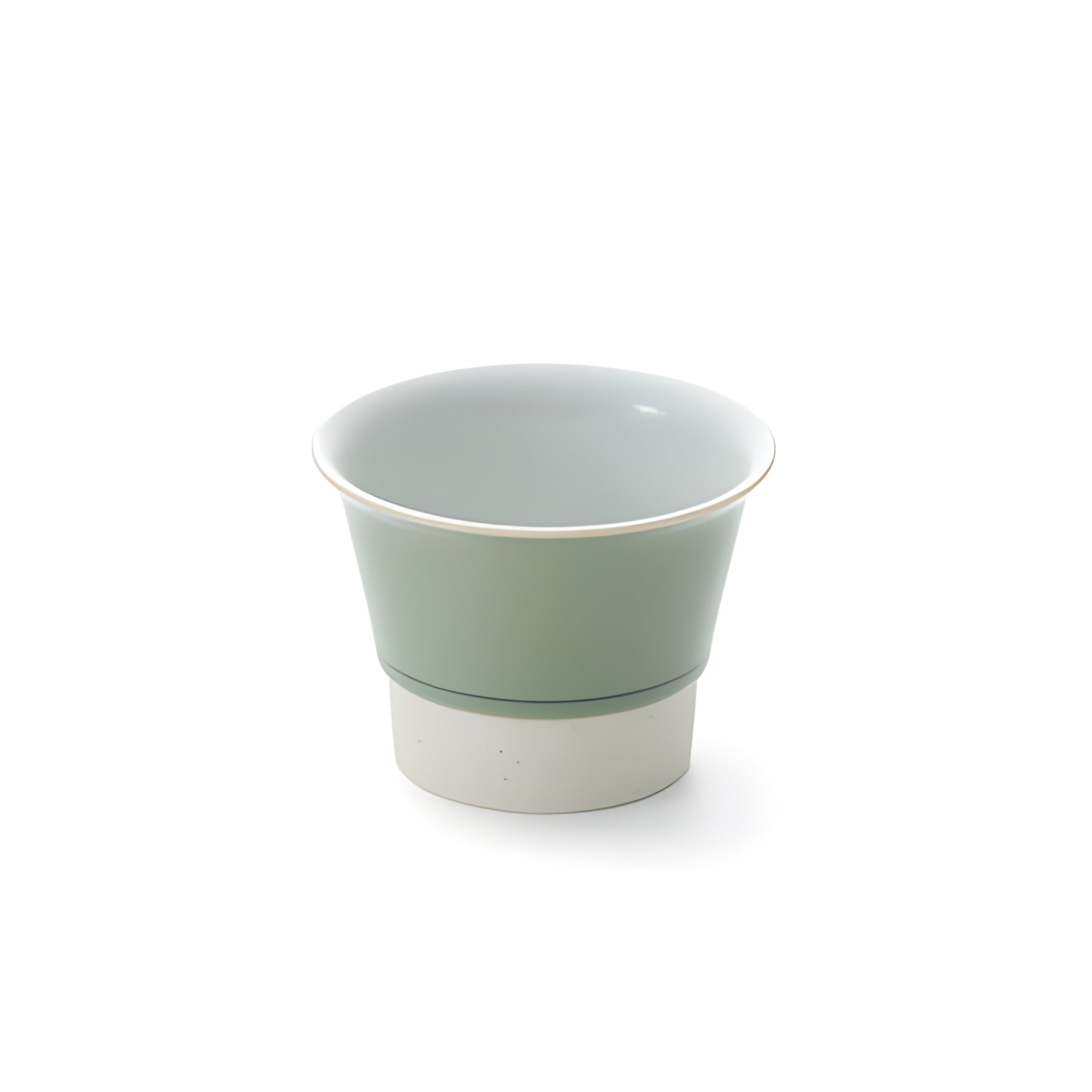
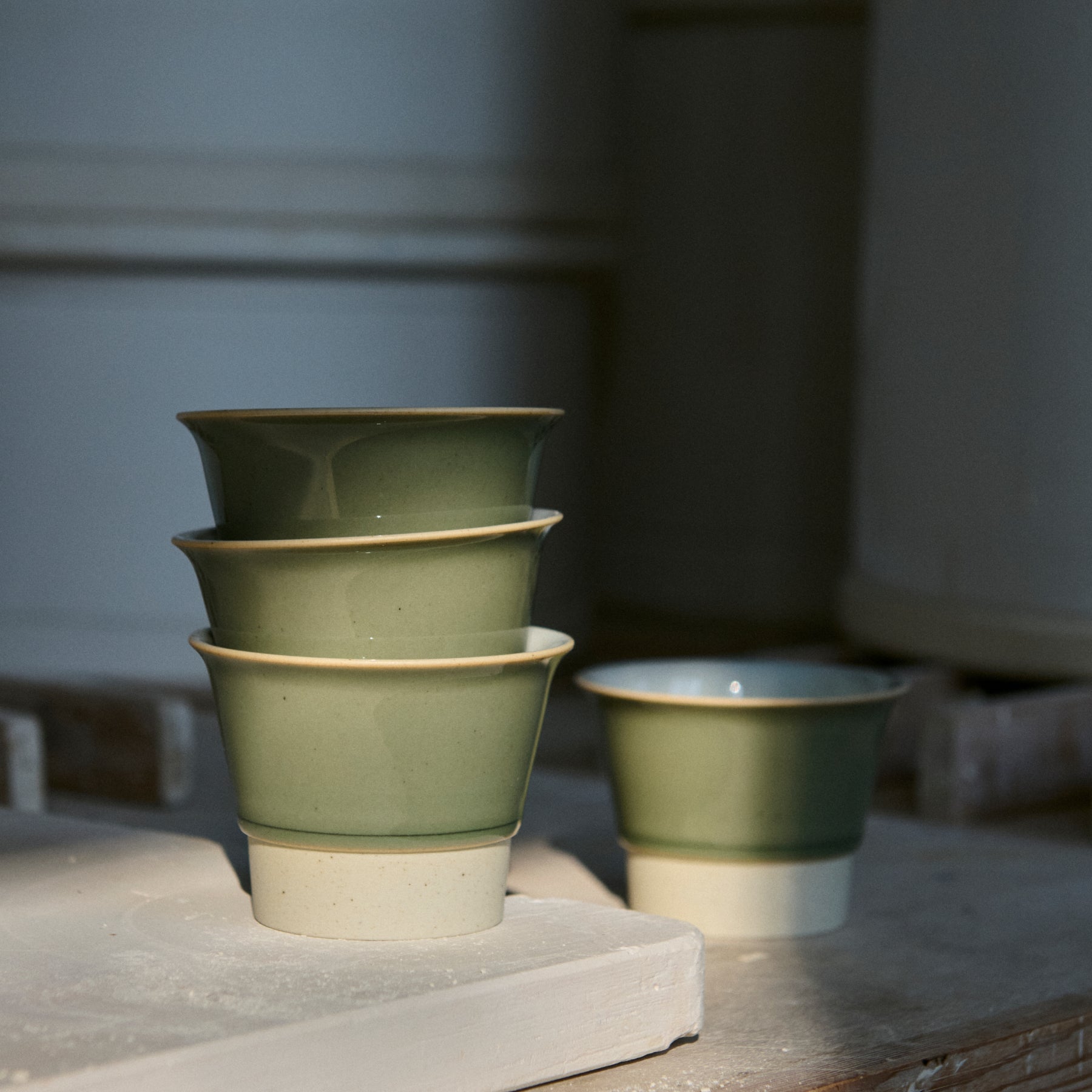
Made for whisking and enjoying matcha, this Japanese tea bowl by Motoyuki Tonoike combines a functional chawan form with the earthy character of raw Tokoname clay. Its hand-formed profile and layered ash glaze create a richly tactile surface that brings warmth and individuality to the daily tea ritual. As each piece is handmade, slight variations in color, glaze, texture, shape, and size may occur, making every piece uniquely its own.
Details
- Material: Raw Clay and Crackle Glaze
- Dimensions: Approx. Ø 5.9" × 3.0" H (Ø 150 × 76 mm)
Country of Origin: Japan
Care
- Hand wash only with a neutral detergent and a soft sponge or cloth. Avoid abrasive scrubbers, scouring pads, and harsh cleansers.
- Not dishwasher or microwave safe. Do not use in an oven, on a gas stove, or over direct heat. Avoid sudden temperature changes.
- Although glazed, the coarse clay and fine crackling in the surface may absorb colors and odors, particularly during the first few uses. Begin with lightly colored, mildly scented foods or beverages, rinse promptly after use, and avoid leaving contents in the piece for extended periods.
Shipping & Delivery
Ships within 2 business days if in stock. This is a one-of-a-kind piece and will not be restocked once sold out
Choose options
Motoyuki Tonoike Matcha Bowl 26-27
We're here to help. For questions about bulk orders, sizes, finishes, custom gifts, or anything else, please submit an inquiry.Shop Motoyuki Tonoike
More Coffee & Tea





About Motoyuki Tonoike
Motoyuki Tonoike is a Japanese ceramist based in Tokoname and the surrounding Chita Peninsula. His route to pottery began outside the field, working in advertising before completing the Tokoname Tounomori Ceramics Research Institute in 2019. In one of Japan’s historic pottery regions, he has developed a material-led practice centered on unrefined clay, natural ash, and firing.
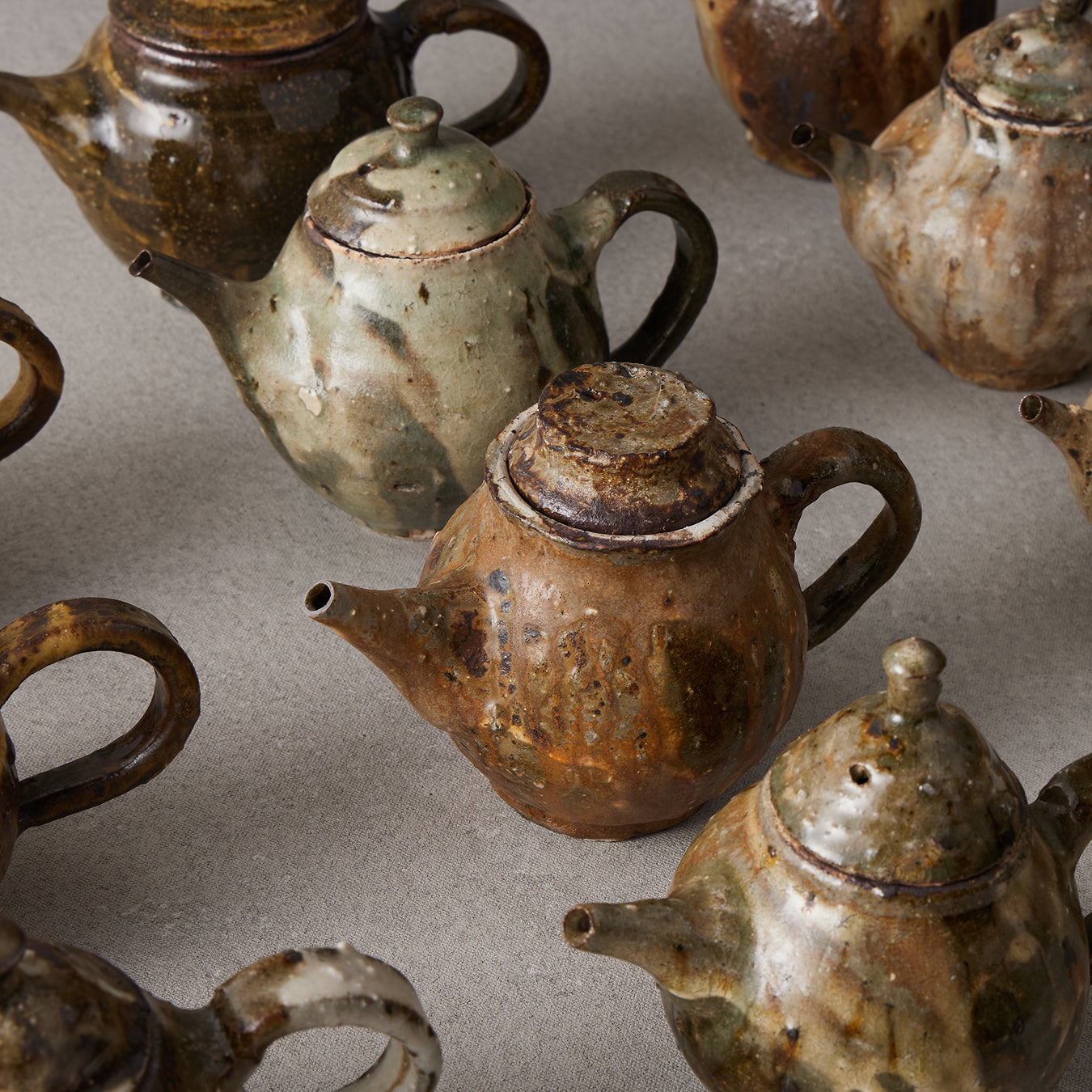
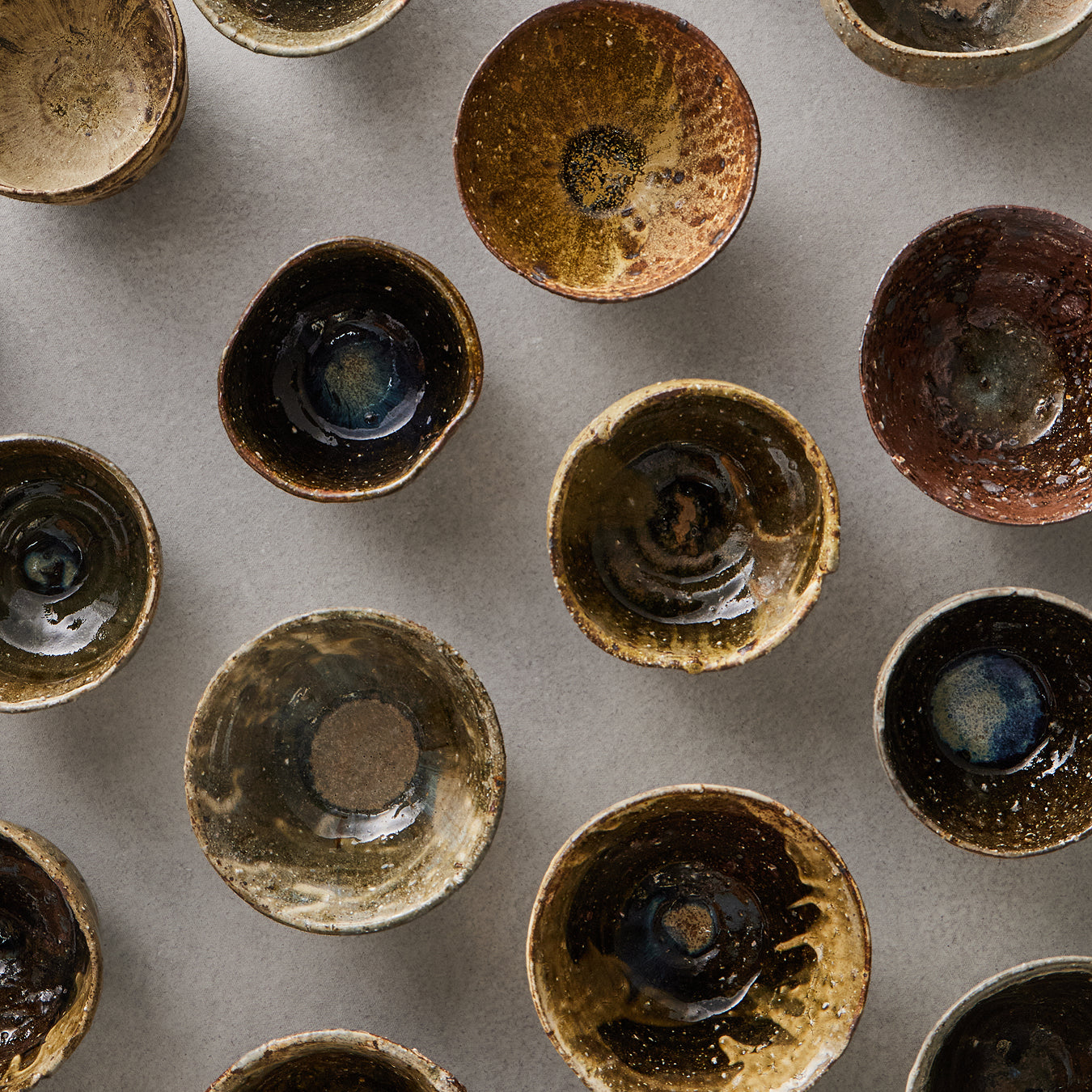
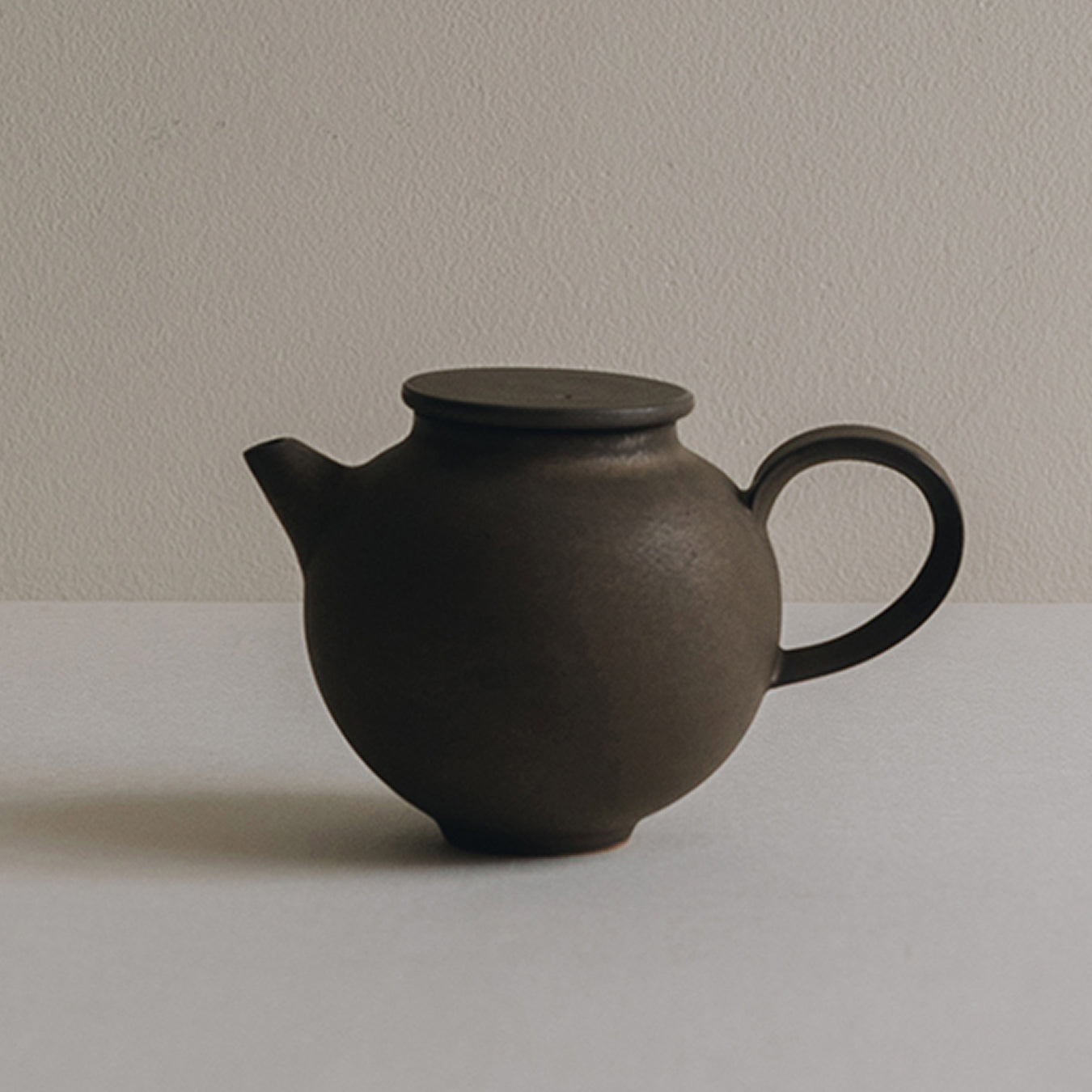
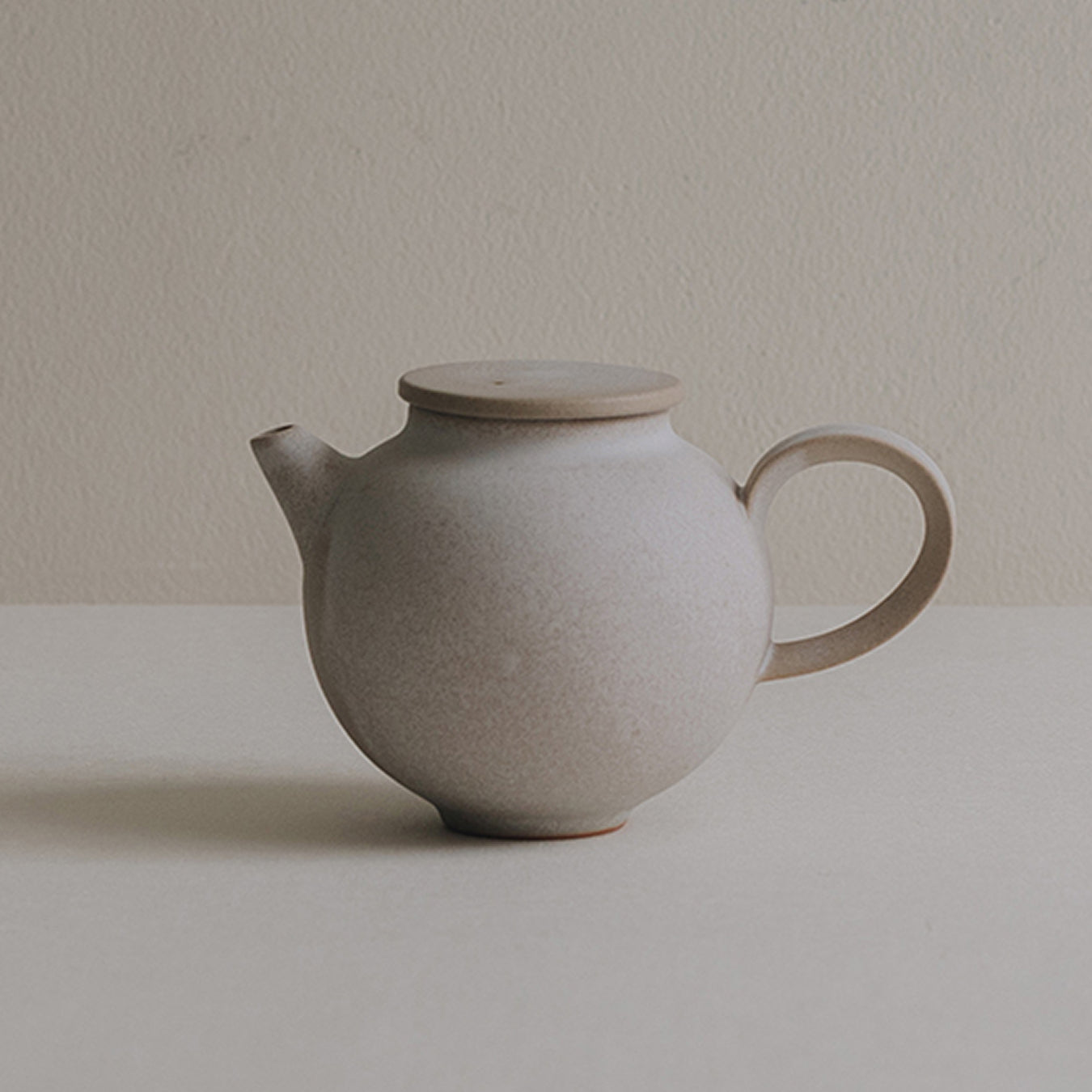
Tonoike varies wood-ash recipes, clay bodies, and surface treatments from one firing to the next. Each kiln opening is something like a laboratory, where he examines the results of individual clay and glaze tests and determines which combinations to pursue further. From matcha bowls and teapots to serving pieces and sculptural vessels, the coarse grain of the clay remains palpable beneath the ash glaze, giving his work a strong physical presence.