


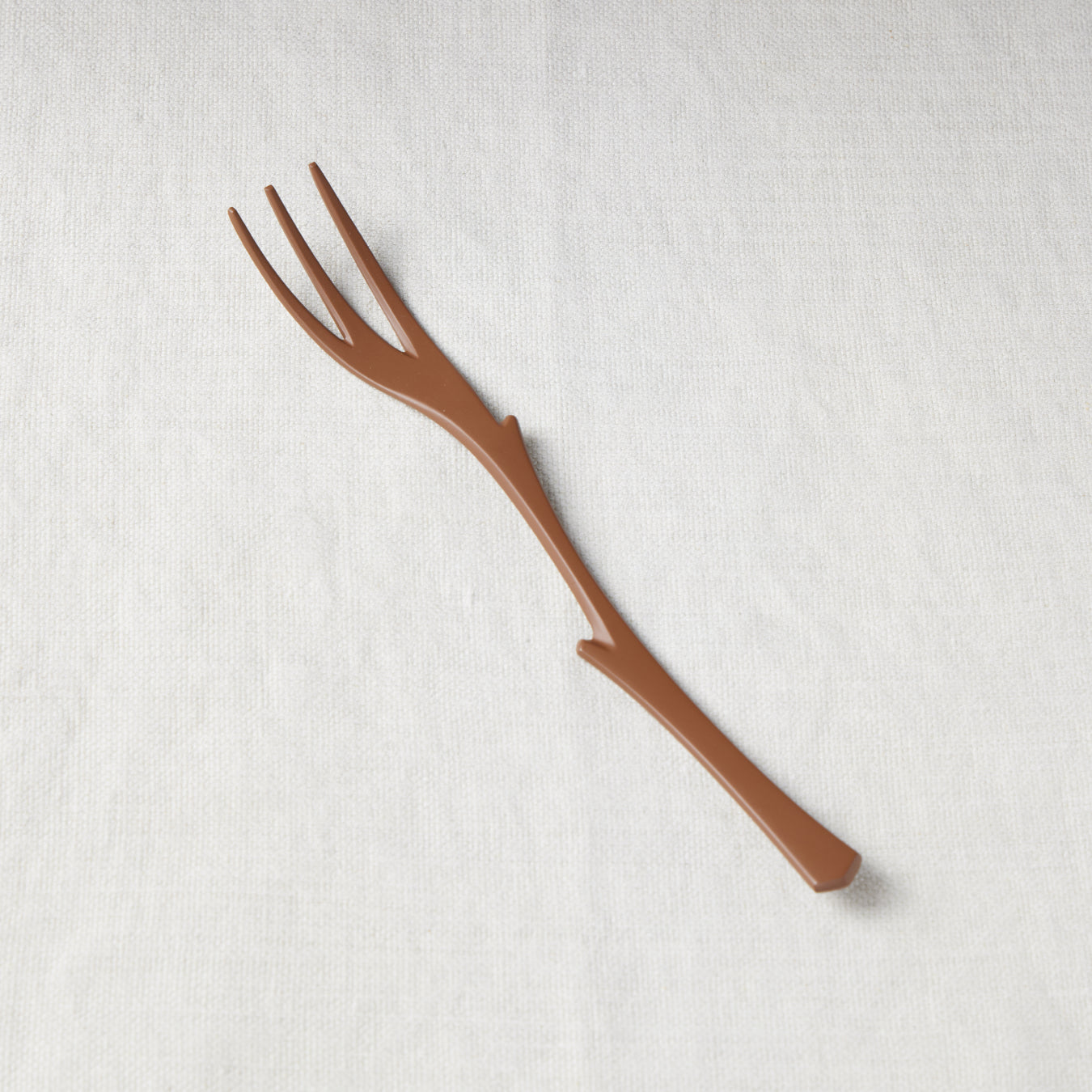
Yoshinori Nagashima Cake Server
Description
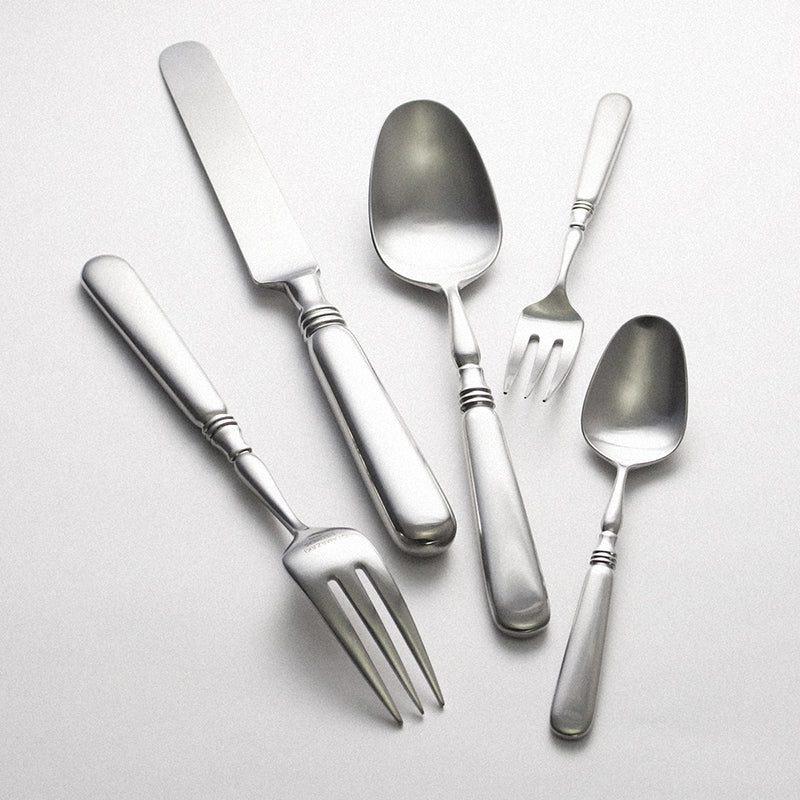
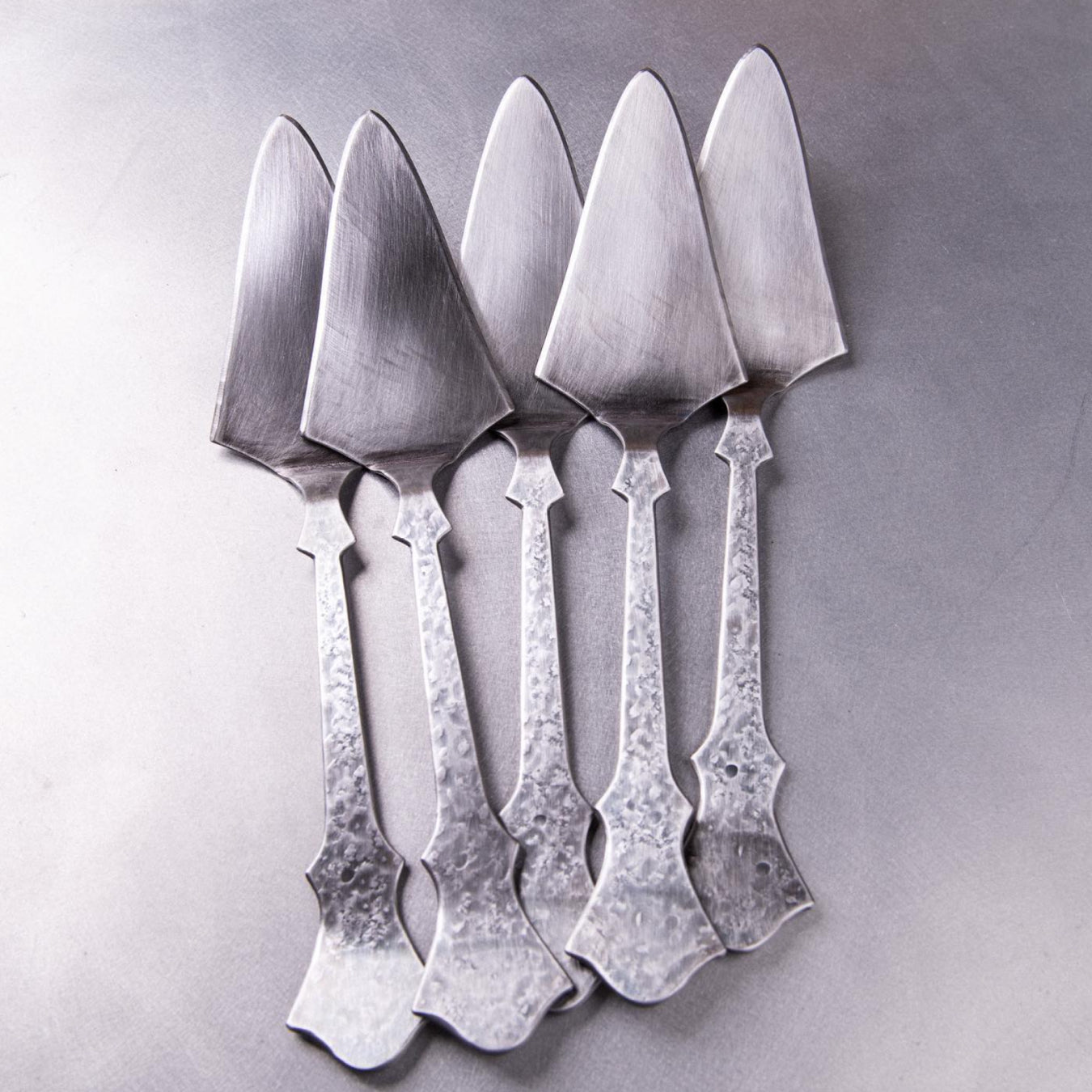
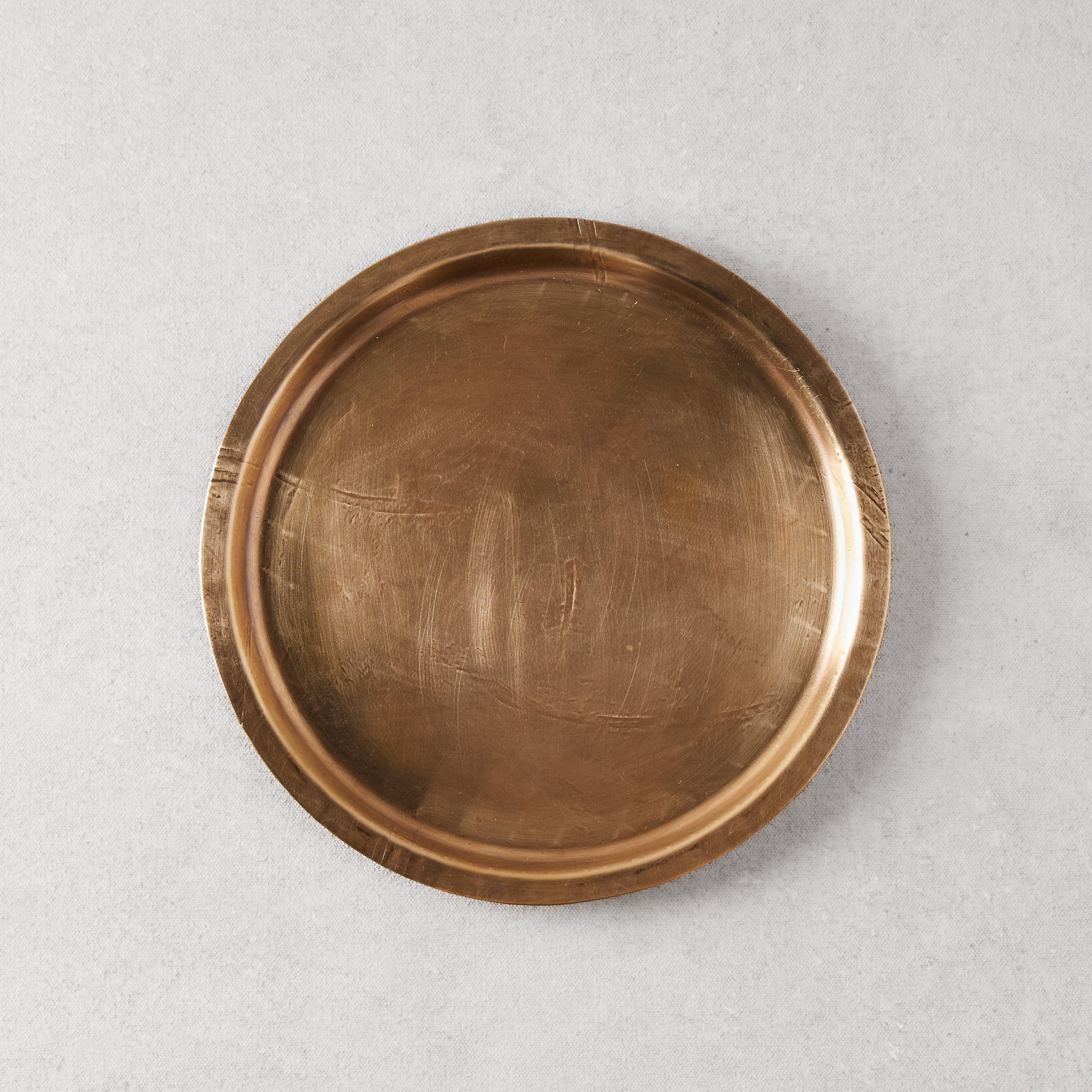
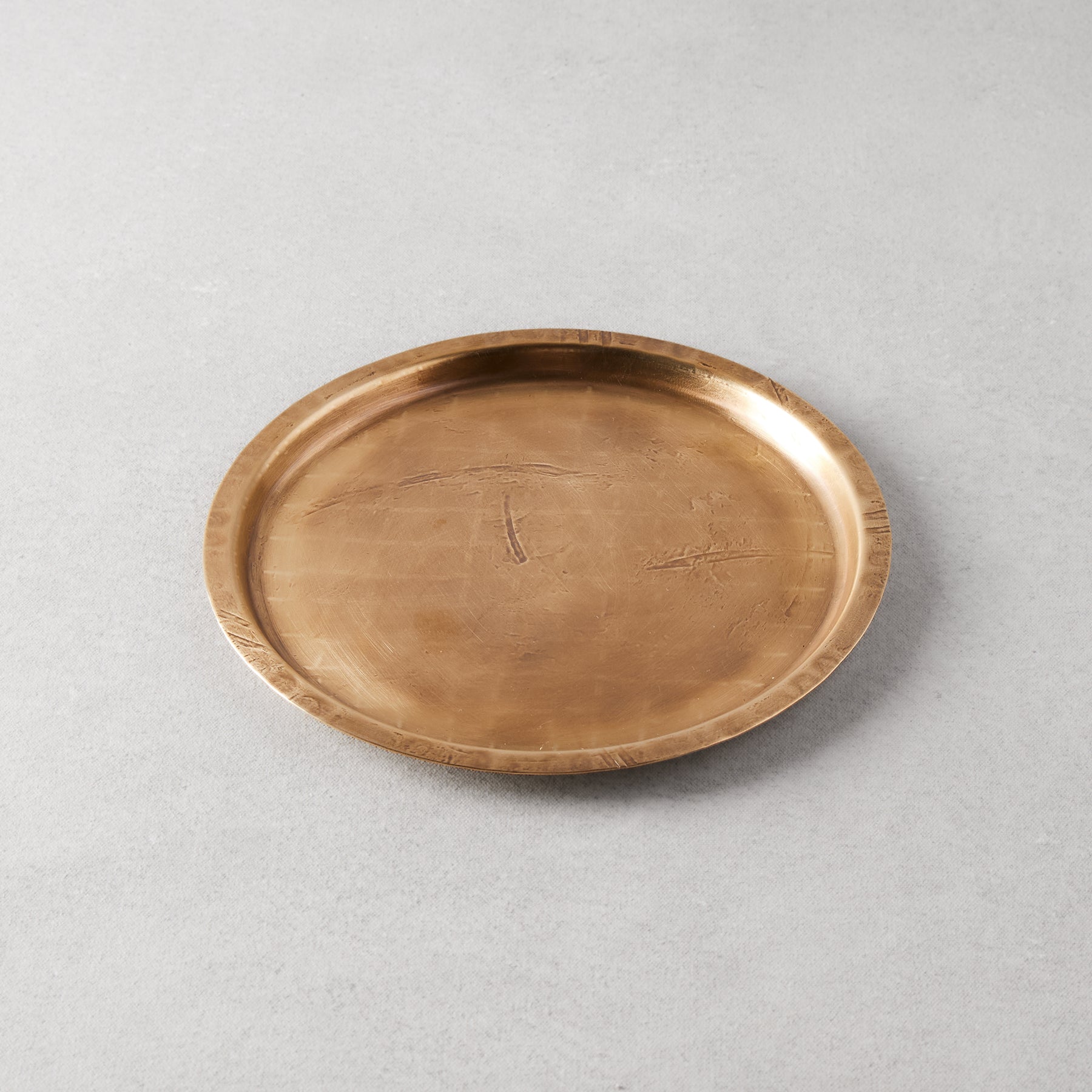
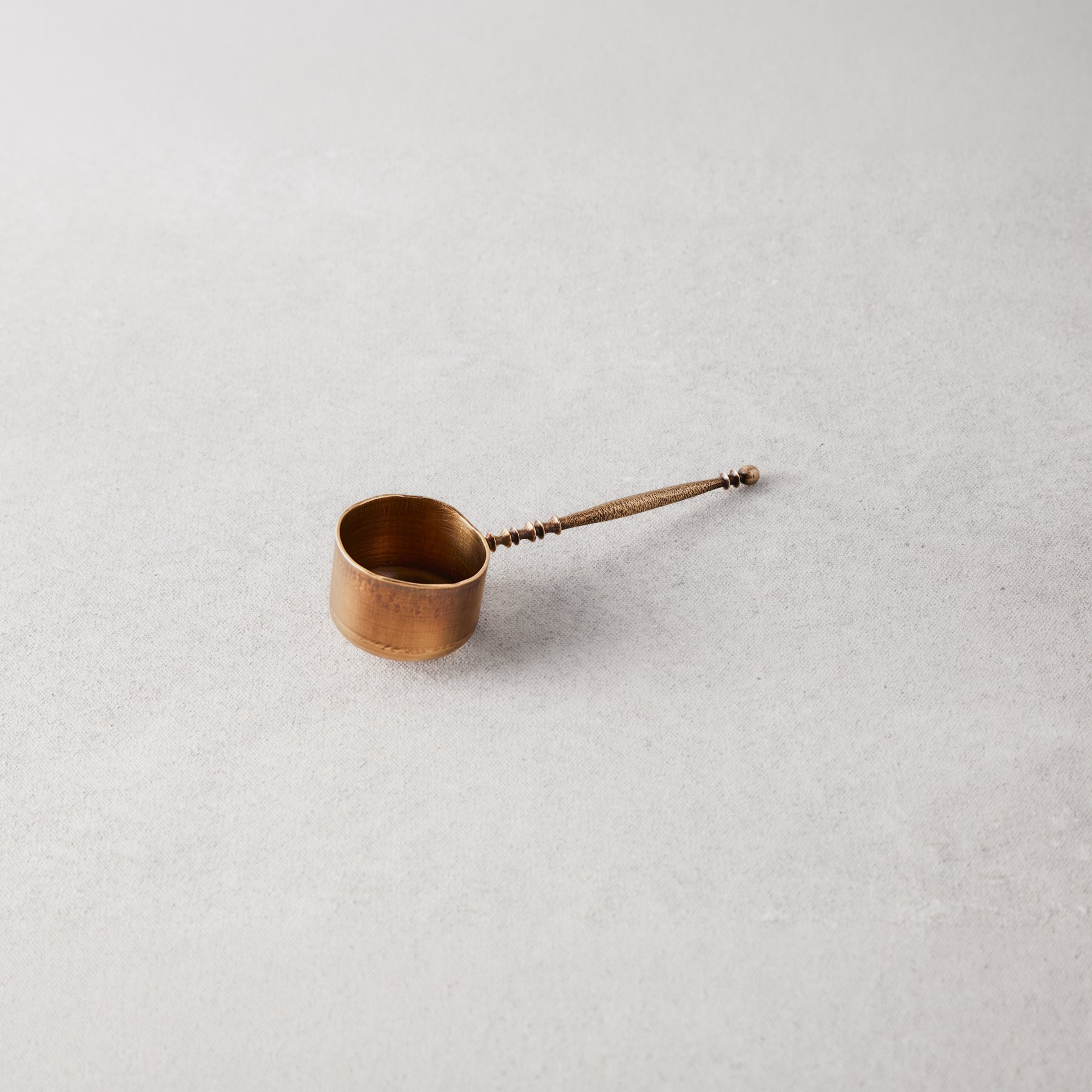
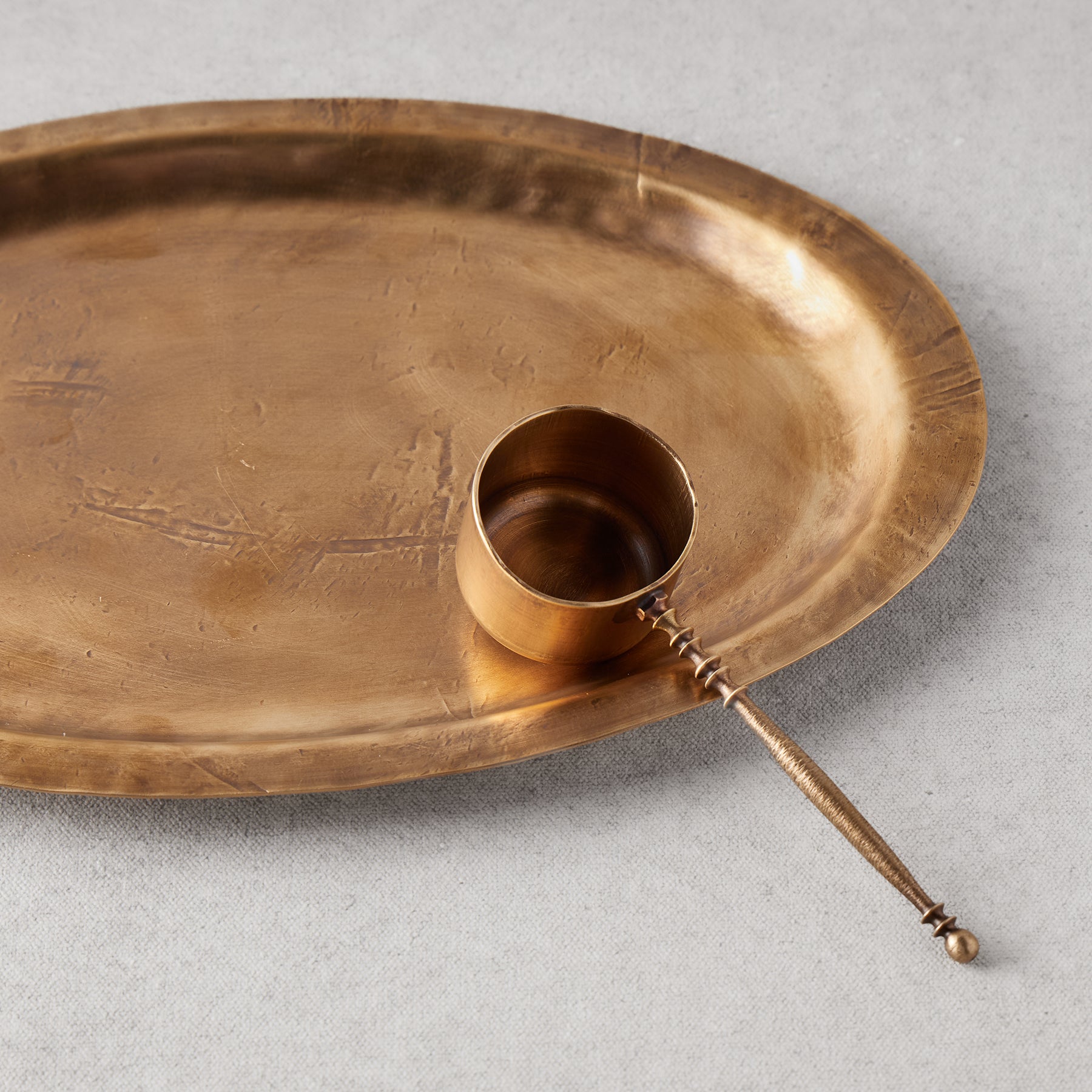
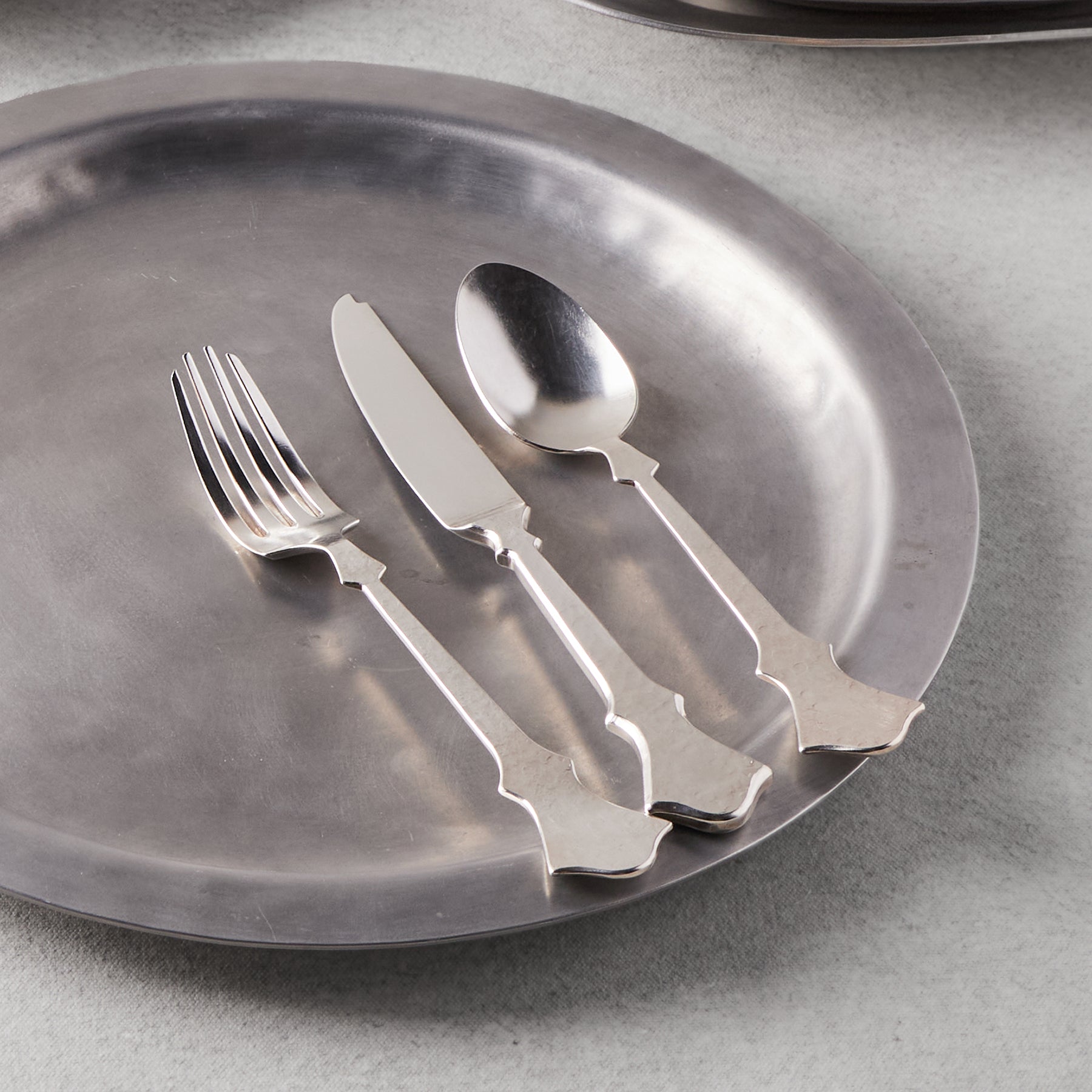
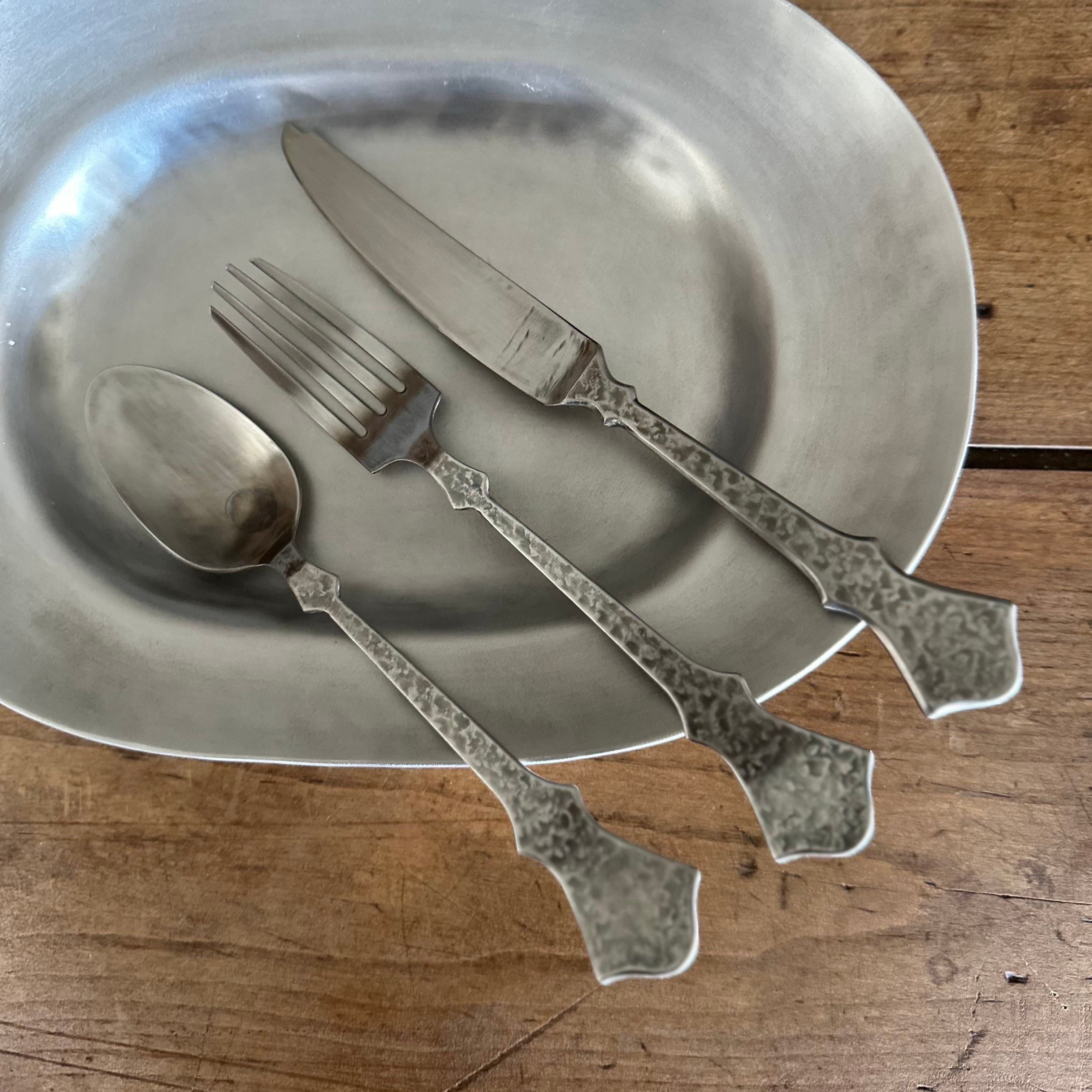
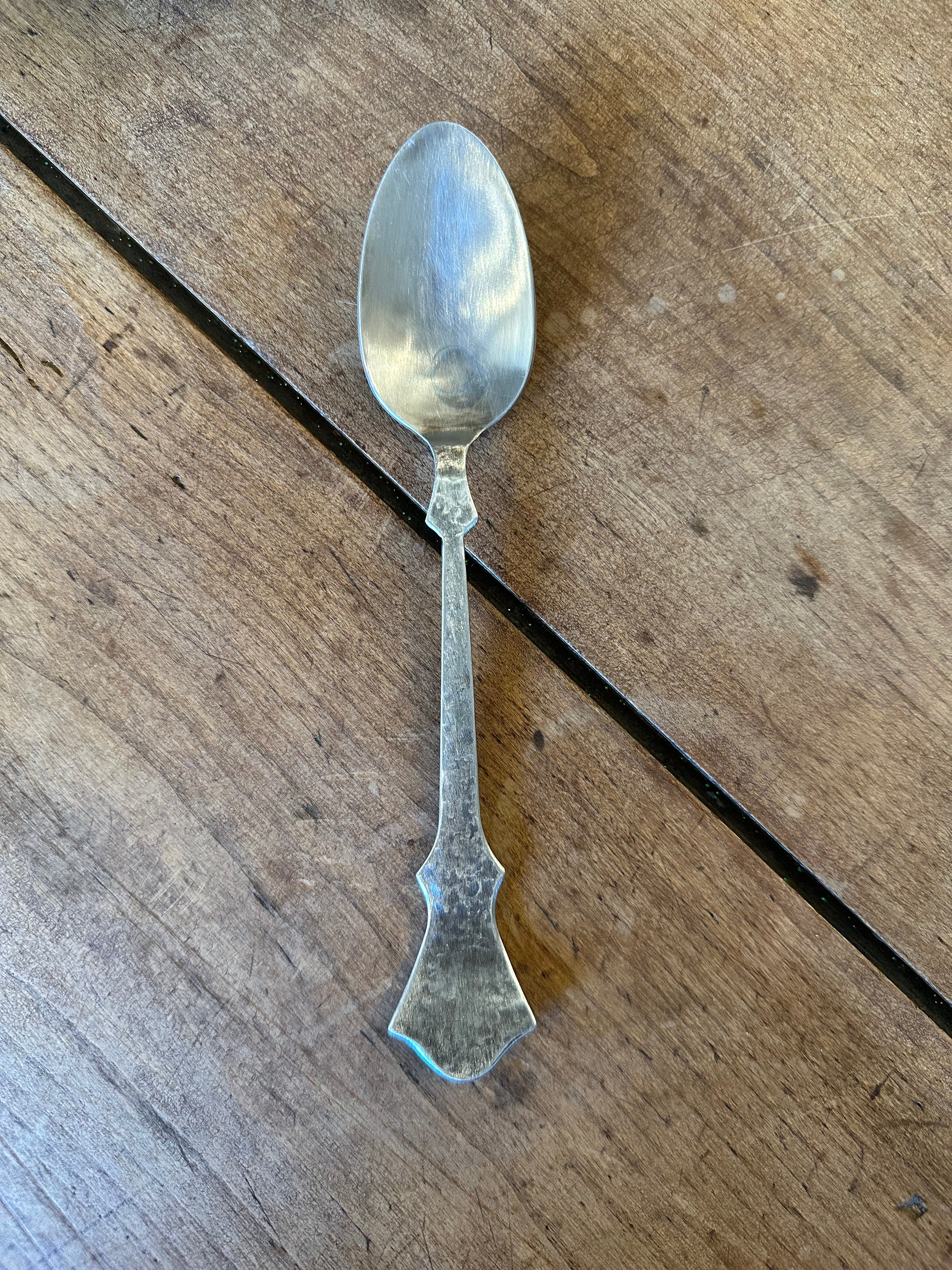
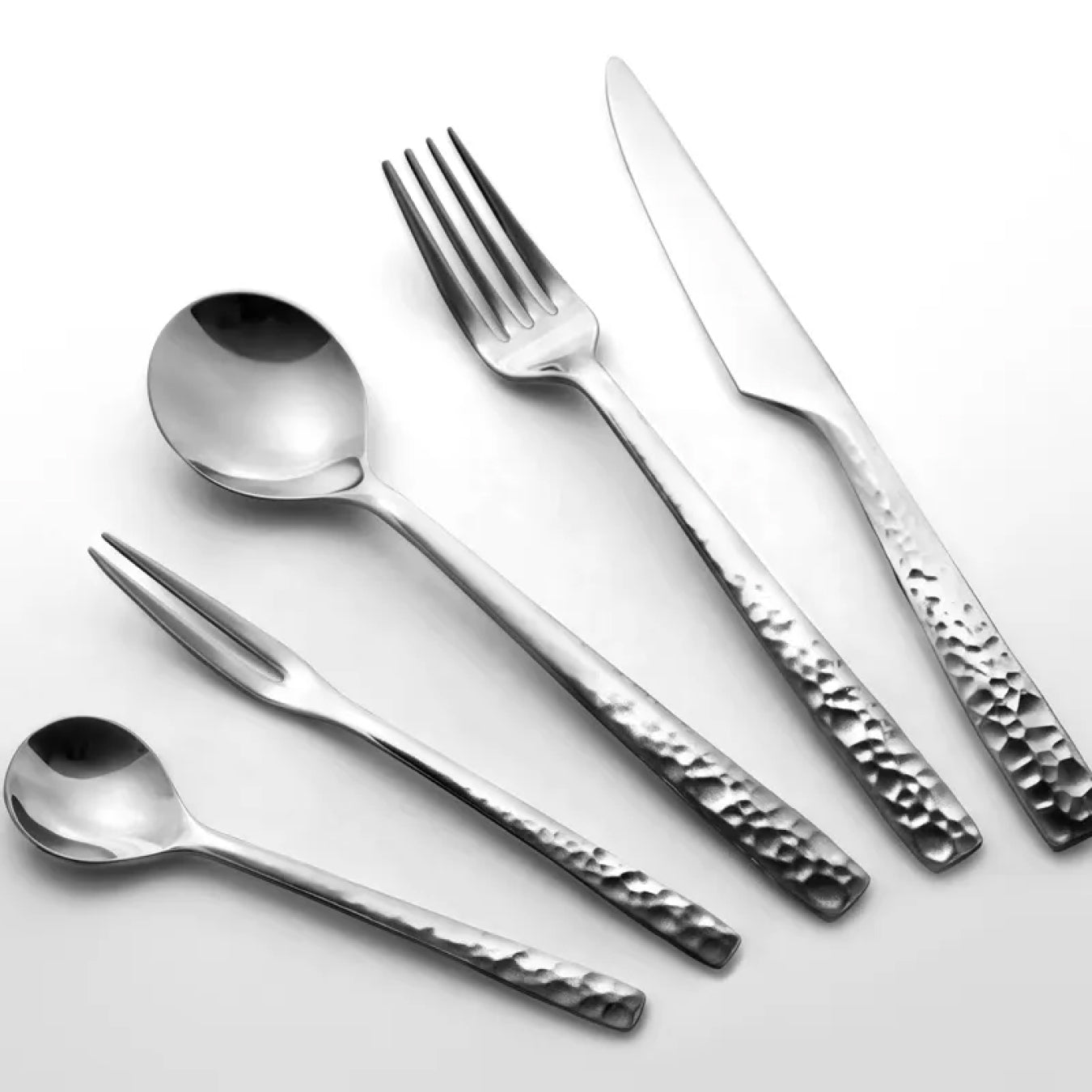
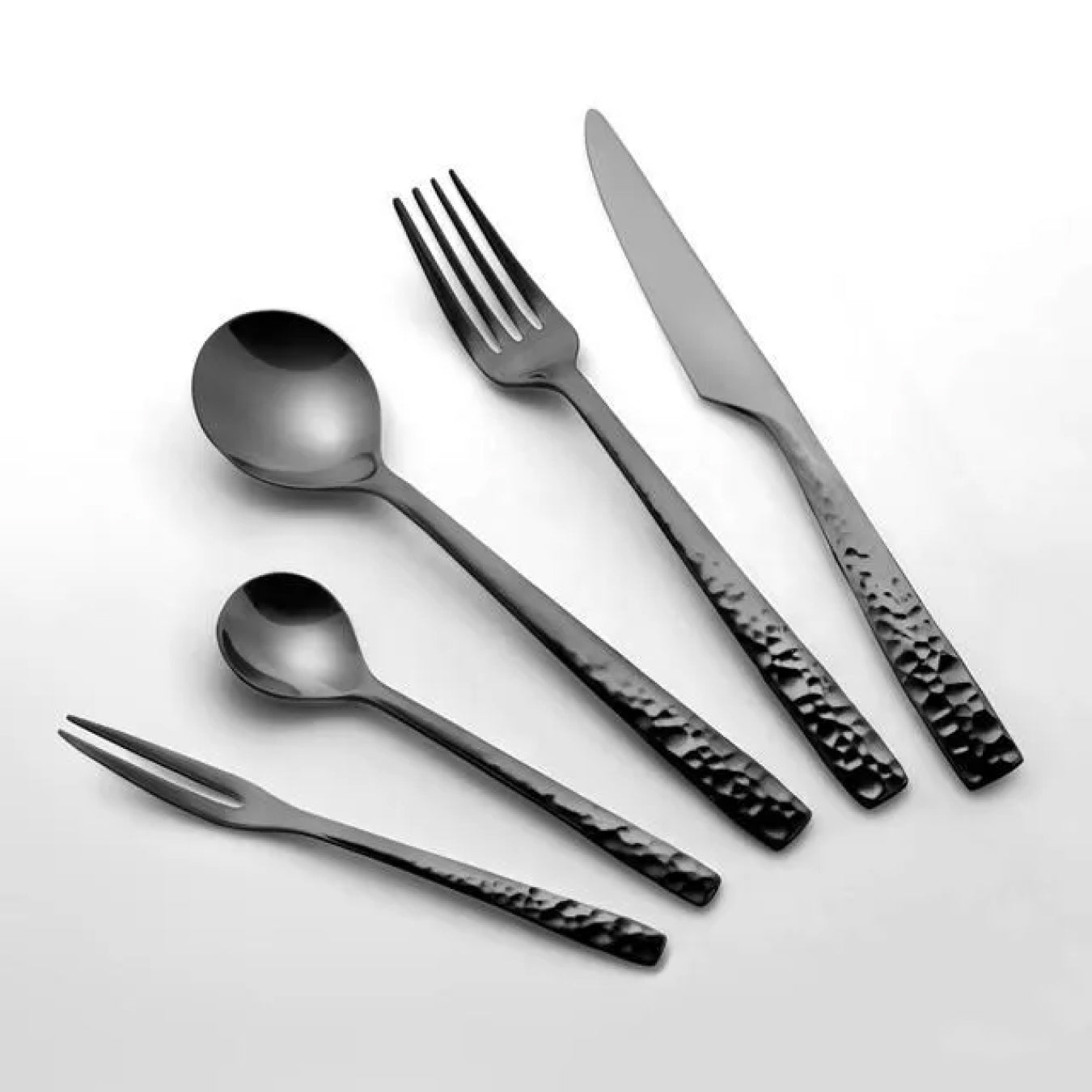
Nagashima's "Ibushi" series cake server features a hammered surface that creates textured patterns, followed by firing and sanding to reveal the unique patina of the handle. This cake server exudes a refined, antique-like elegance.
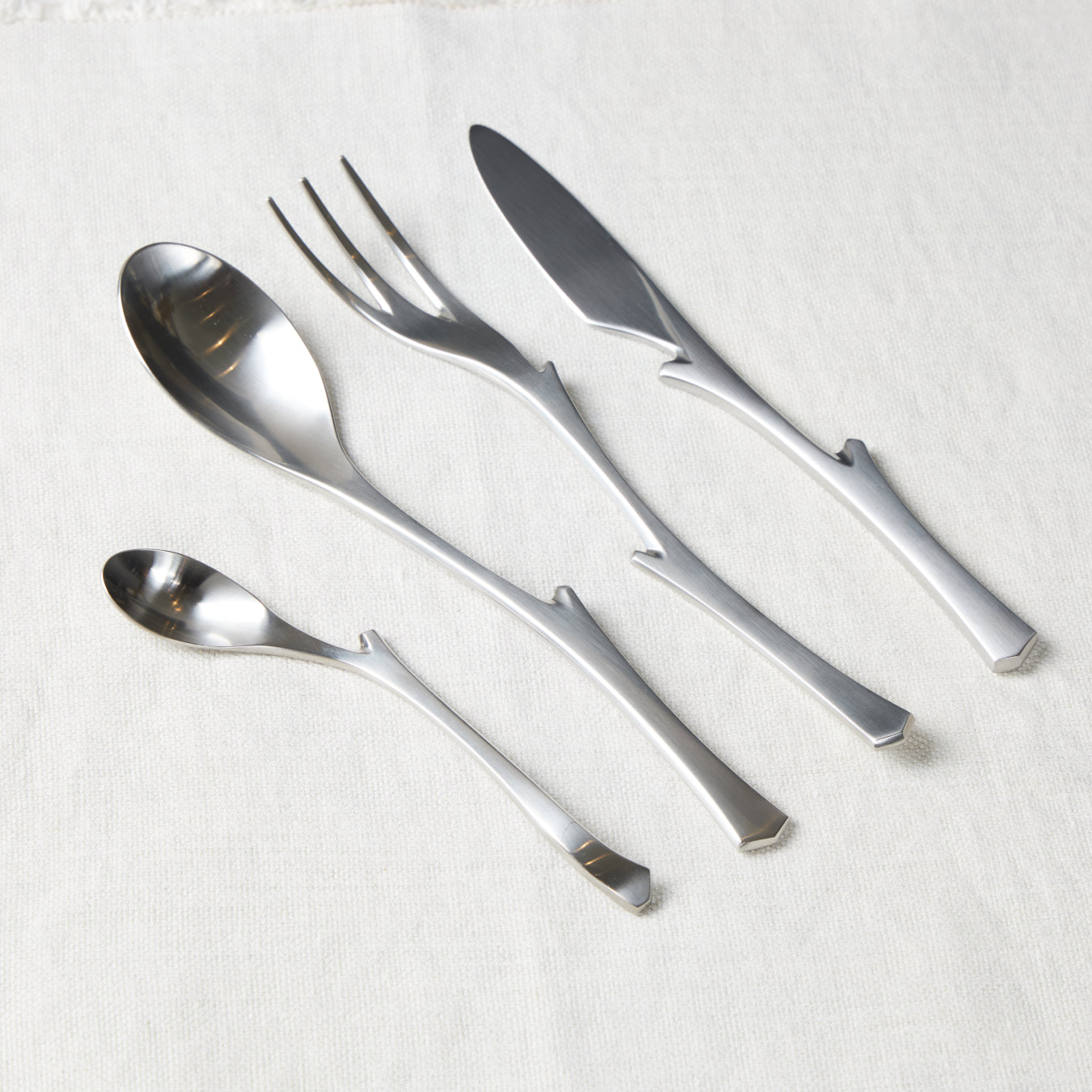
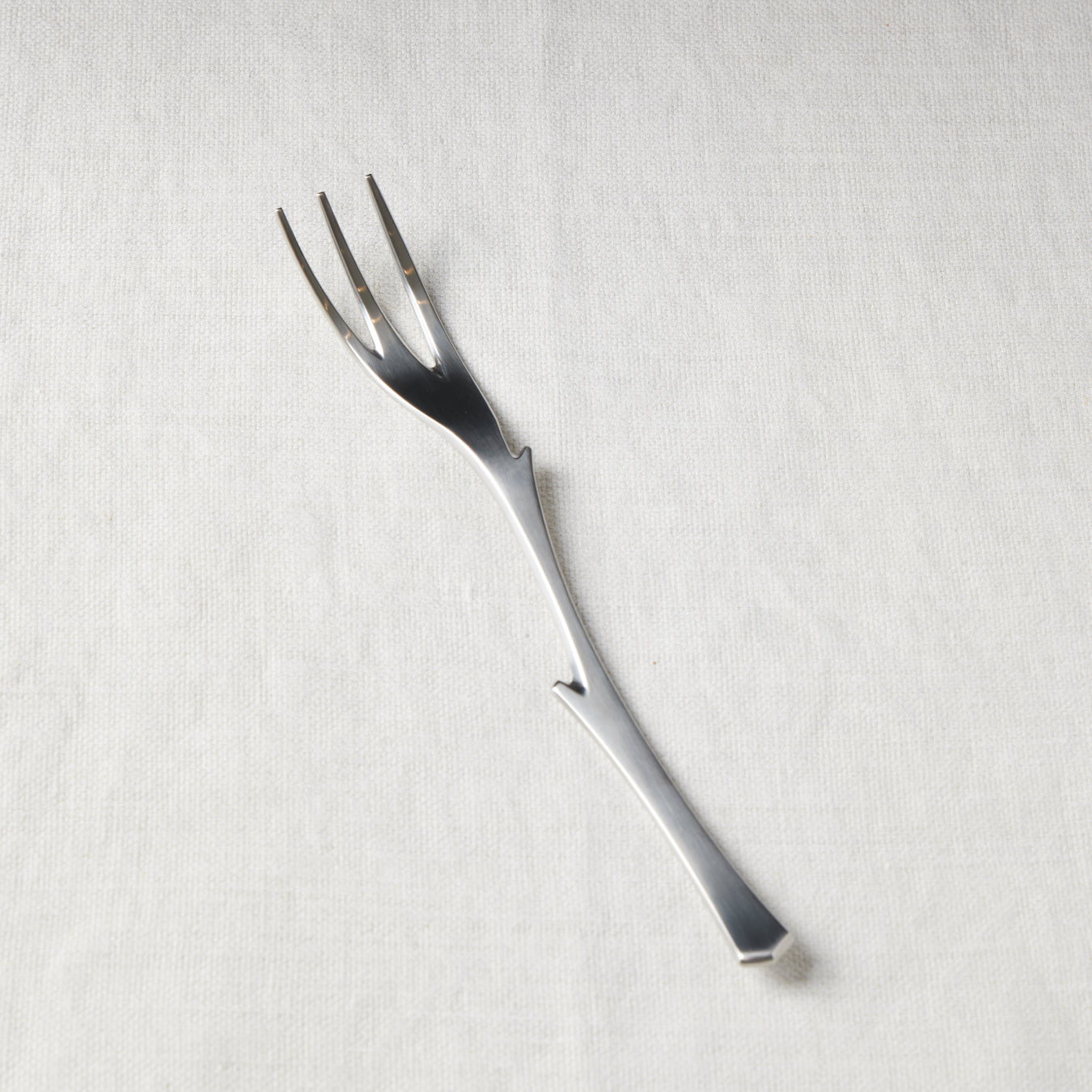
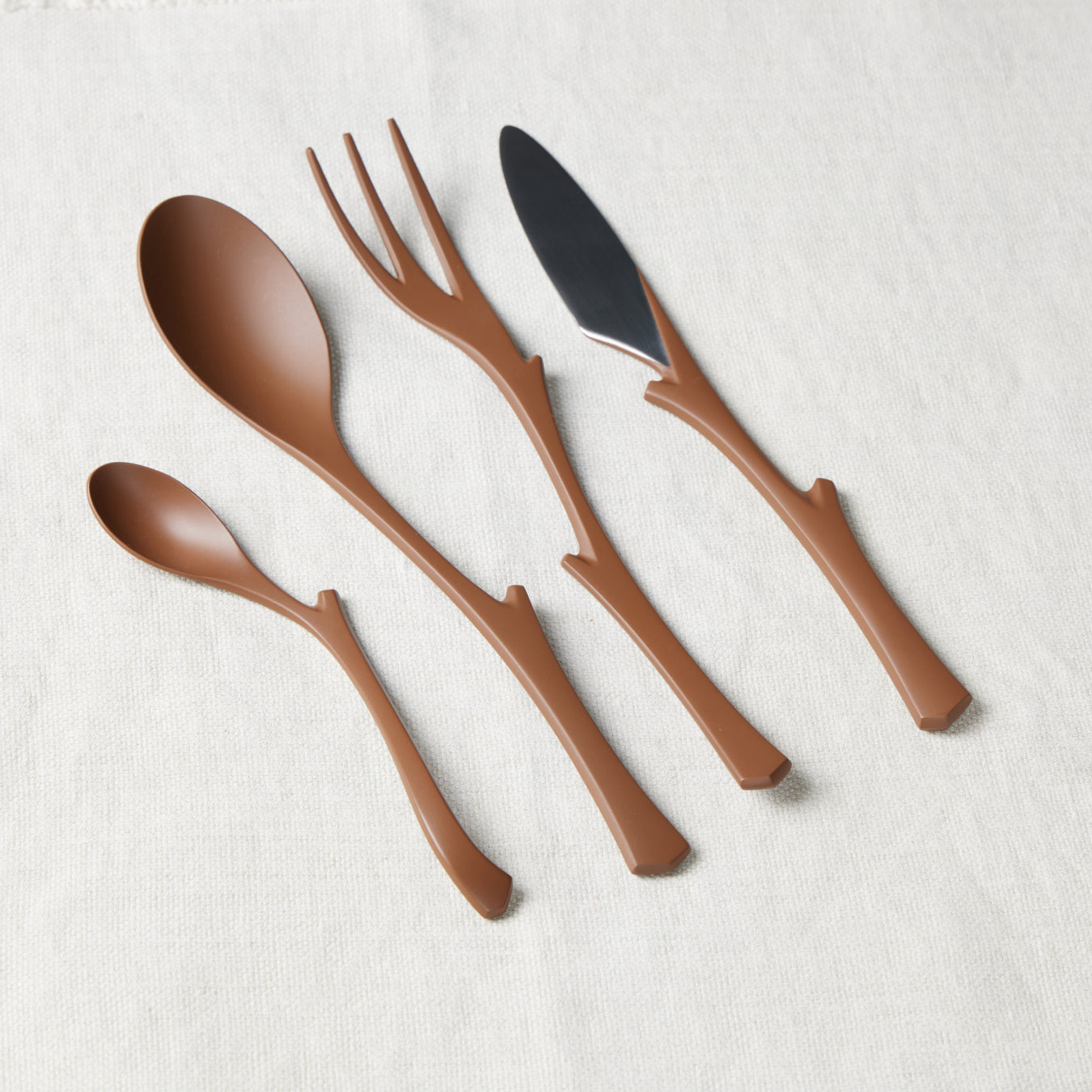
Crafted from stainless steel, it is resistant to rust and discoloration, ensuring long-lasting use without worry. Perfect for serving cakes, tarts, pizza, lasagna, or quiches, this piece adds a touch of sophistication to any party, enhancing the table with its stylish presence.
Nagashima's cutlery is also designed for functionality, offering a practical and enjoyable experience with every use. The underside of the handle is engraved with his signature "Y" logo in an elegant, antique-style font, adding a subtle yet beautiful decorative detail.
Details
- Material: Stainless Steel
- Dimensions: 8.9"L (2.0"L) x 2.3"H
- Capacity: 0.35oz
Country of Origin: Japan
Care
- Hand wash only with neutral detergent and a soft sponge or cloth. Avoid abrasive scrubbers, scouring pads, and cleansers. Dry thoroughly with a soft cloth before storing in a dry, moisture-free environment.
- Not intended for microwave use. Do not use on direct heat such as in an oven or on a gas stove.
Shipping & Delivery
Ships within 2 business days if in stock. Once sold out, contact us at to inquire about availability.
Choose options
Yoshinori Nagashima Cake Server
We're here to help. For questions about bulk orders, sizes, finishes, custom gifts, or anything else, please submit an inquiry.Shop Yoshinori Nagashima
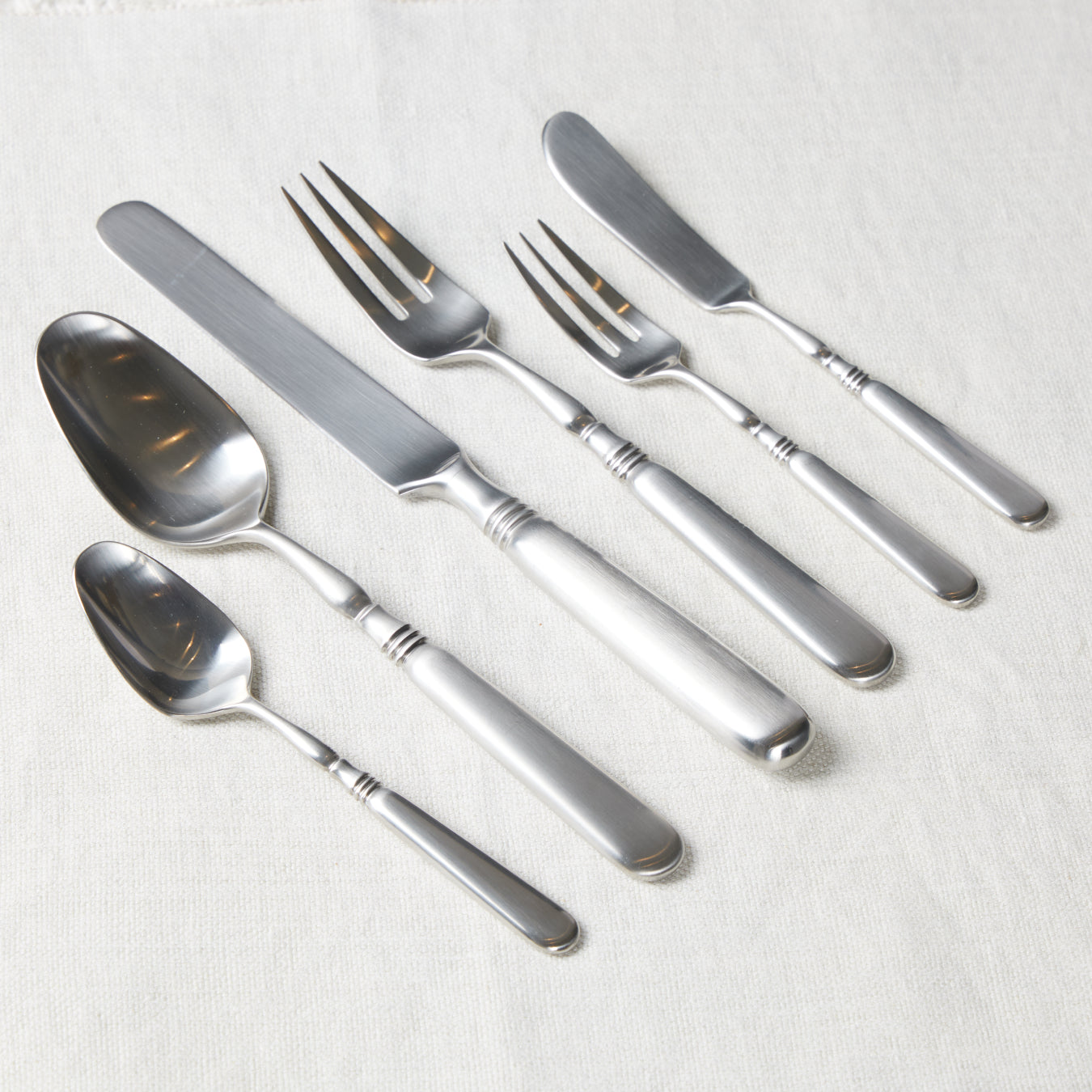
More Flatware & Chopsticks









About Yoshinori Nagashima
Yoshinori Nagashima is a metal artist working from his studio in Akishima, on the western edge of Tokyo, where he forges plates, trays, and cutlery by hand. He trained in craft at Tama Art University before completing graduate studies at Tokyo University of the Arts. Working across aluminum, brass, and stainless steel, he moves each piece through a sequence of largely manual techniques: cutting, hammering, forging, welding, brazing, and polishing, with the exact combination shifting depending on the form and material.
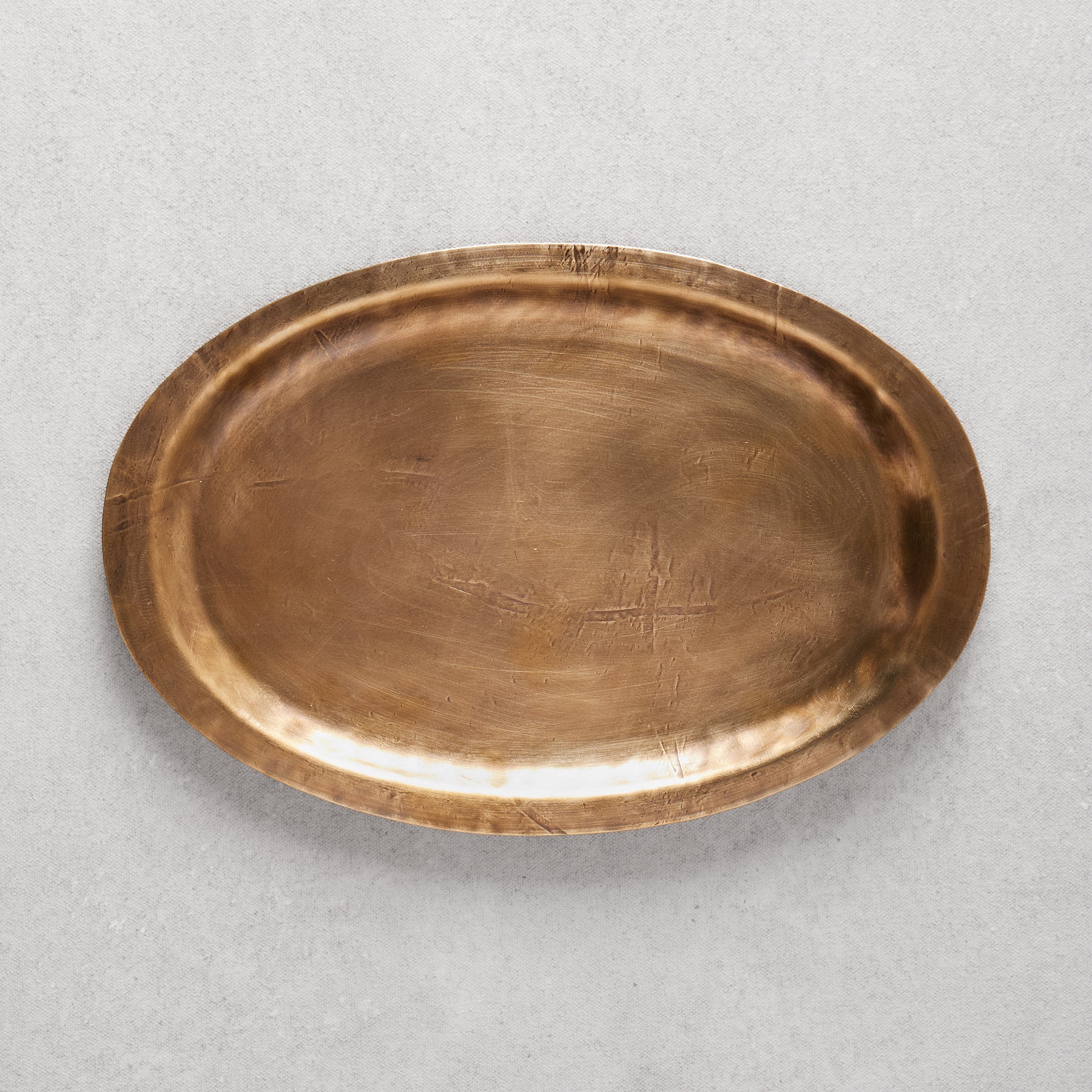
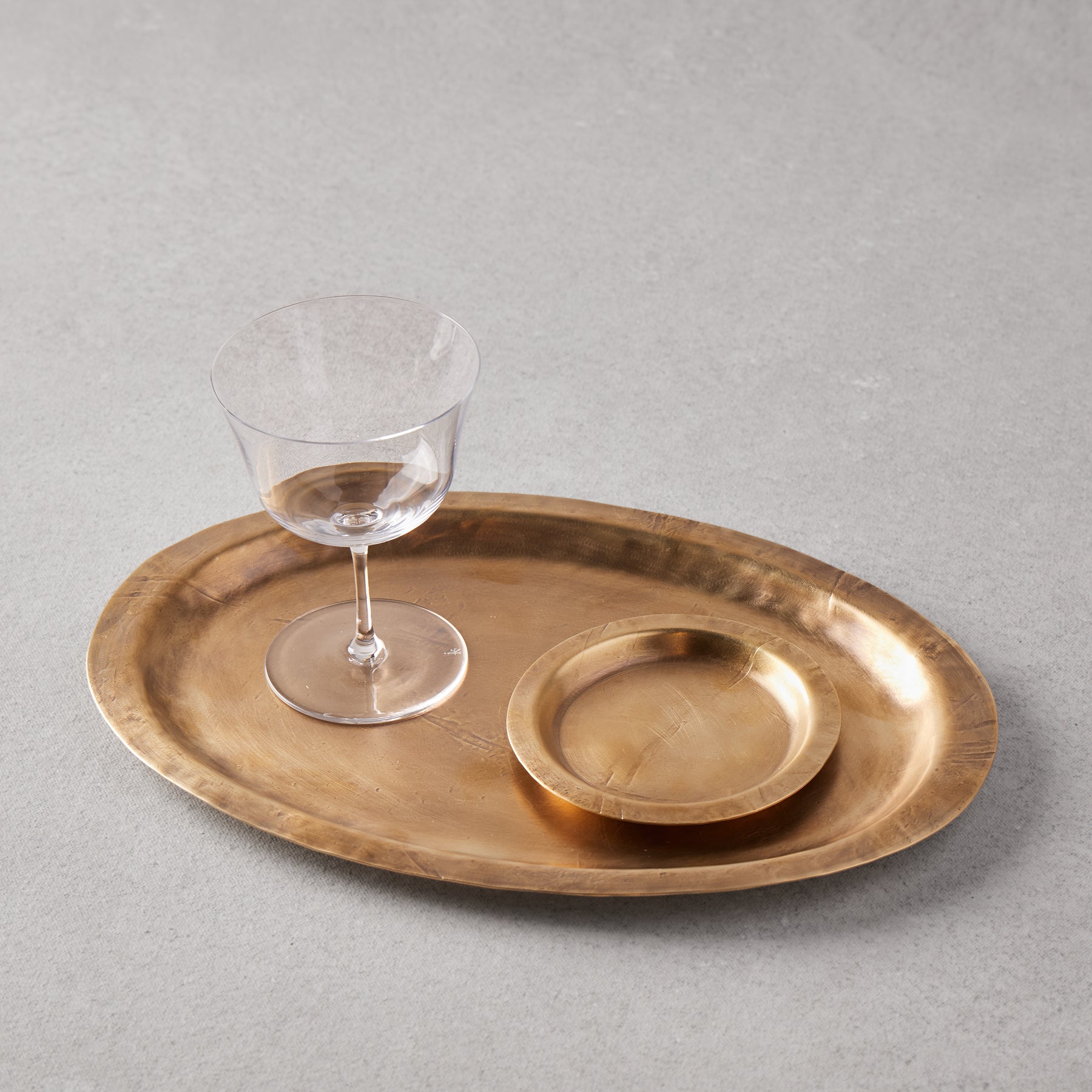
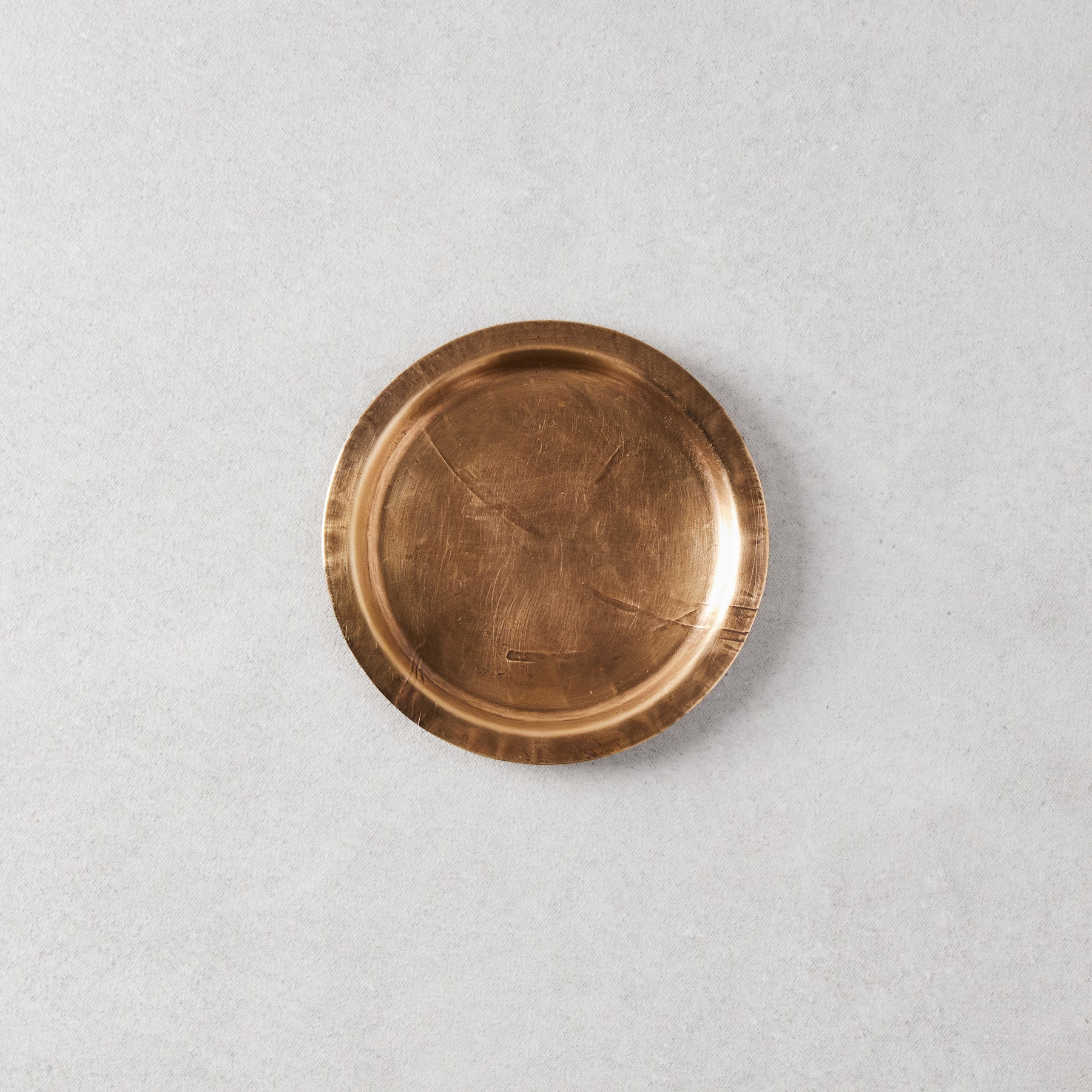
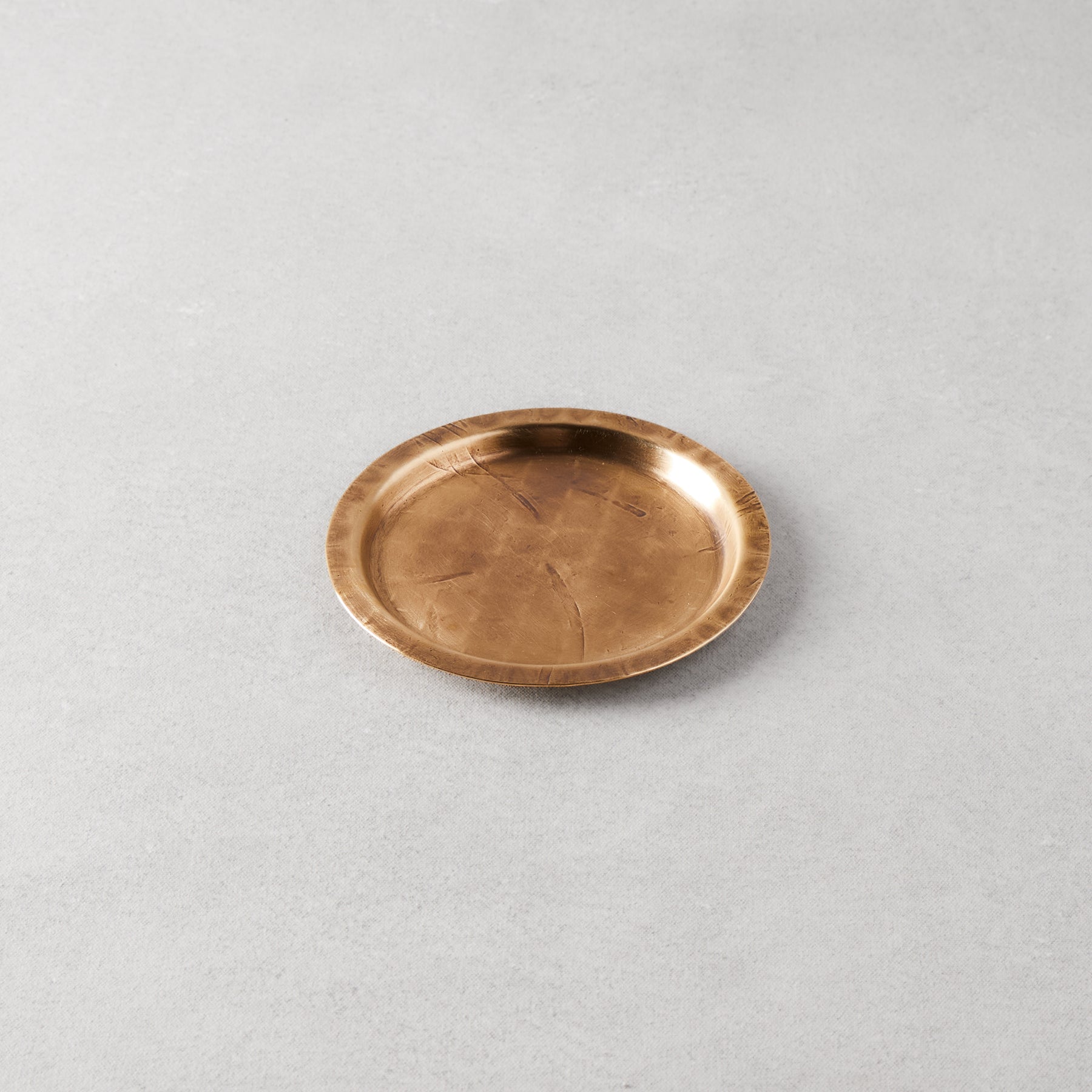
Rather than polishing his pieces to a uniform shine, Nagashima leaves the marks of the process in the metal: the dents and scratches of hammering and forging, set deliberately into the surface to give each piece a worn, time-touched character from the start. The result is tableware that looks collected rather than manufactured, with an antique sensibility that appeals to anyone drawn to objects with a sense of history and personality.