





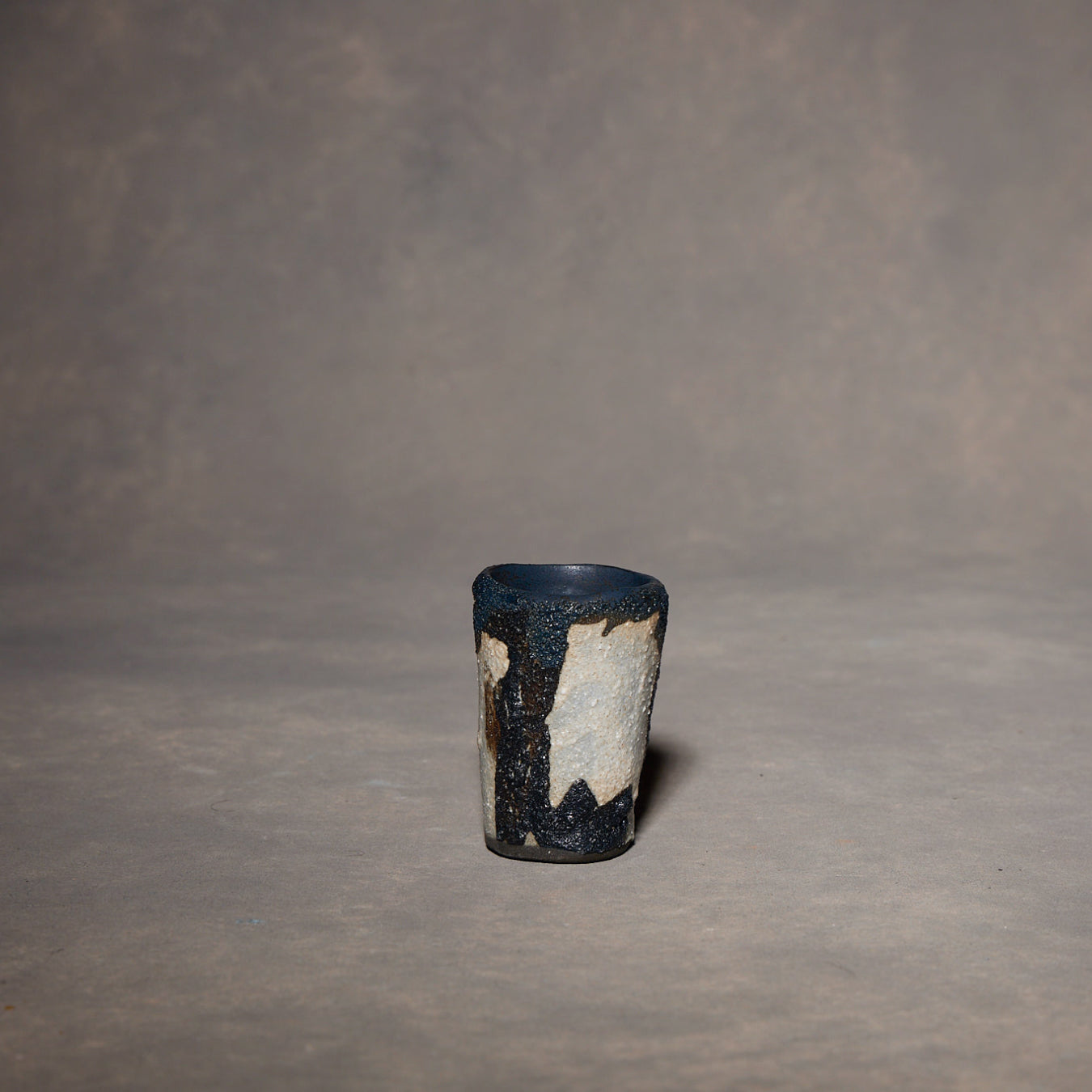


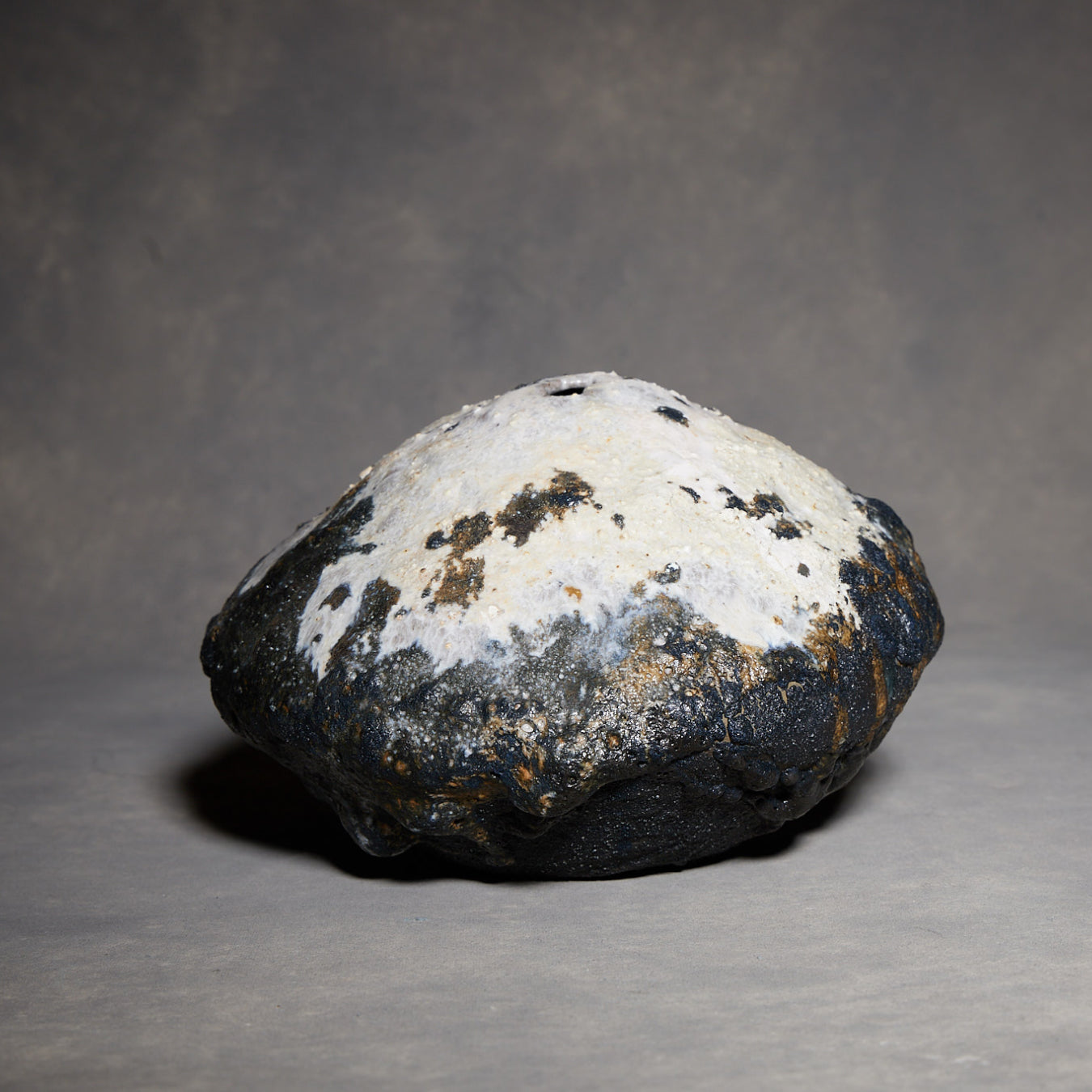
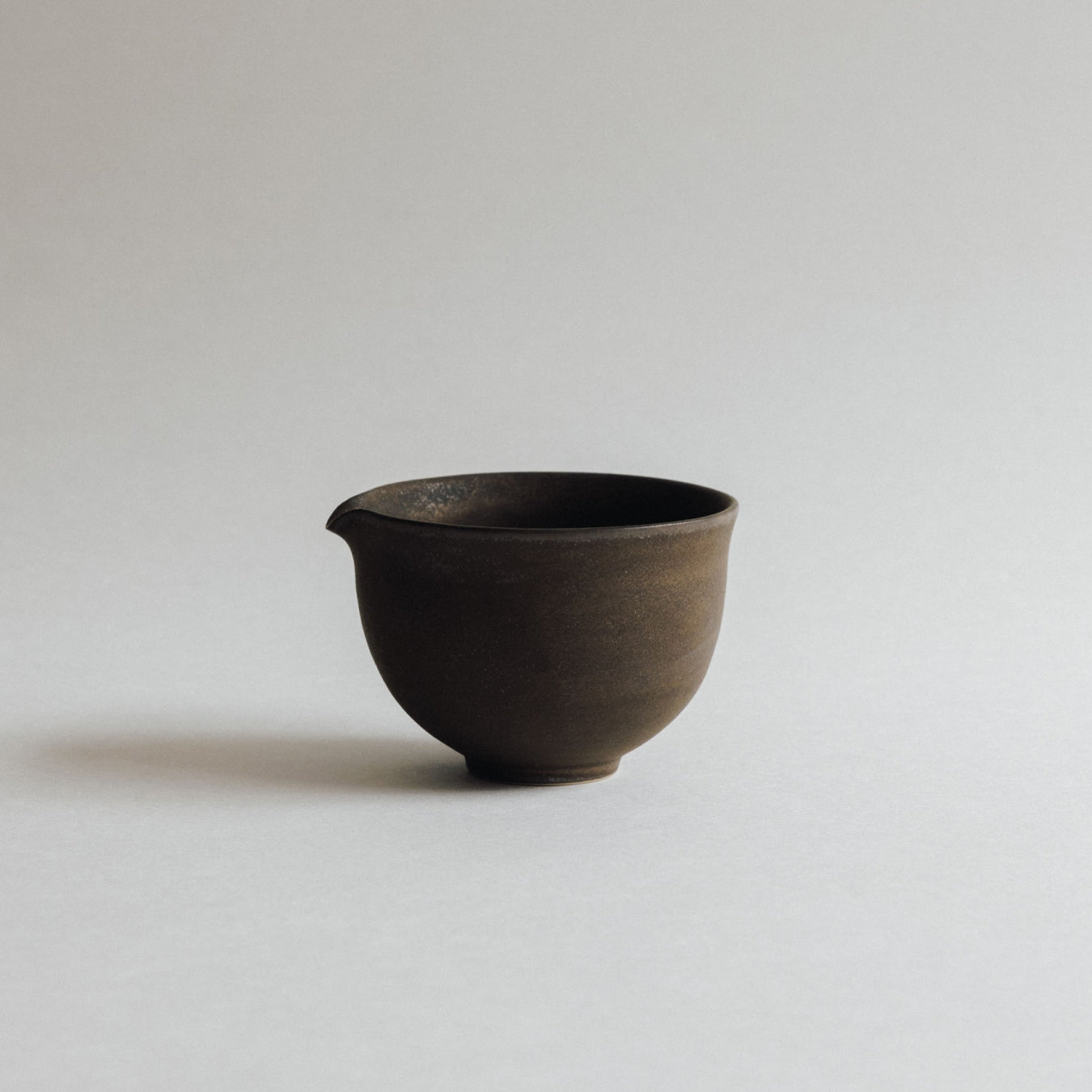
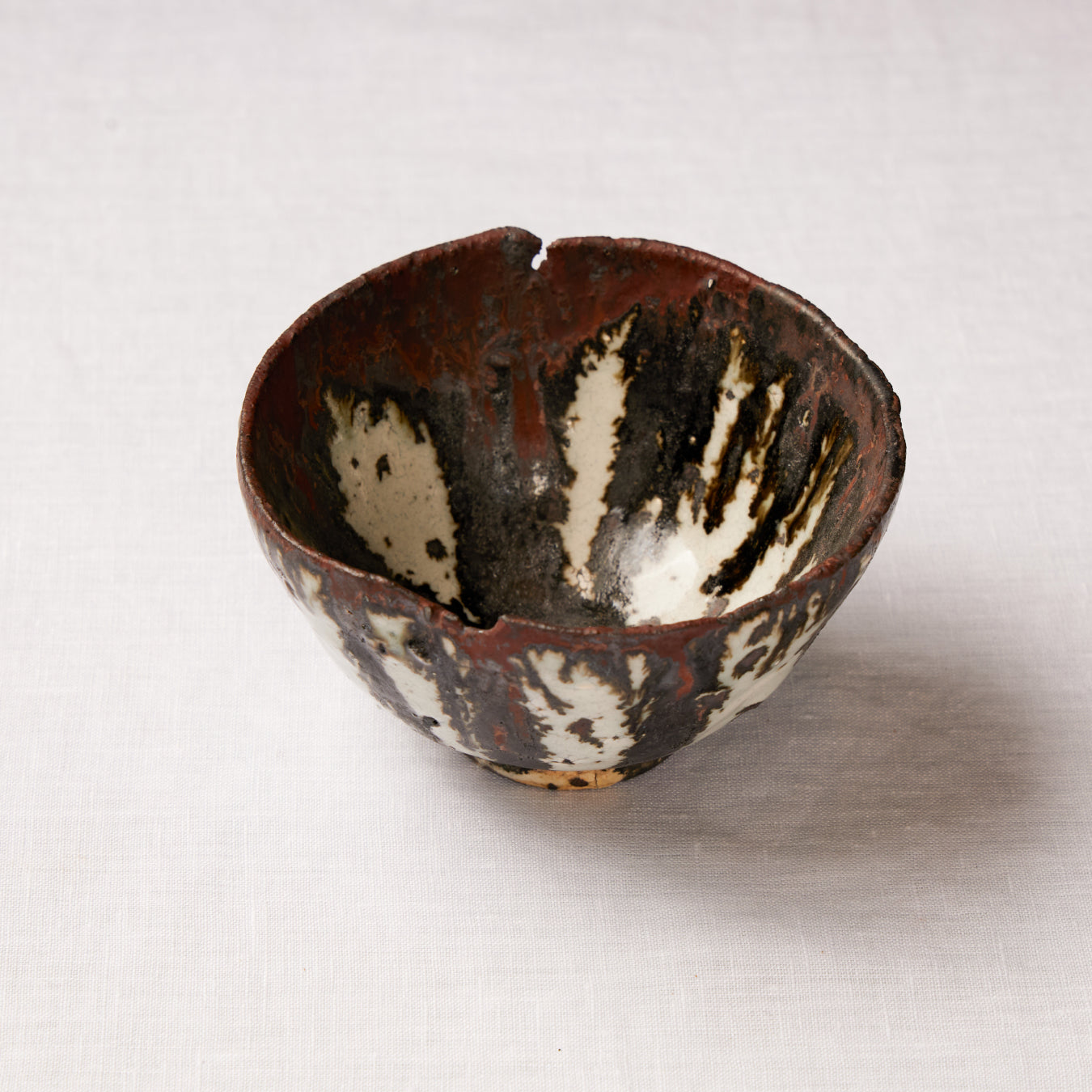
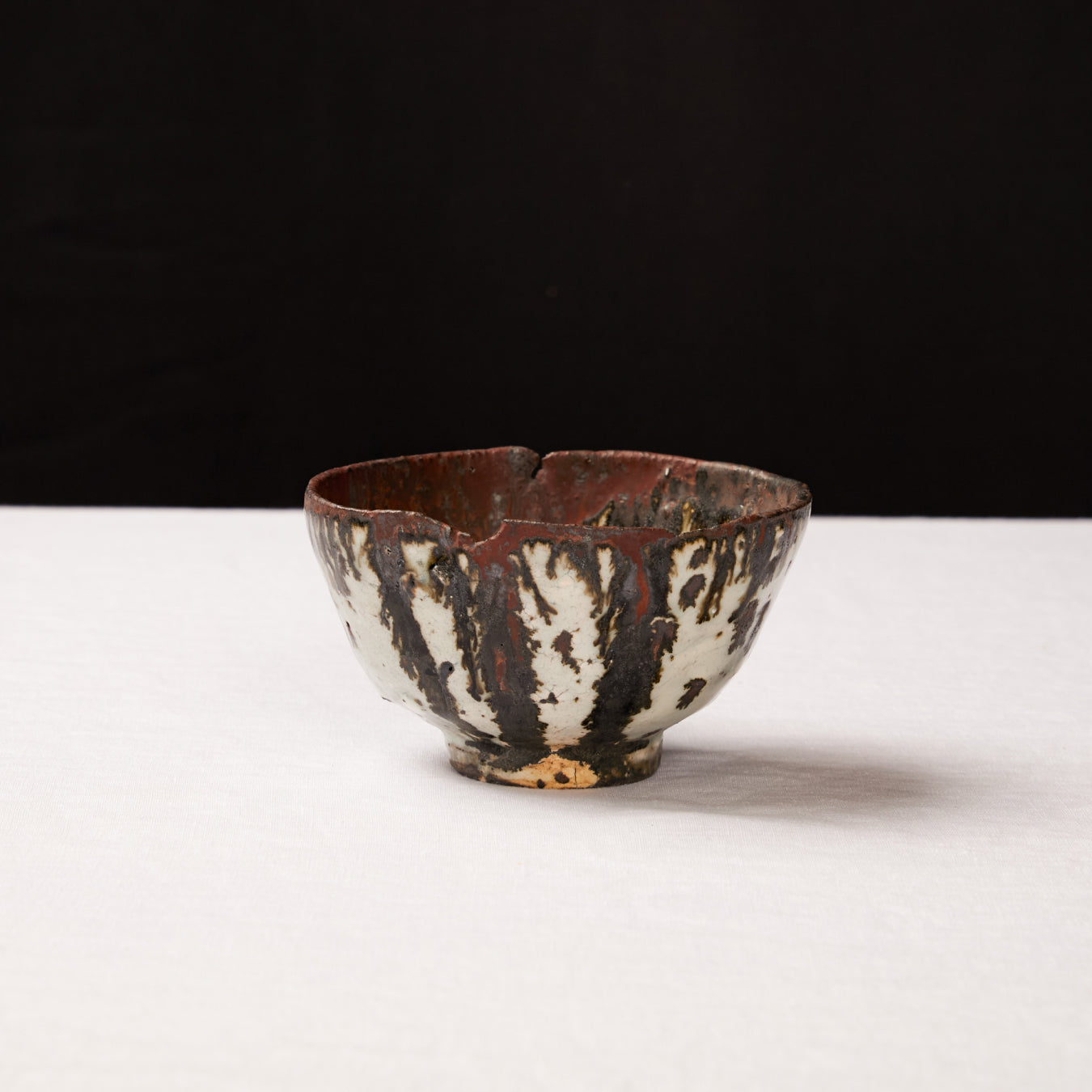
Yuko Ikeda Black & White Small Cup 25-02
For bulk orders, sizing, textures, availability, or other requests, please contact our
Description
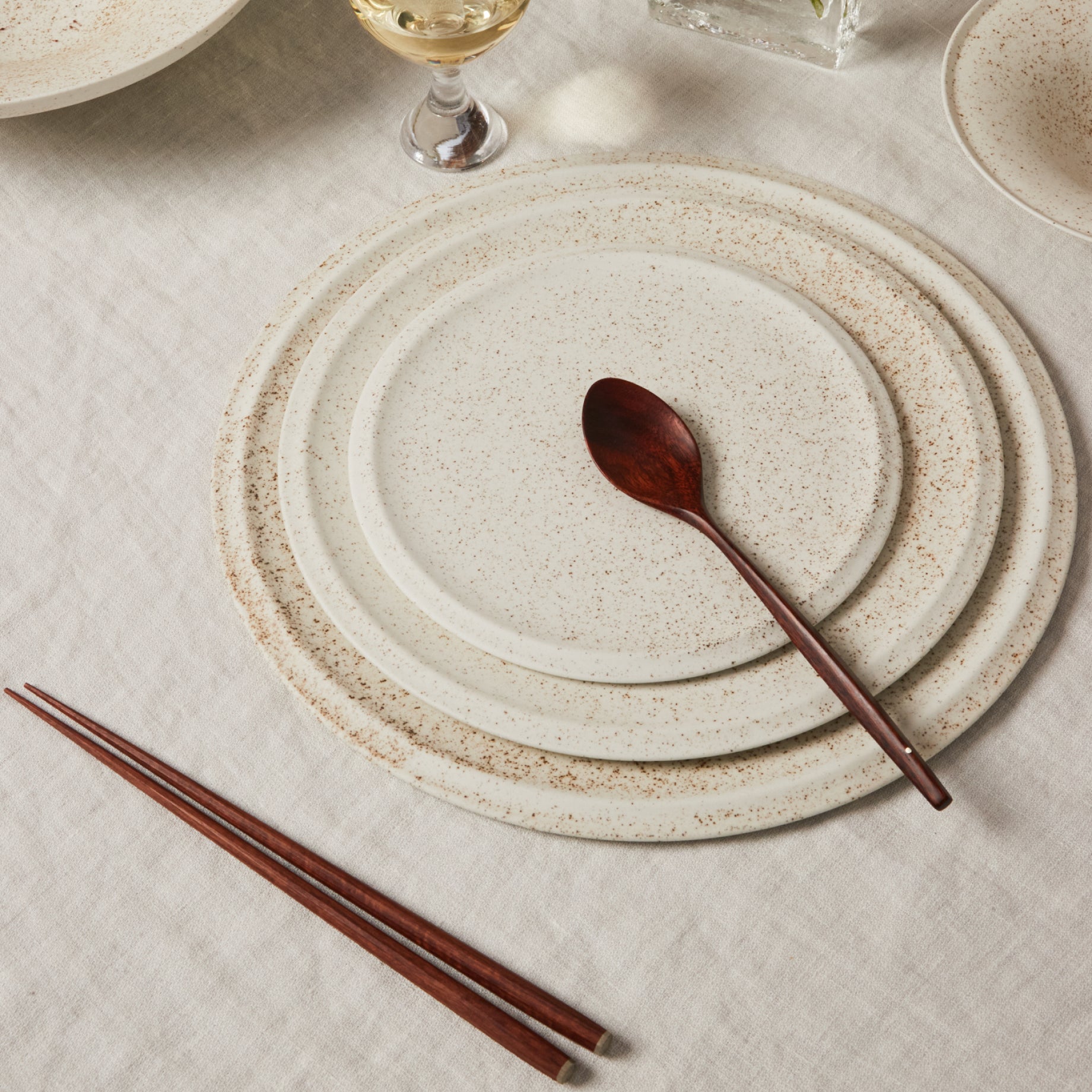
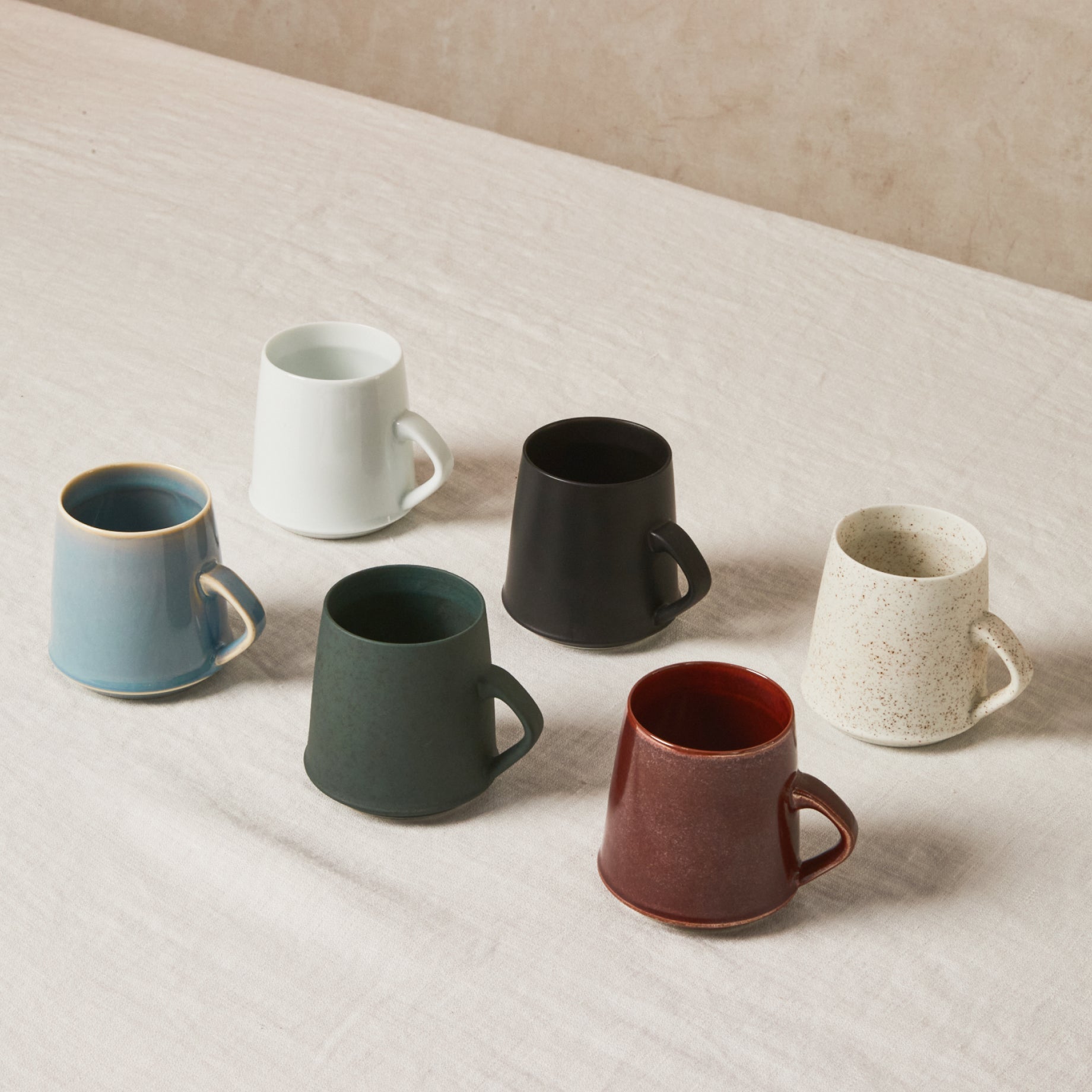
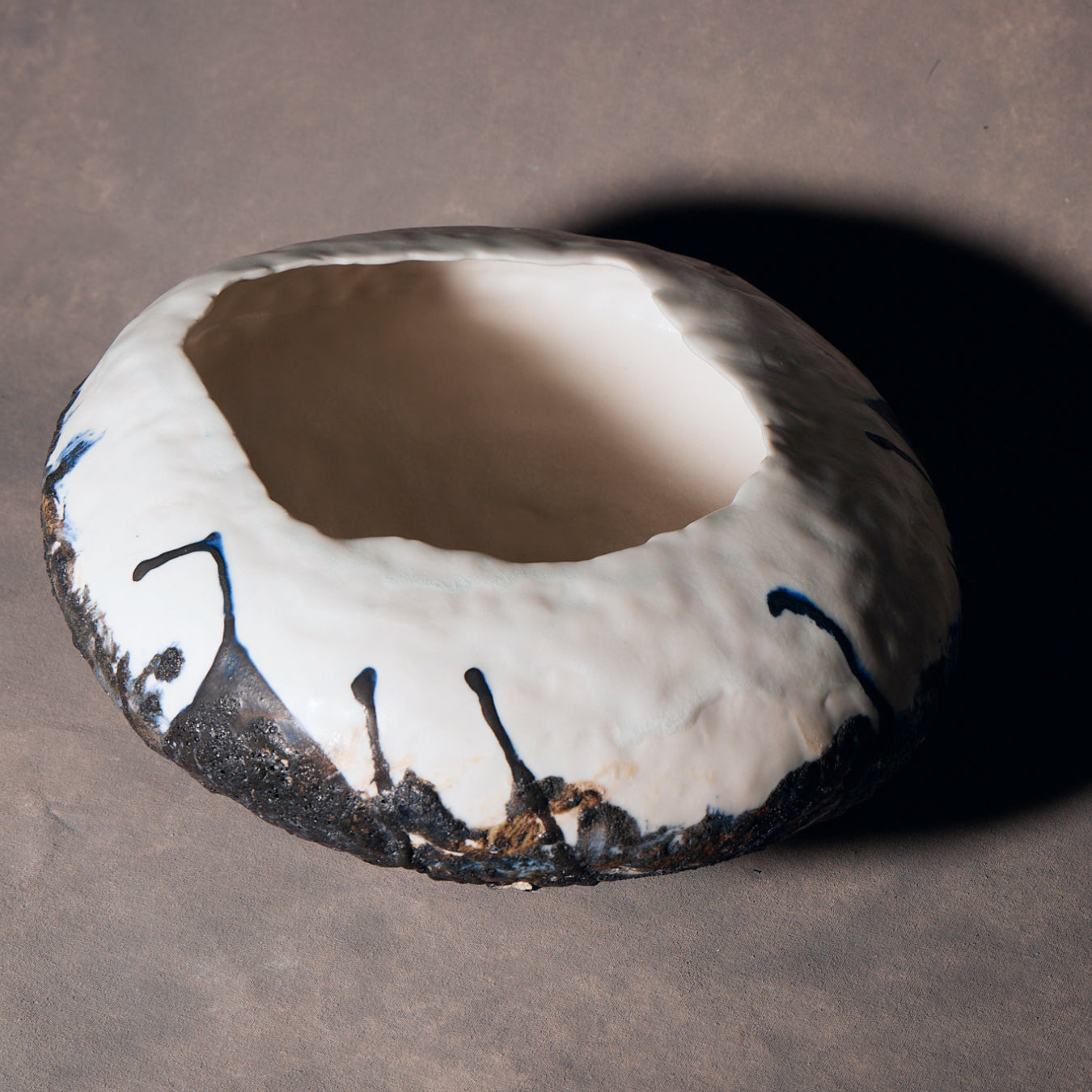
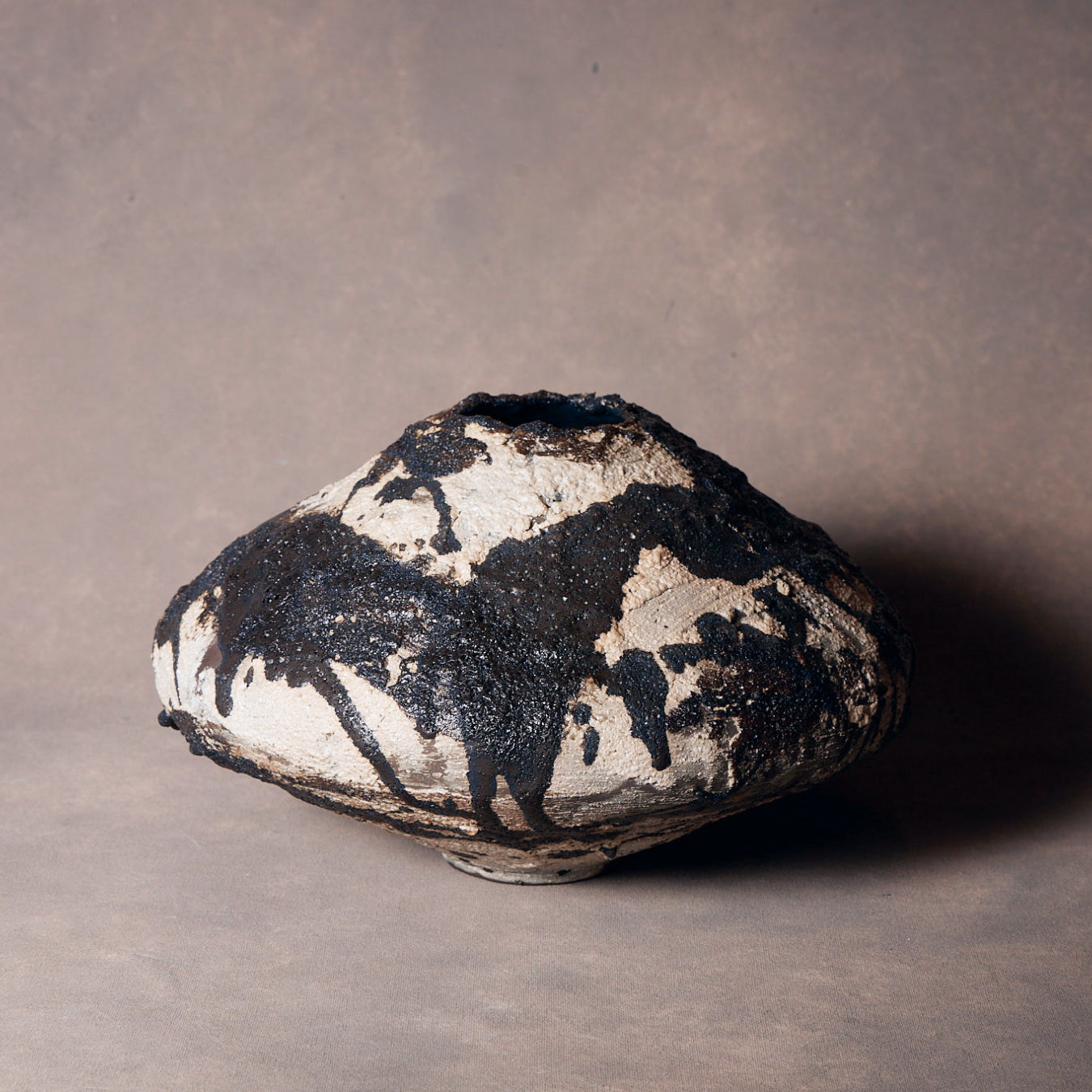
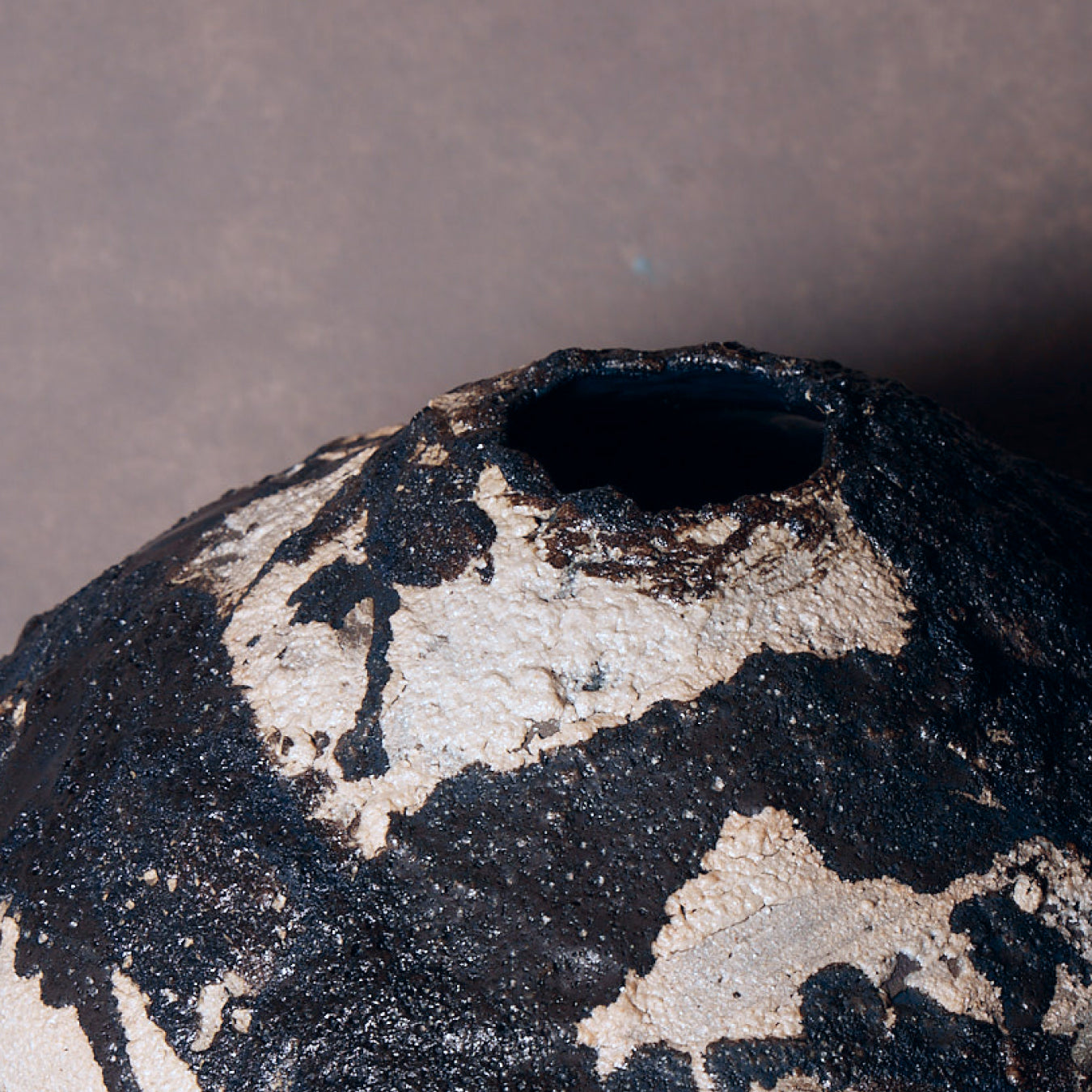
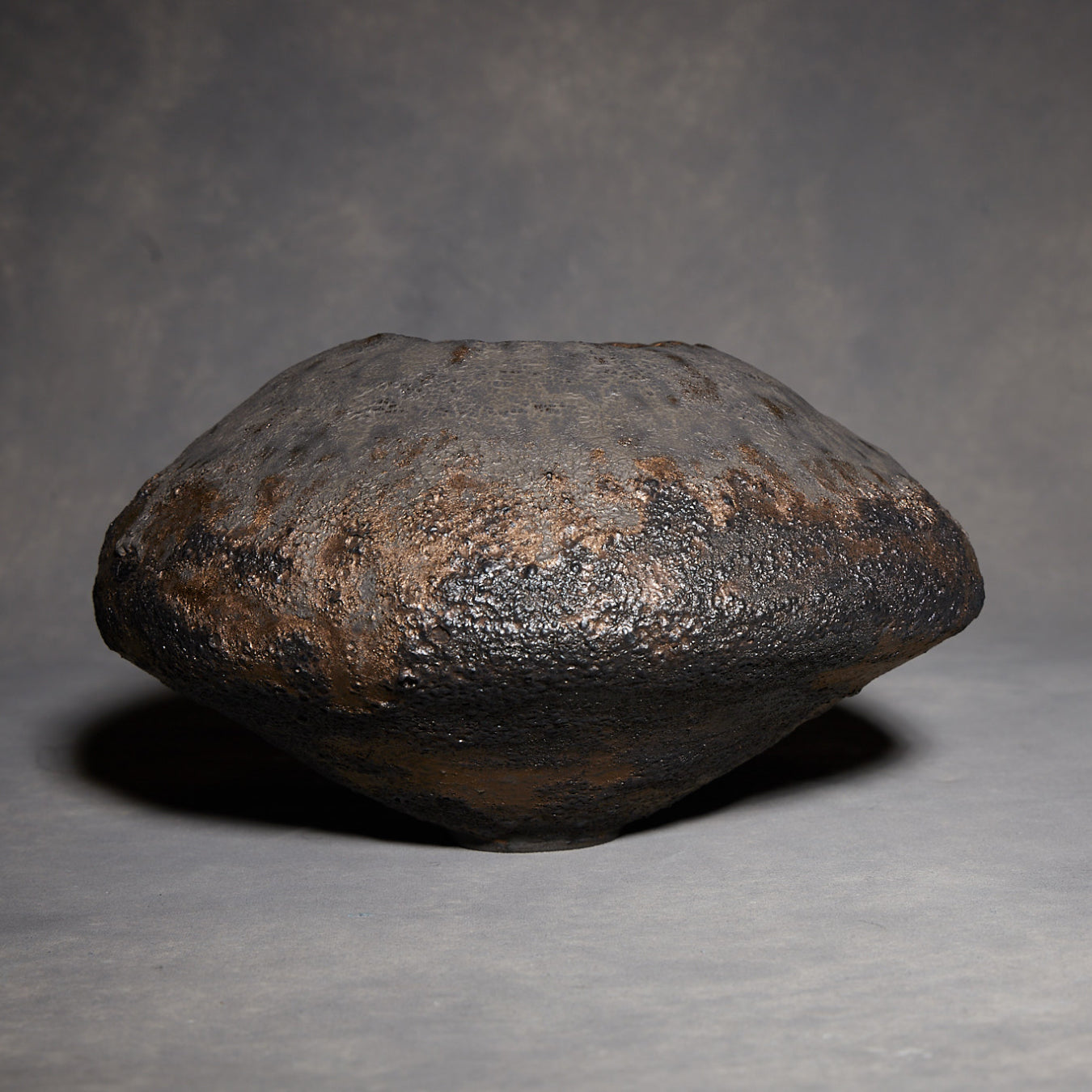
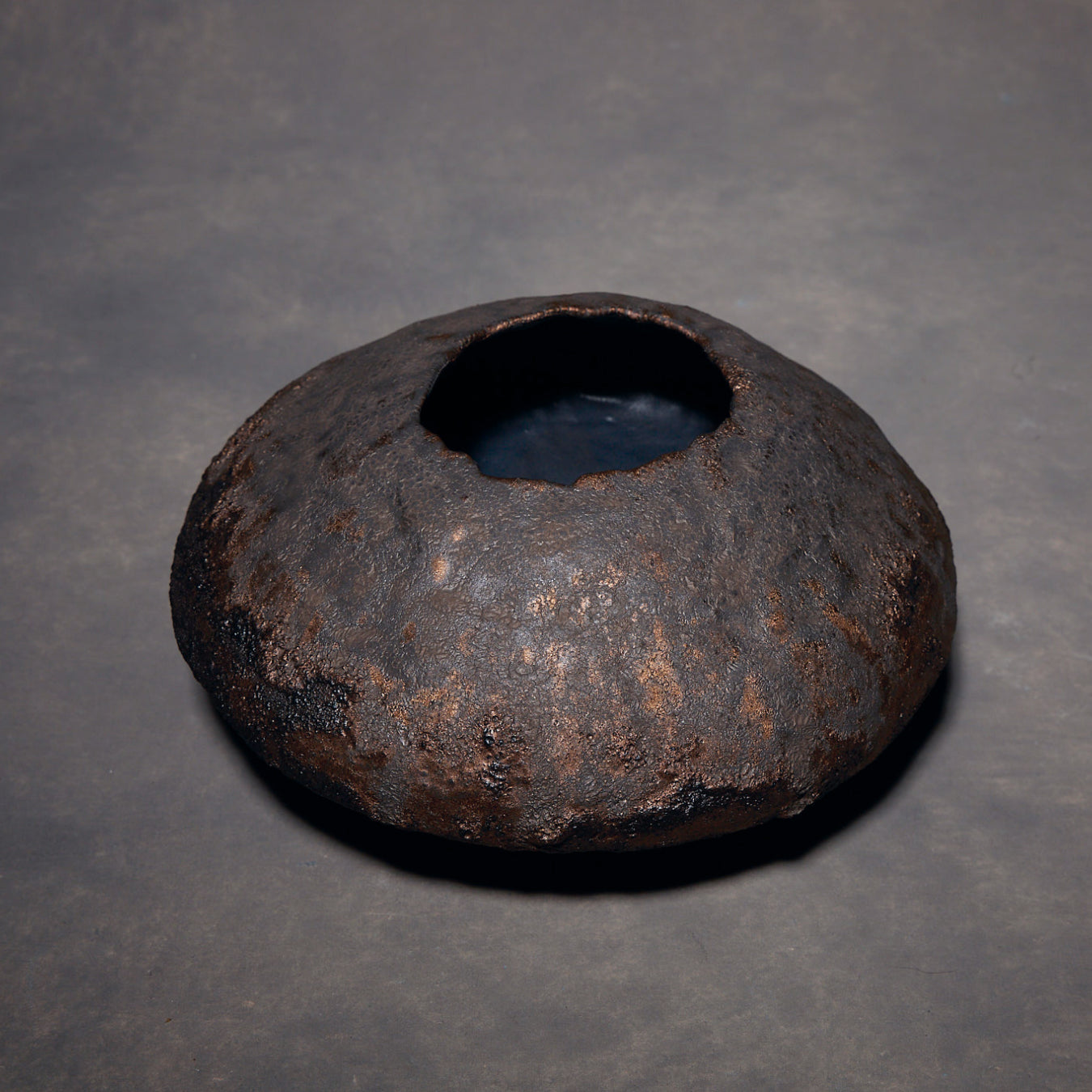
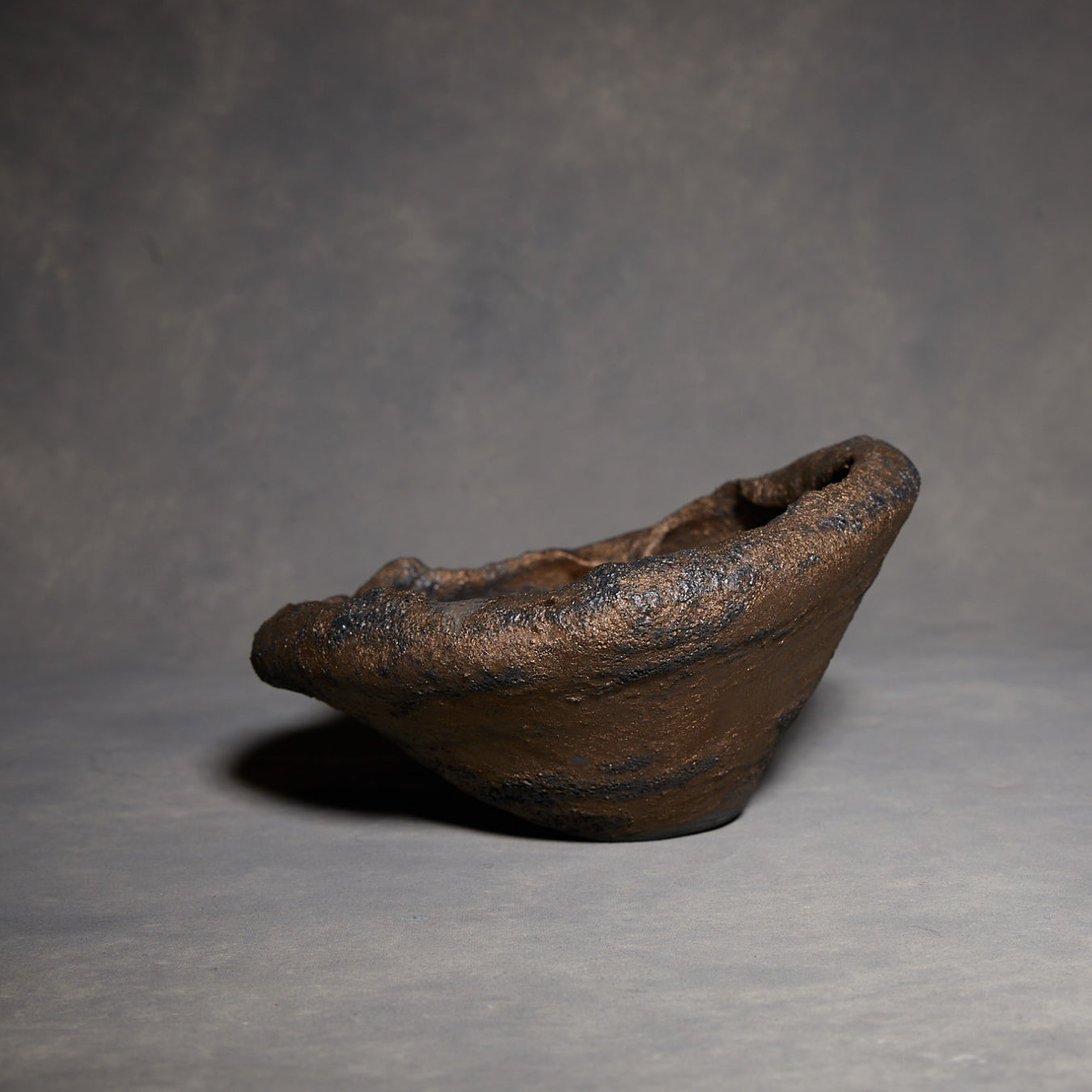
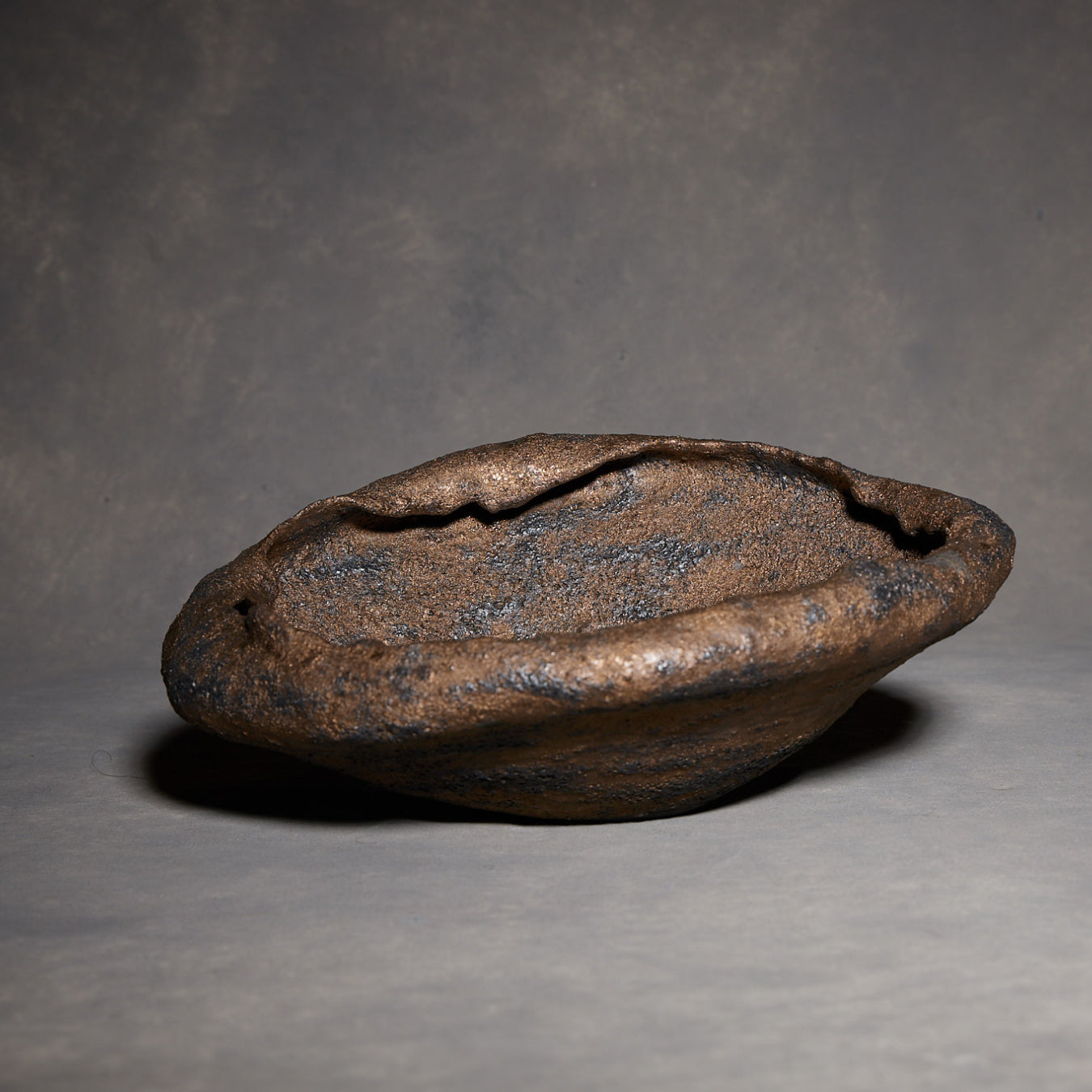
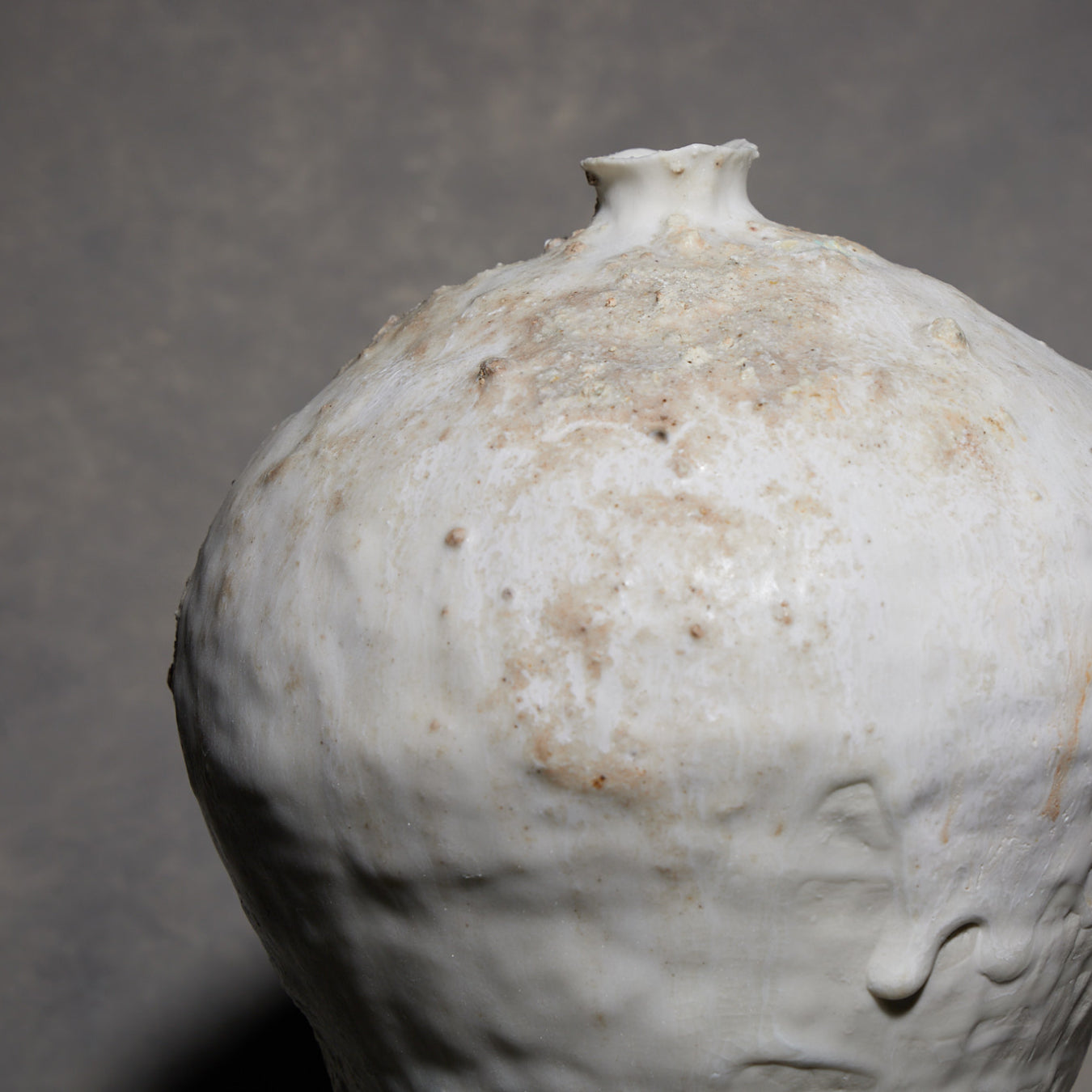
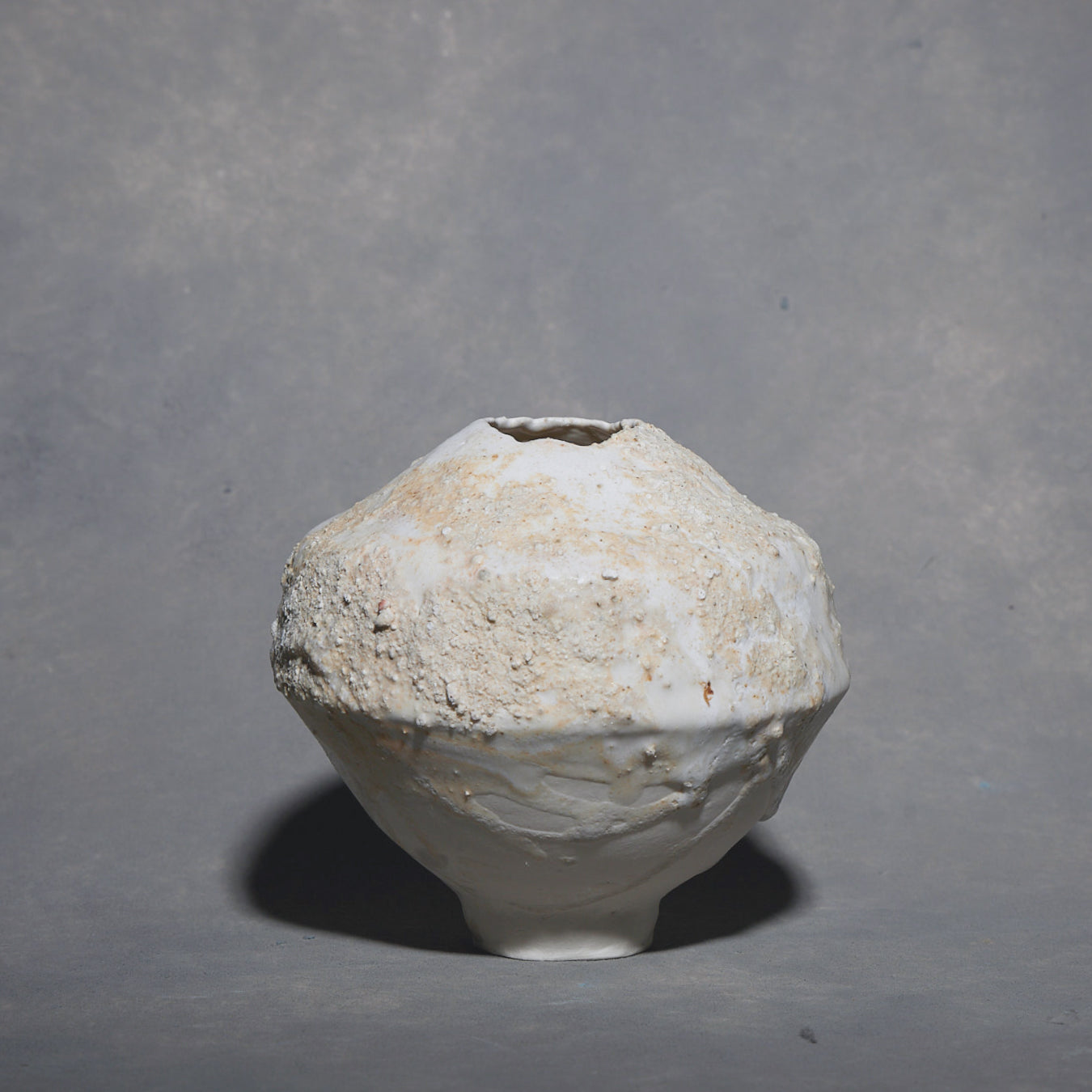
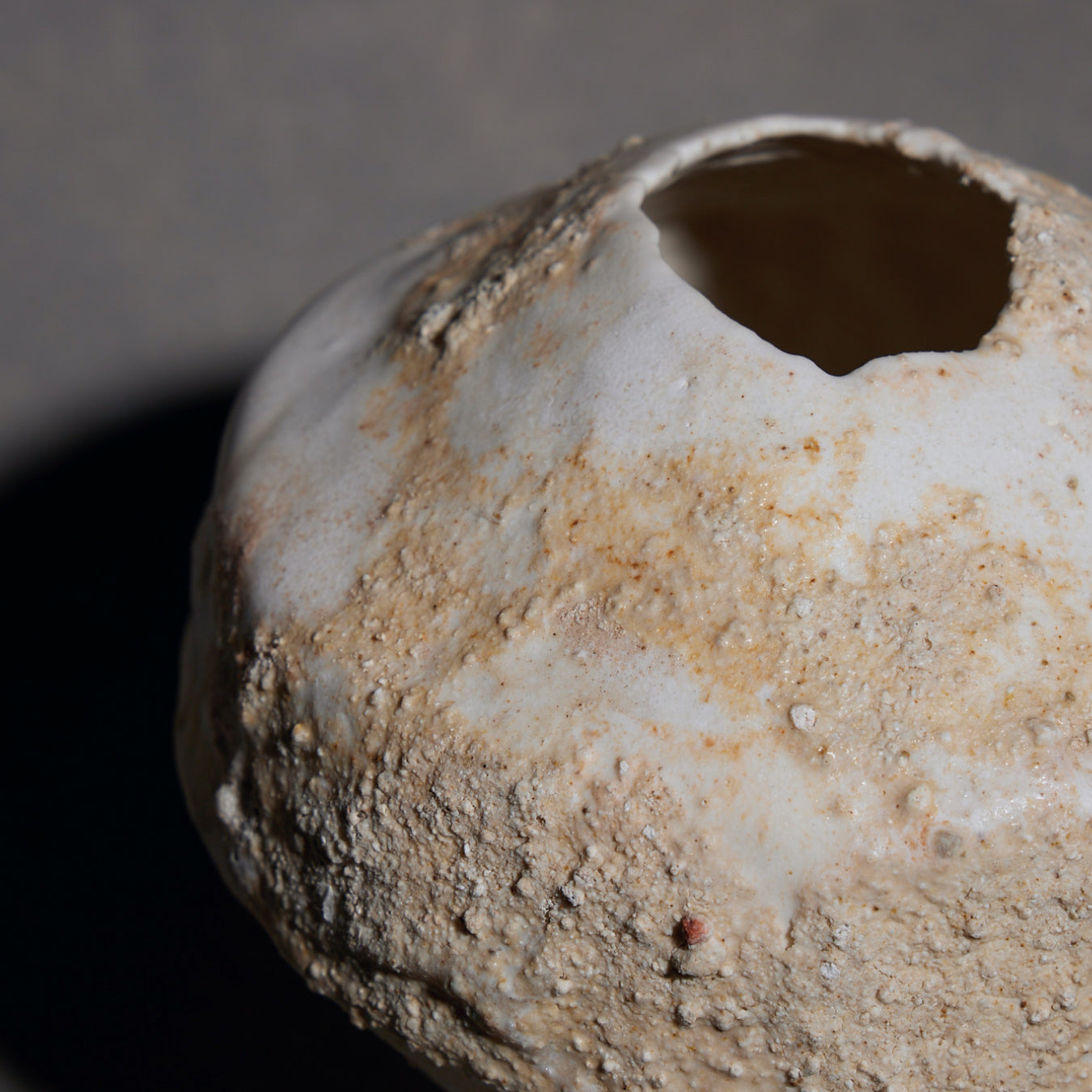
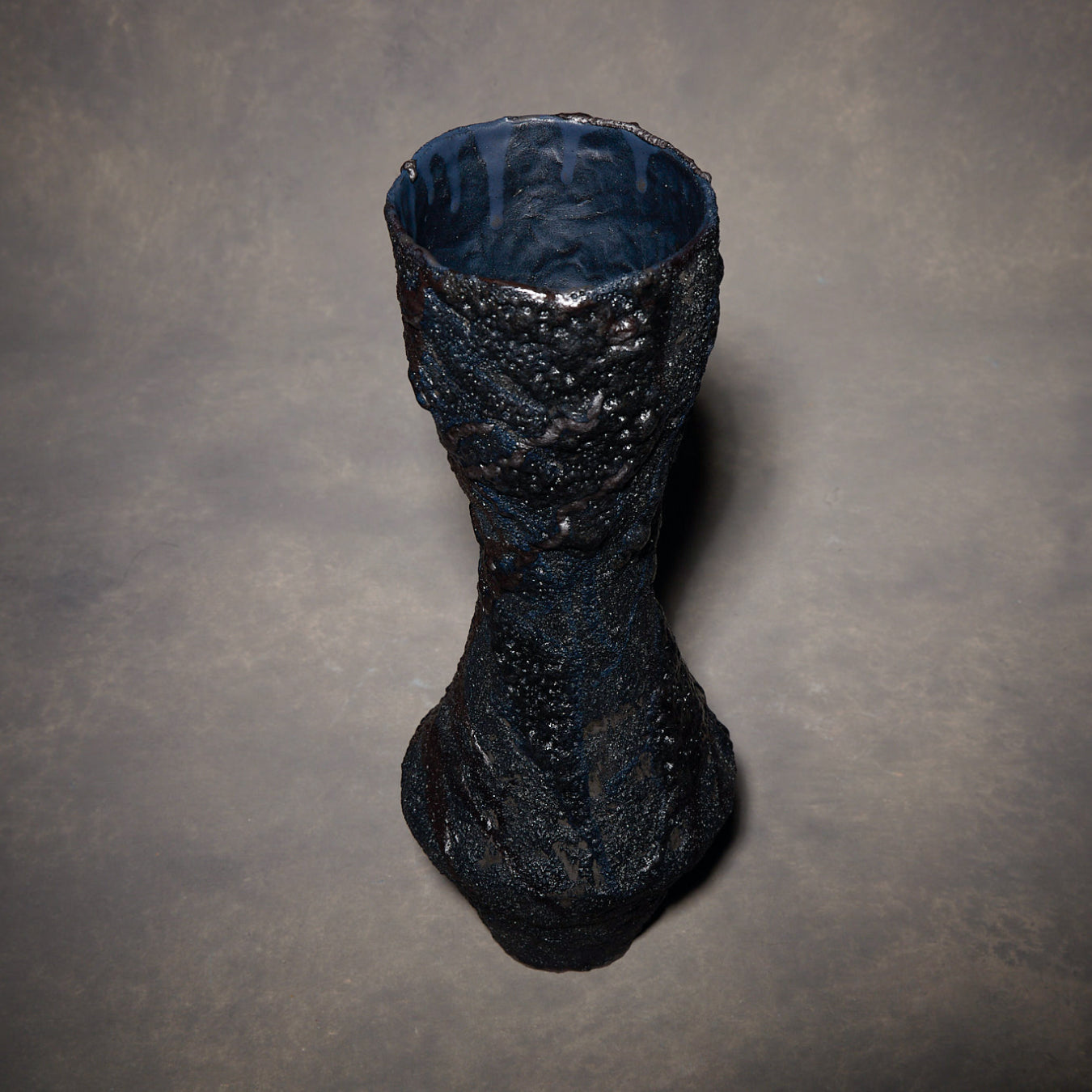
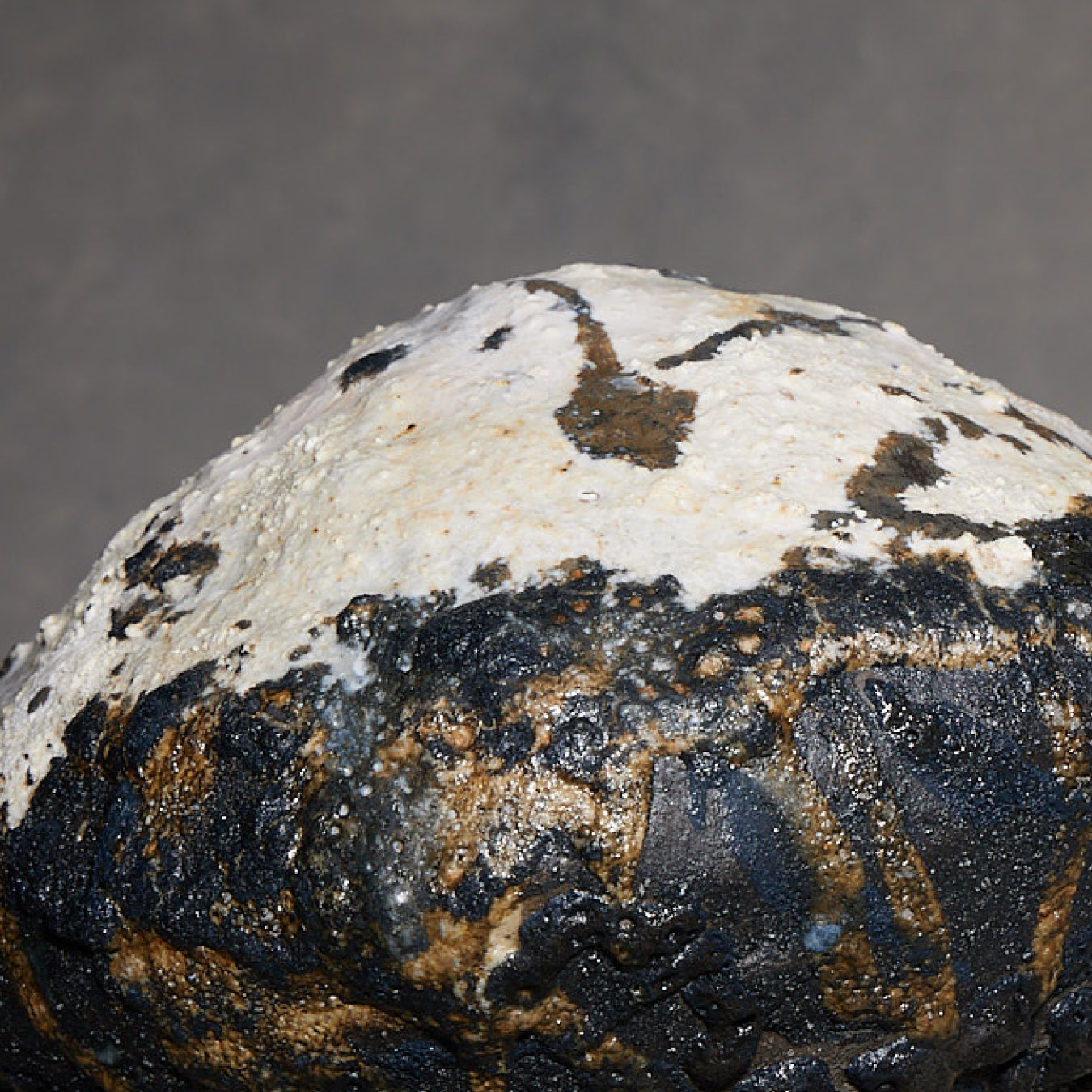
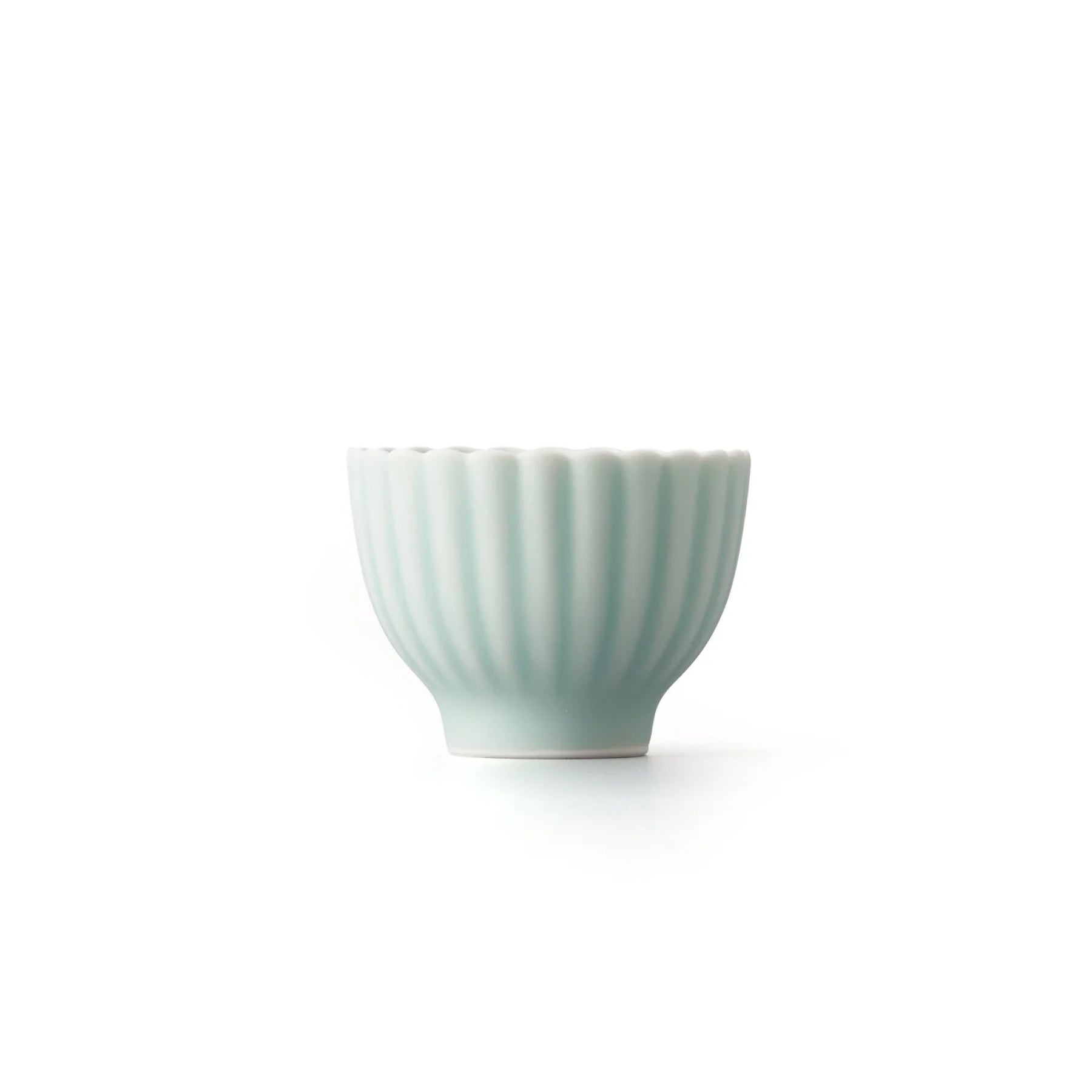
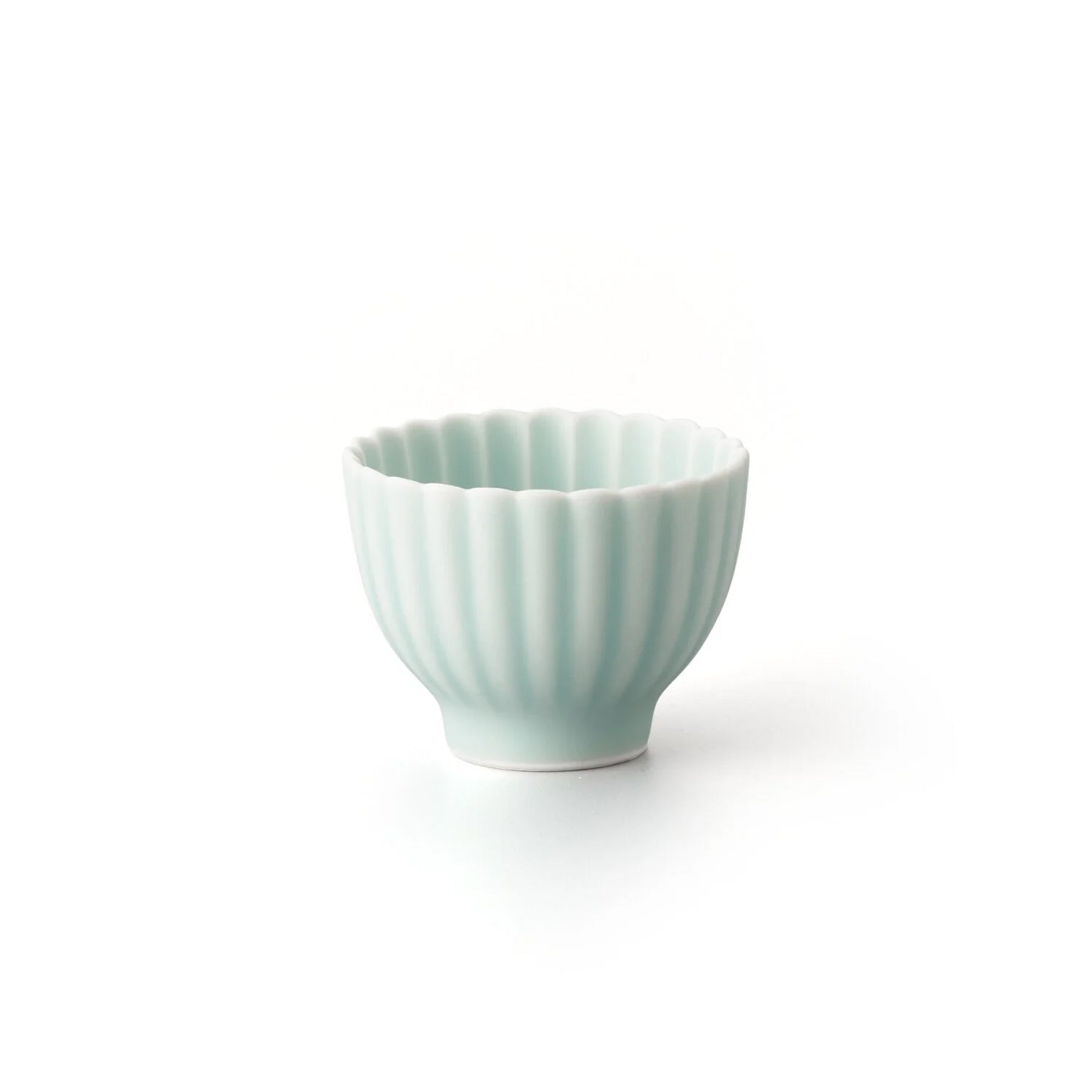
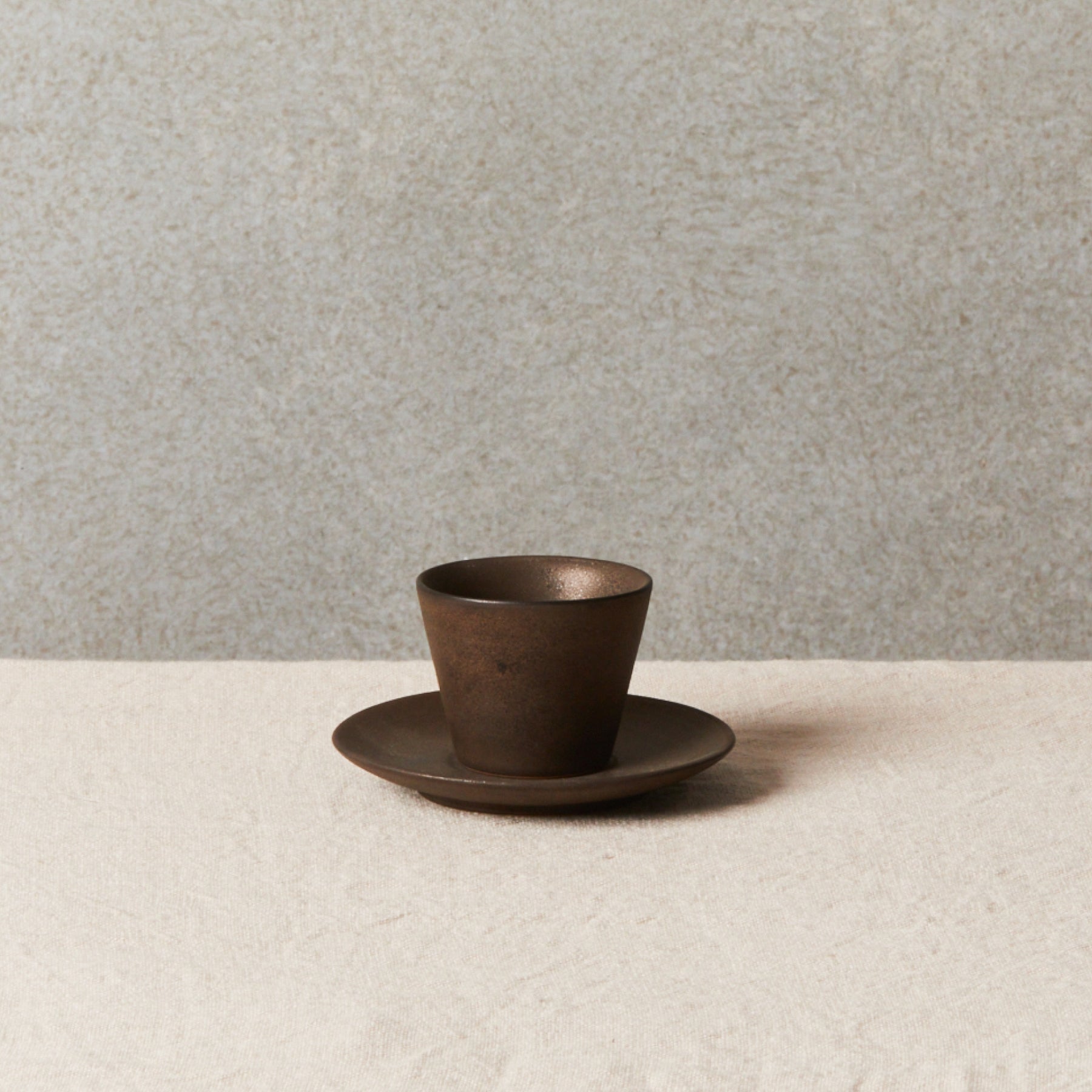
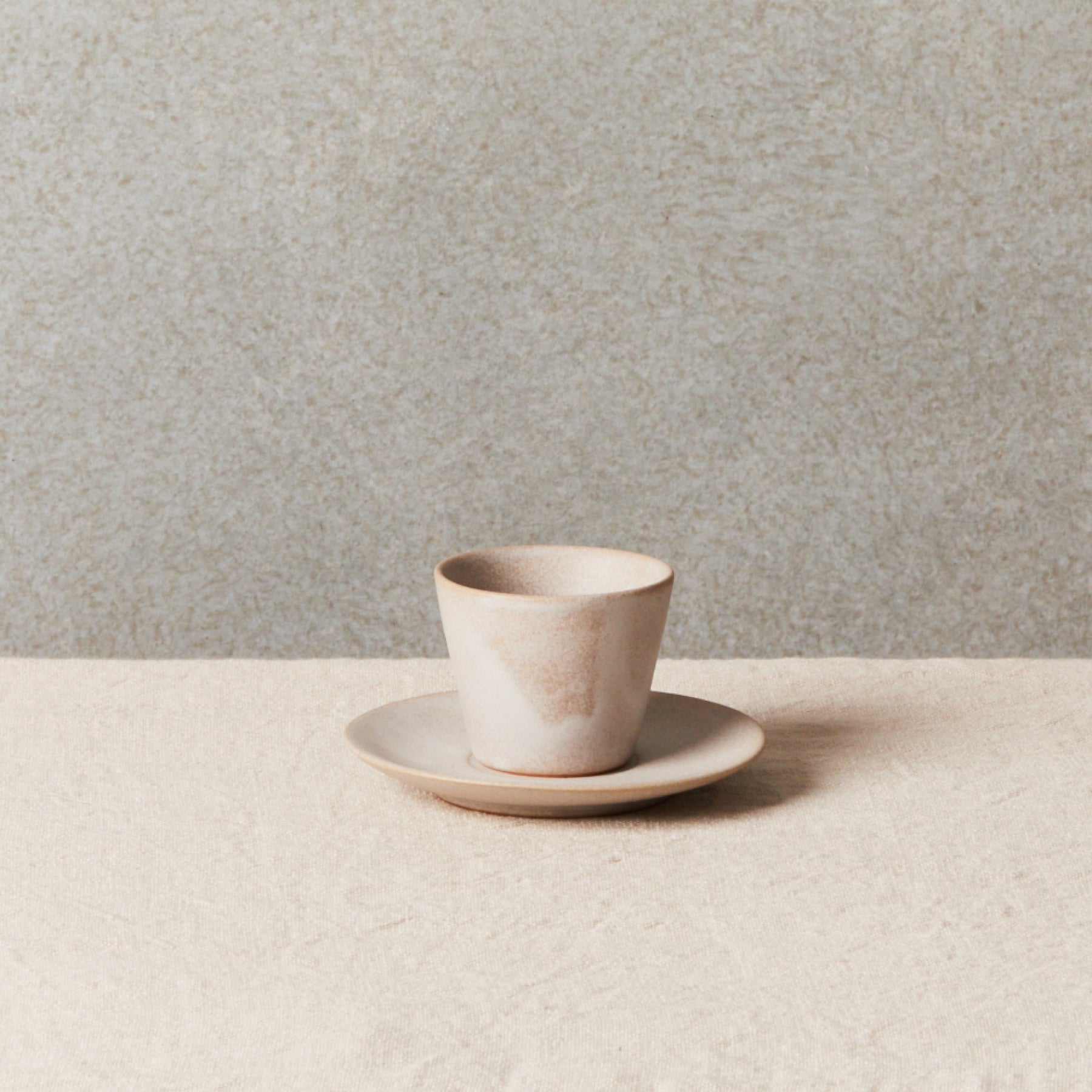
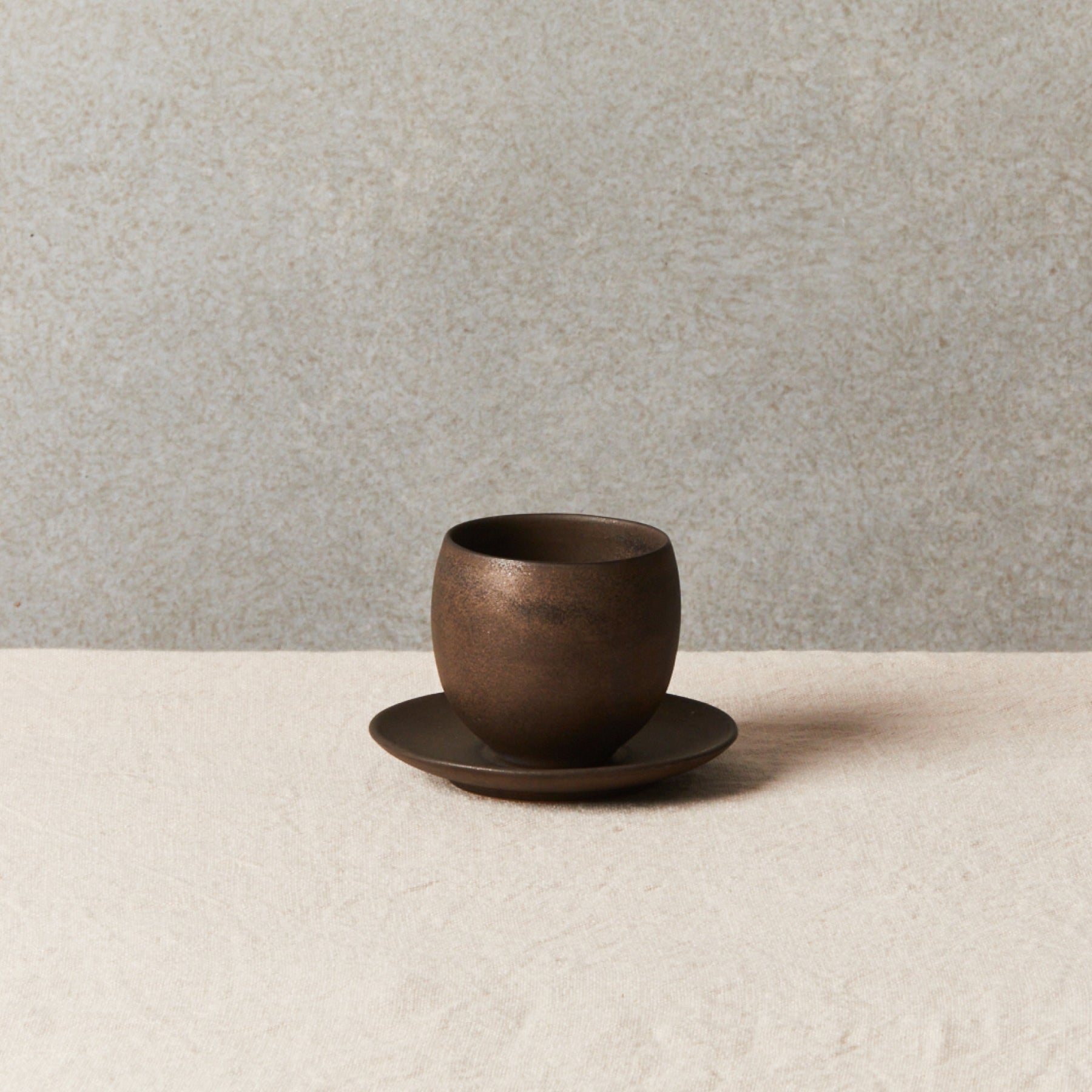
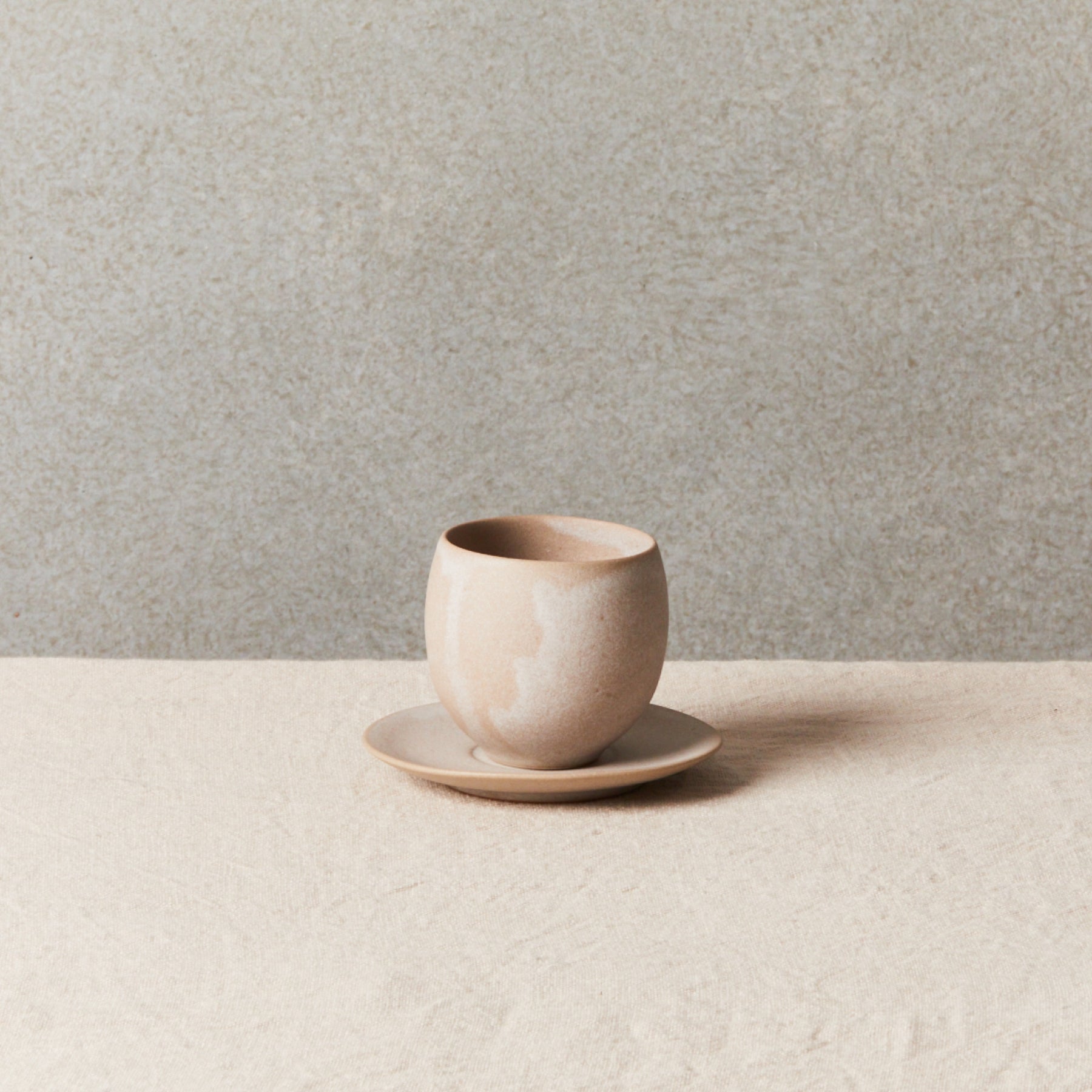
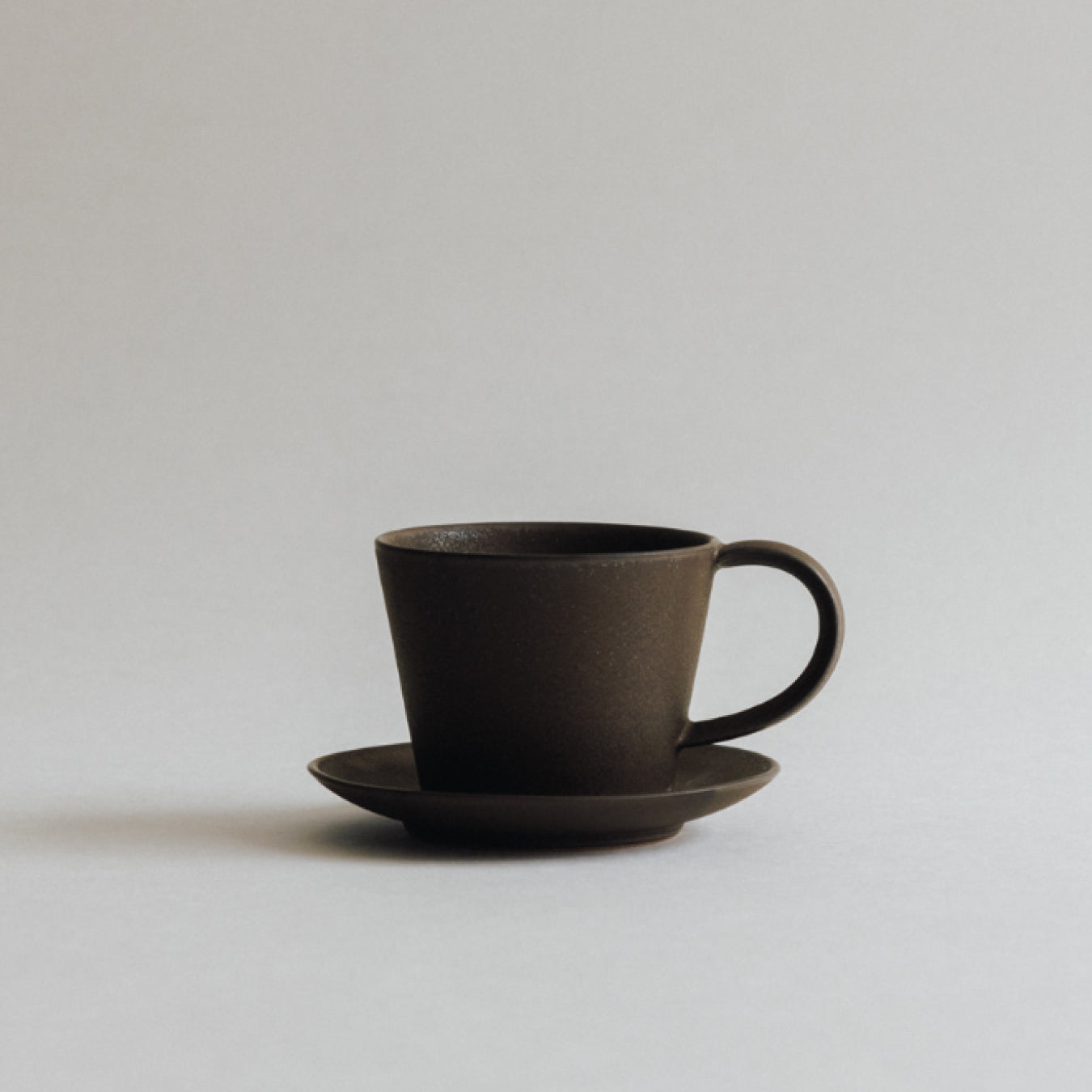
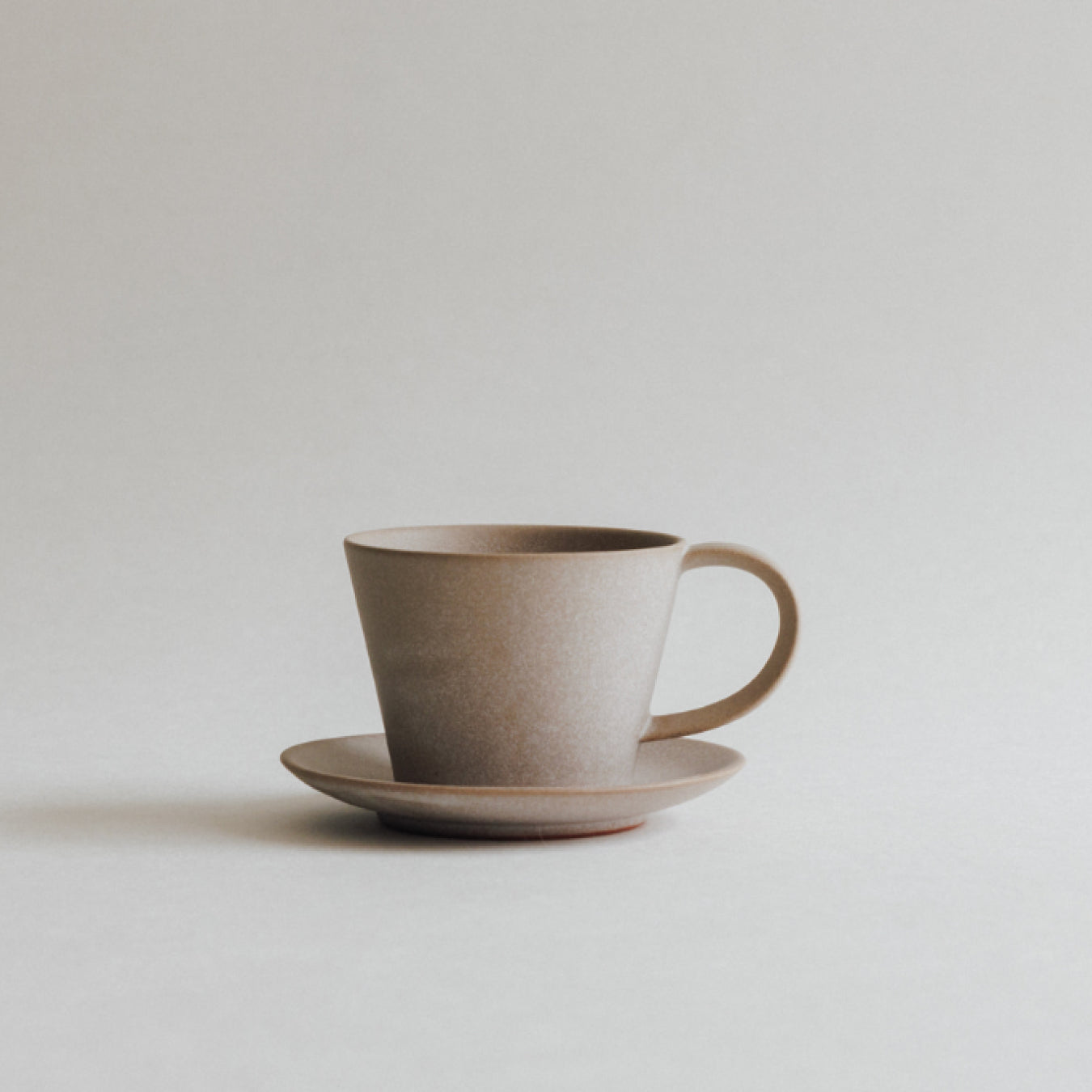
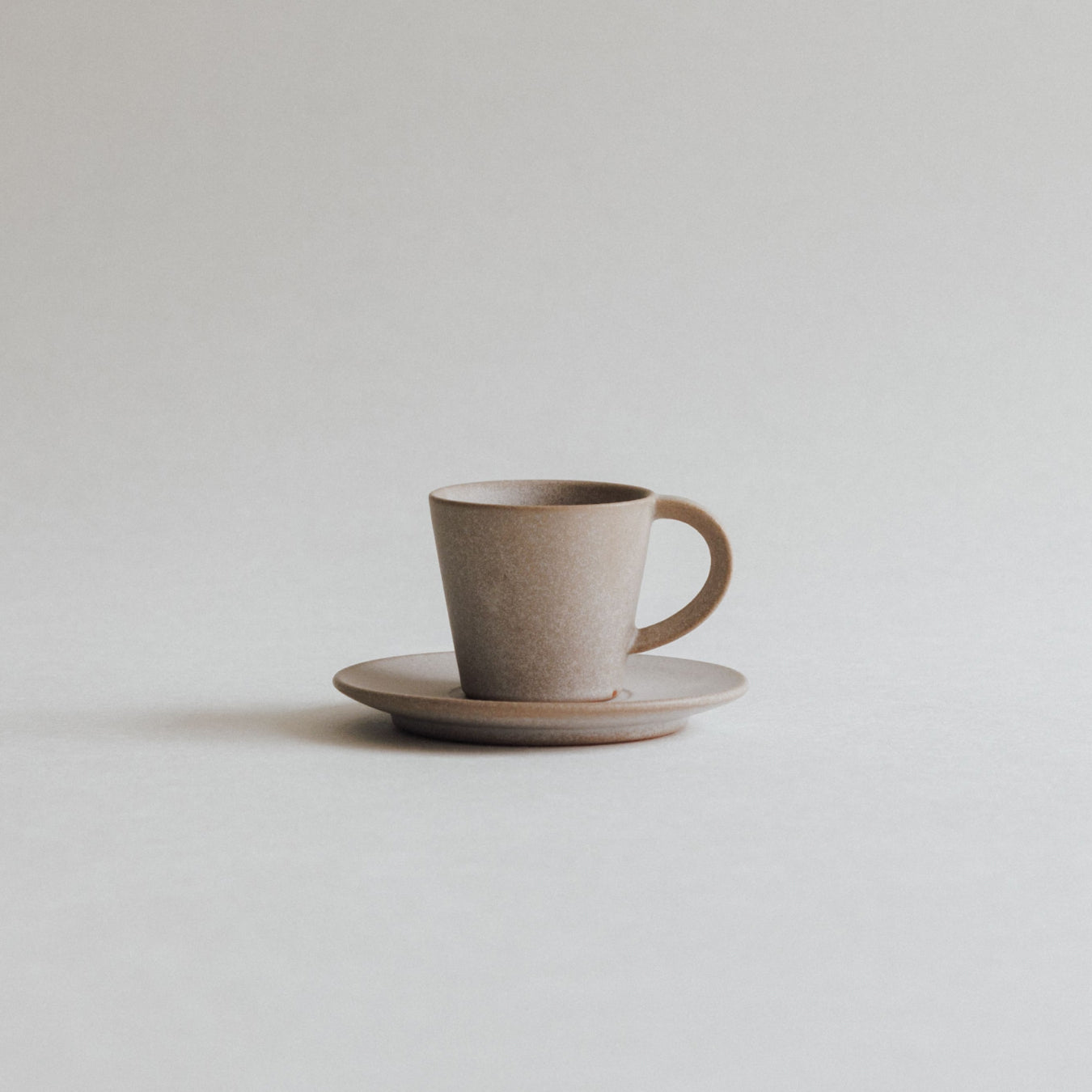
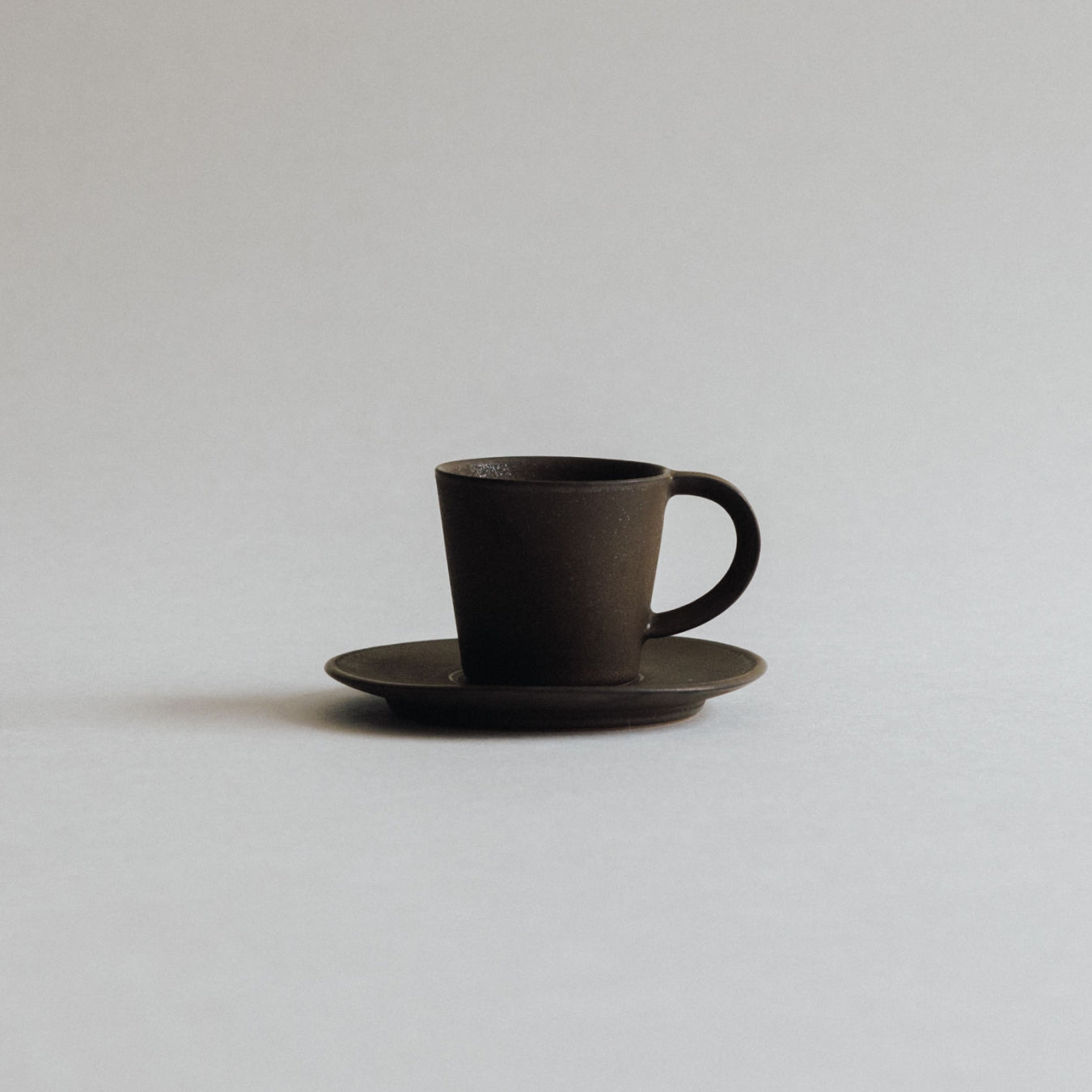
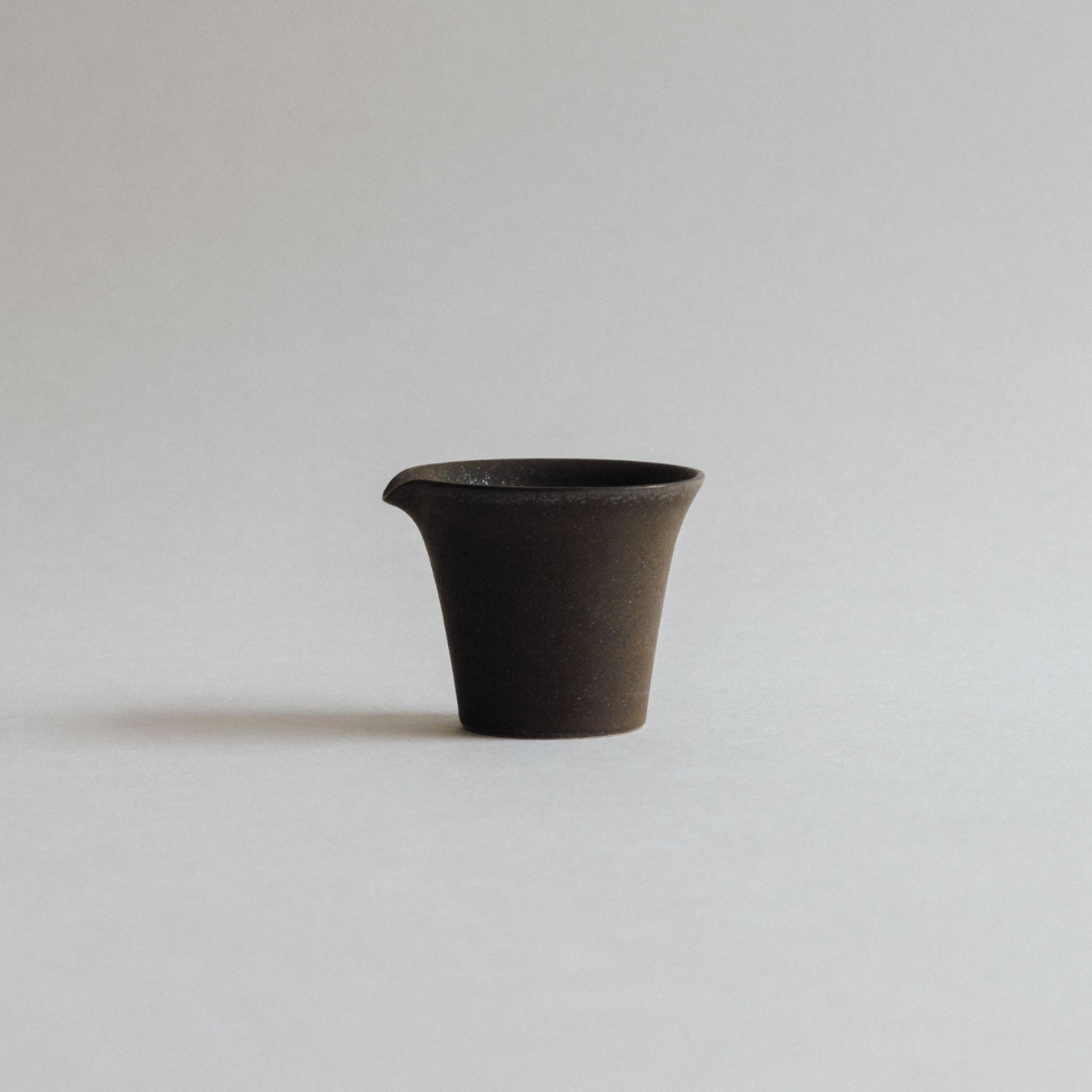
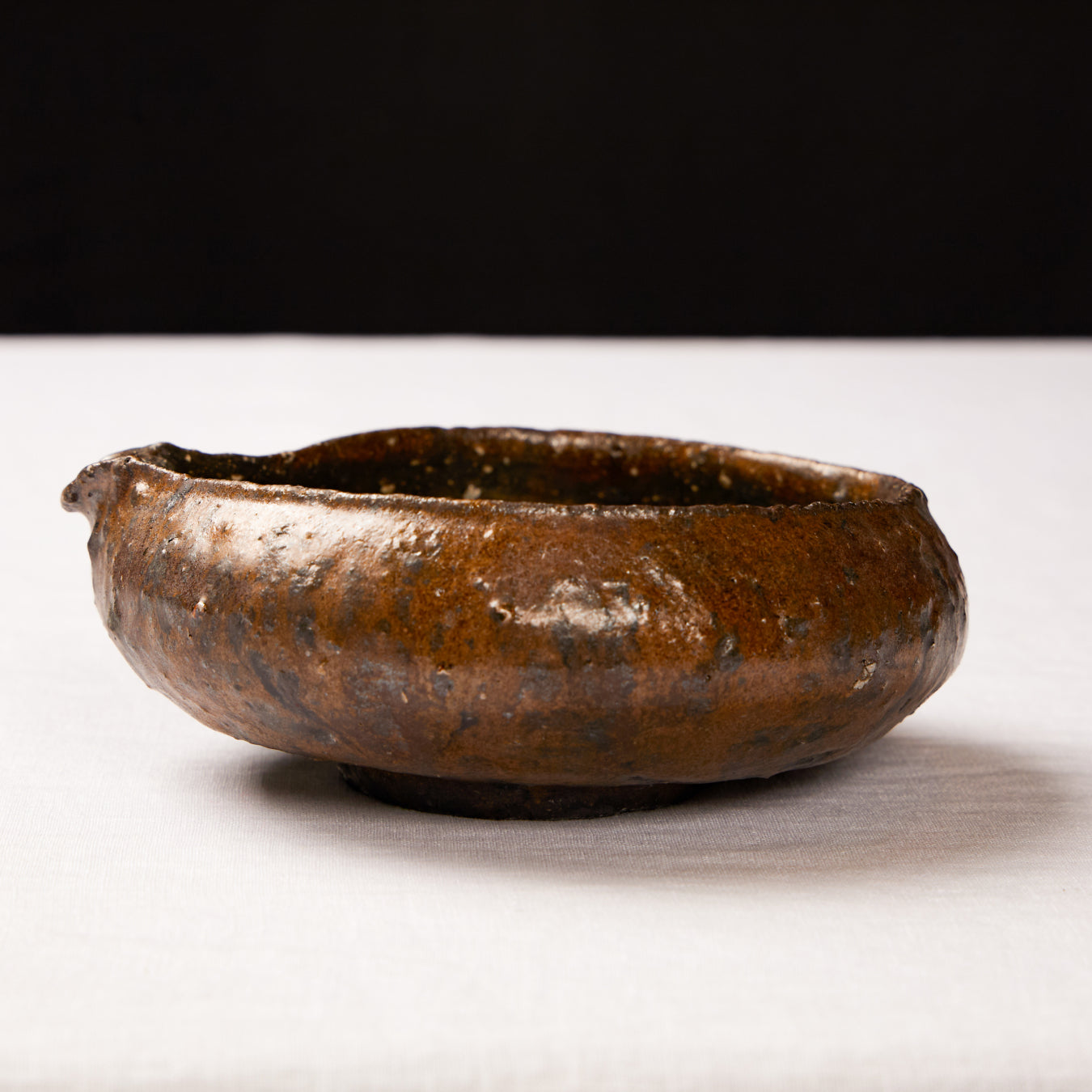
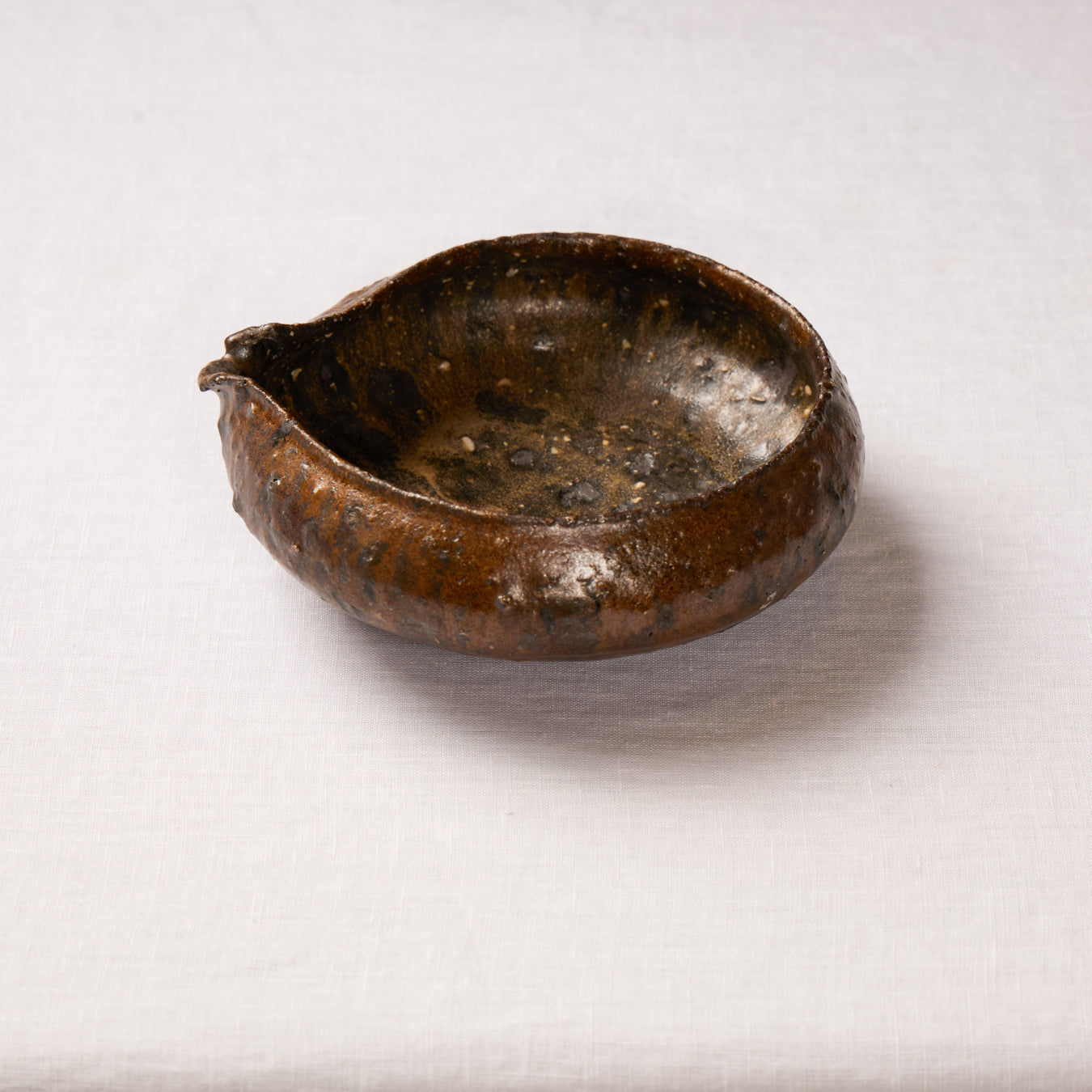
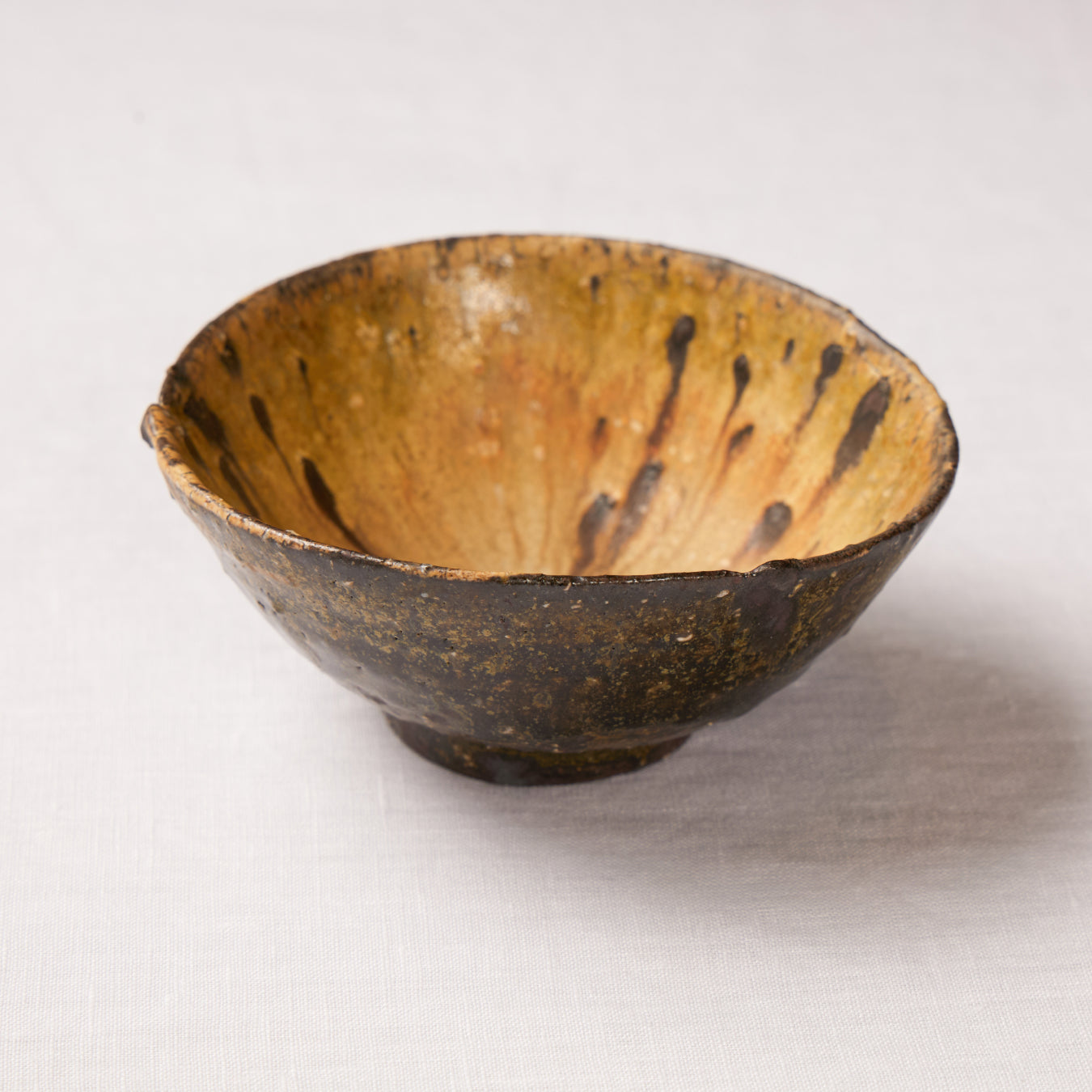
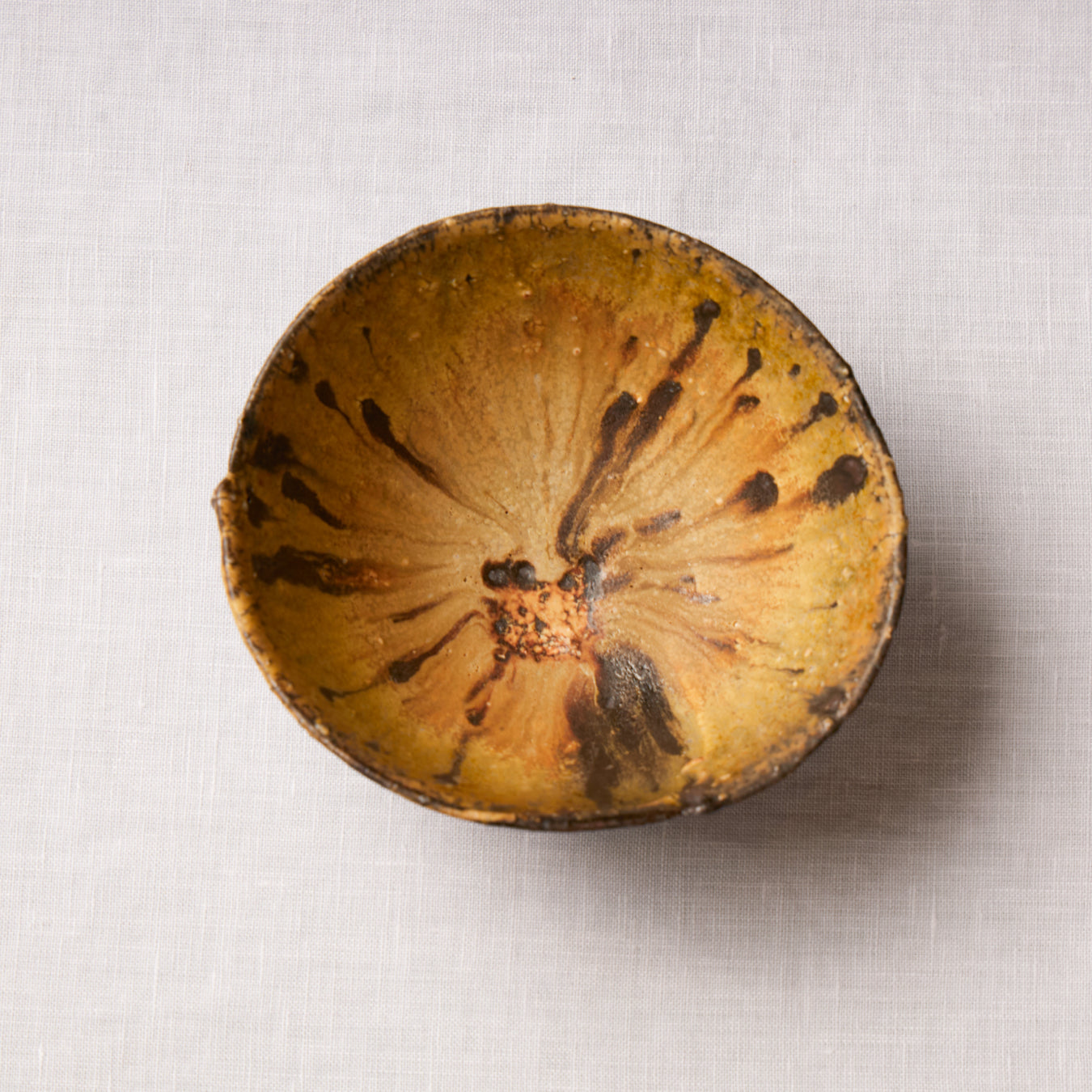
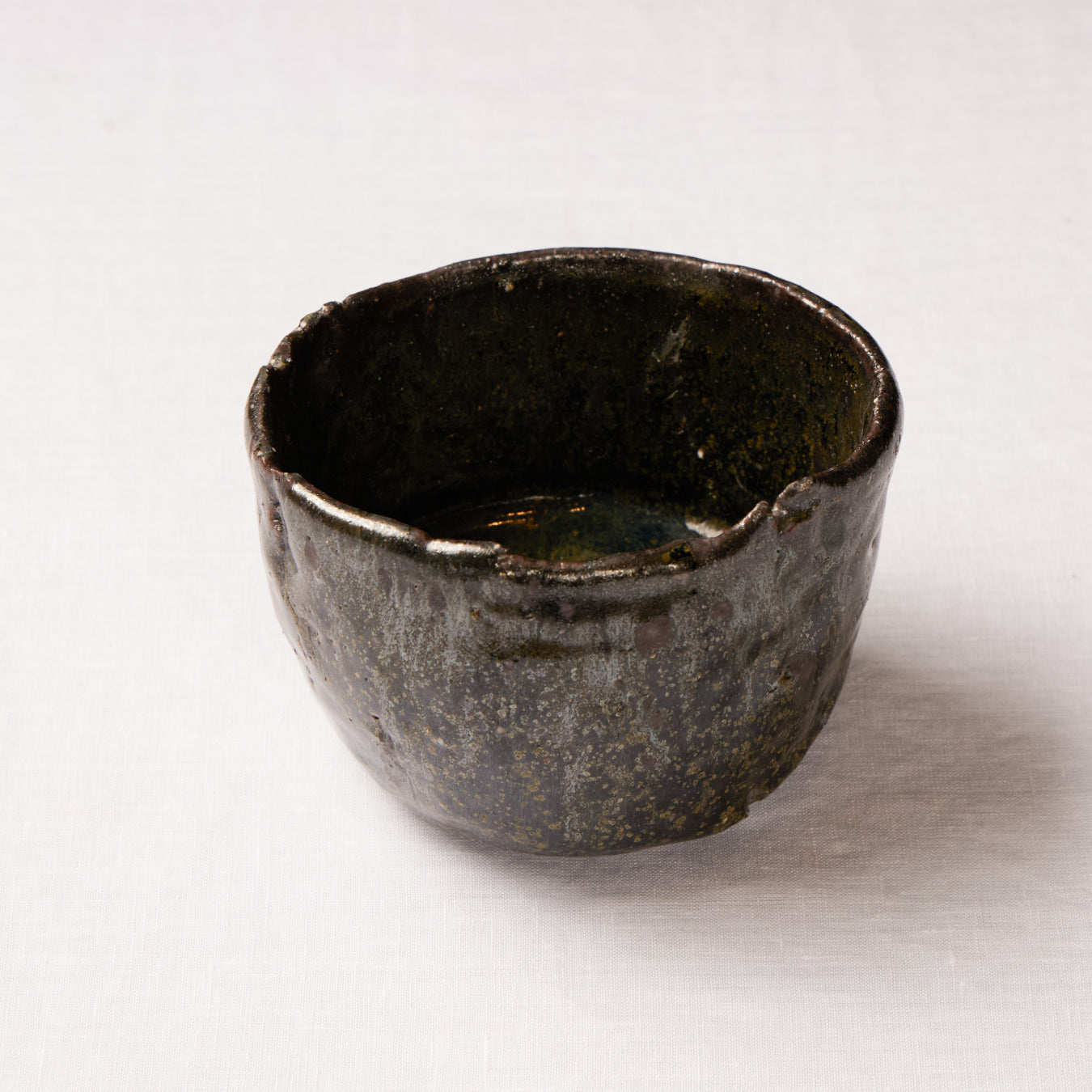
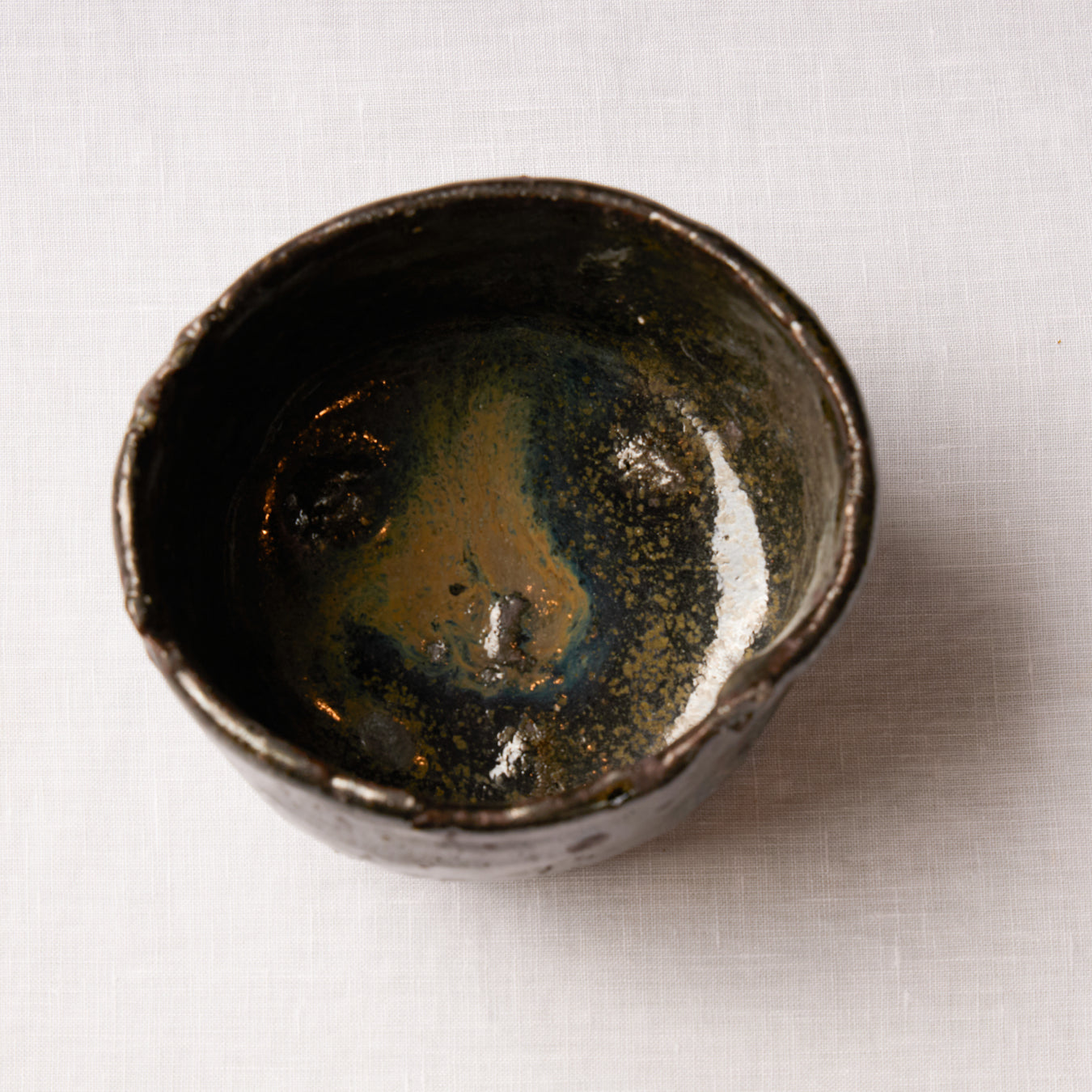
This small cup features two types of glaze, each mixed with coarse sand as a base, applied with a brush much like painting on a canvas. A layer of black iron glaze is then added on top to create a textured, raised surface. The layering of glazes results in a rich, complex texture. The cup’s versatile size makes it perfect for tea (in Japan), espresso, sake, or just about any drink.
Not dishwasher or microwave safe.
As each piece is handmade, slight variations in color, shape, and size may occur compared to the photographs.
Details
Material: Clay, Sand
Dimensions: 1.5"D x 2.5"H
Country of Origin: Japan
Care
- Hand wash only with neutral detergent and a soft sponge or cloth to preserve overglaze colors and decorative finishes. Avoid abrasive scrubbers, scouring pads, and cleansers.
- Not microwave safe. Do not use on direct heat such as in an oven or on a gas stove.
Shipping & Delivery
Choose options
Yuko Ikeda Black & White Small Cup 25-02
We're here to help. For questions about bulk orders, sizes, finishes, custom gifts, or anything else, please submit an inquiry.Shop Yuko Ikeda 池田優子



More Coffee & Tea





About Yuko Ikeda 池田優子
Yuko Ikeda 池田優子 is a self-taught ceramicist based in Osaka, Japan, whose work moves between vessel and object, ceramic and painting. Born in Osaka in 1973, she studied graphic design at Platt College in San Diego before returning to Japan and teaching herself ceramics entirely on her own terms.
Her process is deliberate and intuitive in equal measure. When forming a piece, particularly the rim, she trusts what her hands feel rather than directing them toward a predetermined shape. Glazing works the same way: layers applied with a brush, surfaces divided into sections, color laid down at random. The result feels closer to painting than ceramics.
Her forms draw from the sea: tidal movement, coral texture, the particular way light moves across water at different hours. Blues run deep and uneven. Whites carry warmth. In recent years she has divided her time between Osaka and a second studio in coastal Tokushima, where her family surfs and the tide shapes daily life. She approached tea ceramics with the same openness, spending years before feeling ready to work within that tradition. The chawan and tea objects she makes now are, in her words, art pieces you can actually use.