







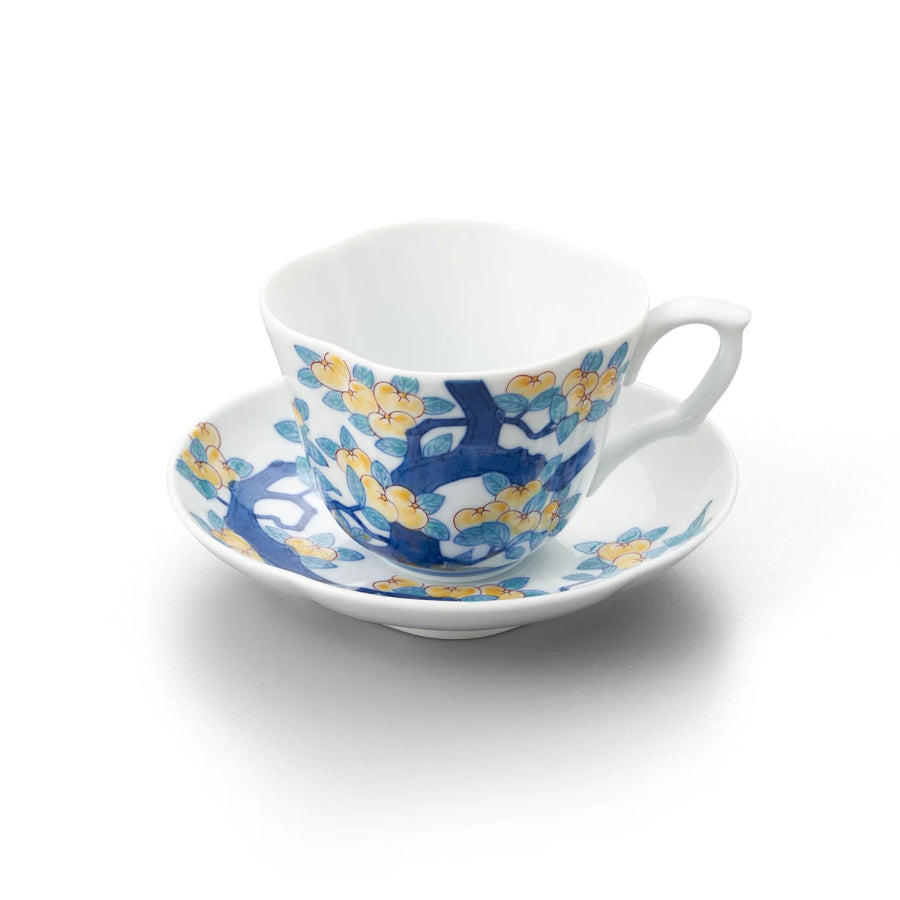
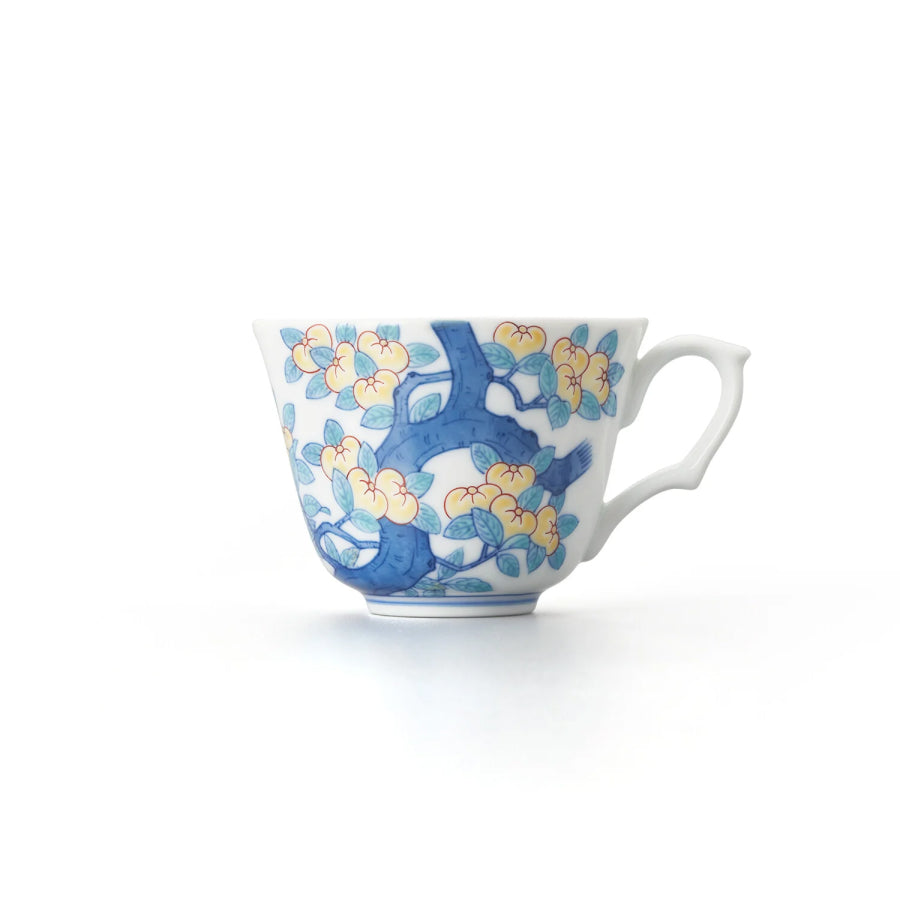
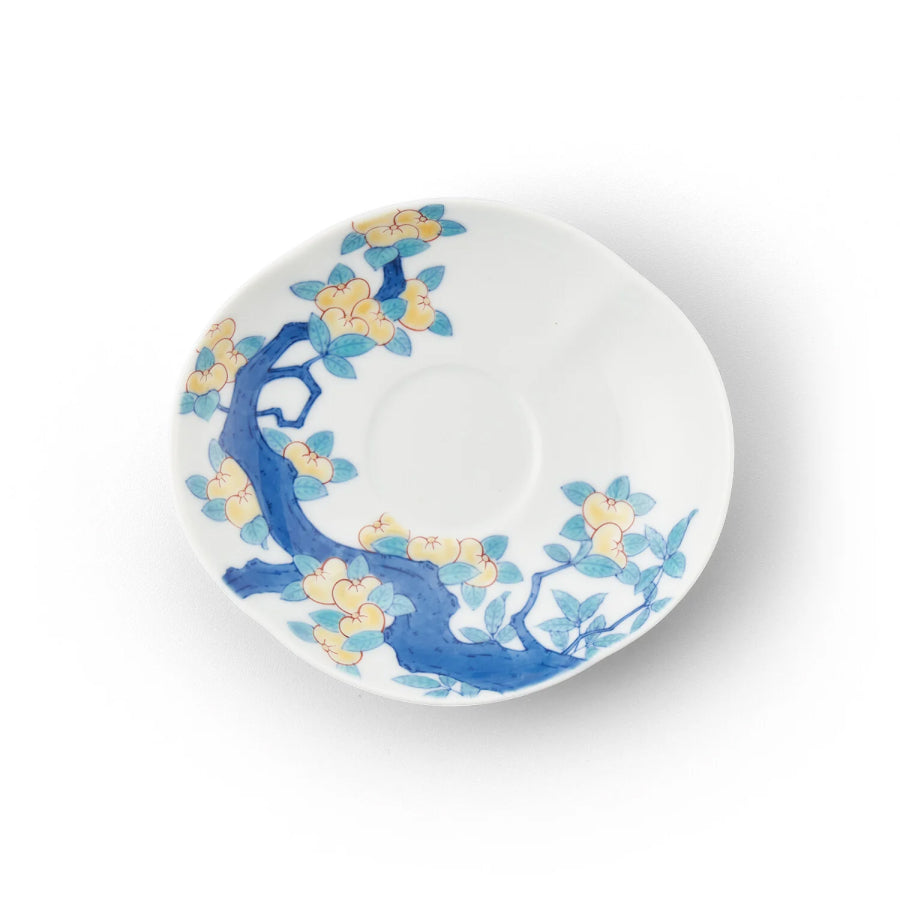
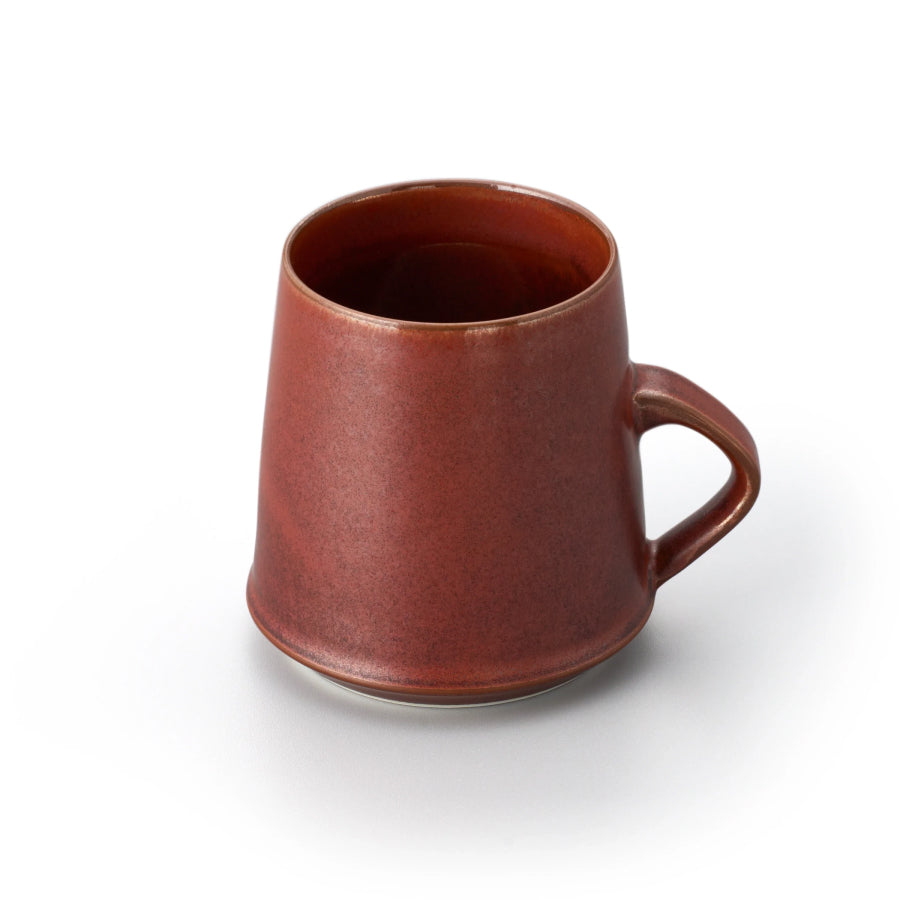
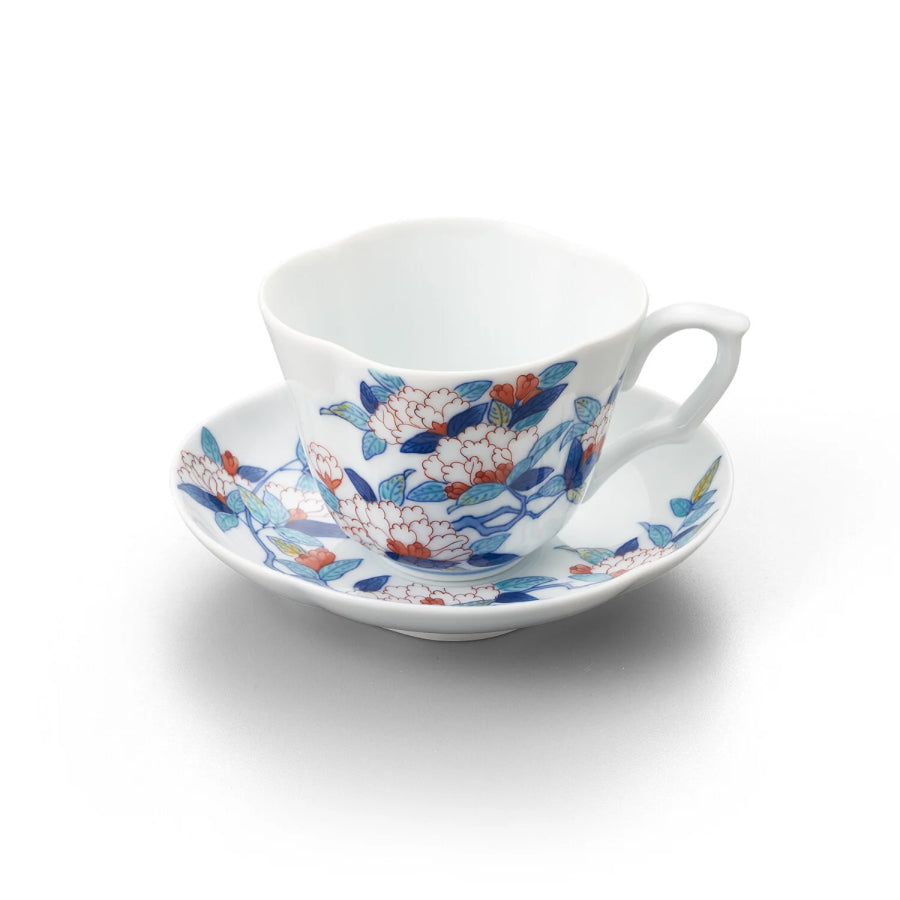
Nabeshima Tachibana Mandarin Mokko Coffee Cup and Saucer
For bulk orders, sizing, textures, availability, or other requests, please contact our
Description
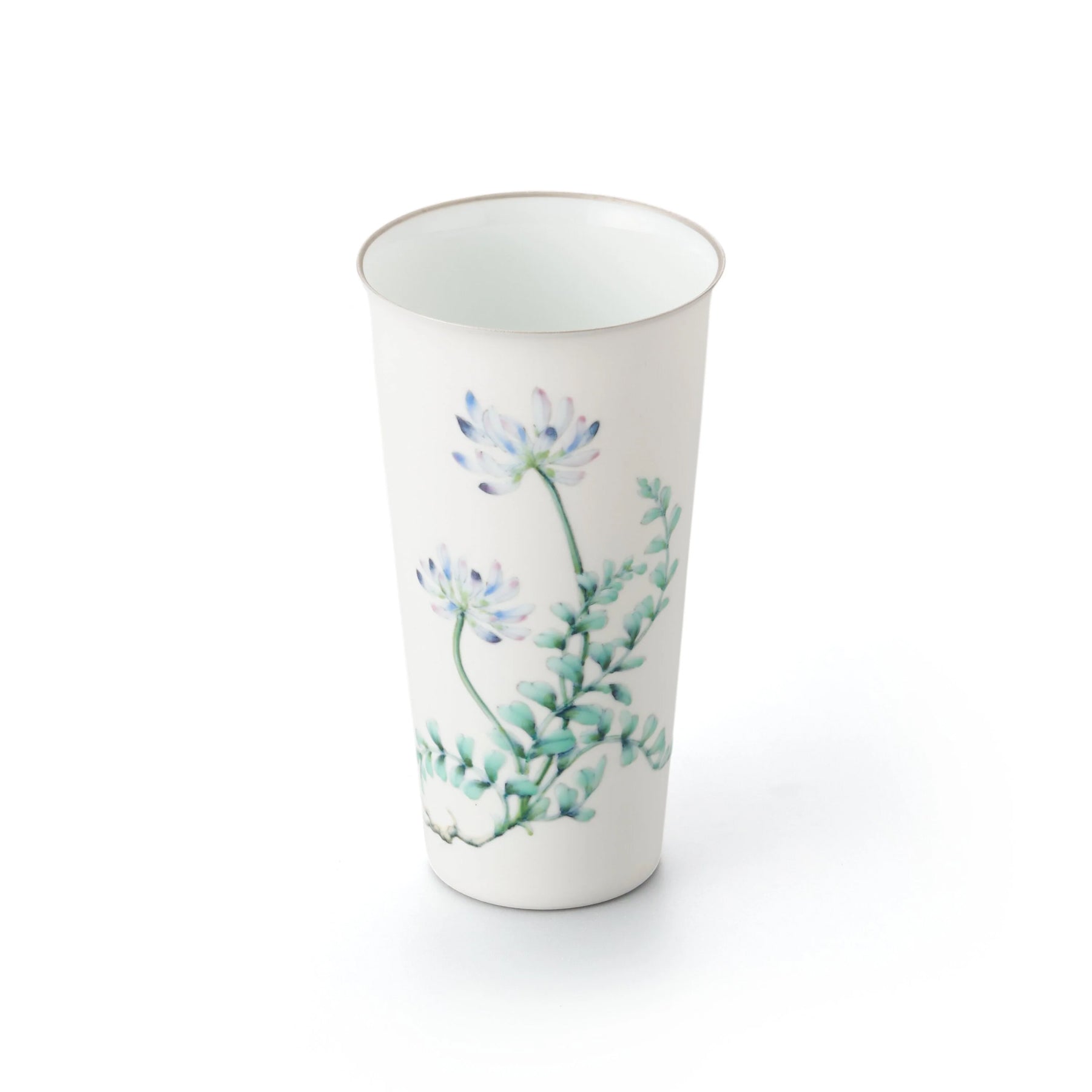
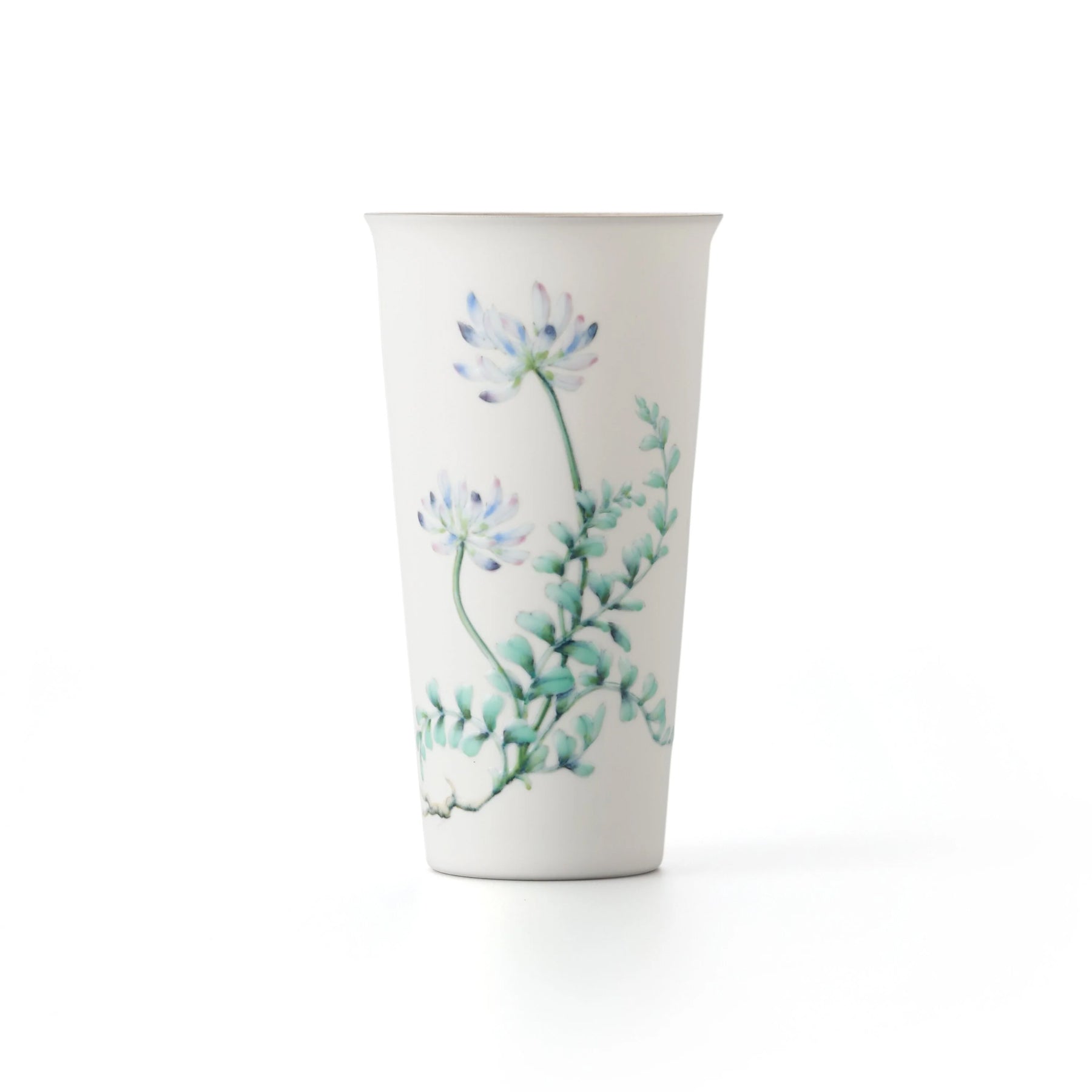
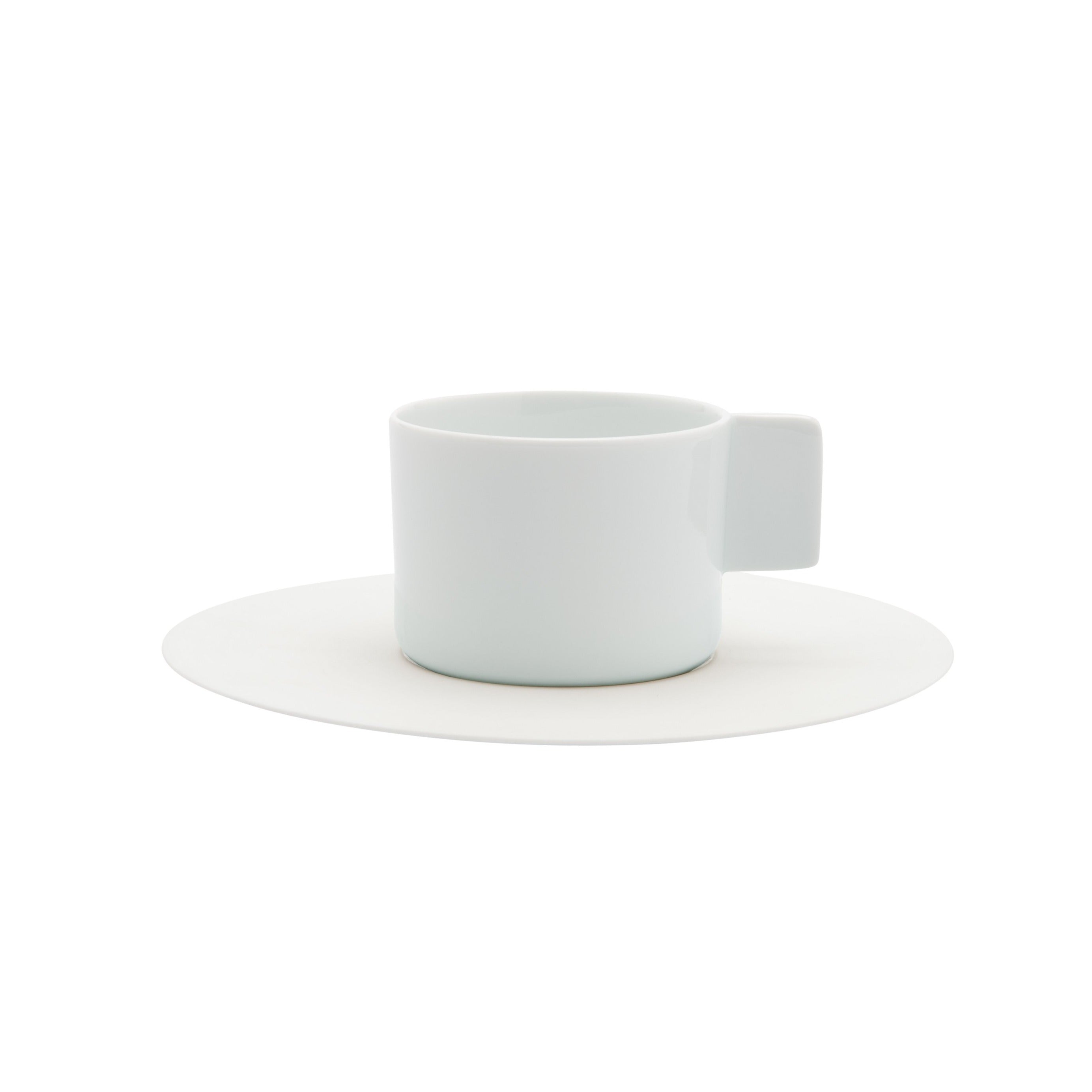
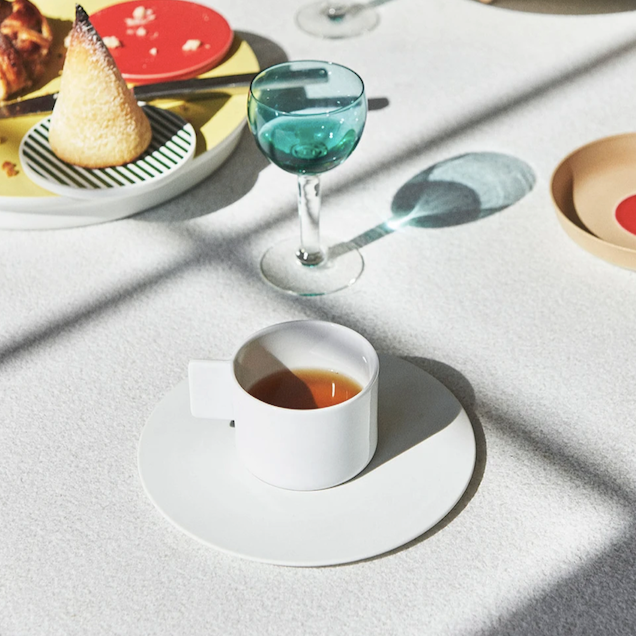
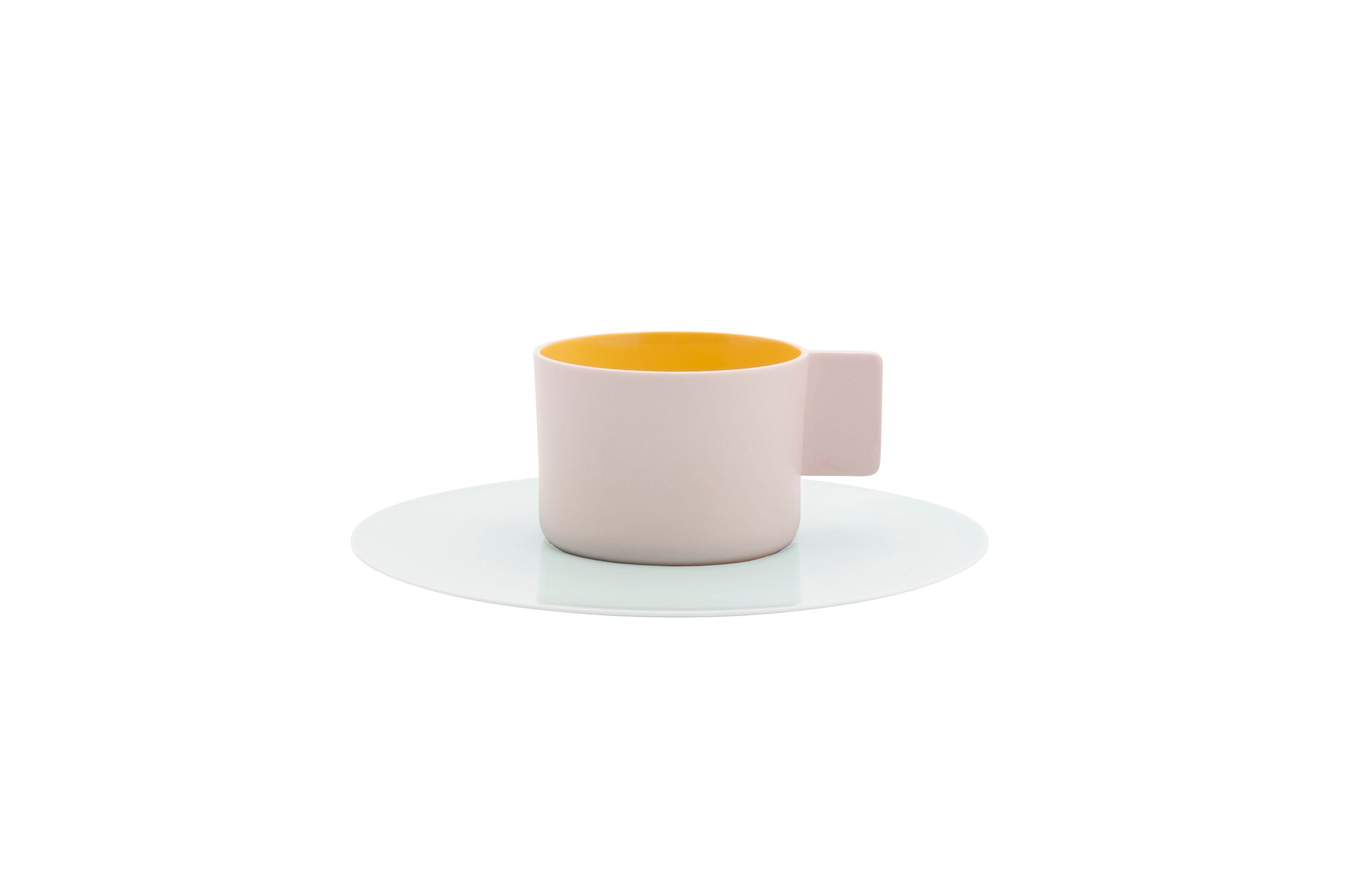
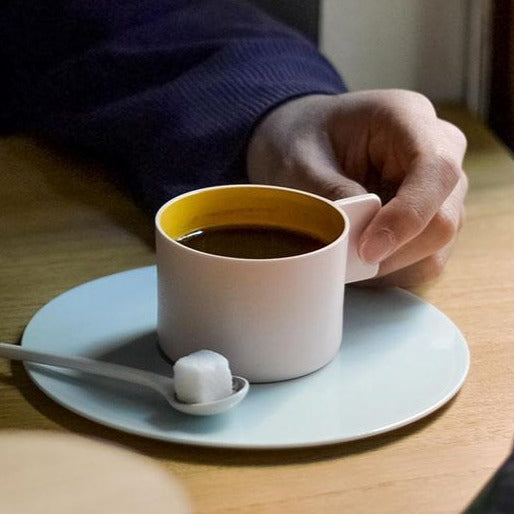
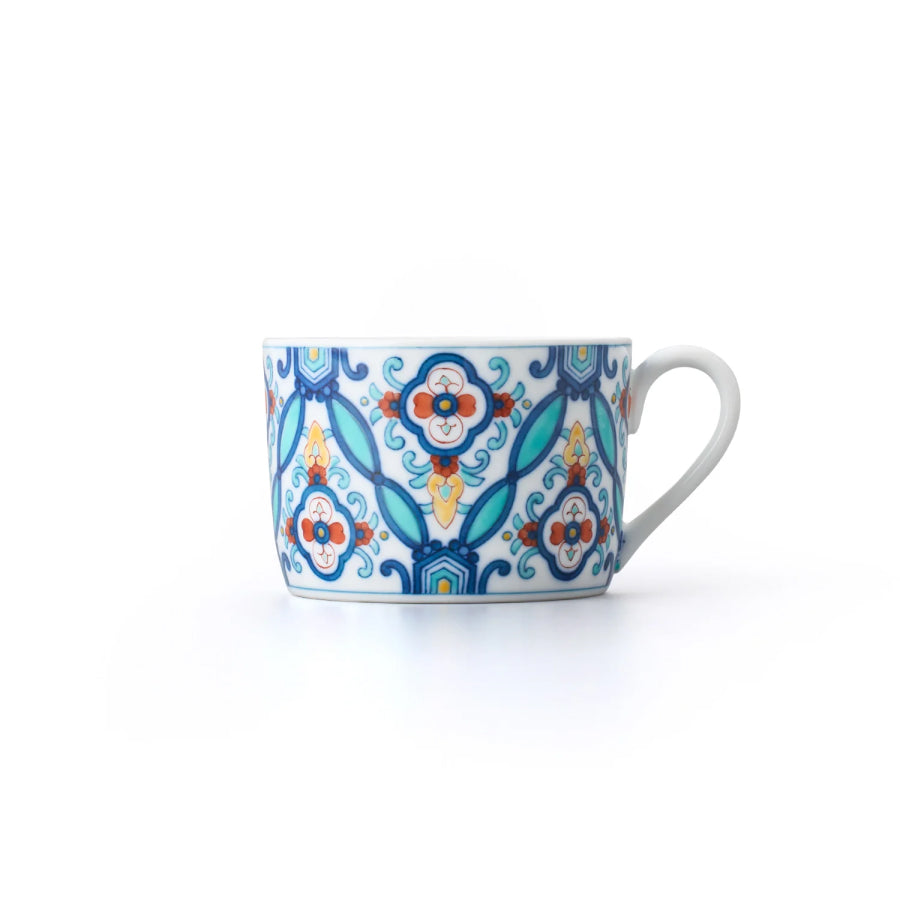
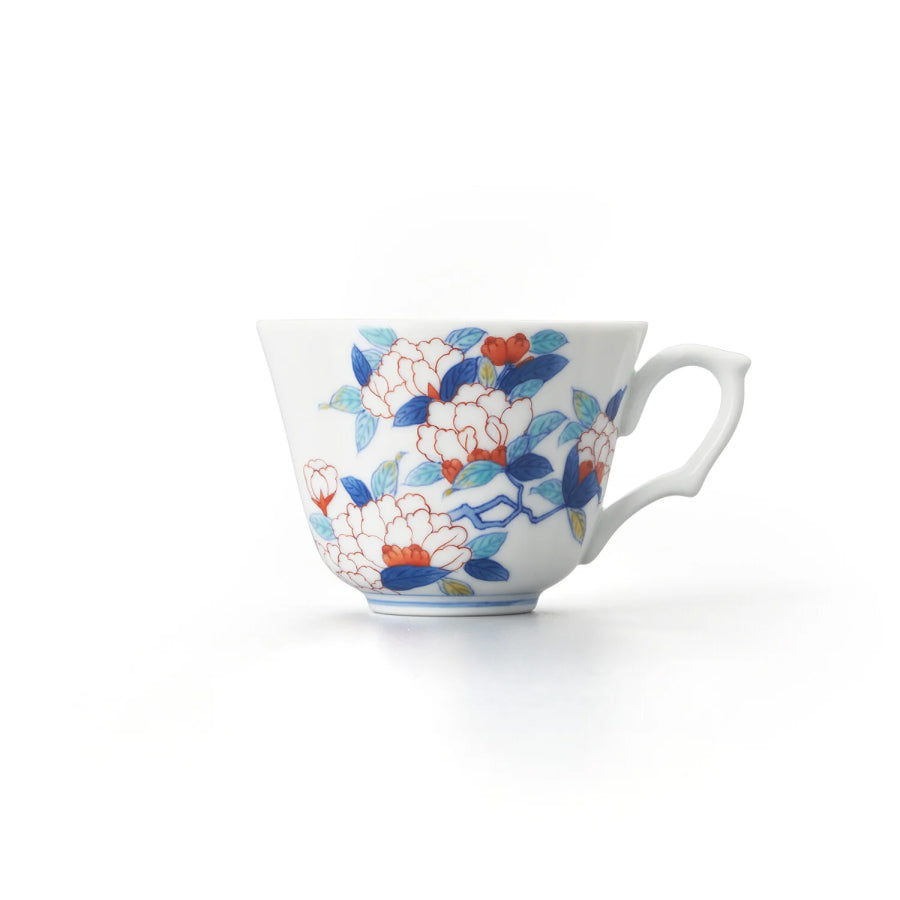
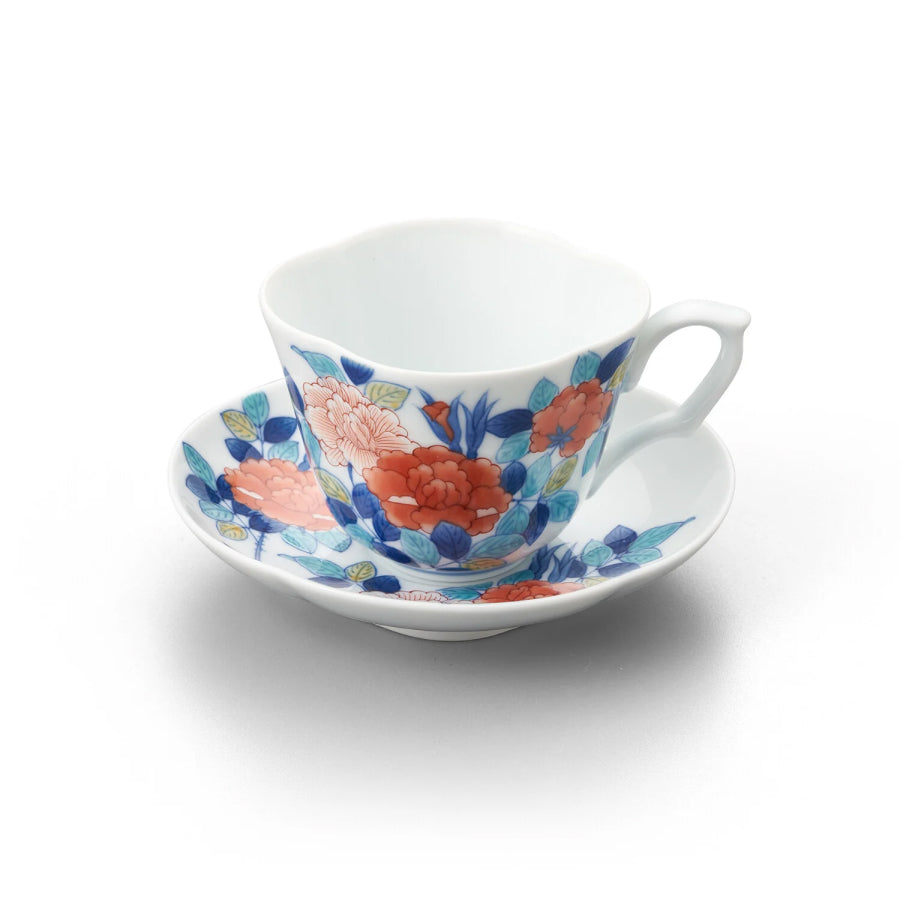
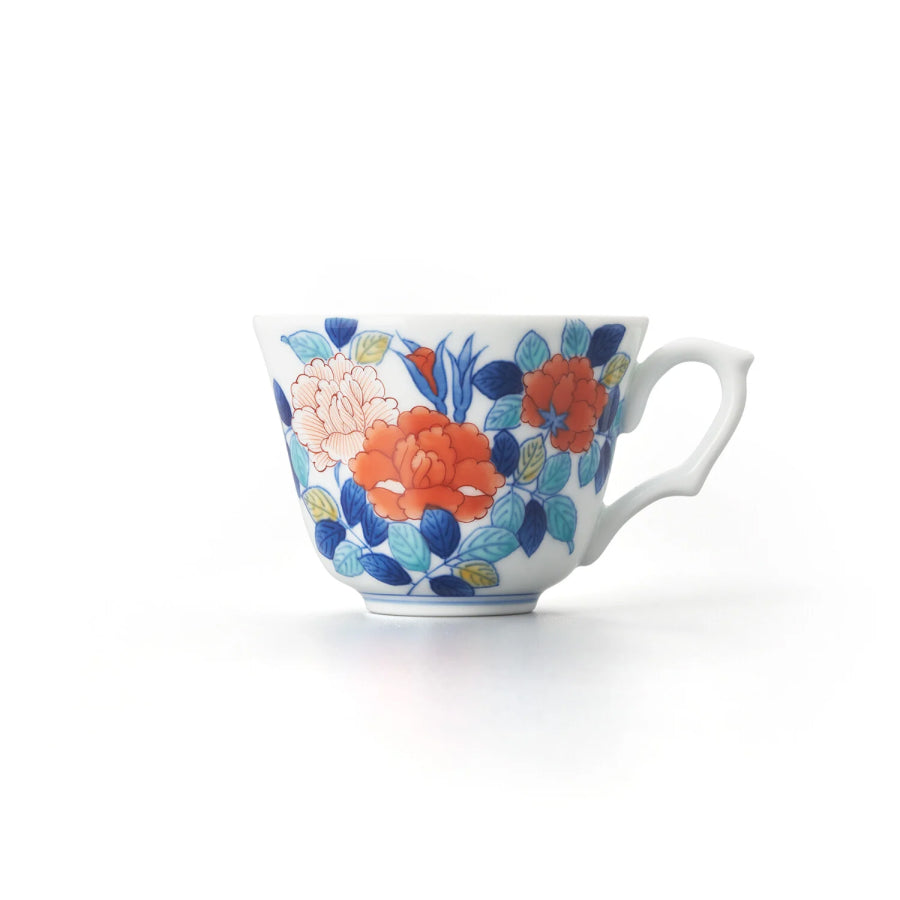
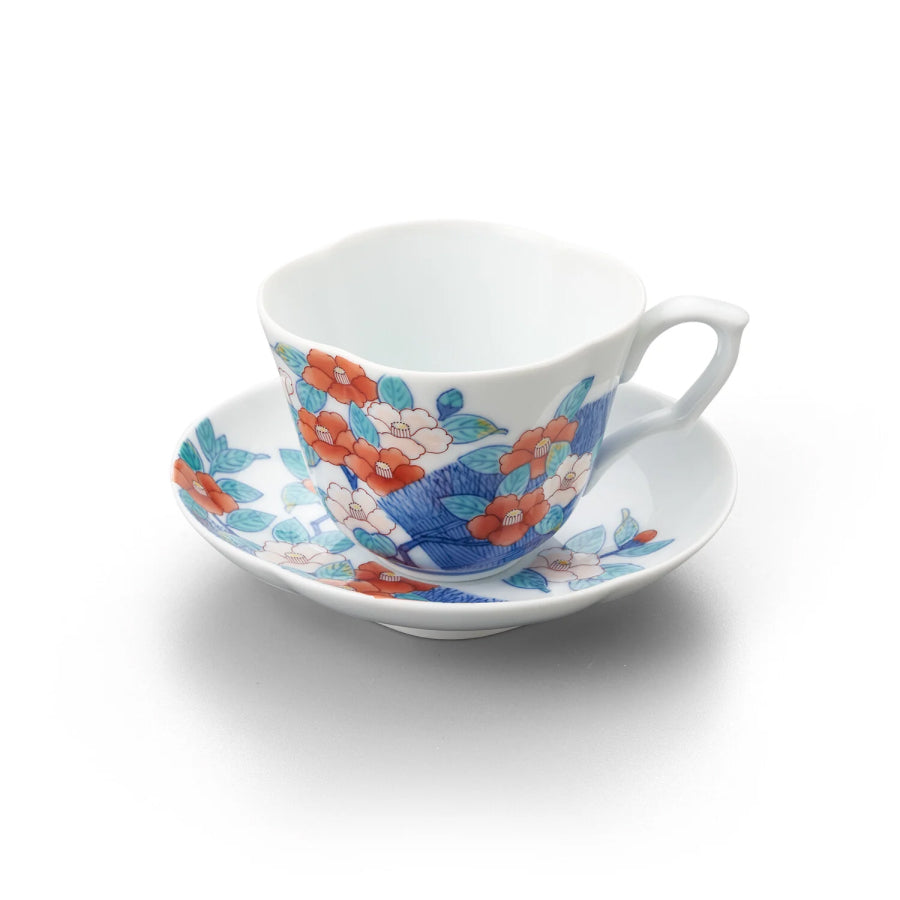
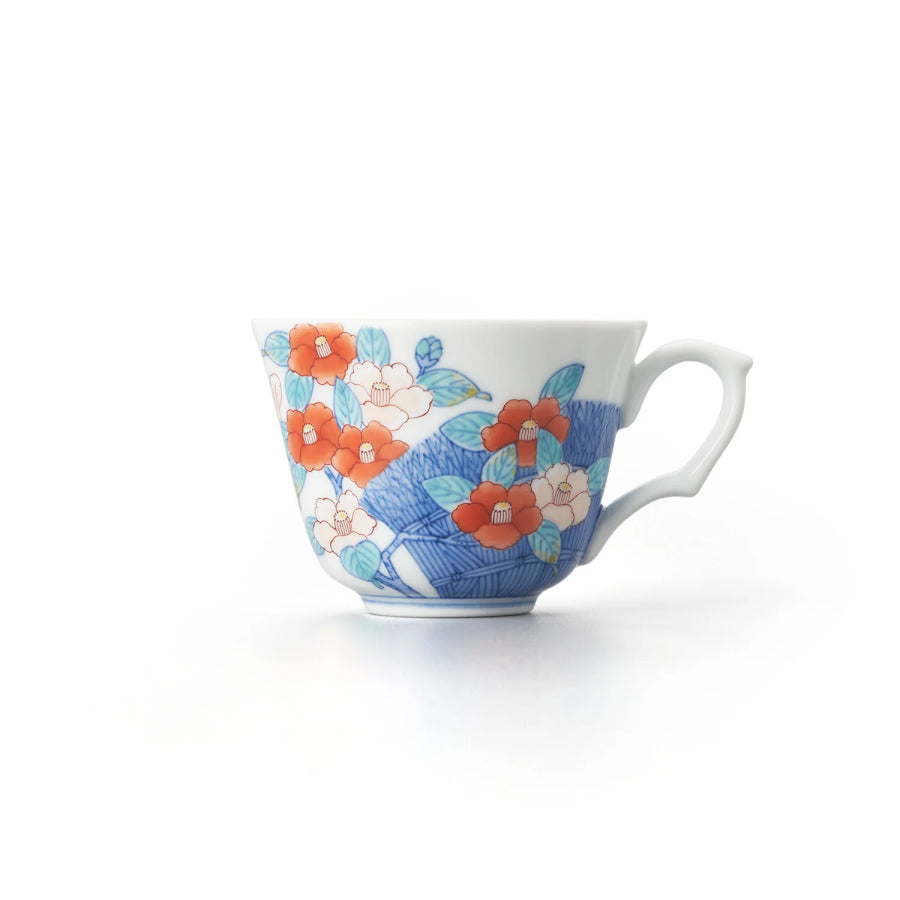
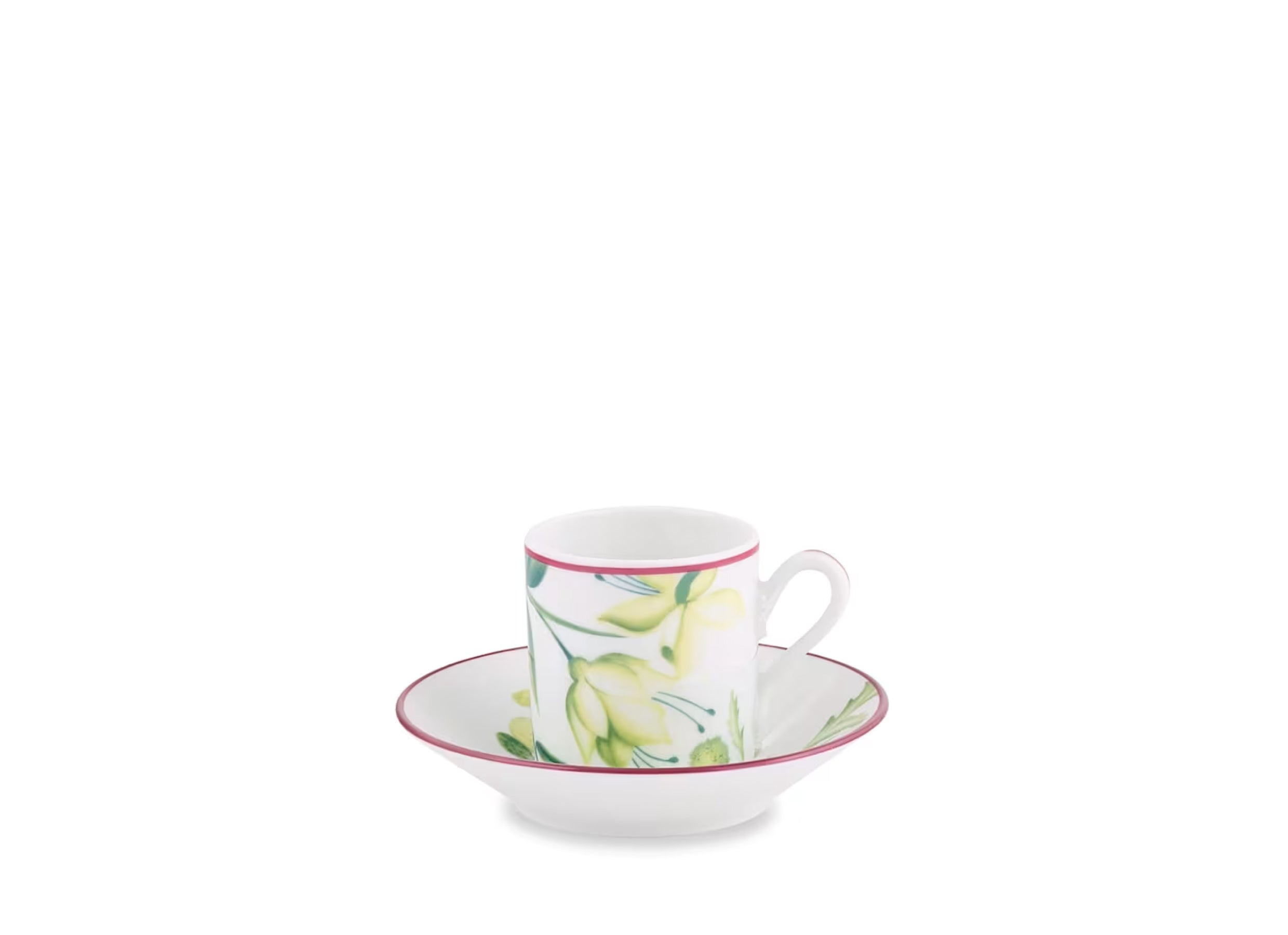
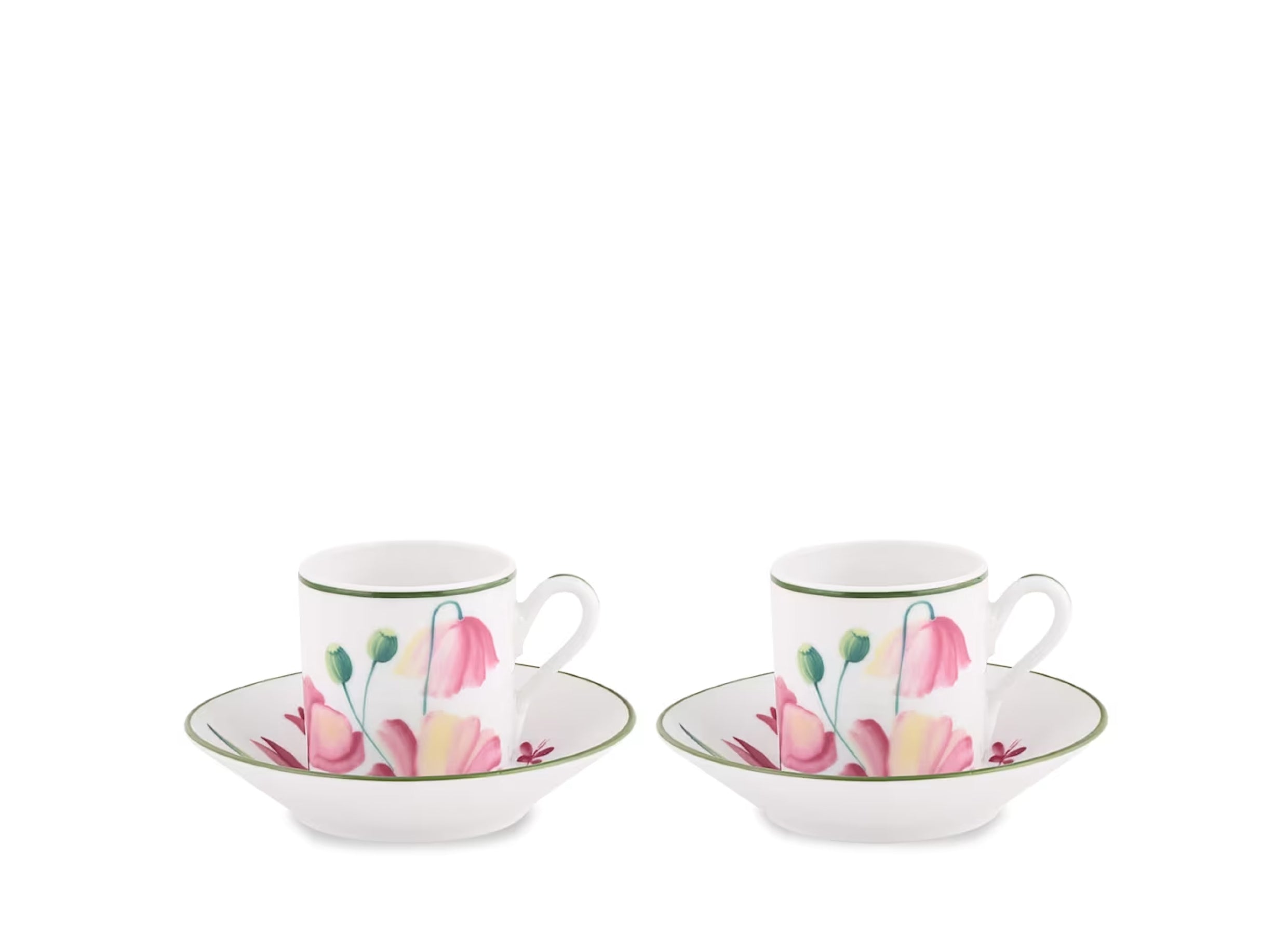
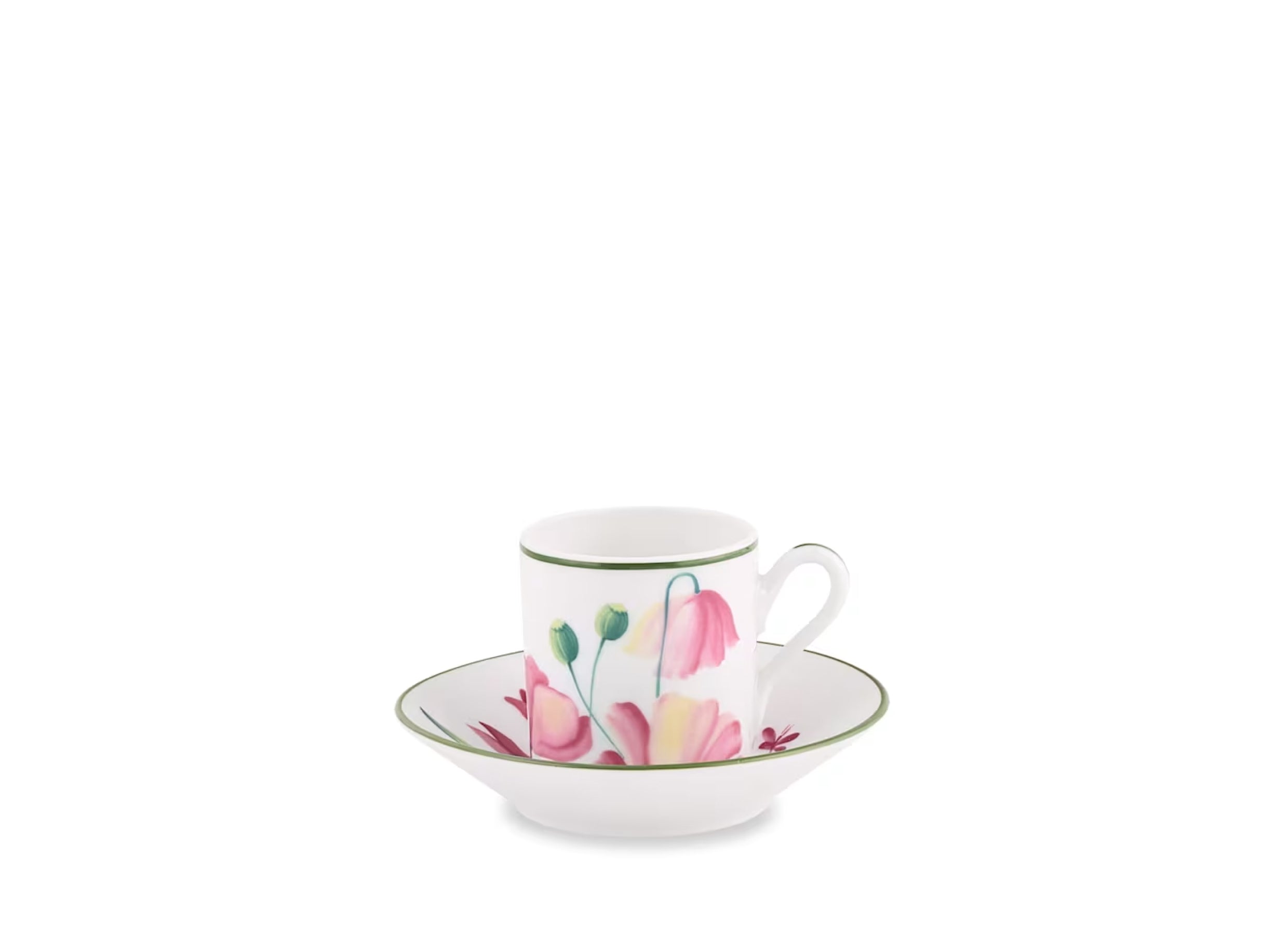
A coffee cup and saucer featuring a traditional Nabeshima peach pattern, meticulously handcrafted by a skilled artisan.
The term "Mokko" refers to a modified cloud-like shape, believed to be inspired by the cloud-like form of the petals and calyx of plum blossom sweet tea (also known as Mokko), a member of the hydrangea family.
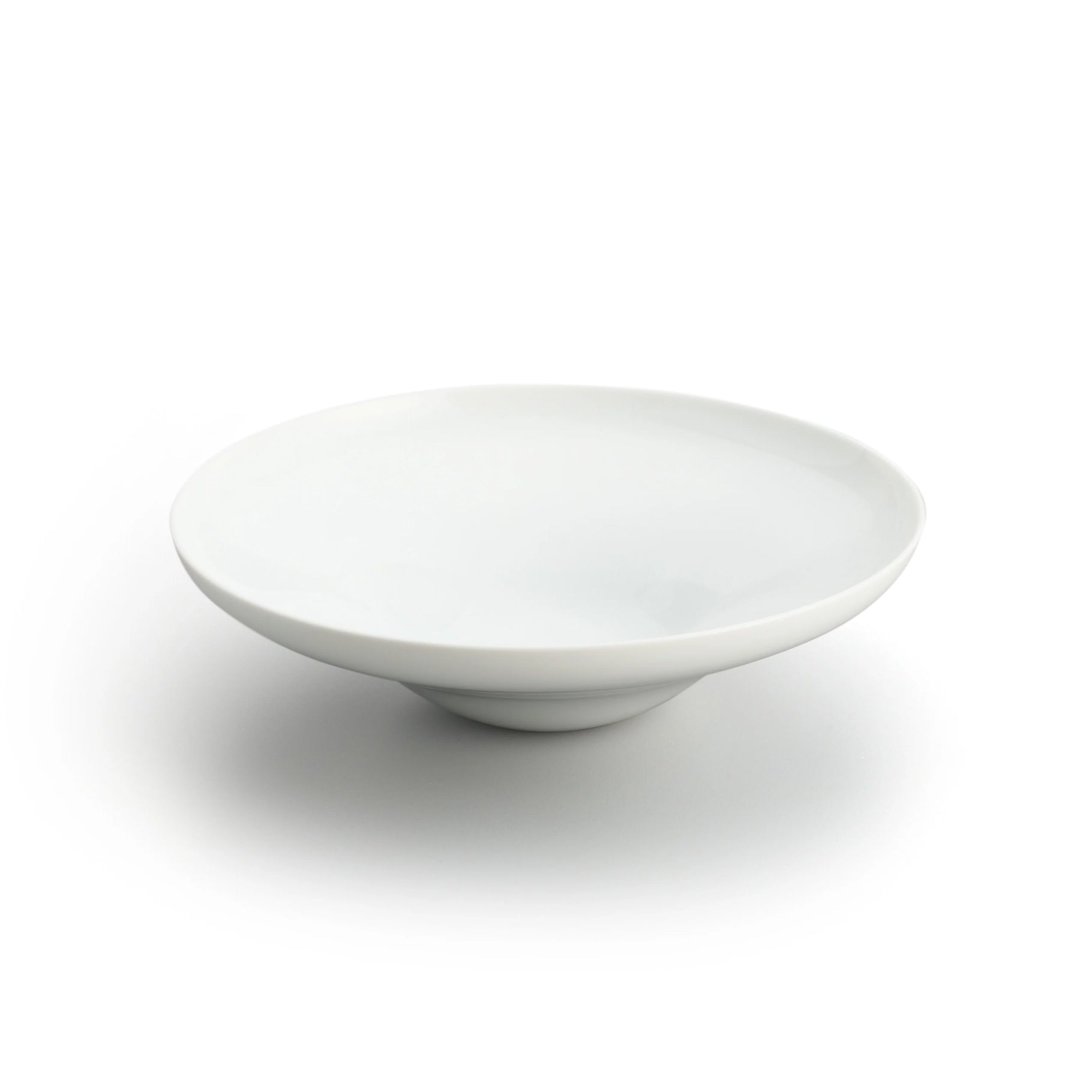
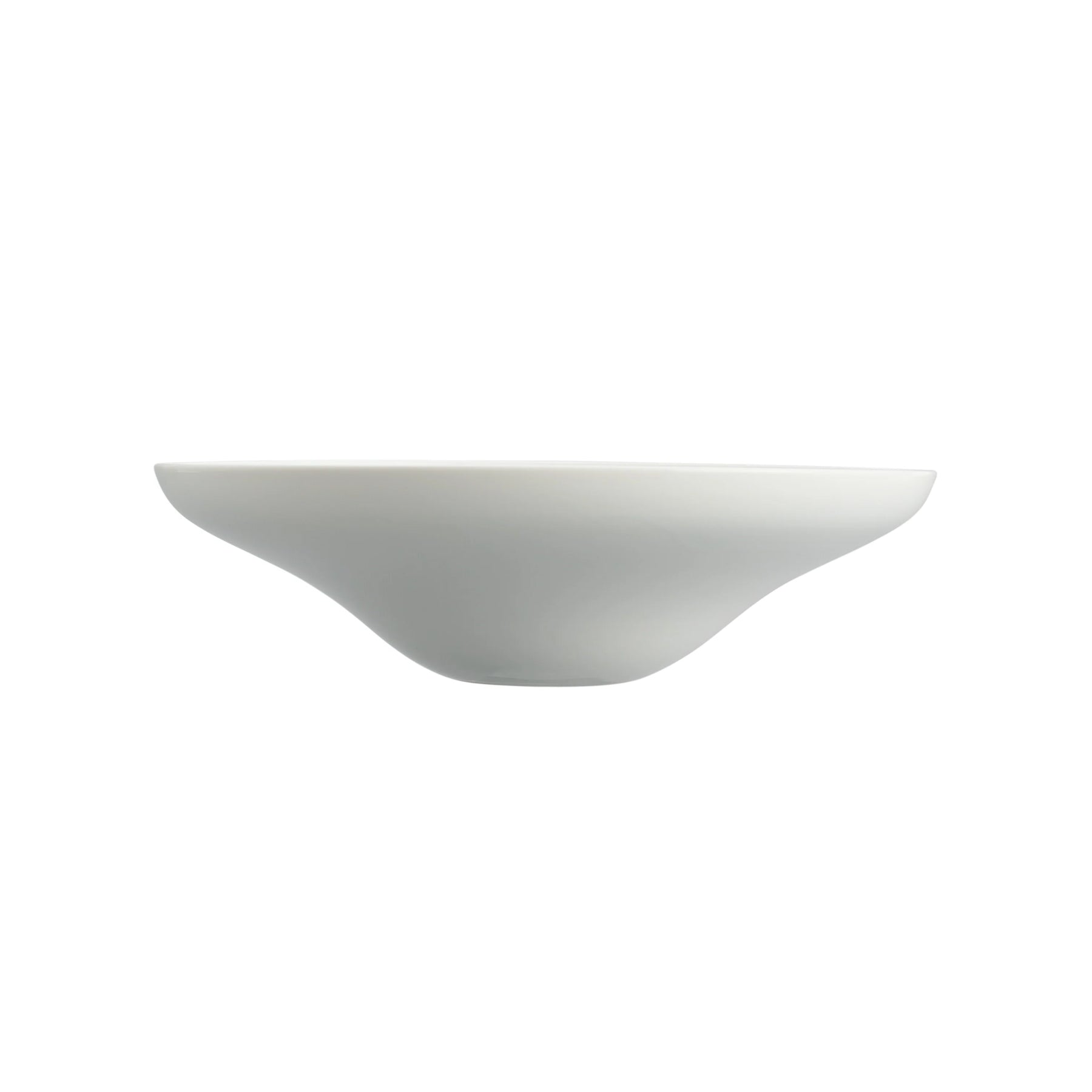
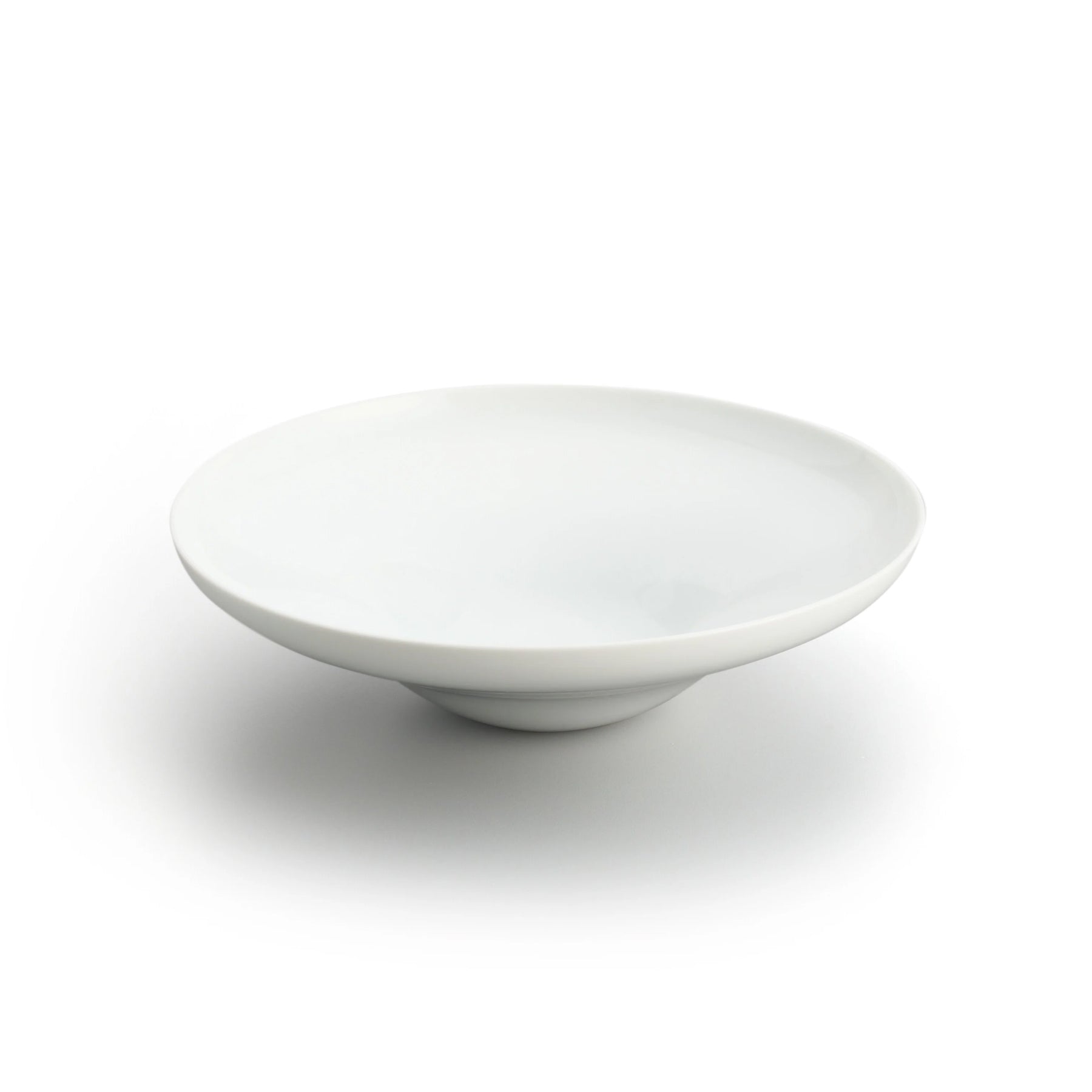
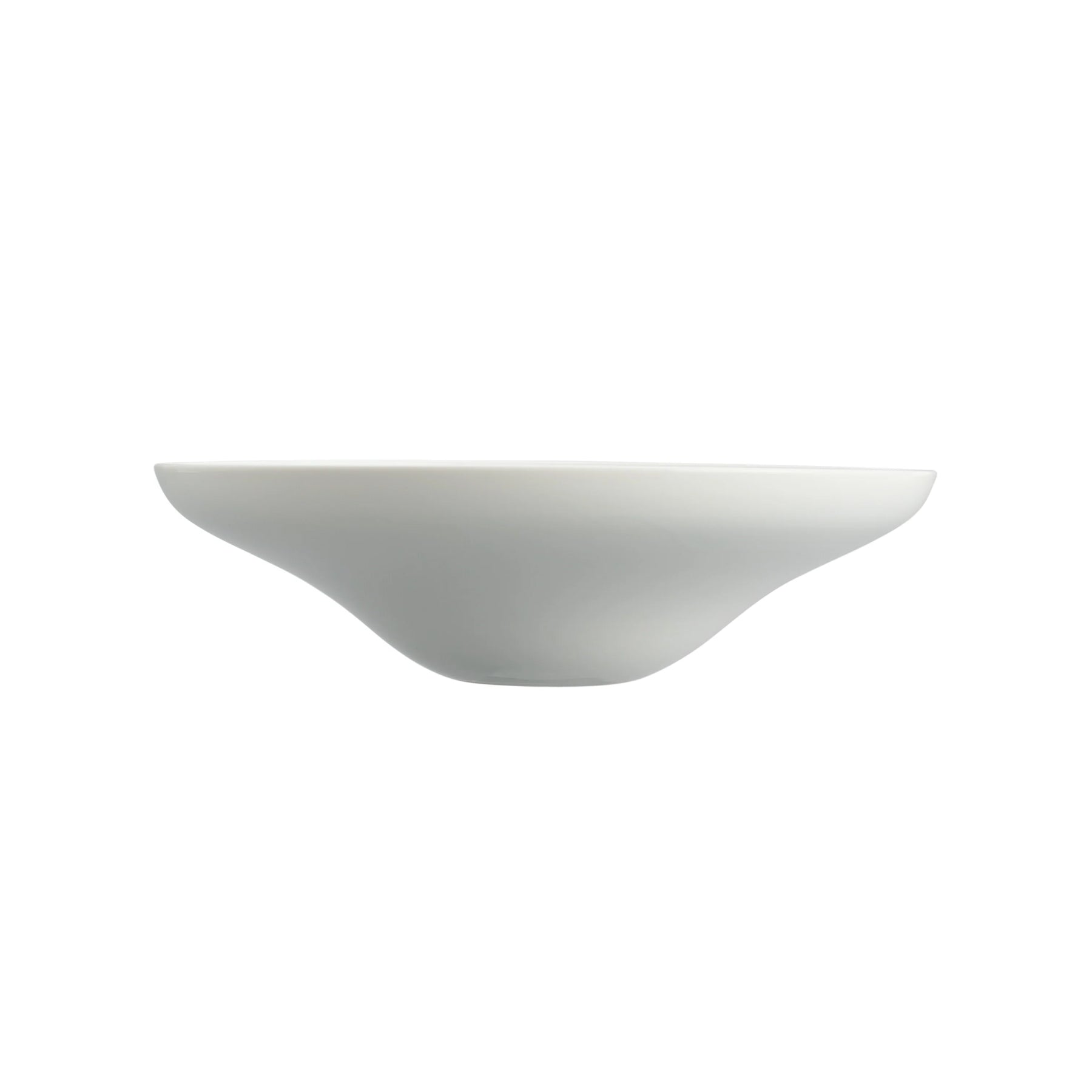
This set boasts a dignified finish that emphasizes overall thinness and lightness, making it a comfortable choice with its refined, thin-edged design.
Nabeshima Style
This traditional Edo-period artistry features a composition of one color (blue) and three accent hues (red, yellow, green), prominently highlighting red. The meticulously drawn lines and layered, subtle gradations evoke a dignified charm. This tribute-inspired design encapsulates ancient Japanese elegance with a touch of grandeur.
Designed and Hand-painted by Hataman Touen
Made in Imari, Japan
Details
- Material: Porcelain
- Cup 0.6"W x 6.3"D x 6.3"H
Saucer 5.1"W x 4.7"D x 1.1"H
Country of Origin: Japan
Care
- Microwave and dishwasher safe, but avoid rapid temperature changes or thermal shock.
- Do not use on direct heat such as in an oven or on a gas stove.
- Wash with neutral detergent and a soft sponge or cloth. Avoid abrasive scrubbers, scouring pads, and cleansers, which can scratch the surface.
- Avoid hitting against other hard surfaces as porcelain may be vulnerable to chipping or breaking.
- For stubborn stains such as tea stains or hot water scale, use kitchen bleach according to instructions. Do not use bleach on gold, silver, or platinum decorated pieces, as it may cause discoloration.
Shipping & Delivery
Ships within 2–3 business days if in stock. Backordered HATAMAN TOUEN items may take 4-6 weeks. Vases and decorative objects may require additional time. Please contact us at for any inquiries.
Choose options
Nabeshima Tachibana Mandarin Mokko Coffee Cup and Saucer
We're here to help. For questions about bulk orders, sizes, finishes, custom gifts, or anything else, please submit an inquiry.Shop Hataman Touen 畑萬陶苑


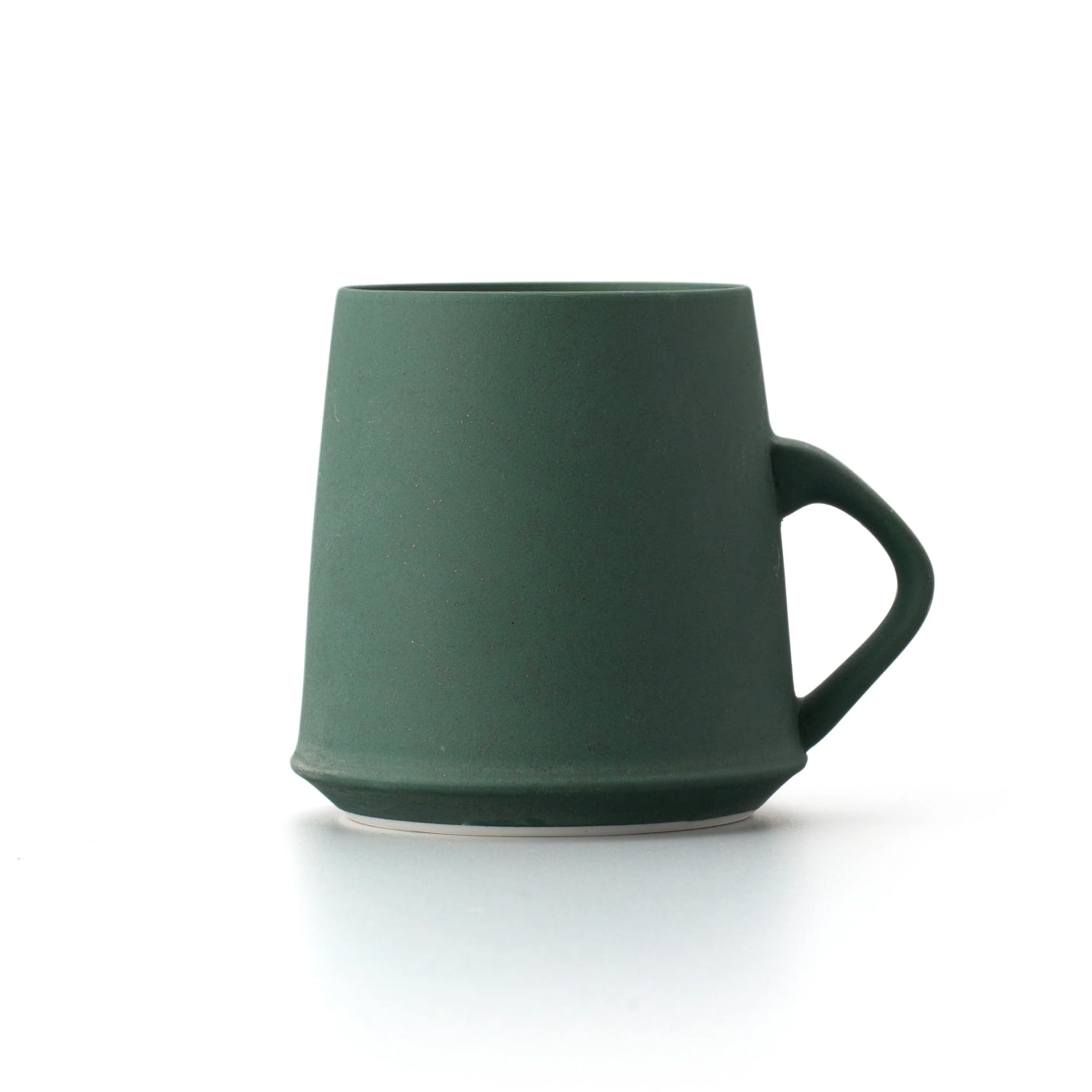
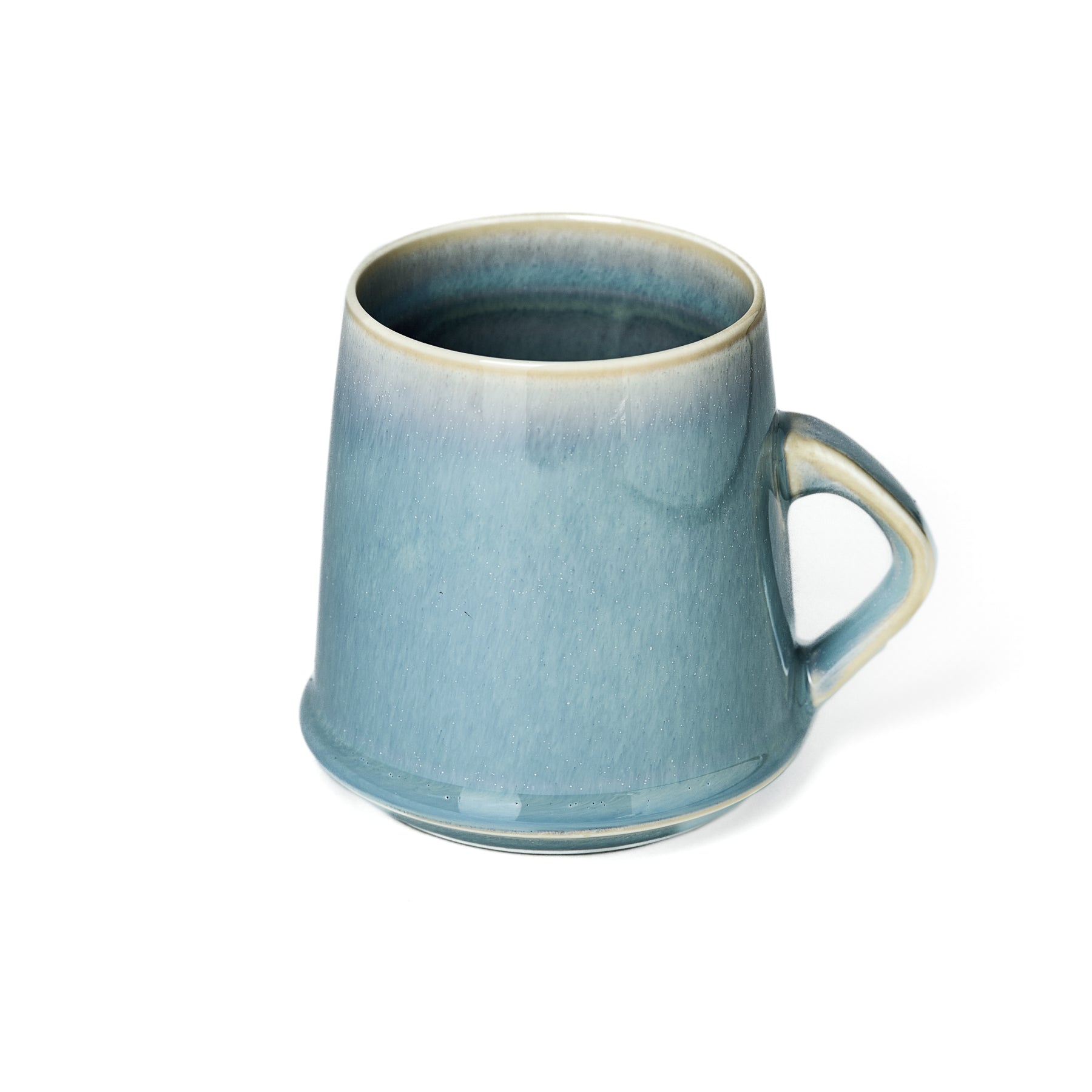
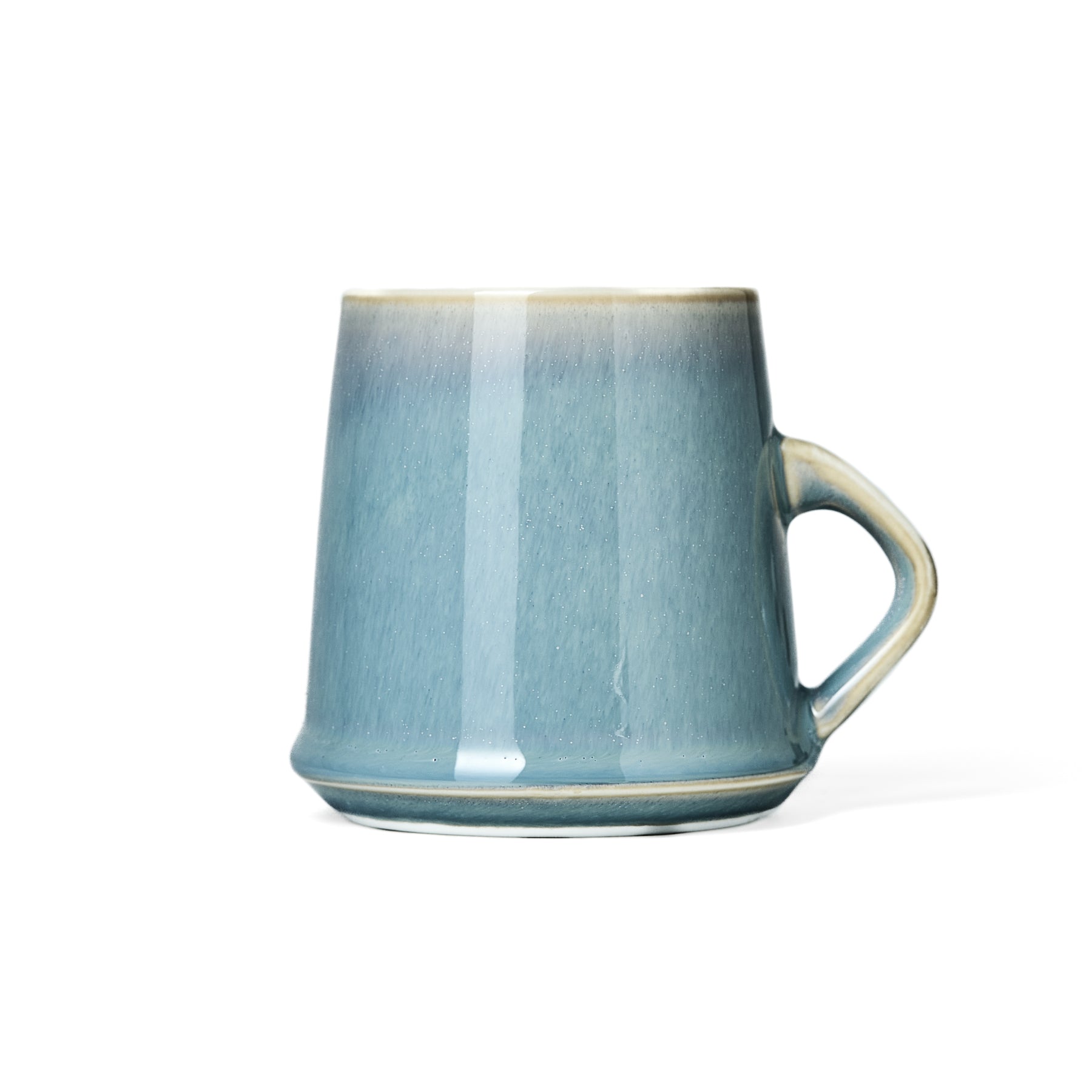
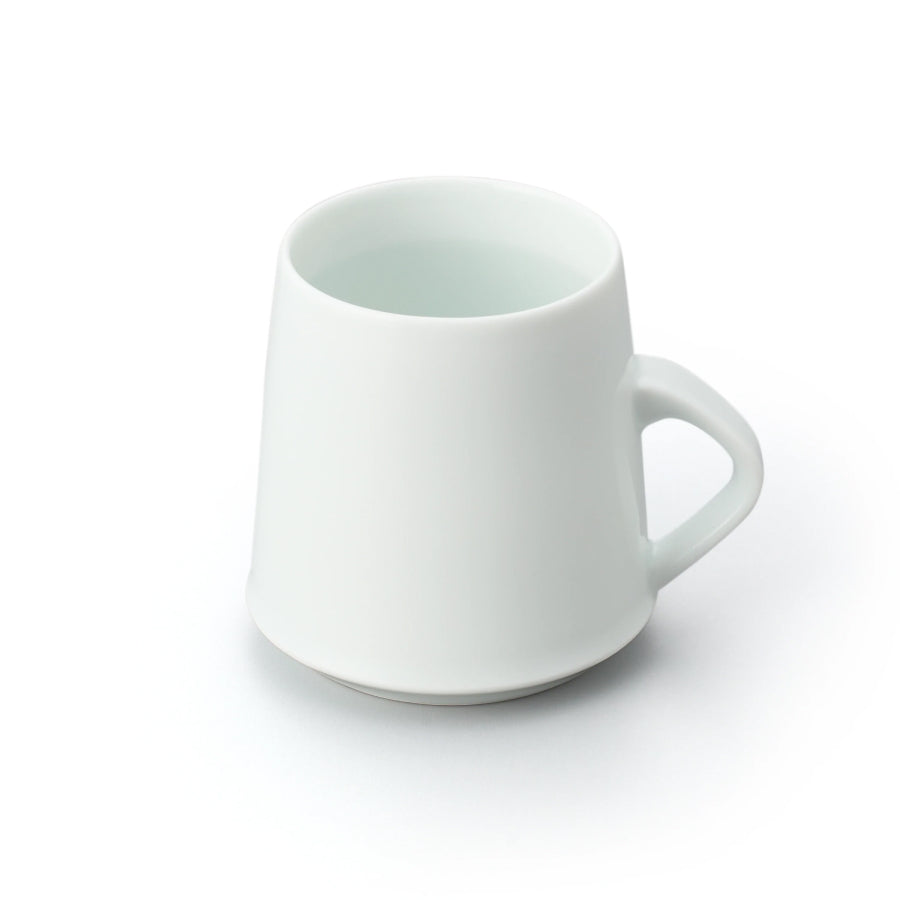
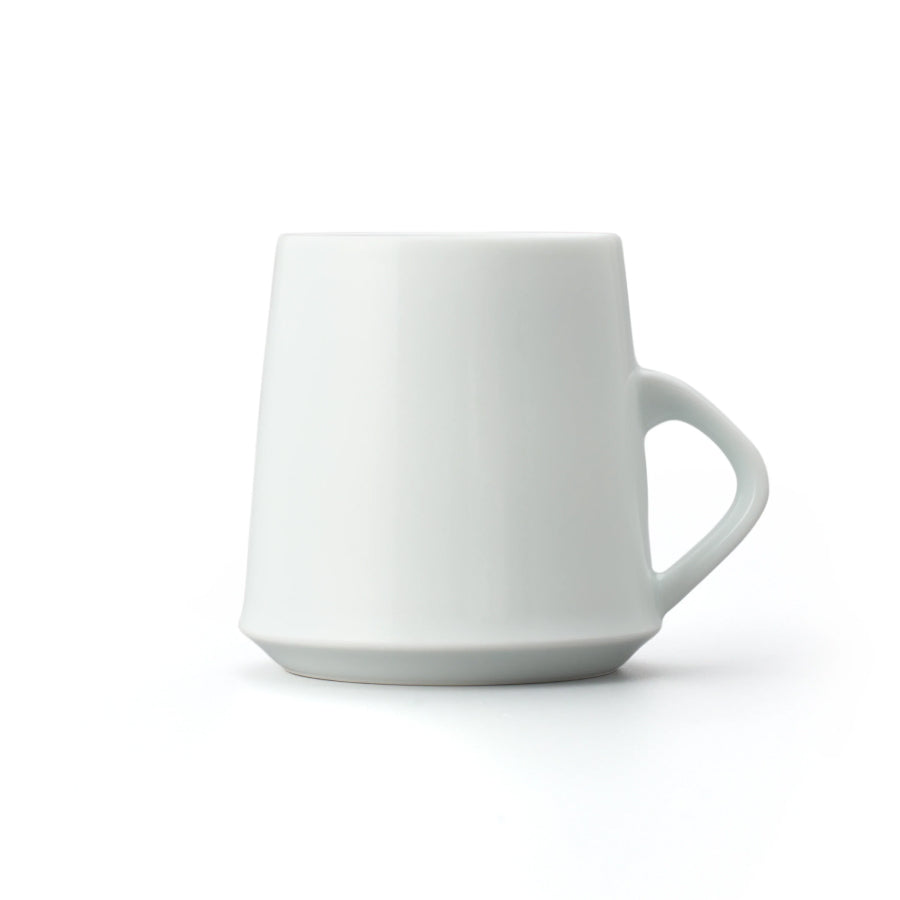
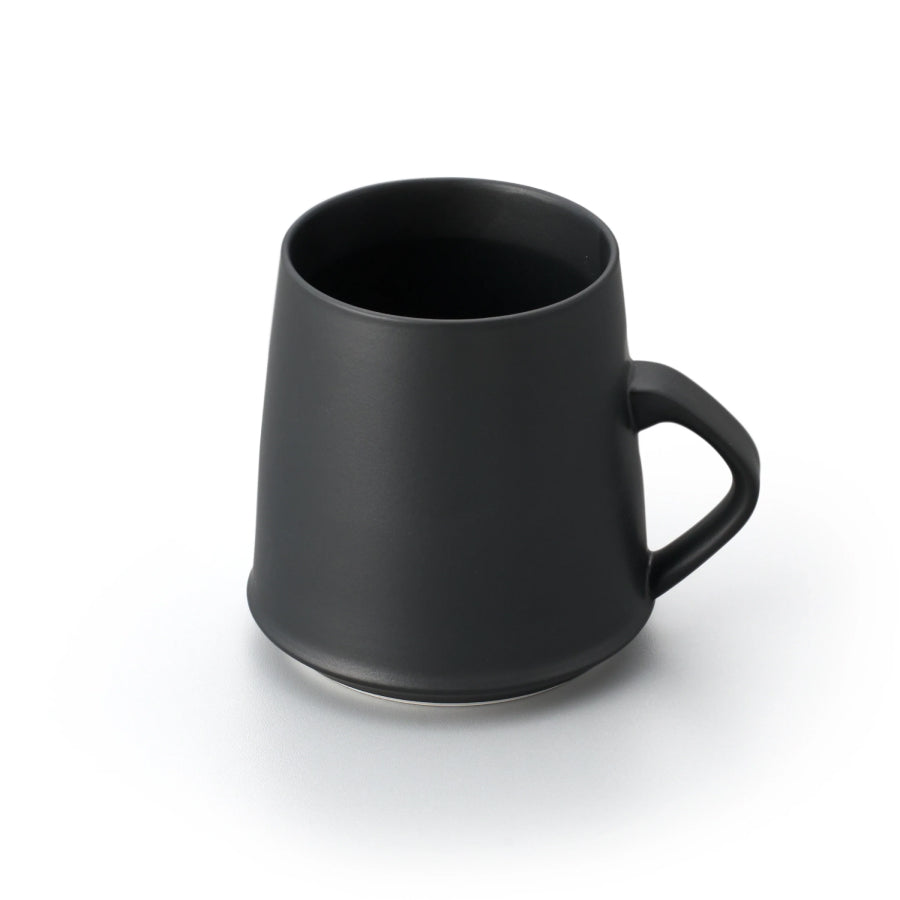
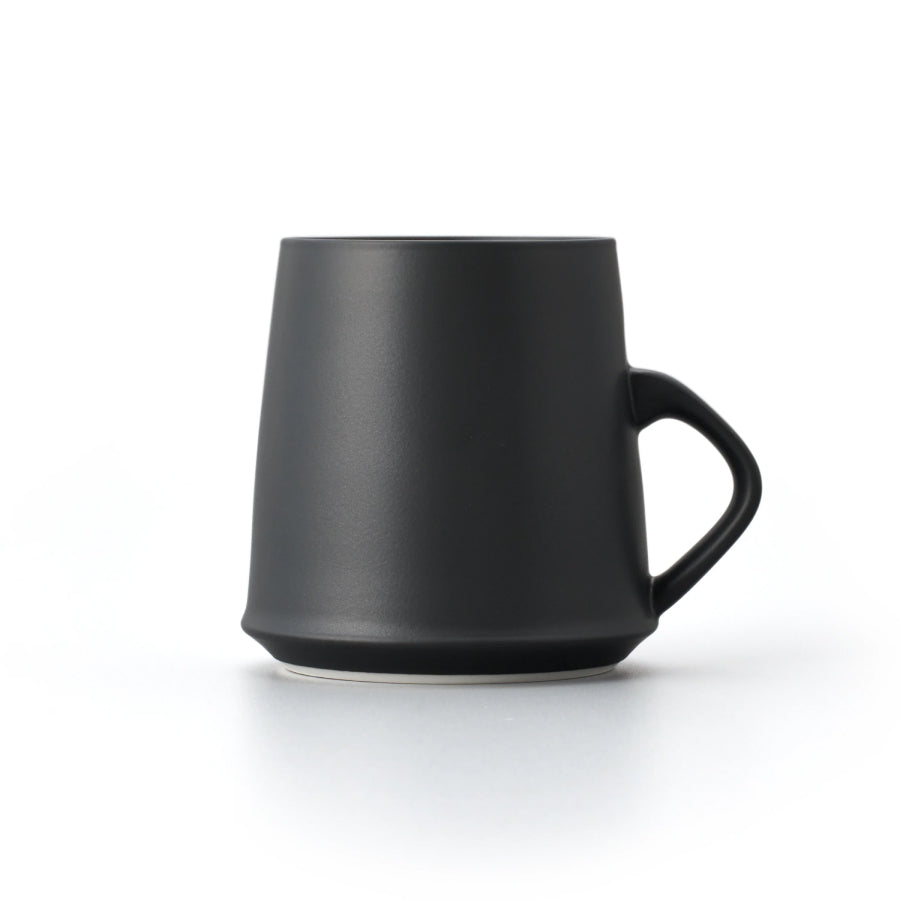
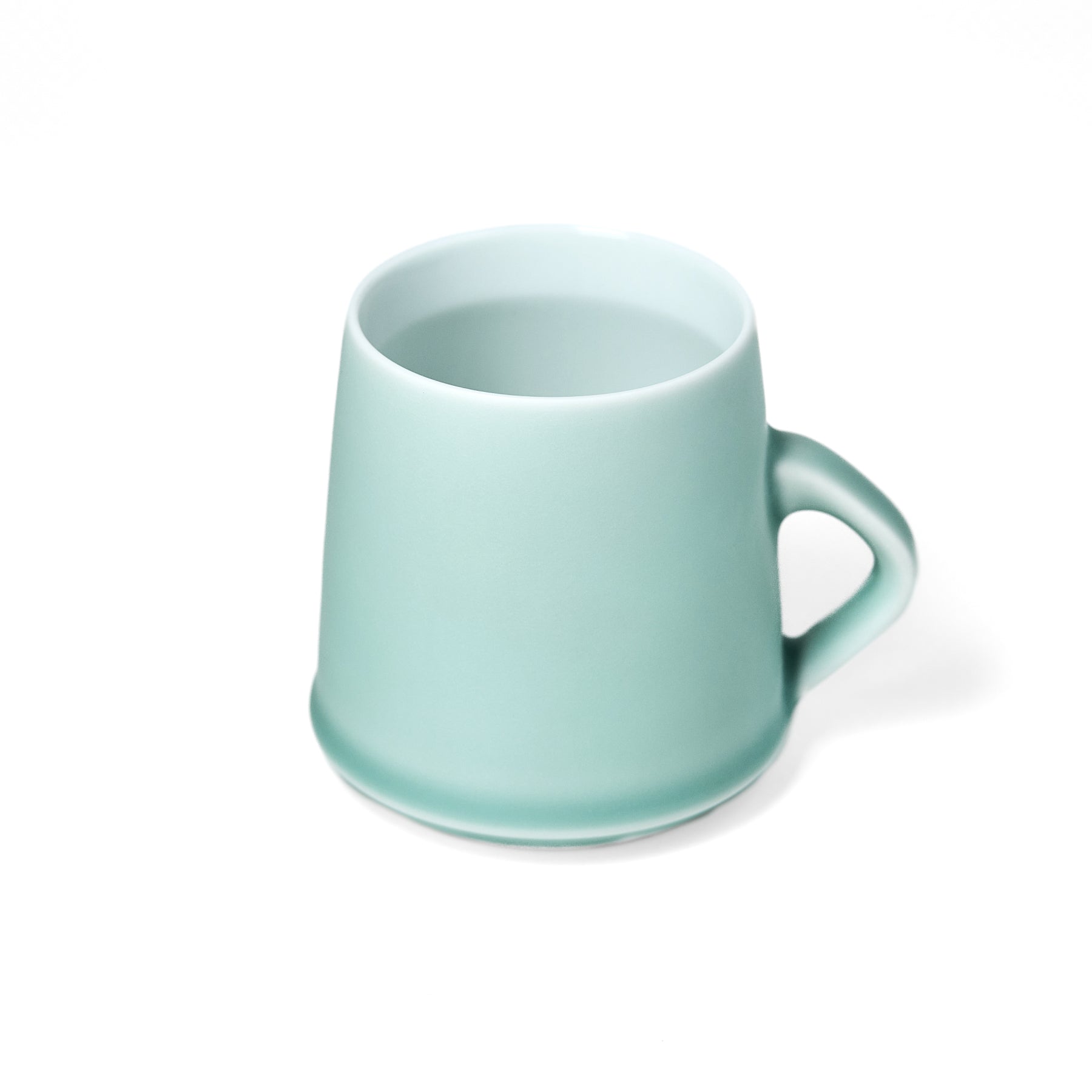
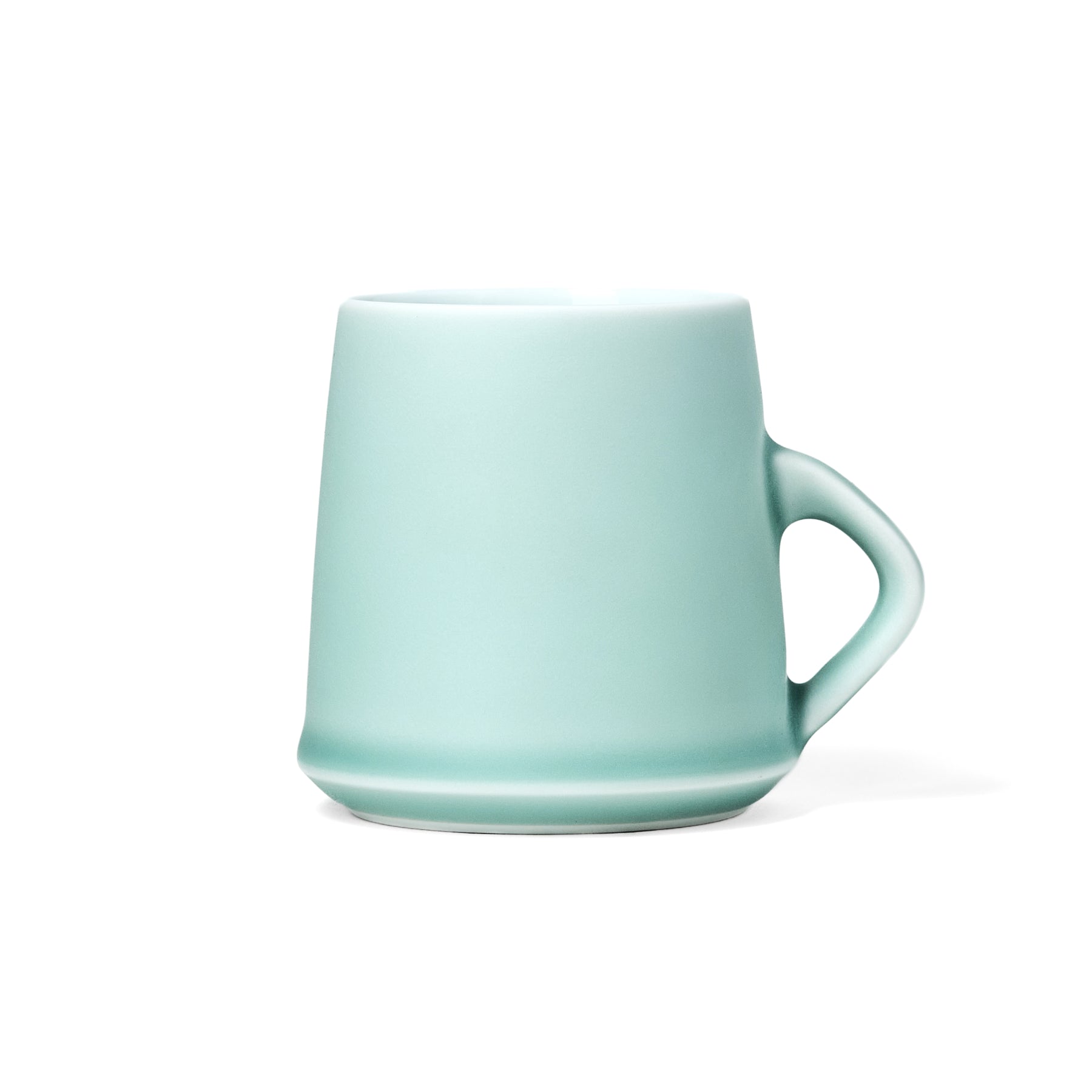
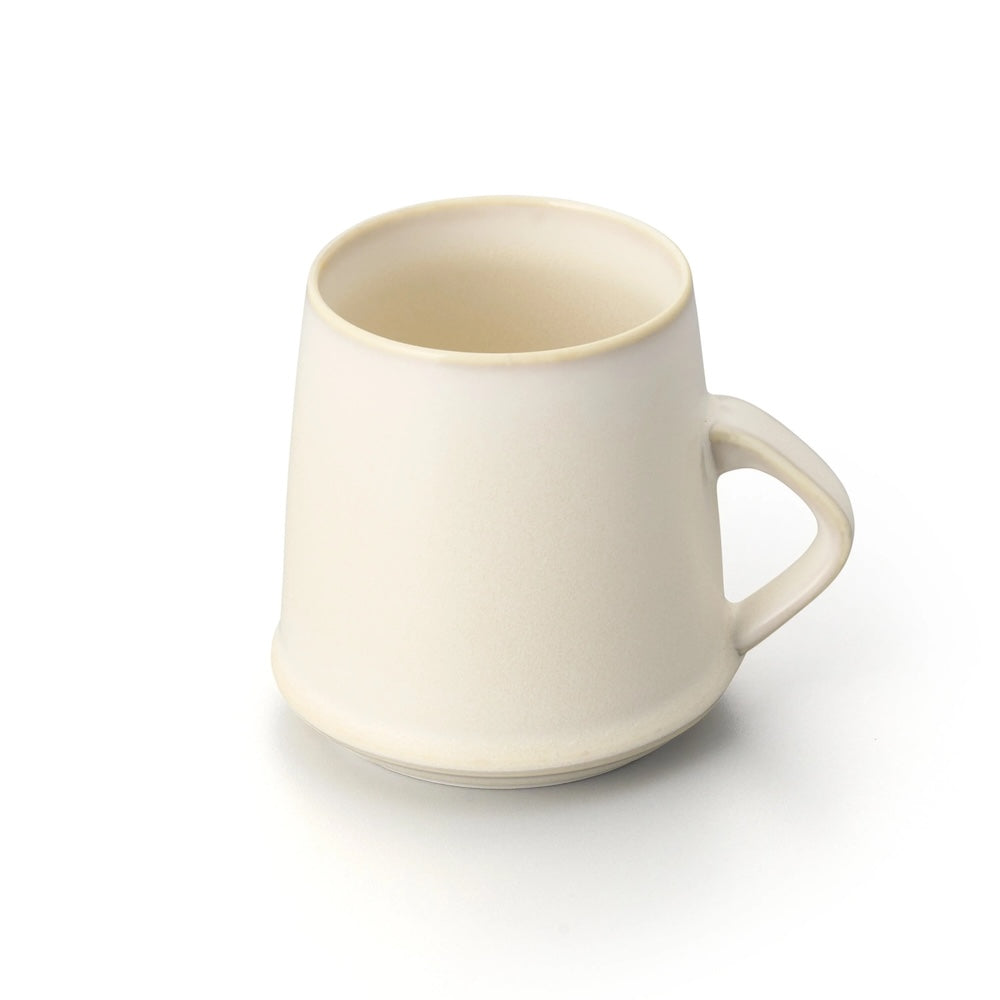
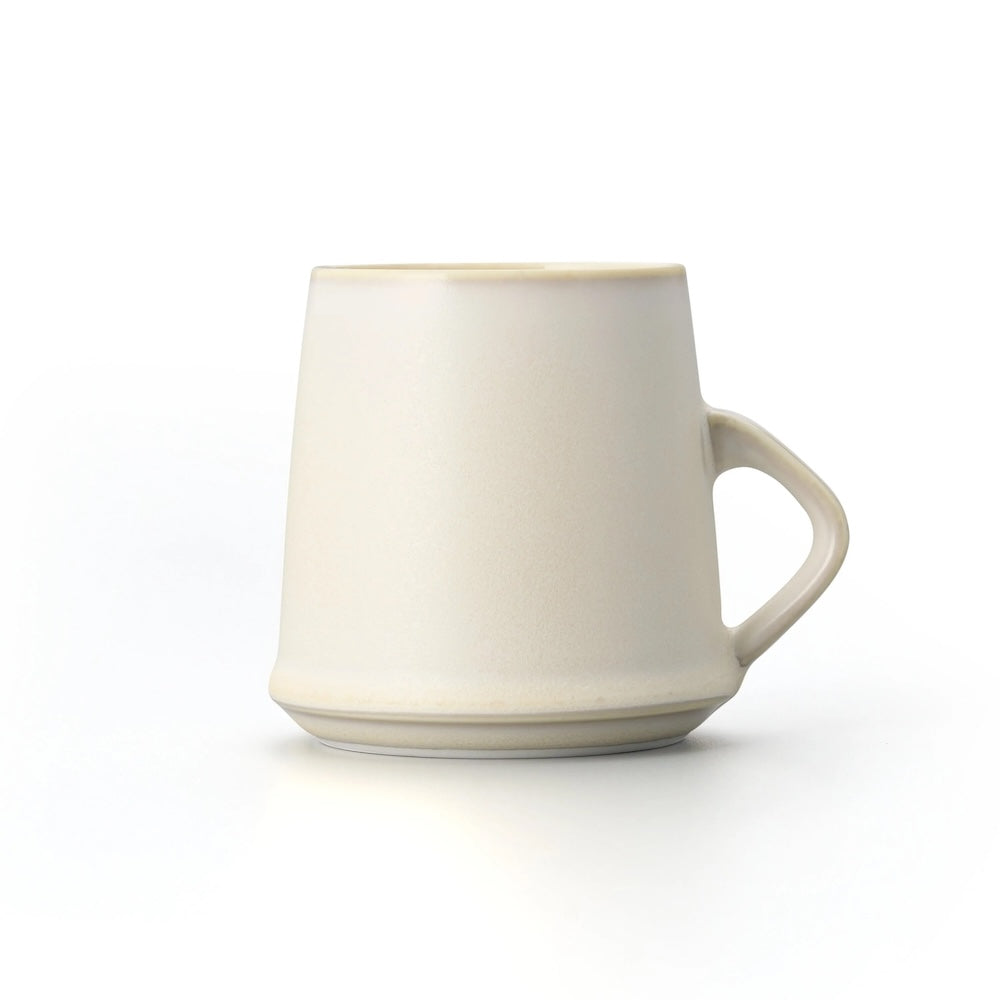
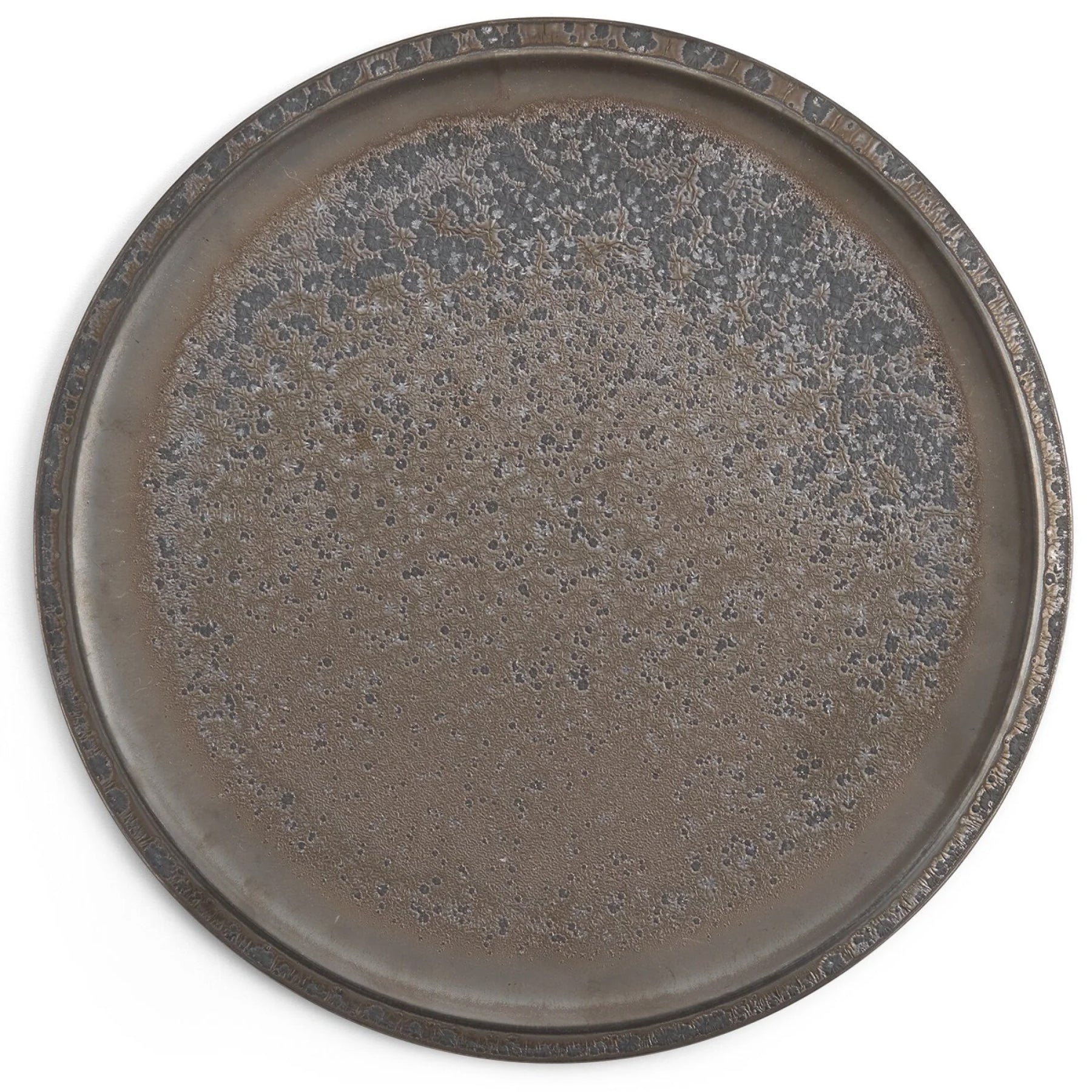




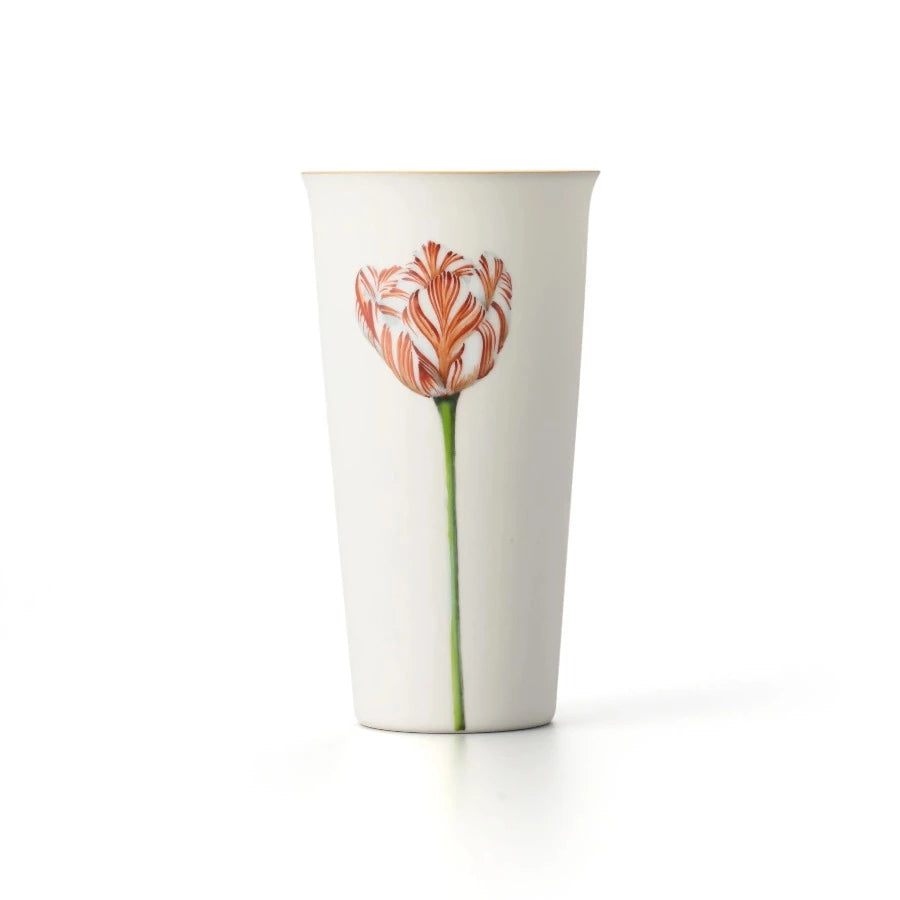
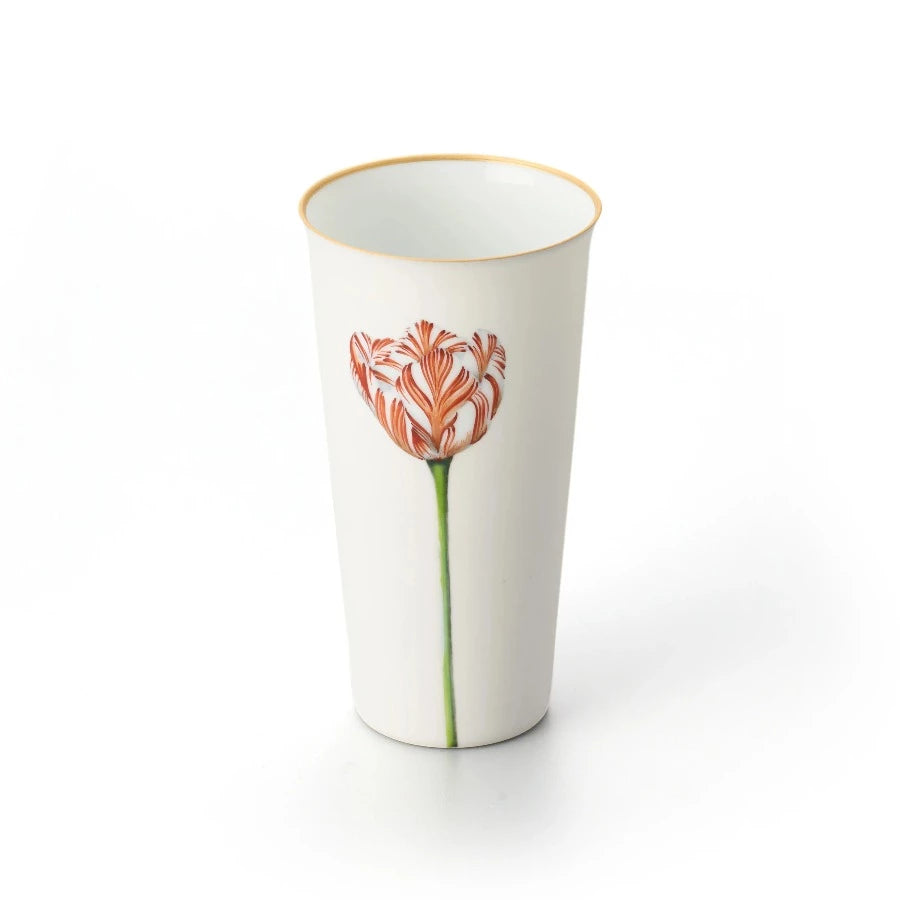
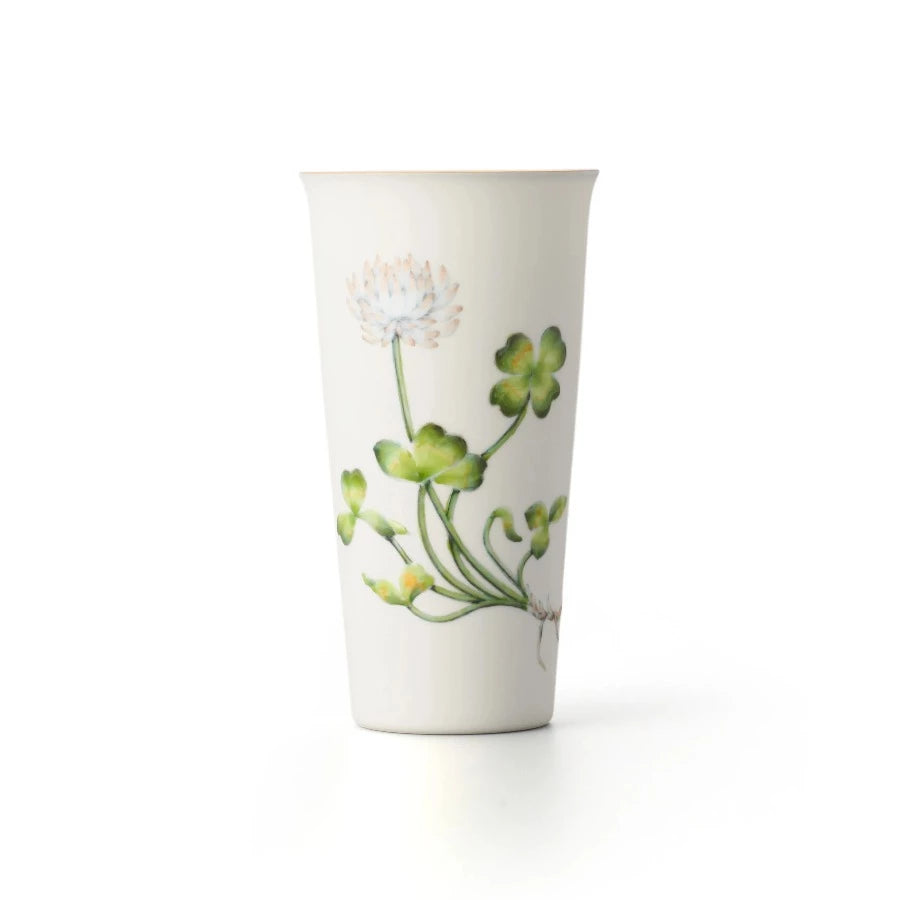
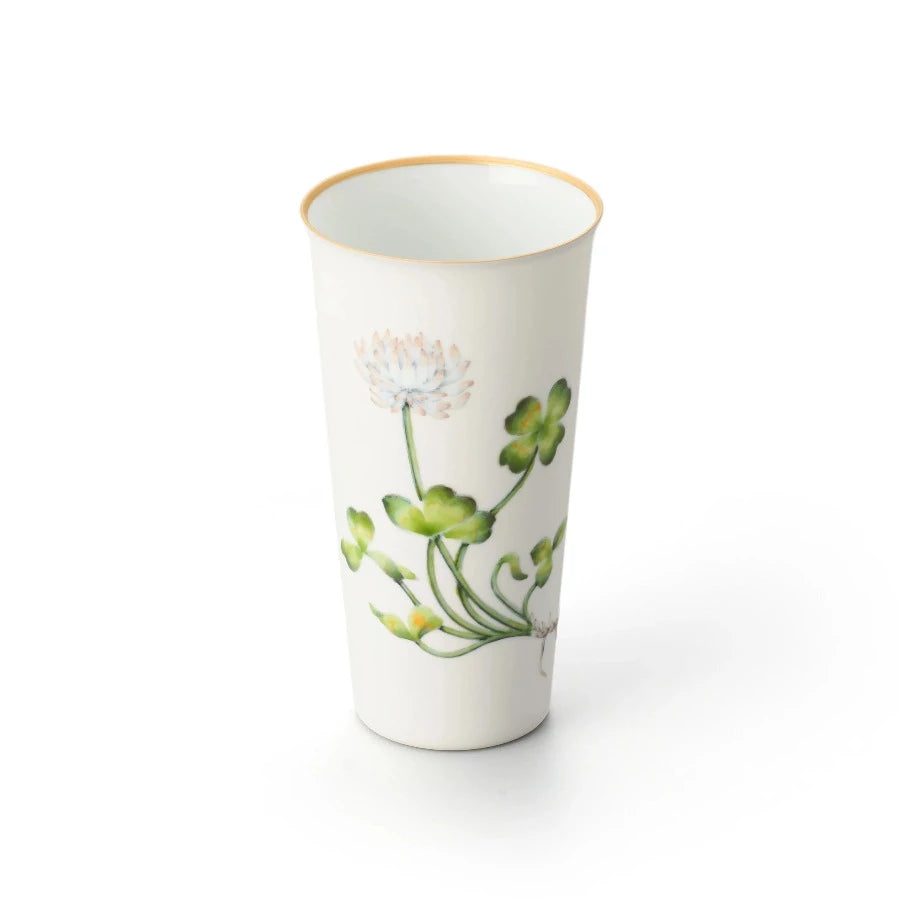


More Coffee Cup & Saucer





About Hataman Touen 畑萬陶苑
Founded in 1926 in Okawachiyama, a secluded kiln village in Saga Prefecture, Japan, Hataman Touen carries forward the 370-year legacy of Imari Nabeshima ware. Once known as "The Village of the Secret Kilns," Okawachiyama was the exclusive seat of porcelain production for Japan's feudal lords, the shogunate, and the Imperial Court.
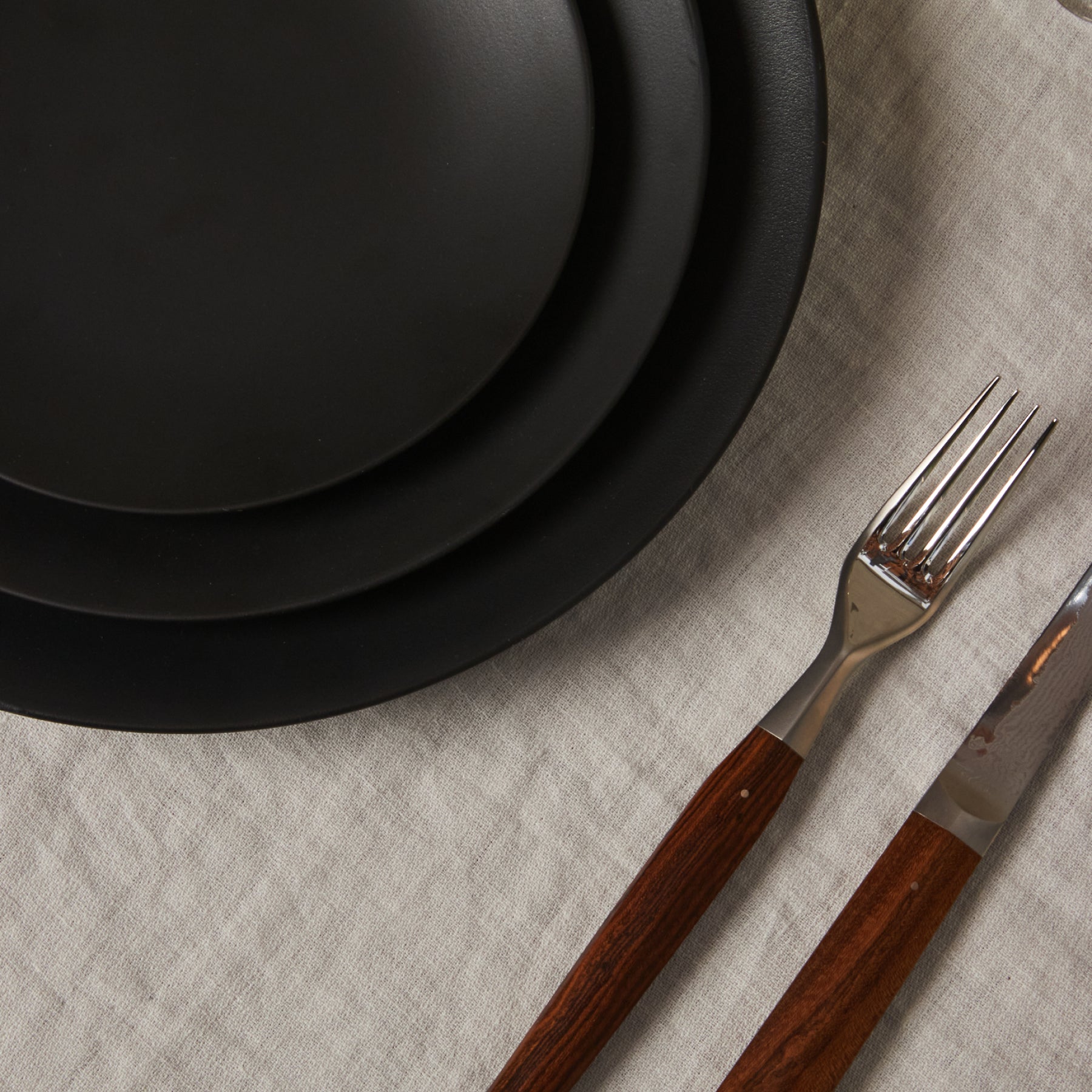
Now in its fifth generation under Shuuji Hataishi, the studio works across a range of expressions: Texture, a minimalist line that elevates food presentation through unique surface techniques; Moist, a matte celadon that is cool and smooth to the touch; and Cuir, whose porcelain surface closely mimics the grain and luster of leather.
Hataman Touen has also collaborated with Nike, New Balance, and MAISON Paris, extending the vocabulary of Nabeshima ware into contemporary design.