


Ryuta Fukumura 25-30
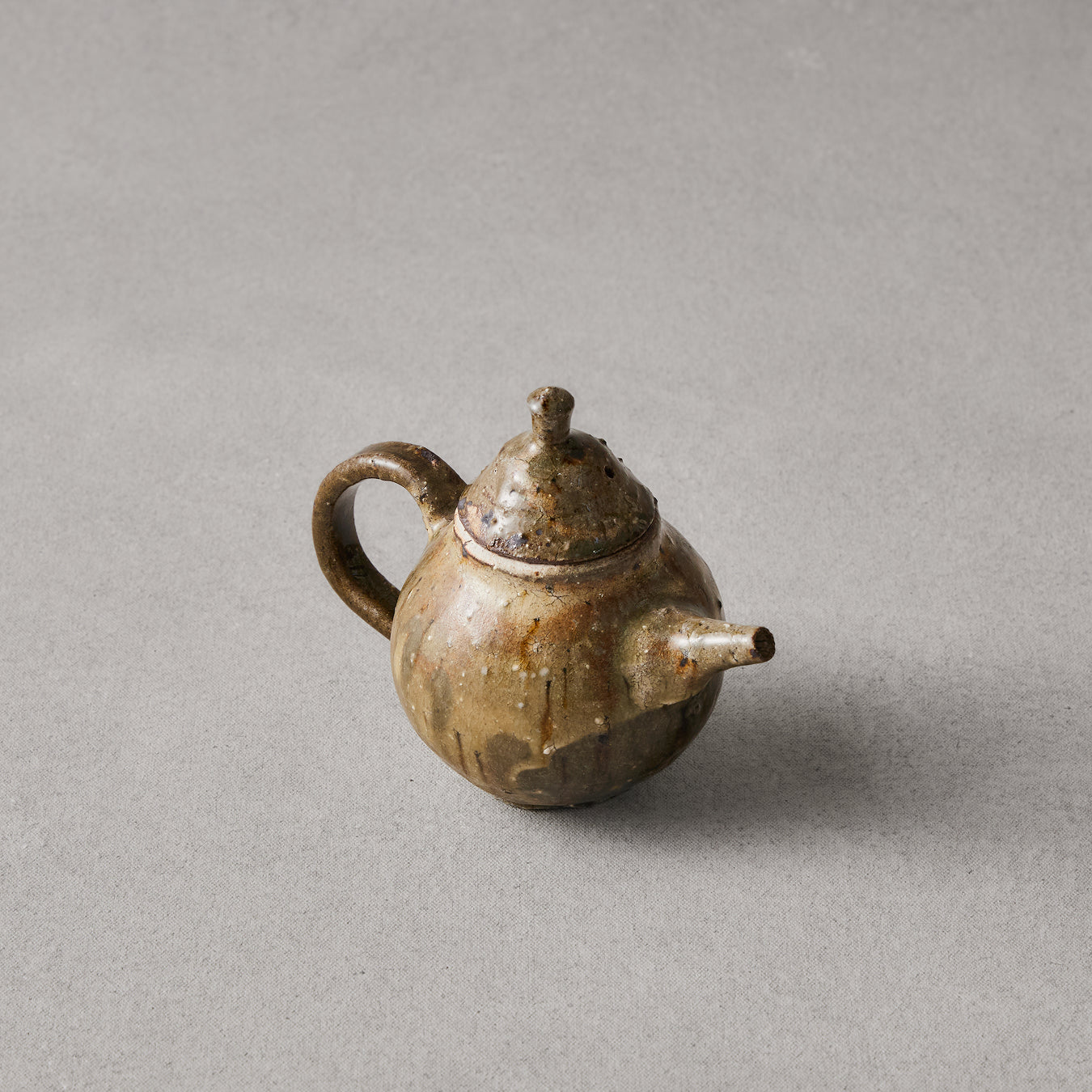
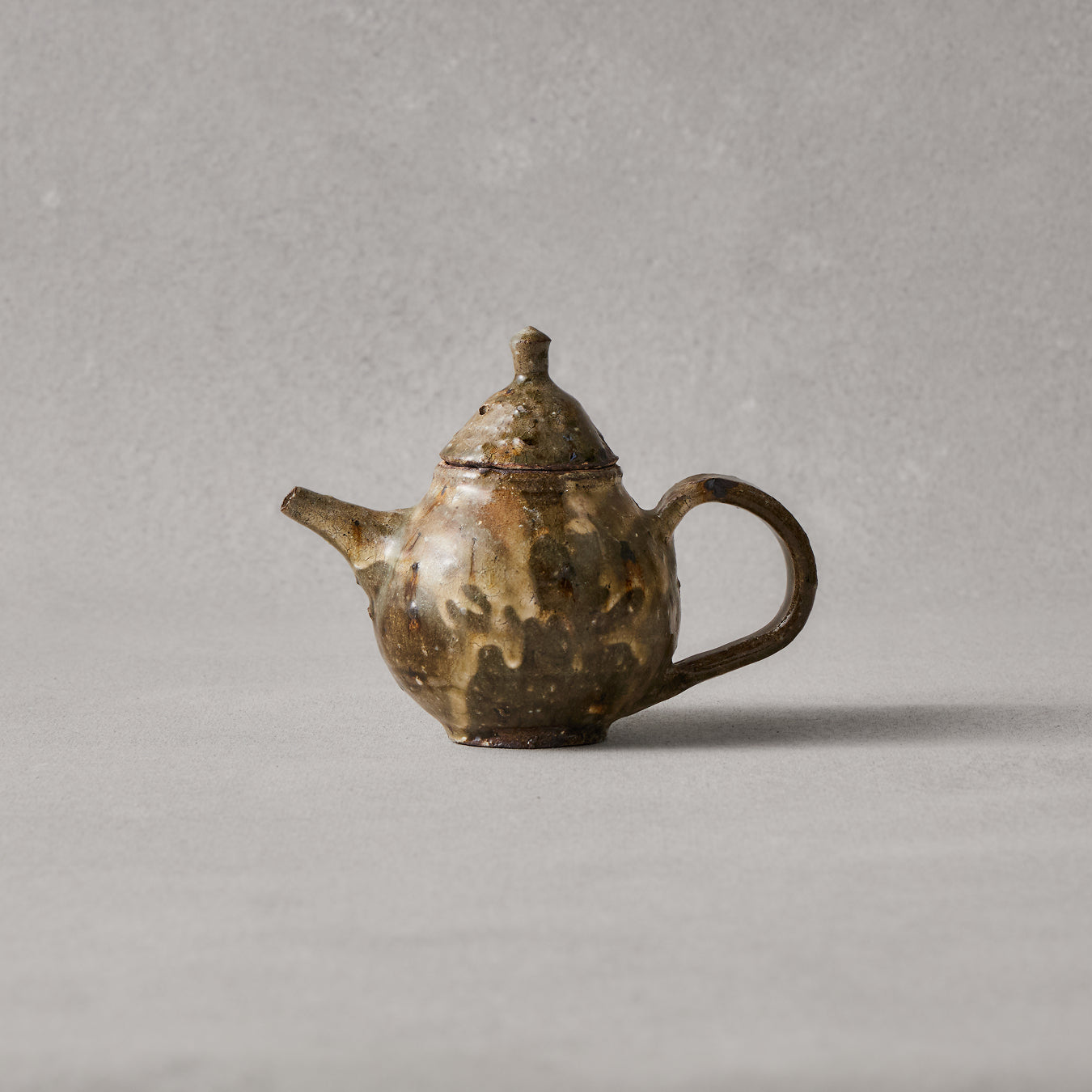
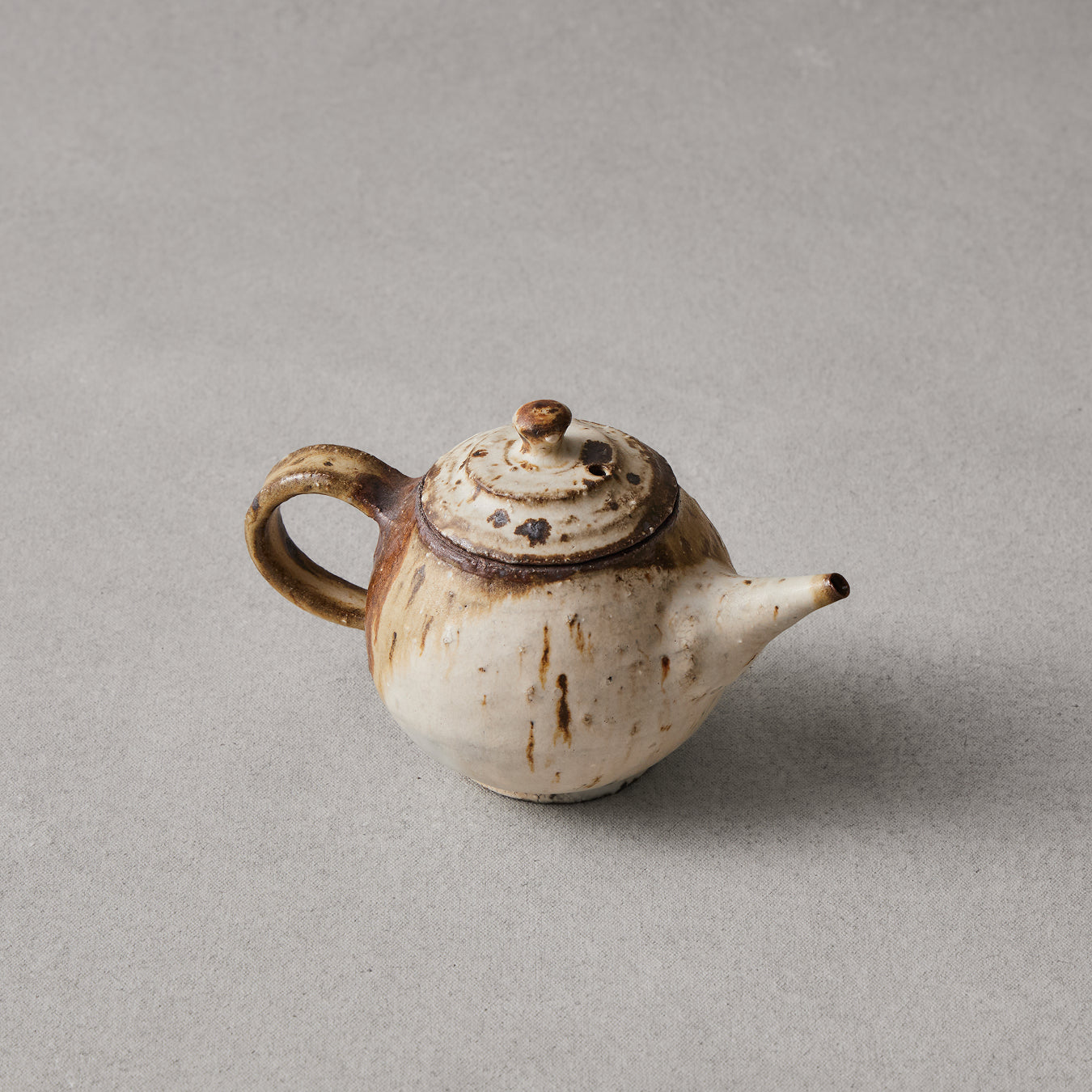
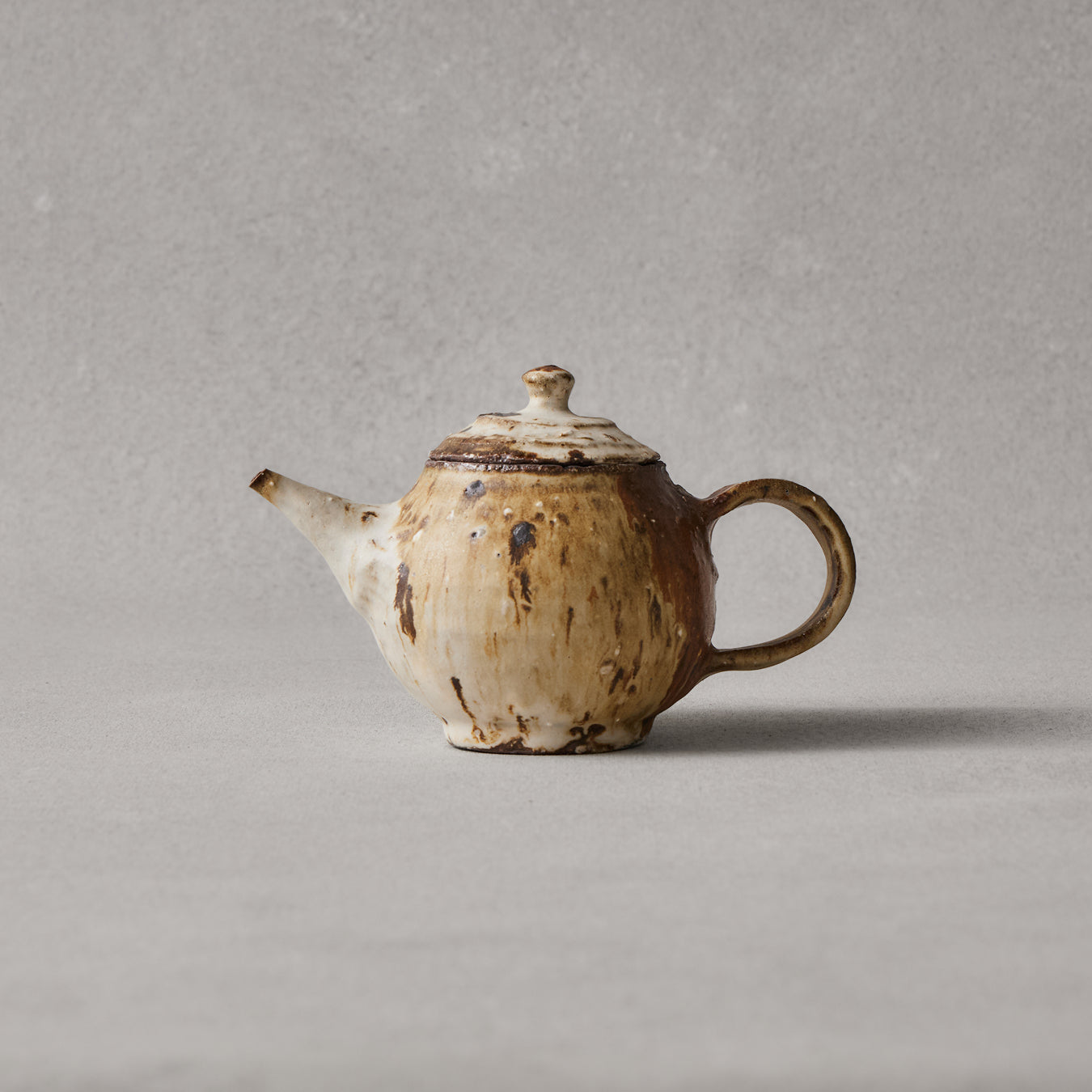
Description
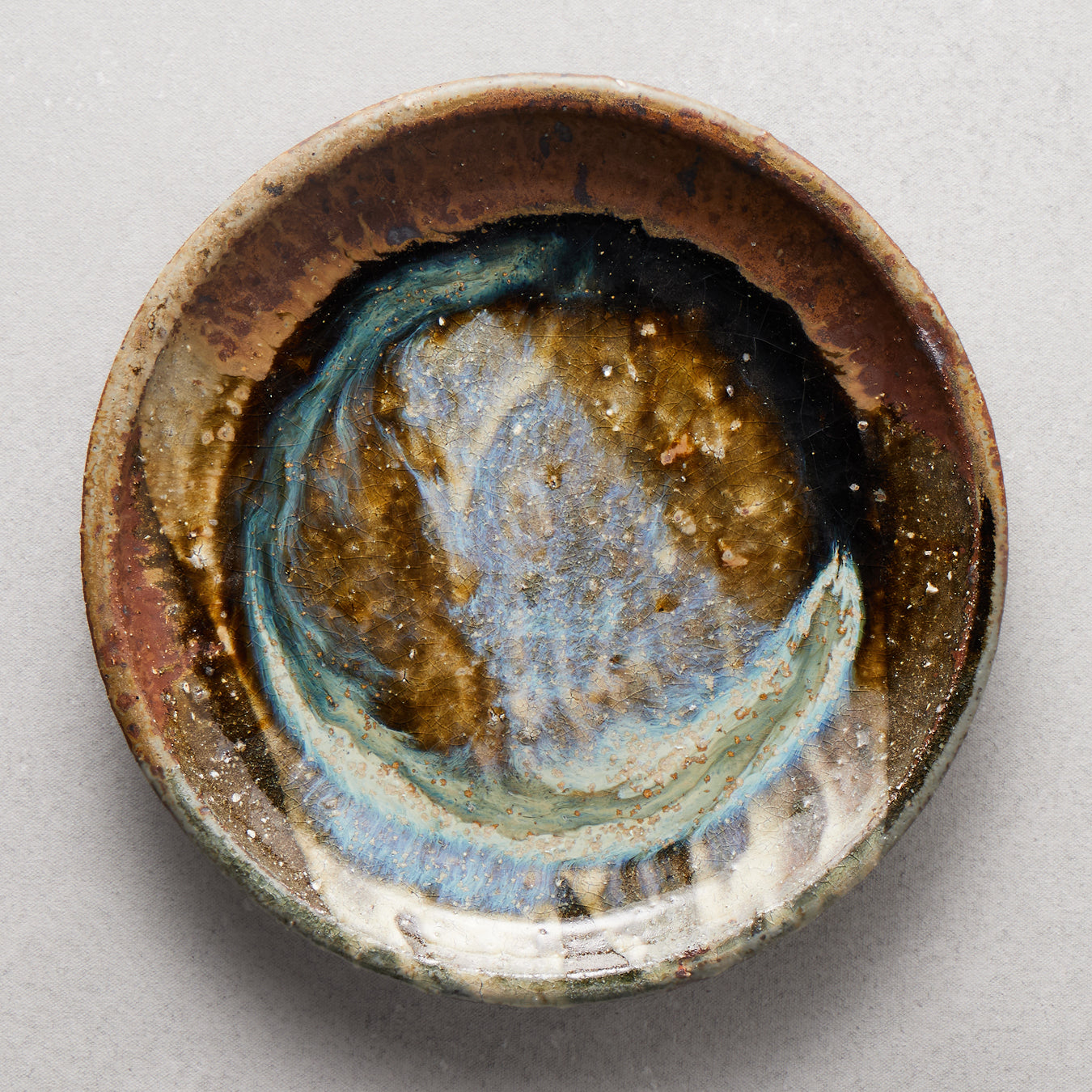
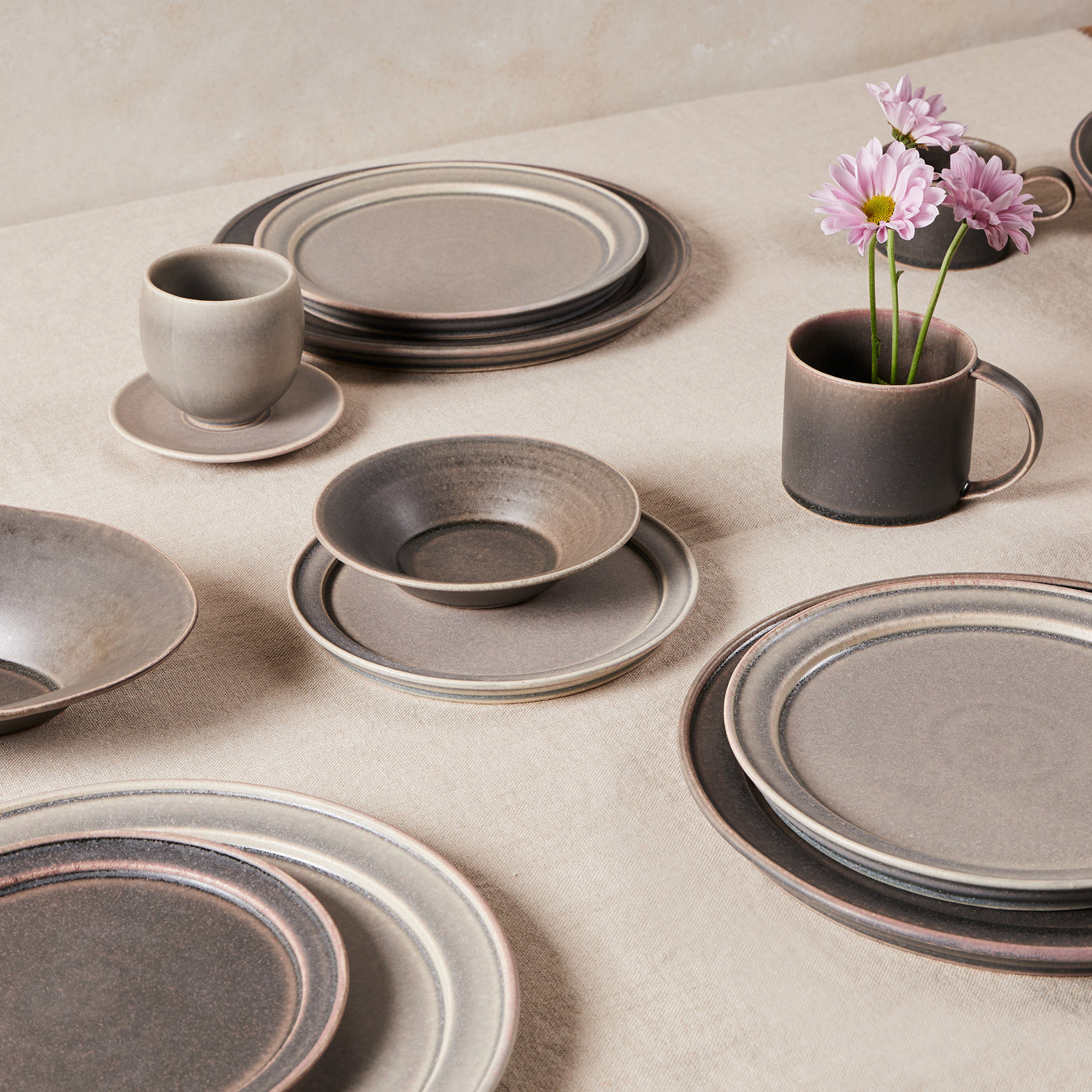
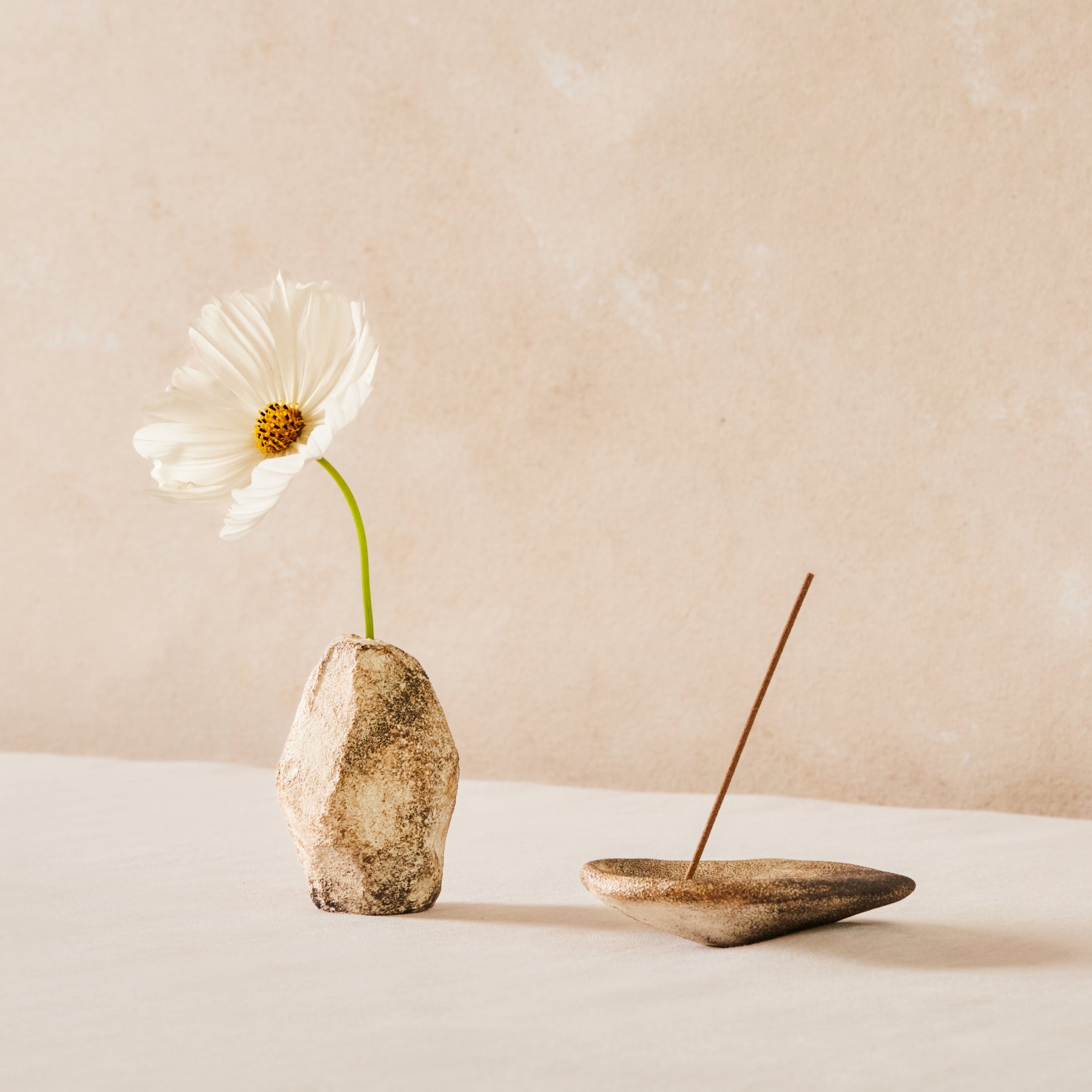
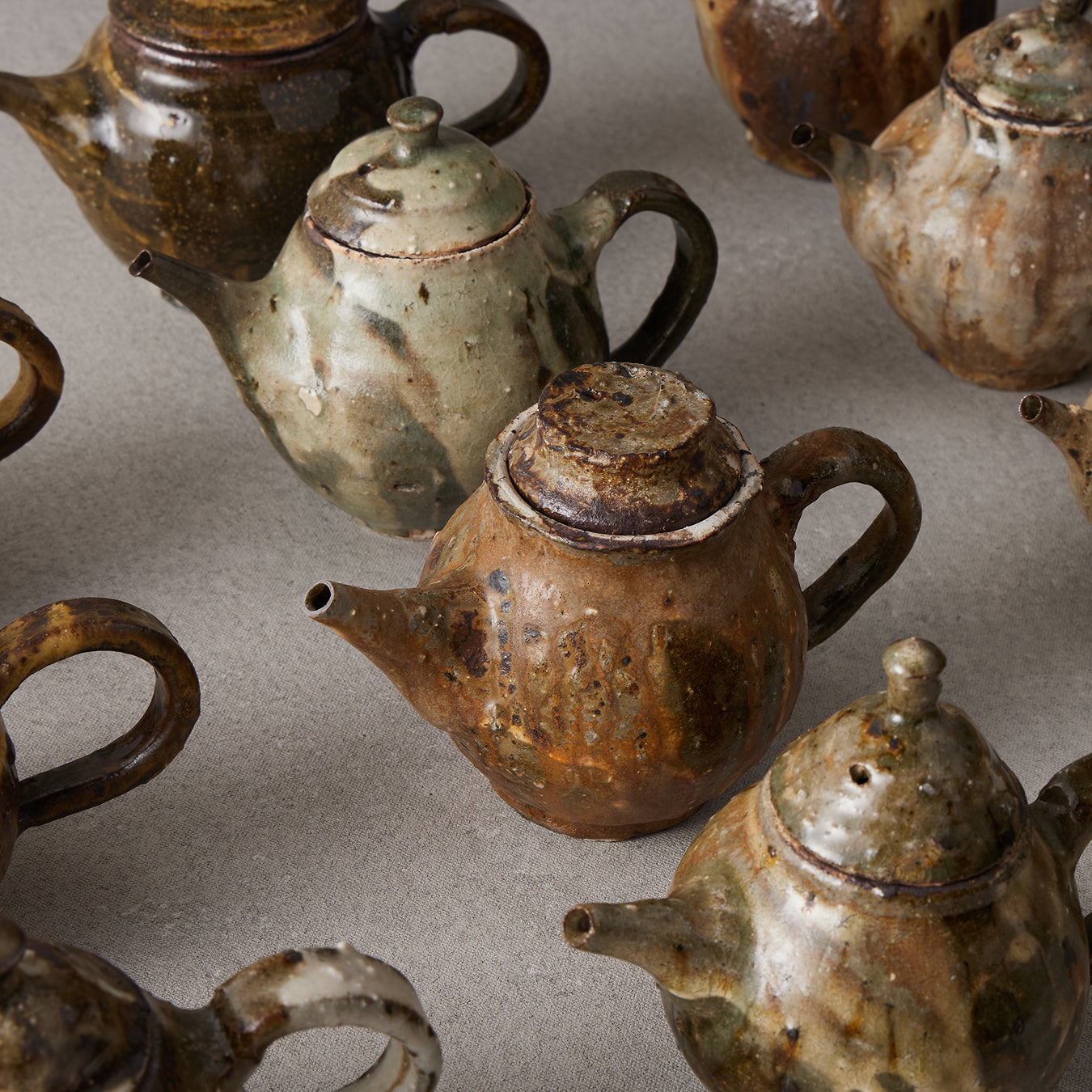
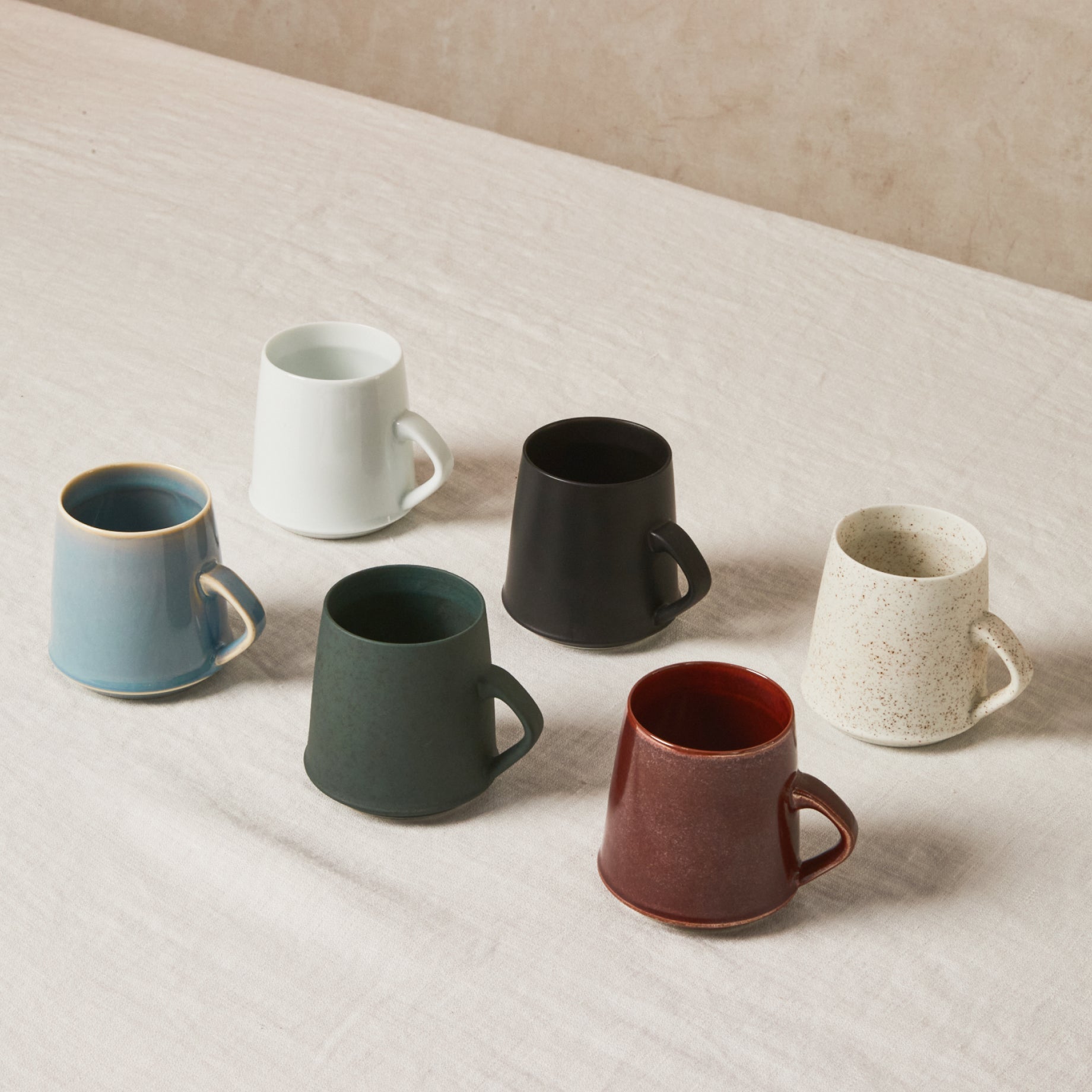
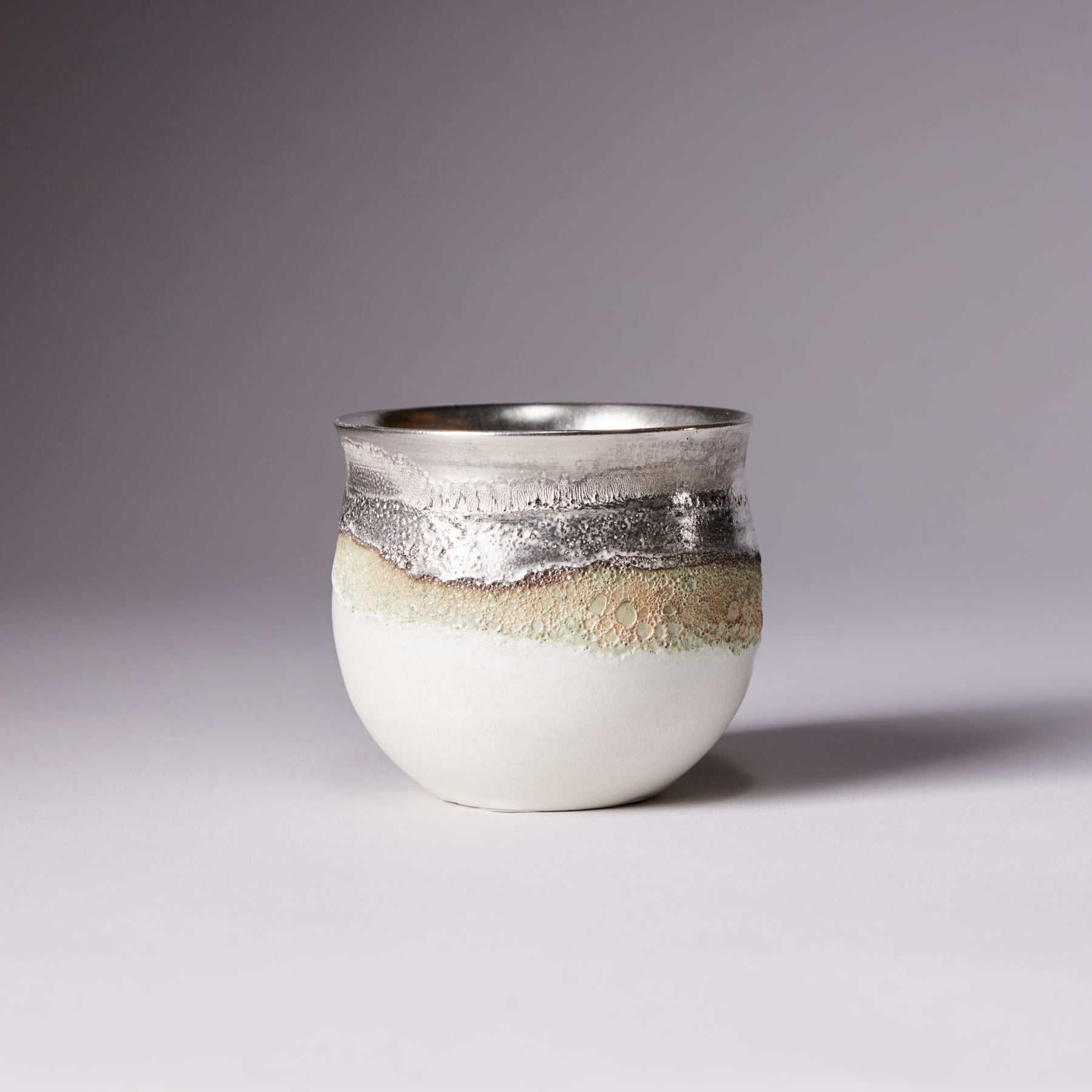
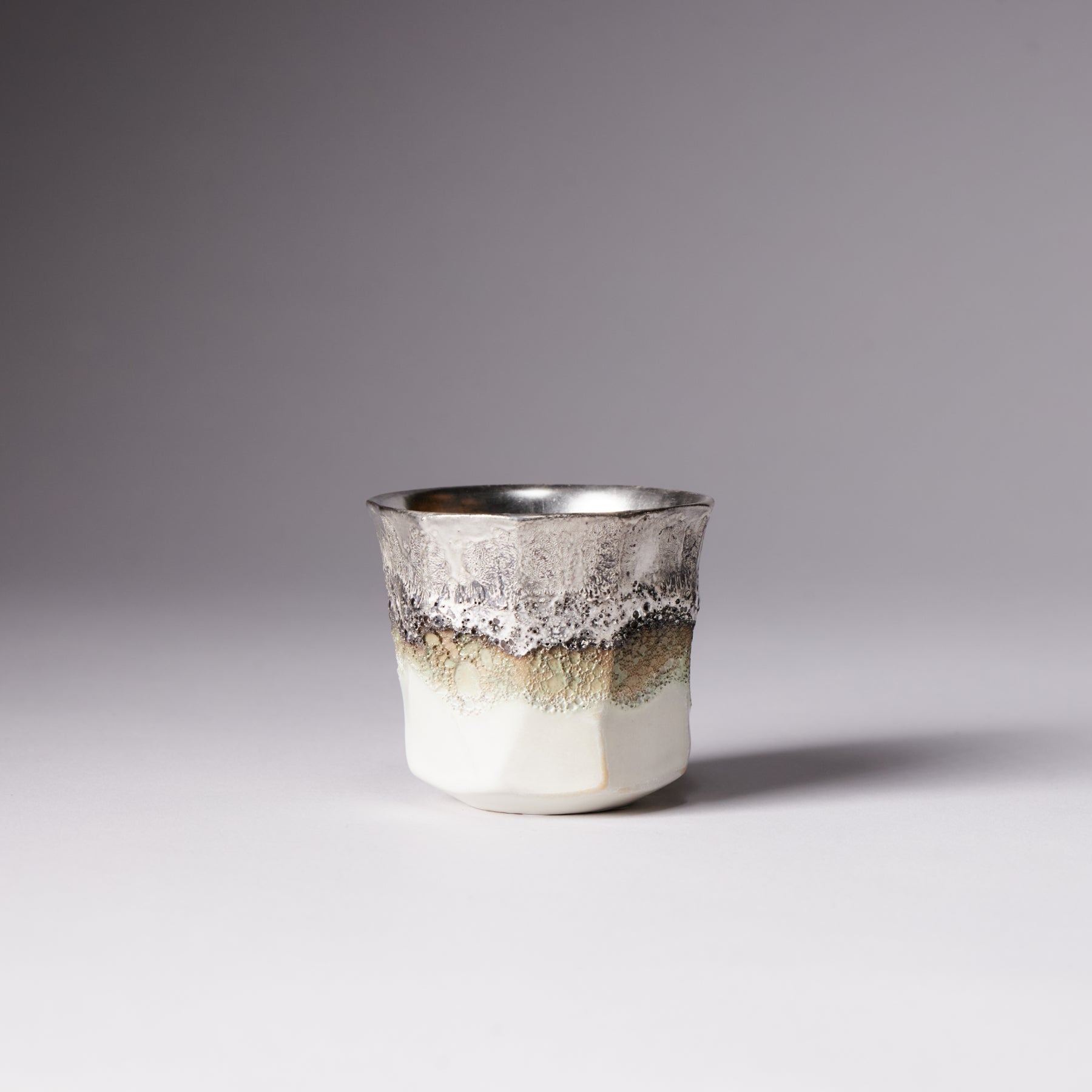
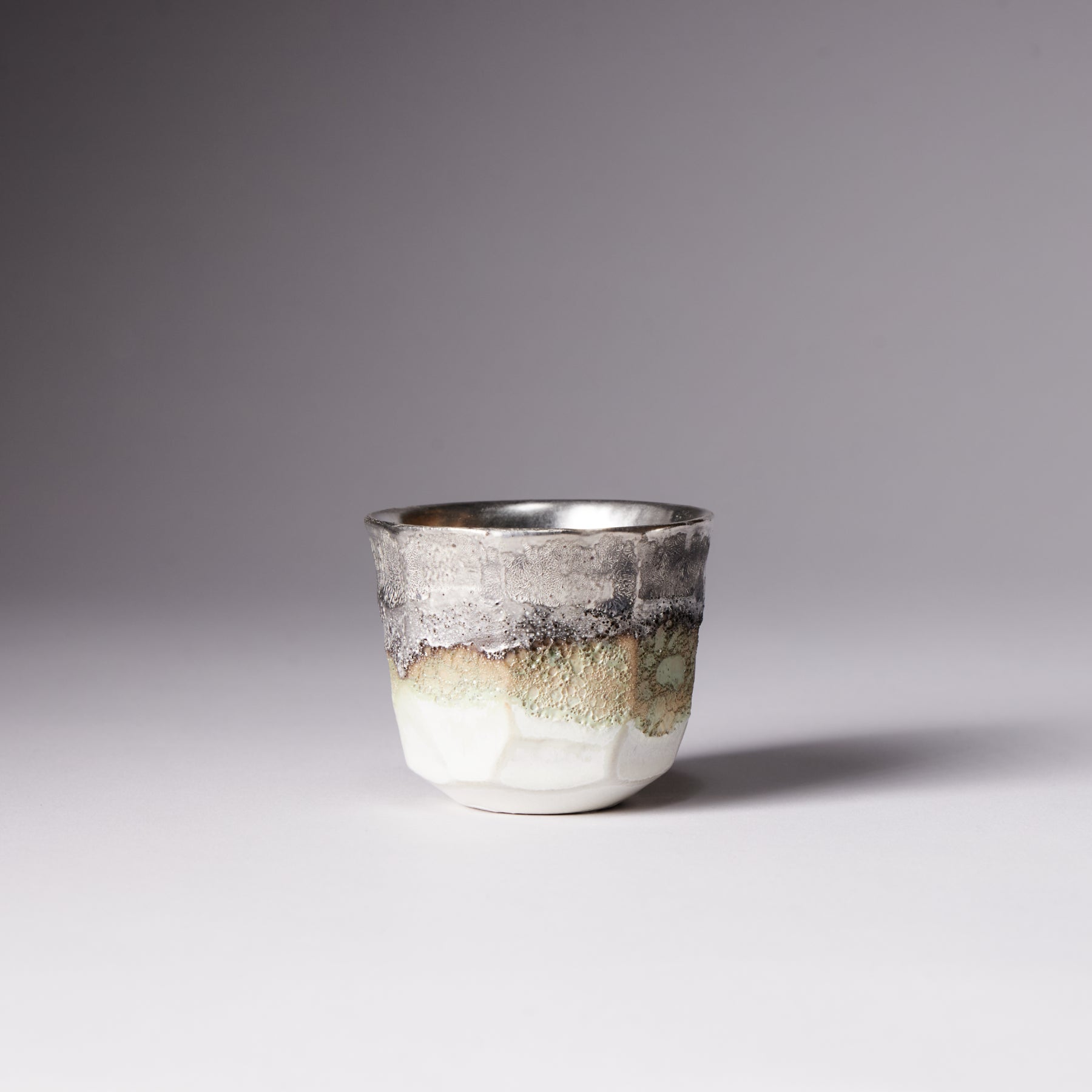
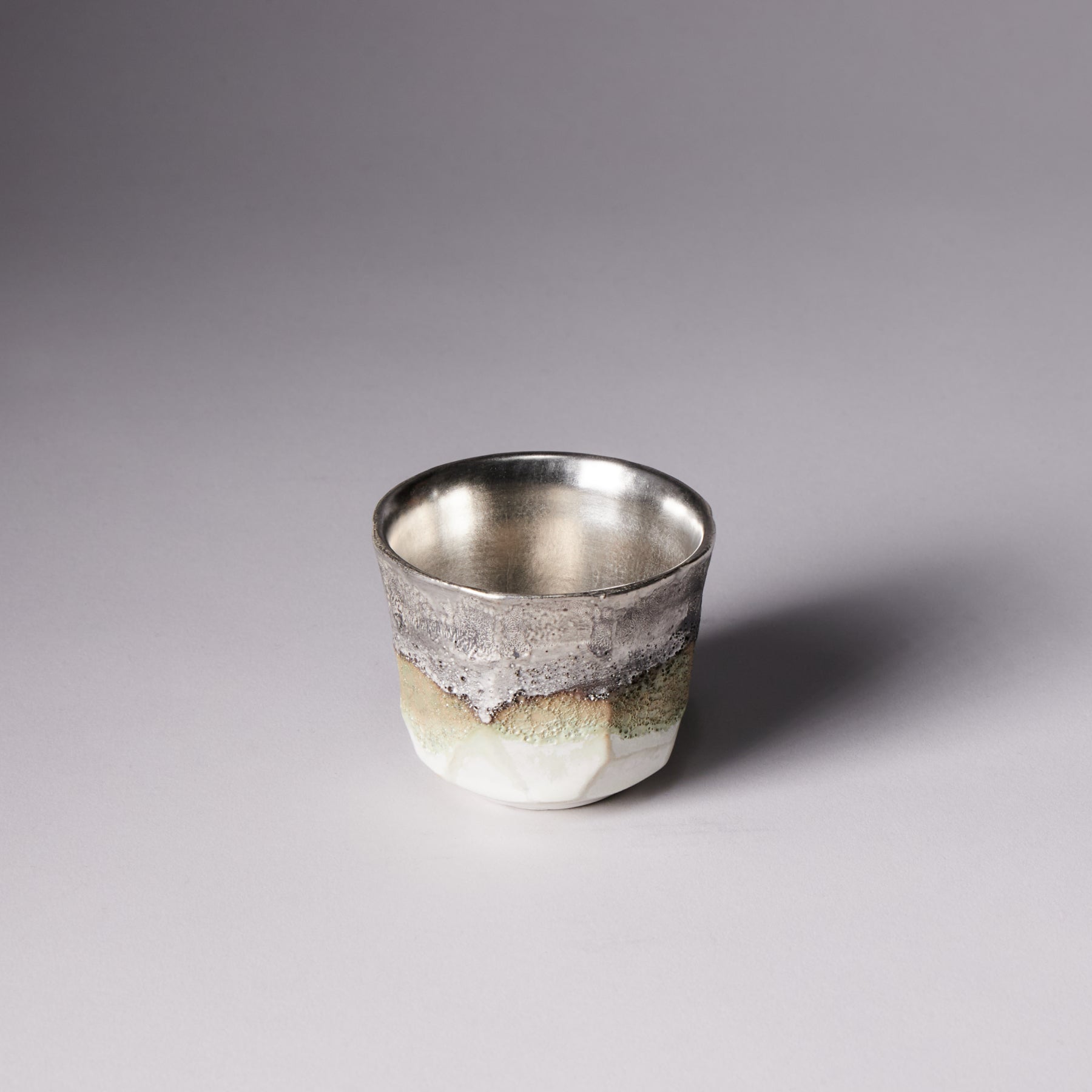
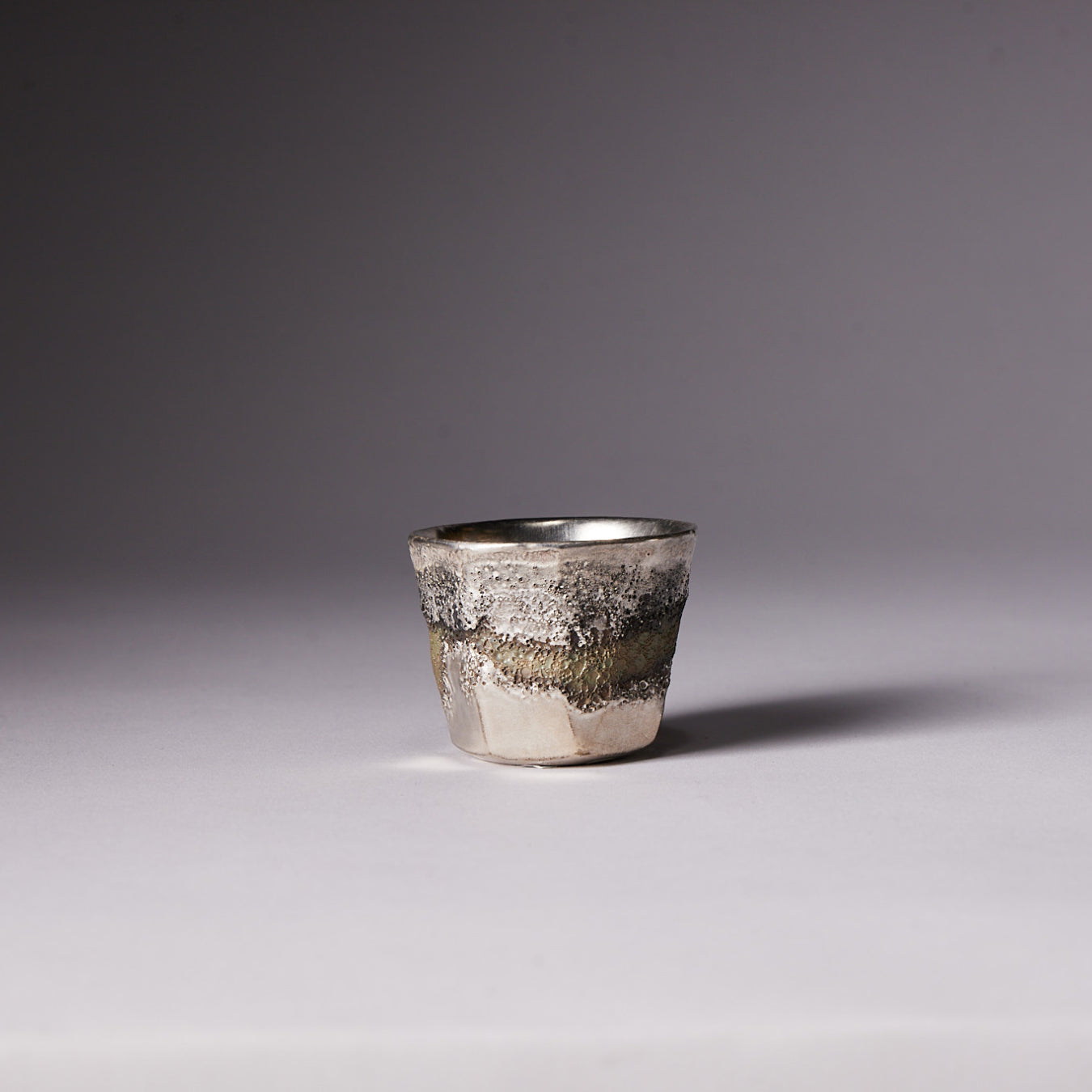
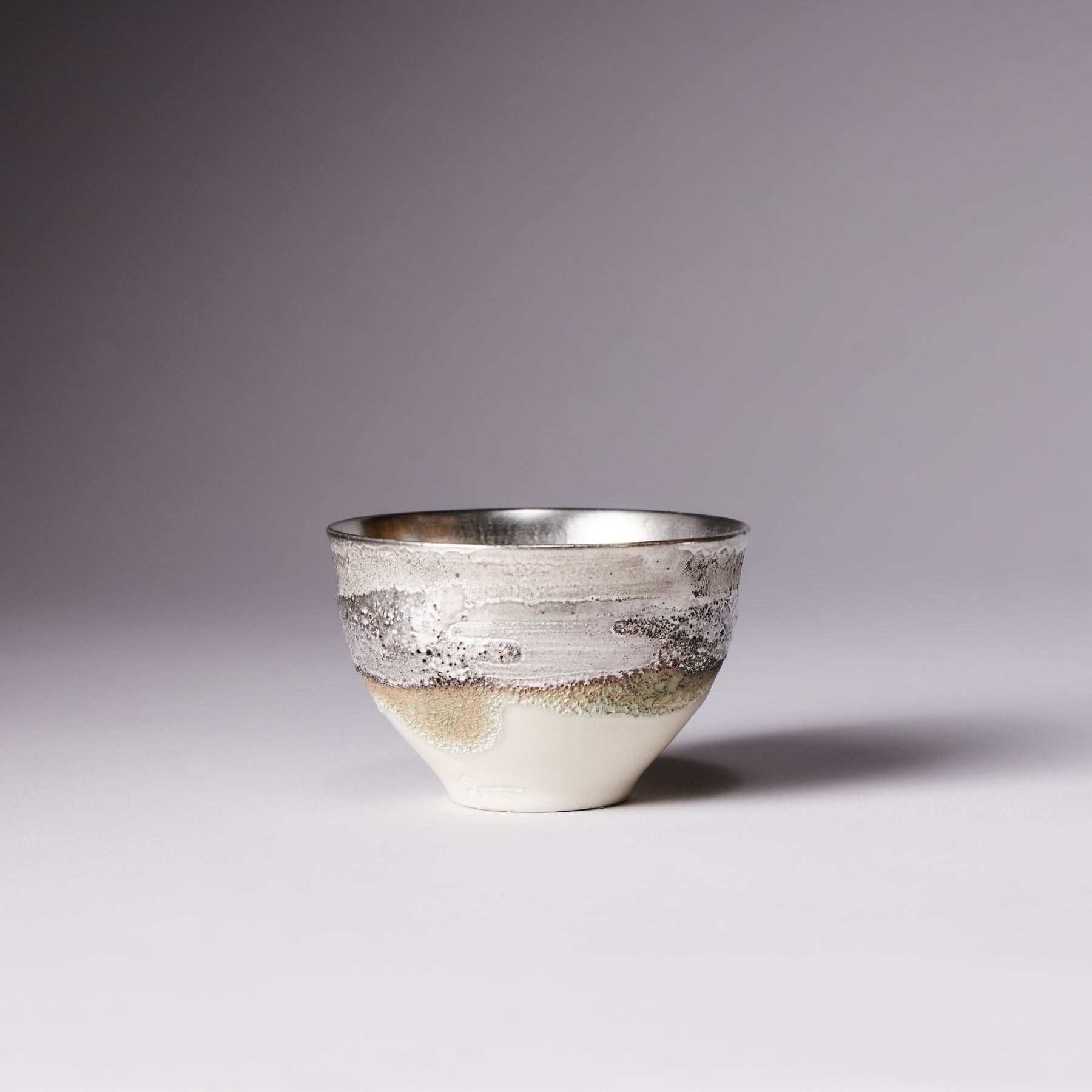
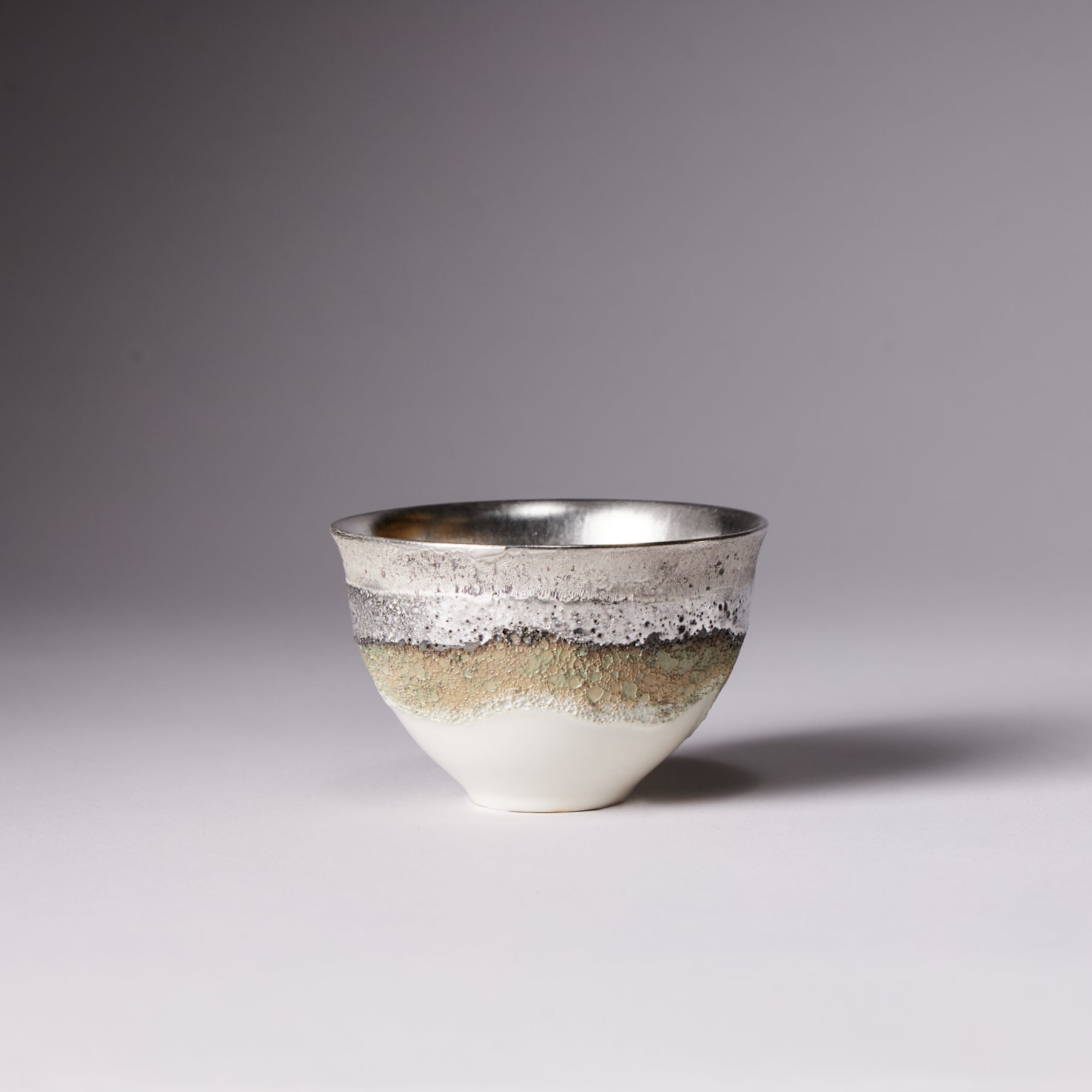
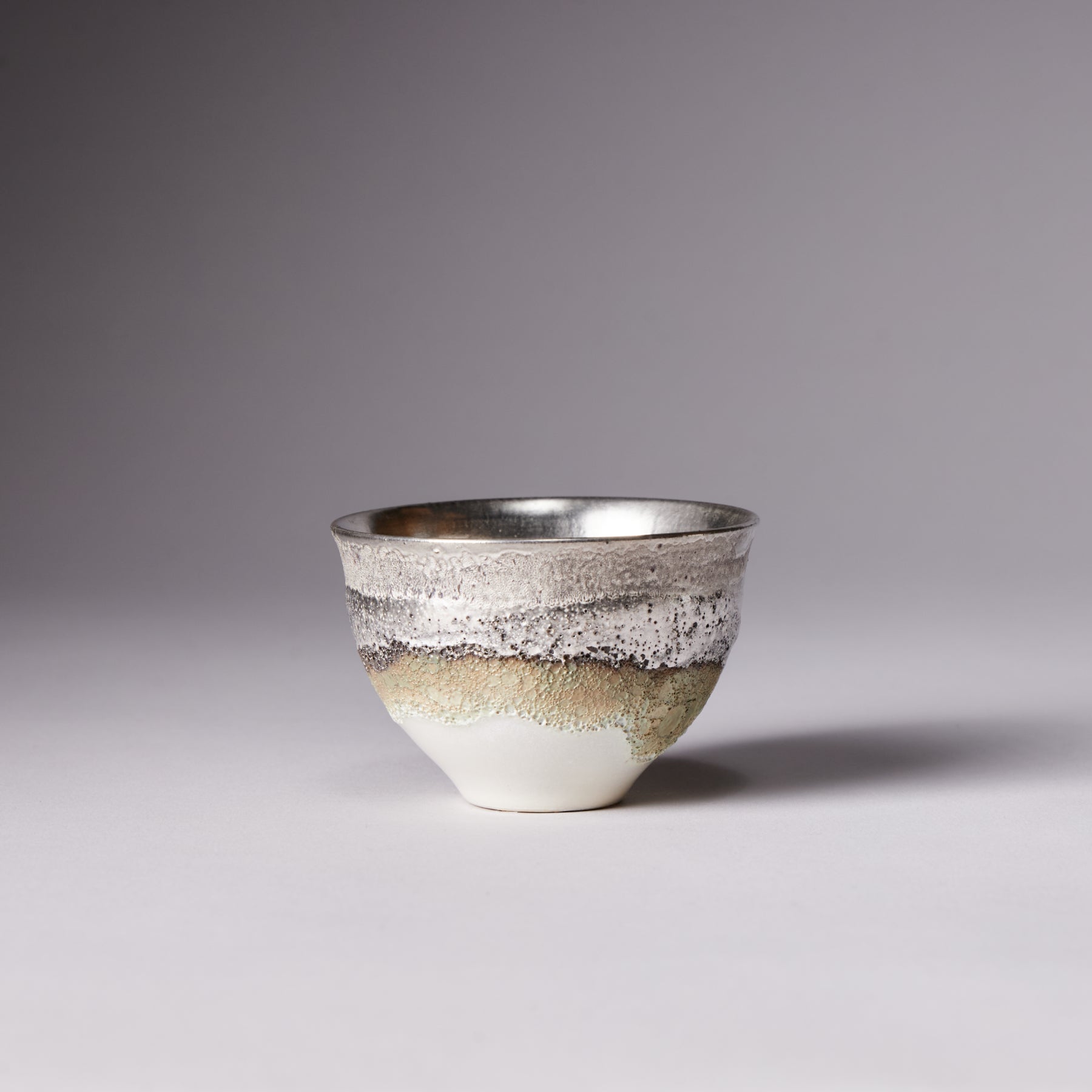
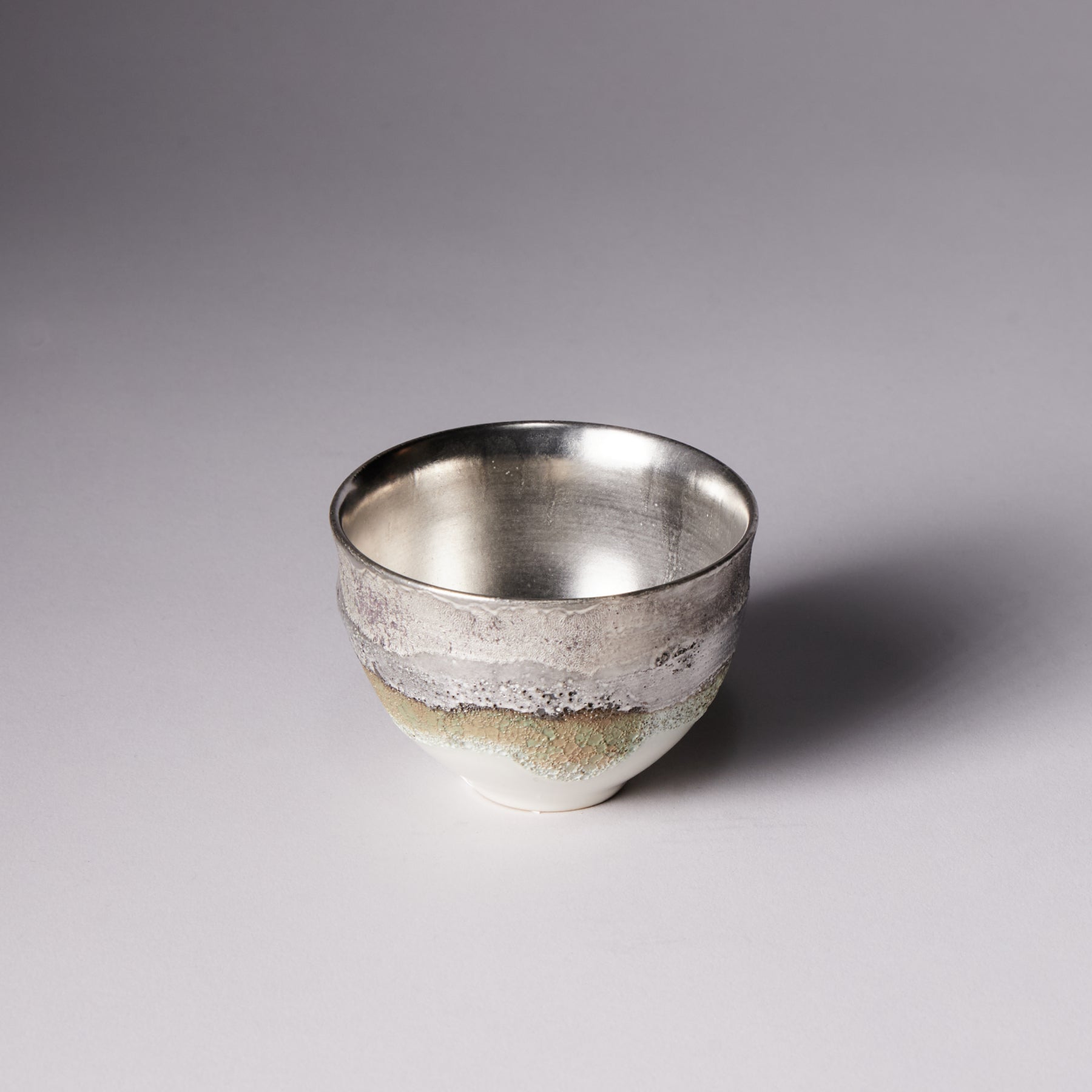
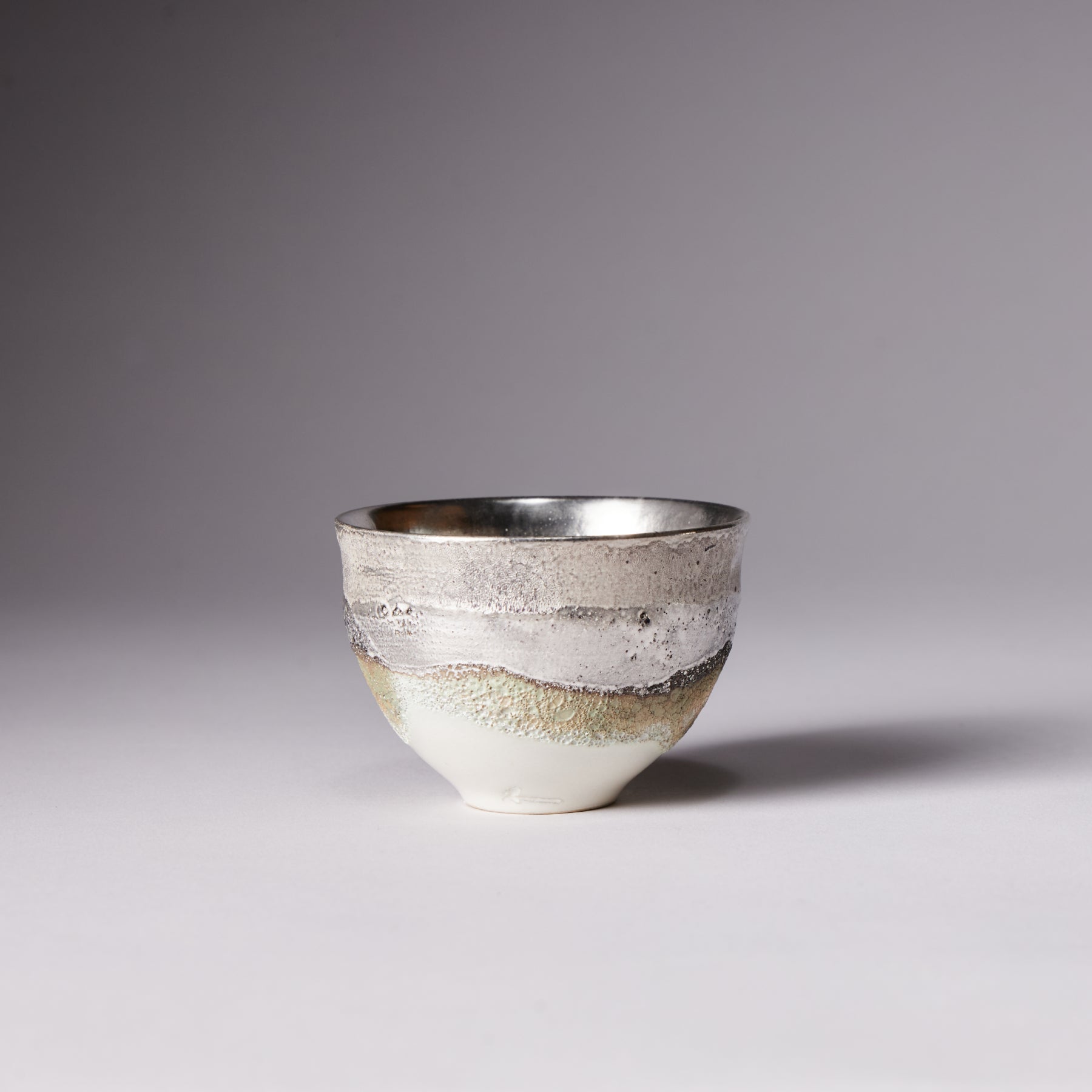
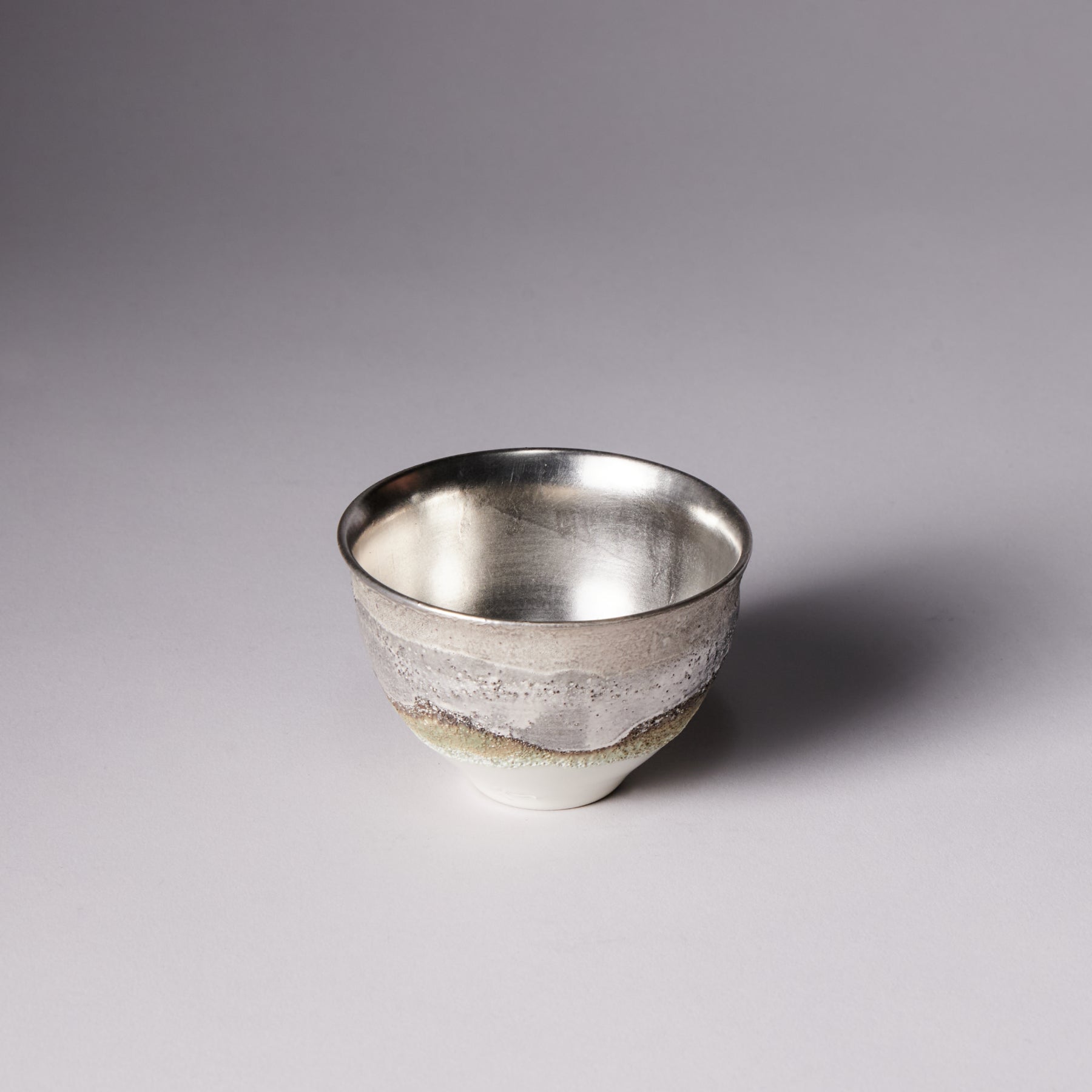
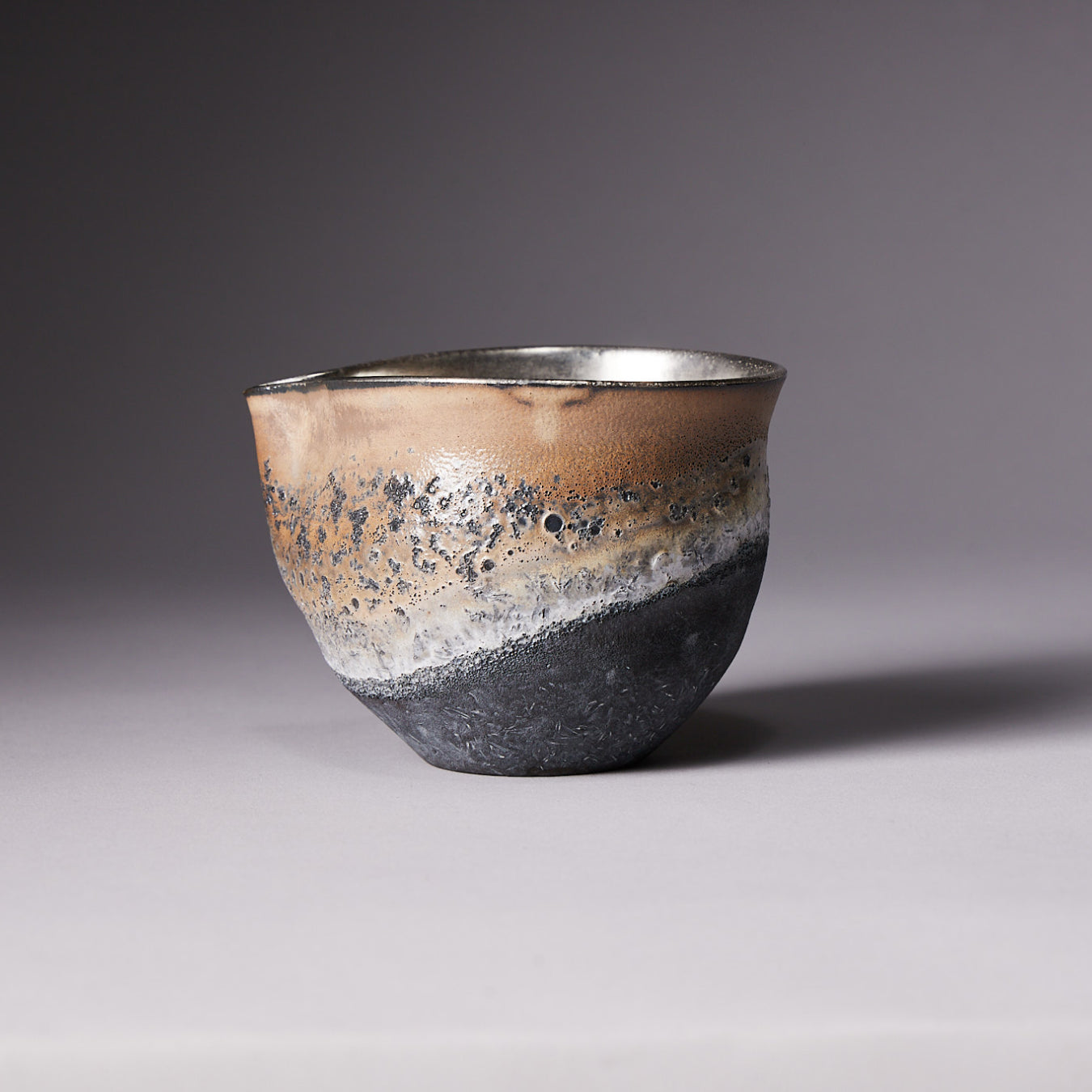
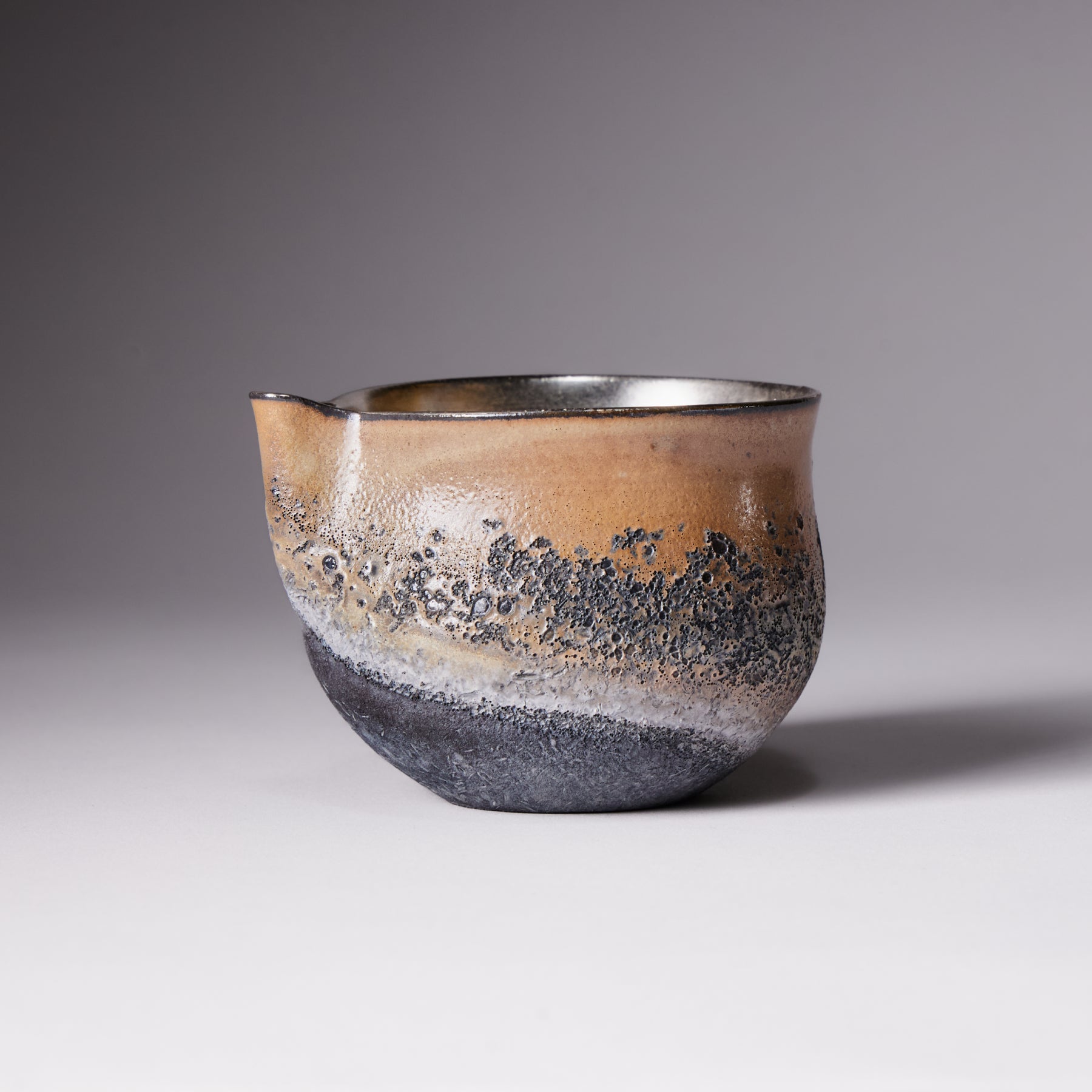
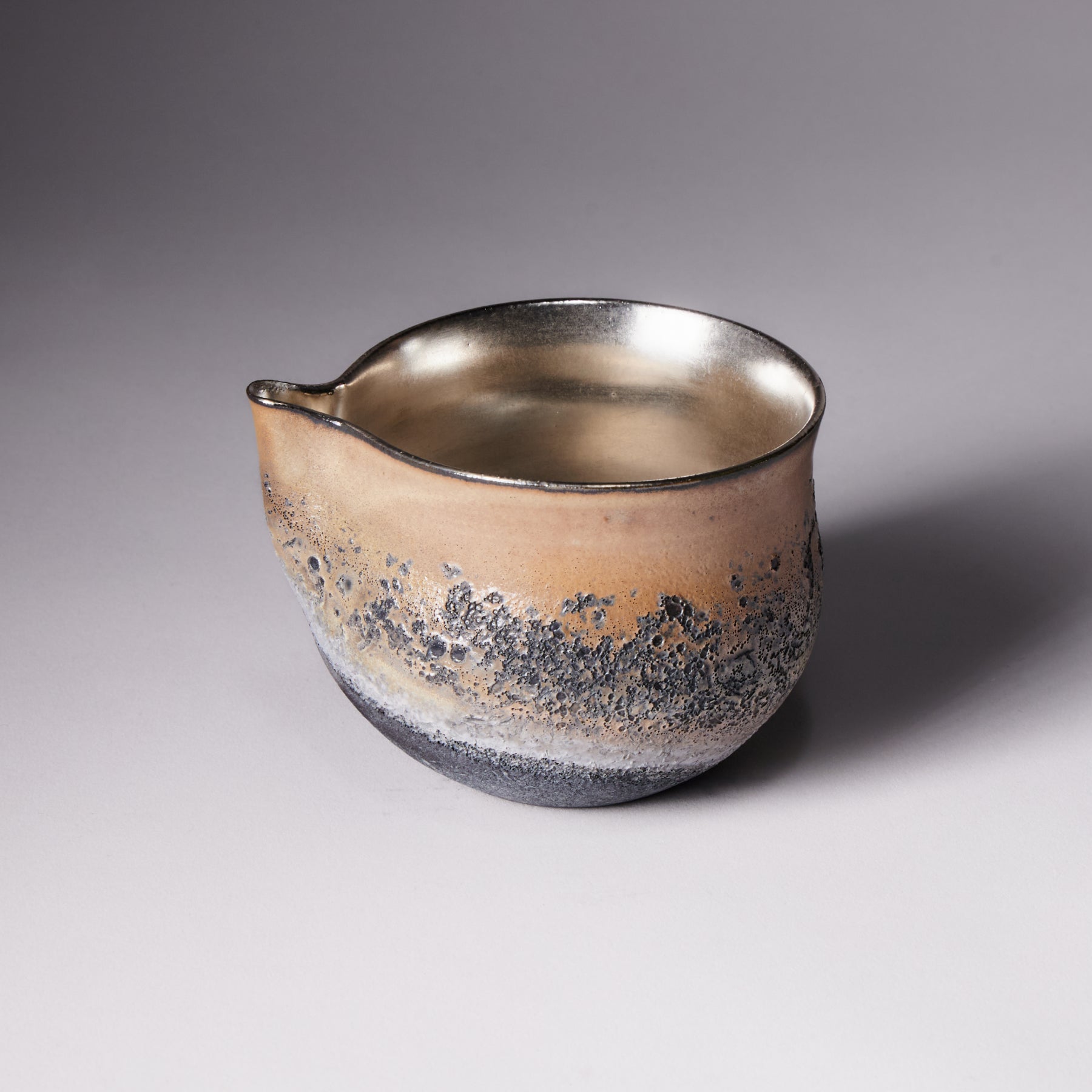
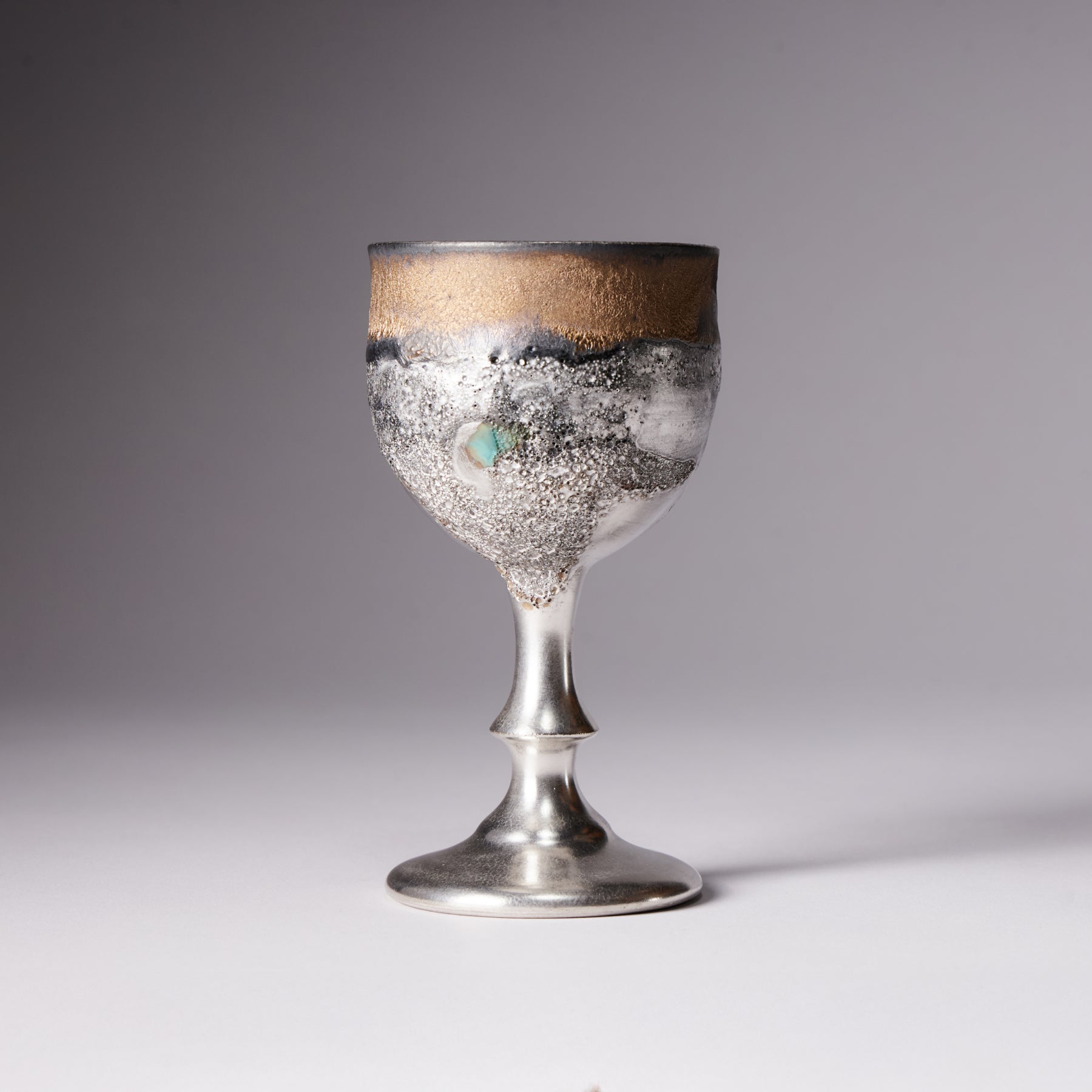
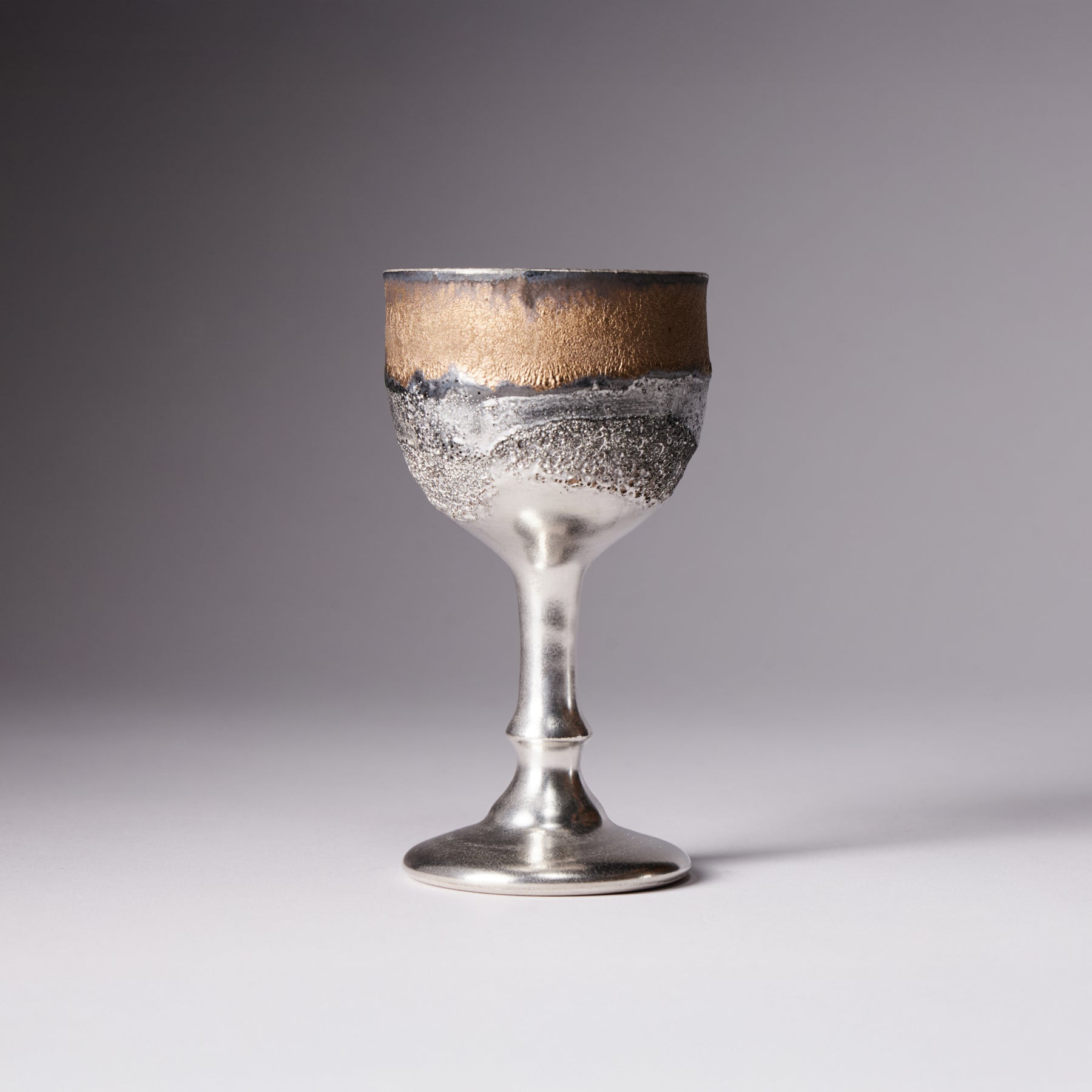
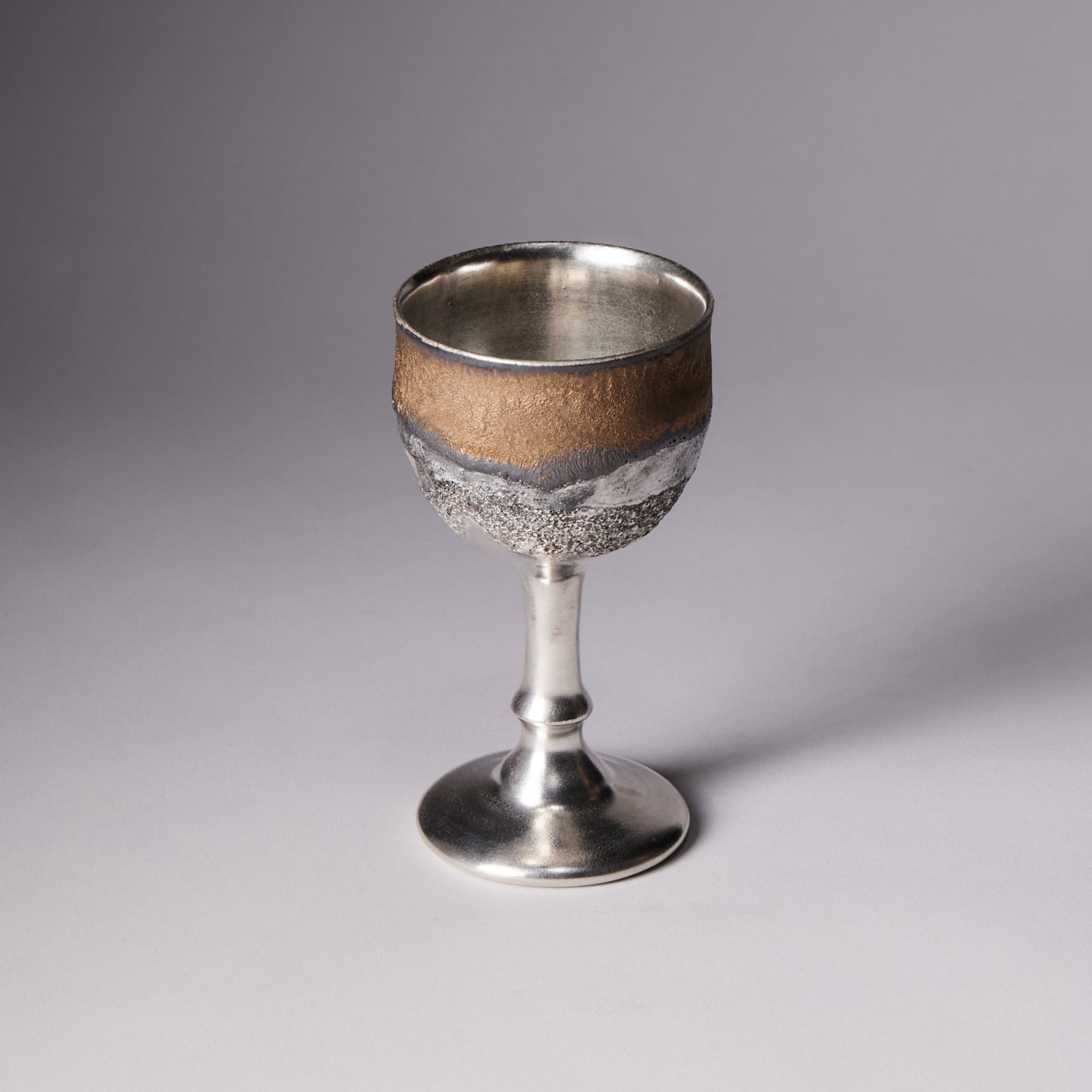
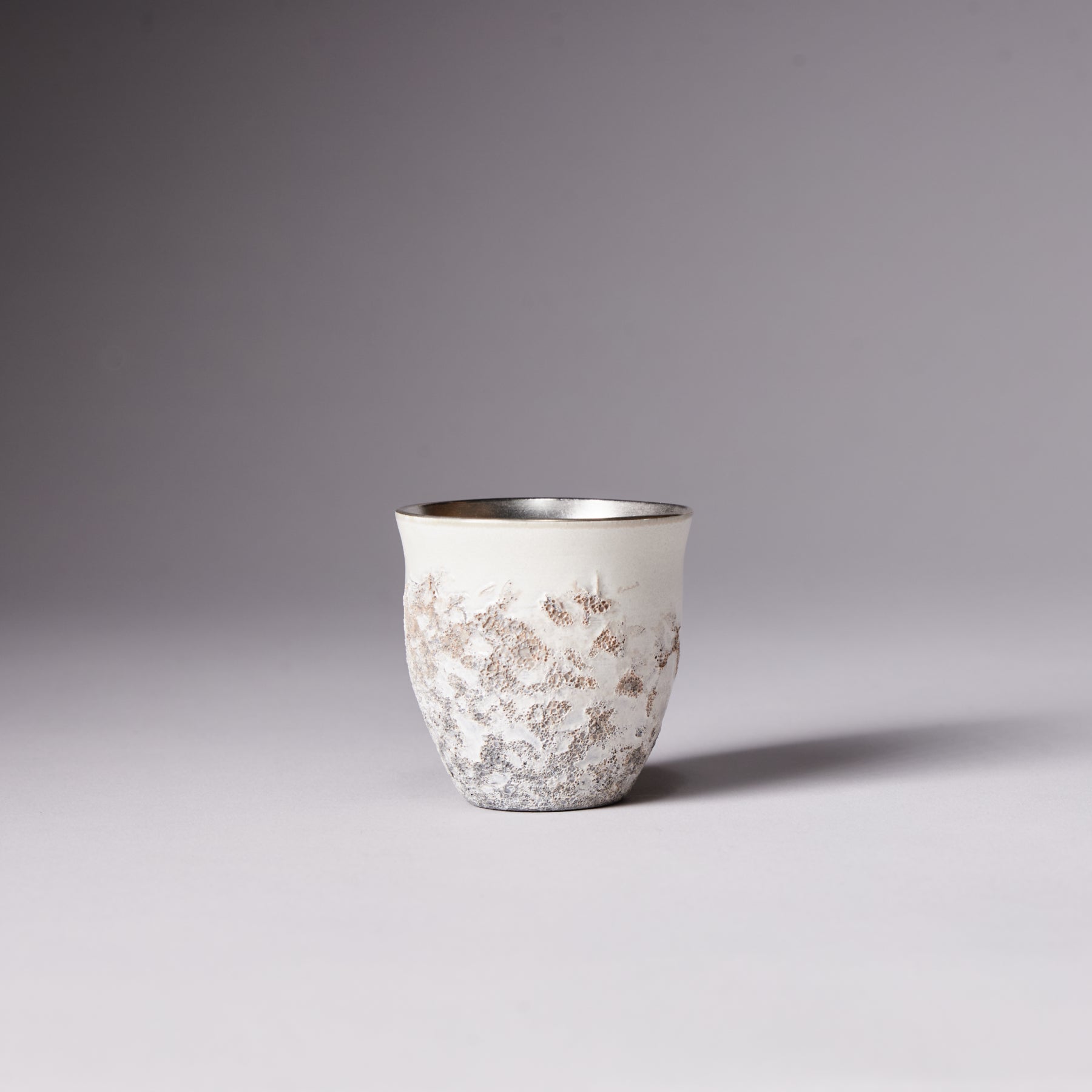
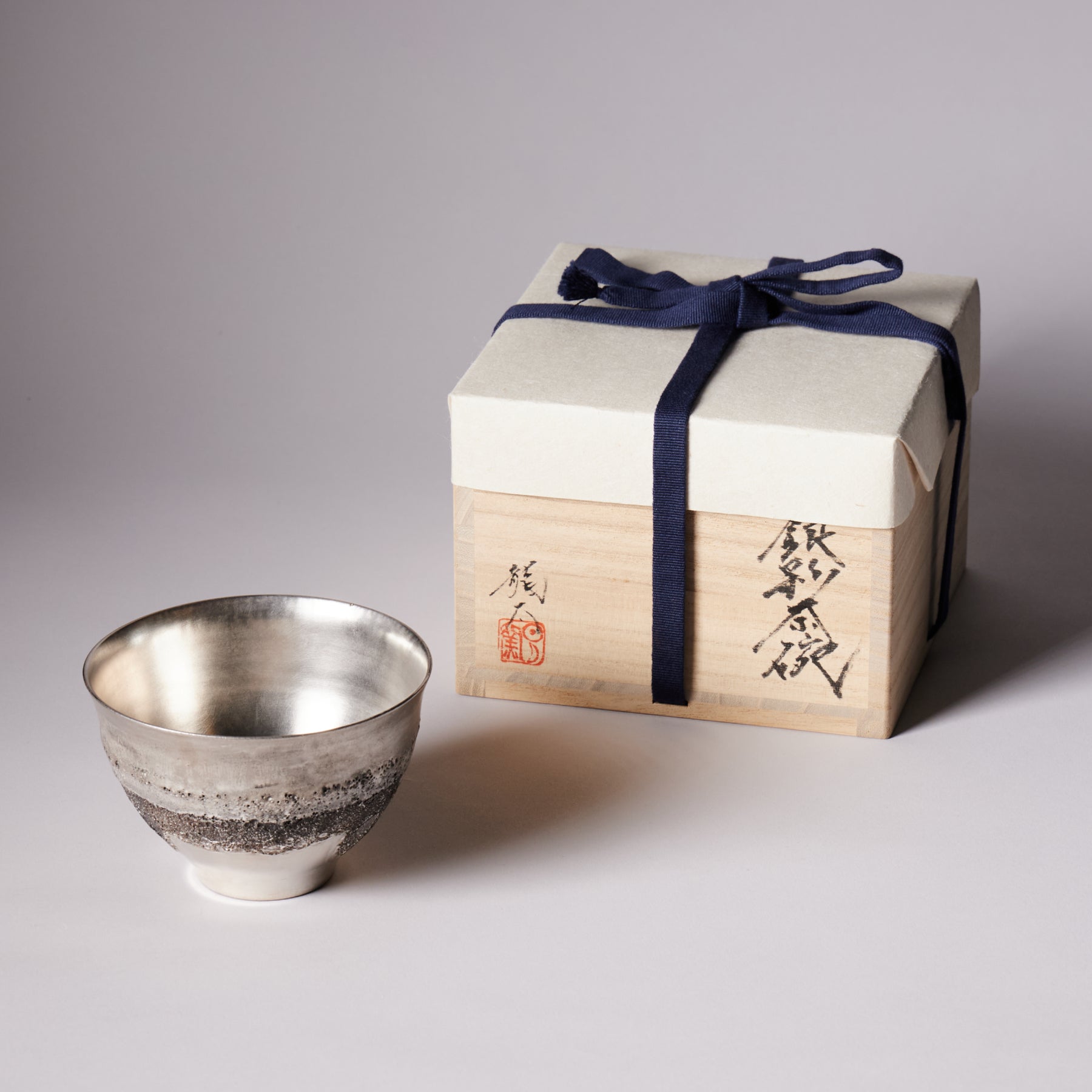
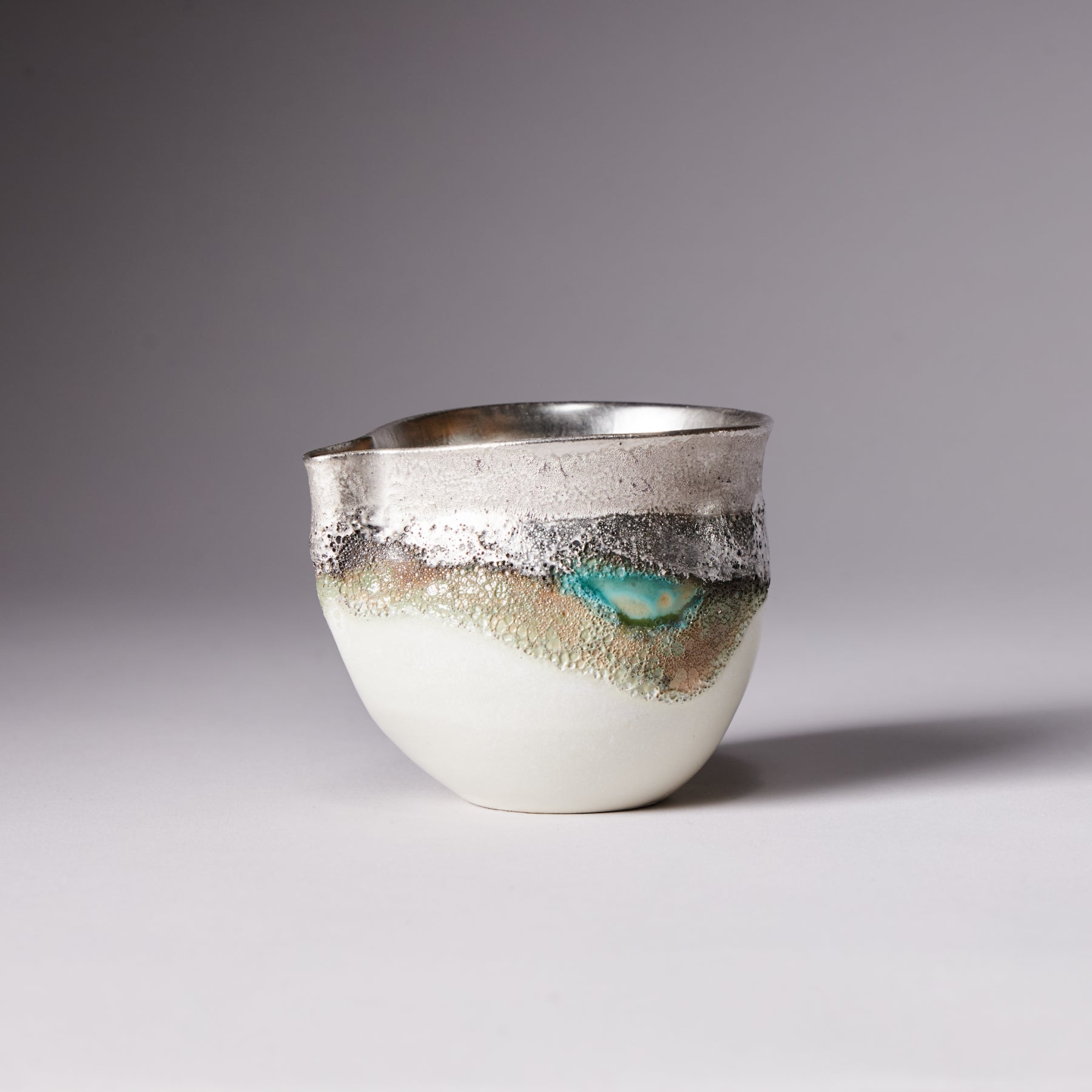
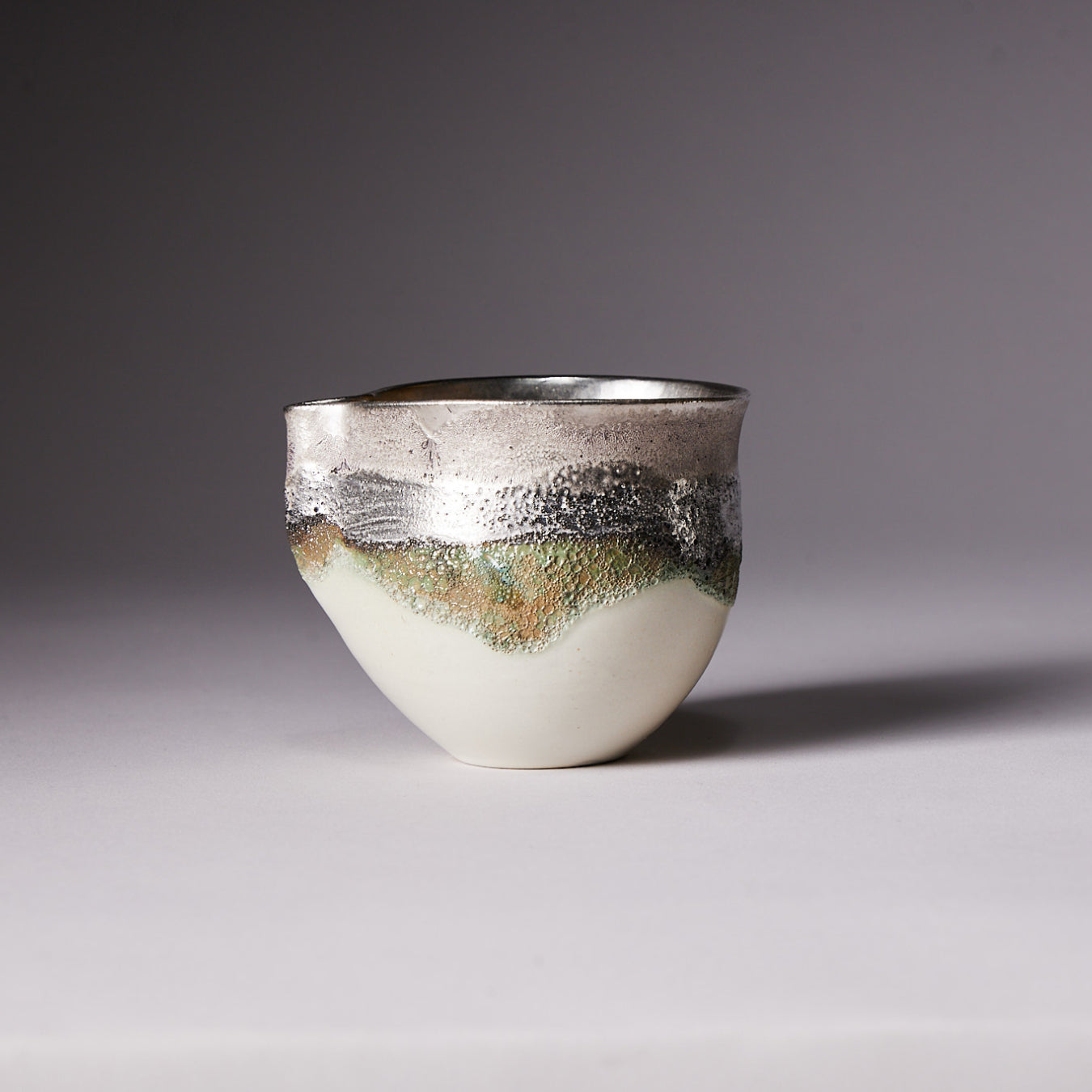
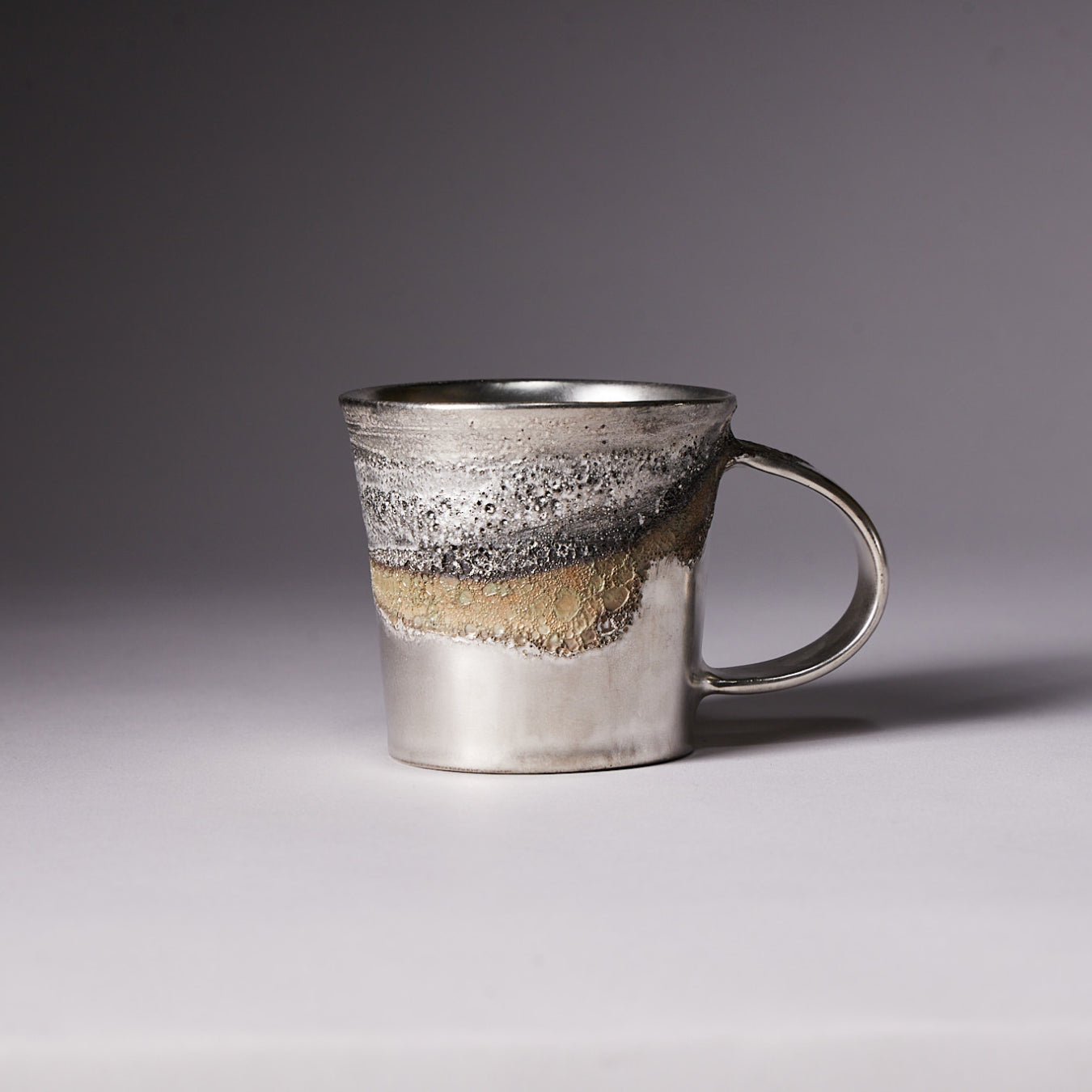
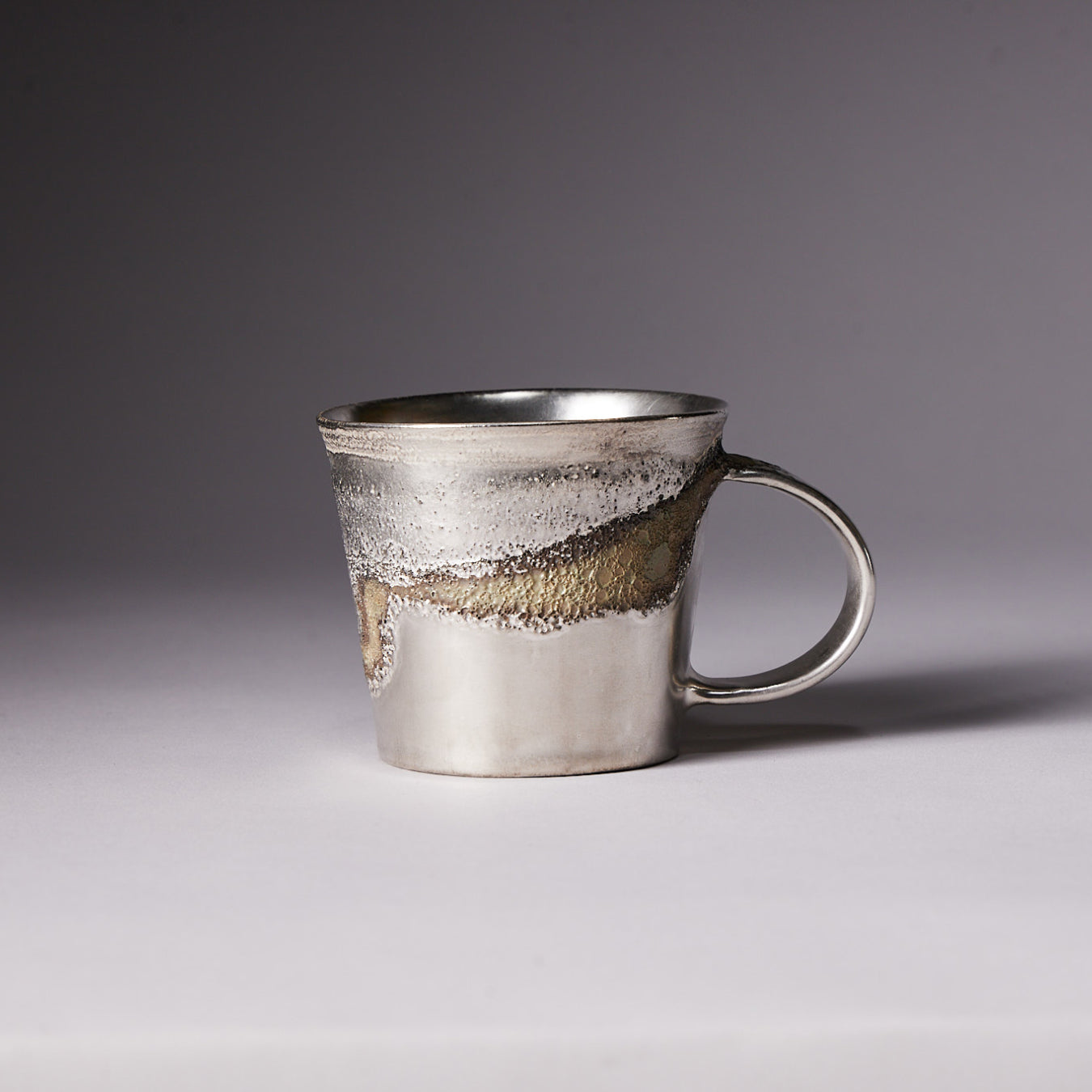
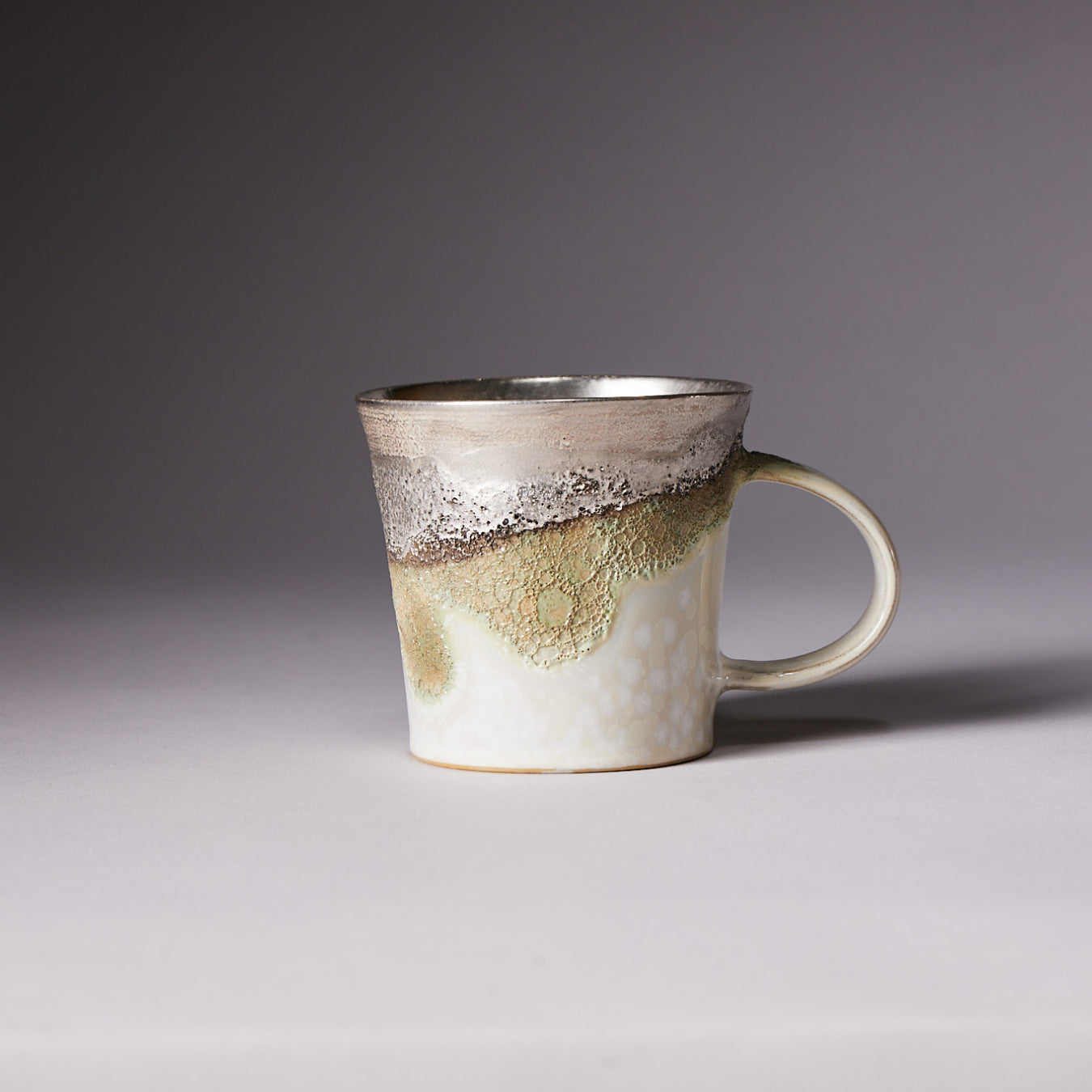
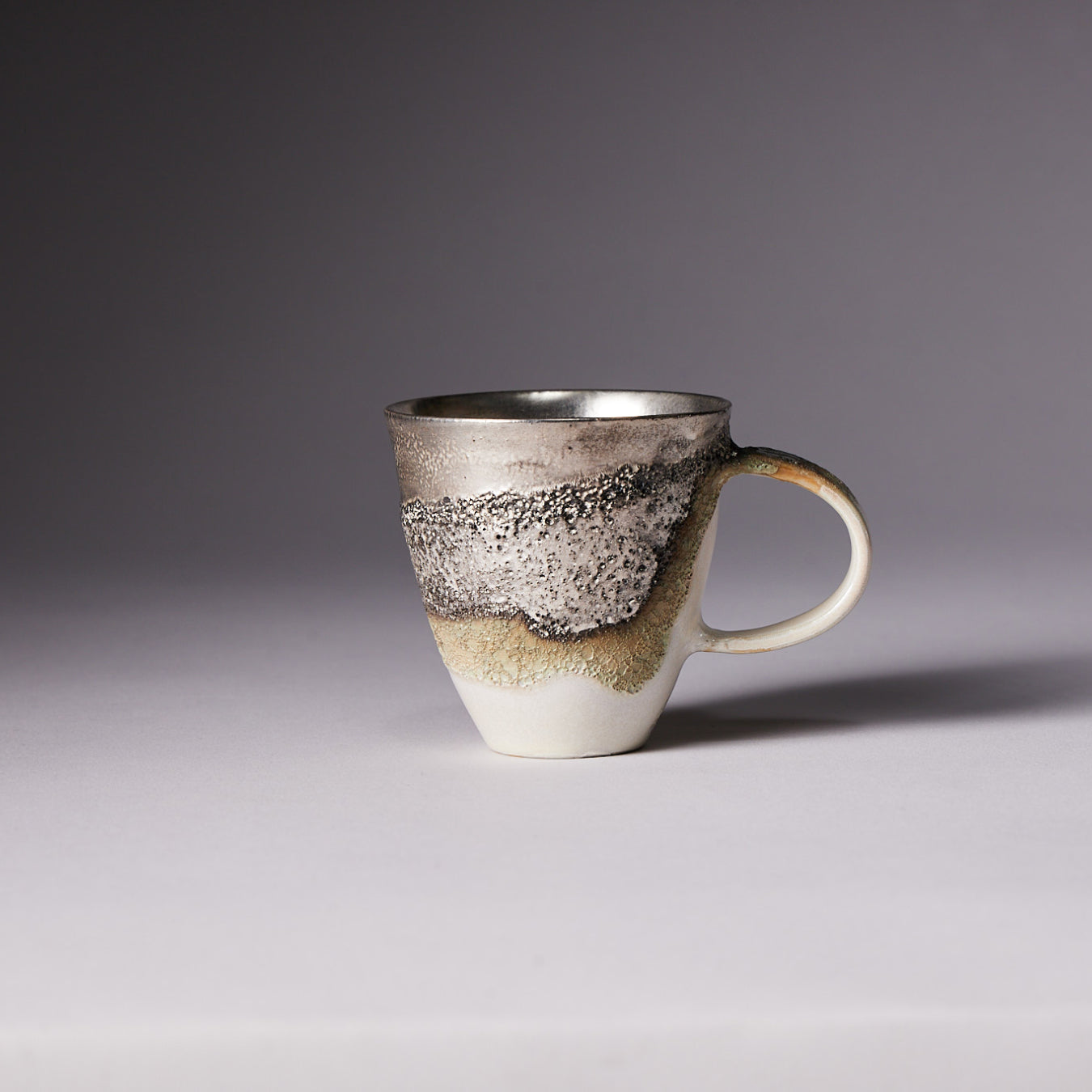
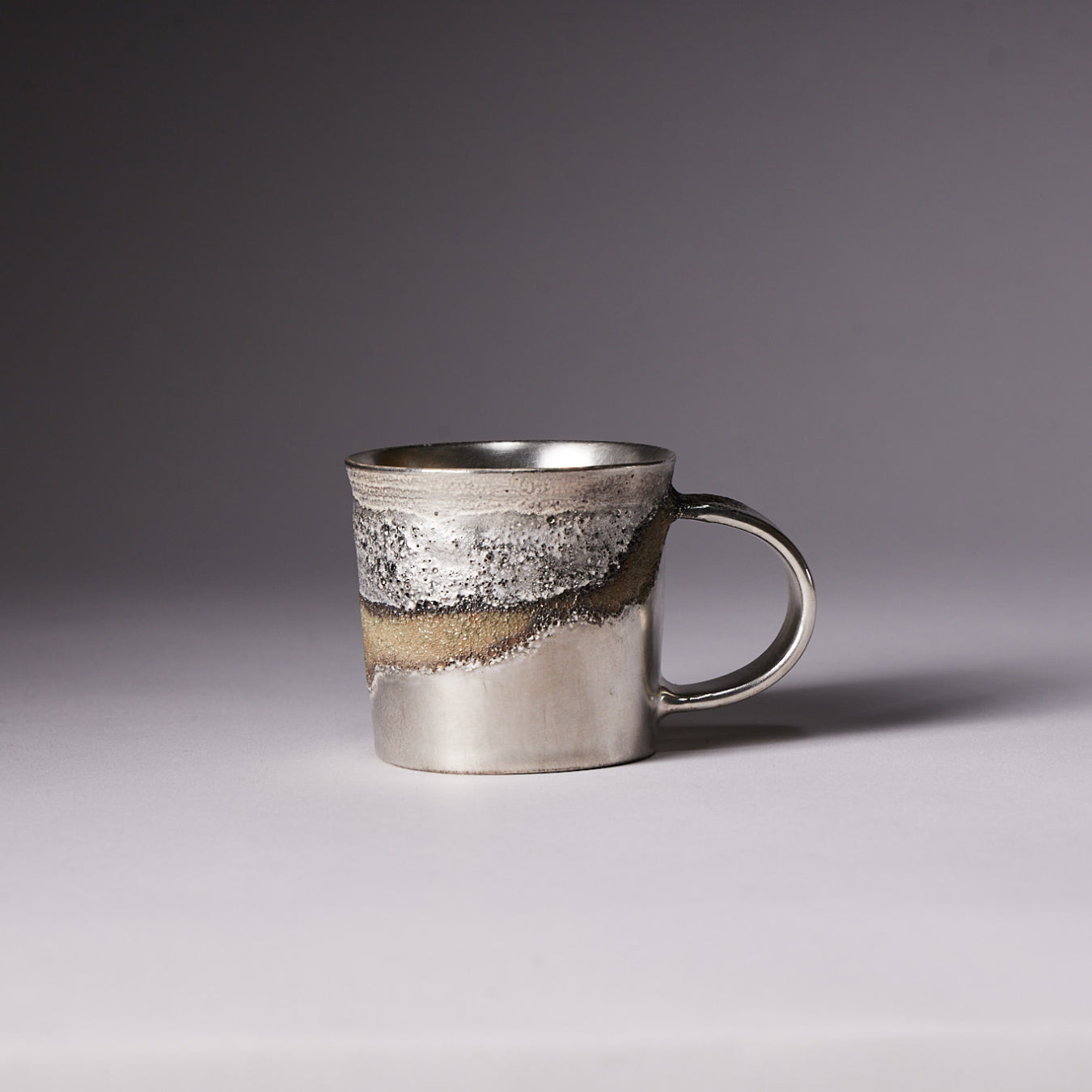
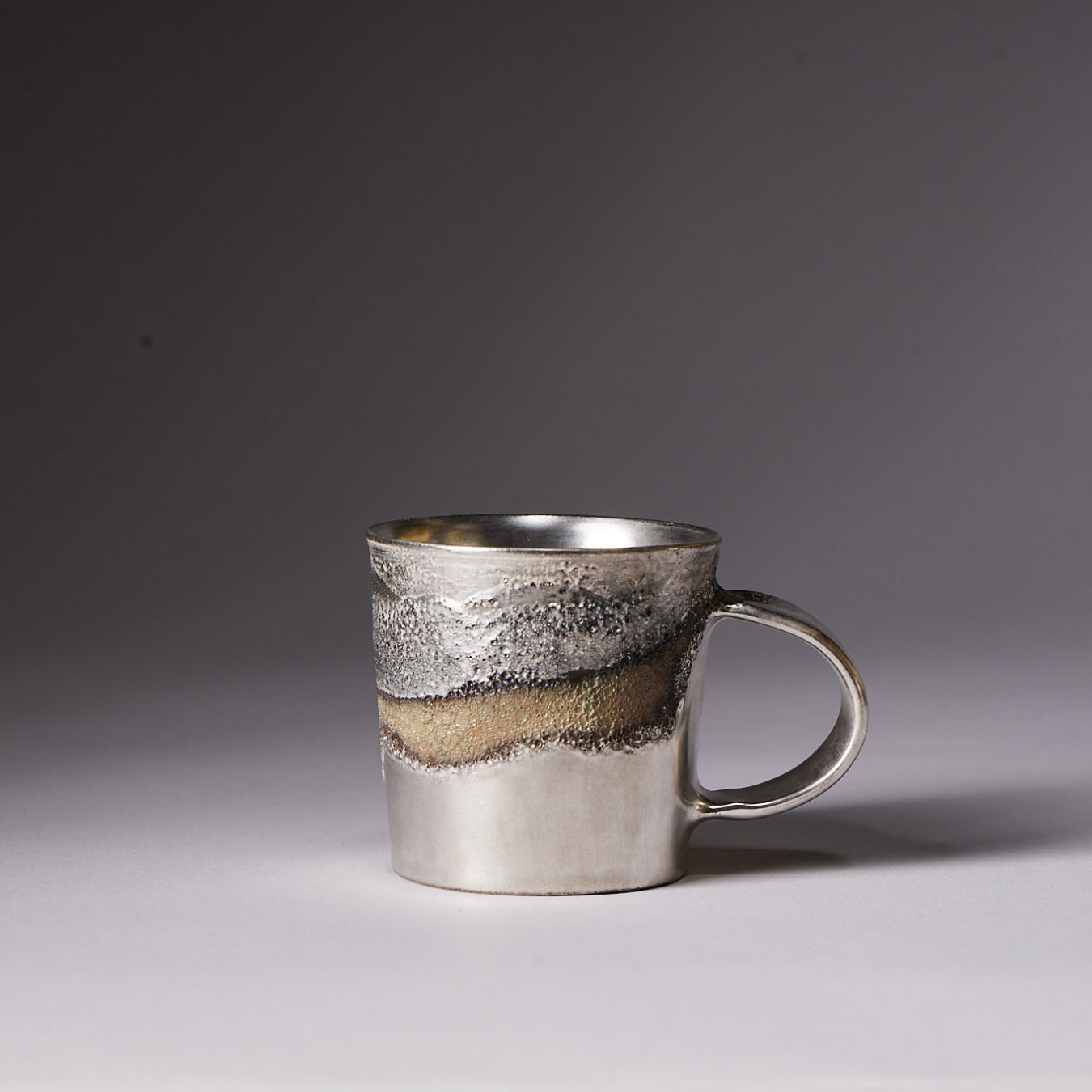
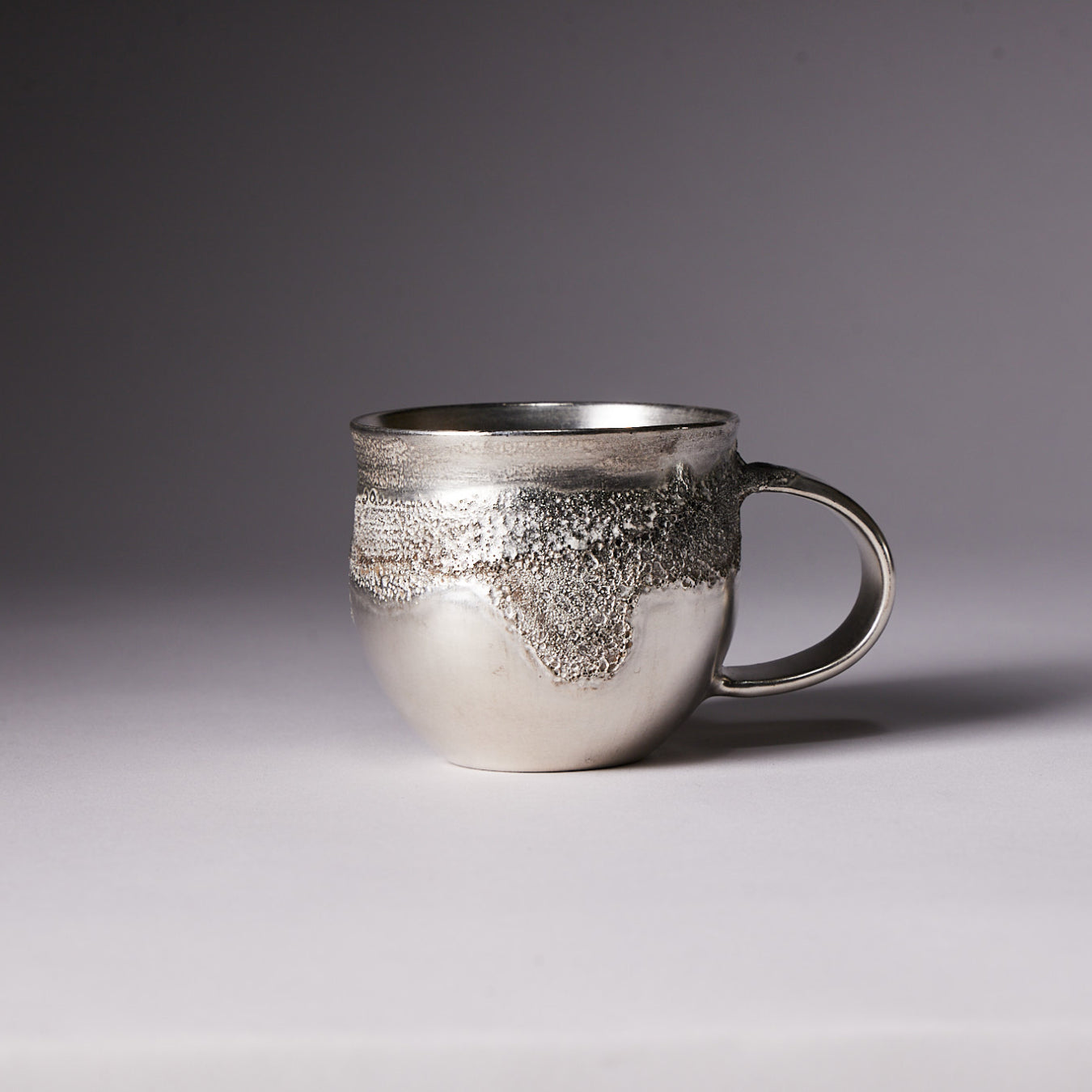
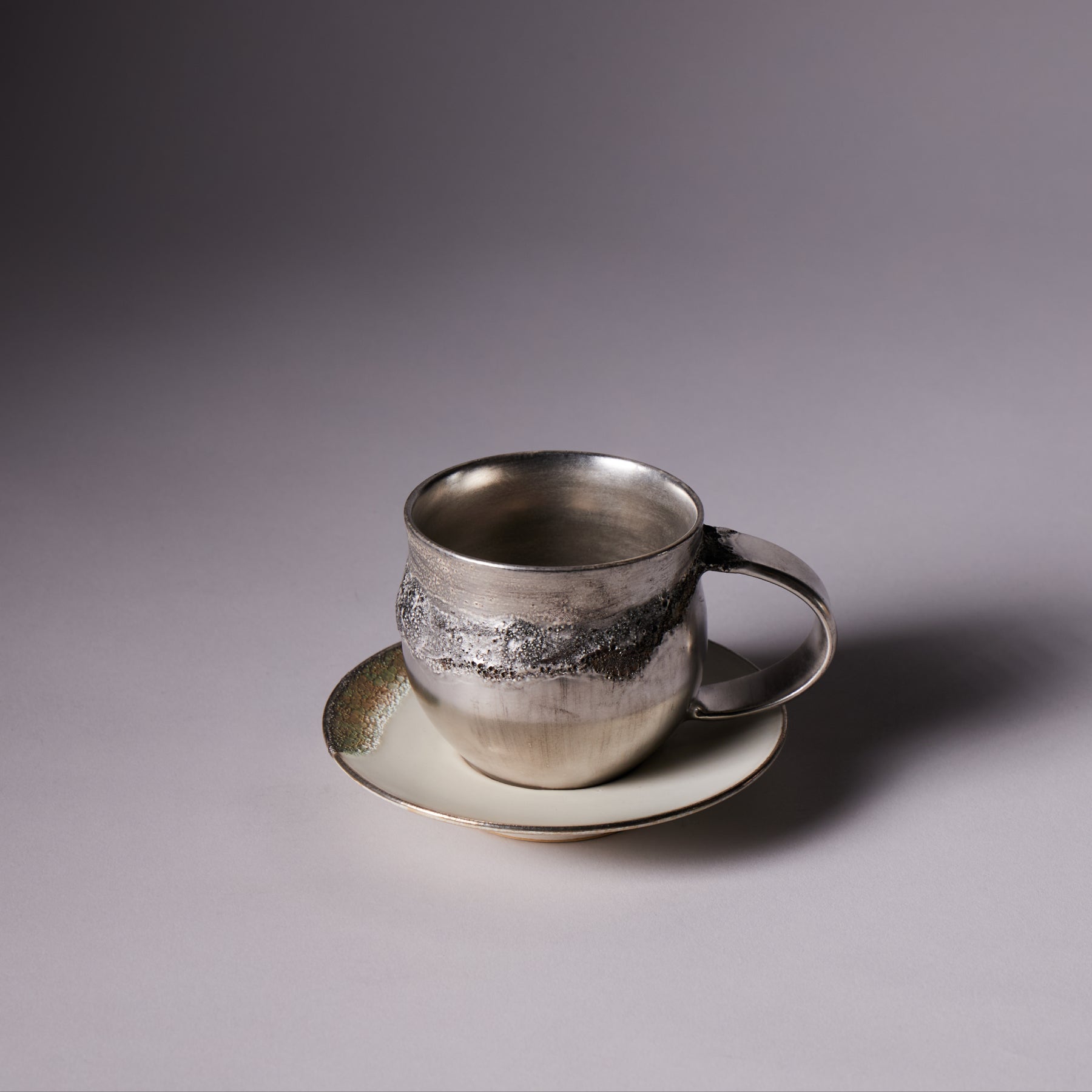
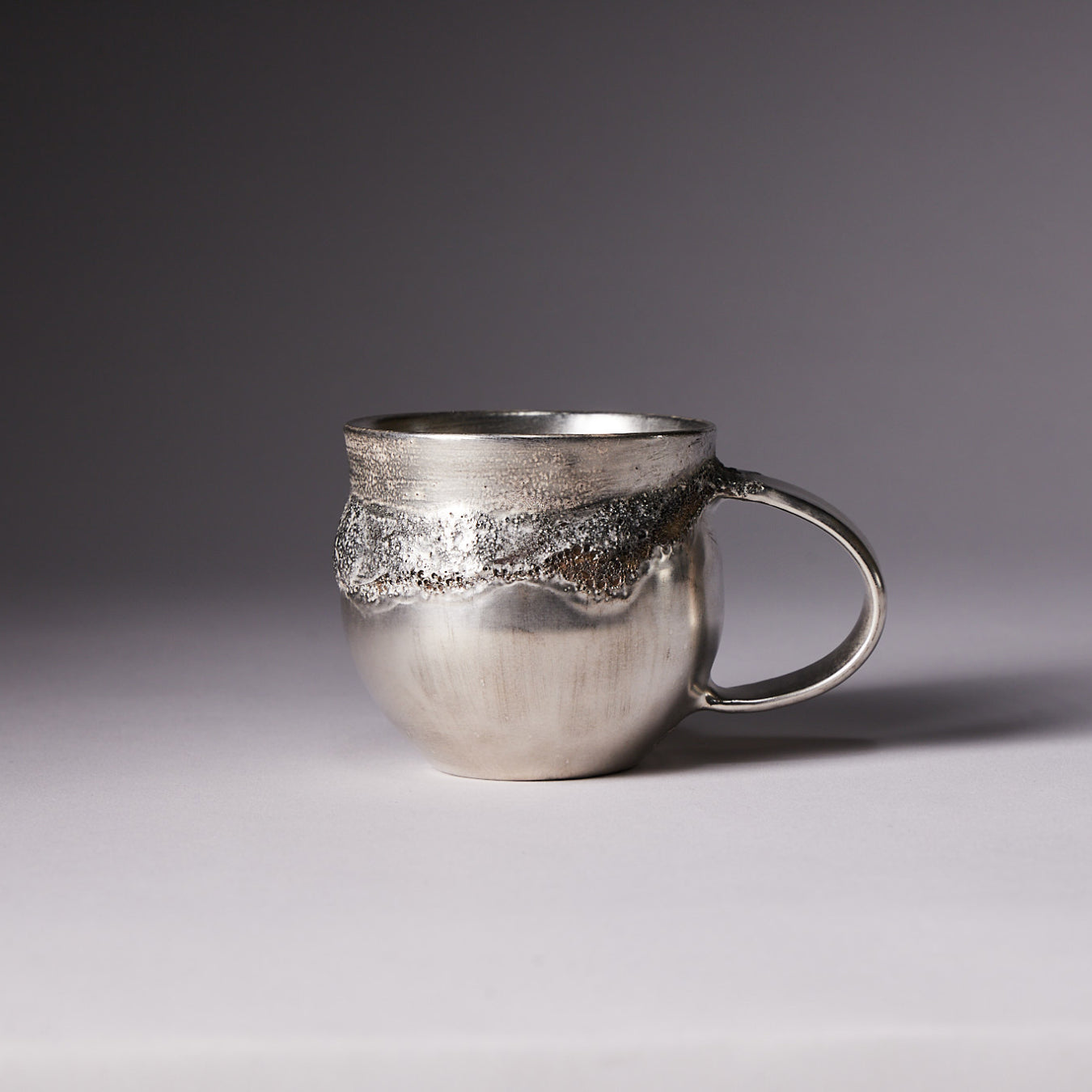
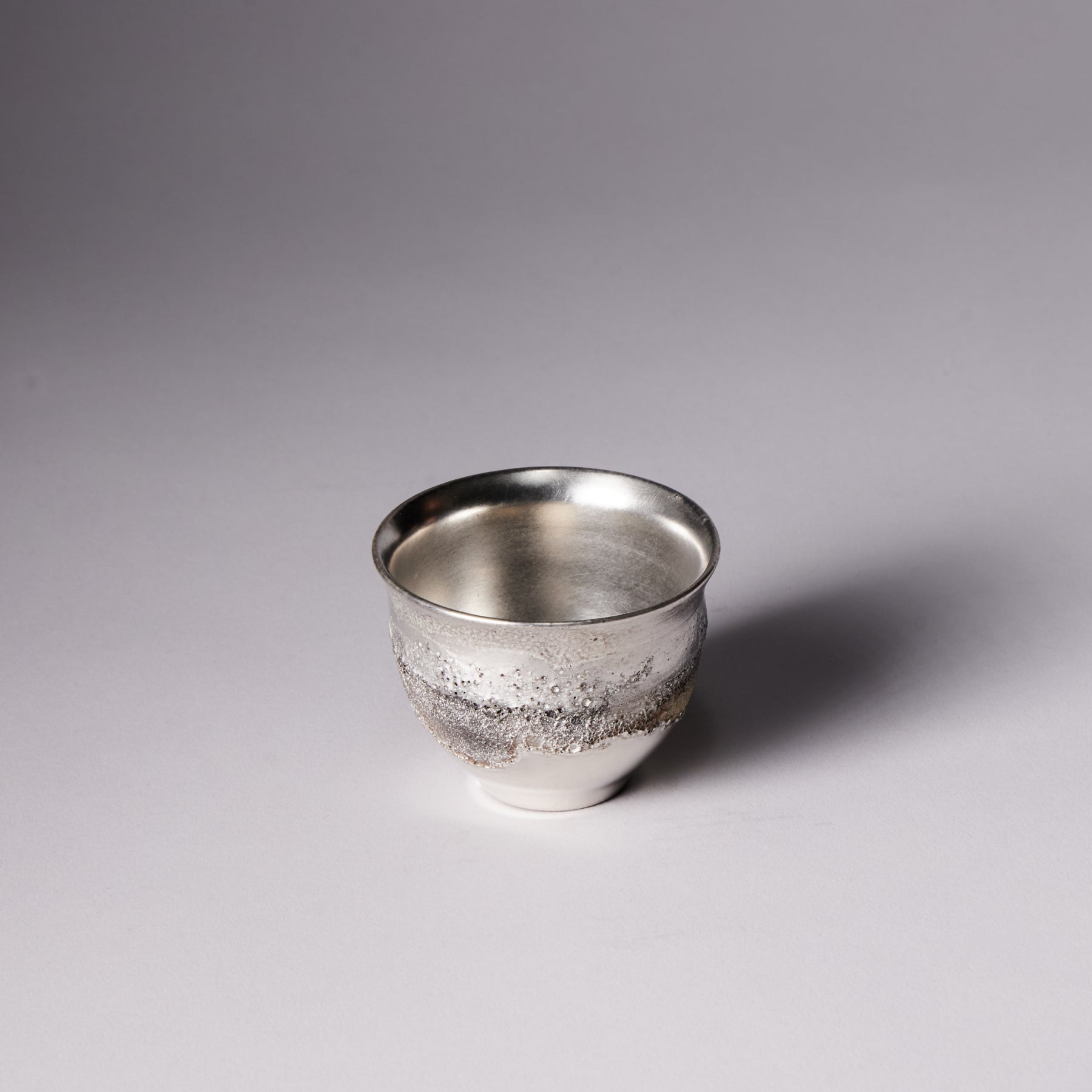
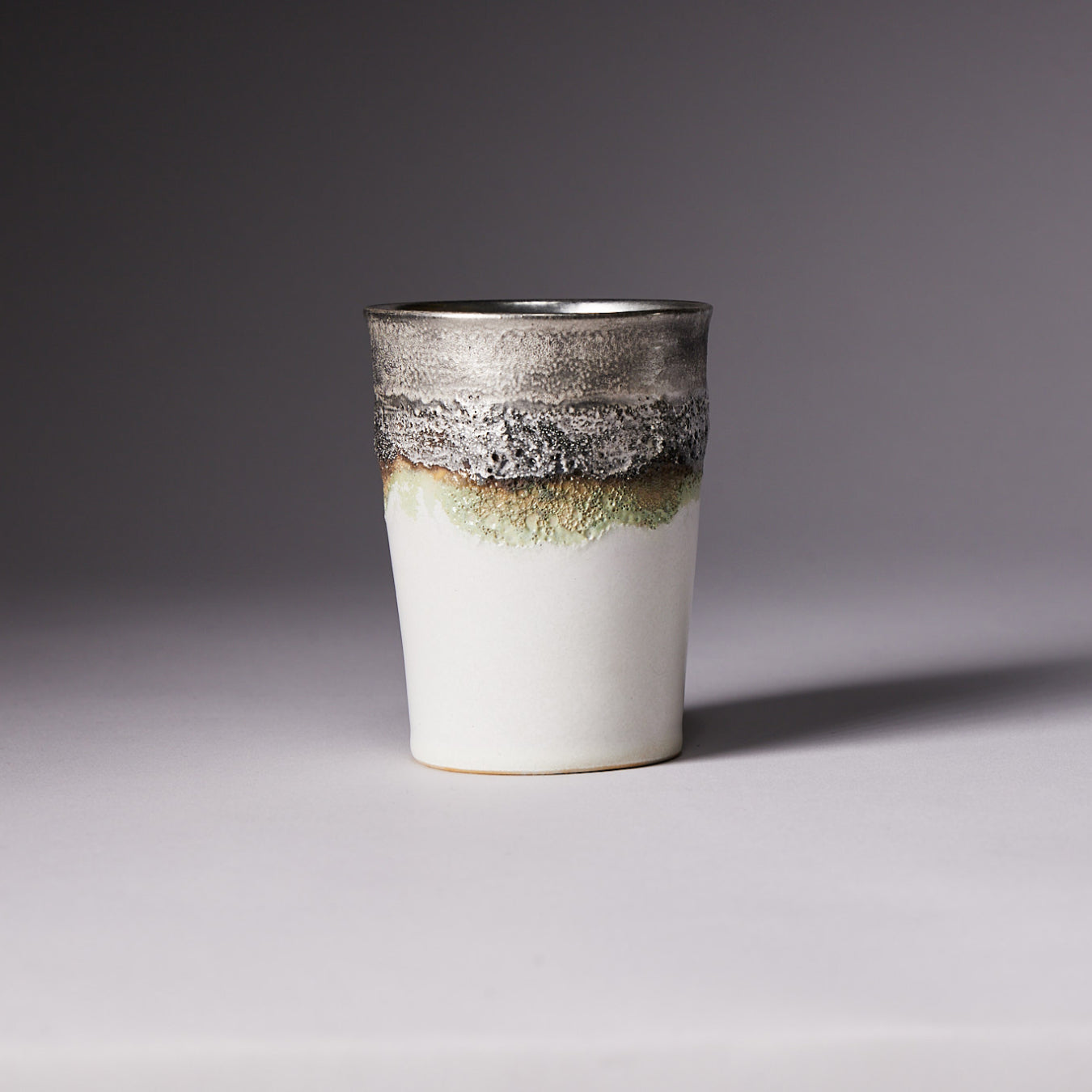
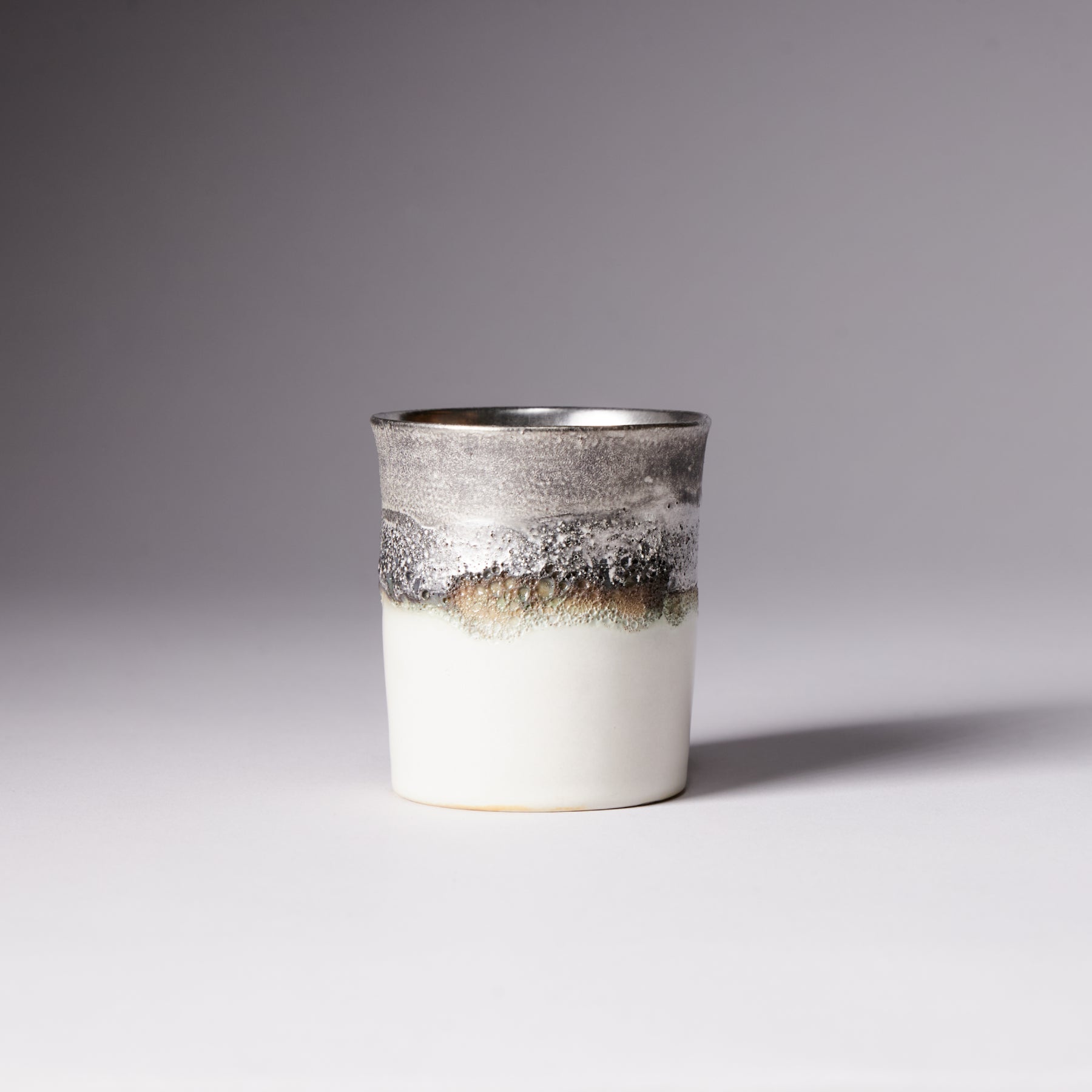
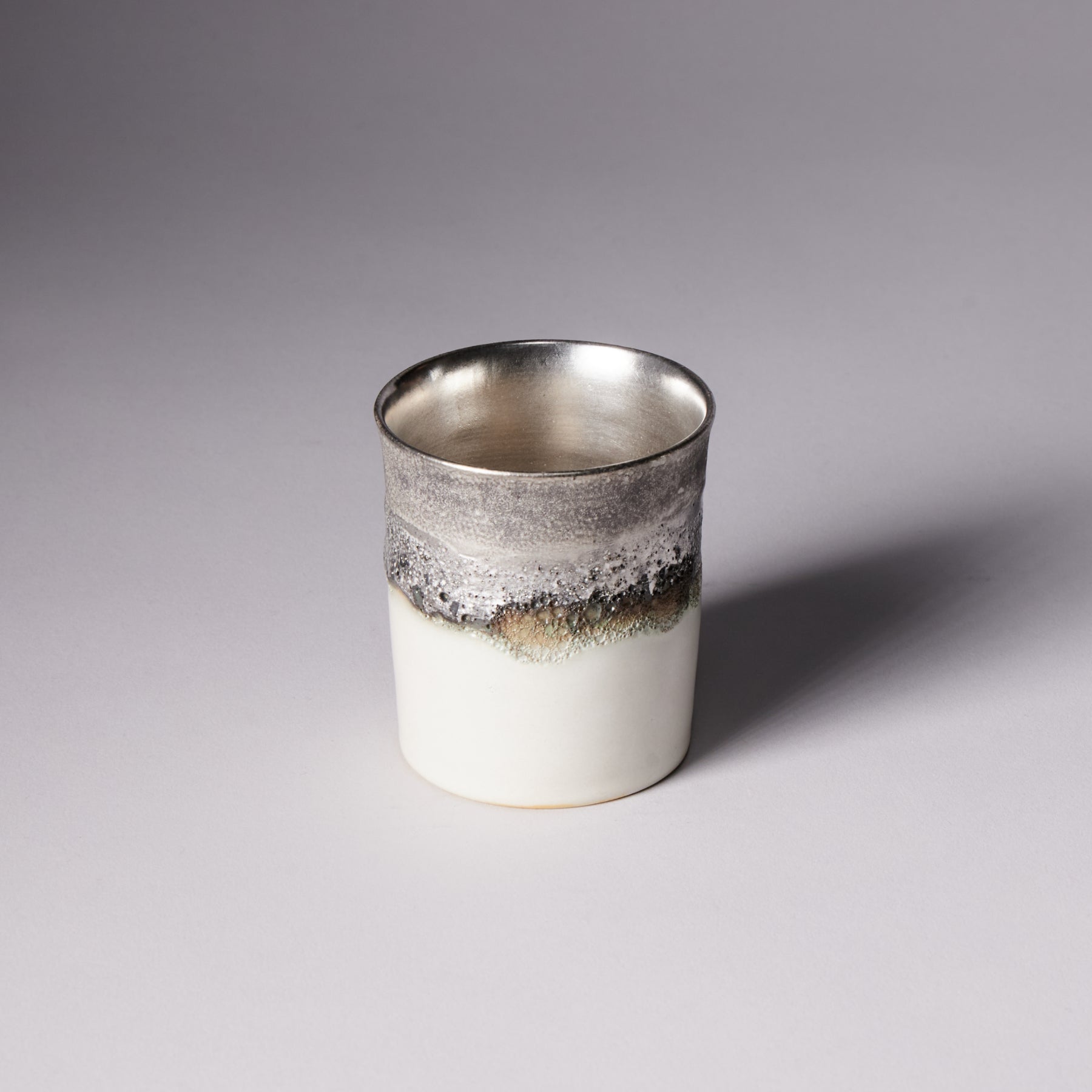
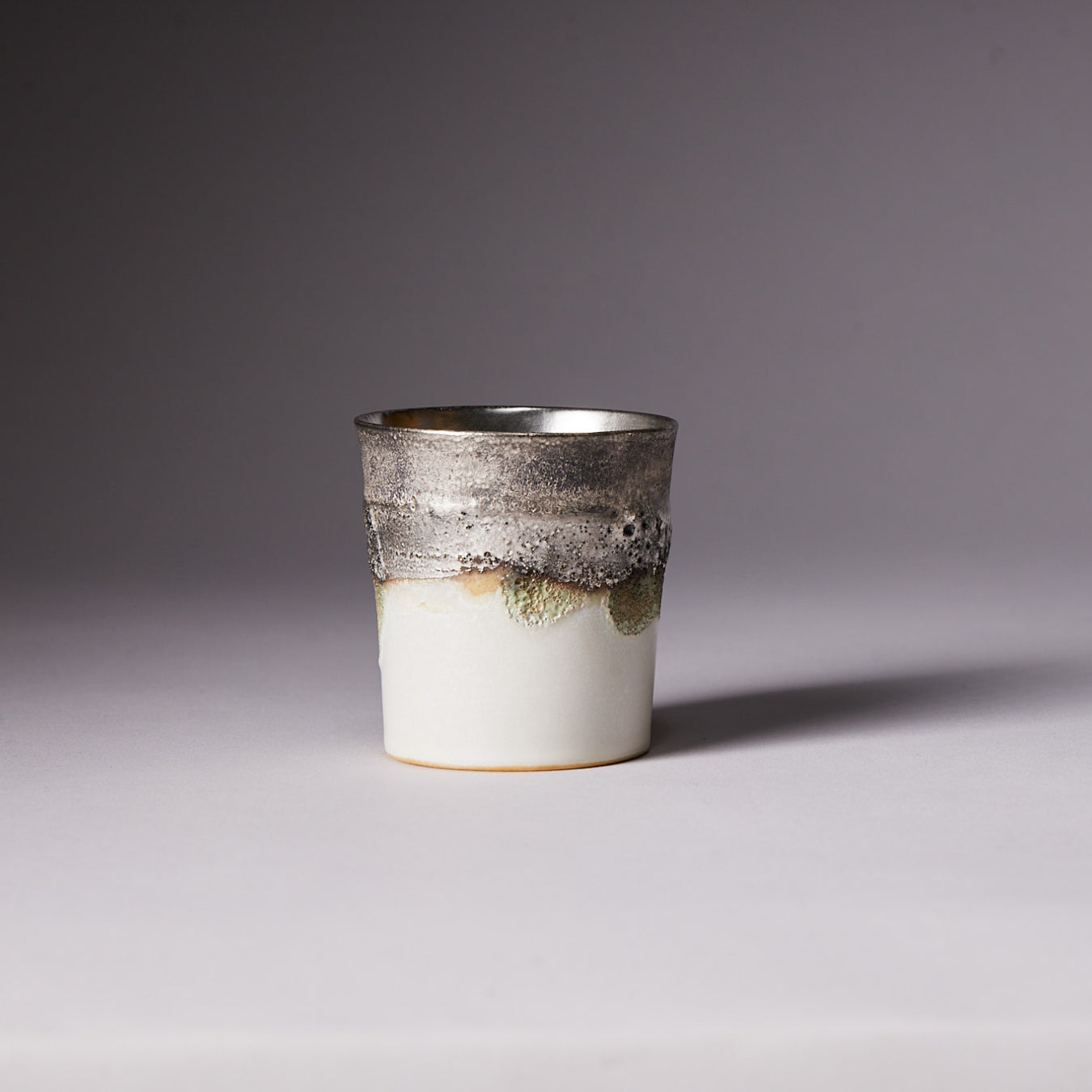
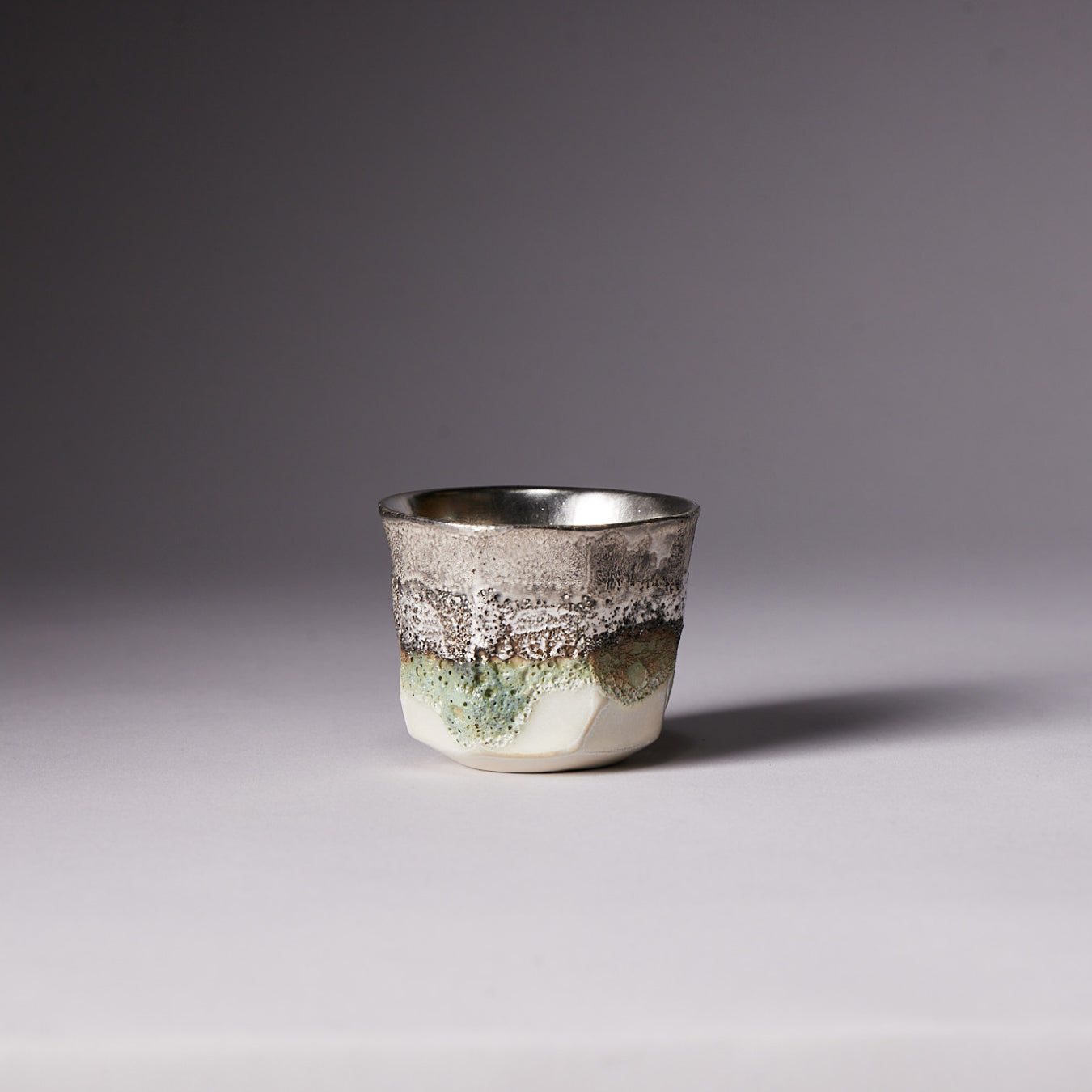
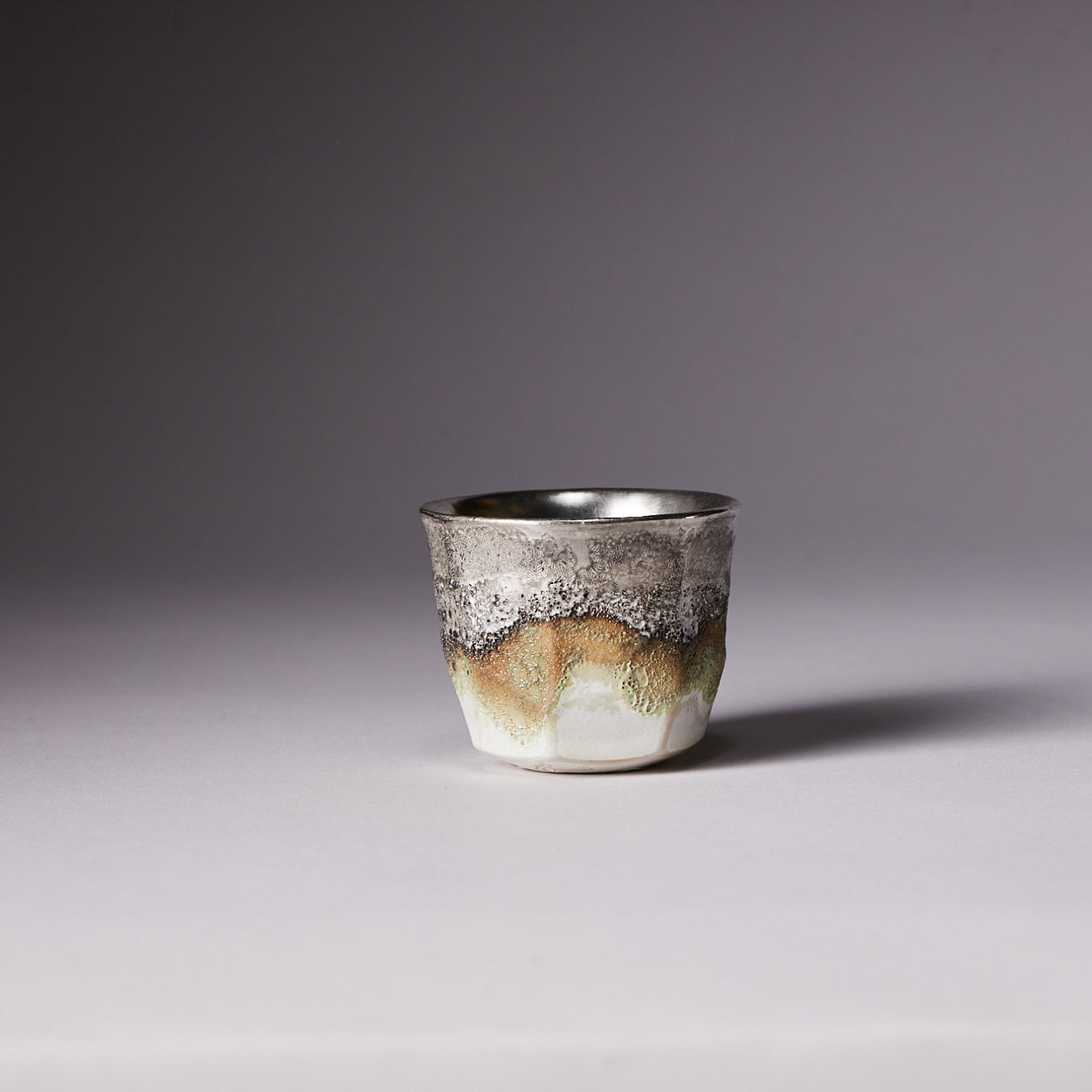
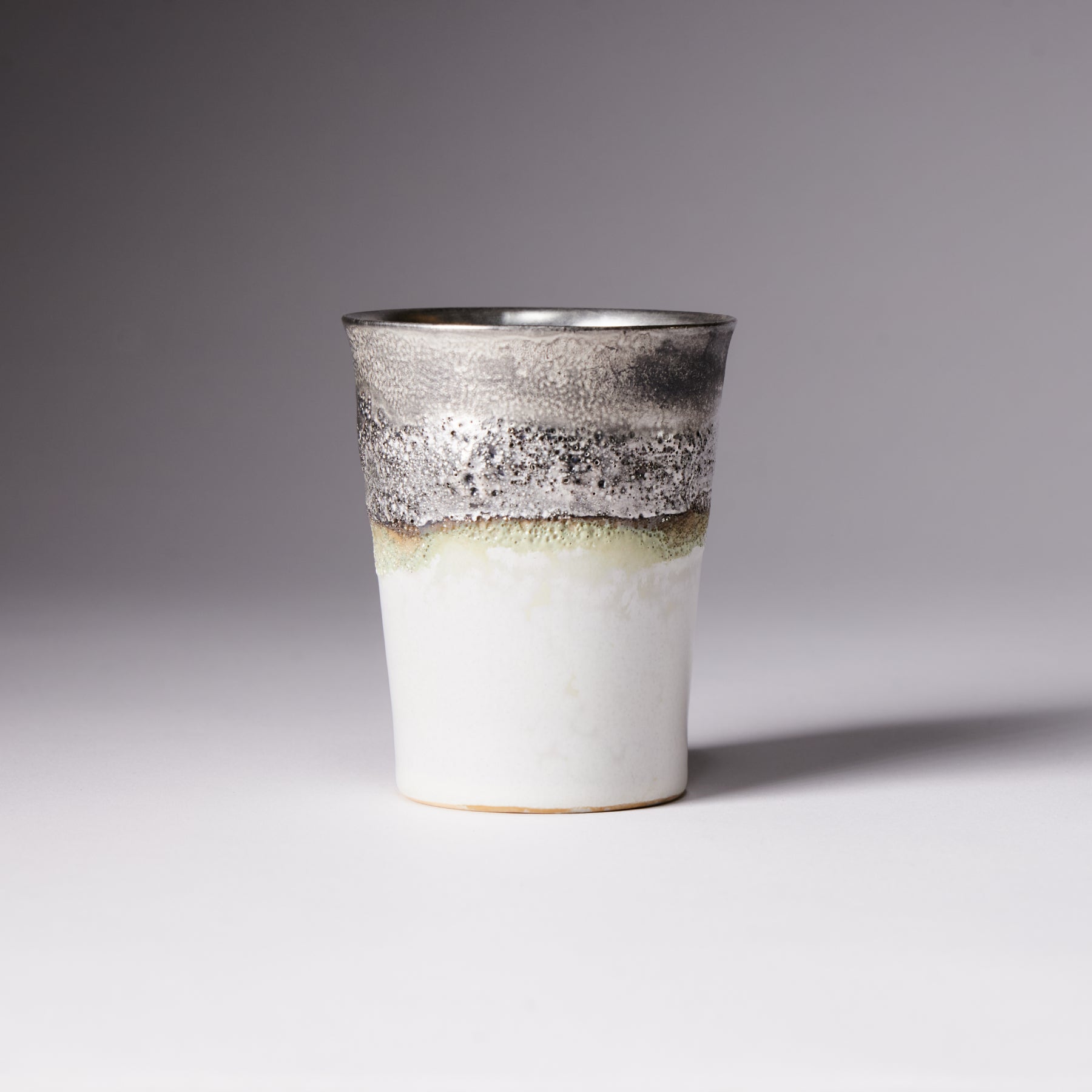
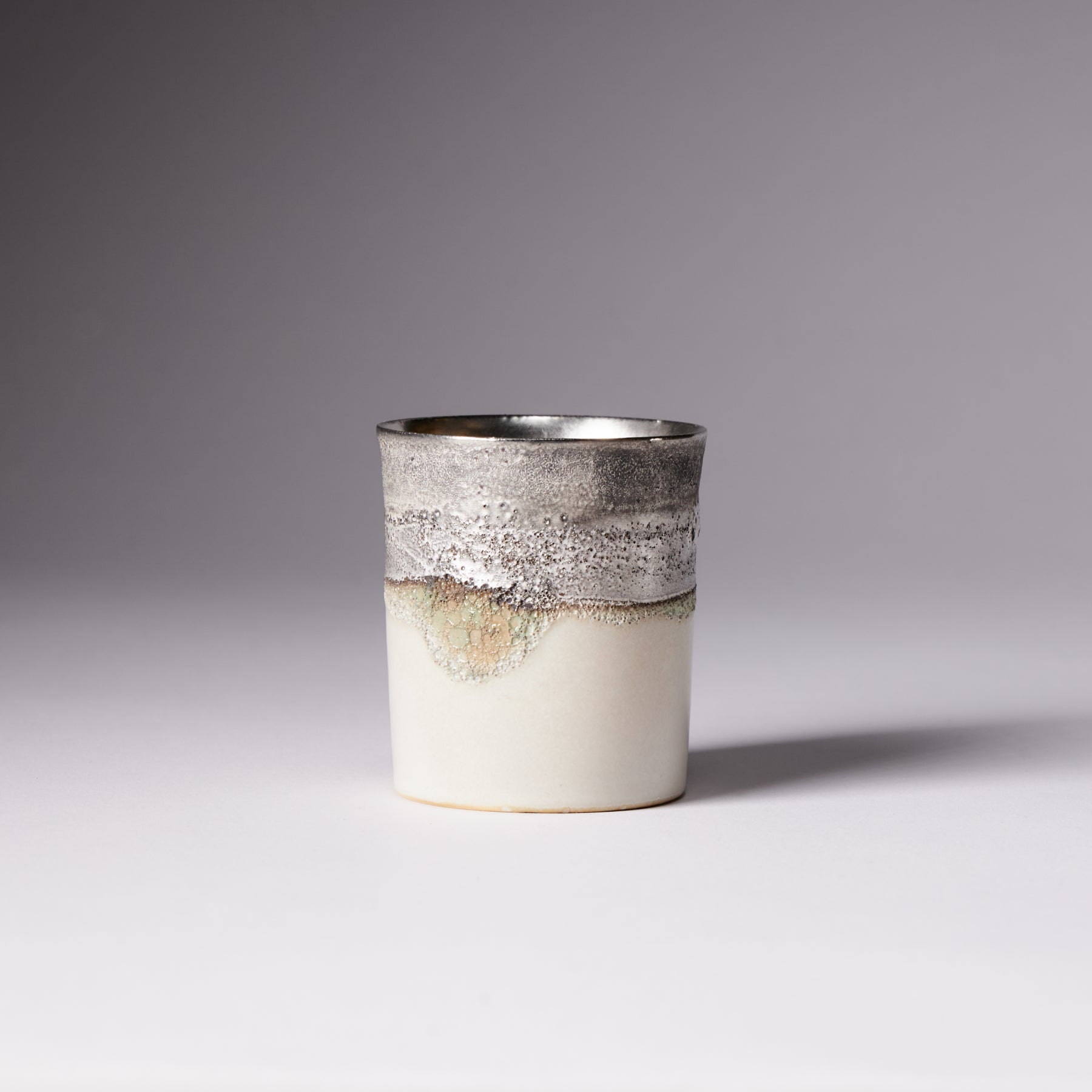
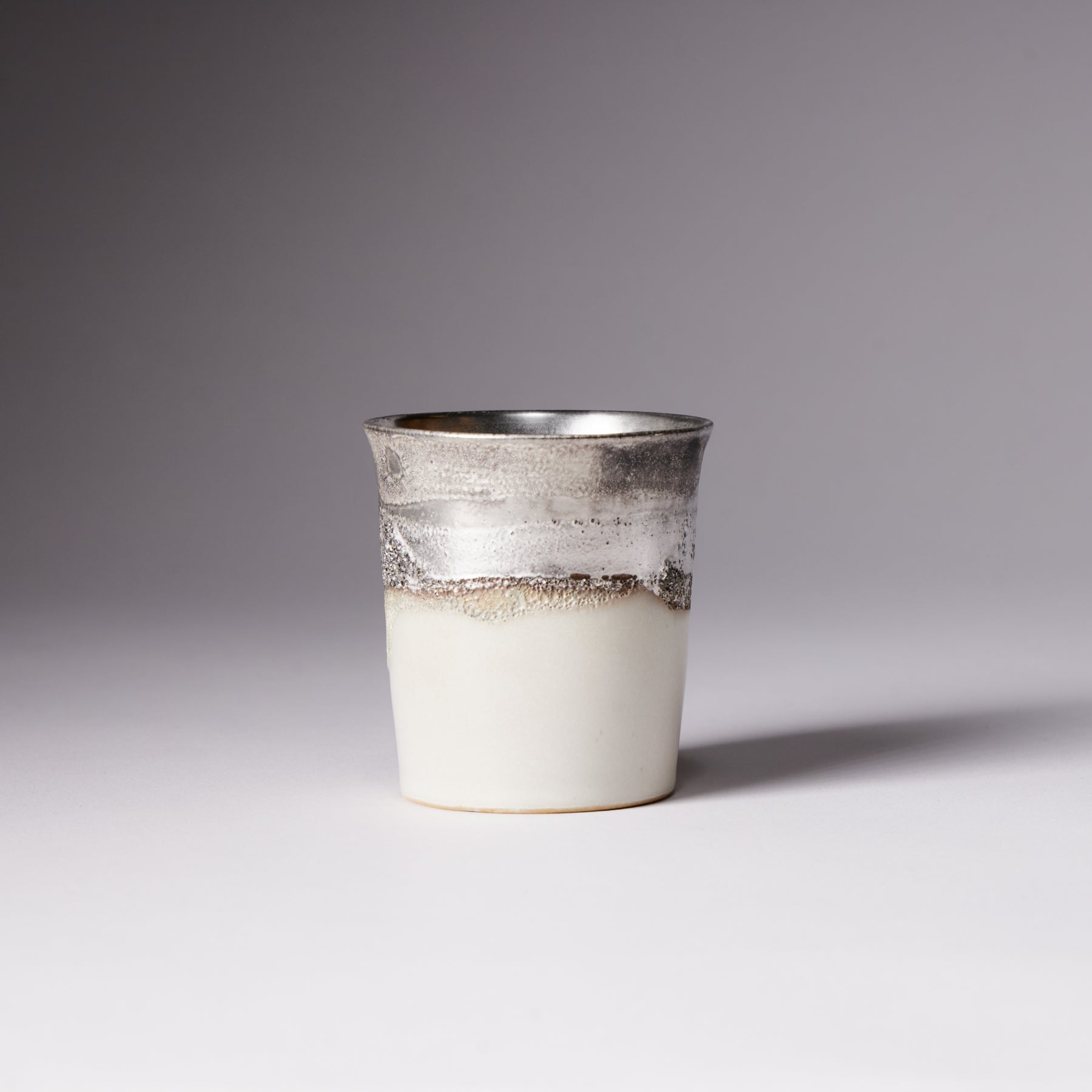
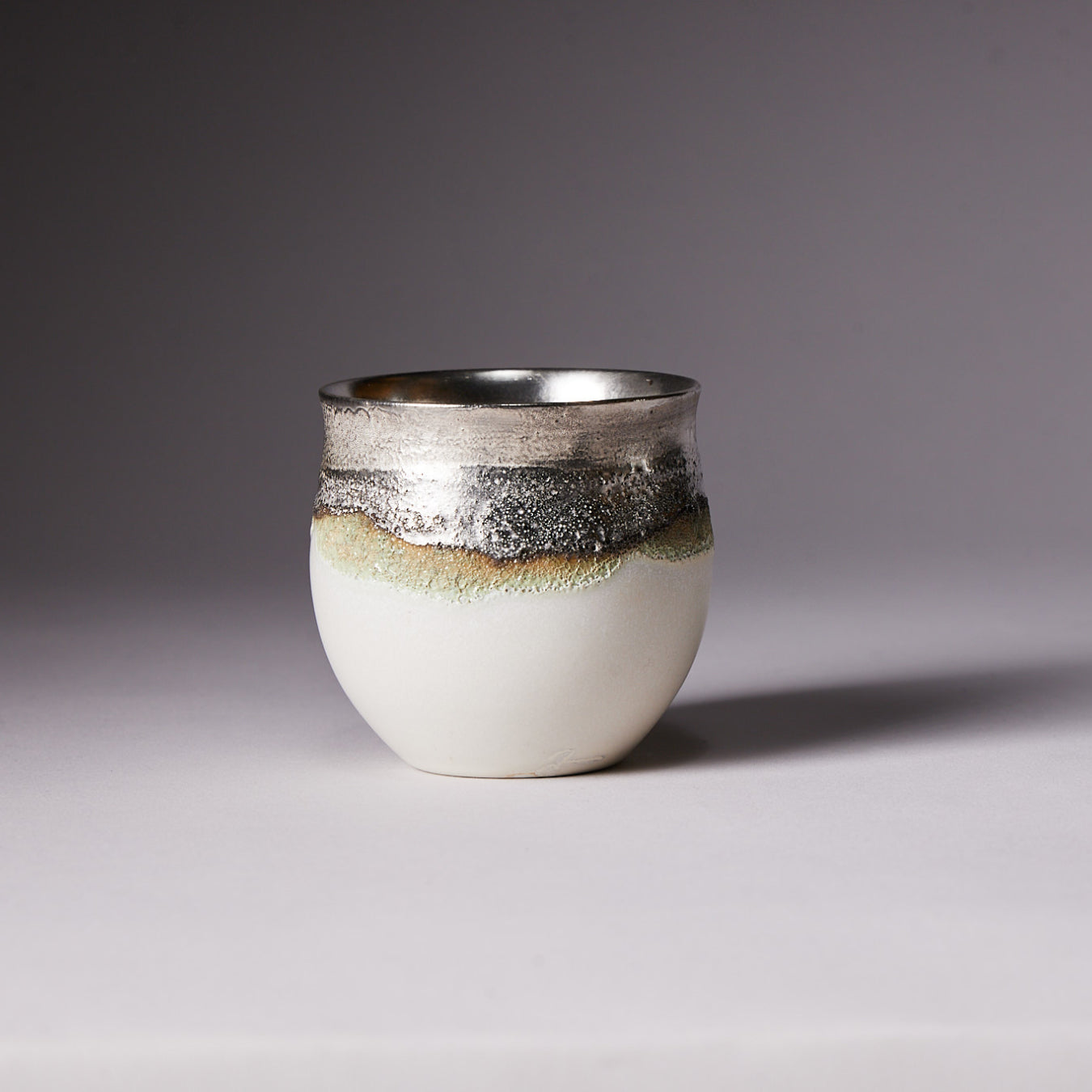
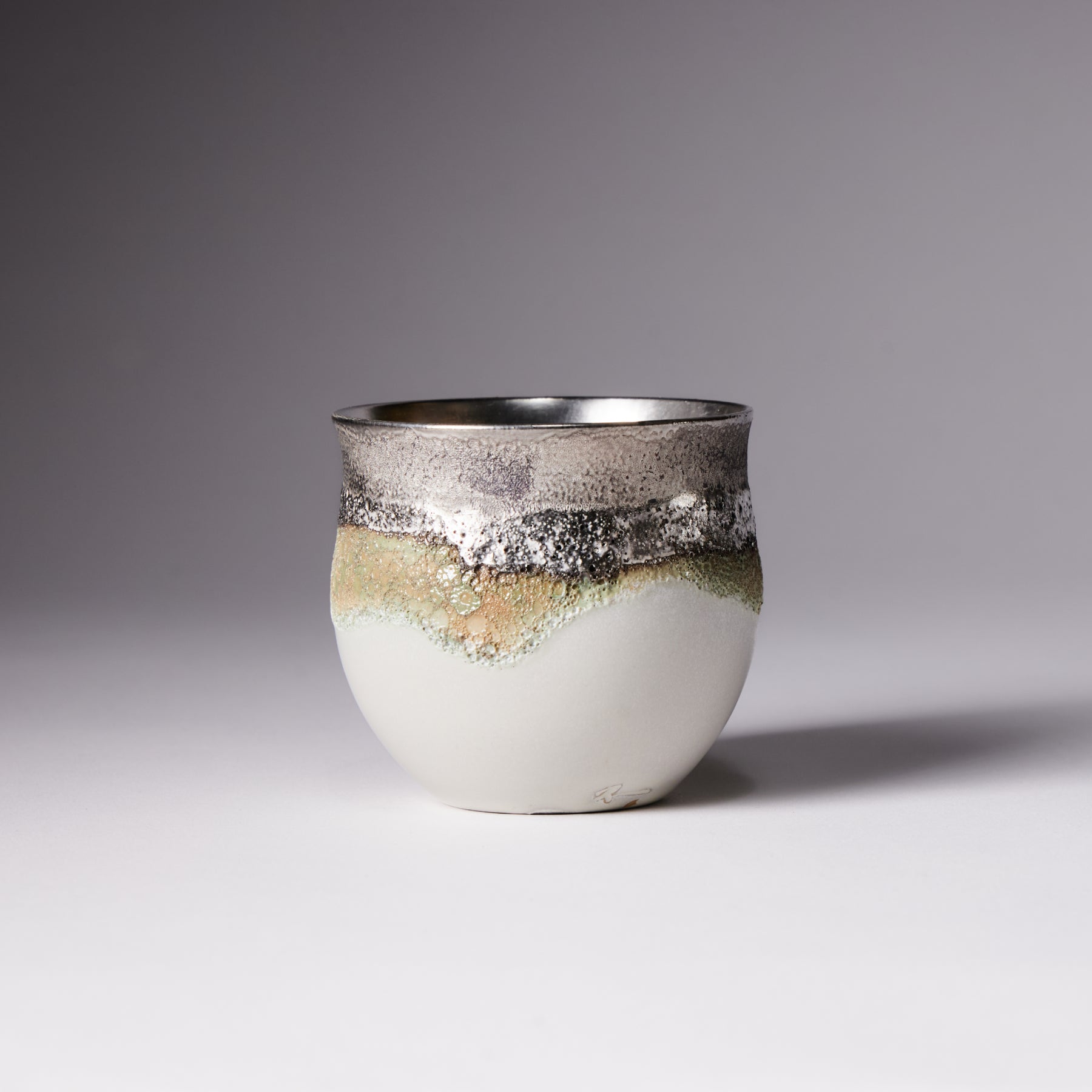
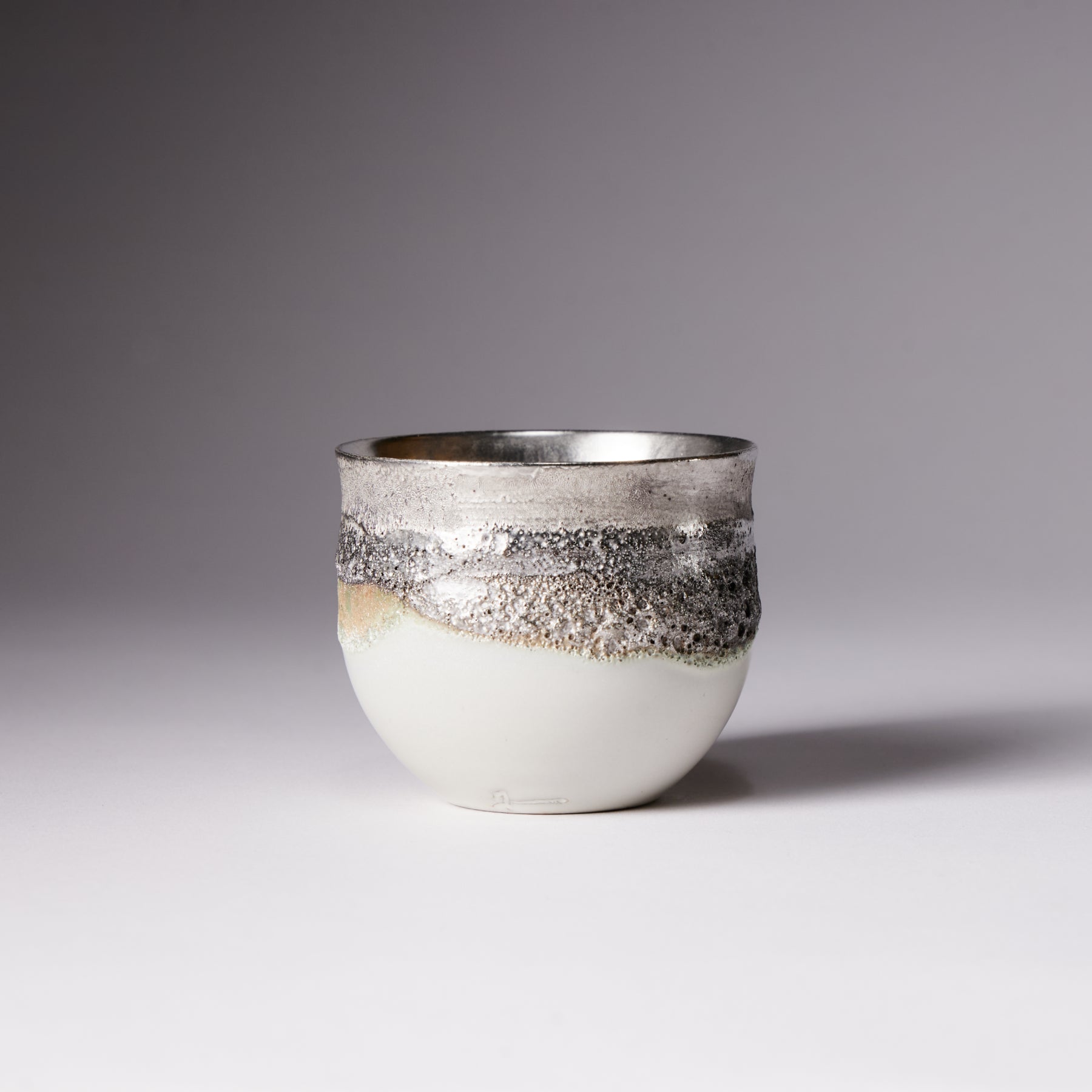
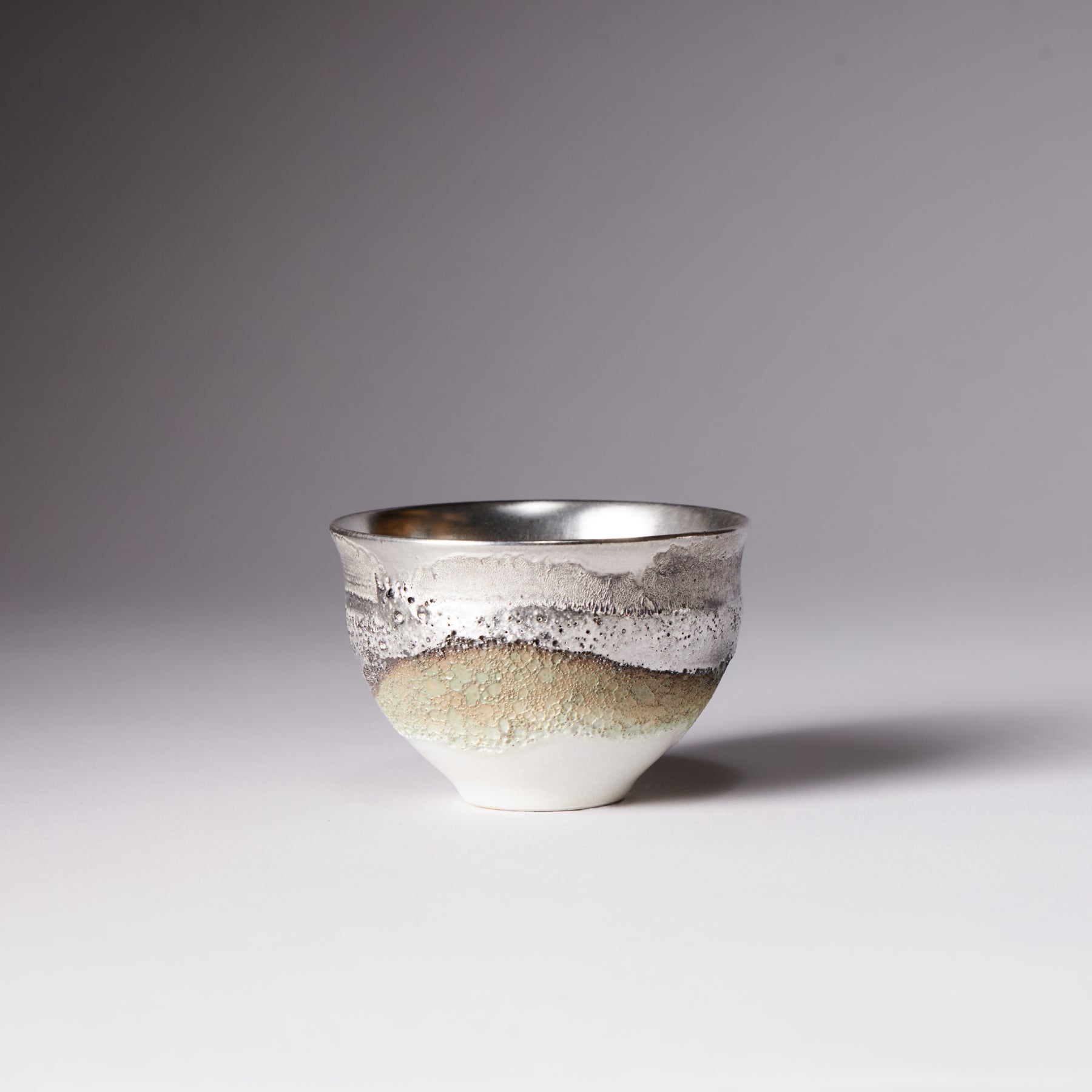
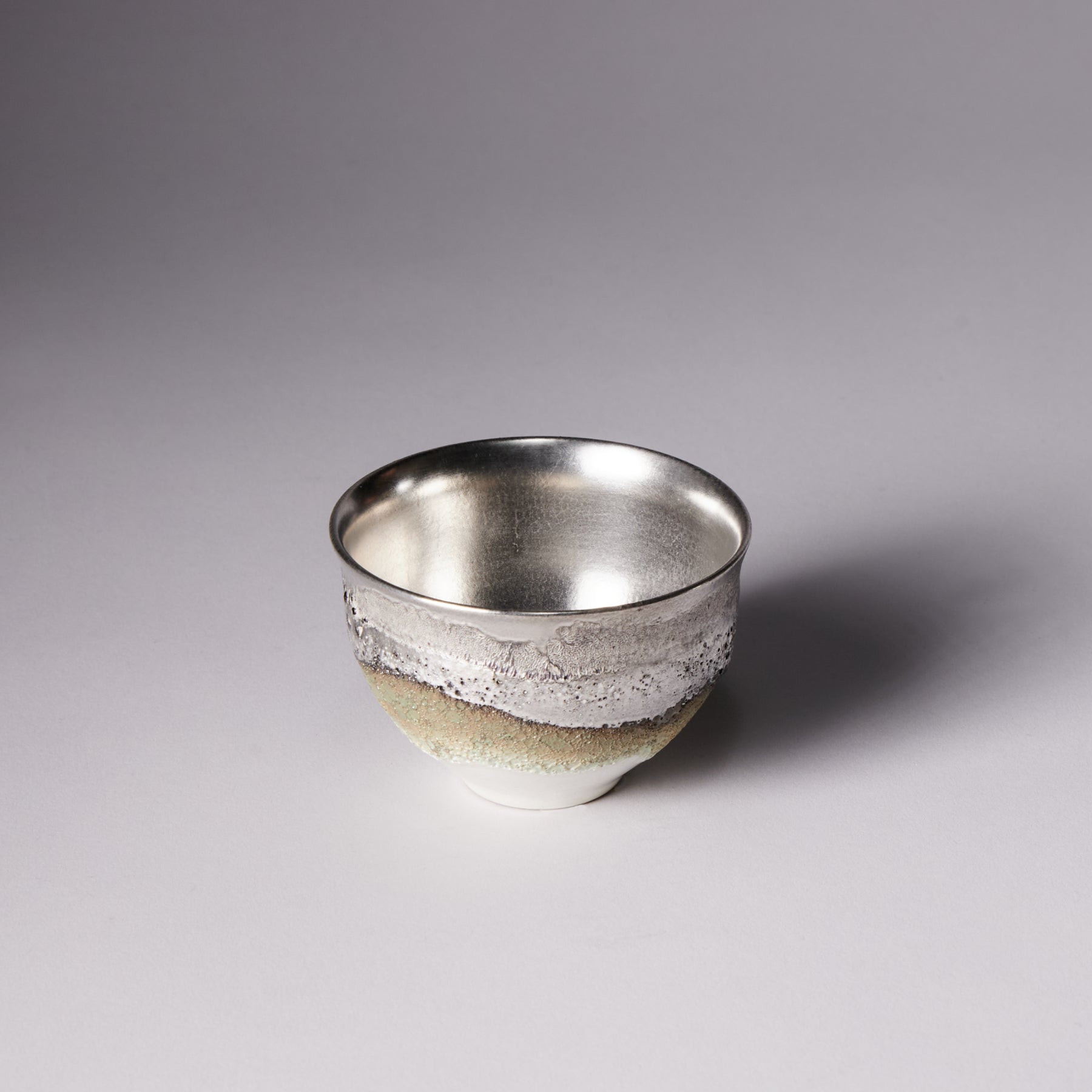
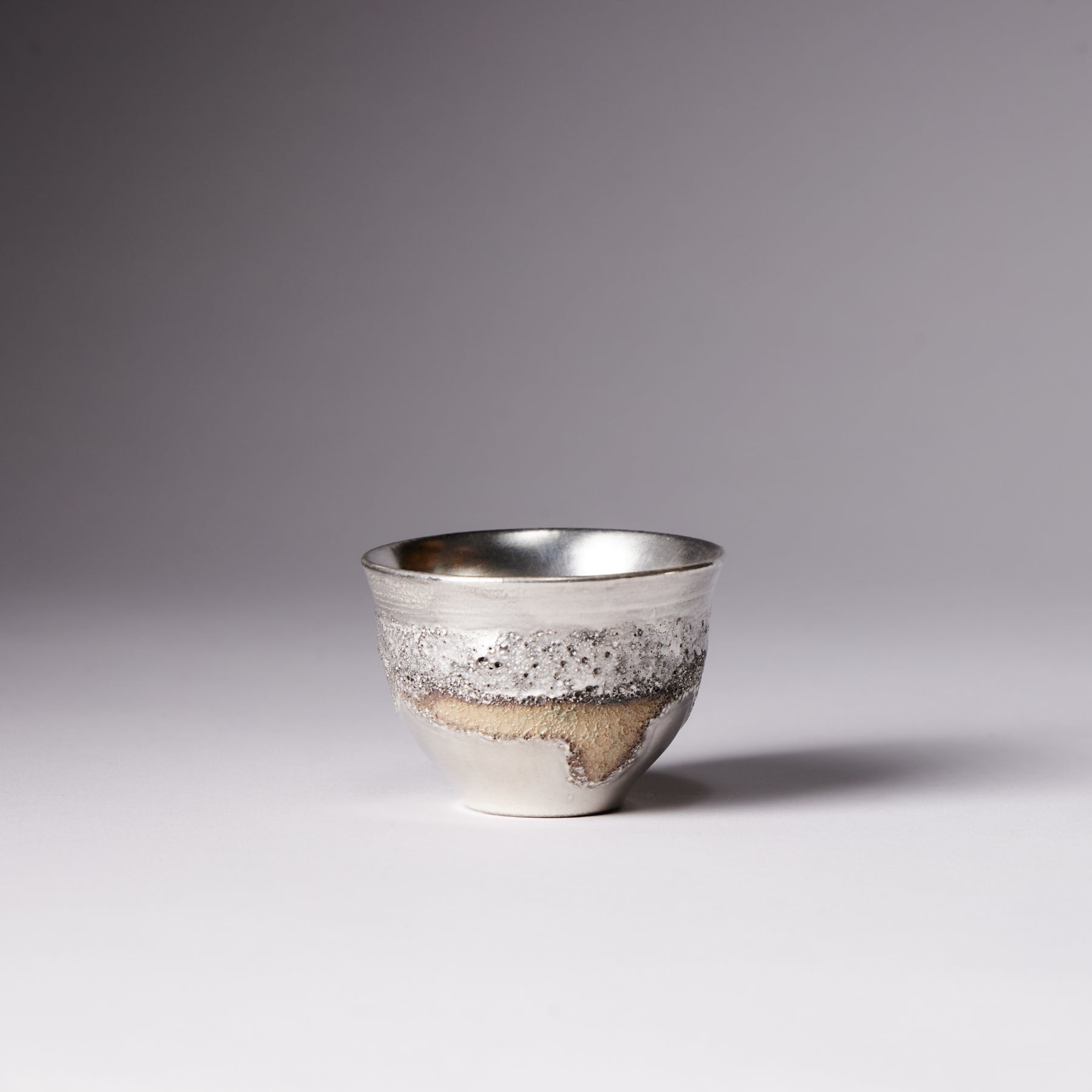
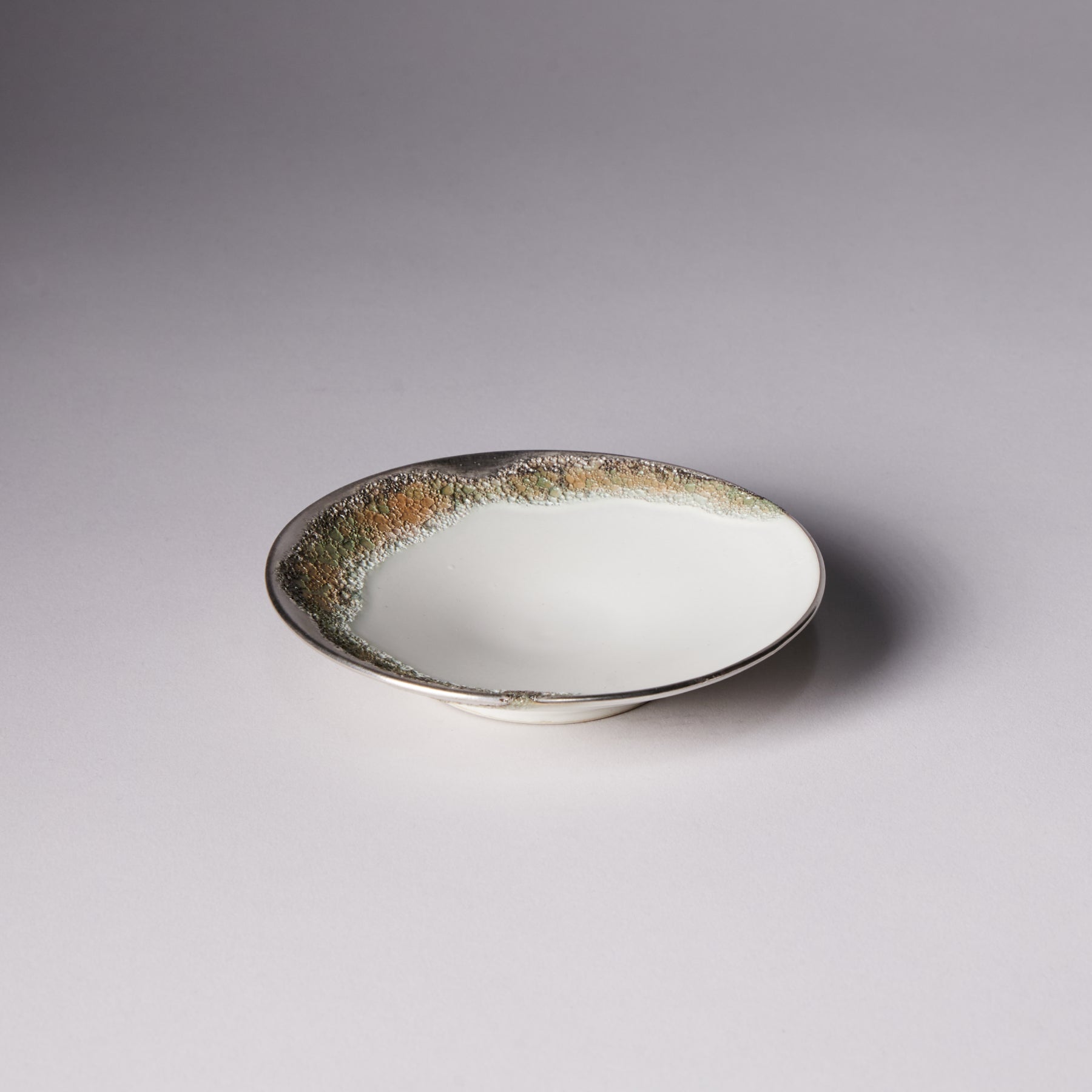
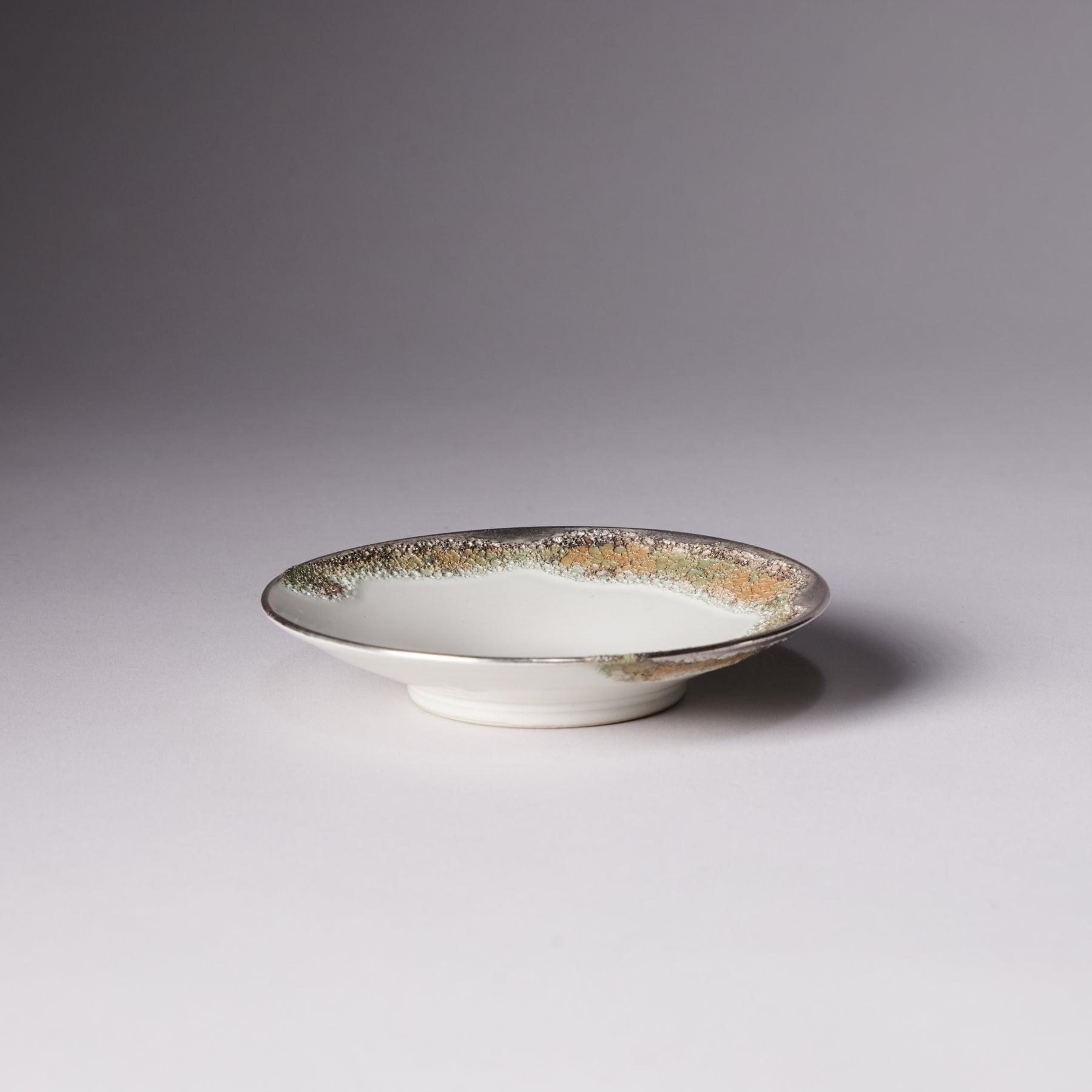
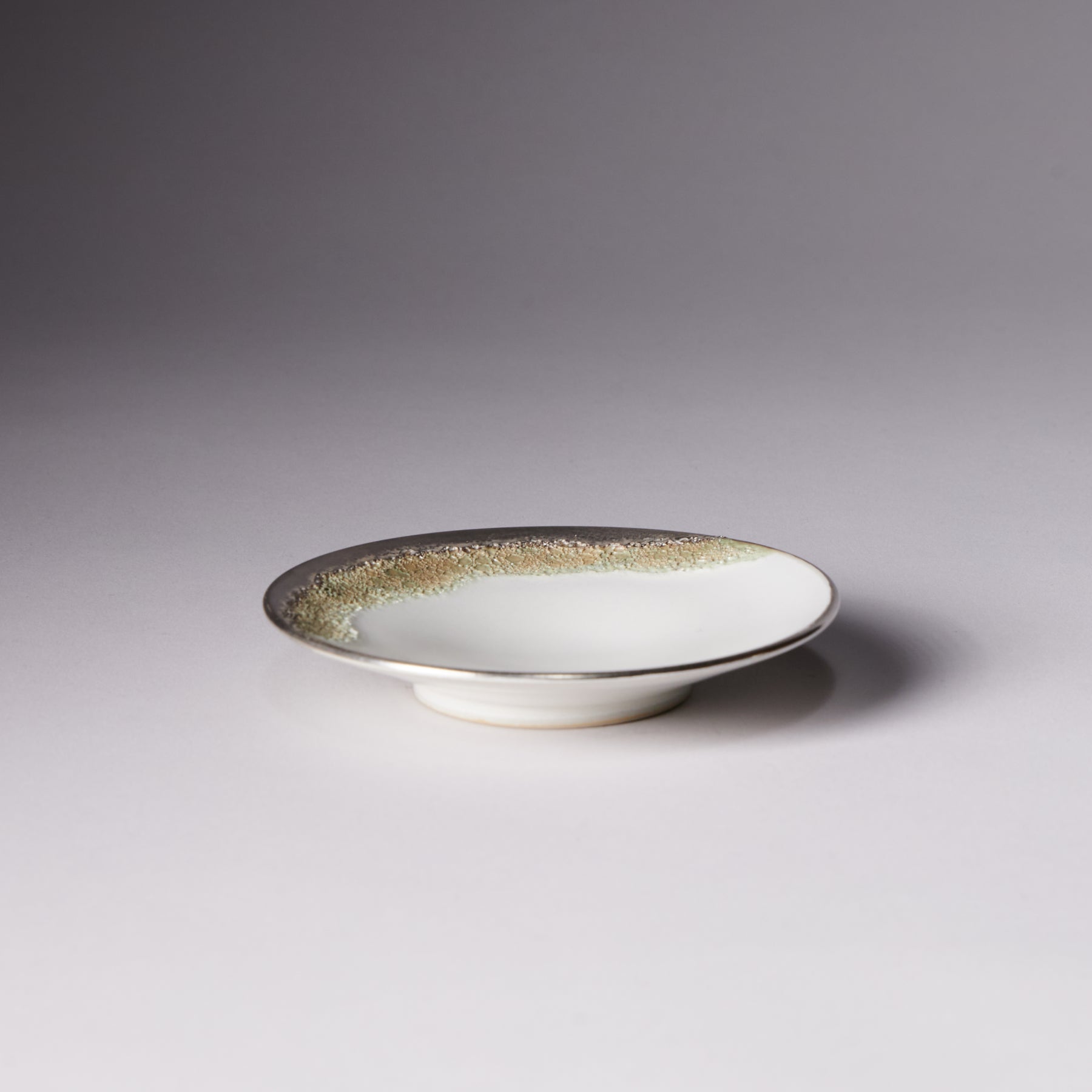
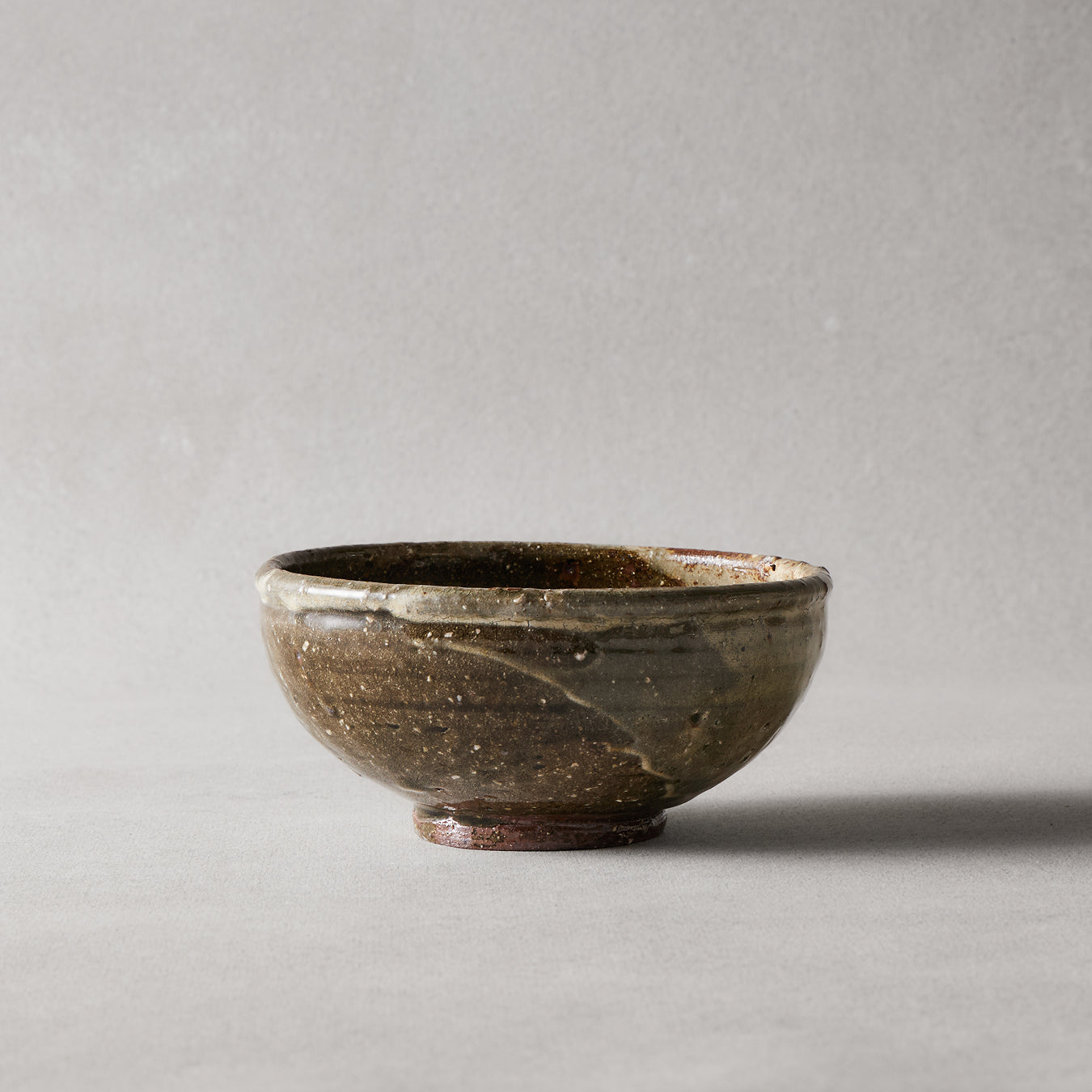
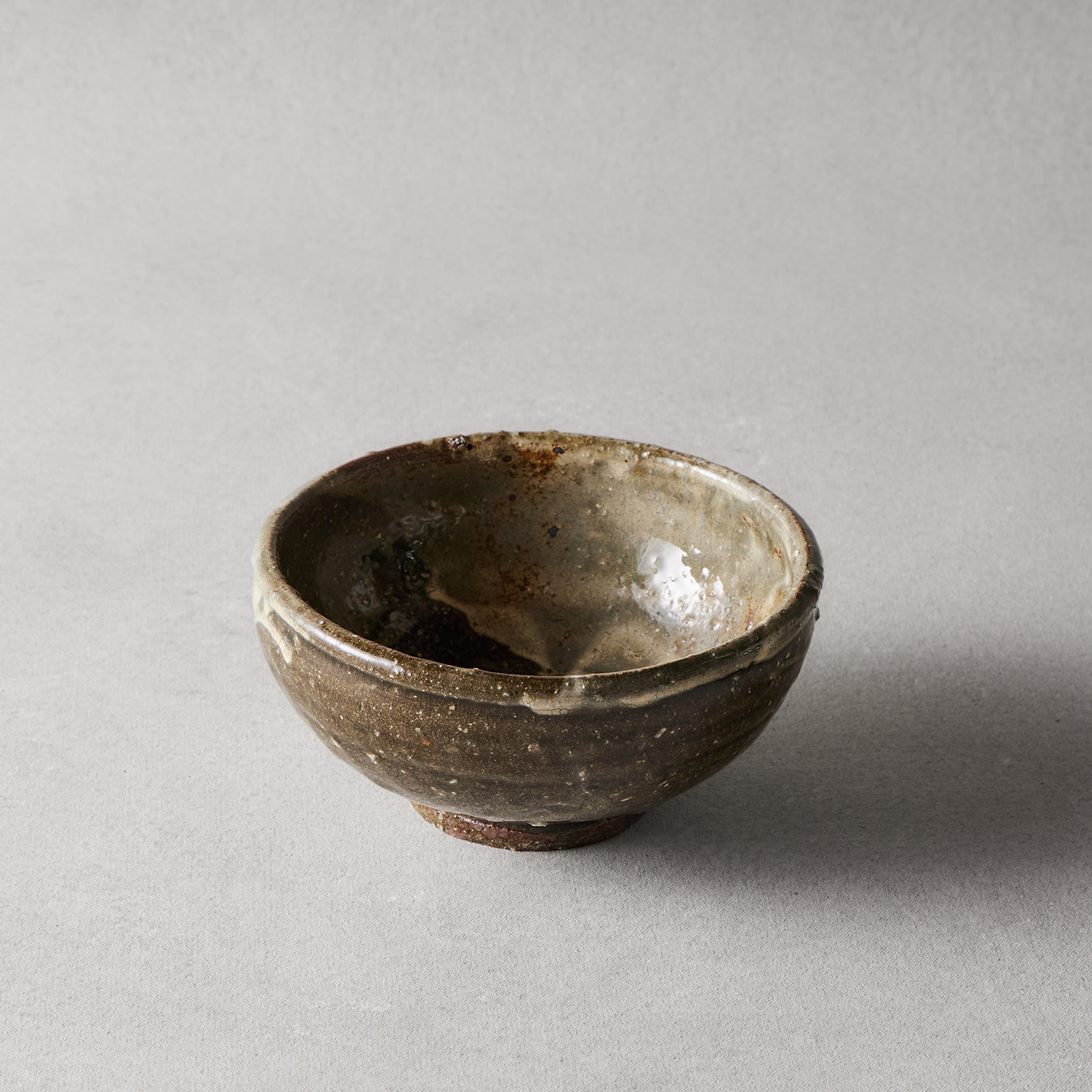
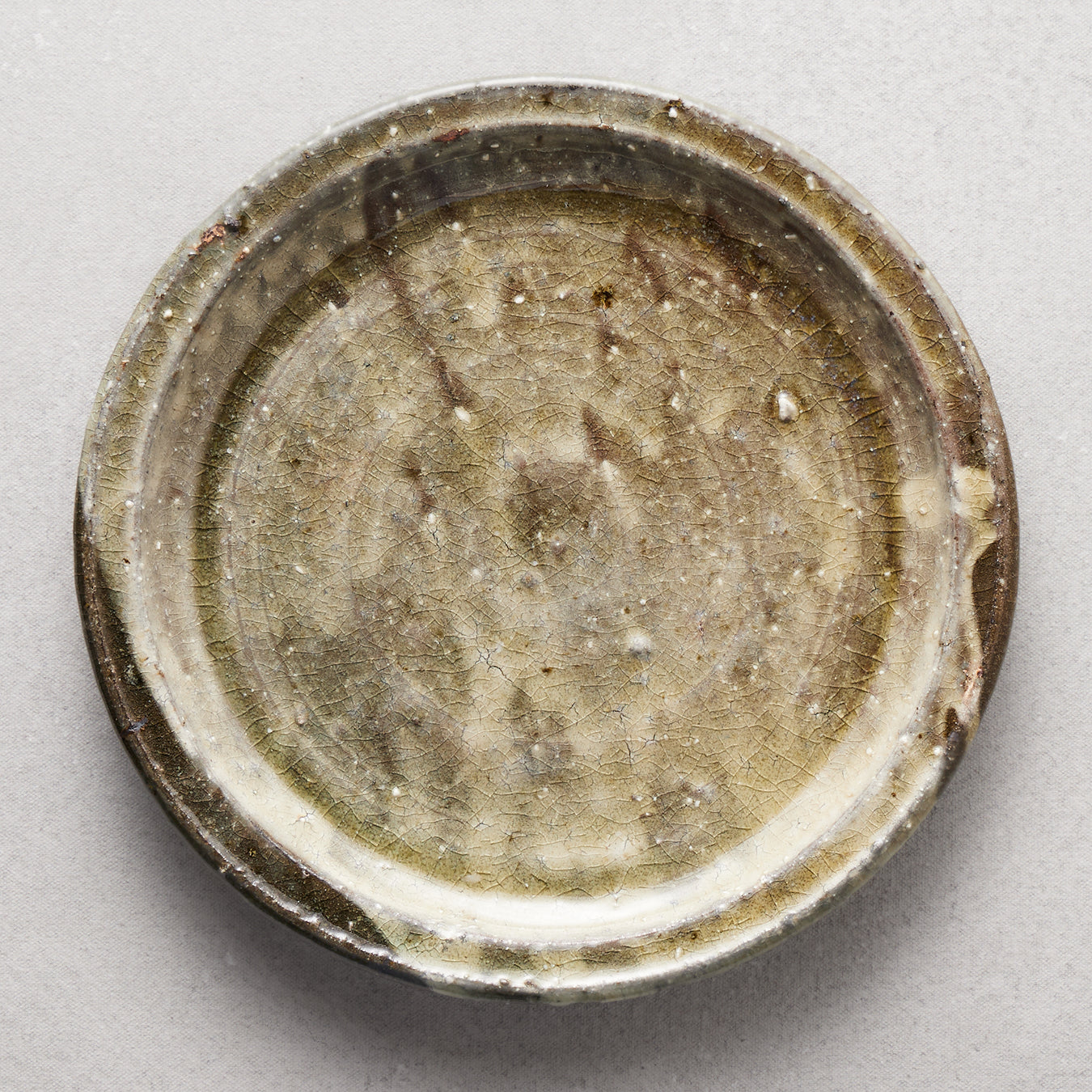
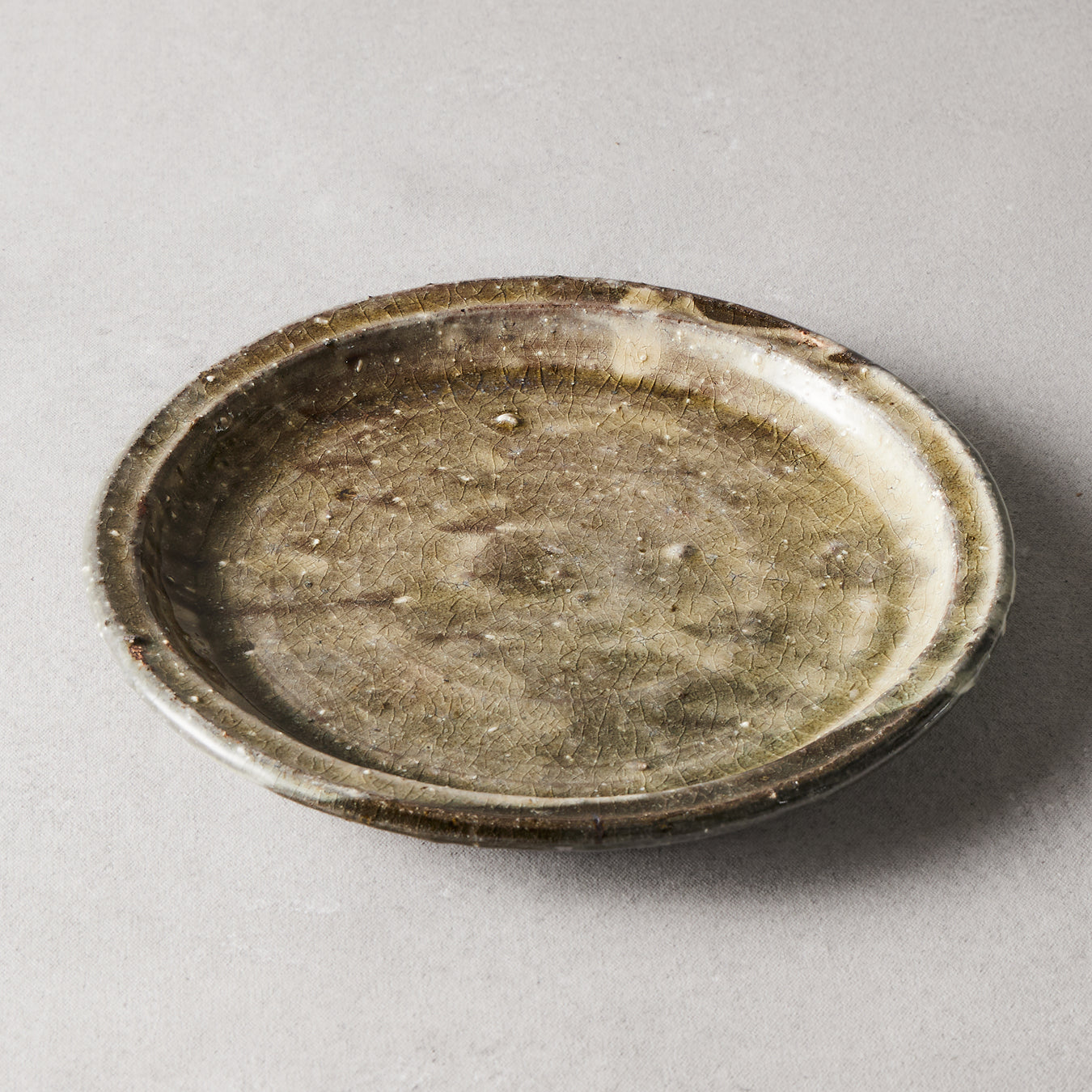
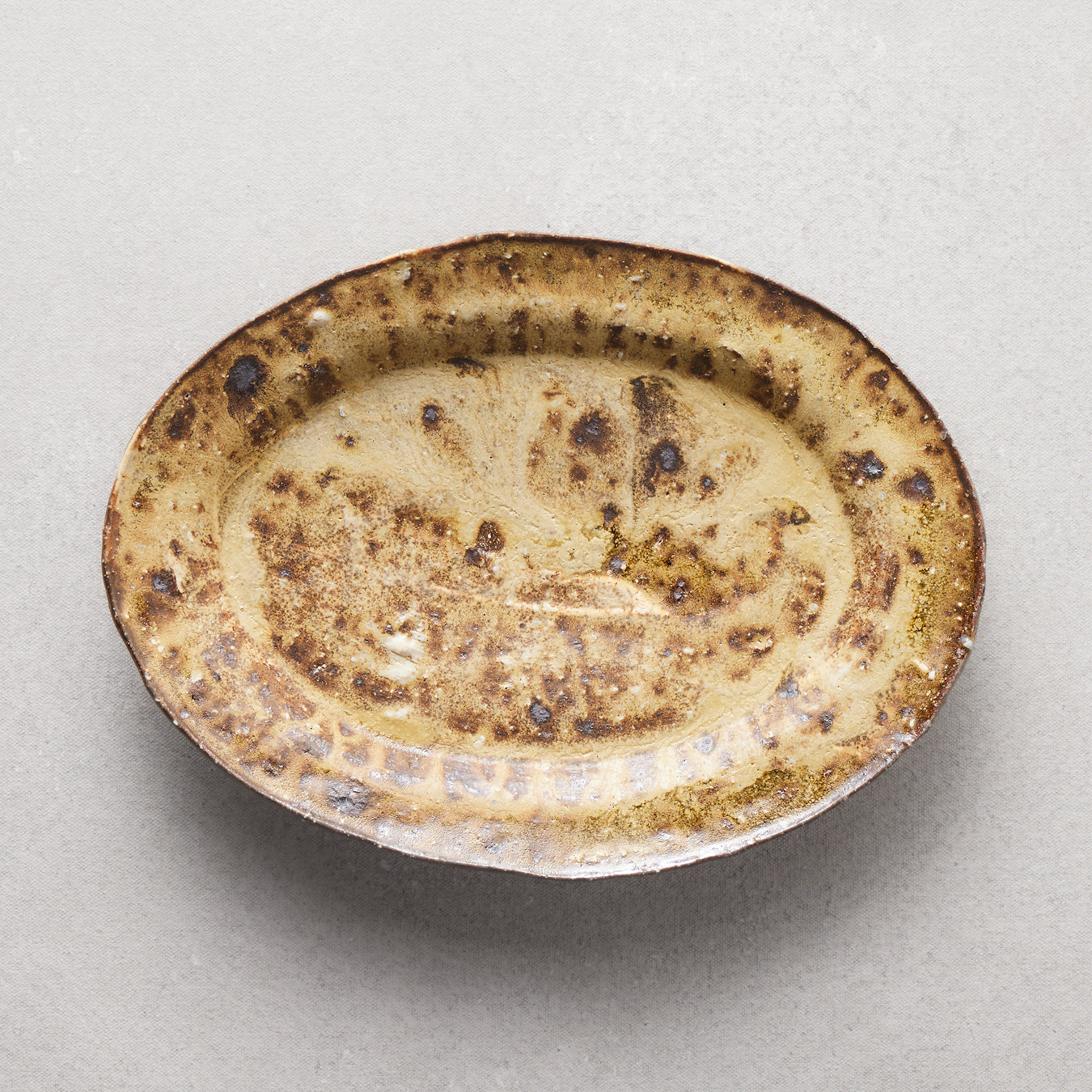
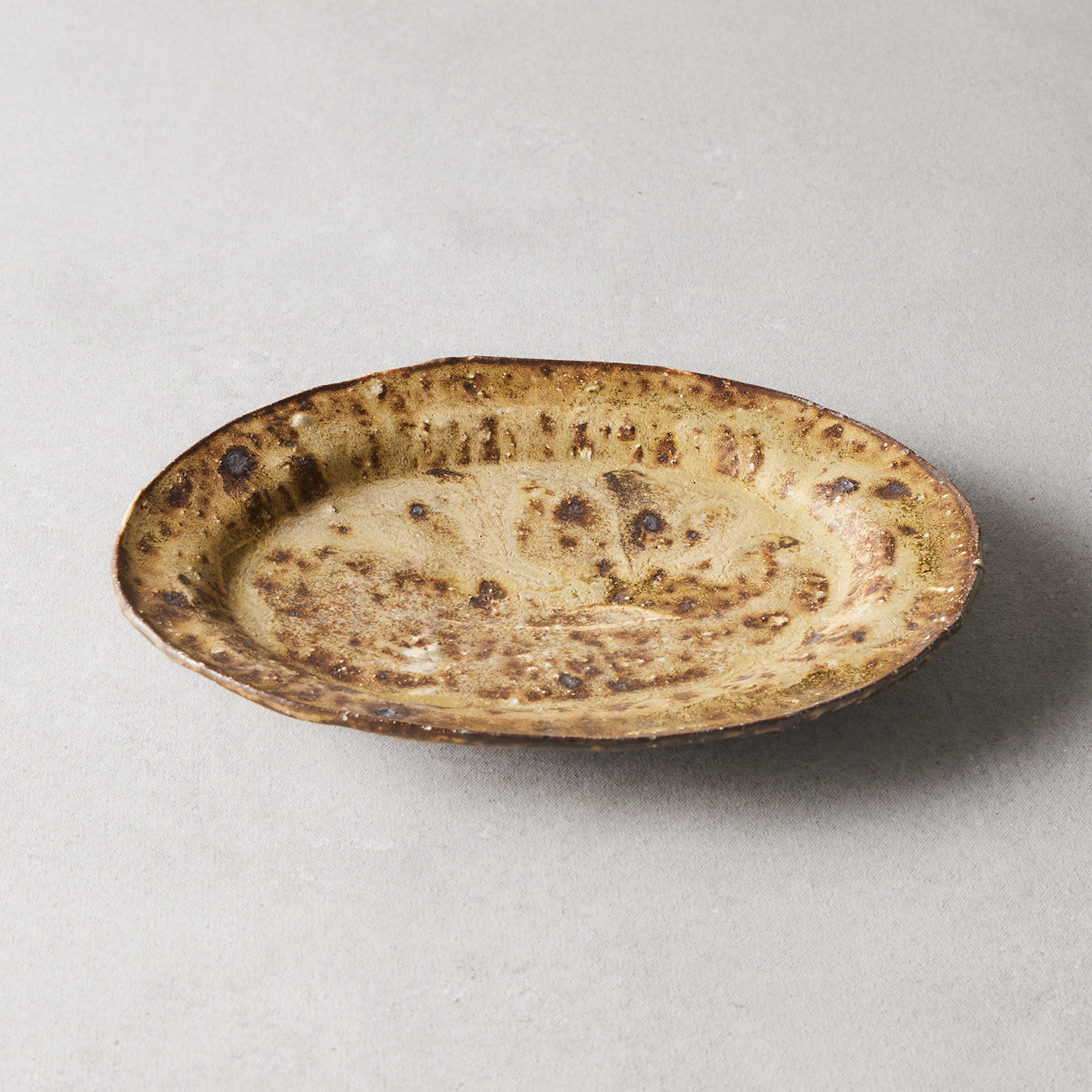
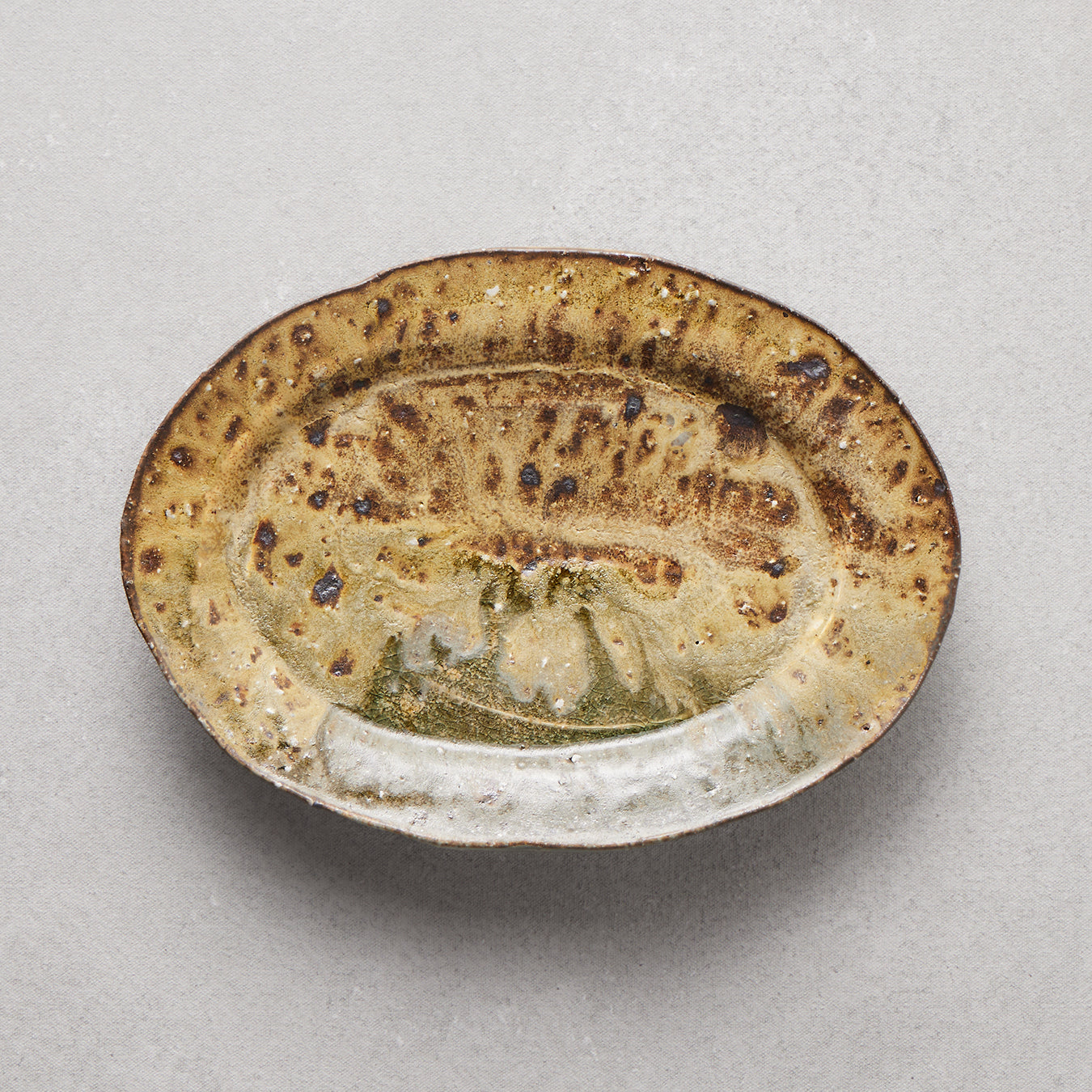
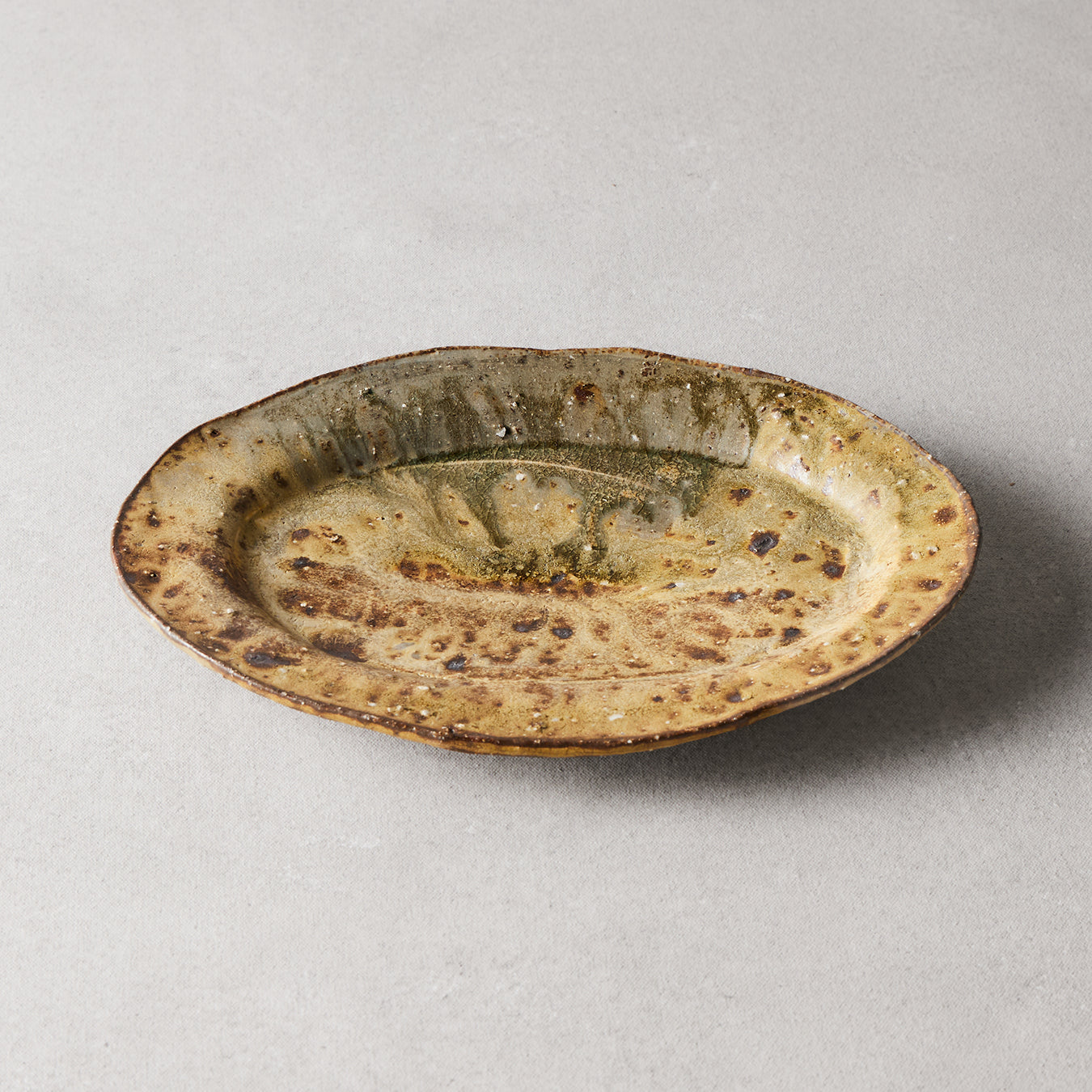
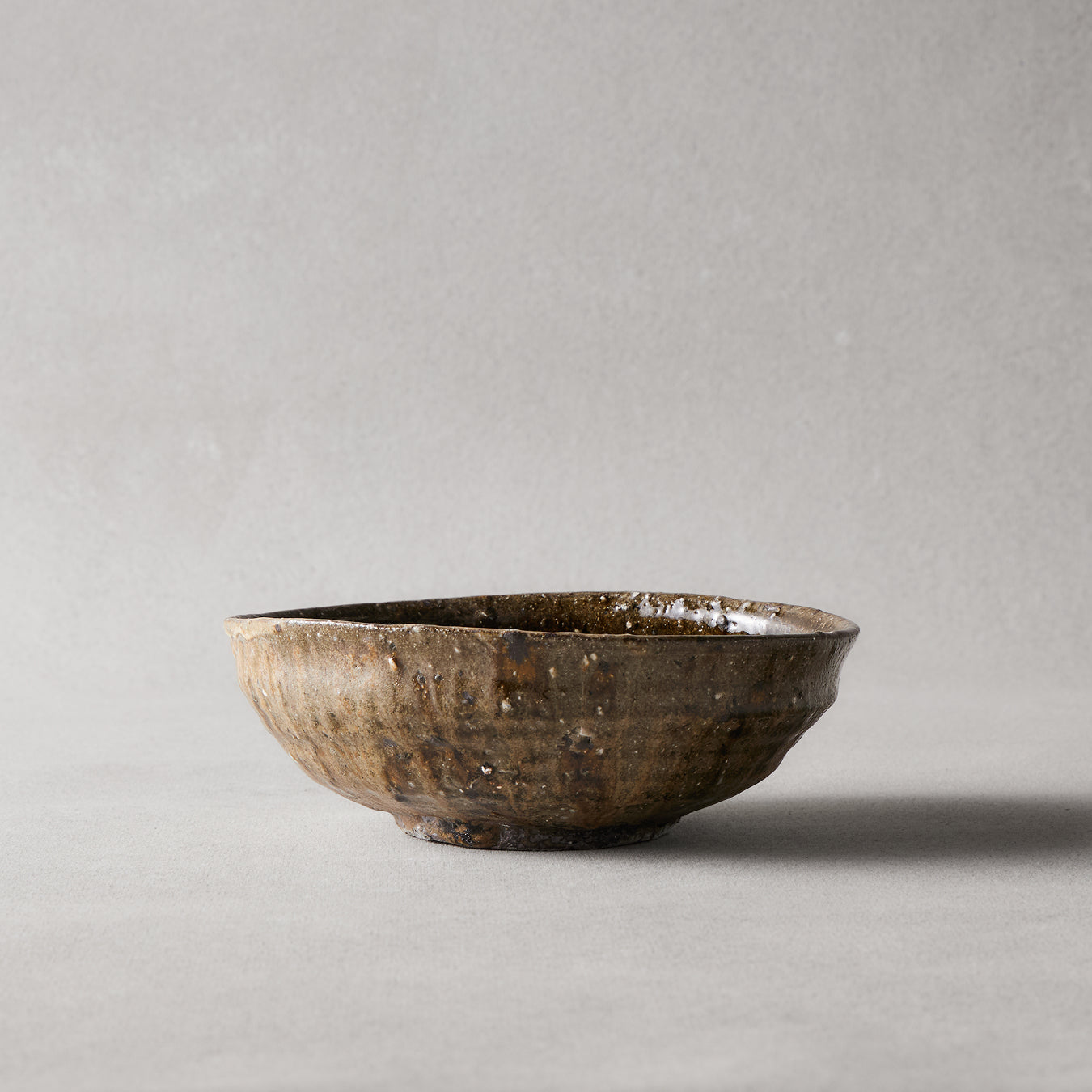
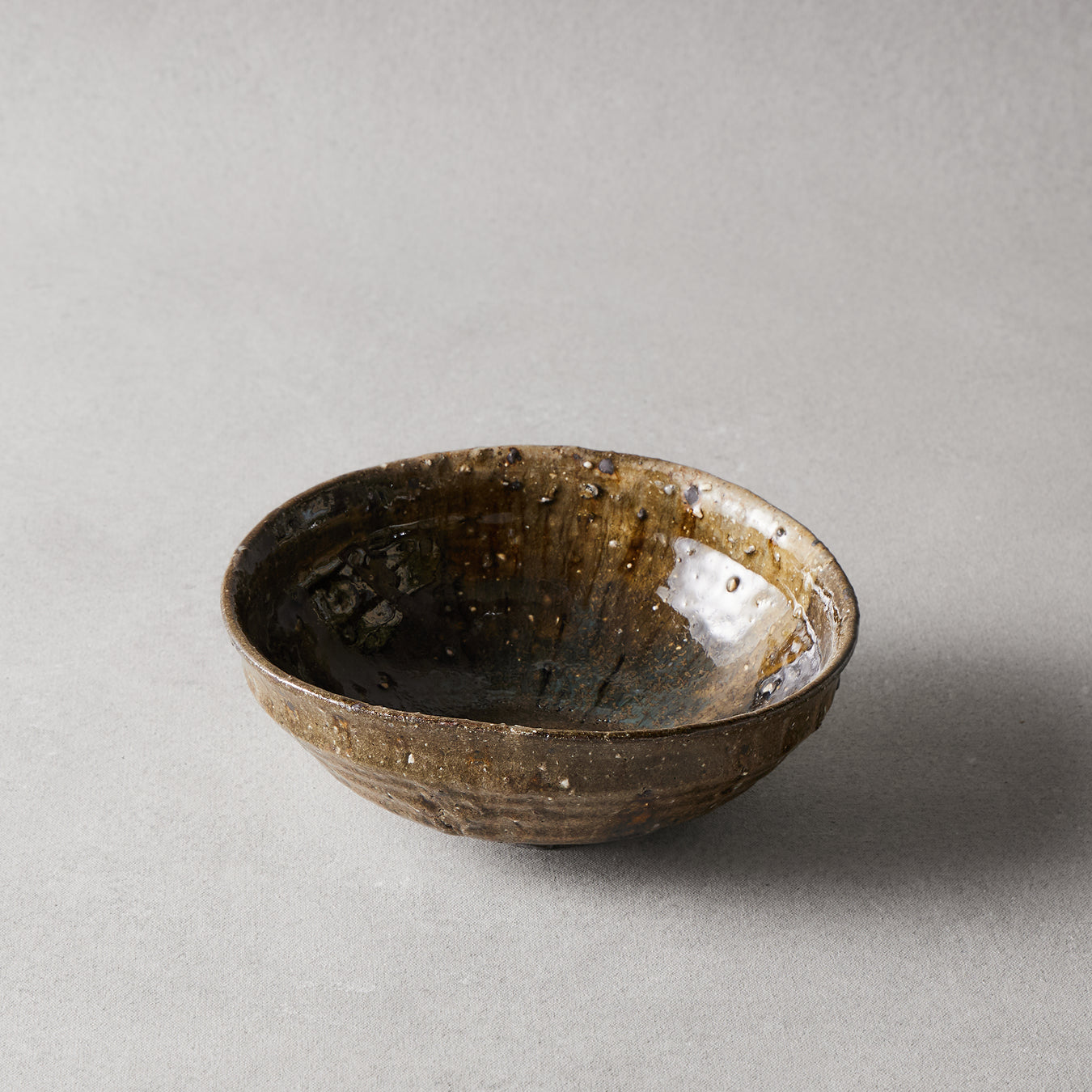
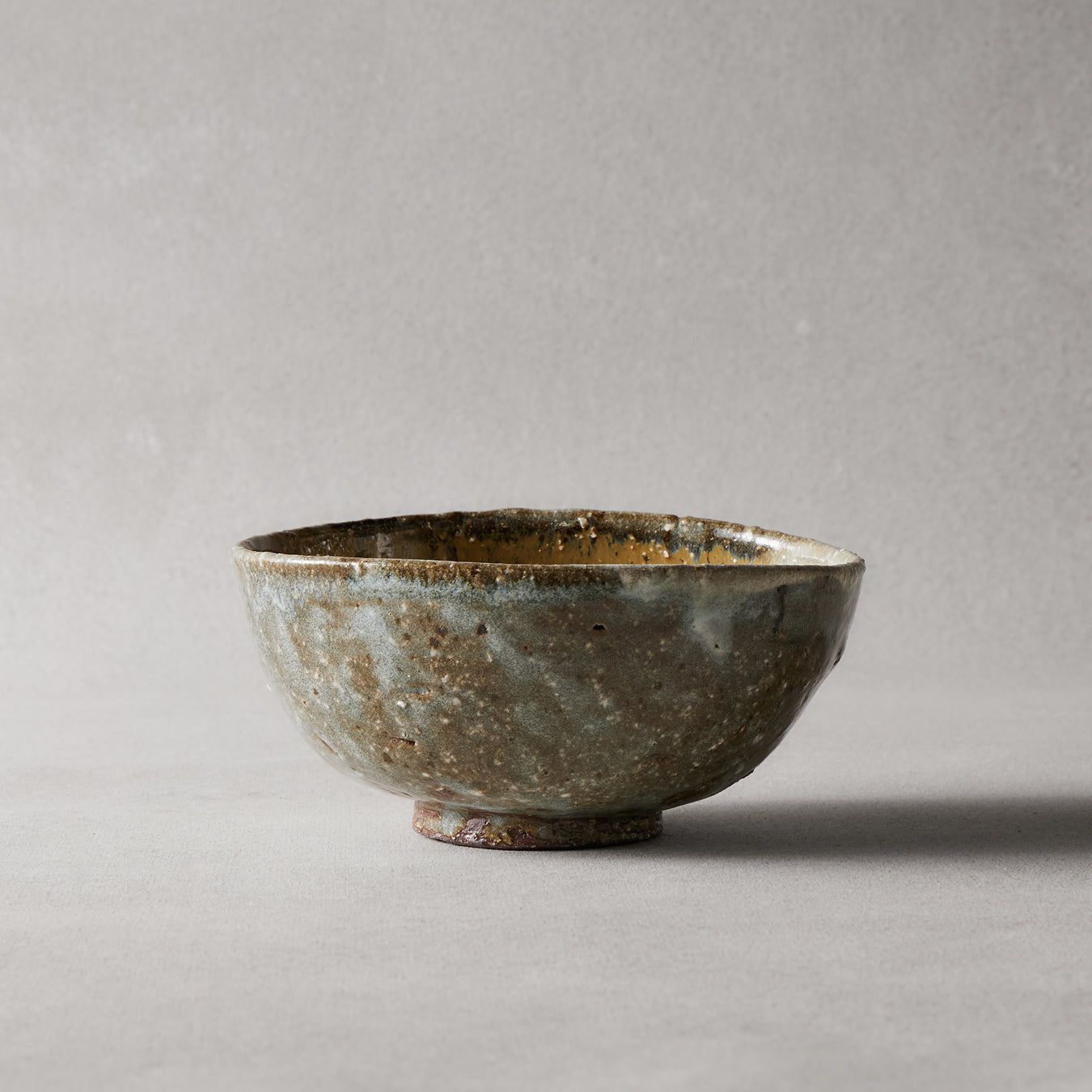
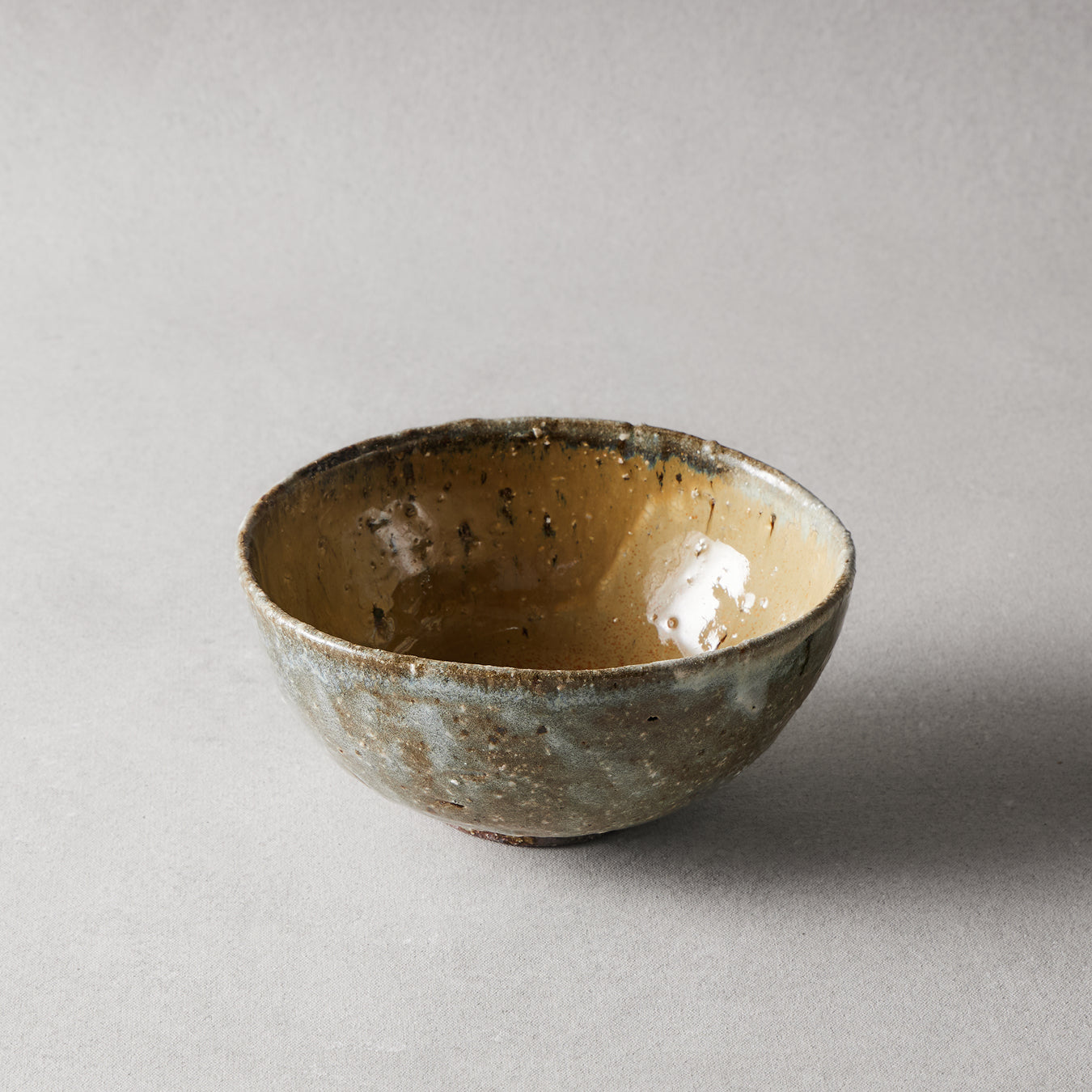
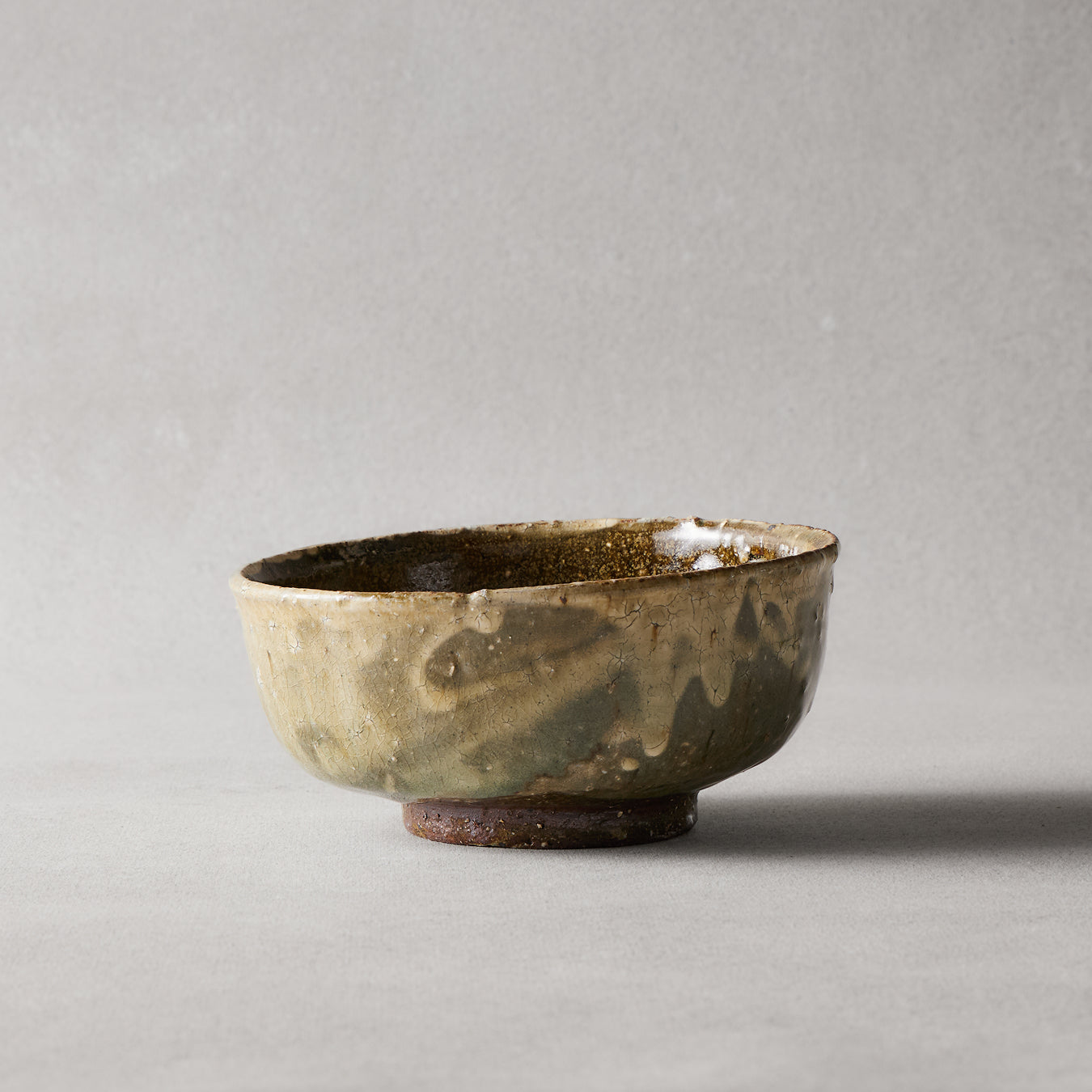
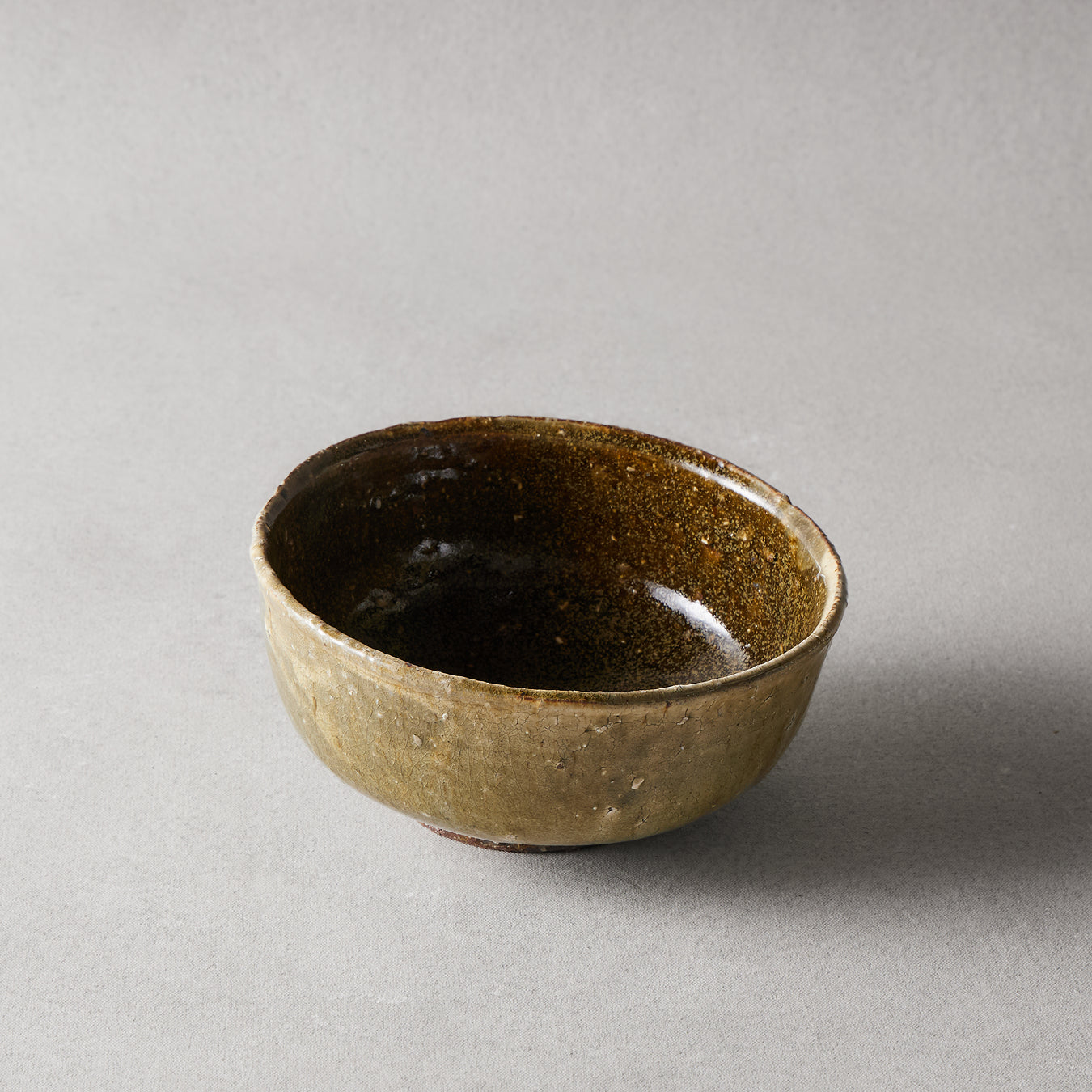
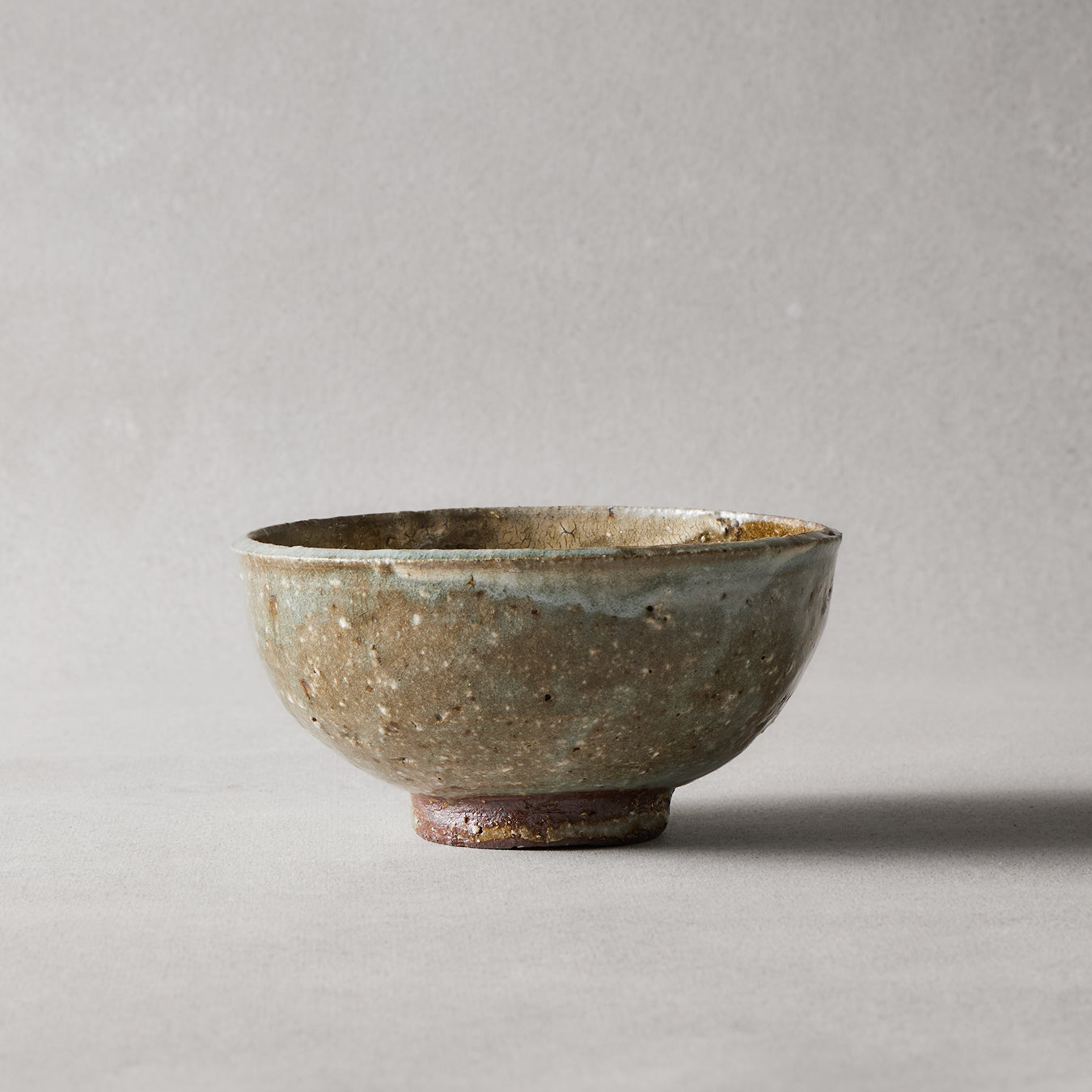
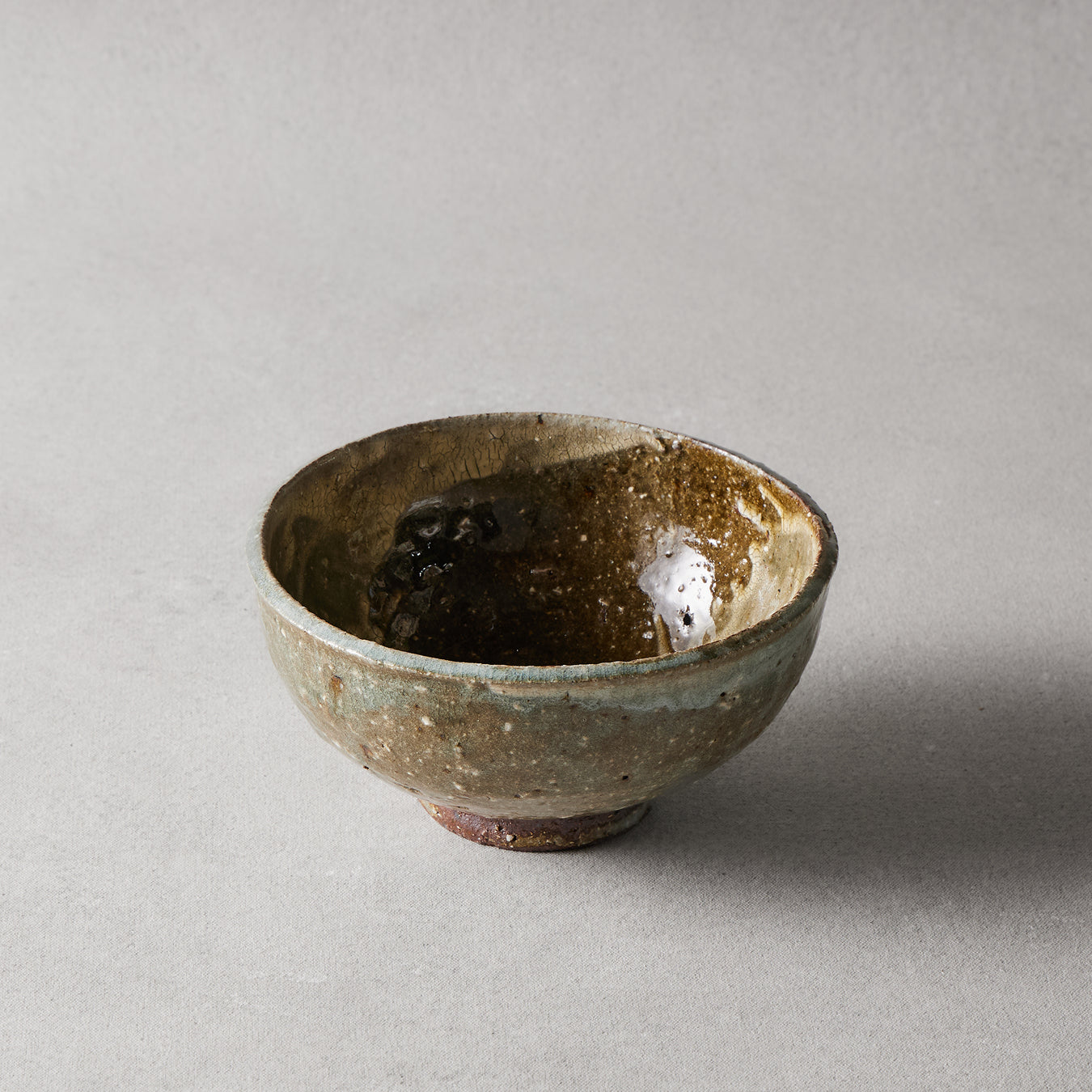
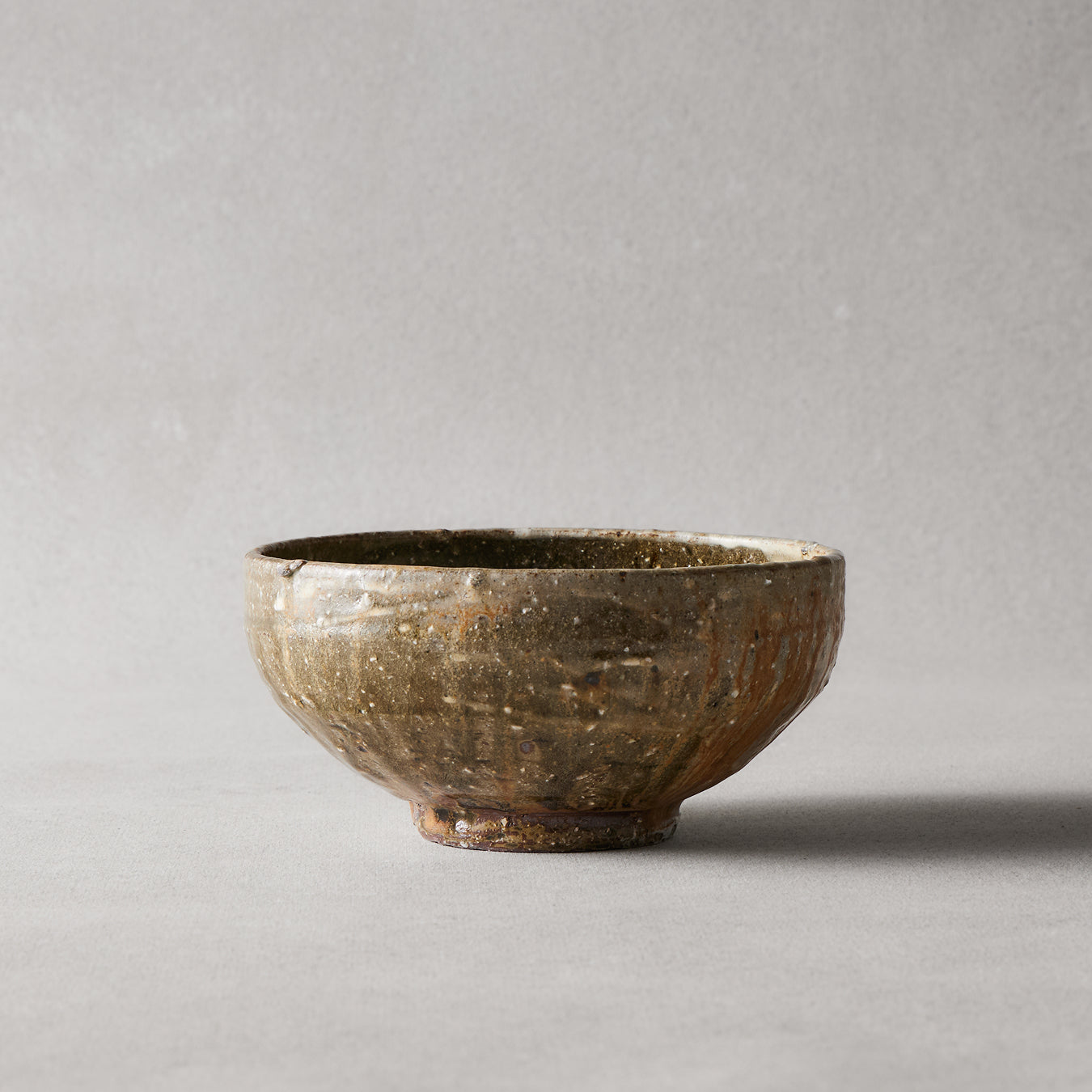
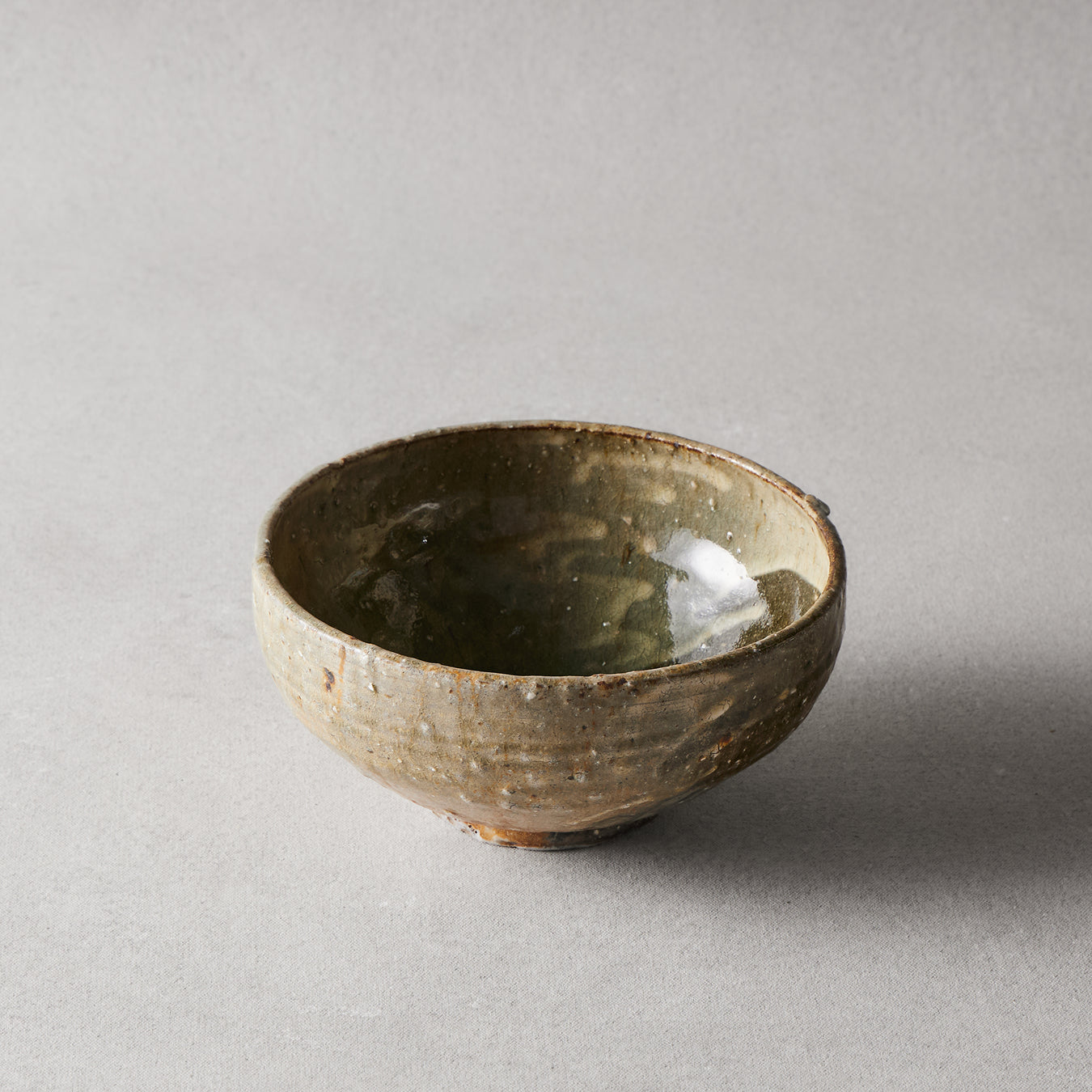
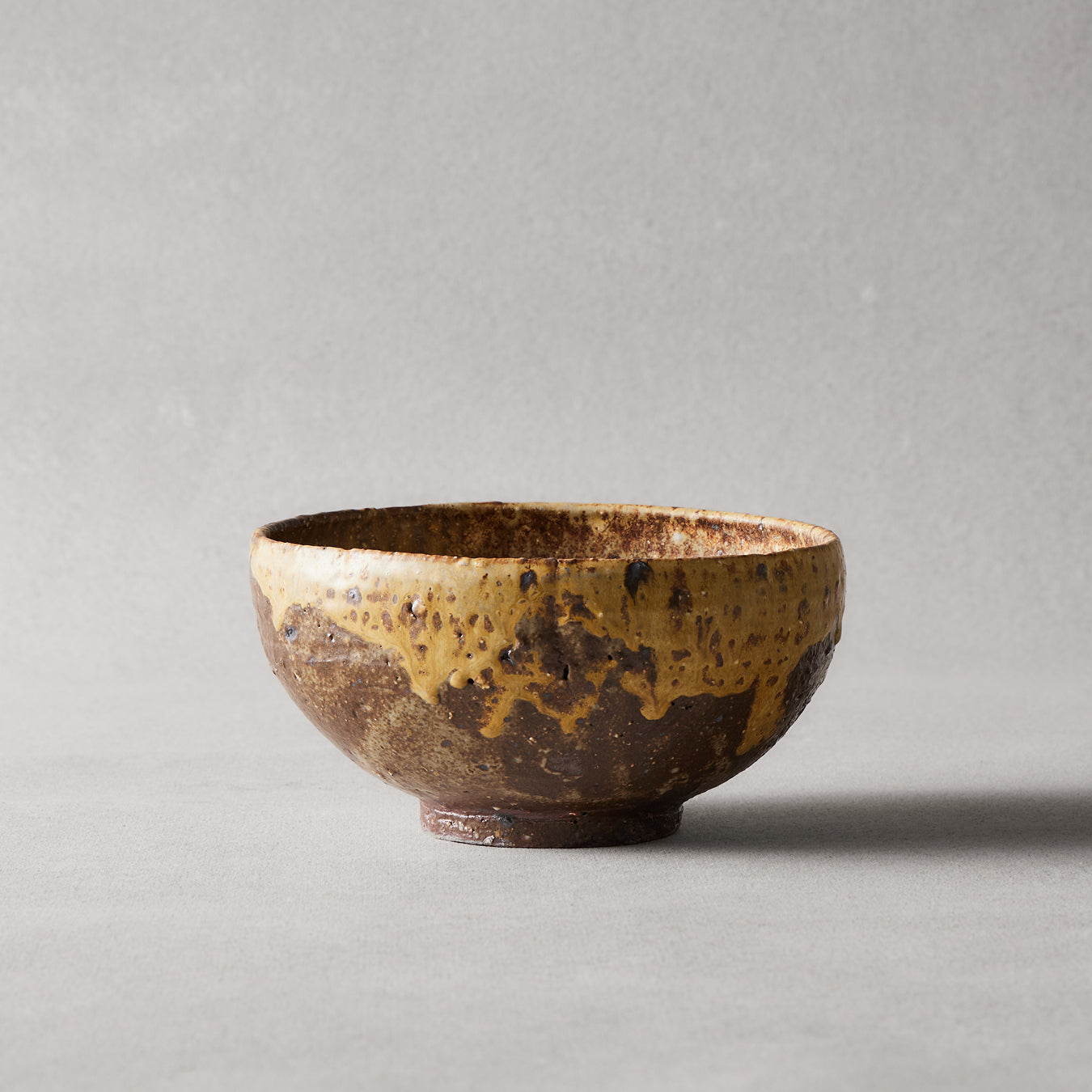
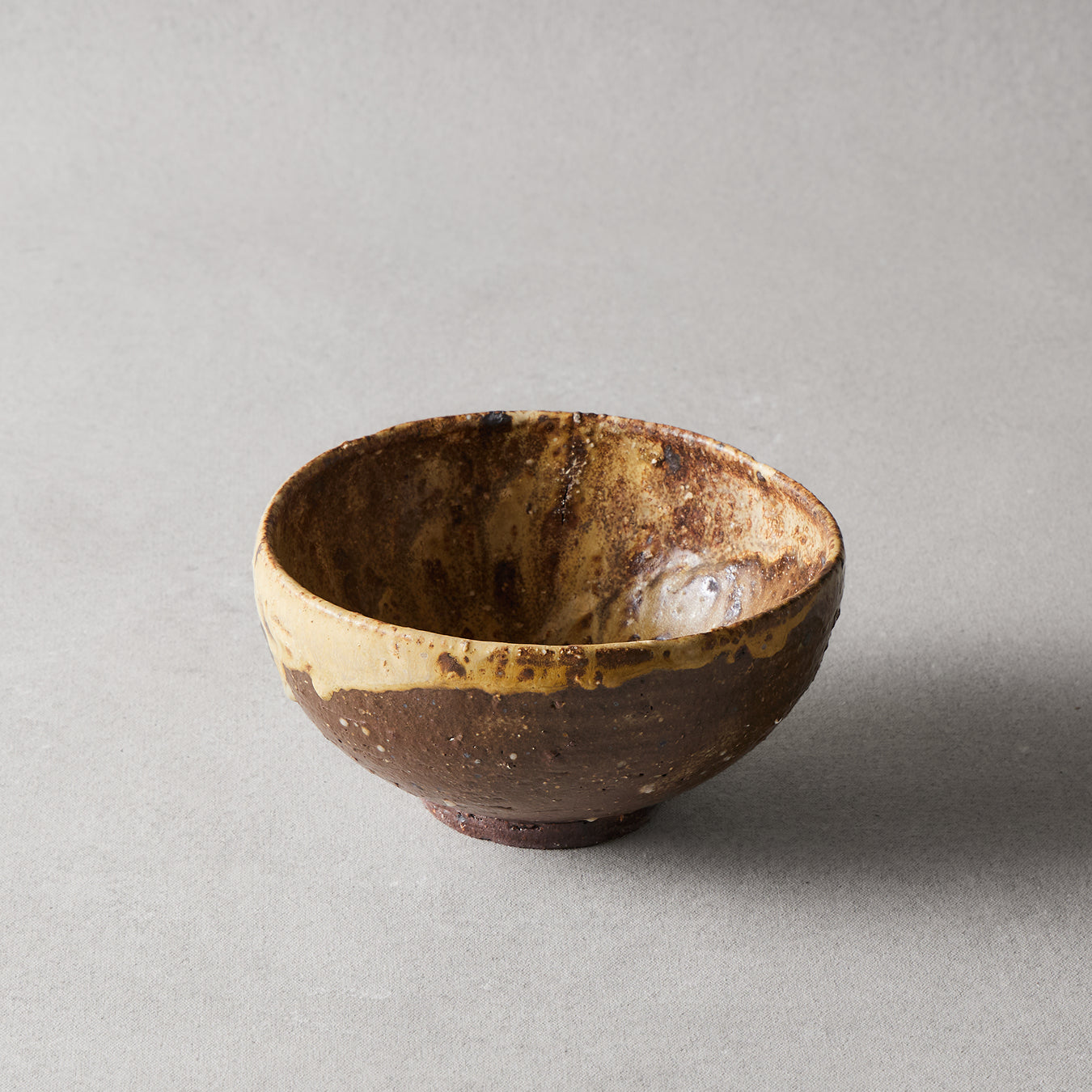
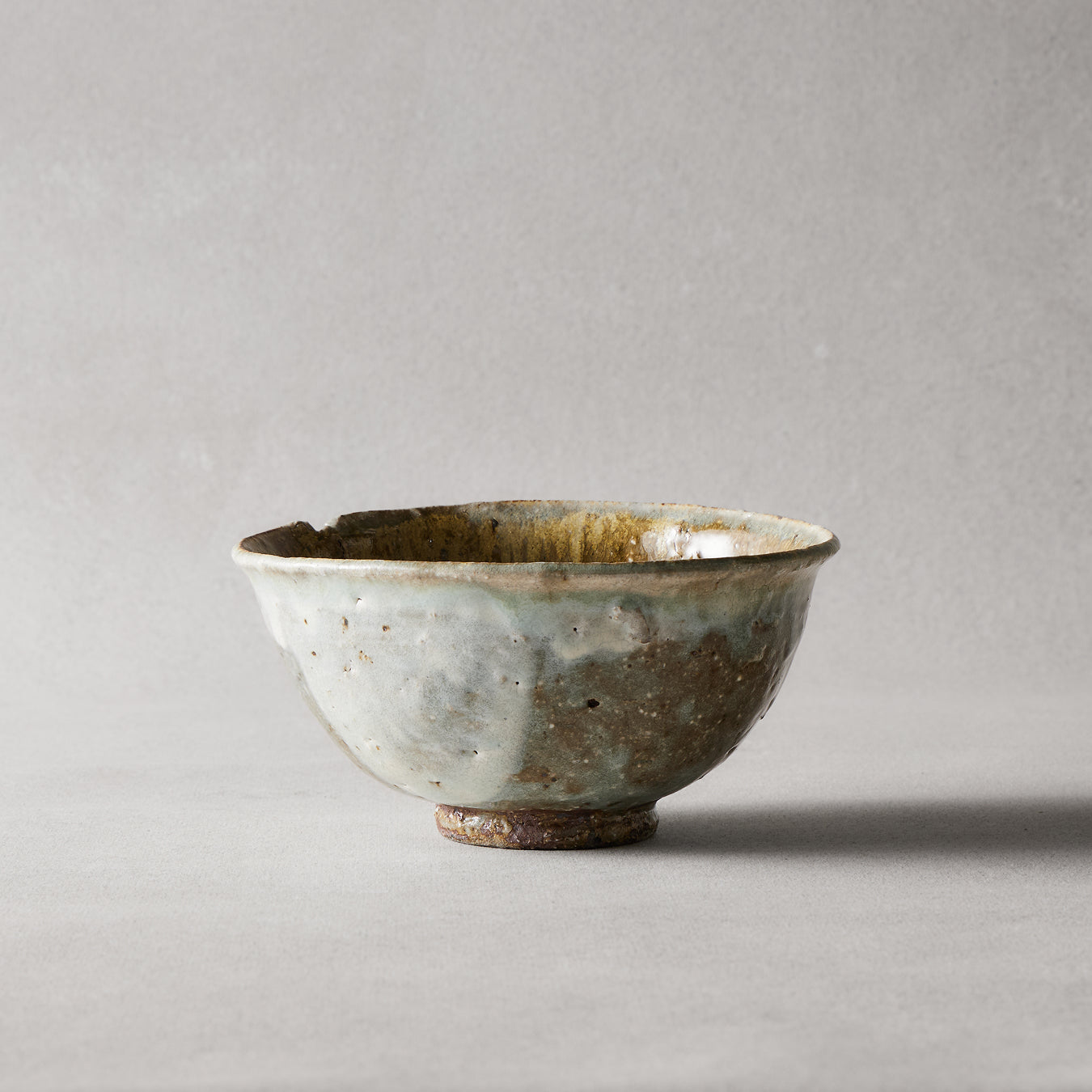
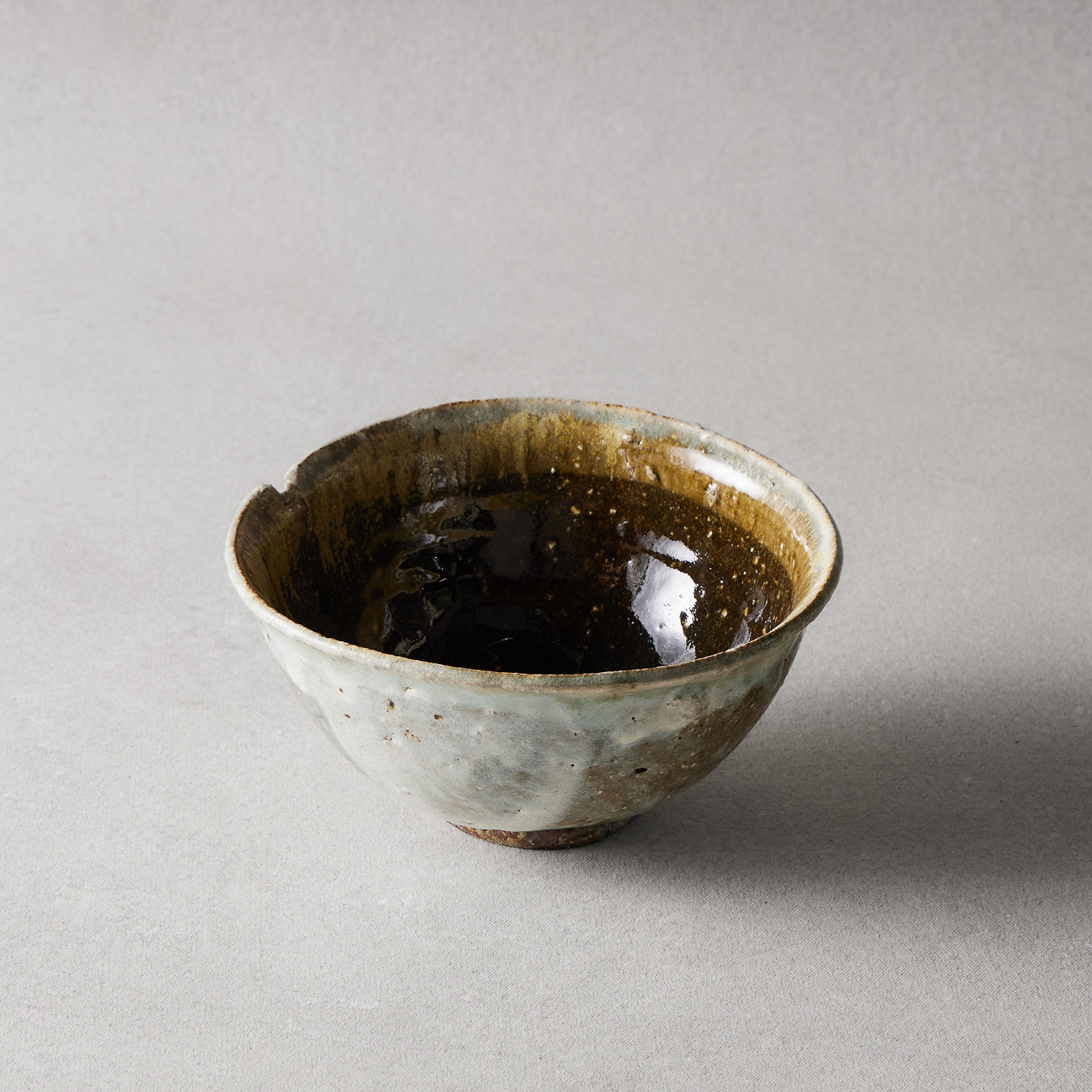
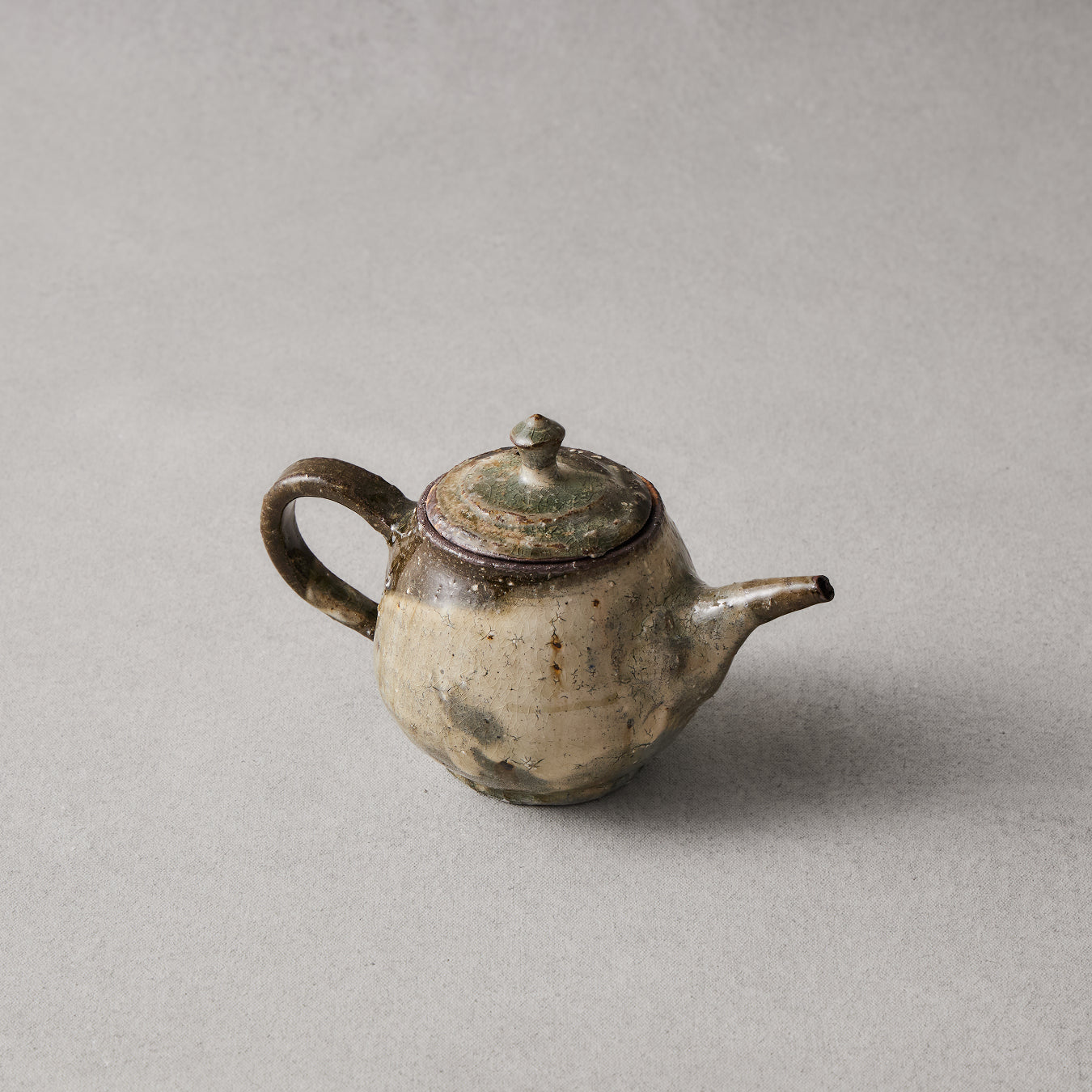
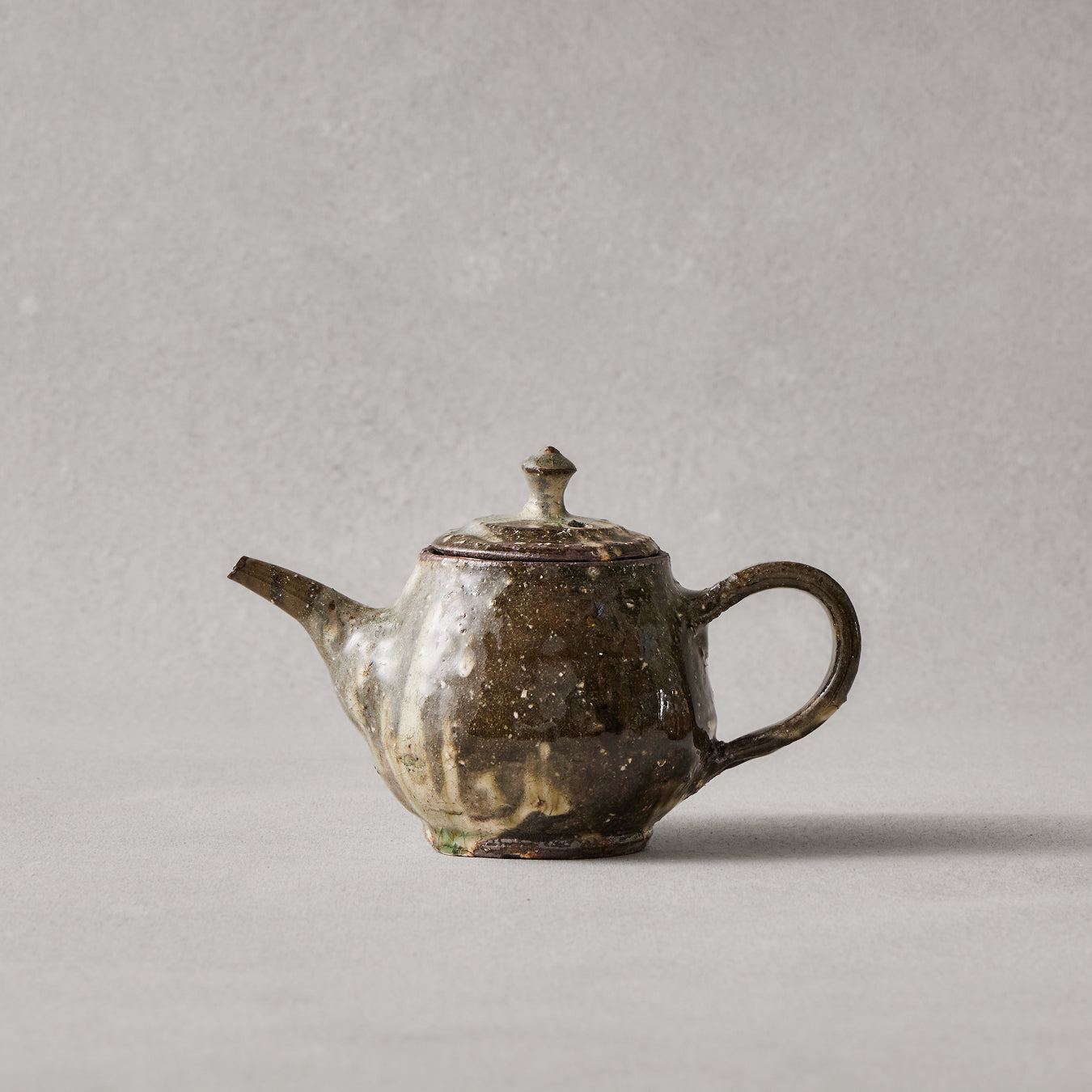
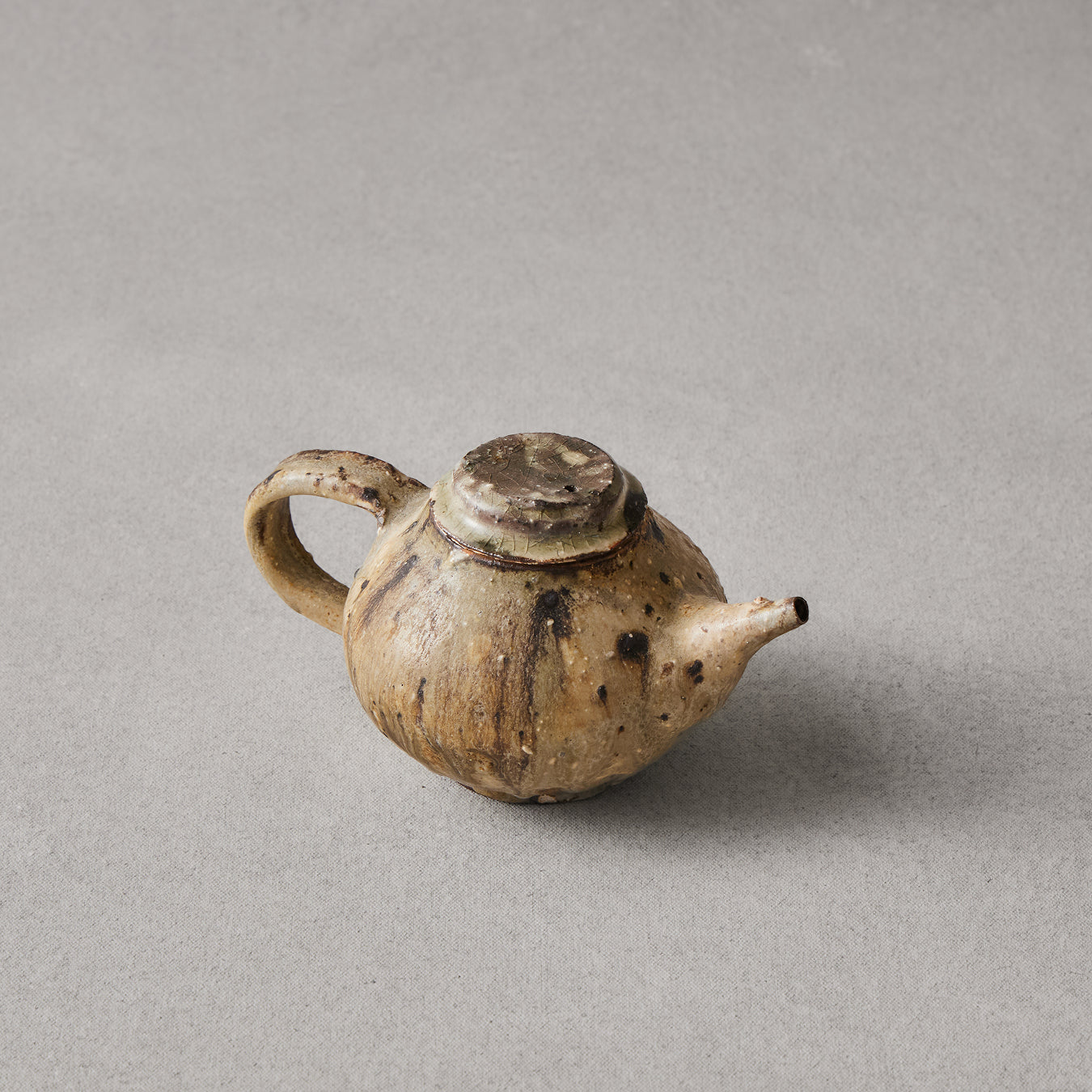
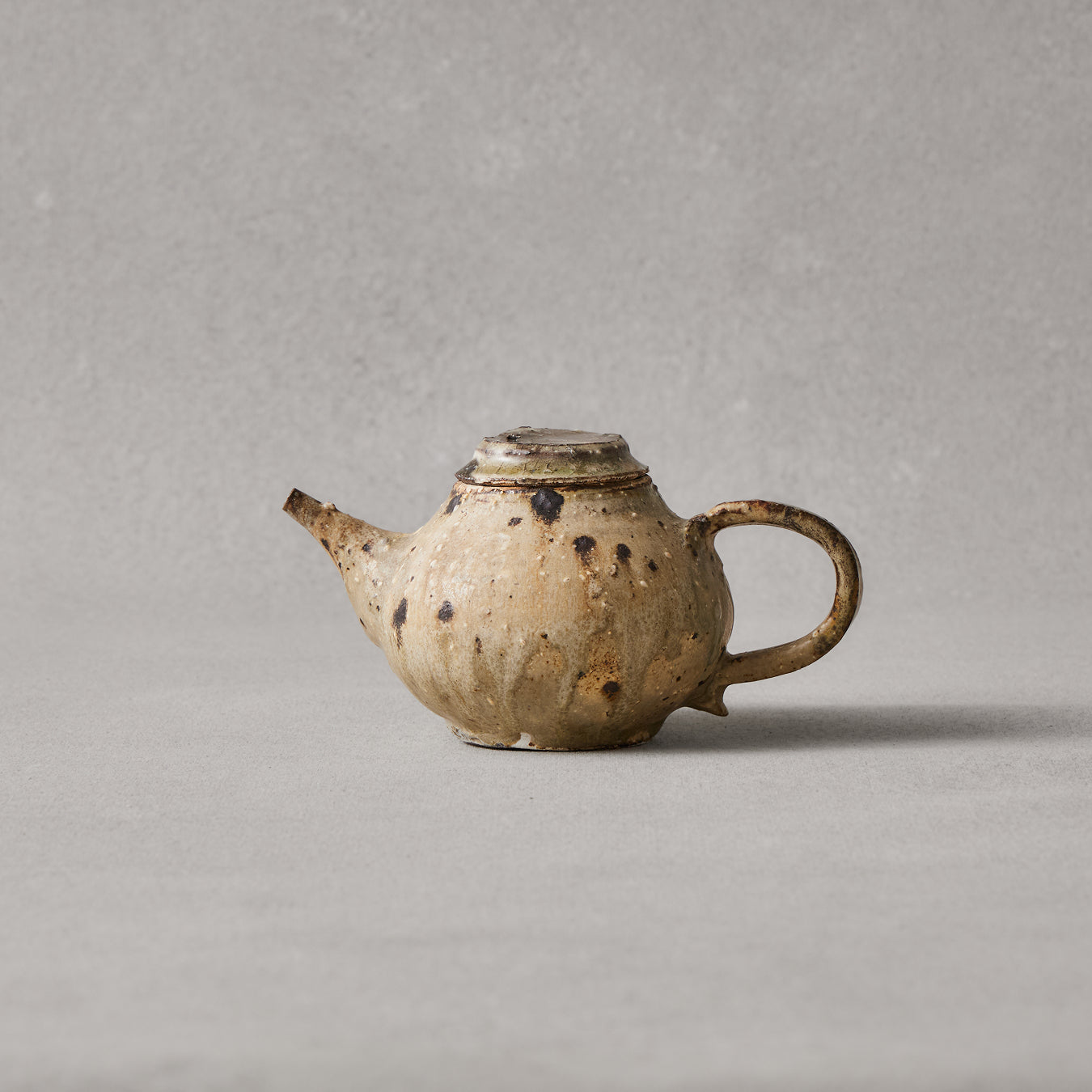
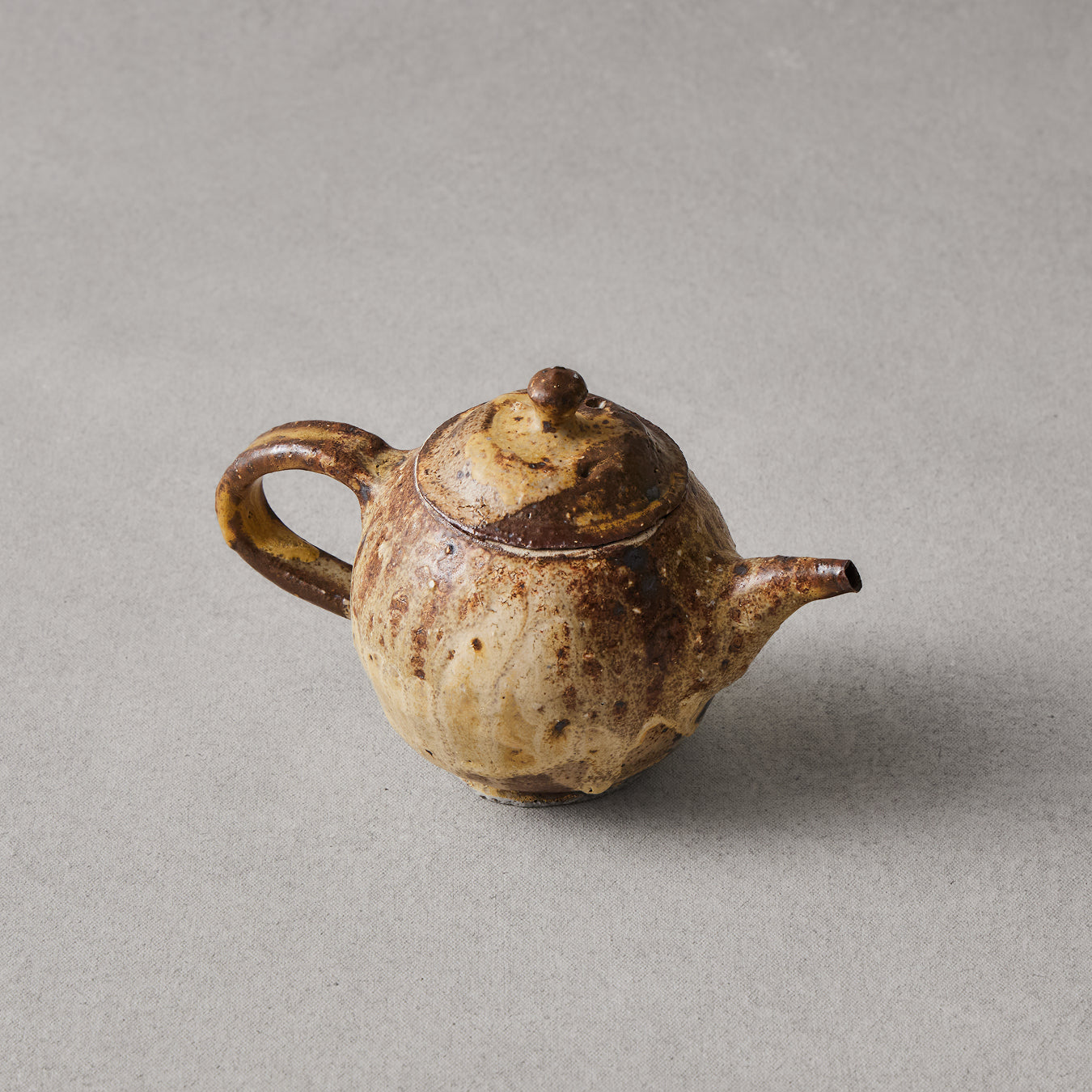
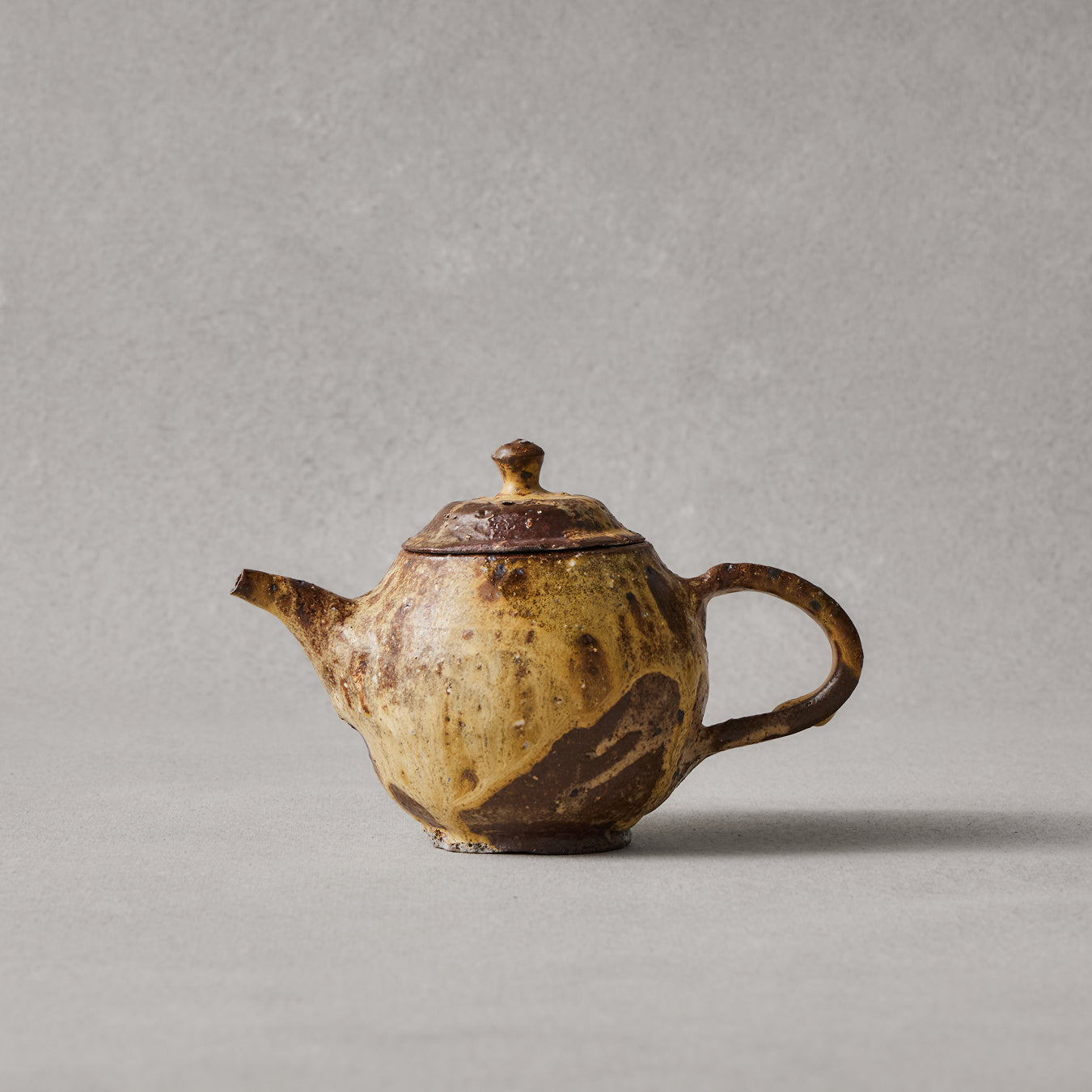
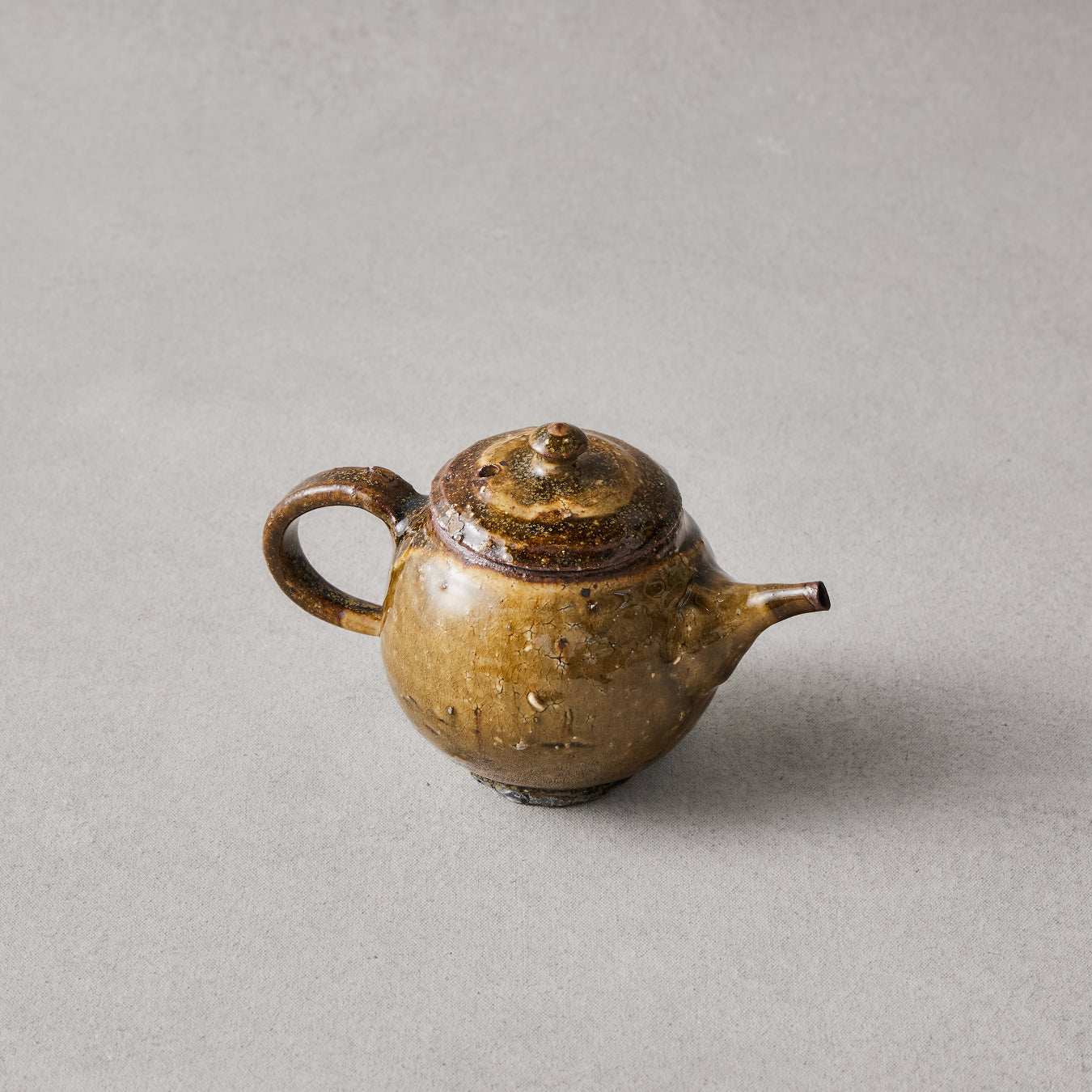
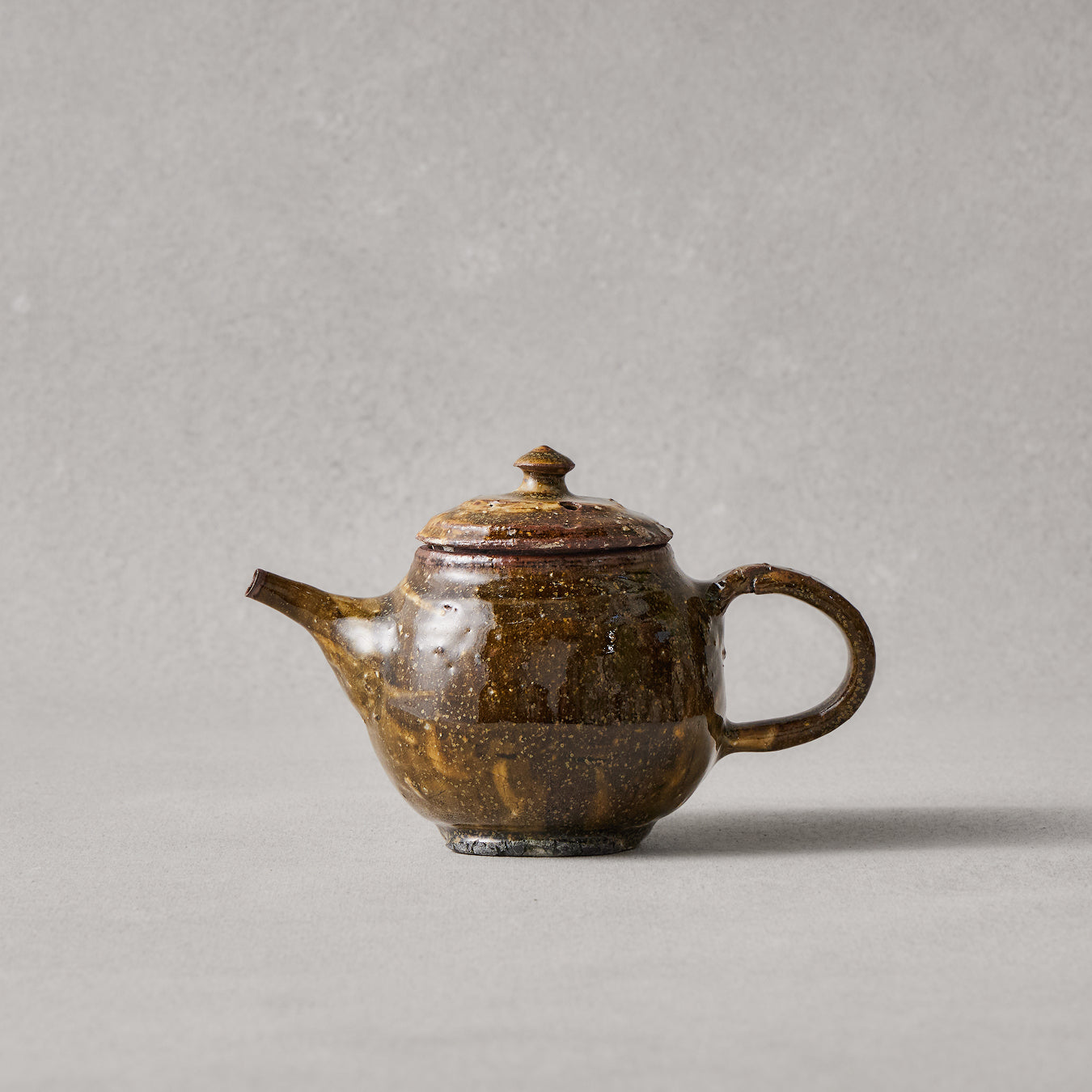
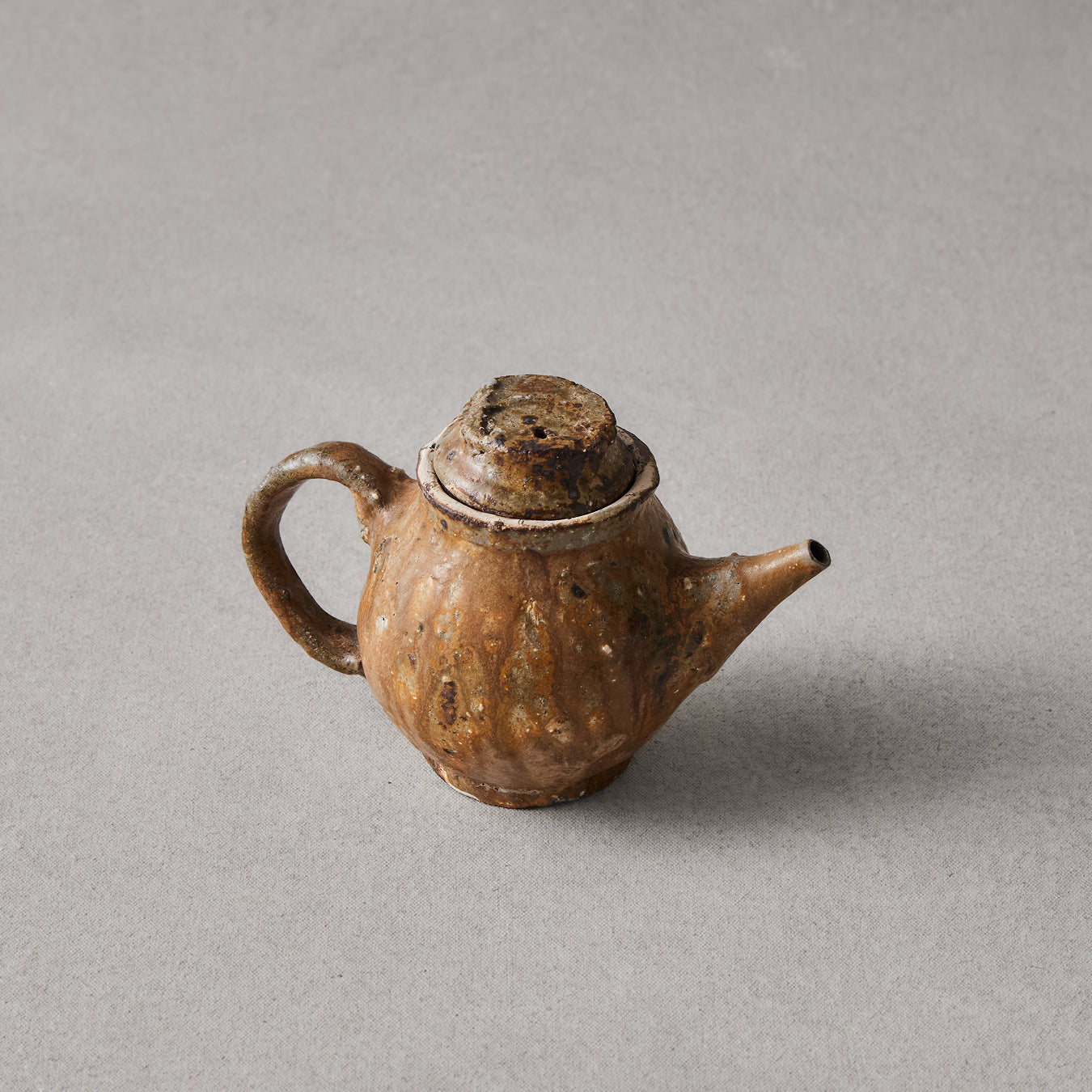
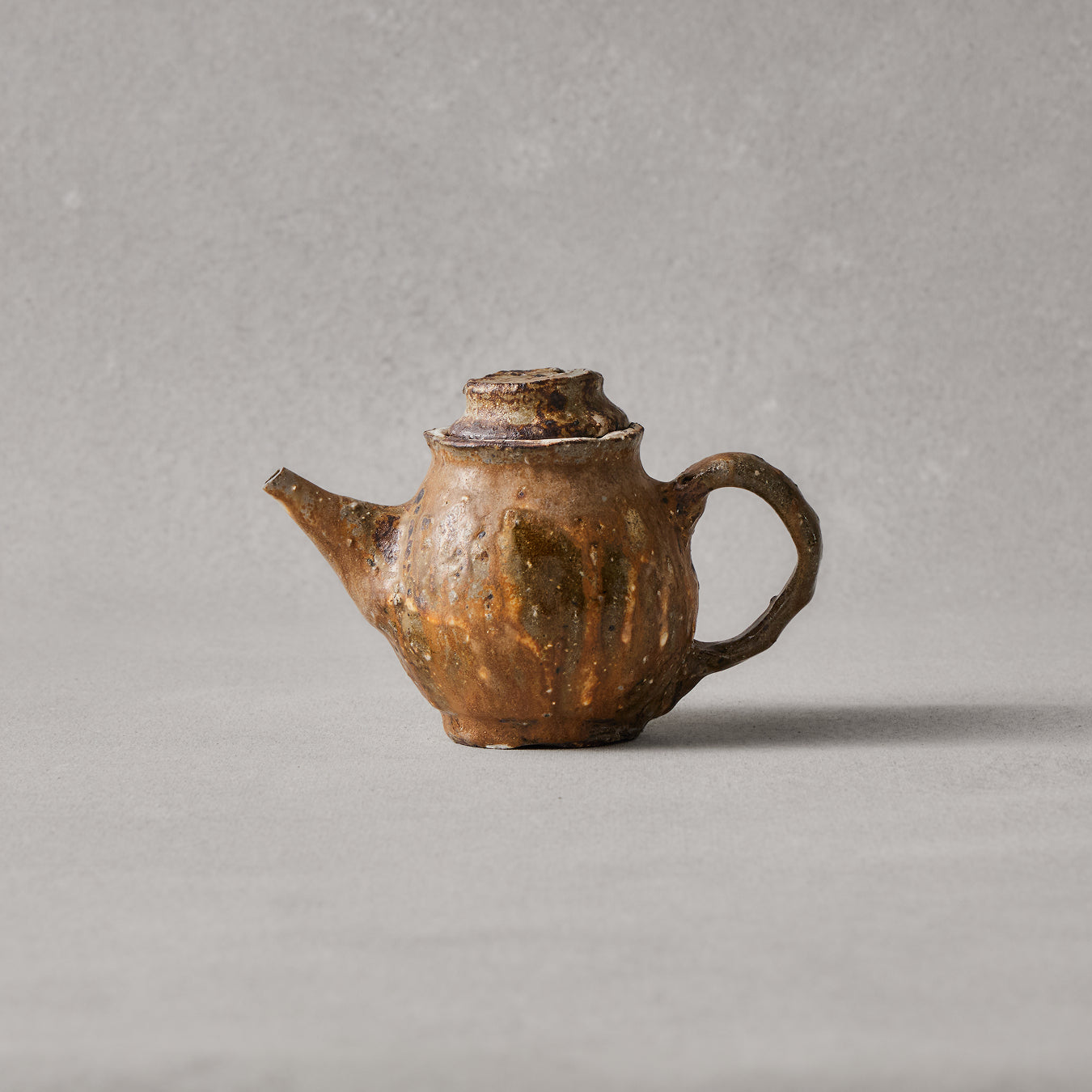
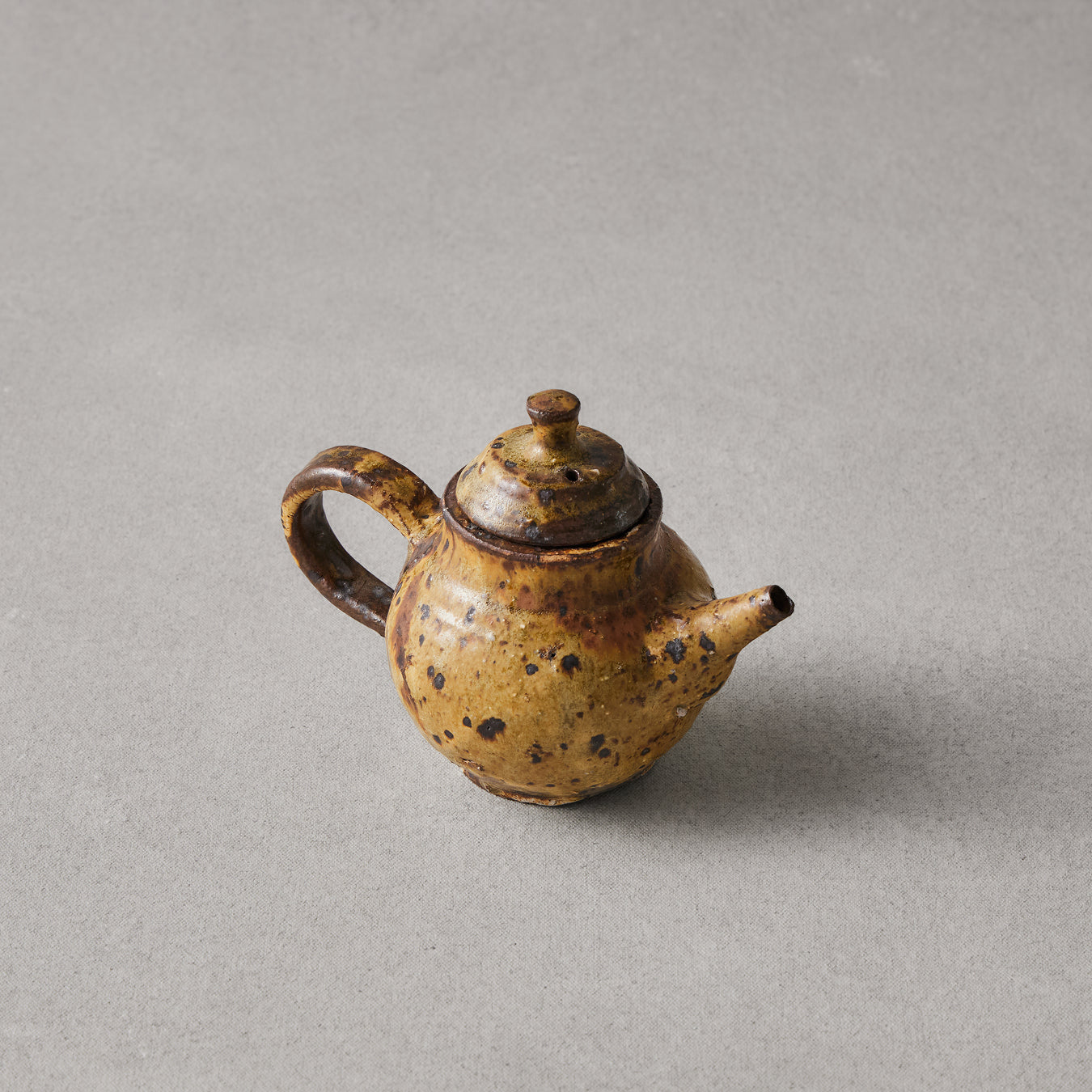
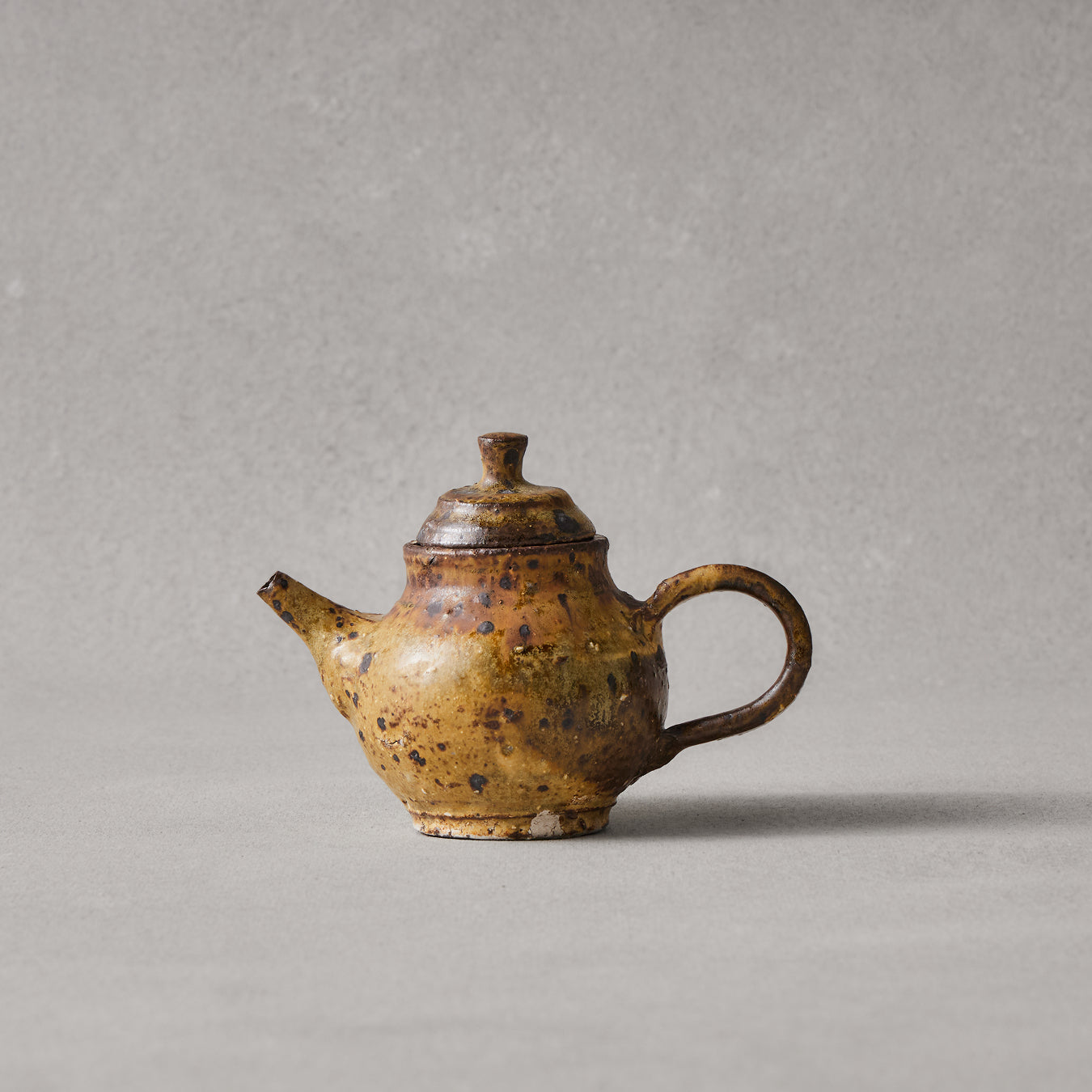
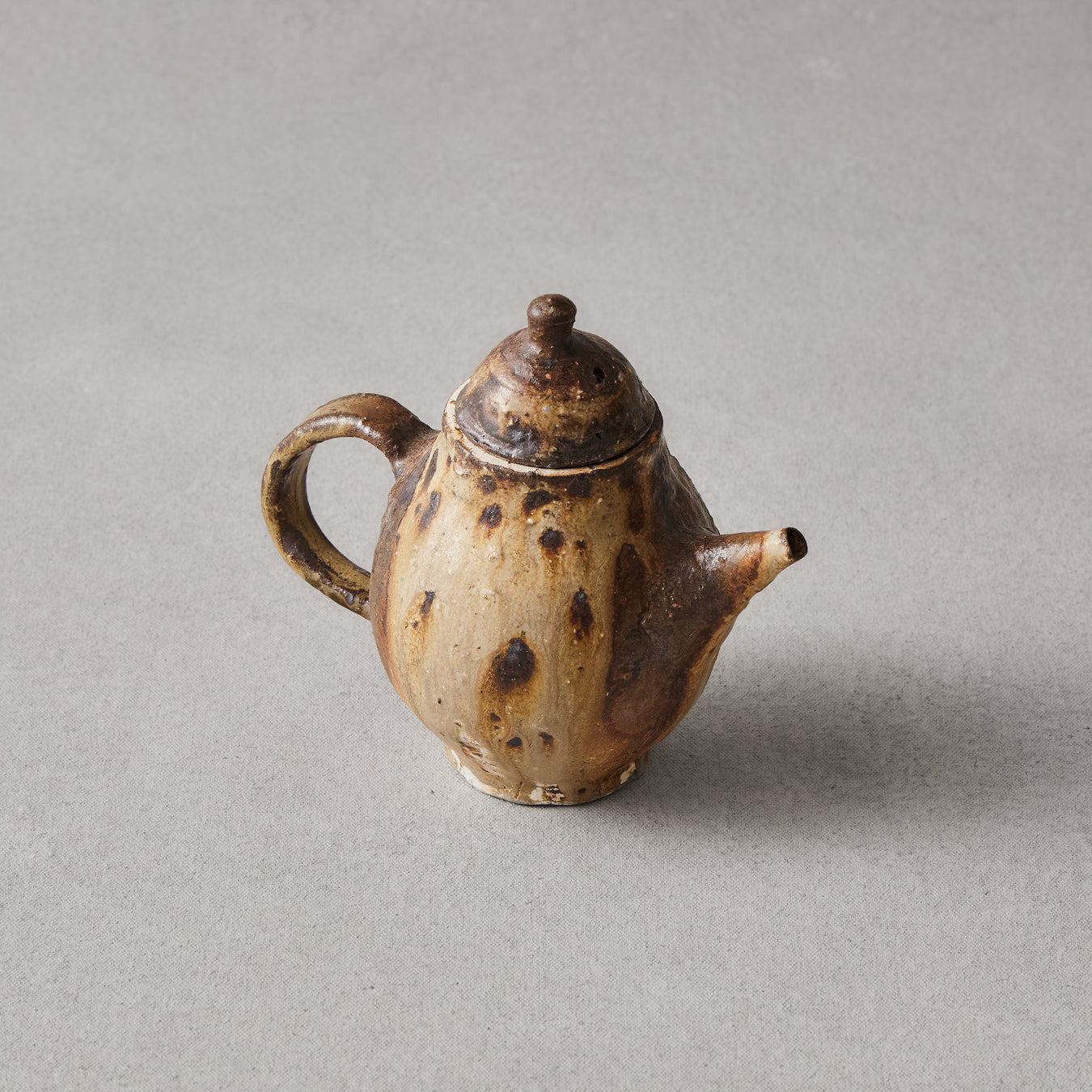
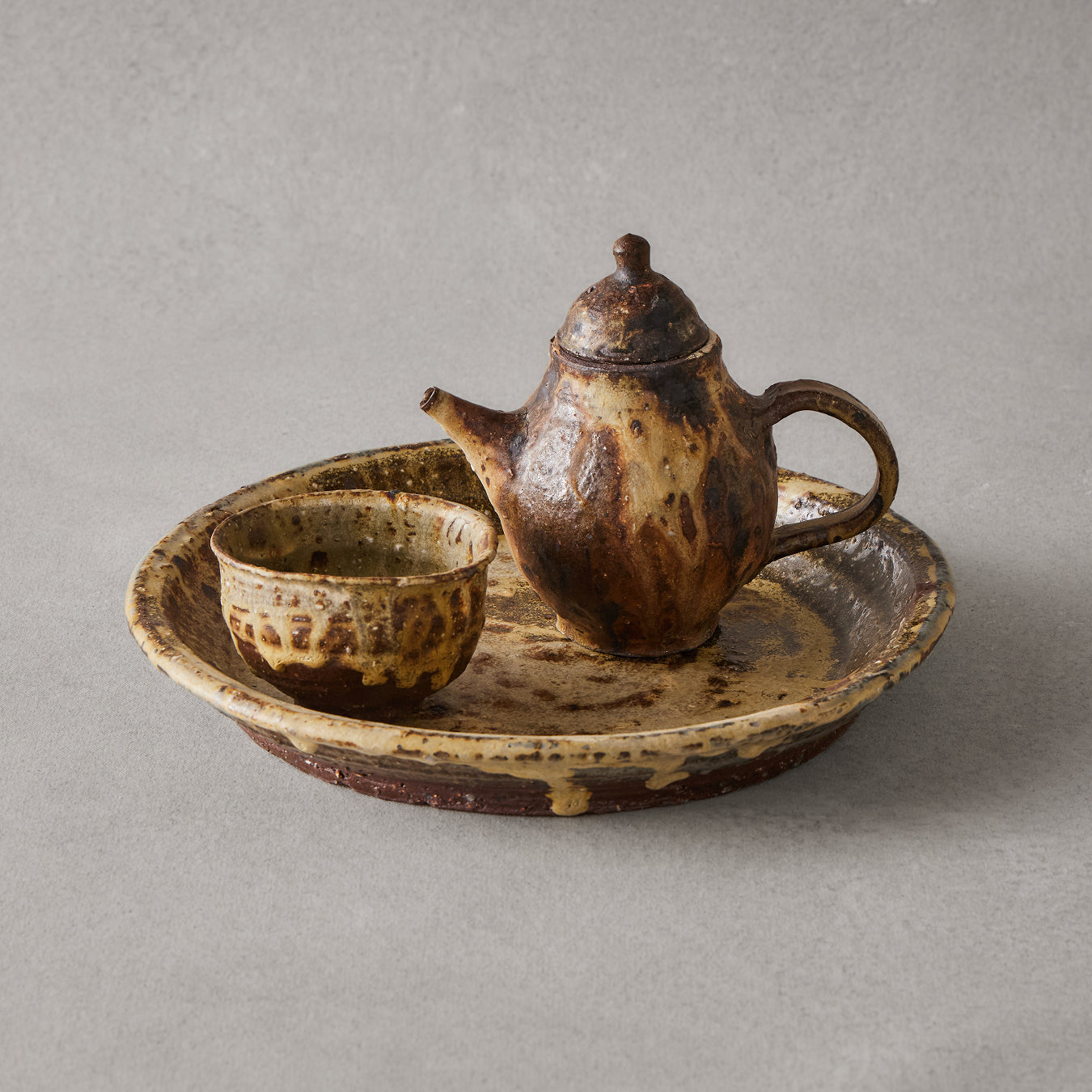
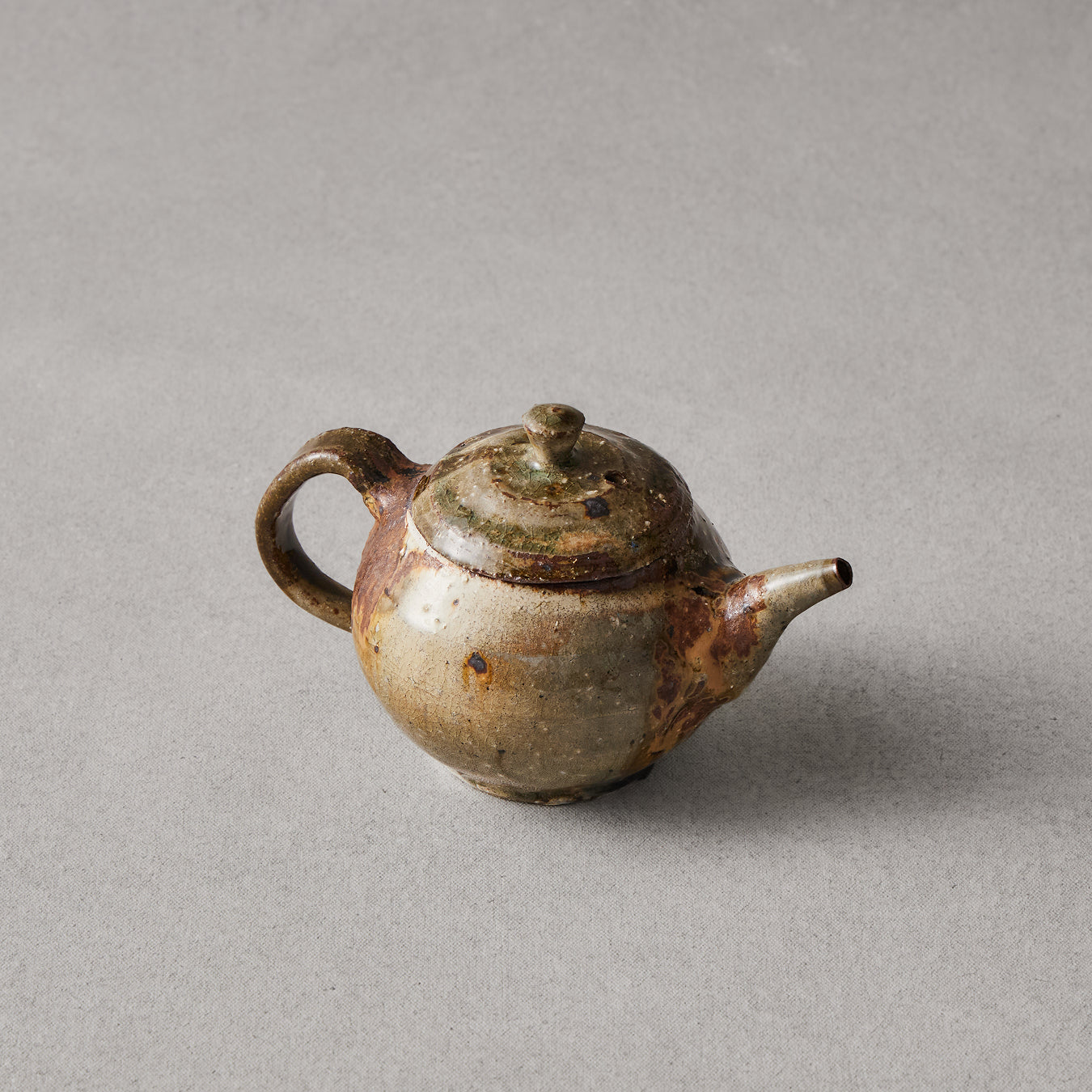
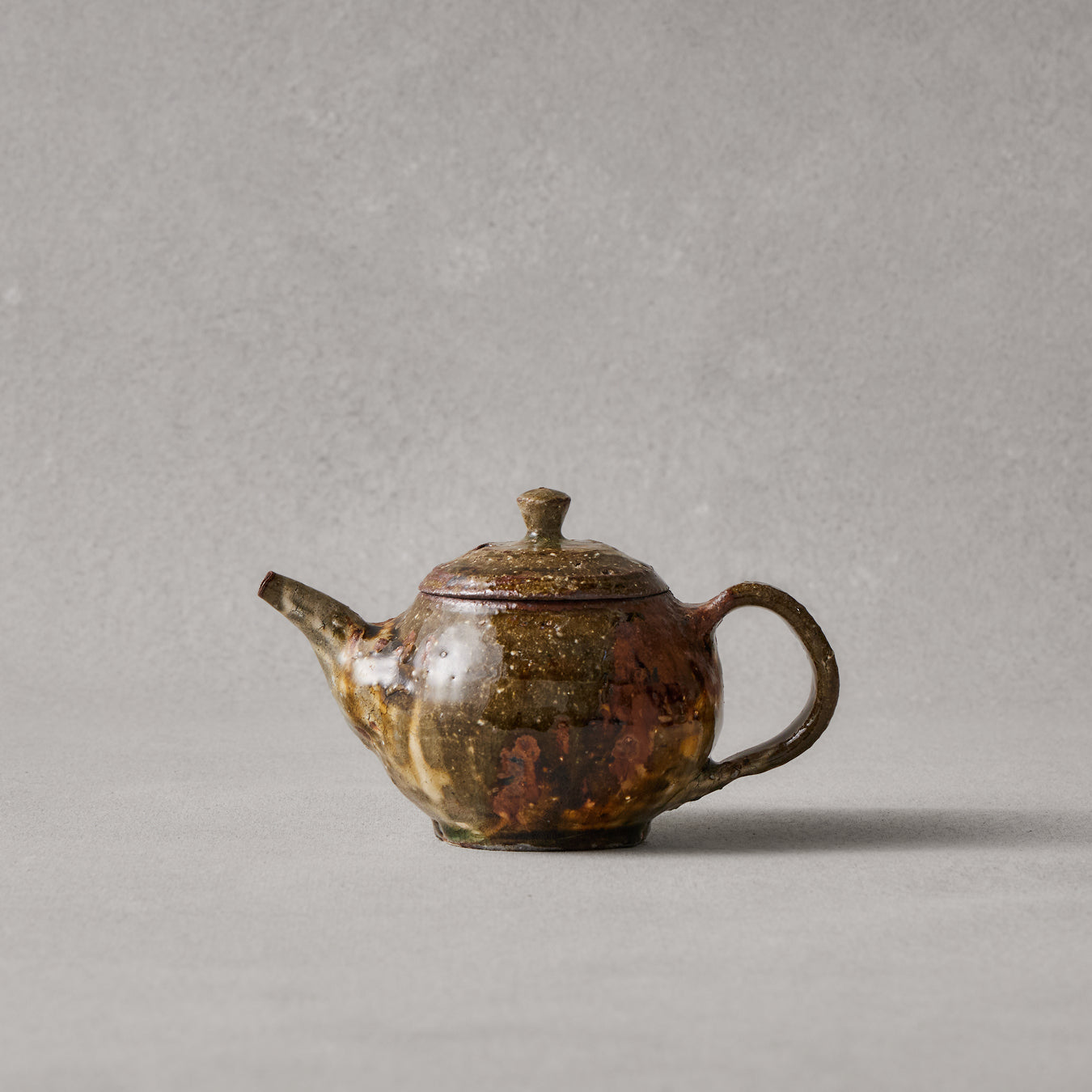
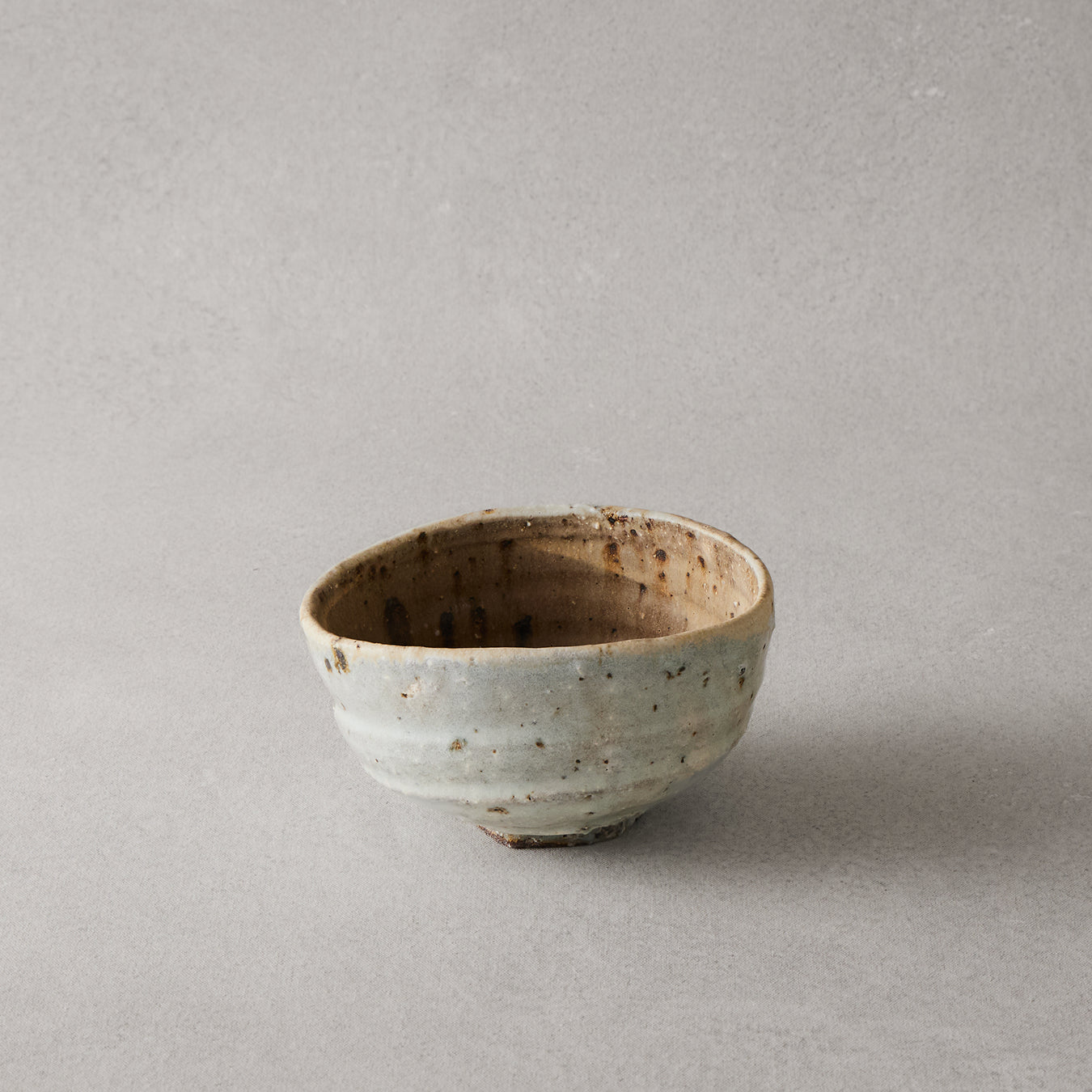
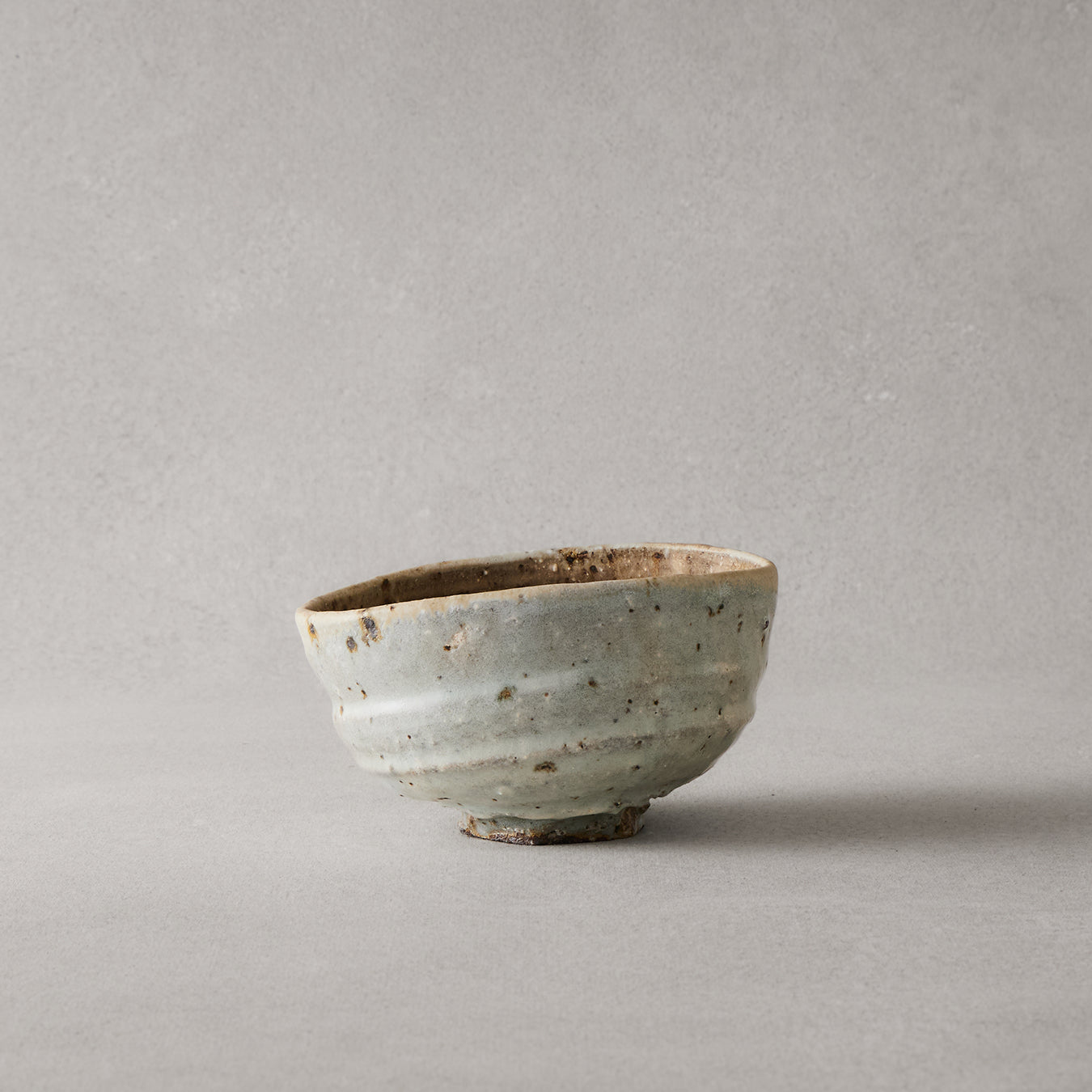
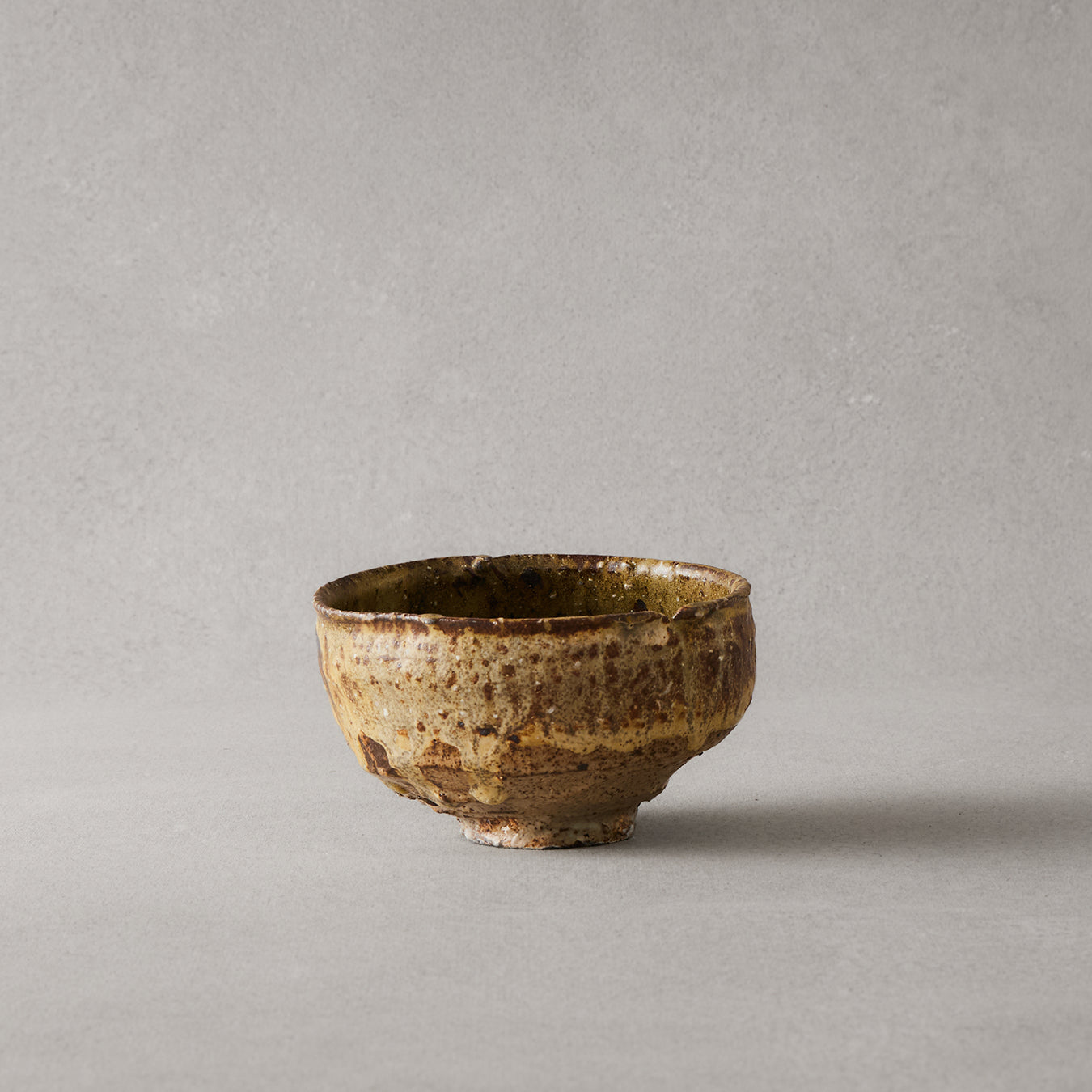
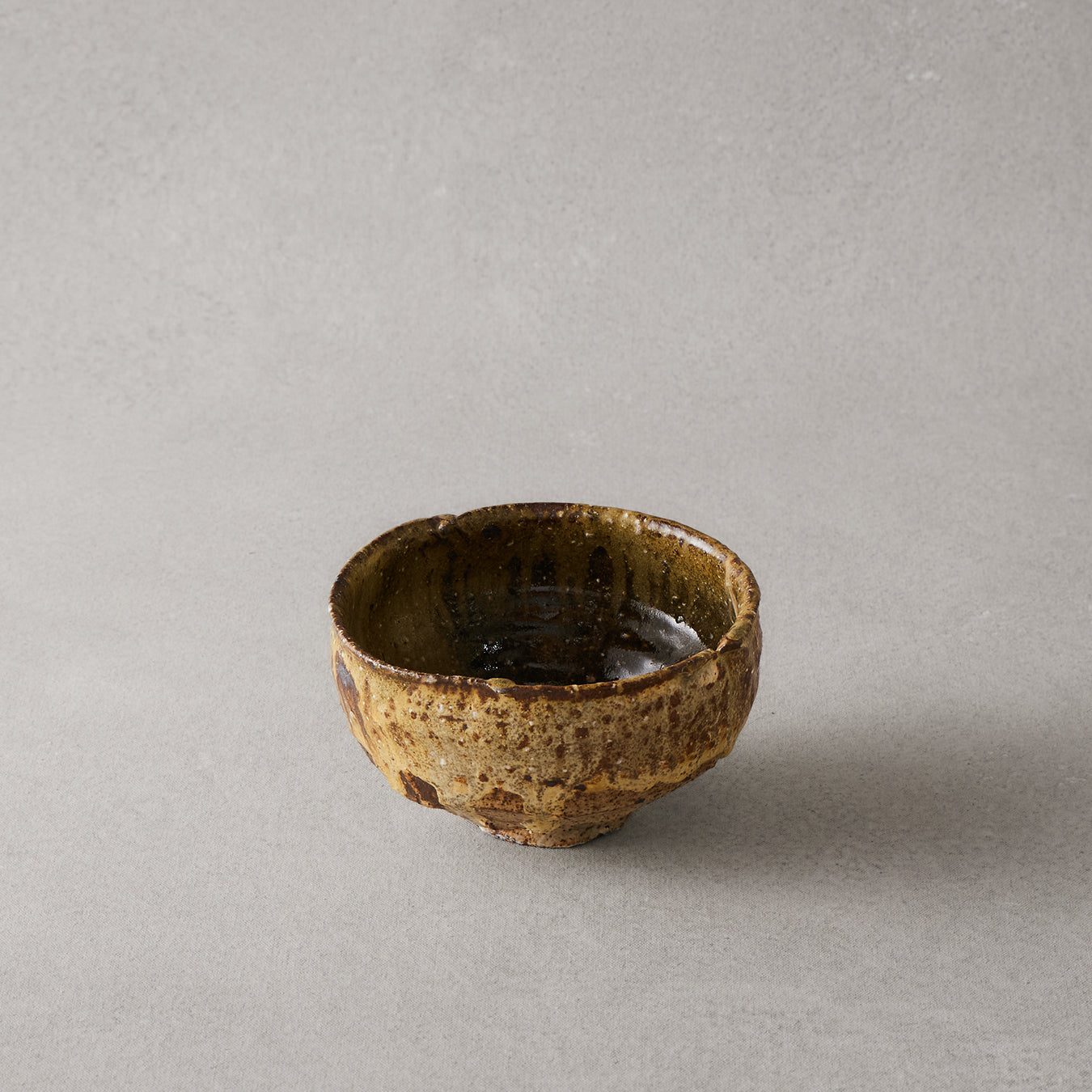
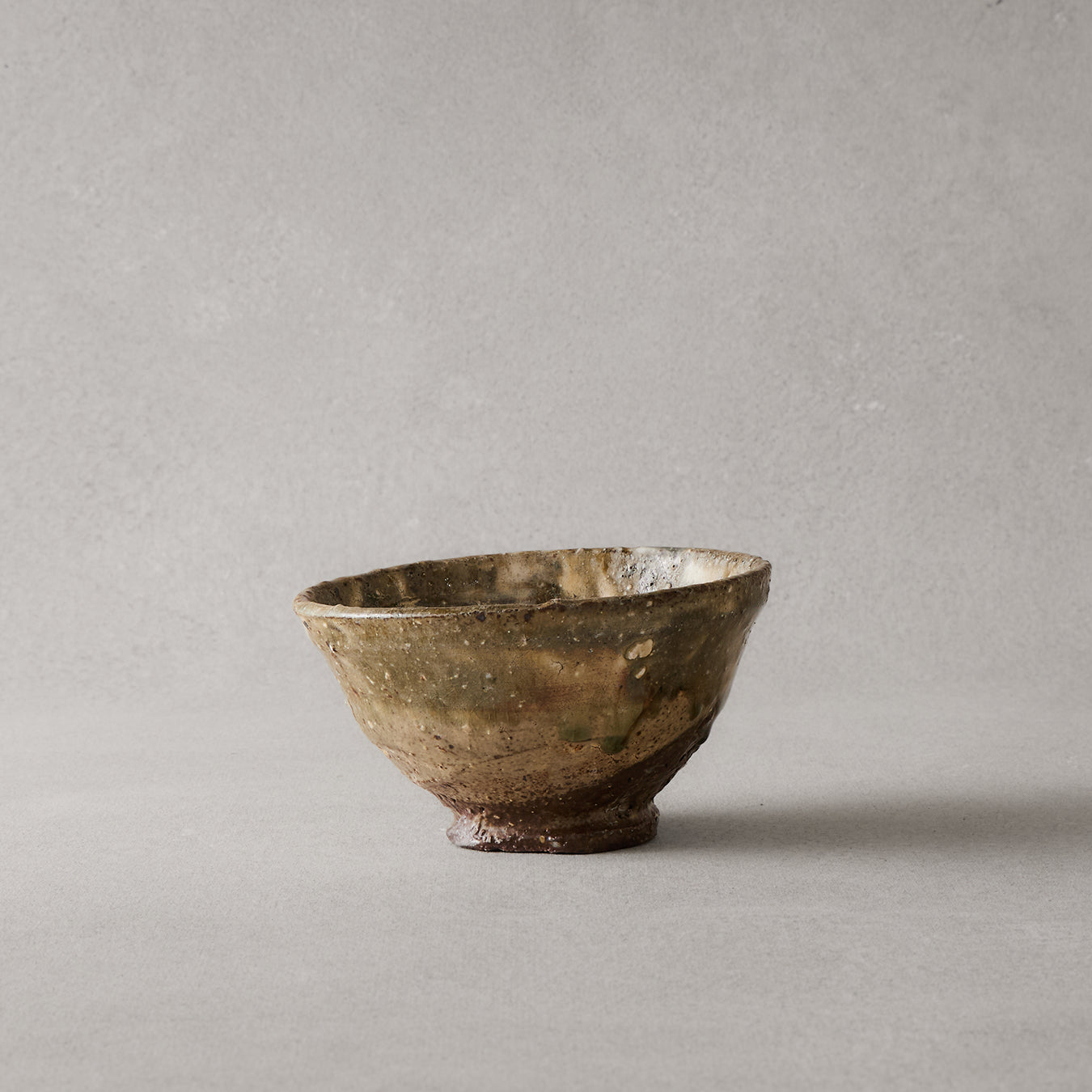
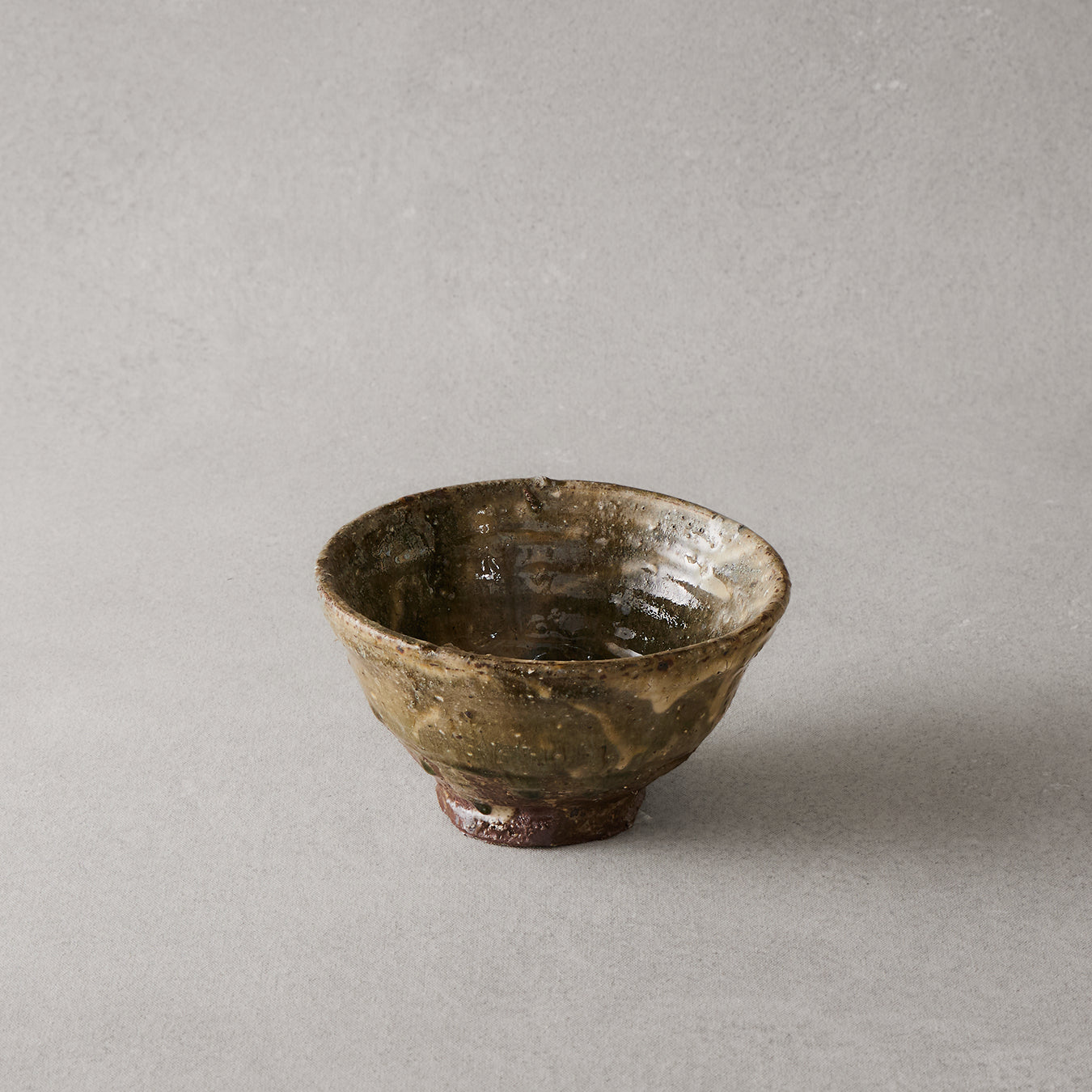
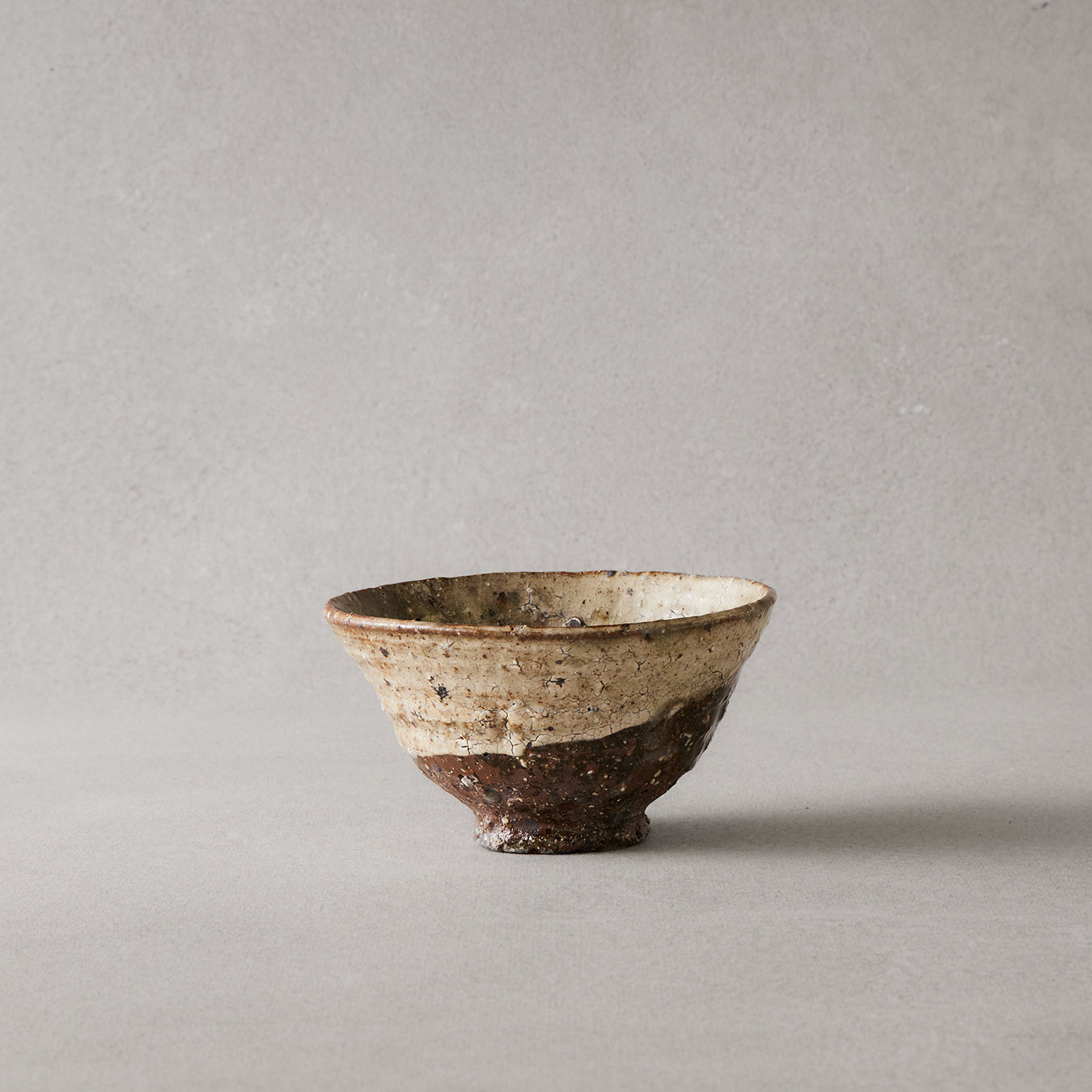
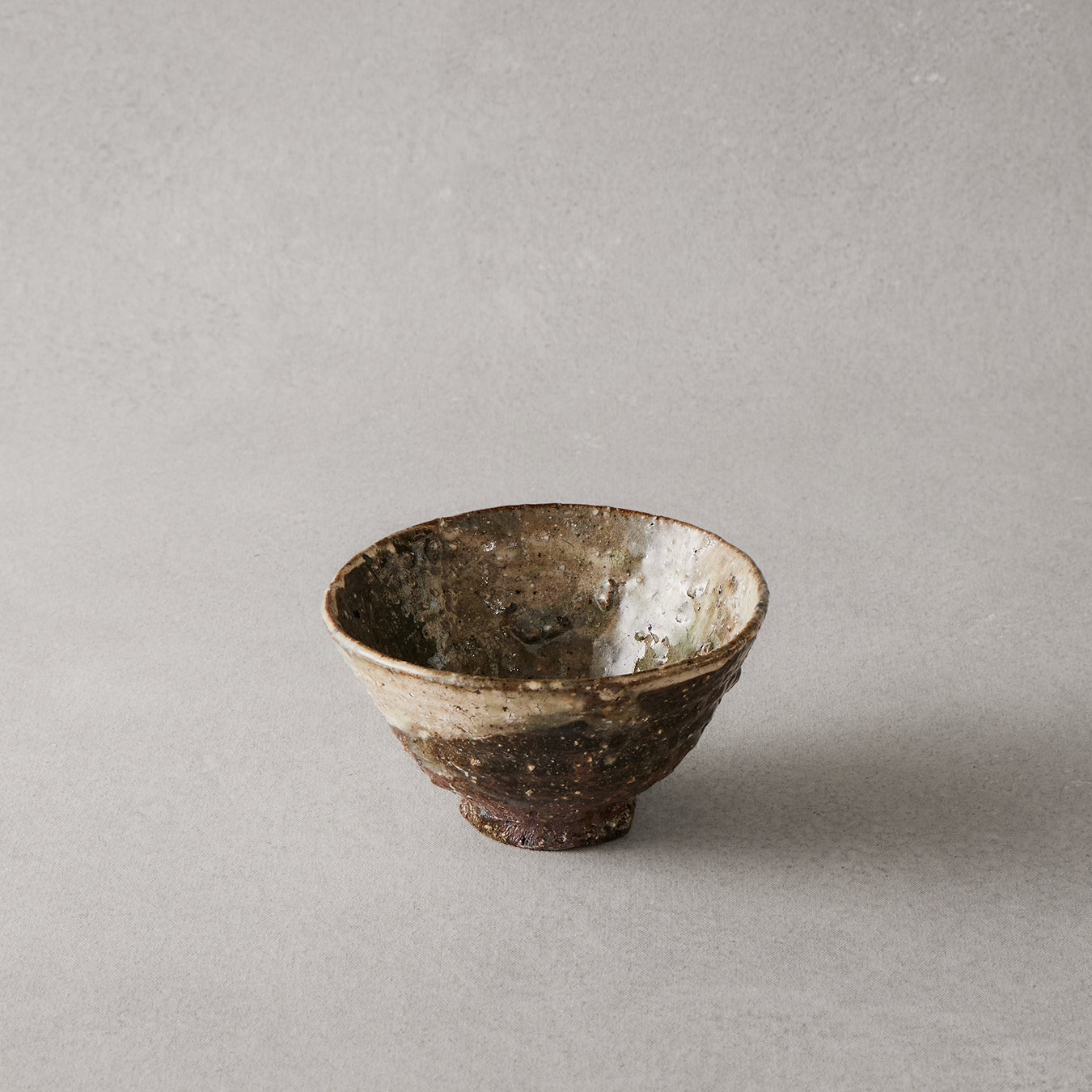
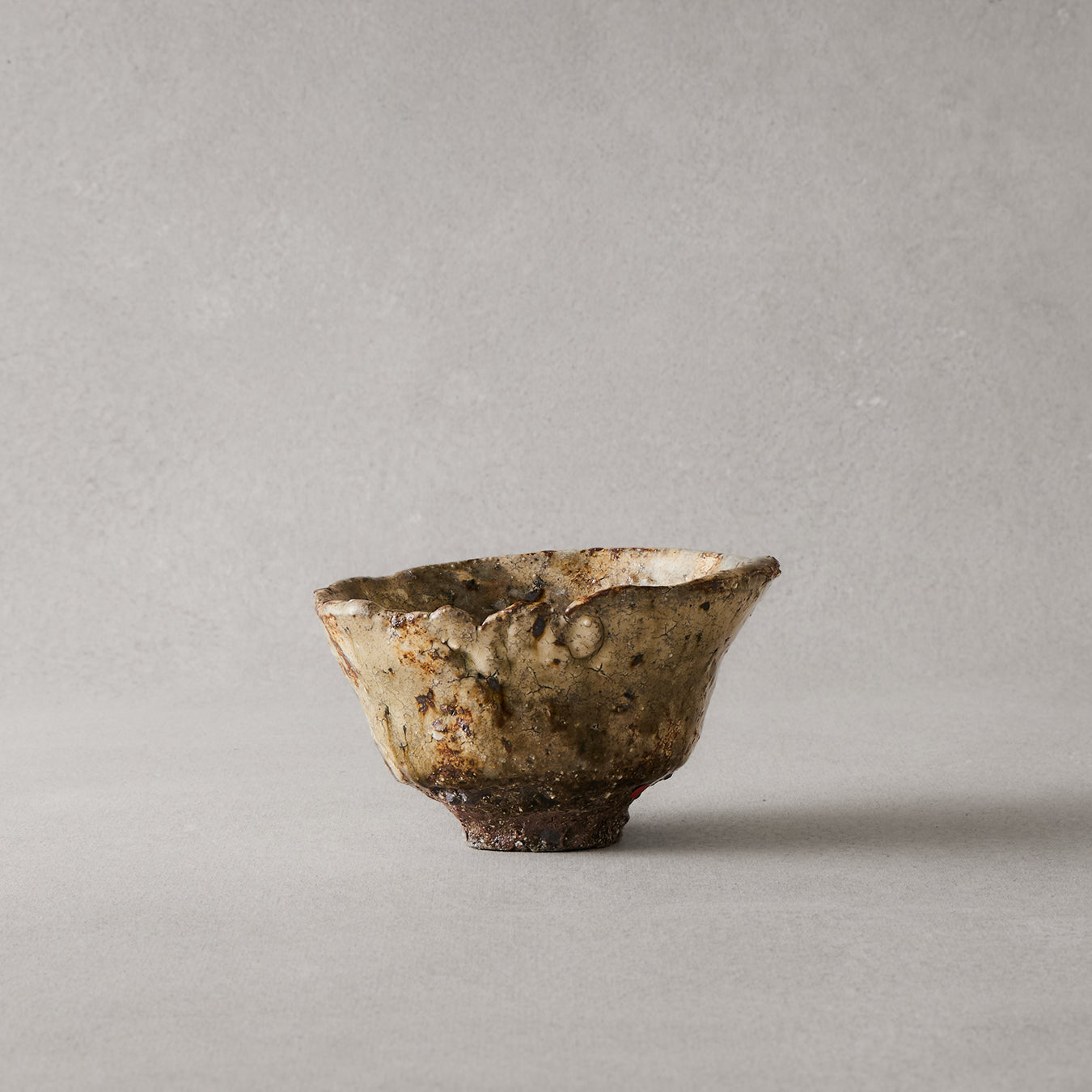
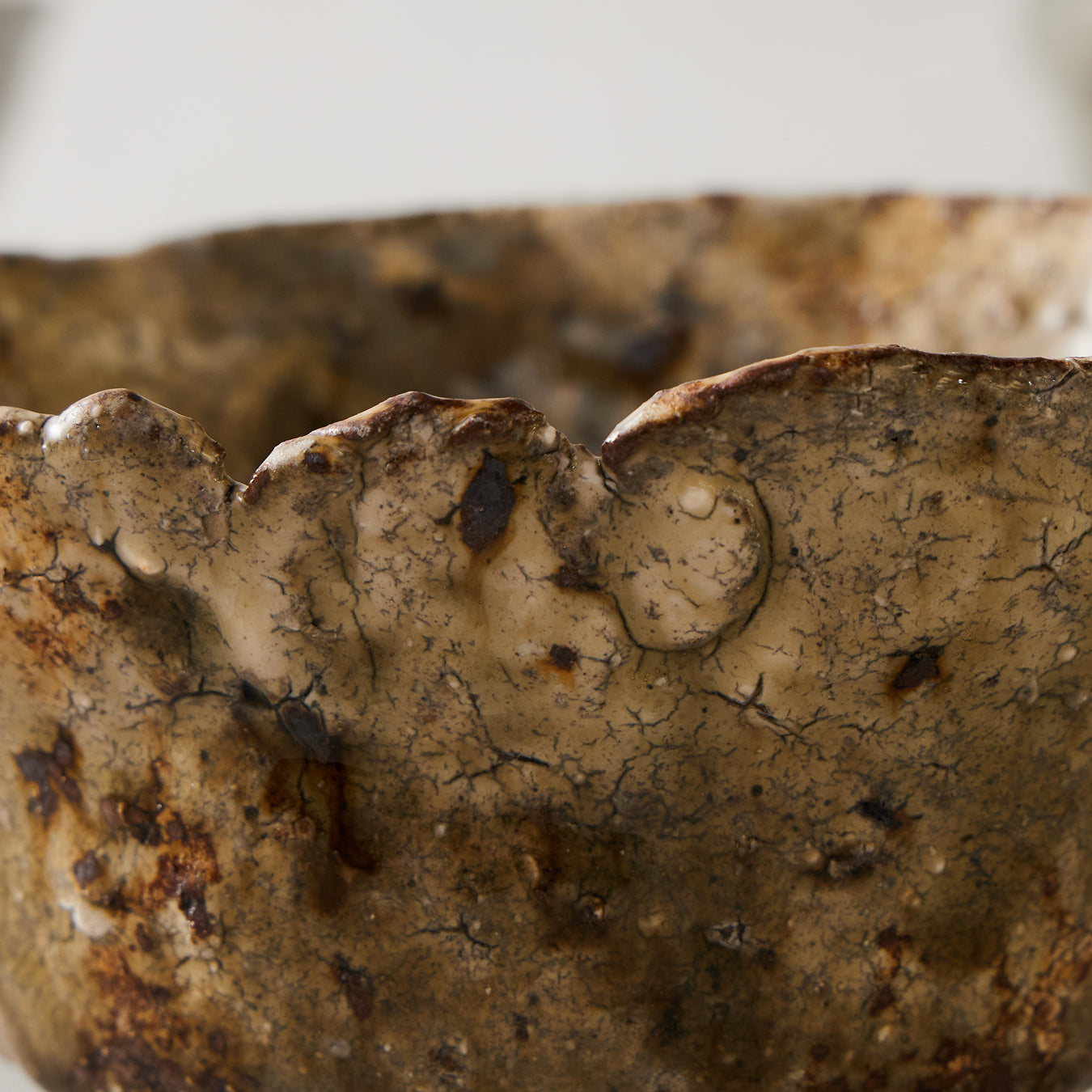
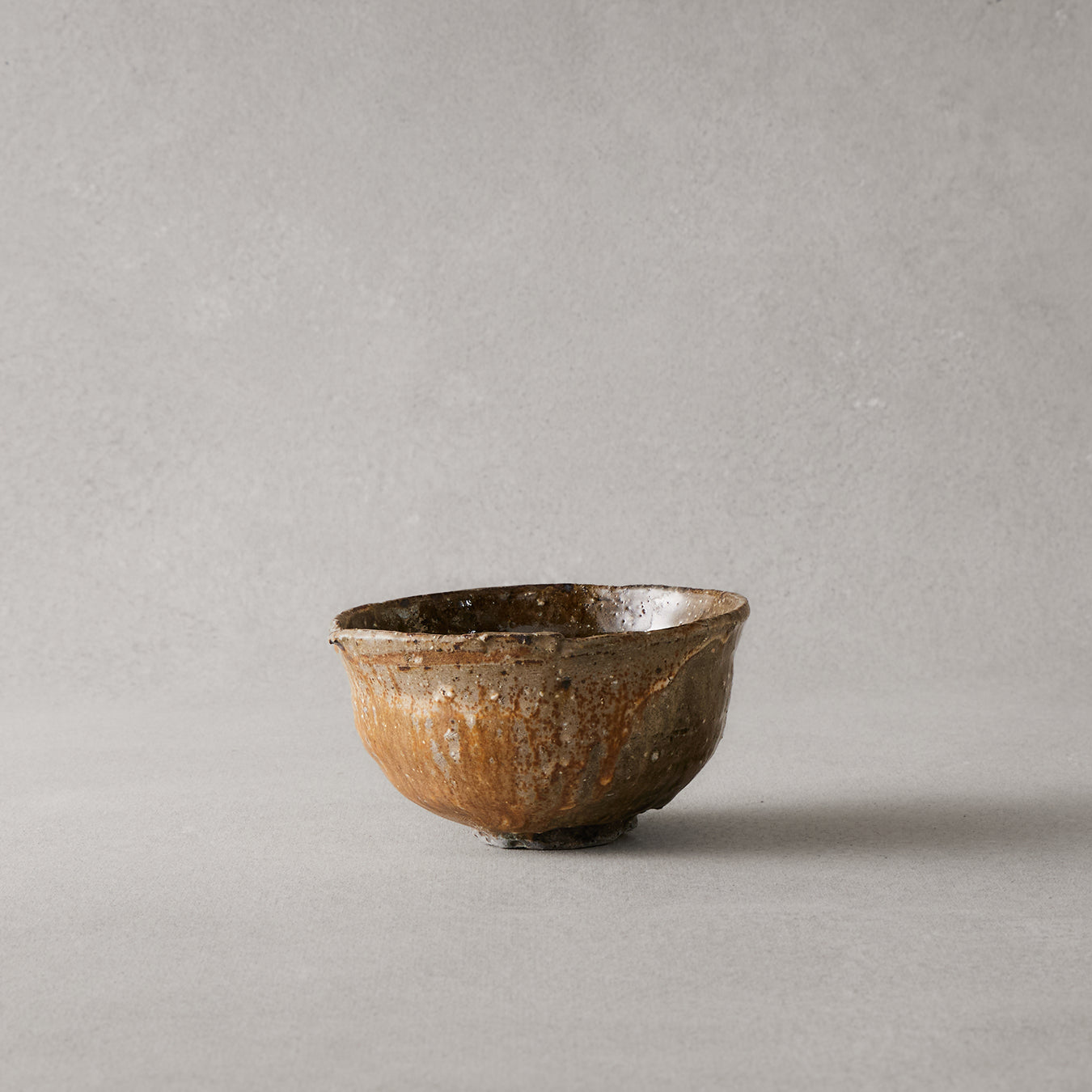
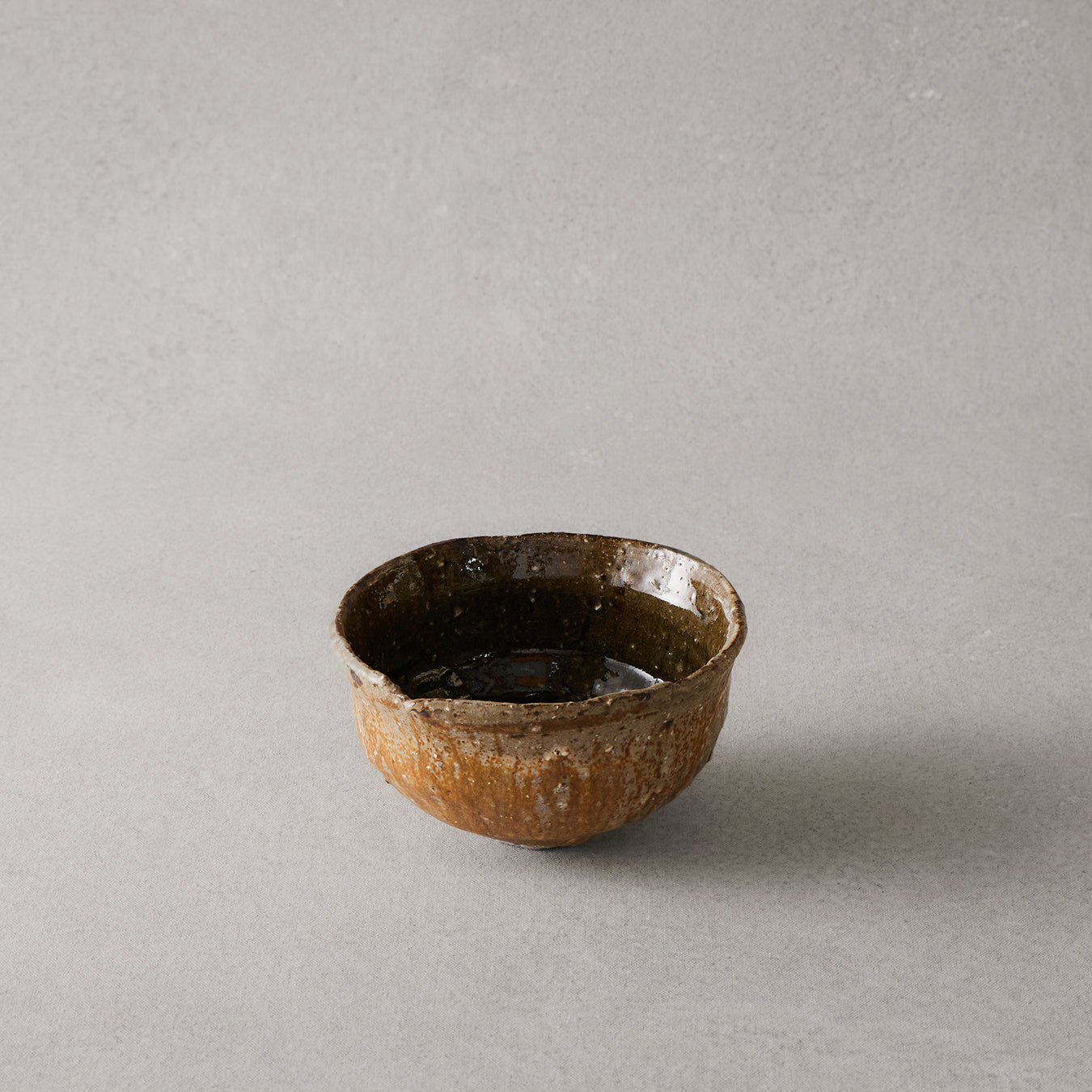
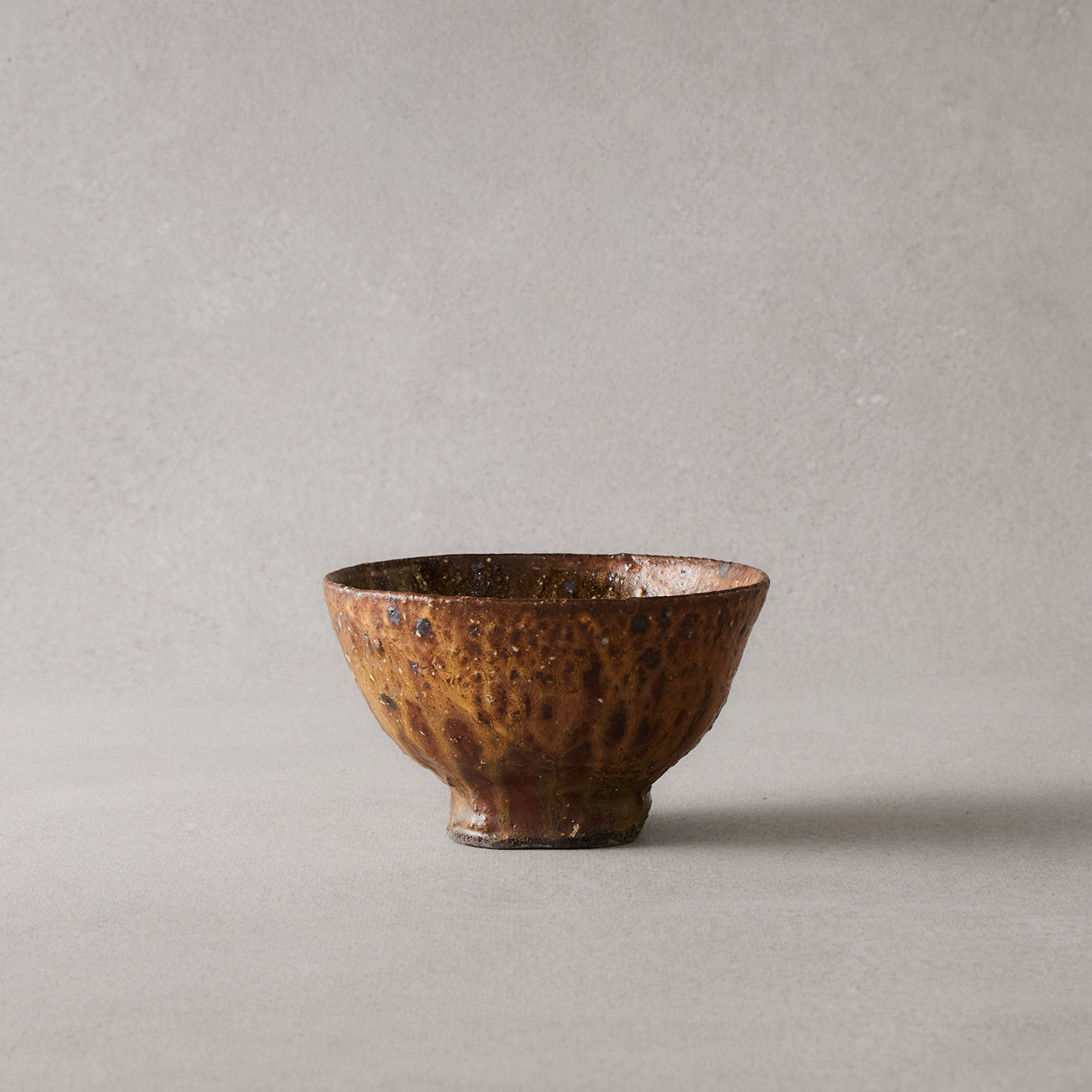
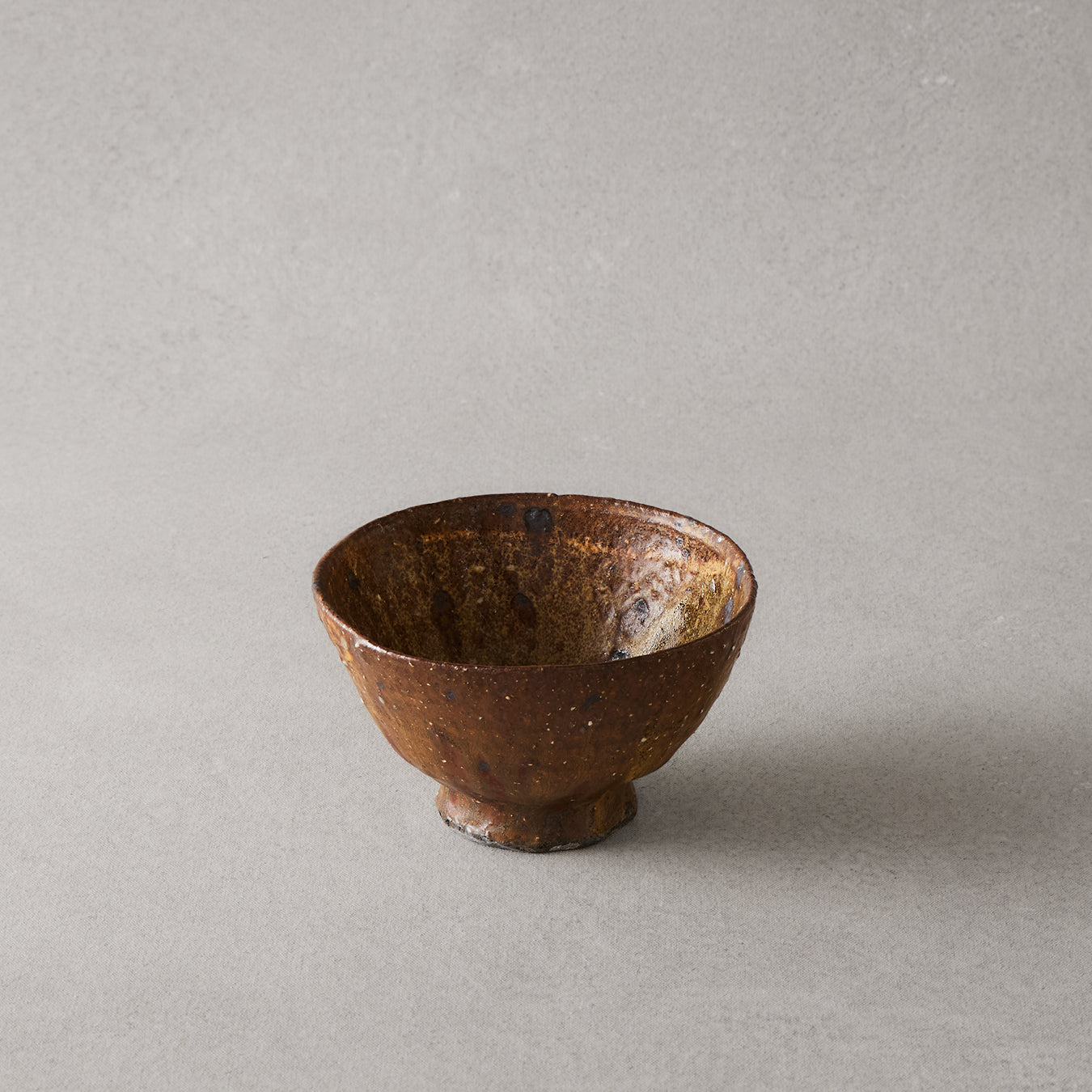
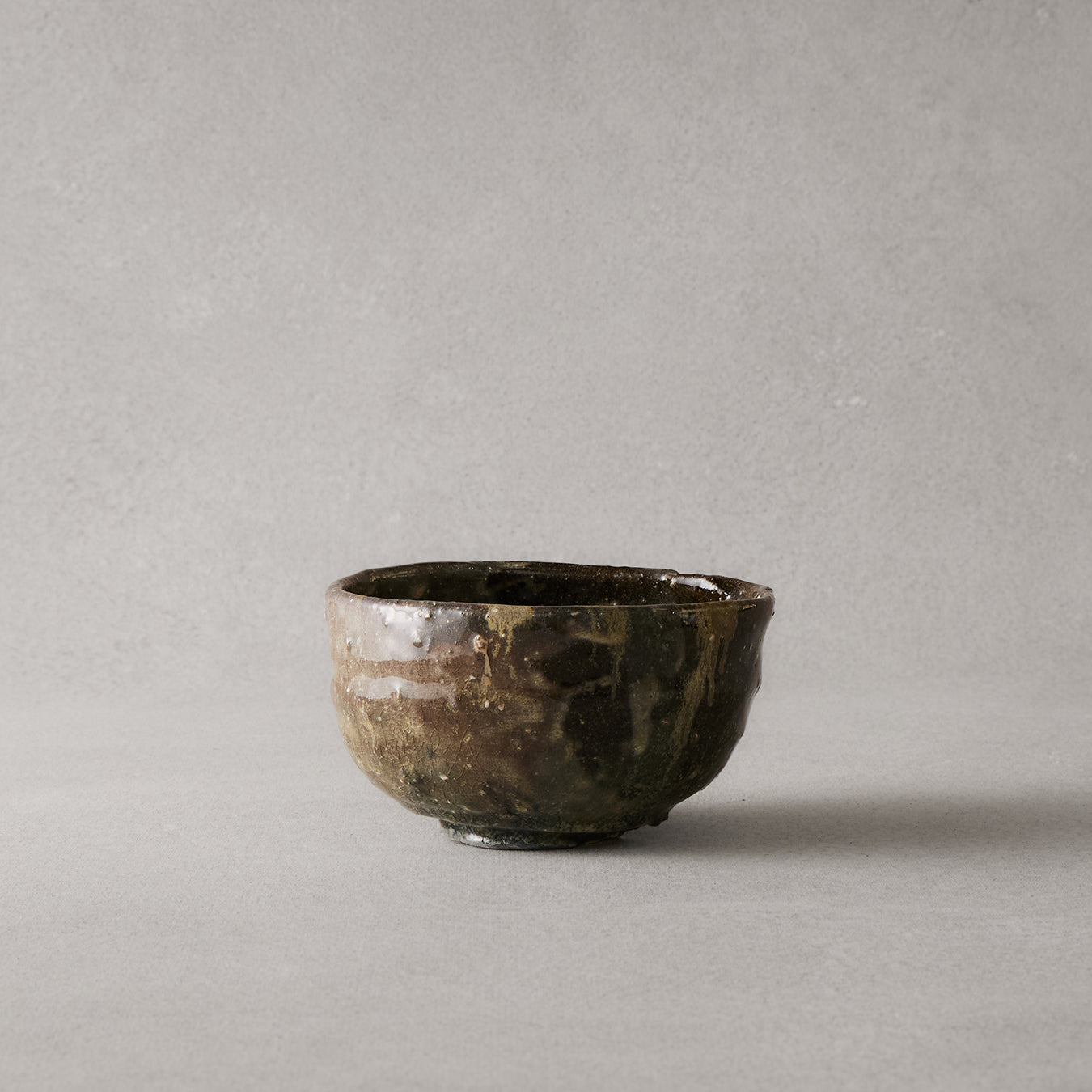
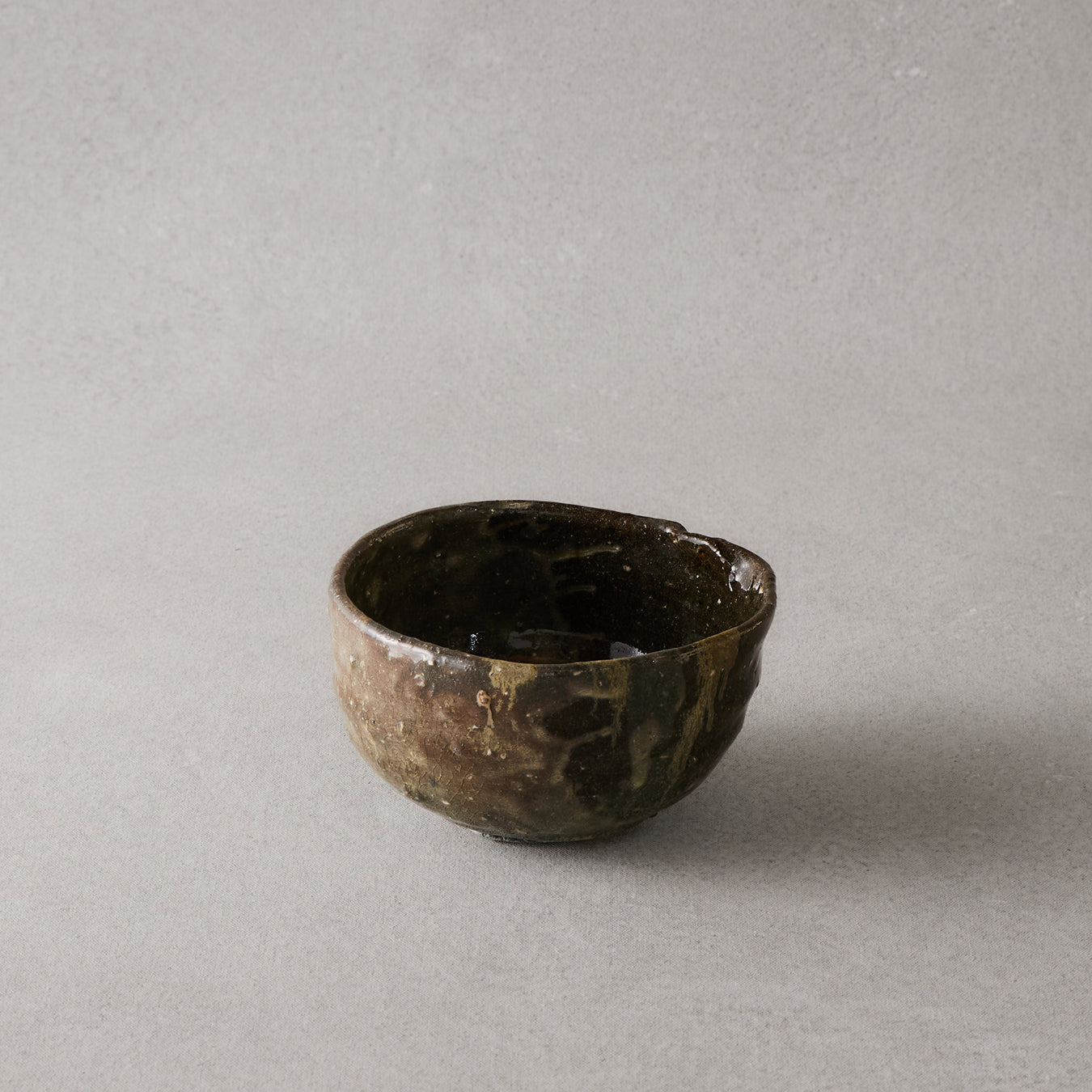
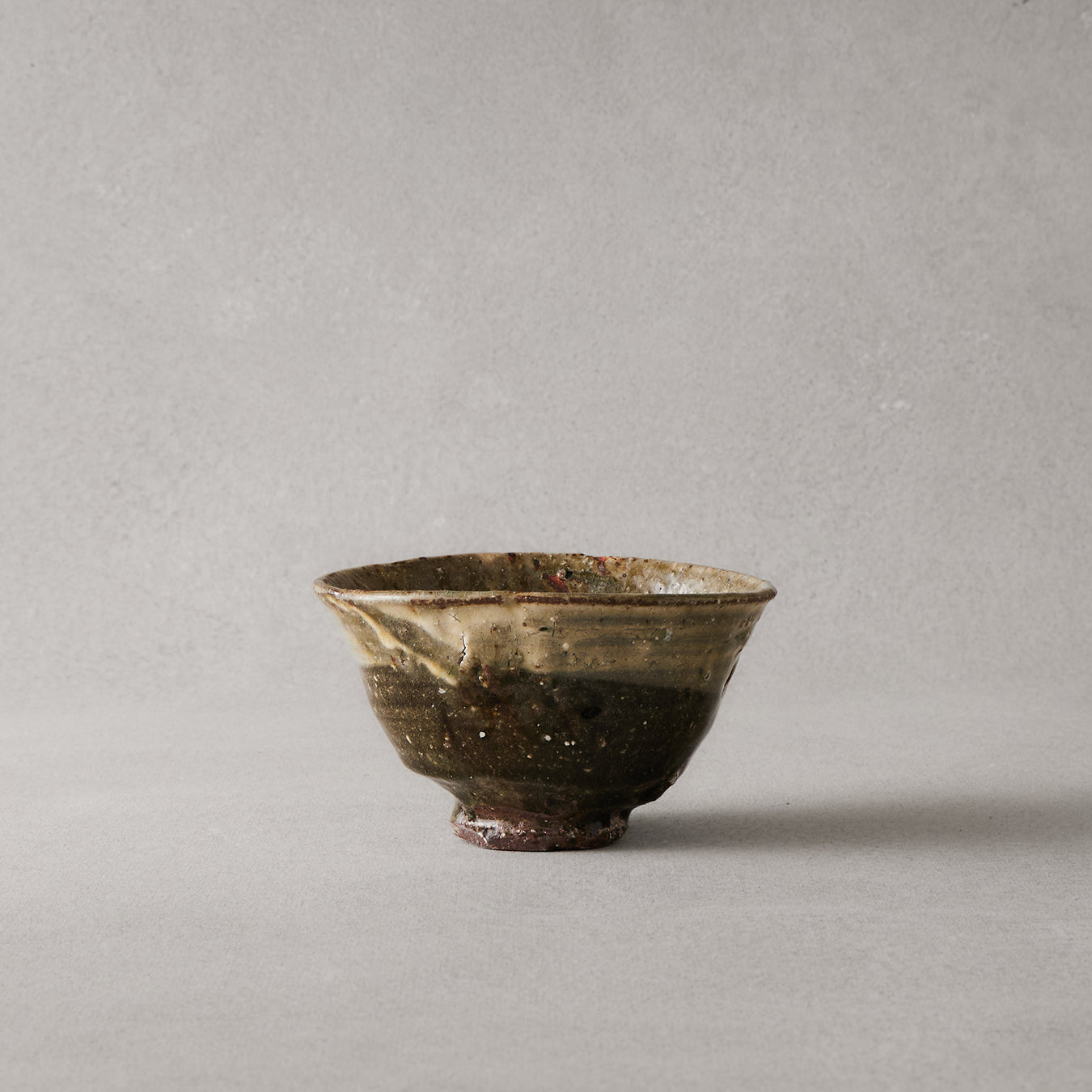
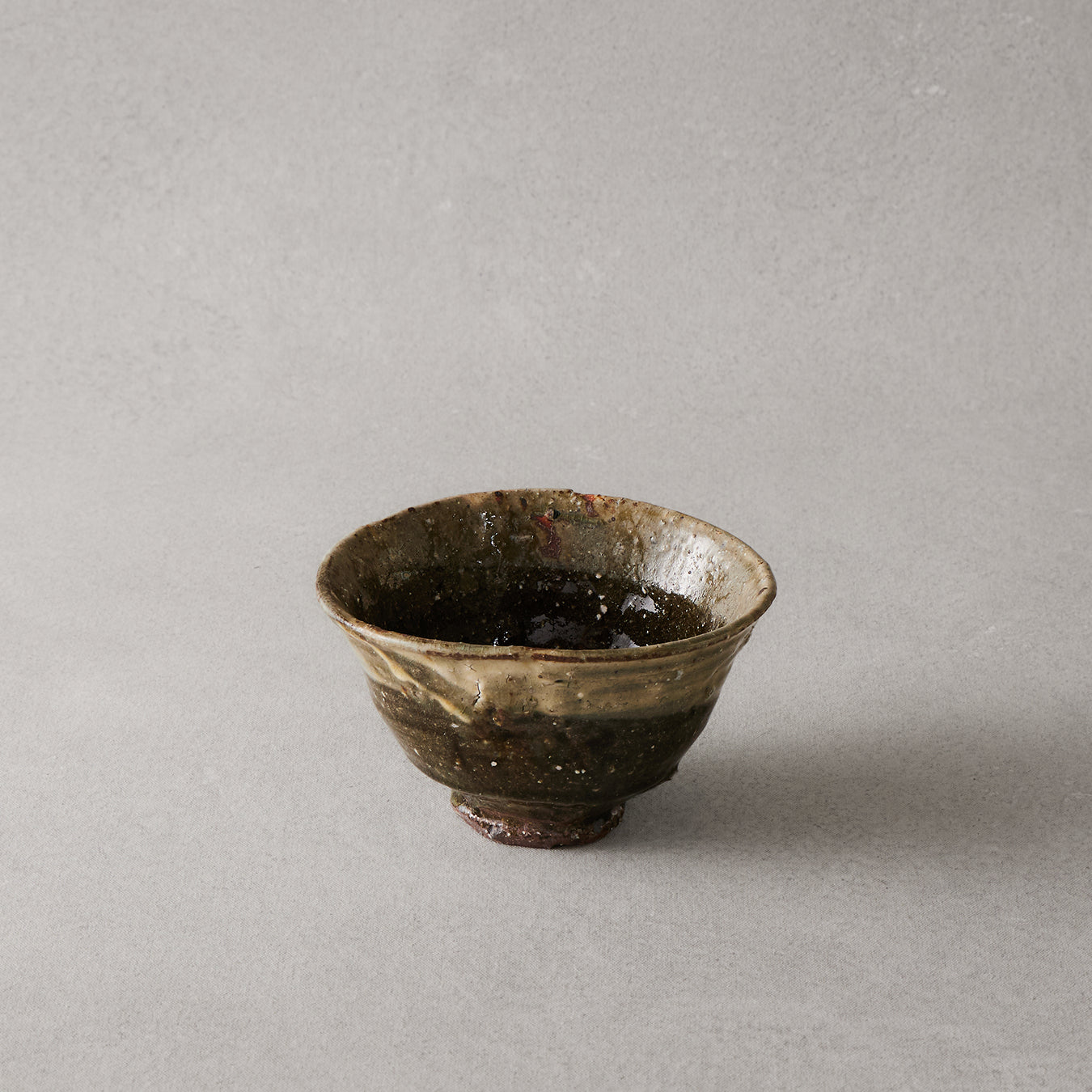
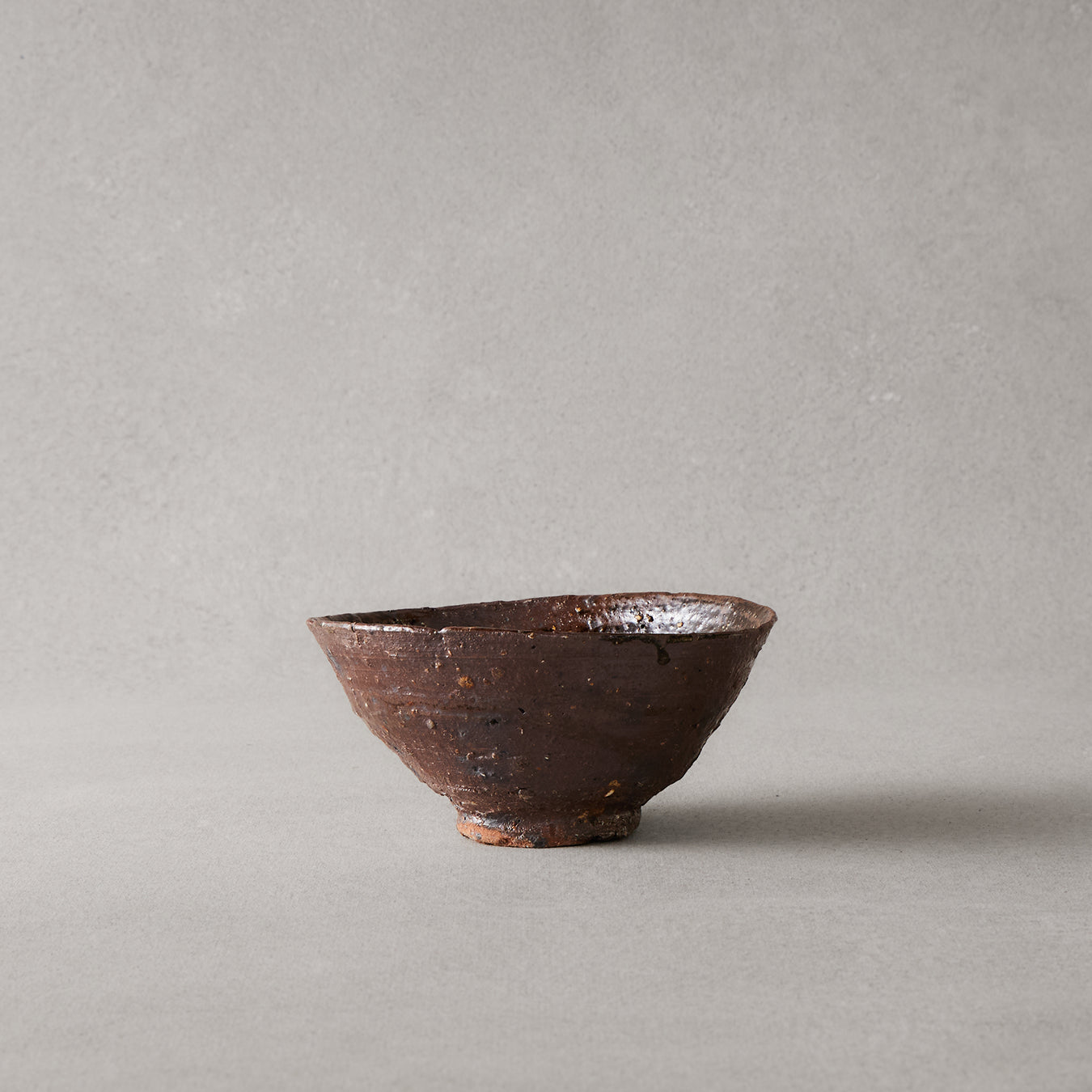
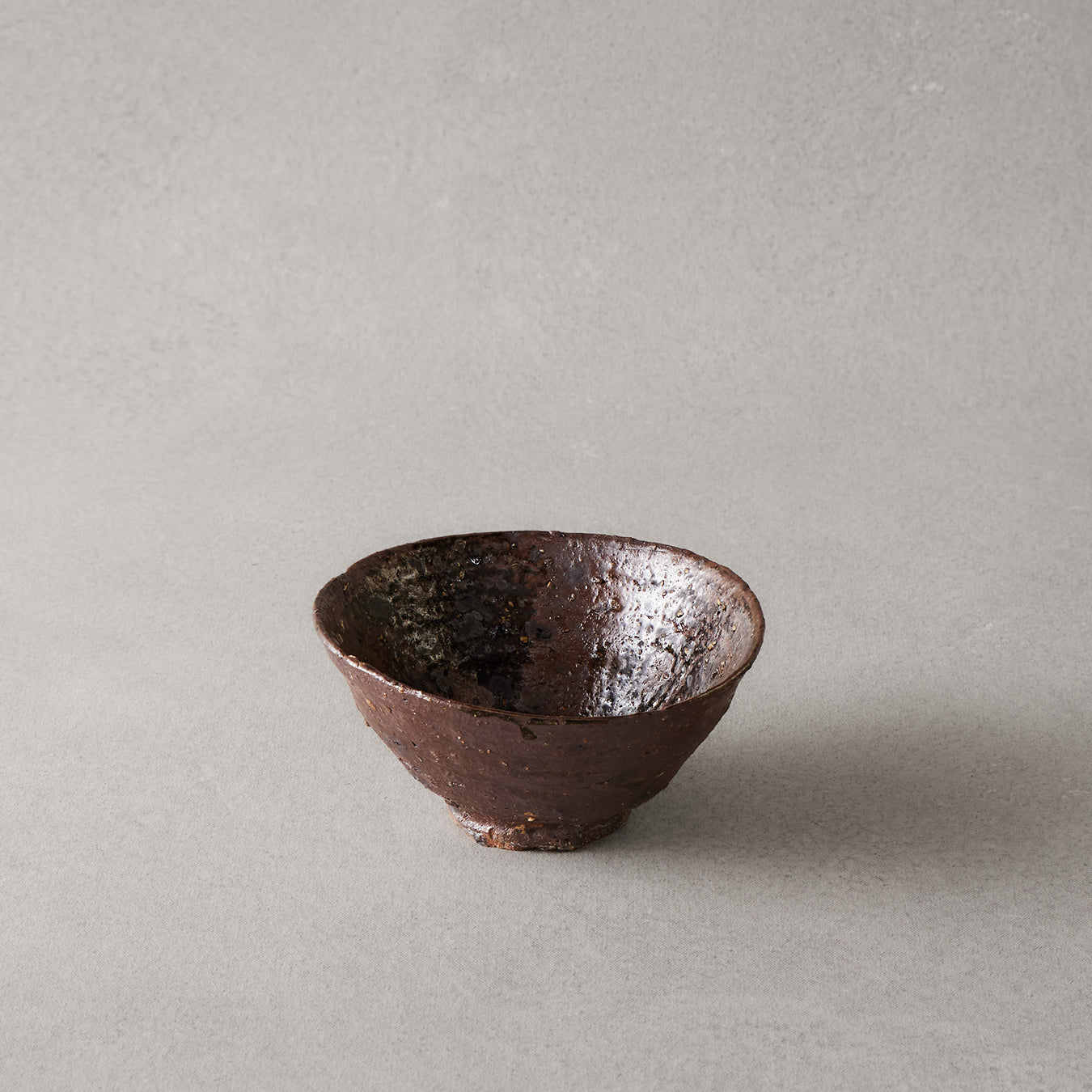
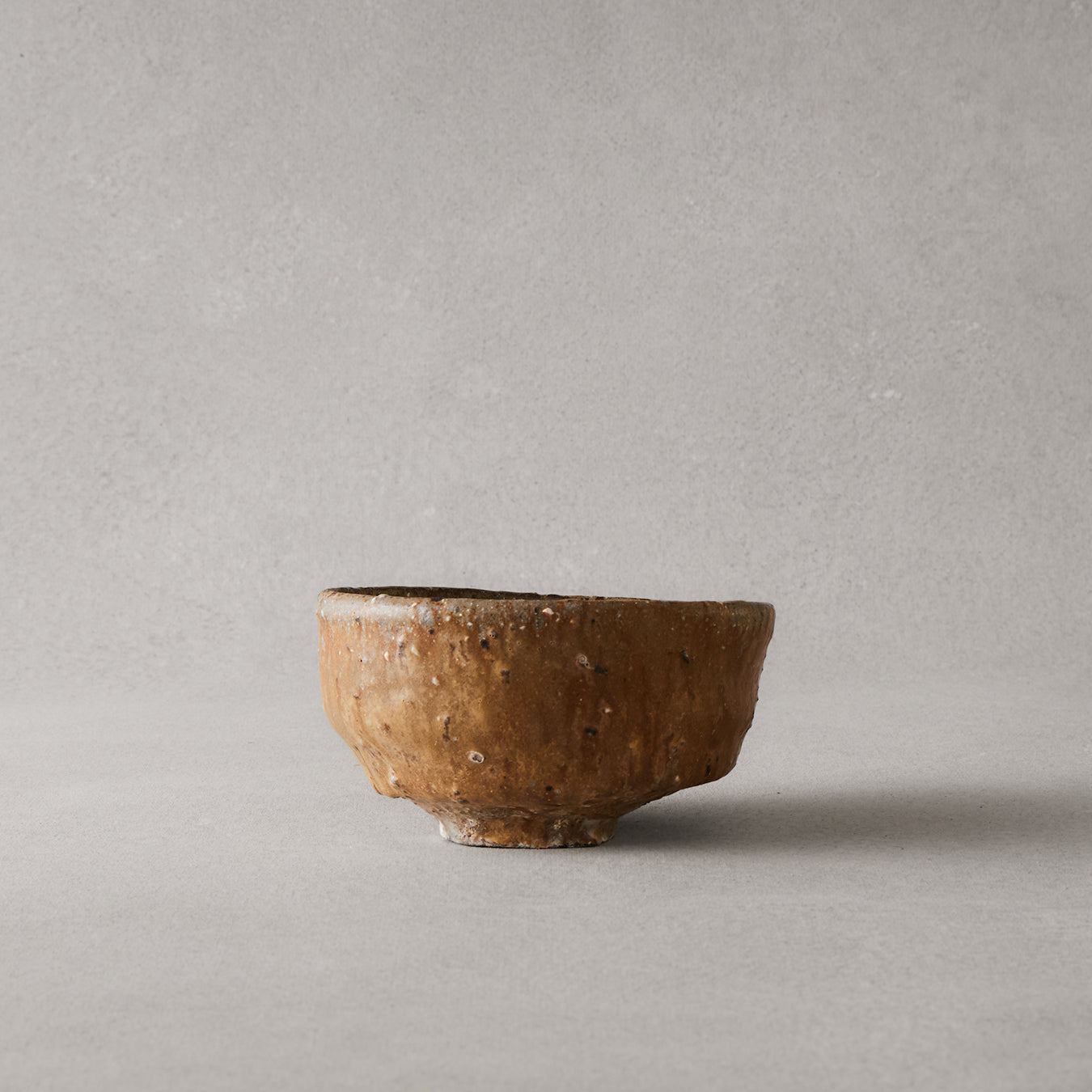
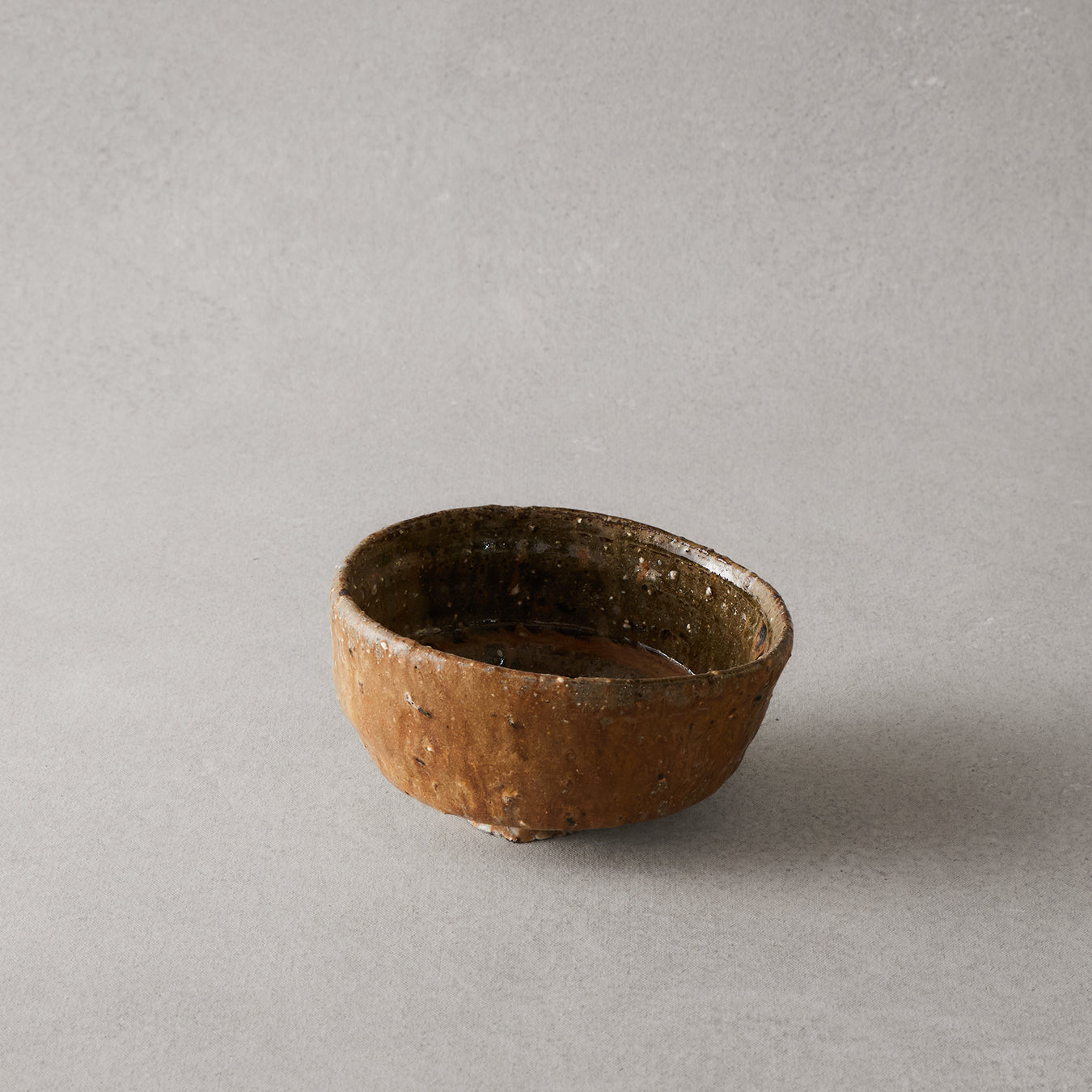
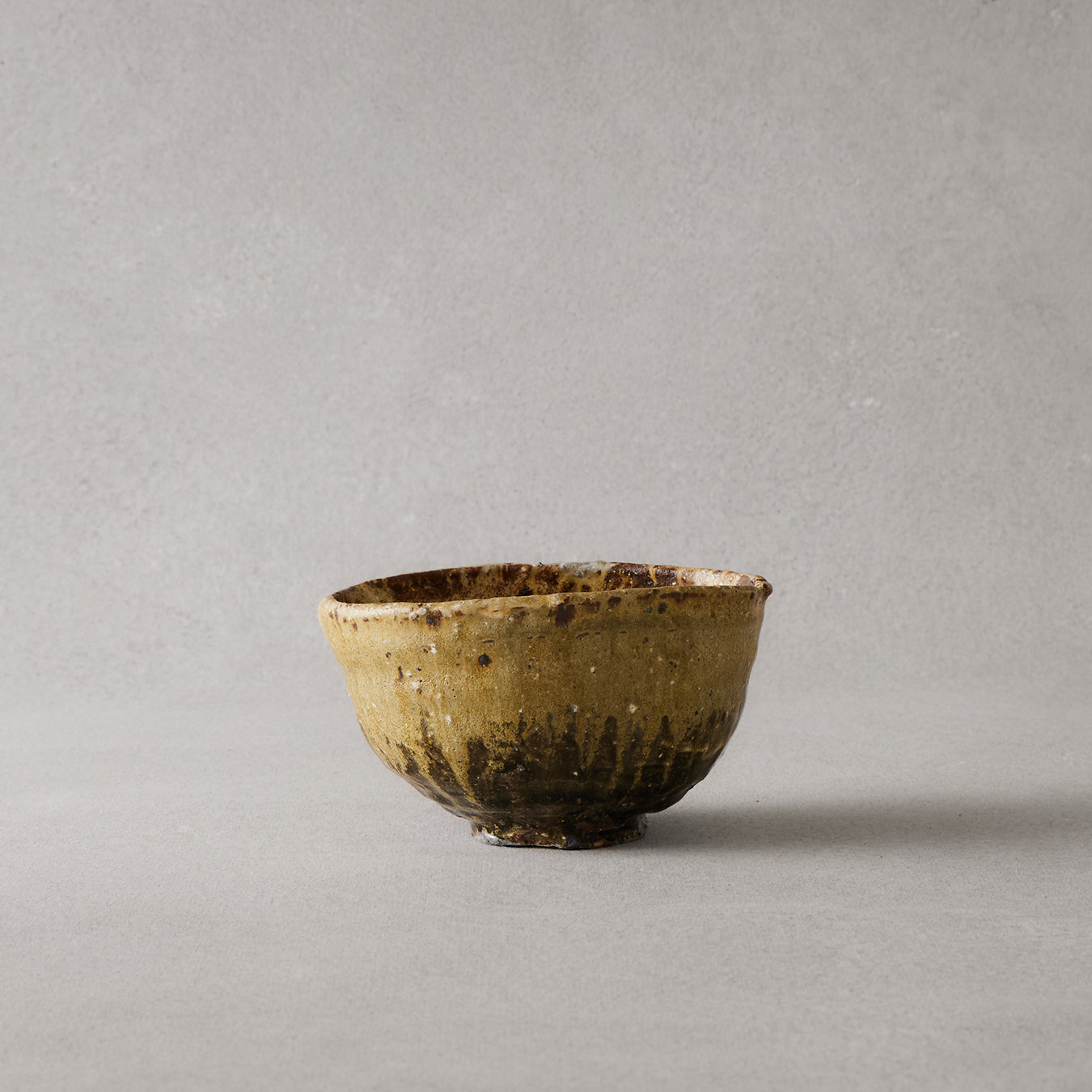
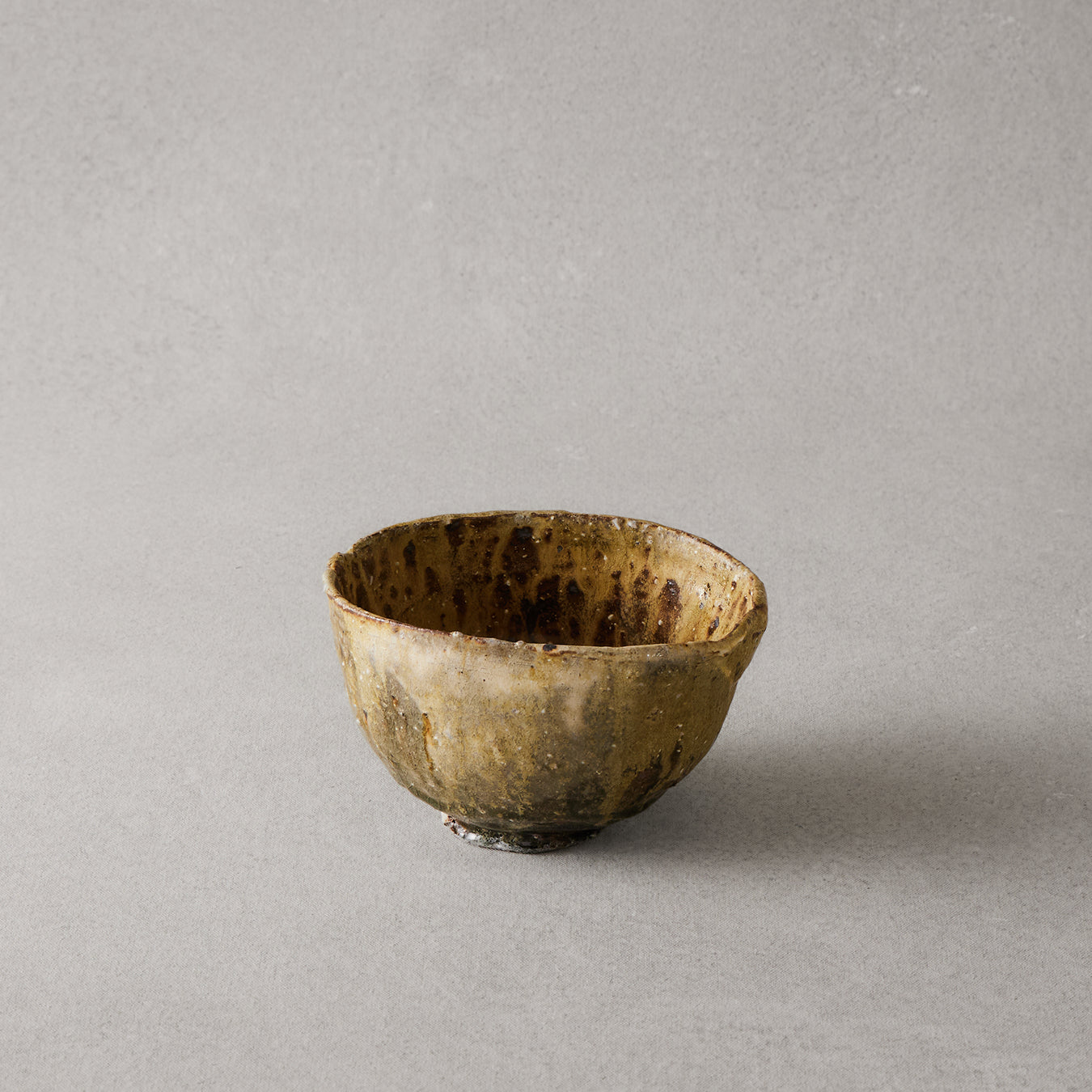
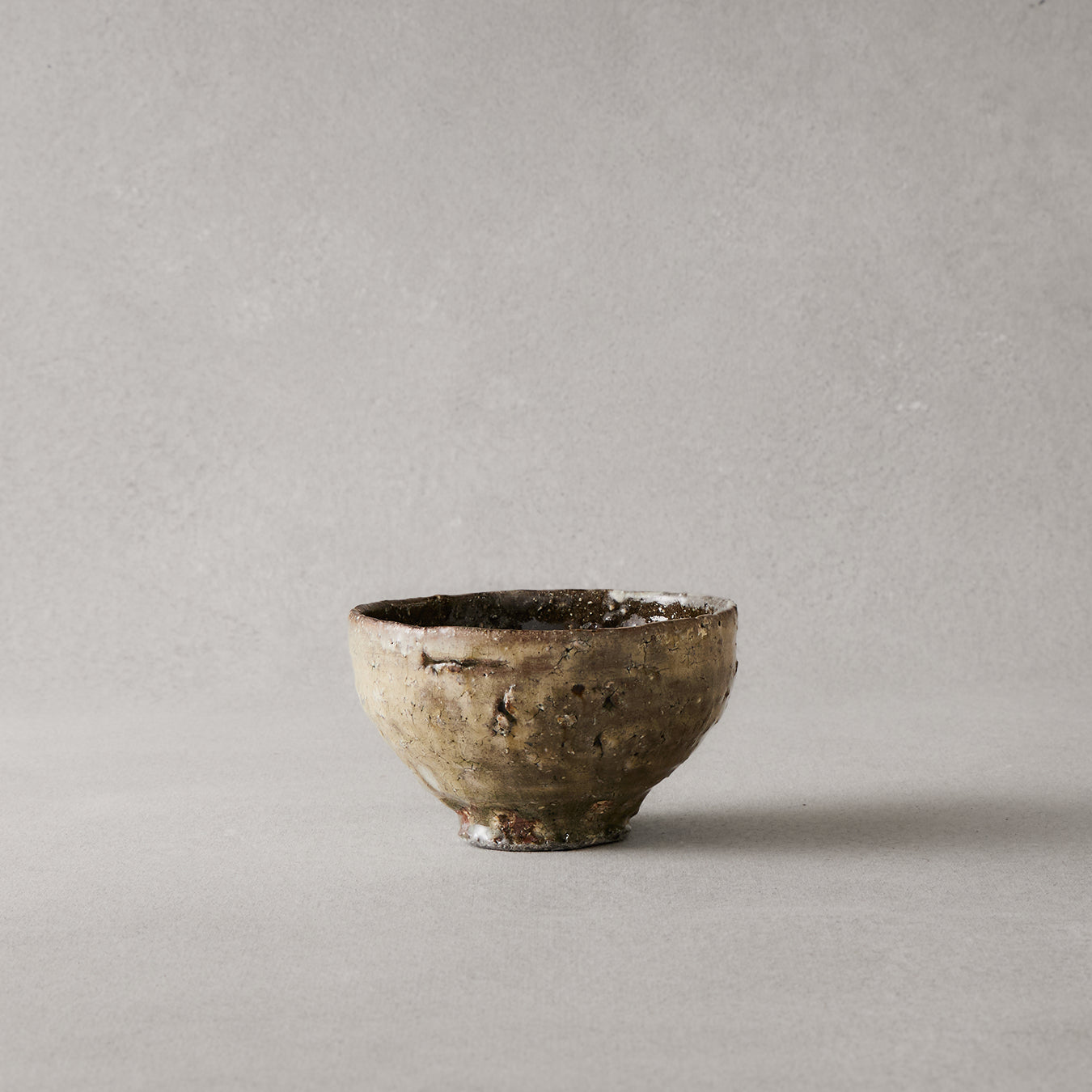
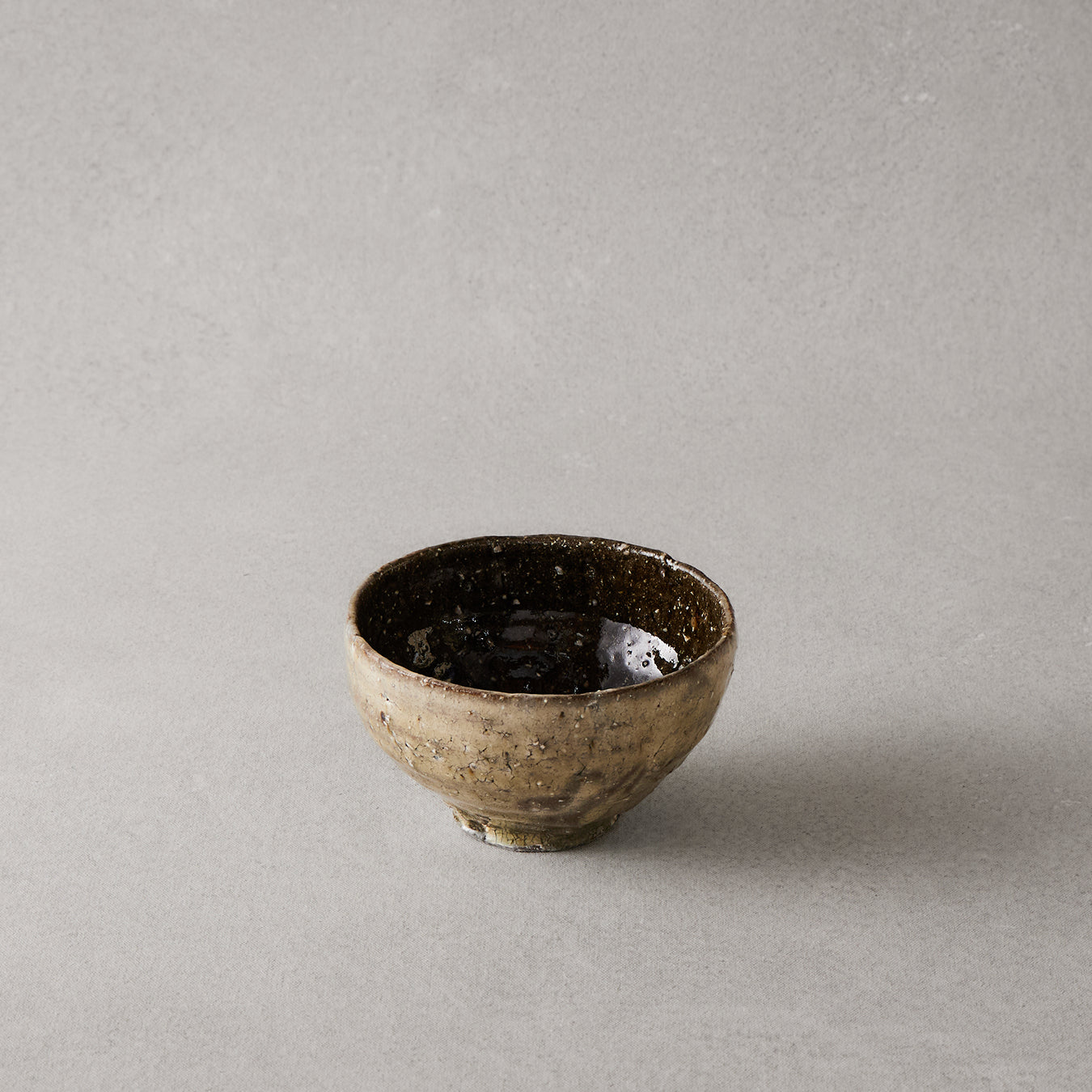
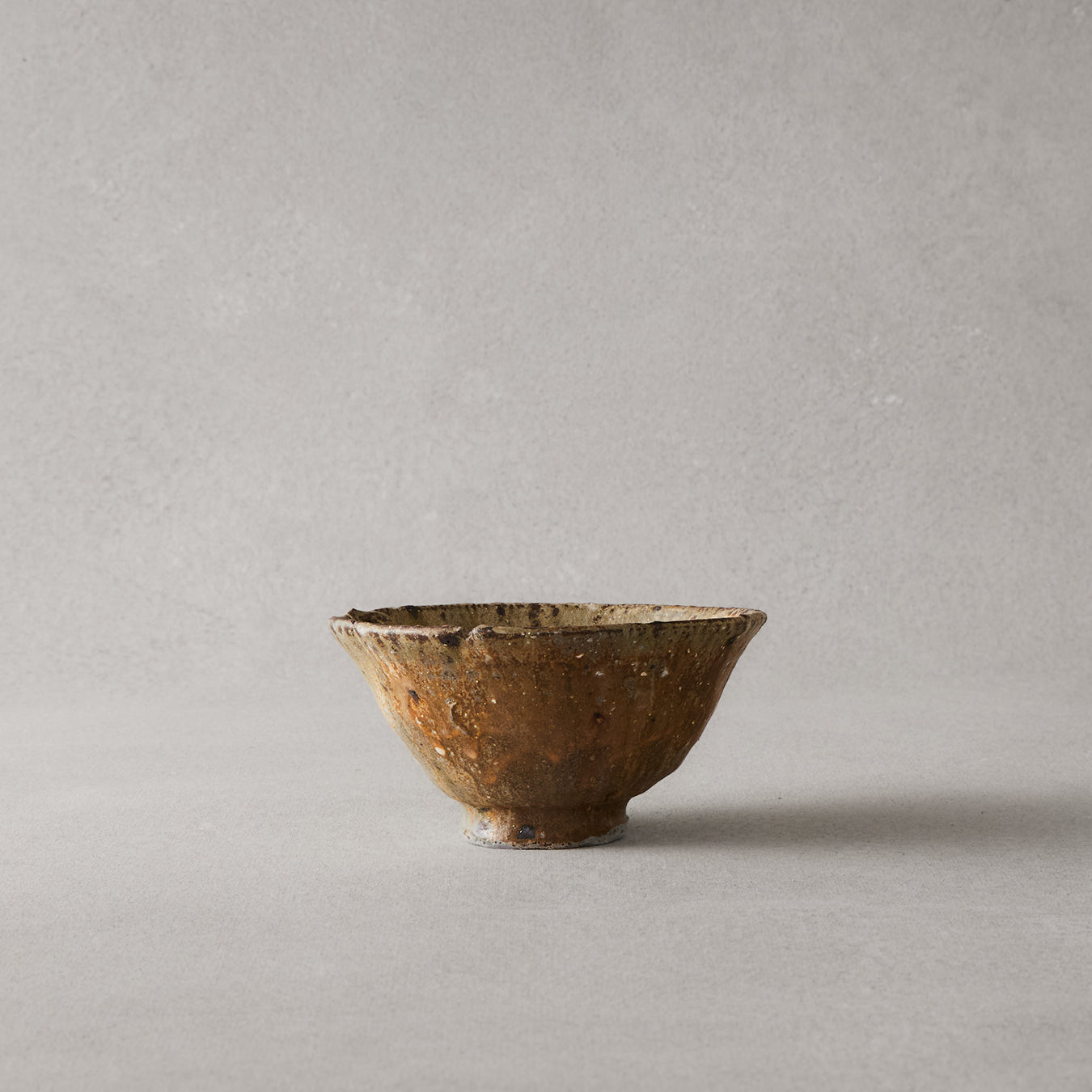
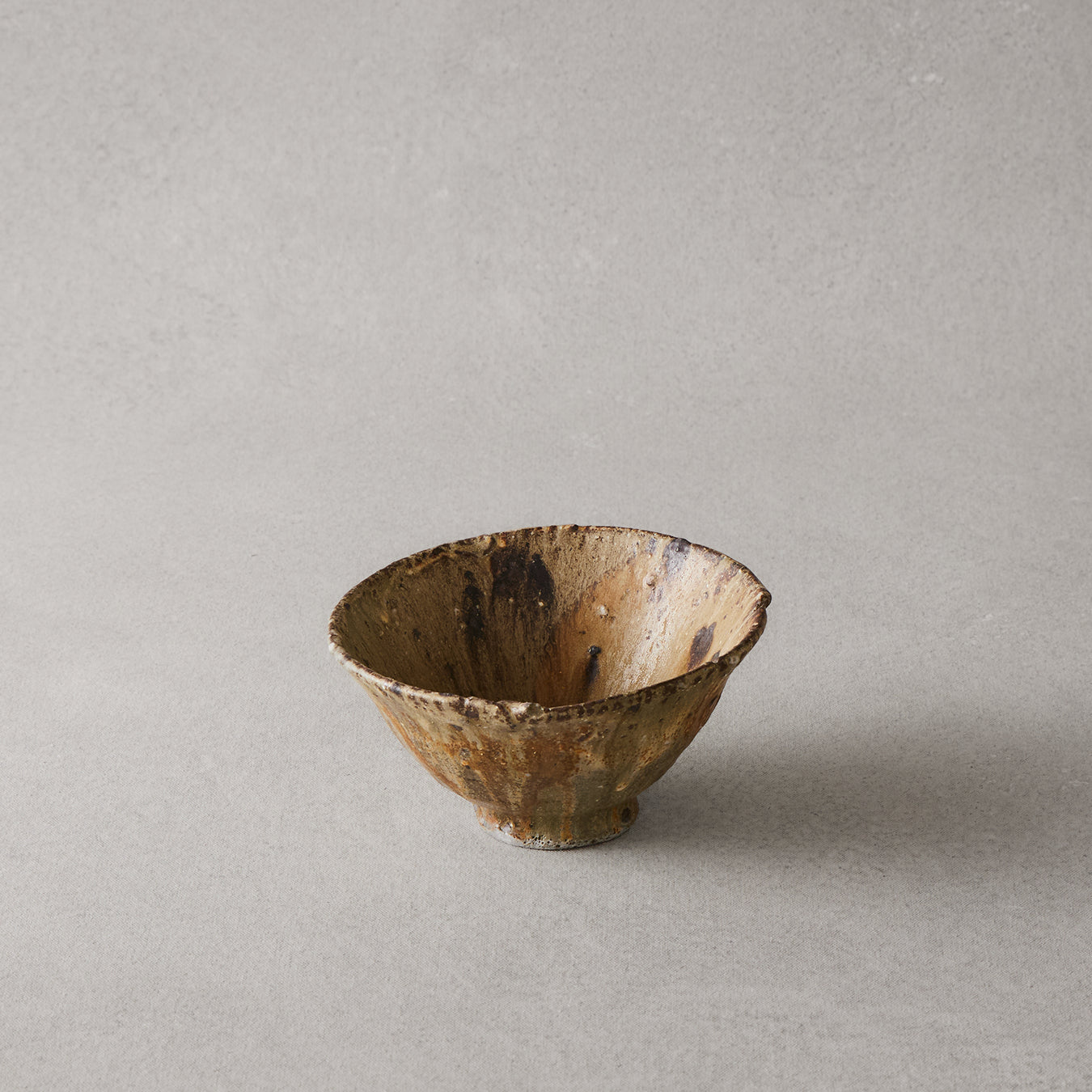
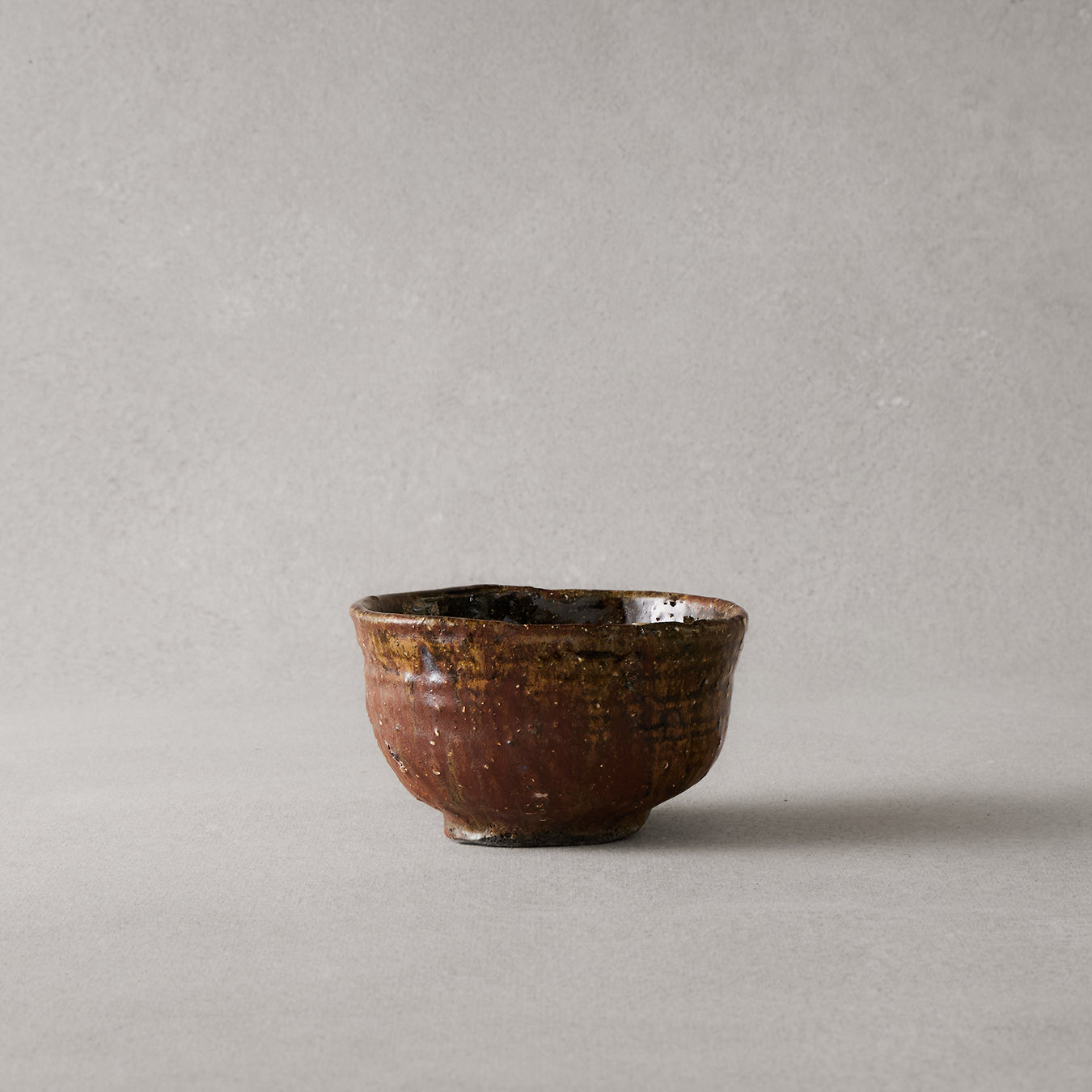
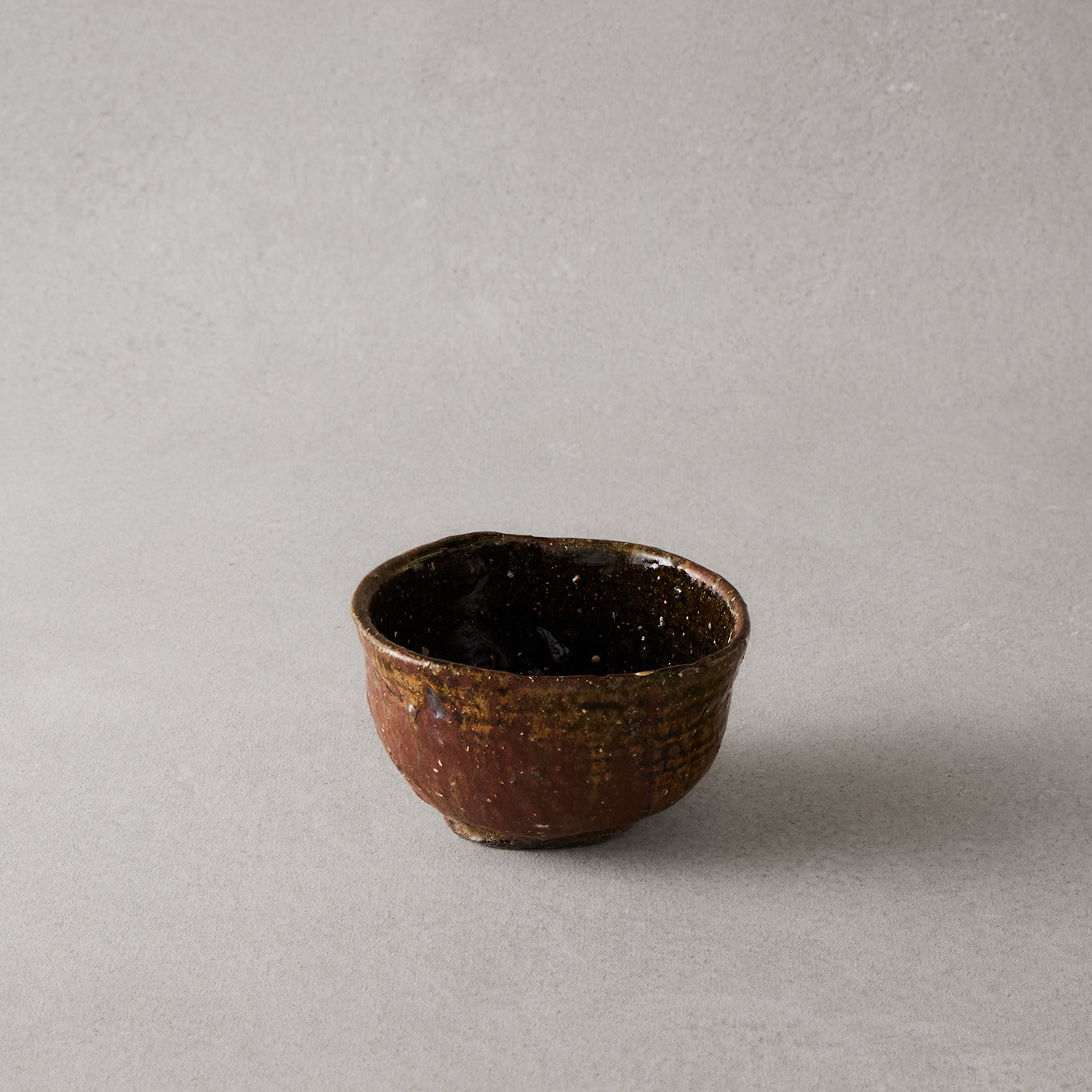
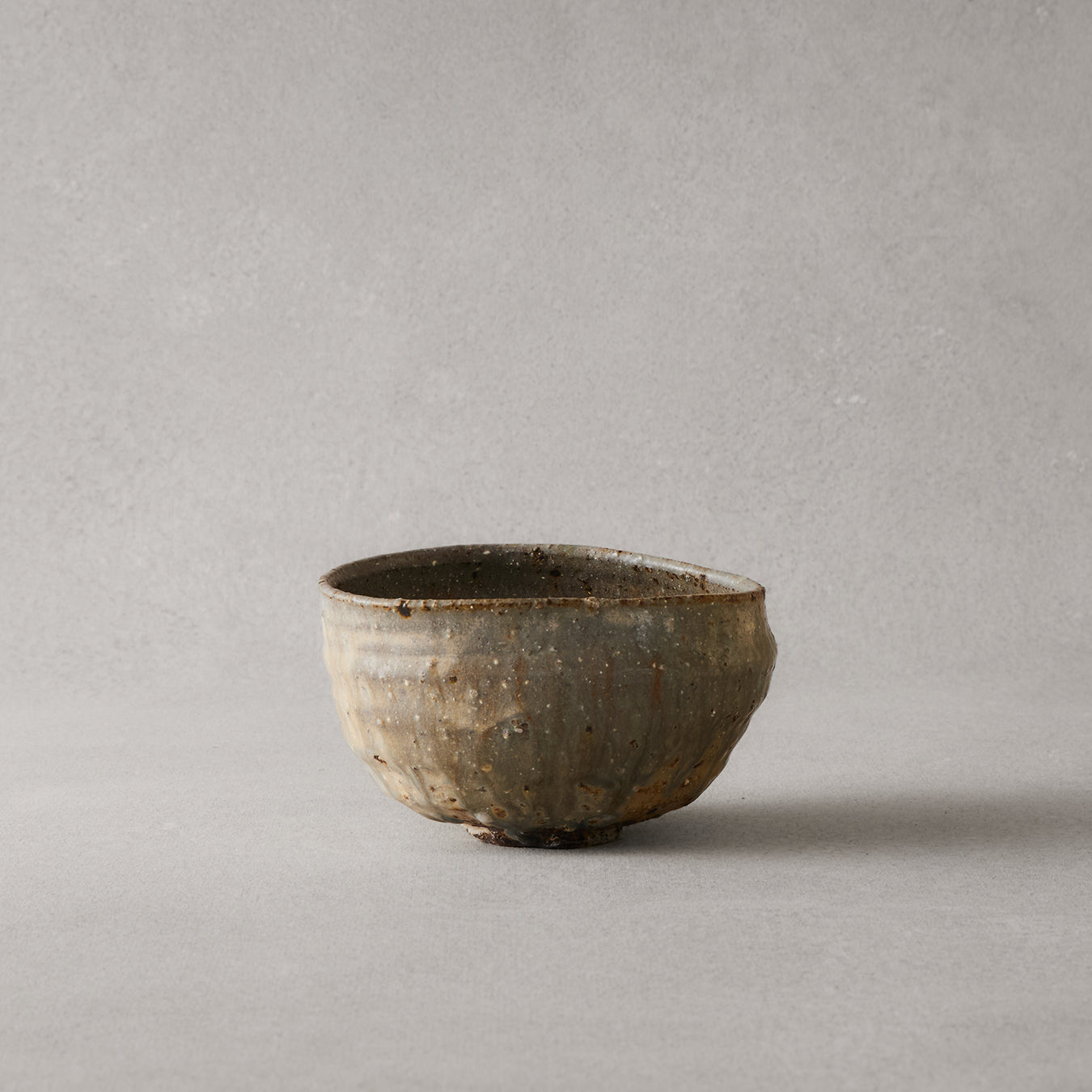
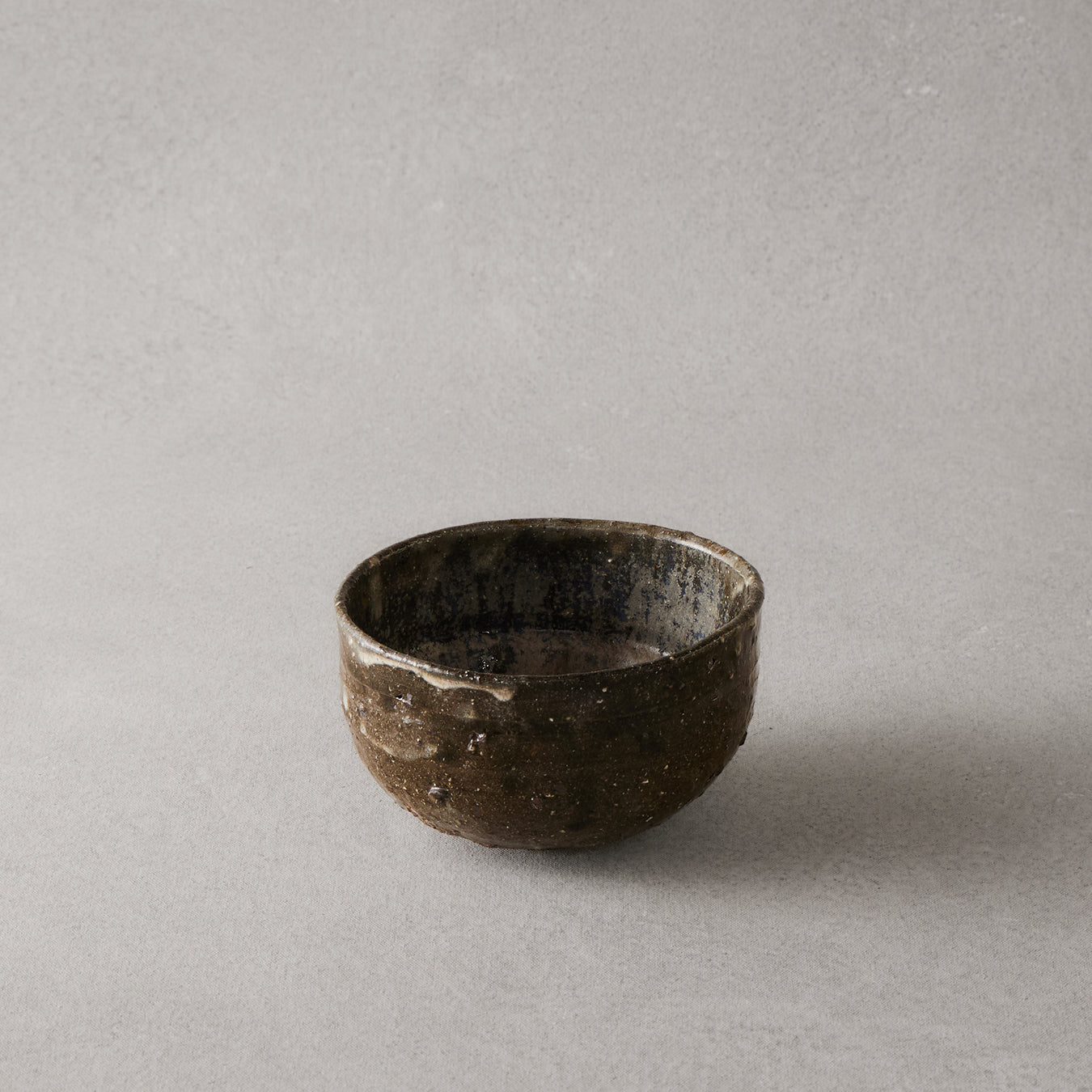
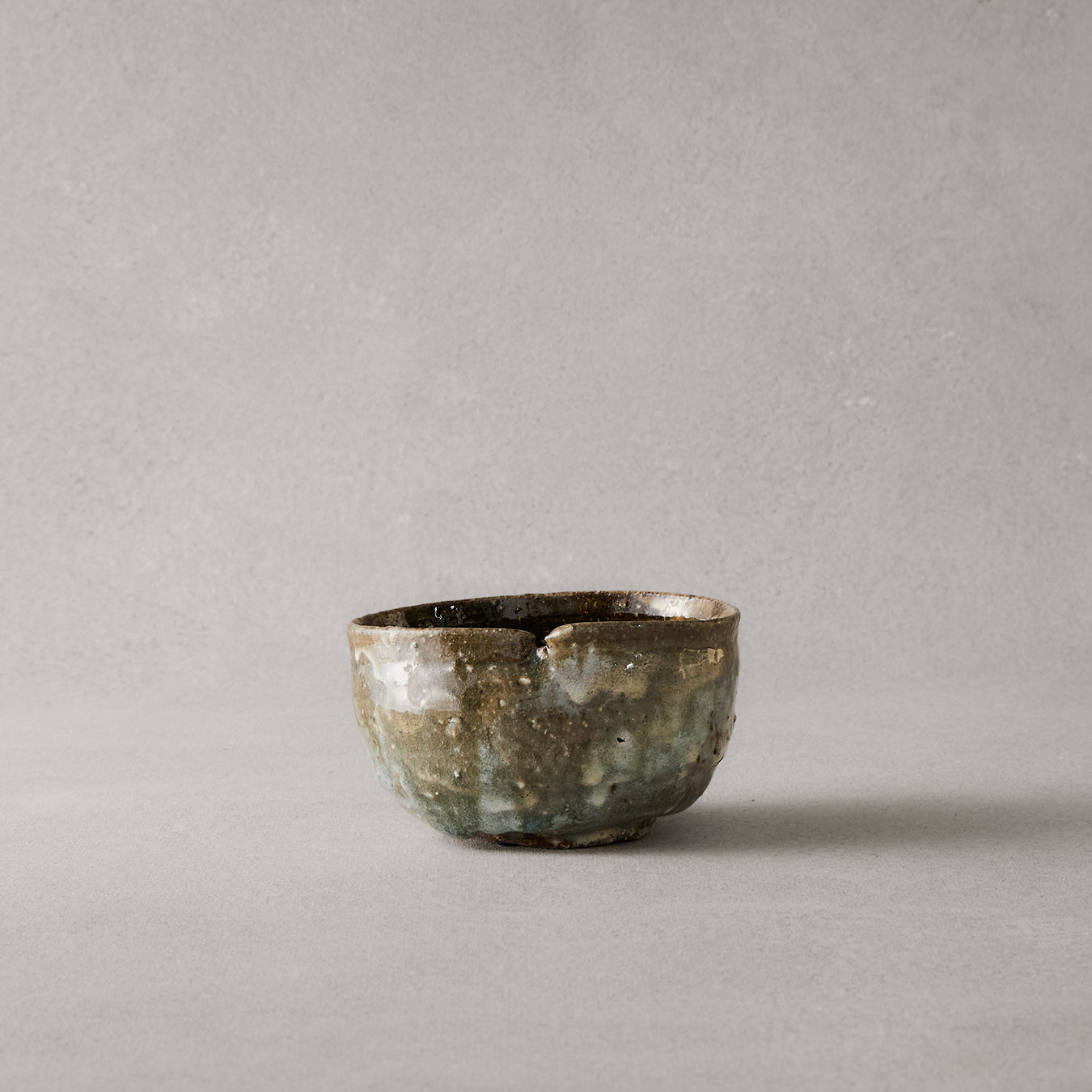
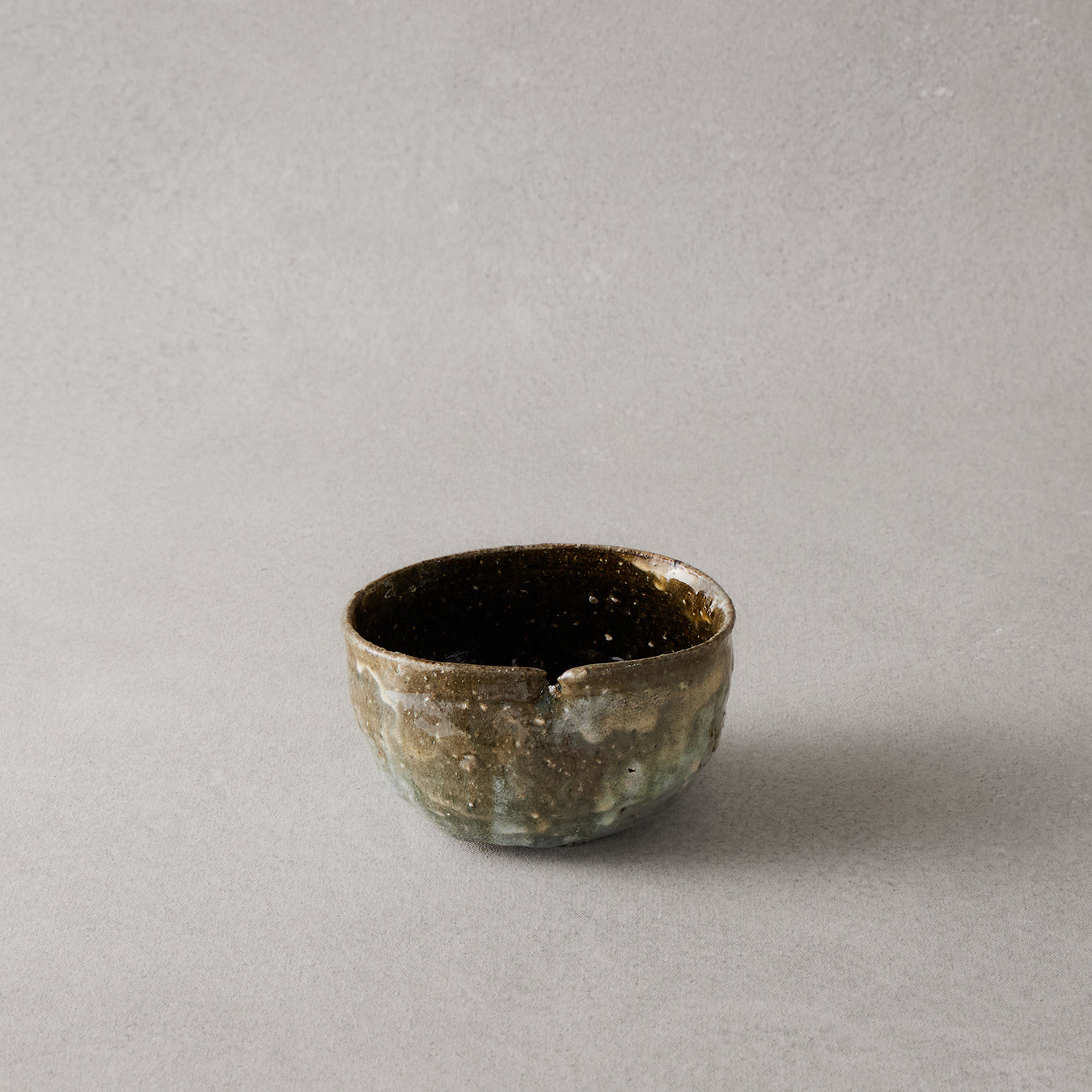
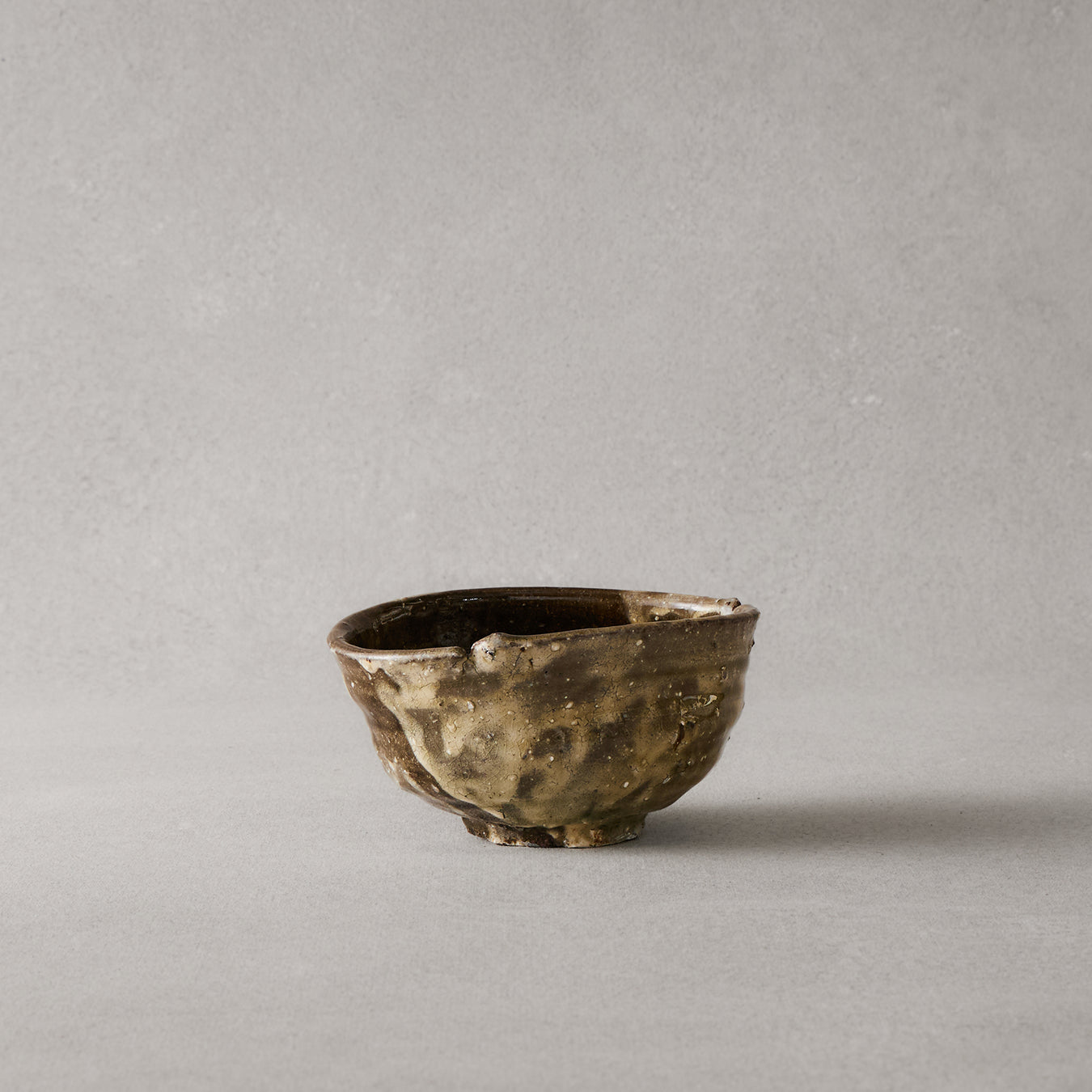
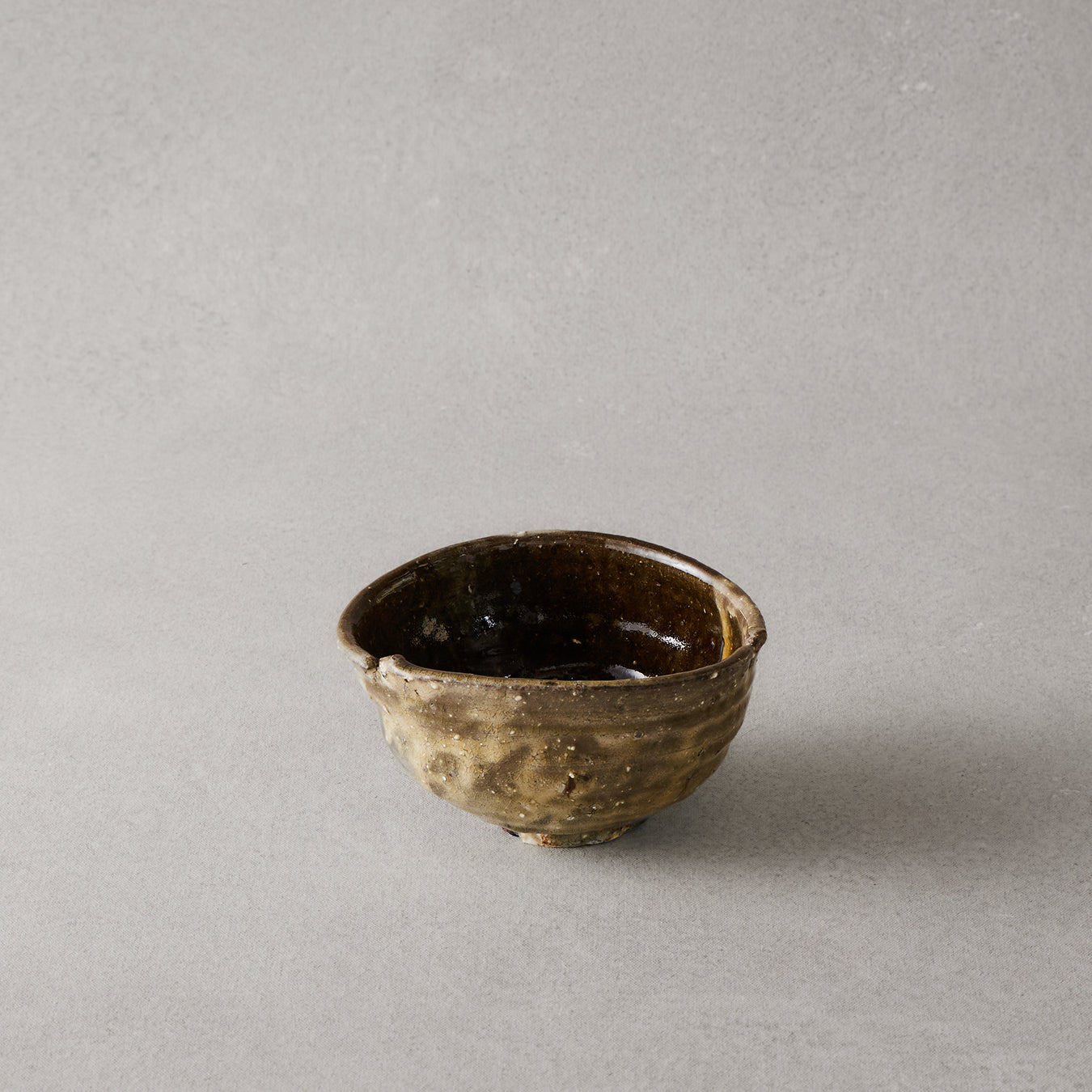
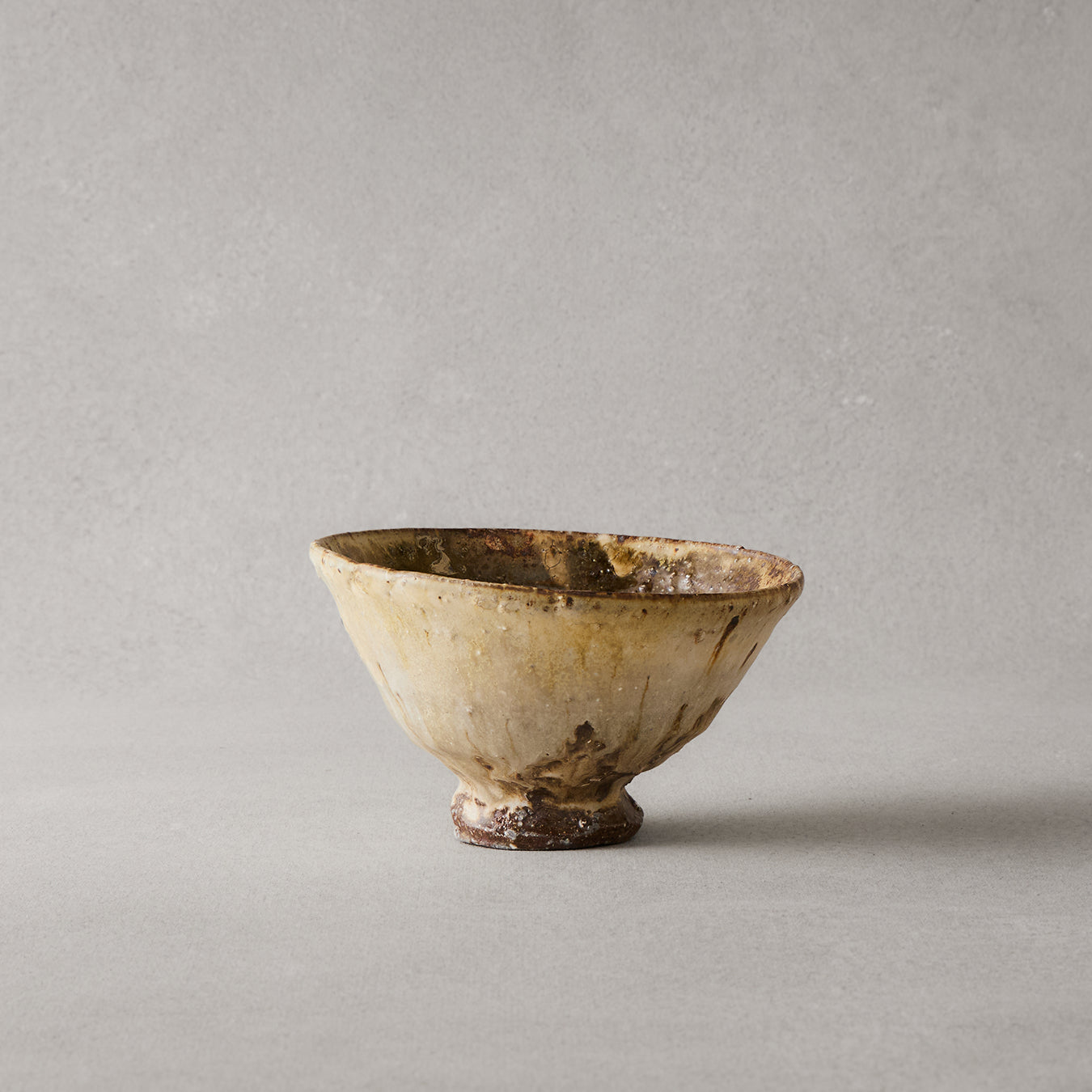
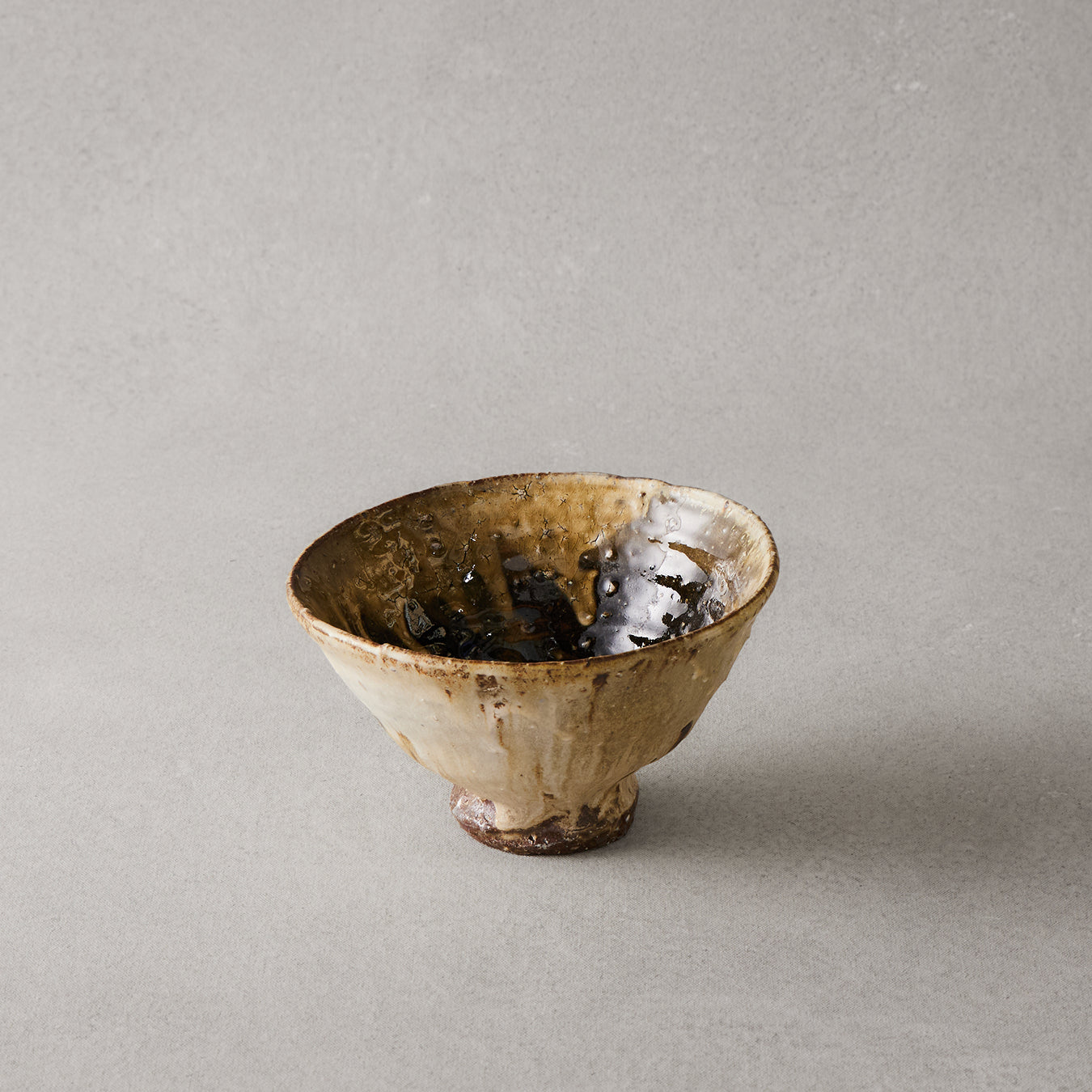
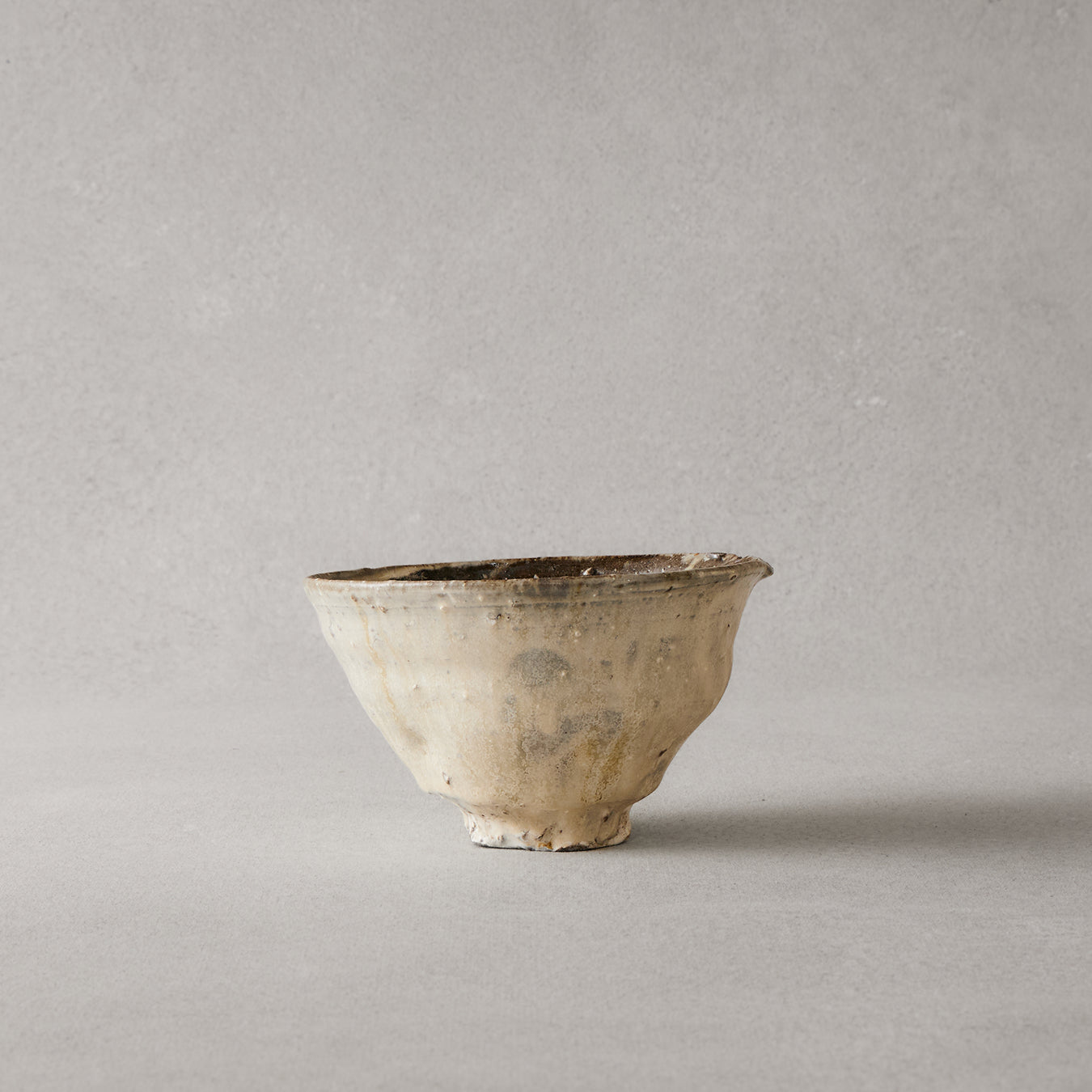
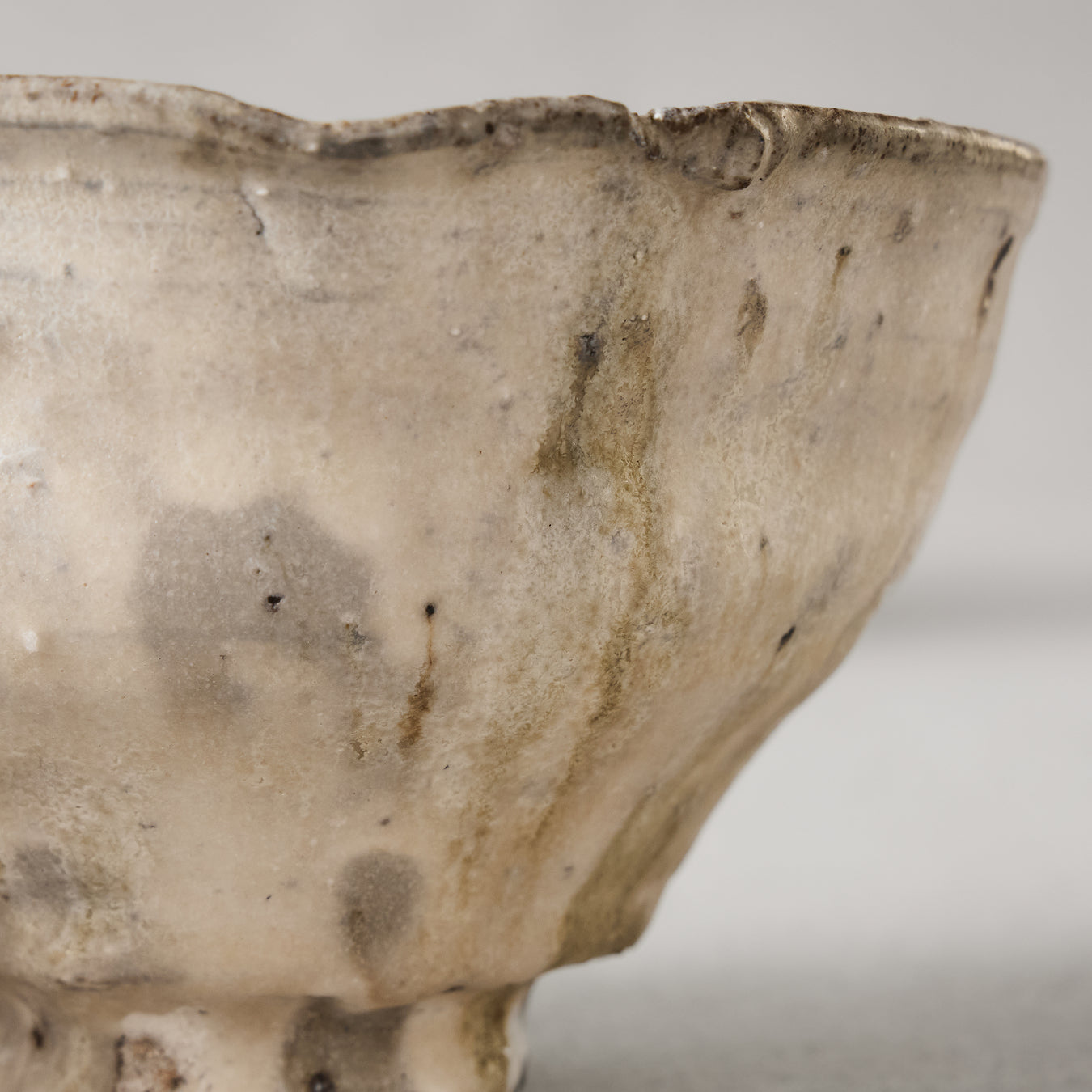
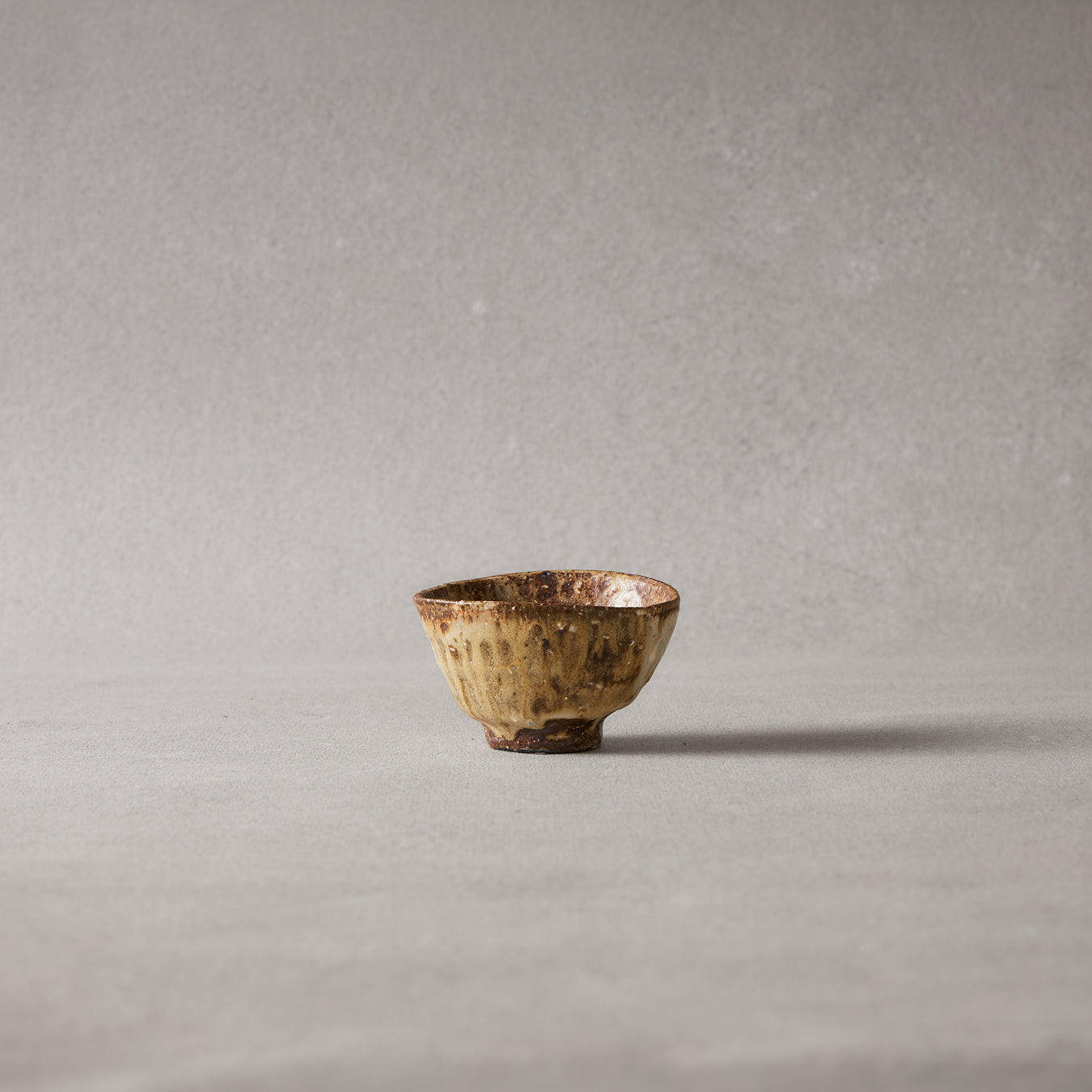
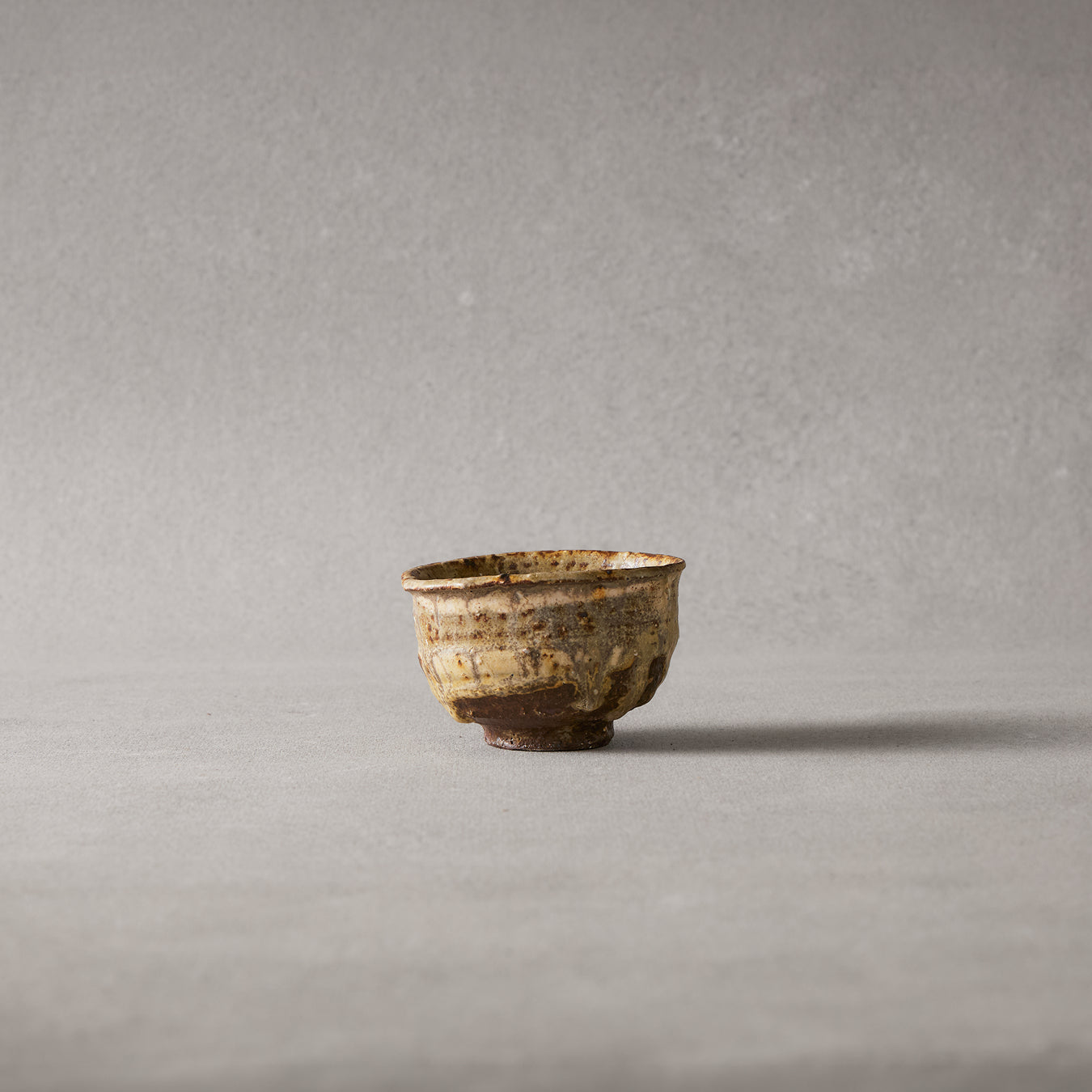
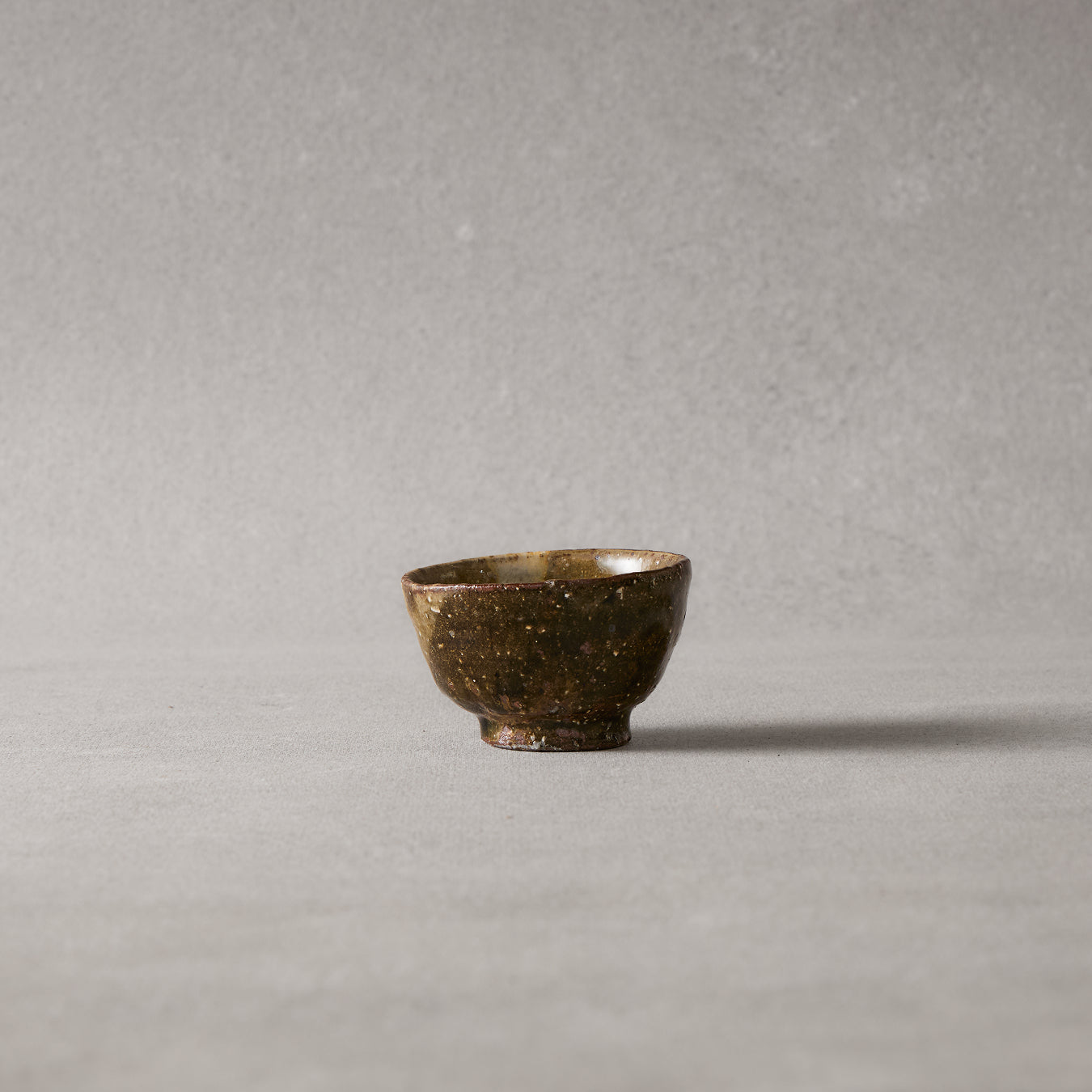
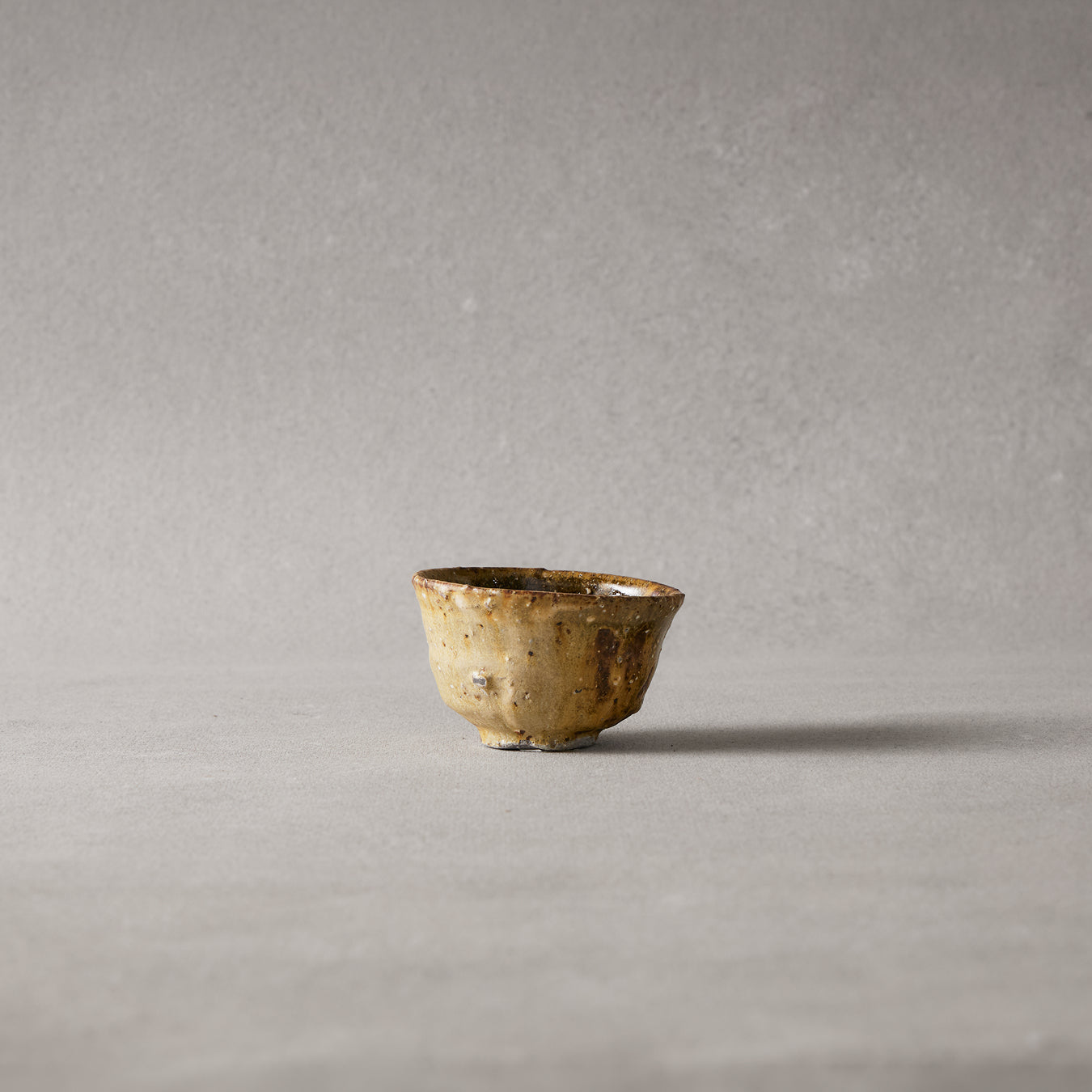
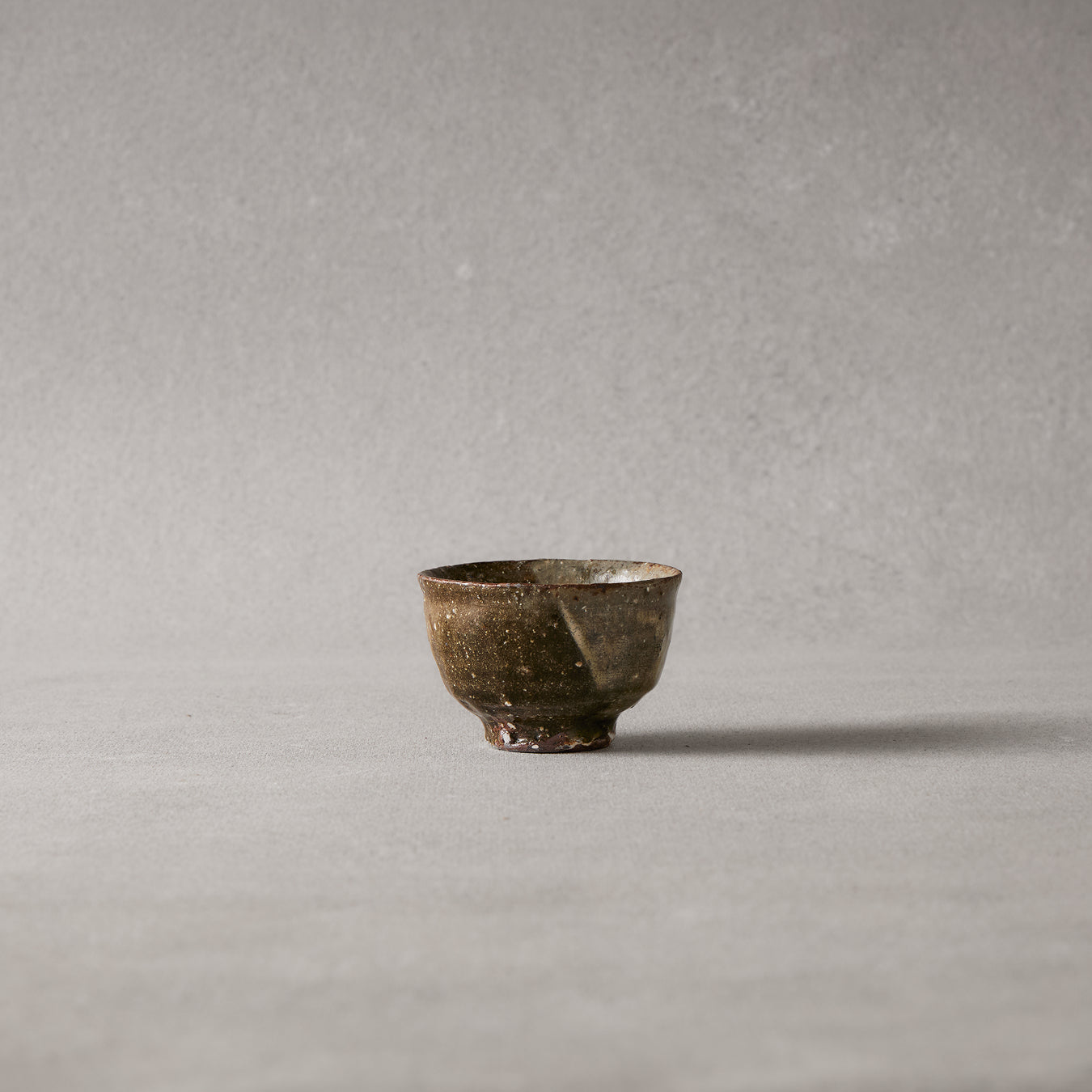
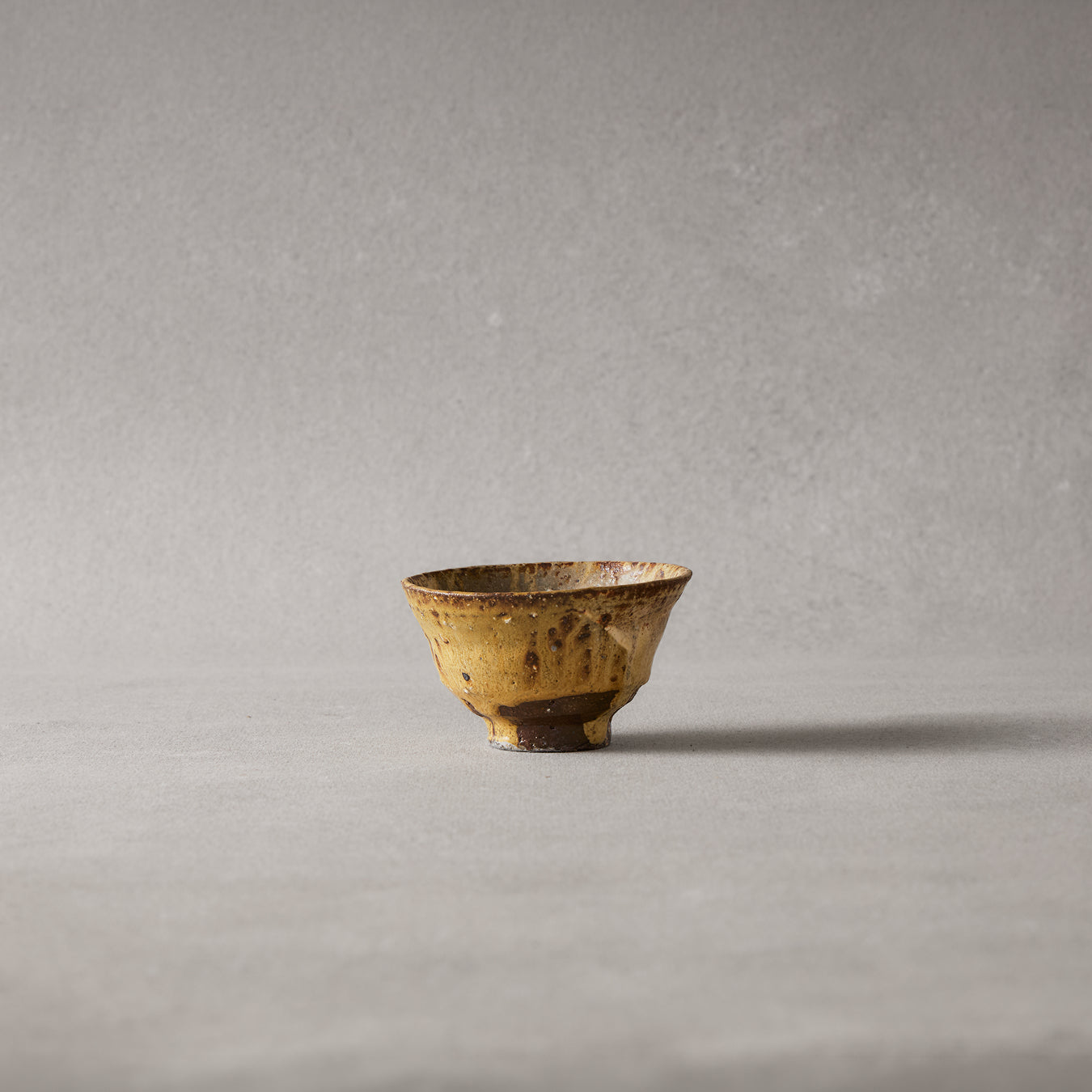
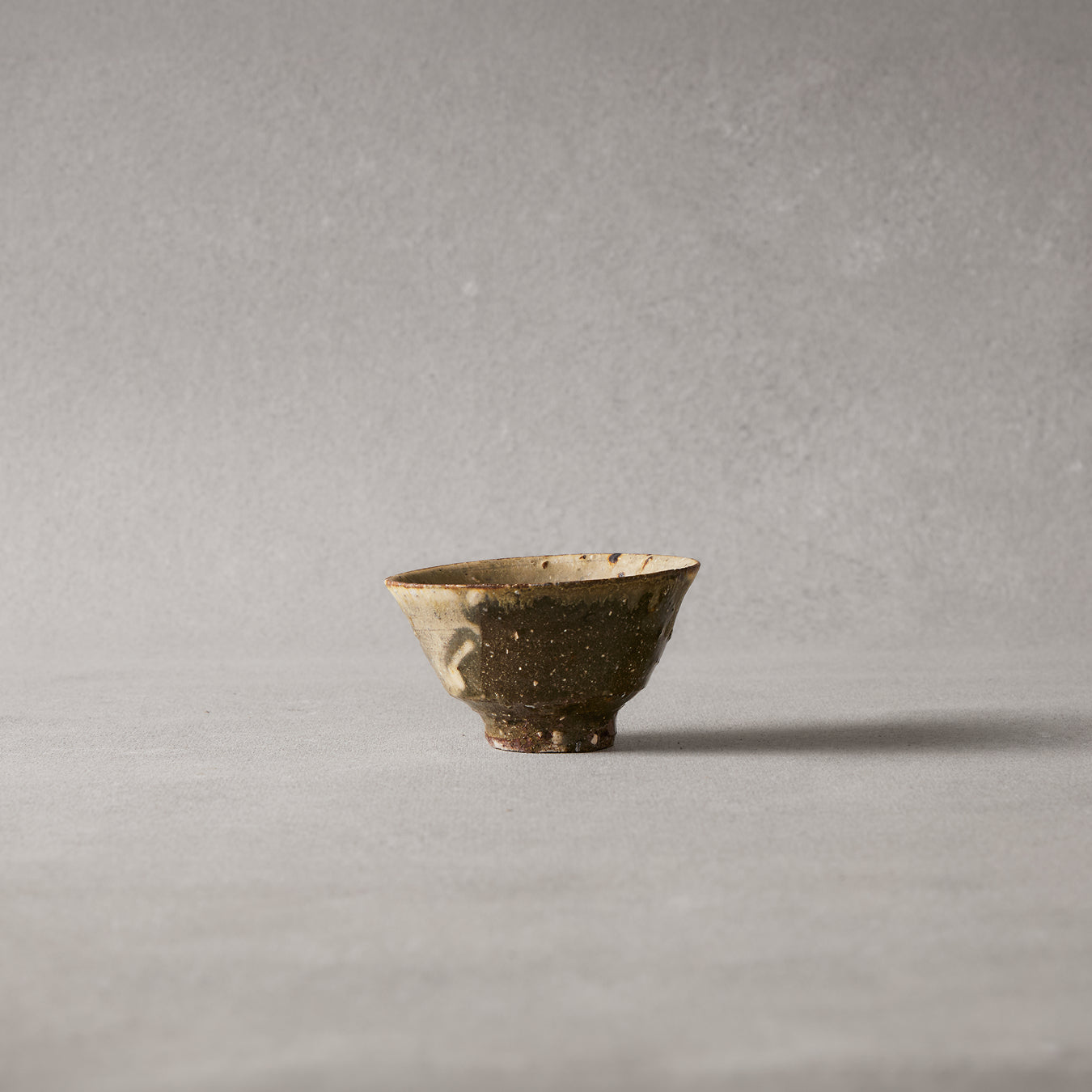
Ryuta Fukumura works with hanjiki, a semi-porcelain clay body that falls between earthenware and porcelain. His distinctive silver and iron glazes develop through repeated low-temperature firings in a traditional log-burning noborigama (climbing kiln), revealing atmospheric textures and quiet depth particular to this clay. Over time and with use, the glazes transform, acquiring warmer patinas and a gentle luster.
Details
- Material: Semi-porcelain
- Dimensions: Ø 3.0” × 3.0” H (Ø 76 × 76 mm)
Country of Origin: Japan
Care
- Hand wash only with a neutral detergent and a soft sponge or cloth. Avoid abrasive scrubbers, scouring pads, and cleansers. Dry thoroughly before storing to prevent moisture buildup, discoloration, or mold.
- Not microwave safe. Do not use over direct heat, including ovens, gas stoves, or open flame.
- Before first use, or if the piece has not been used for an extended period, soak it in rice water (or plain water) for about one hour to help fill fine pores in the clay and reduce staining.
- Over time, the surface will develop a subdued, antique-like patina, which is part of the character of the work. To restore some of the original silver color, gently clean with a soft sponge and toothpaste containing a mild abrasive.
Shipping & Delivery
Ships within 2 business days if in stock. This is a one-of-a-kind piece and will not be restocked once sold out
Choose options
Ryuta Fukumura 25-30
We're here to help. For questions about bulk orders, sizes, finishes, custom gifts, or anything else, please submit an inquiry.Shop Ryuta Fukumura









More One of a Kind Gifts

About Ryuta Fukumura
Ryuta Fukumura is the second-generation ceramicist of Nichigetsu Kiln (日月窯), a family studio his father established on a hillside in Ukiha in Fukuoka Prefecture in southern Japan. Raised inside that environment, Fukumura went on to study ceramics formally before returning to take the wheel himself.
A pivotal year came in 2015, when he traveled to New York and spent a month working in a Brooklyn studio alongside ceramicists from around the world. He returned to Ukiha and began experimenting freely with mineral glazes, silver and iron finishes, and materials he had not previously considered. The metallic surfaces he is now known for emerged from that period.
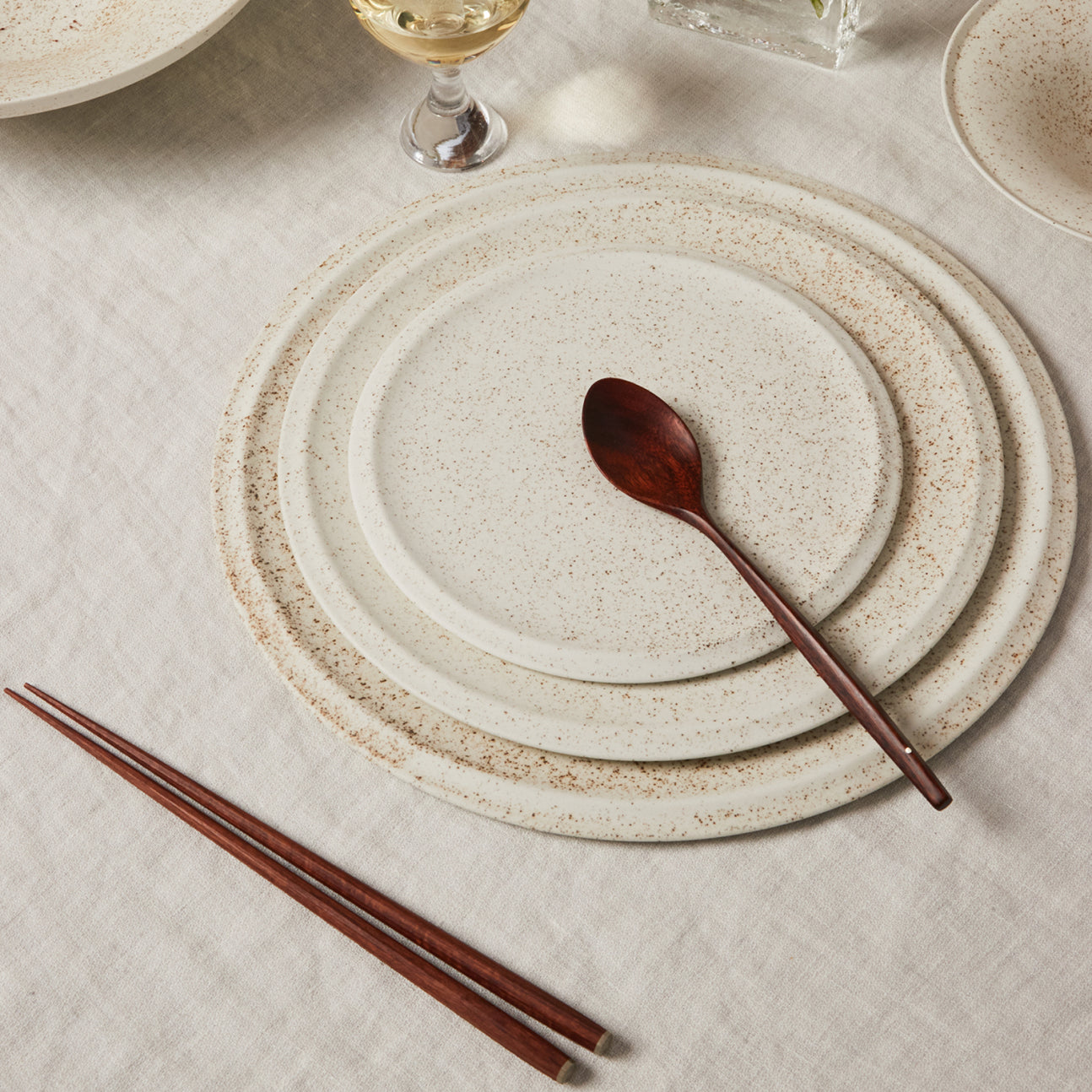
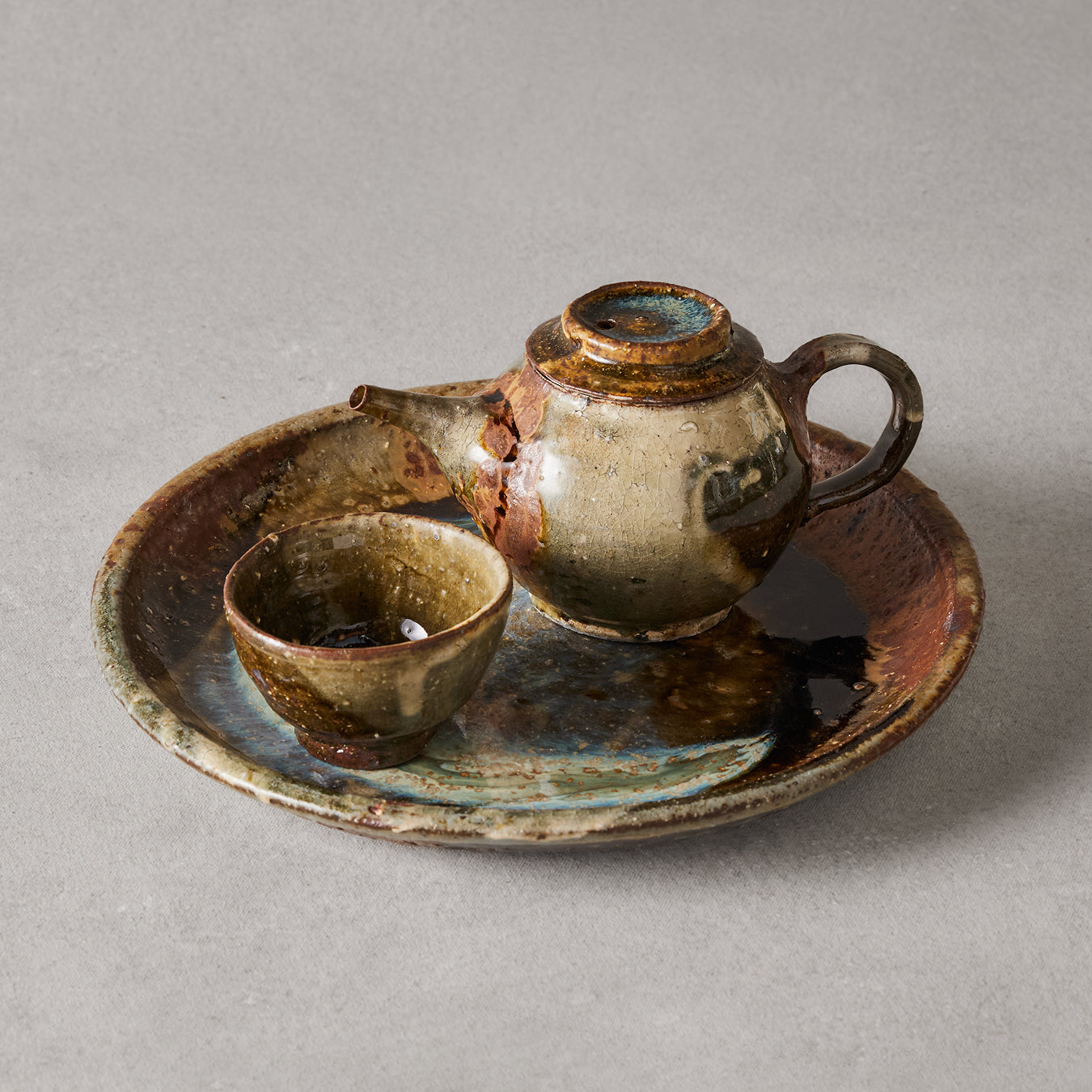
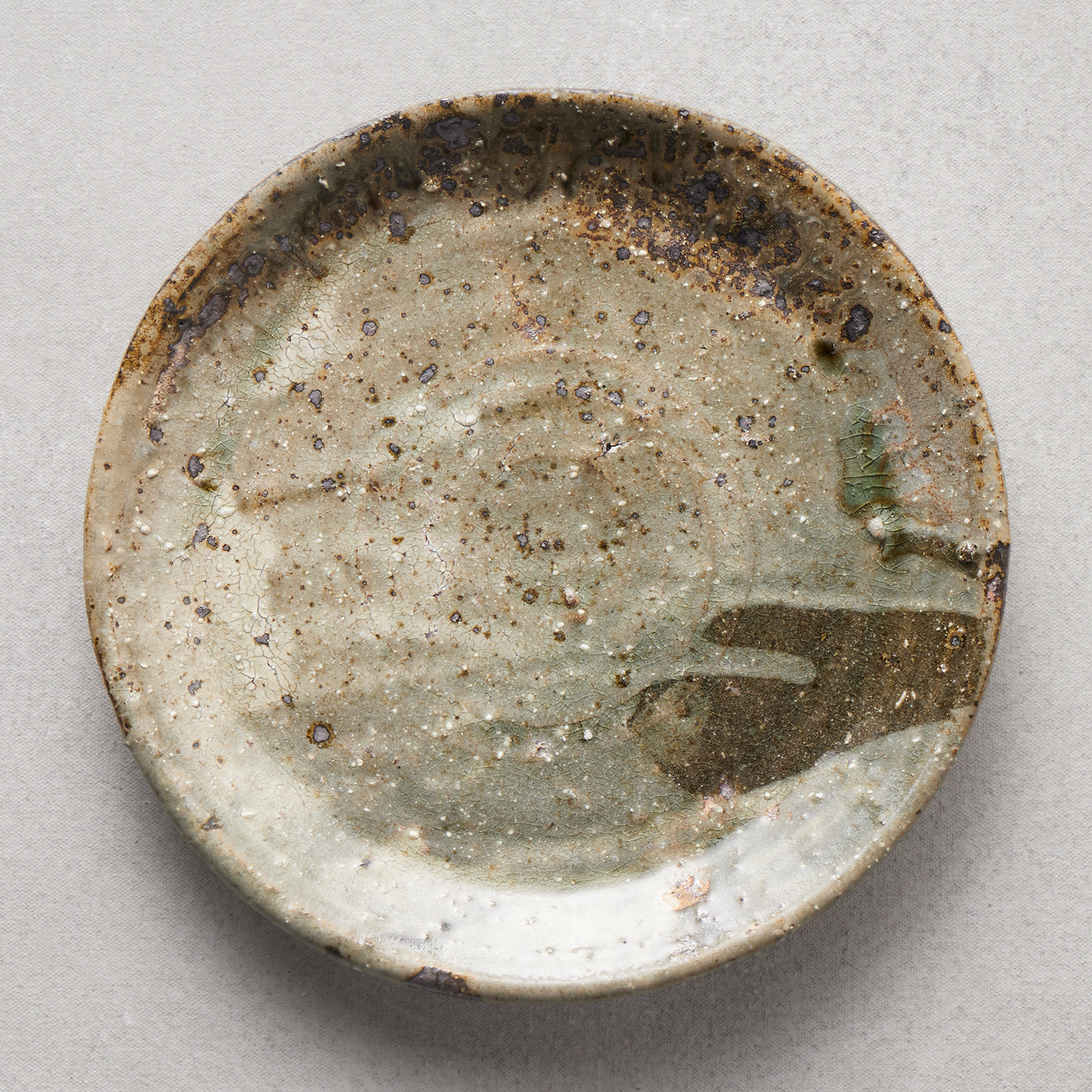
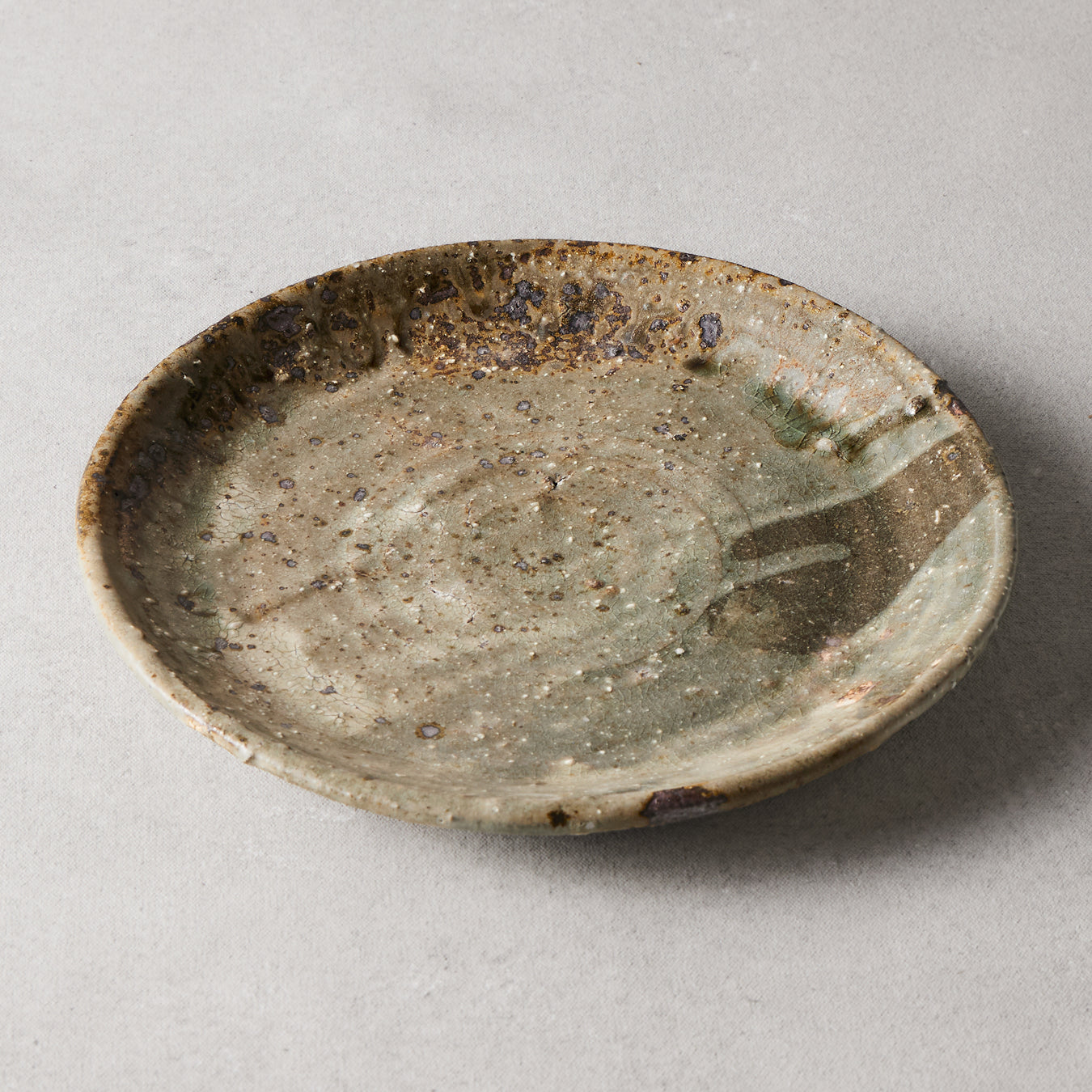
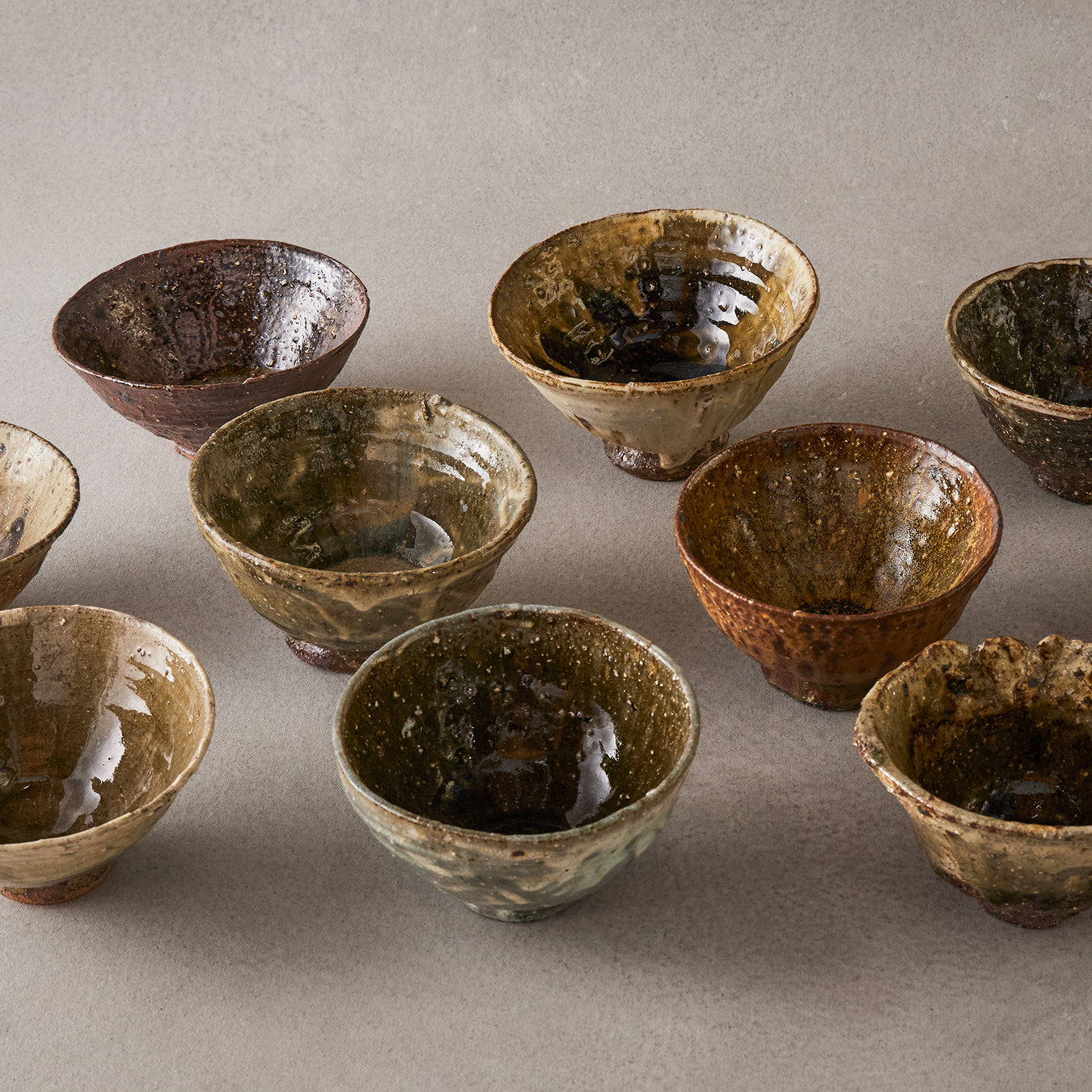
Fukumura works across two distinct modes. His silver and metallic glaze pieces are fired in electric and gas kilns, where heat can be precisely controlled. His ash-fired work goes into the traditional Nobori-gama climbing kiln, where flame and wood ash move unpredictably and leave their own mark on the clay. He does not sketch forms in advance; shapes arrive through the hands at the wheel. In recent years he has turned his focus toward how food reads against his surfaces, stepping back from self-expression to let the plate become a quiet canvas for the cook.