

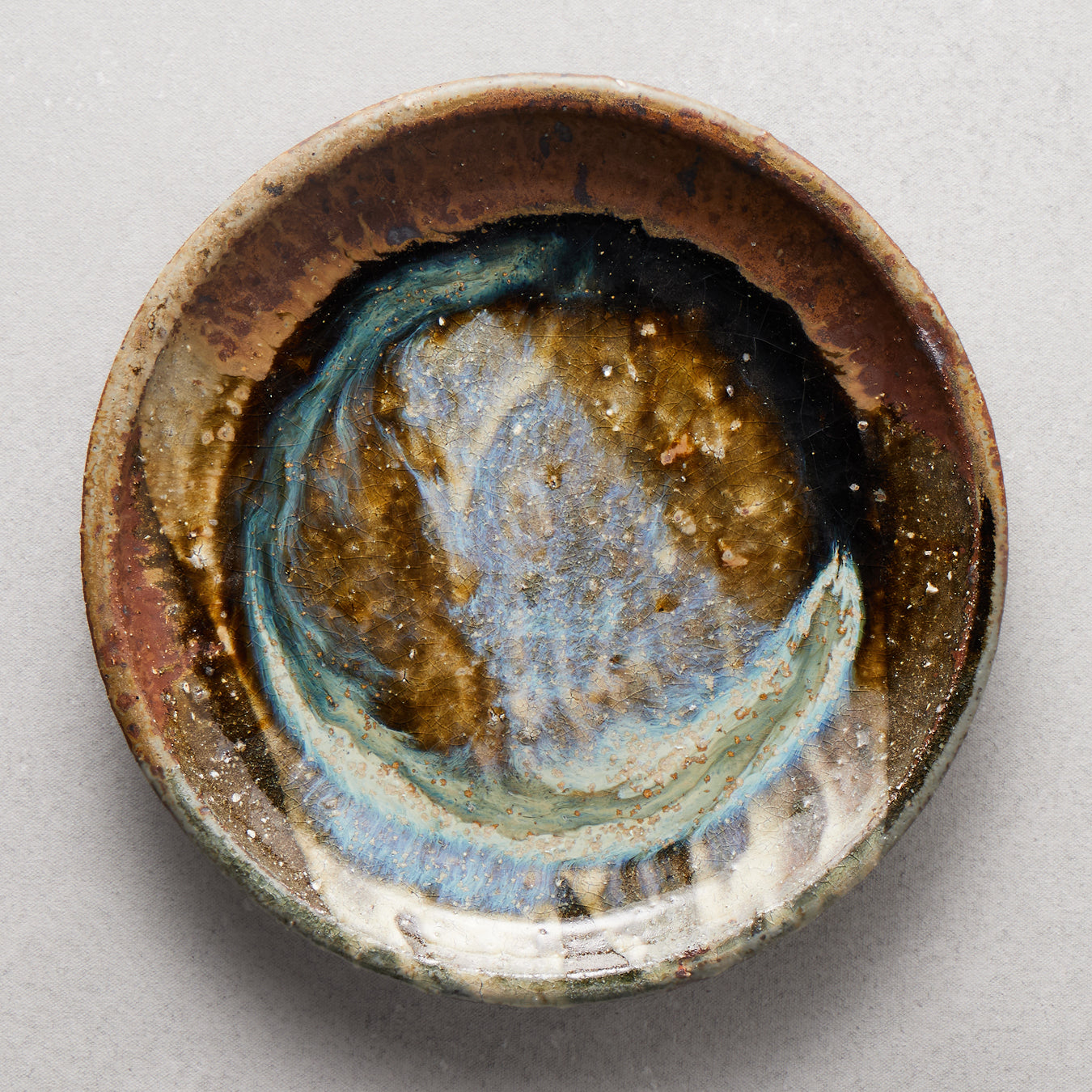

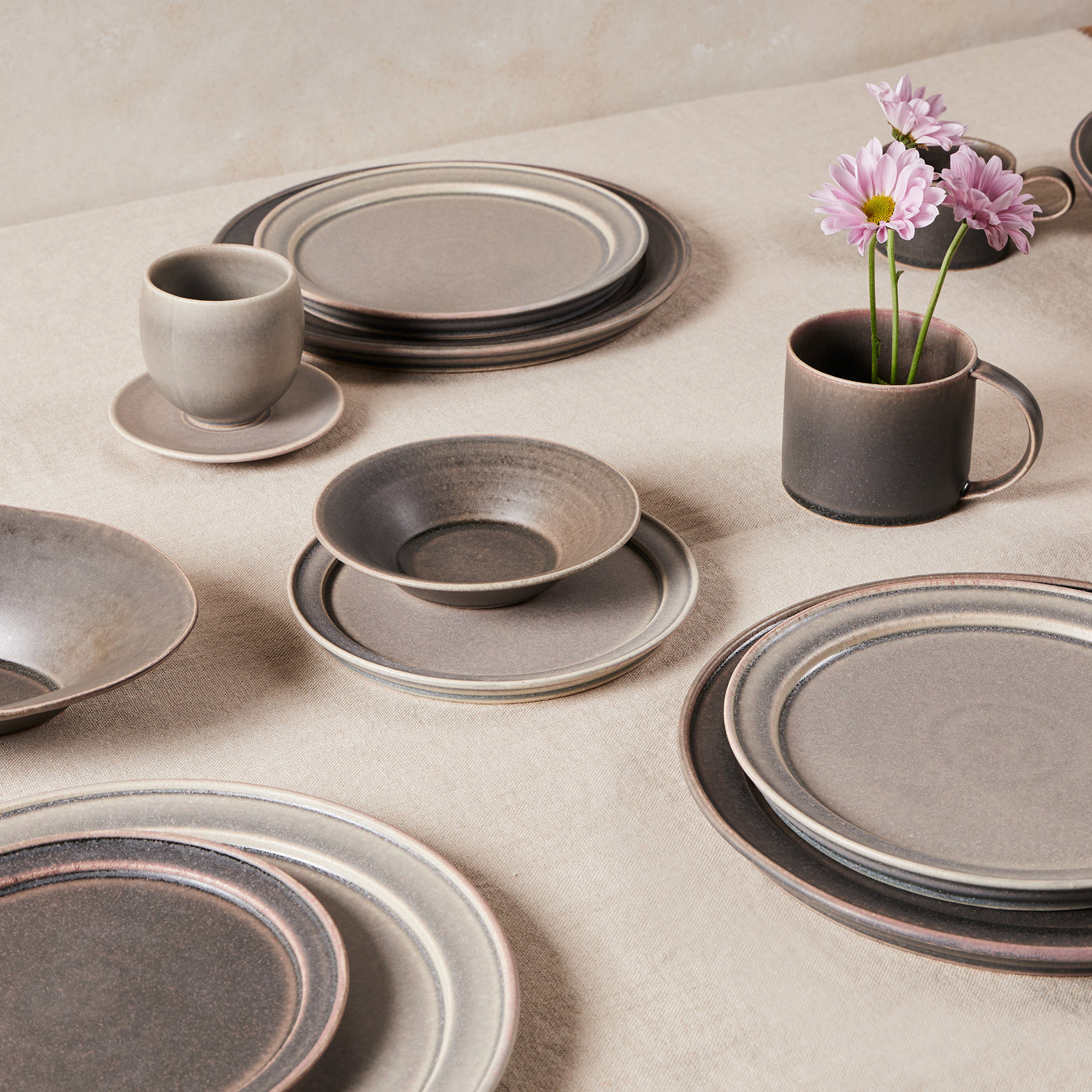

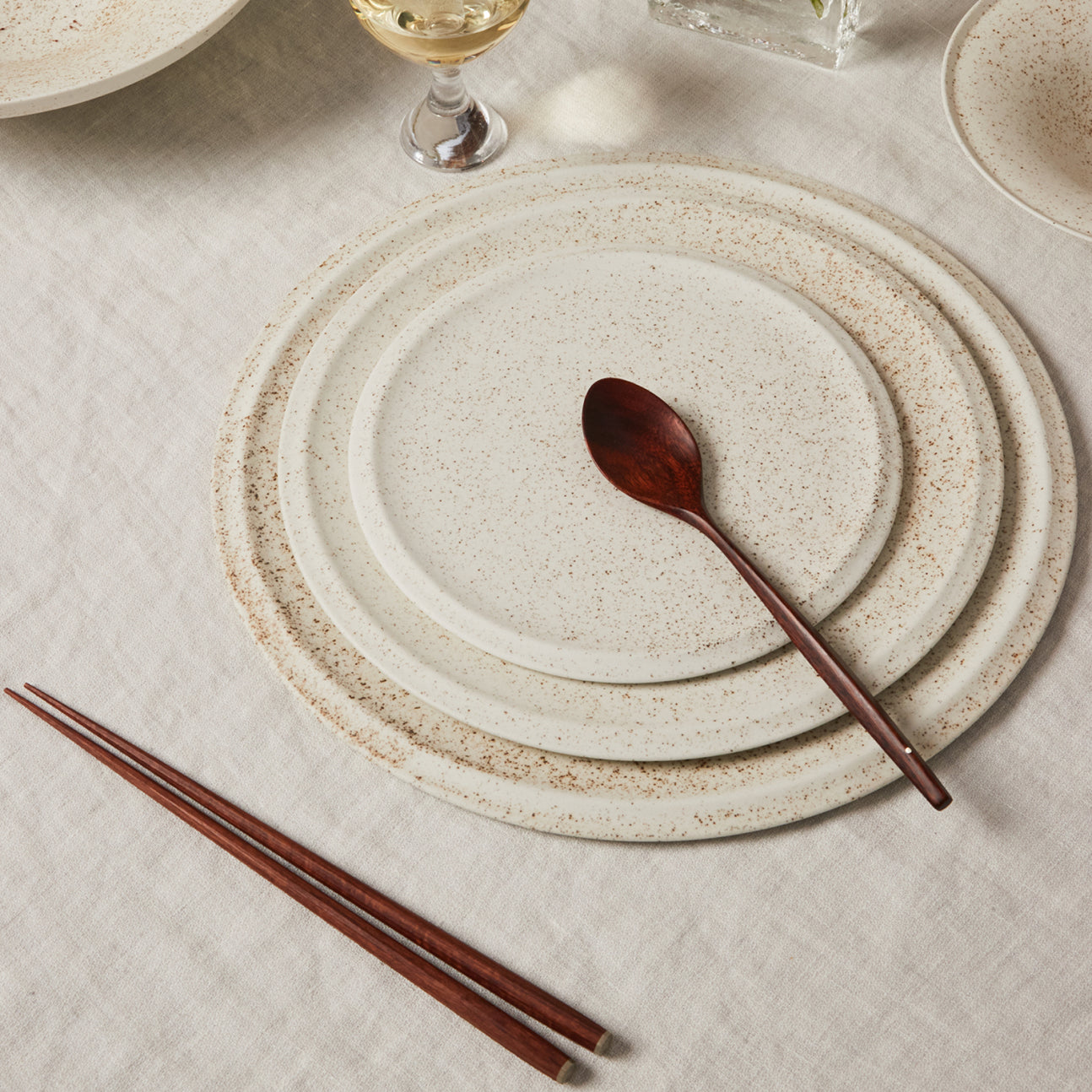
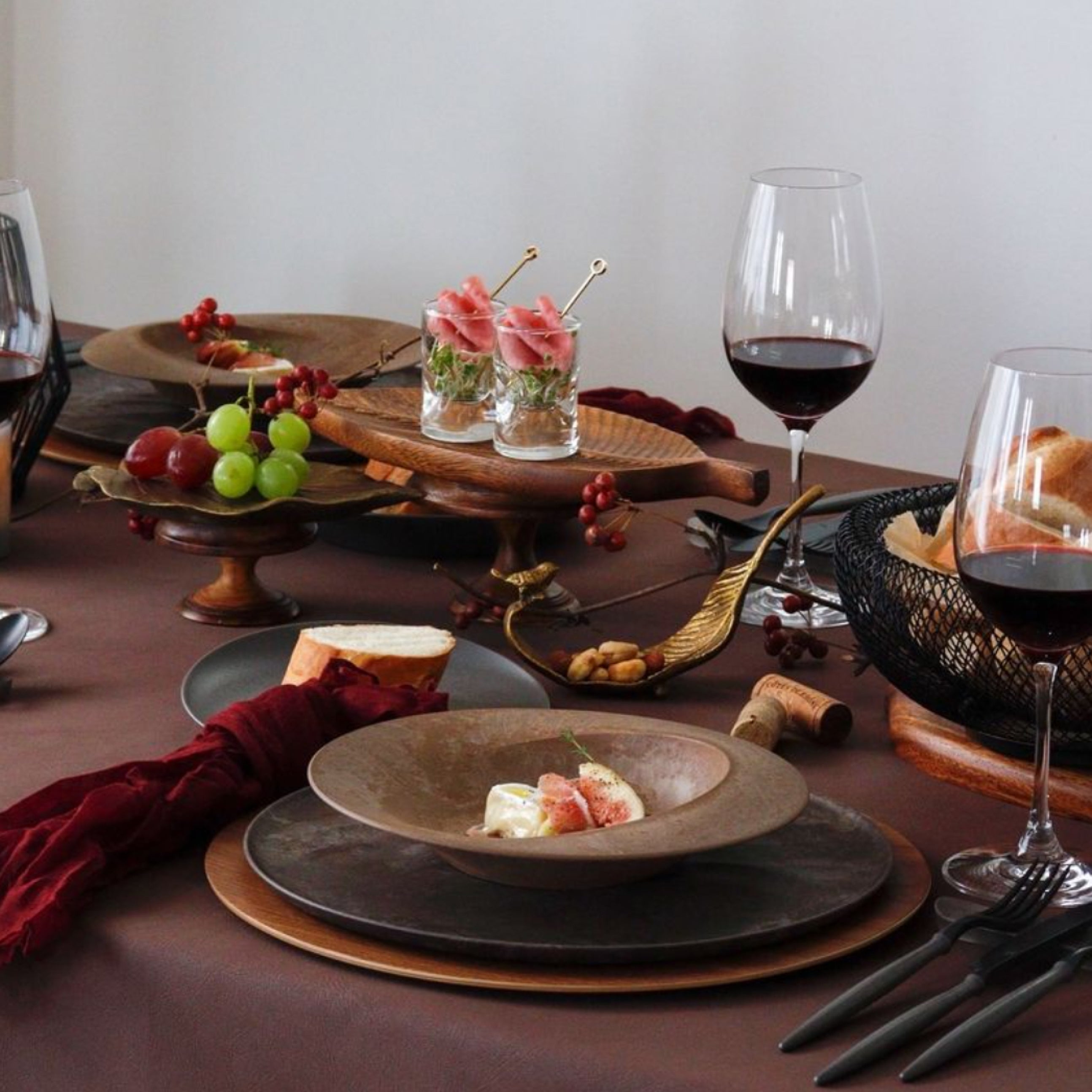
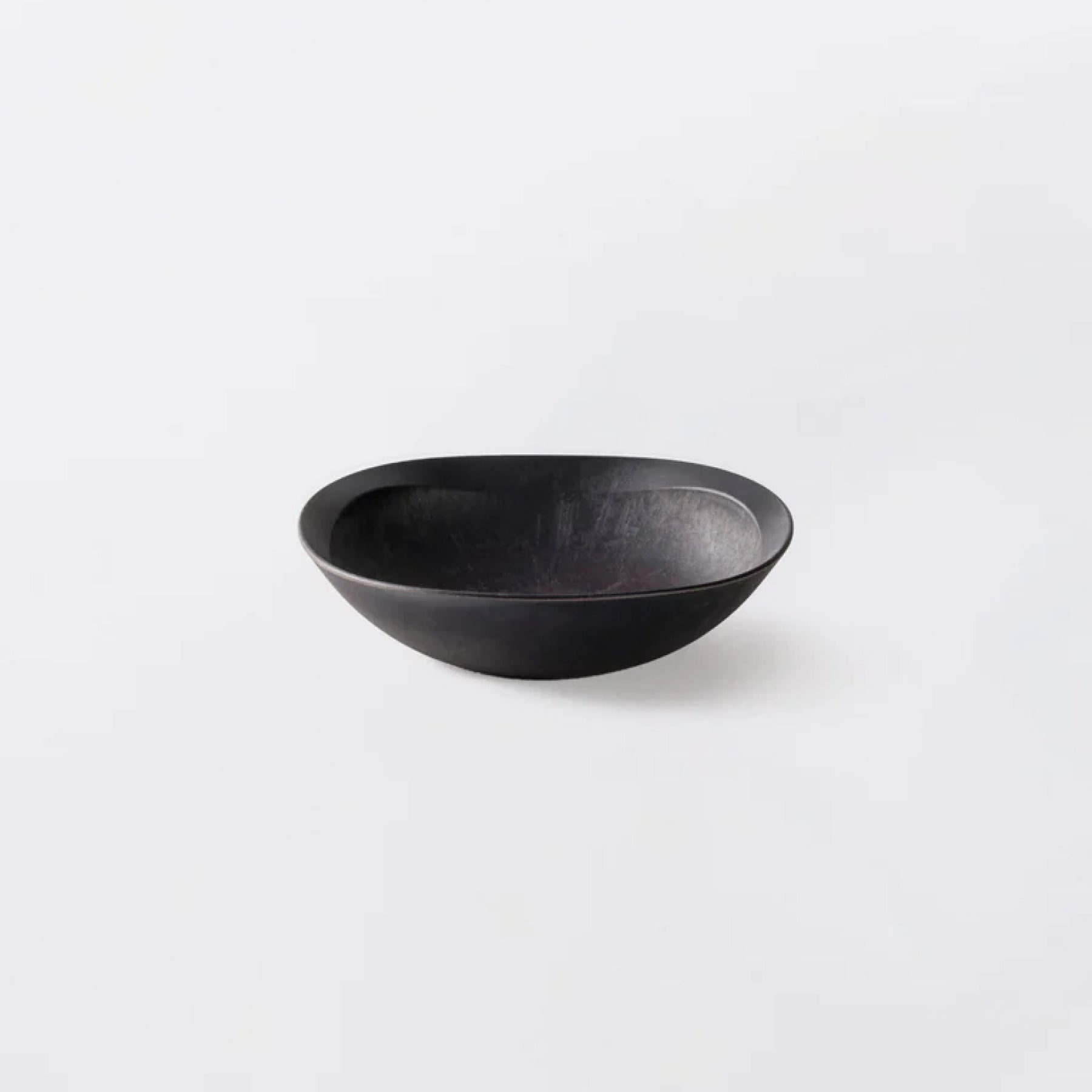
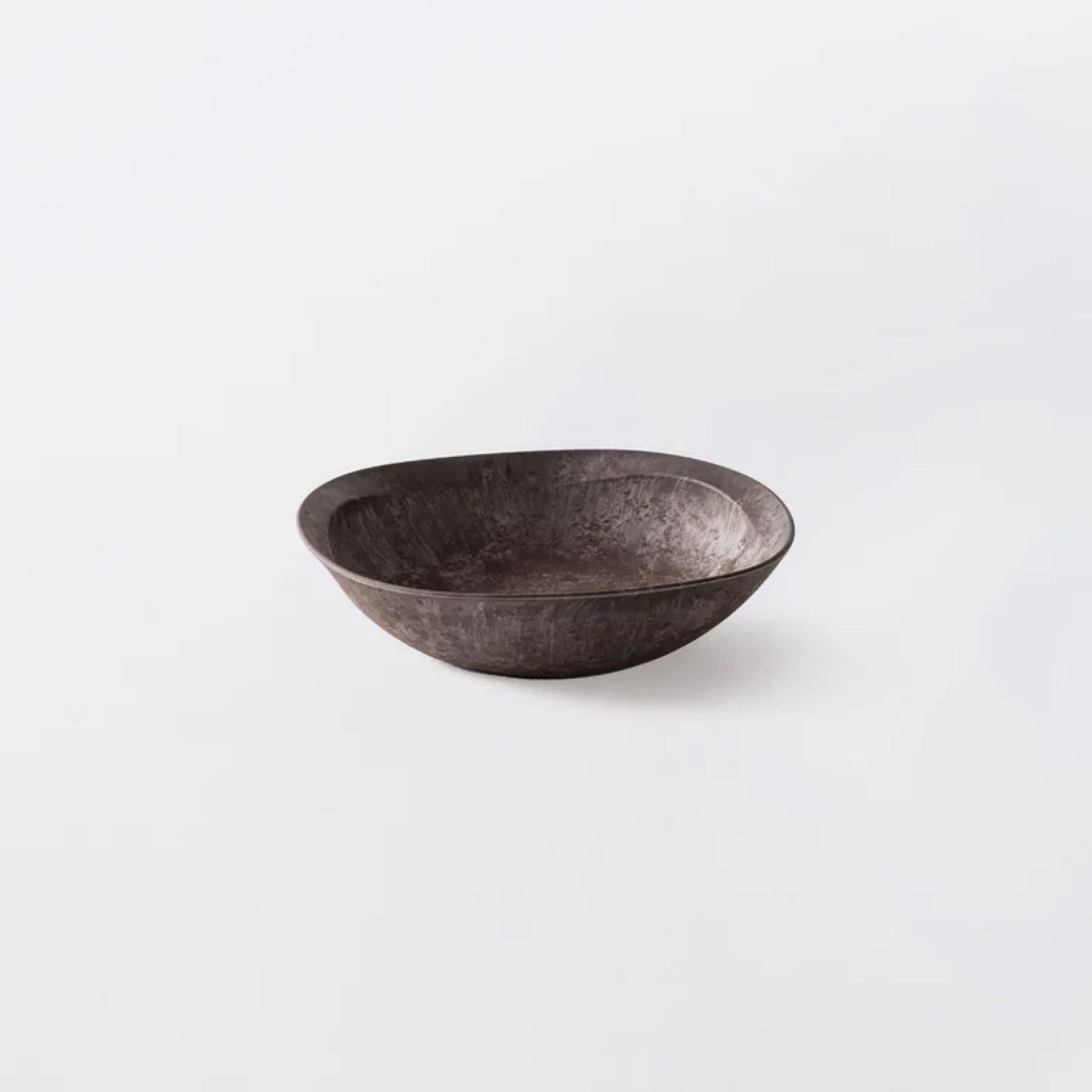
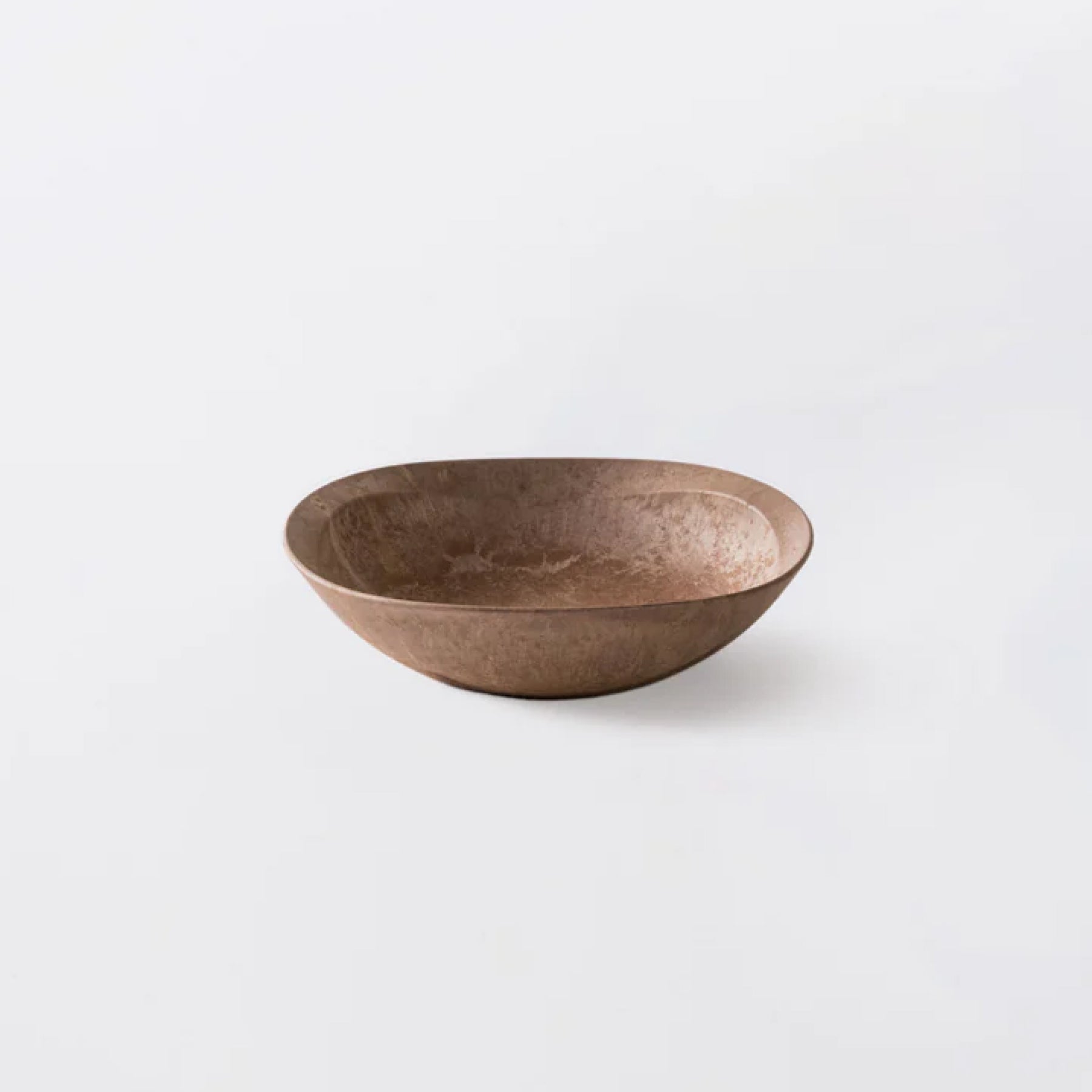
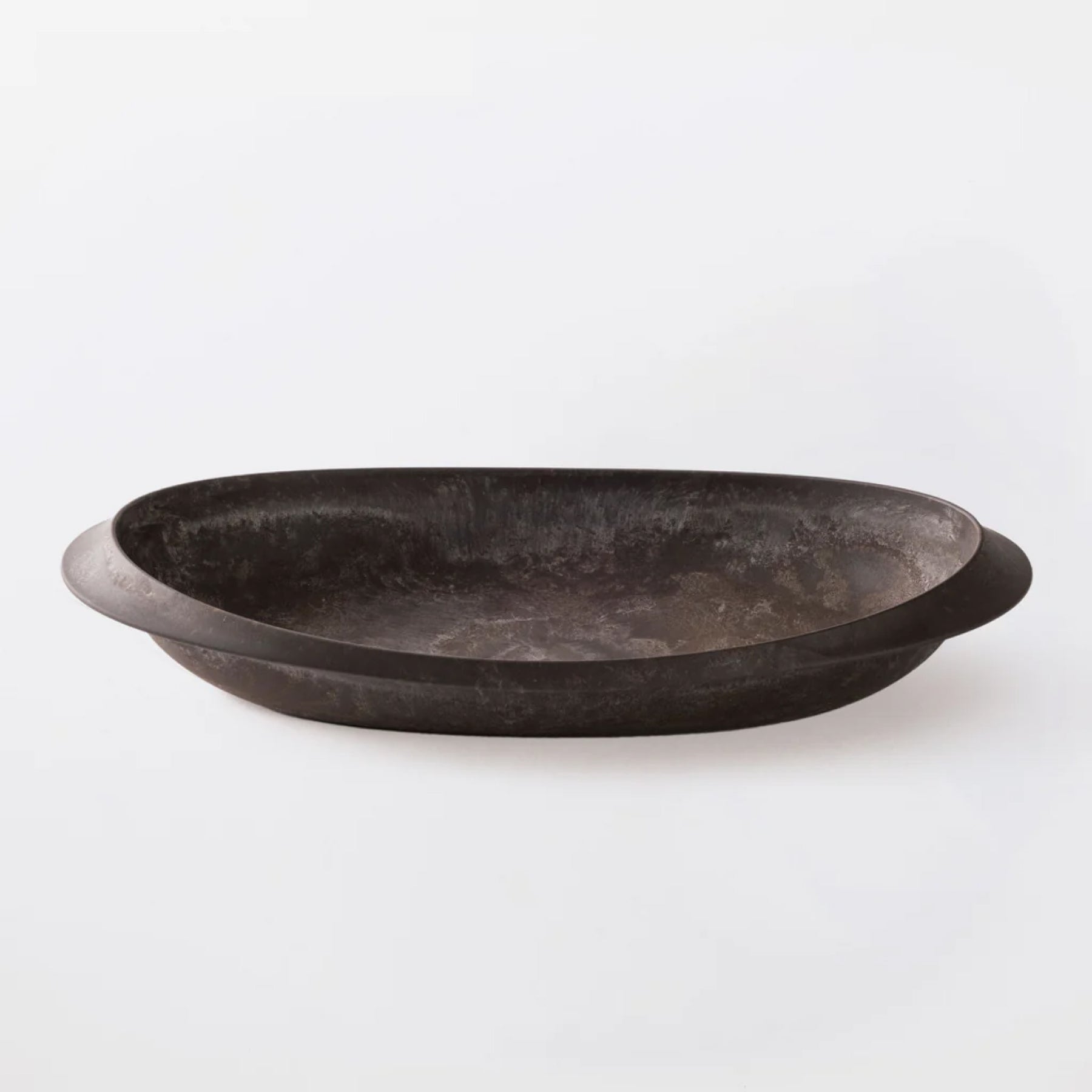
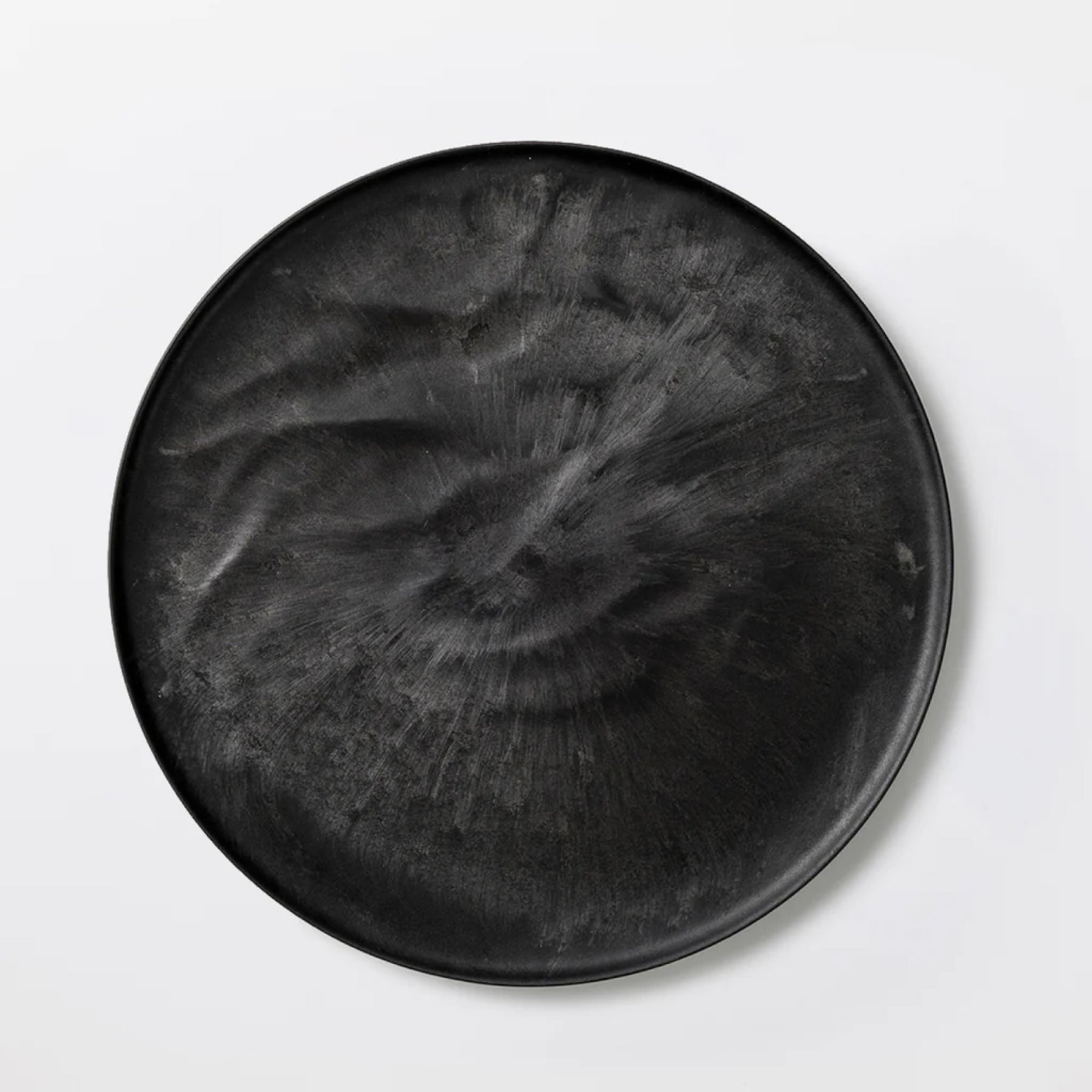
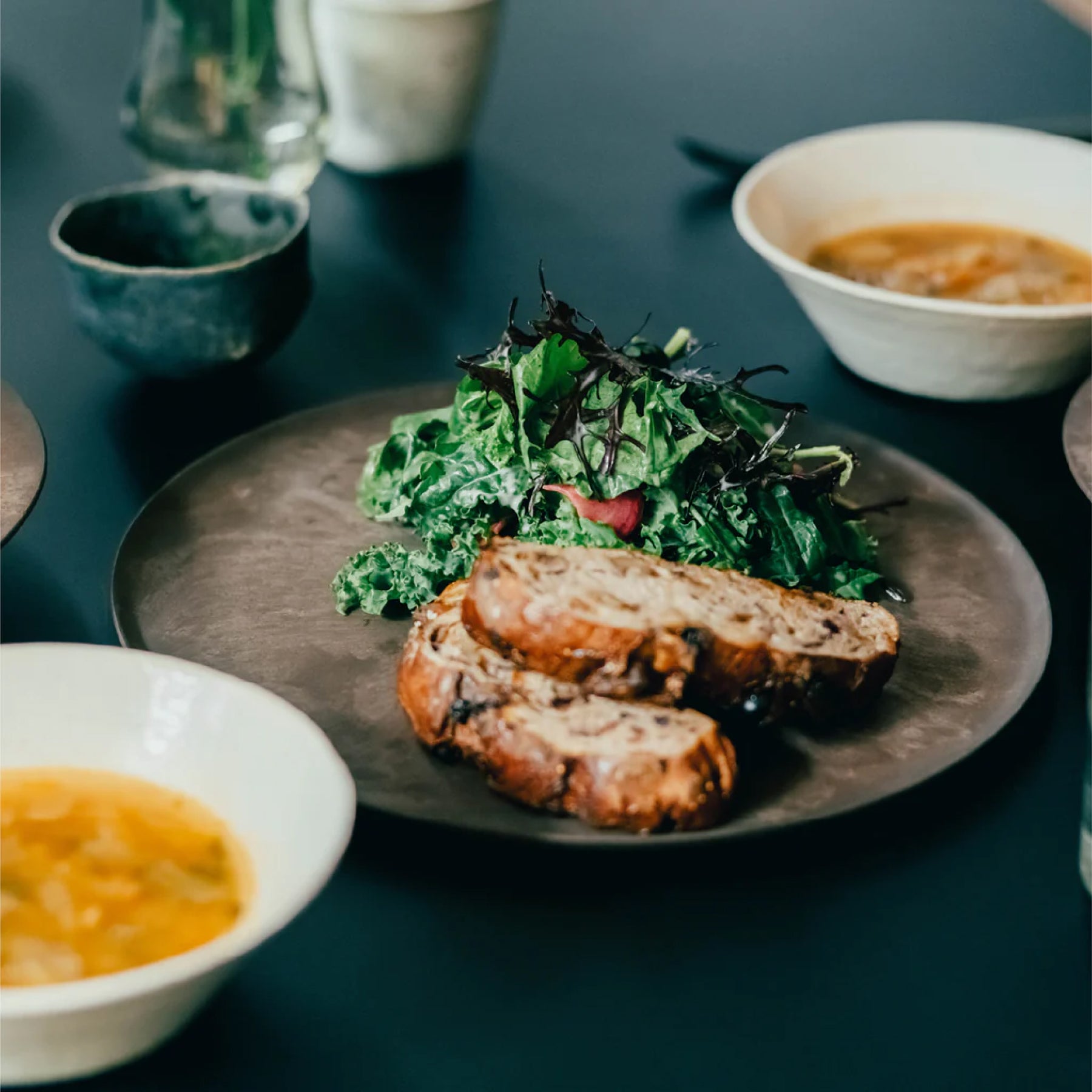
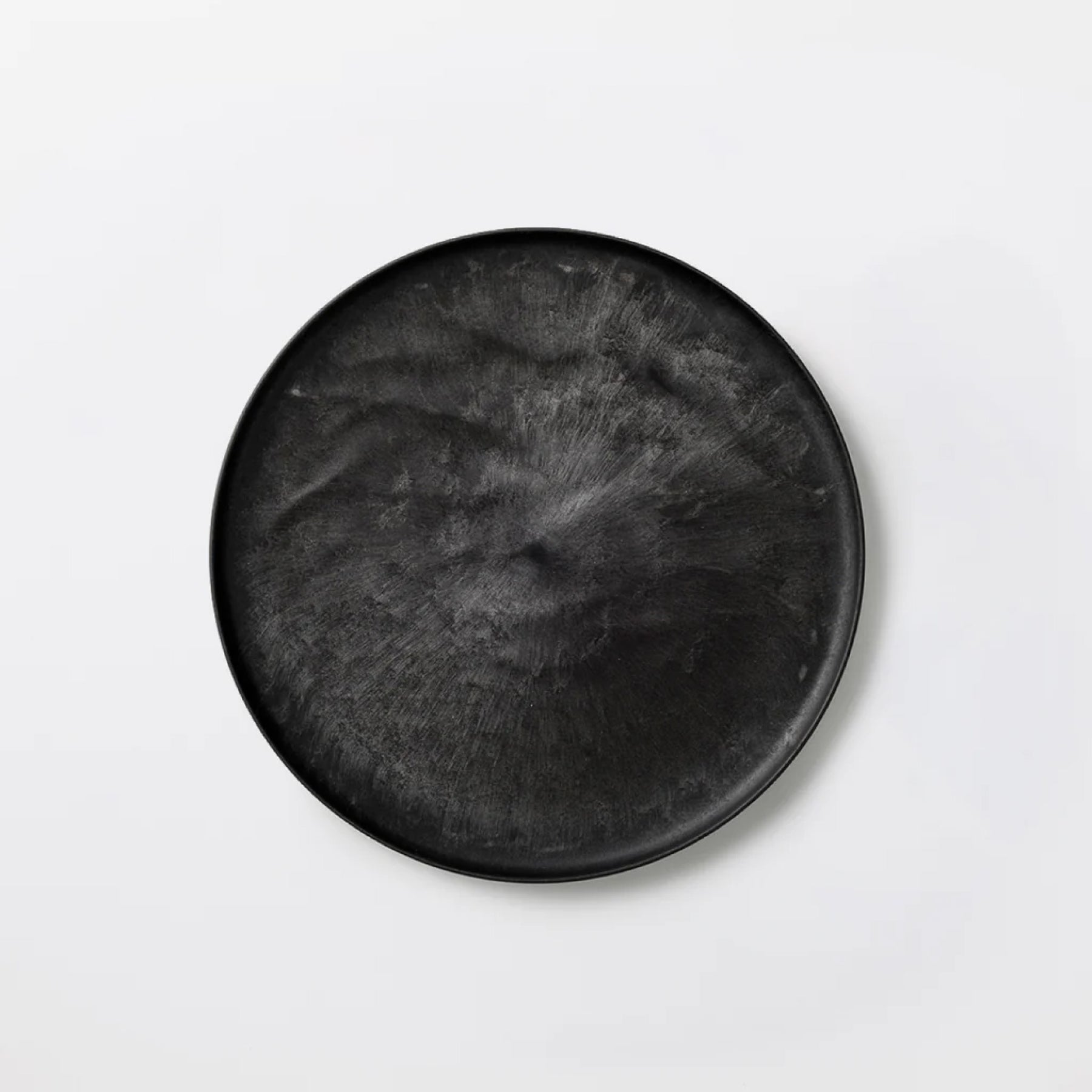
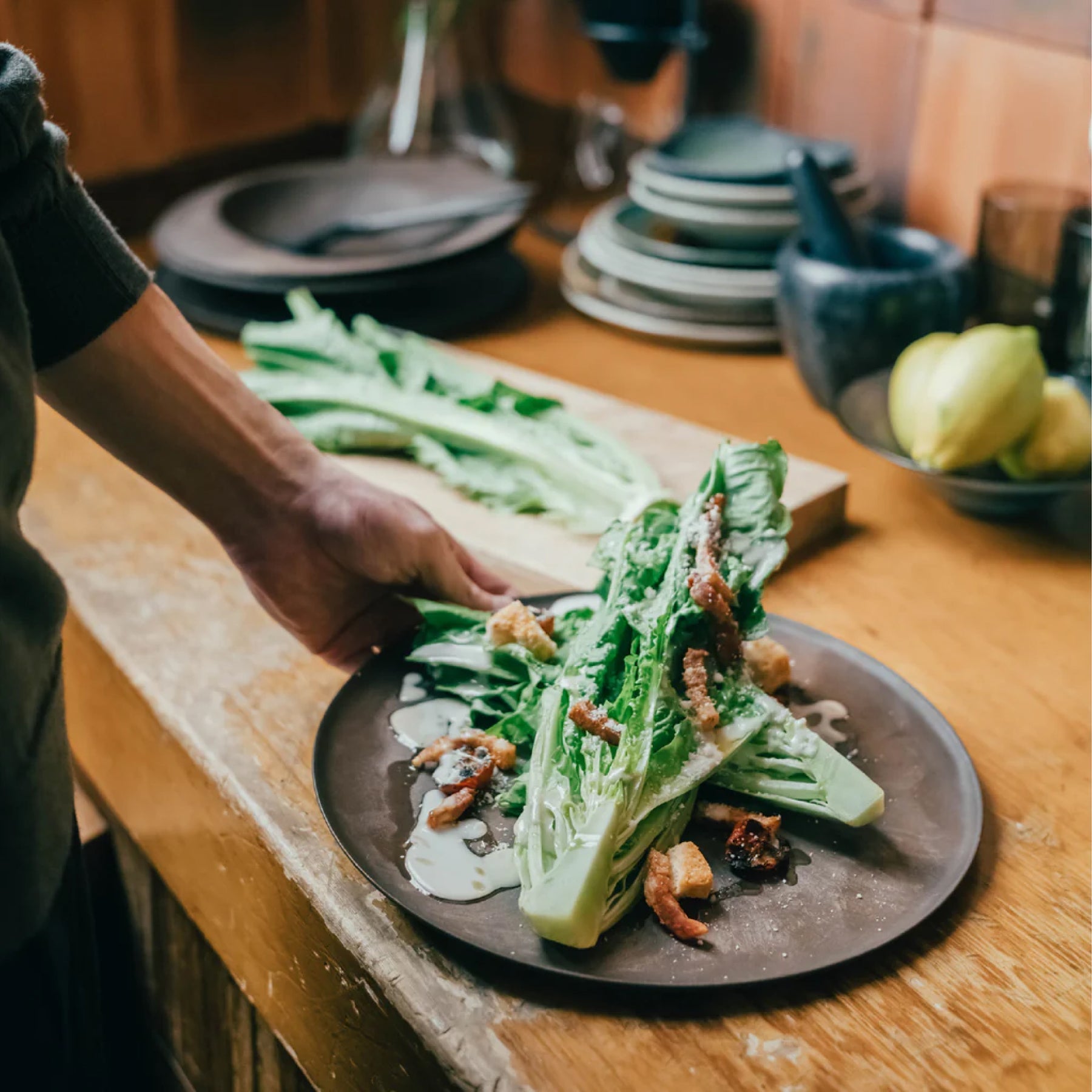
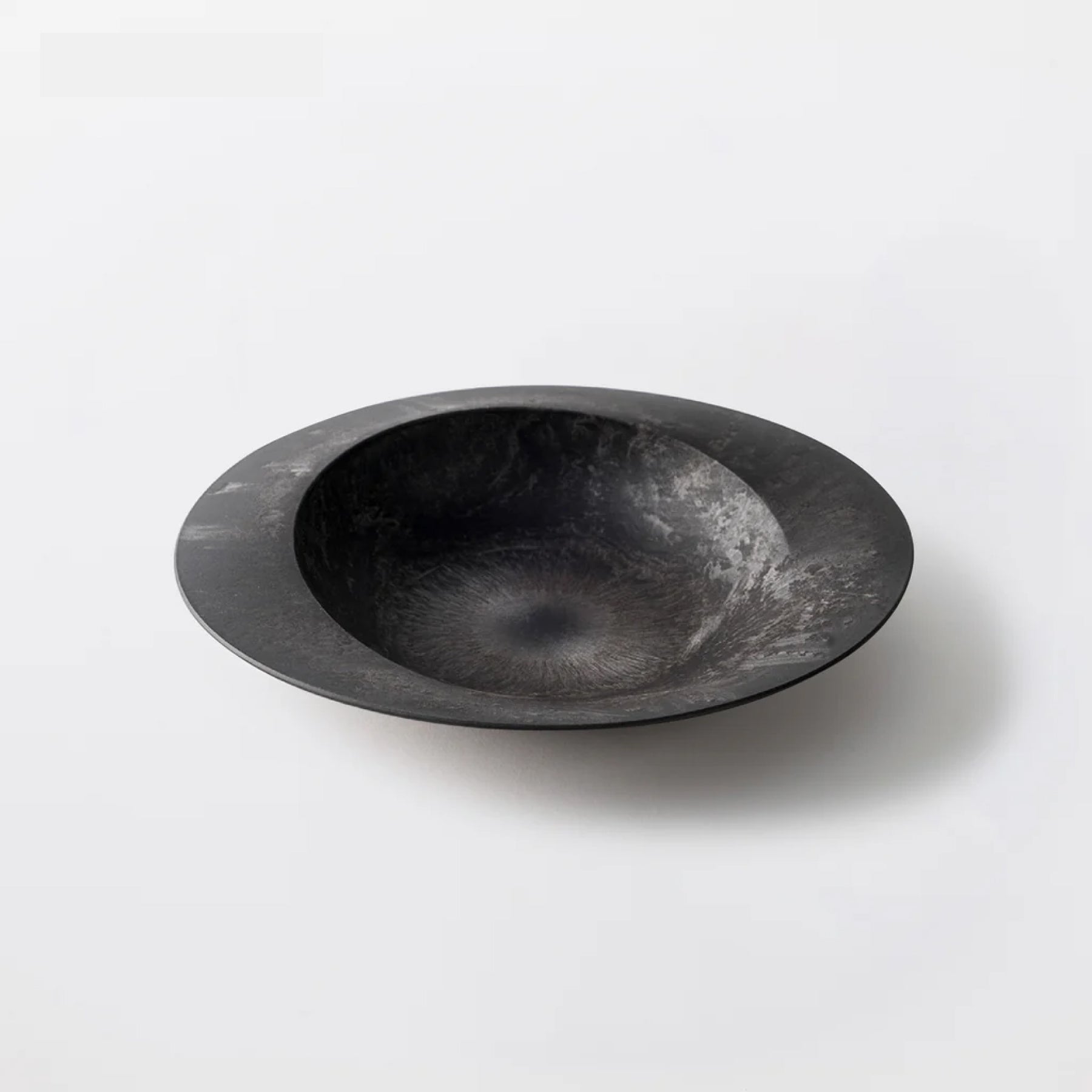
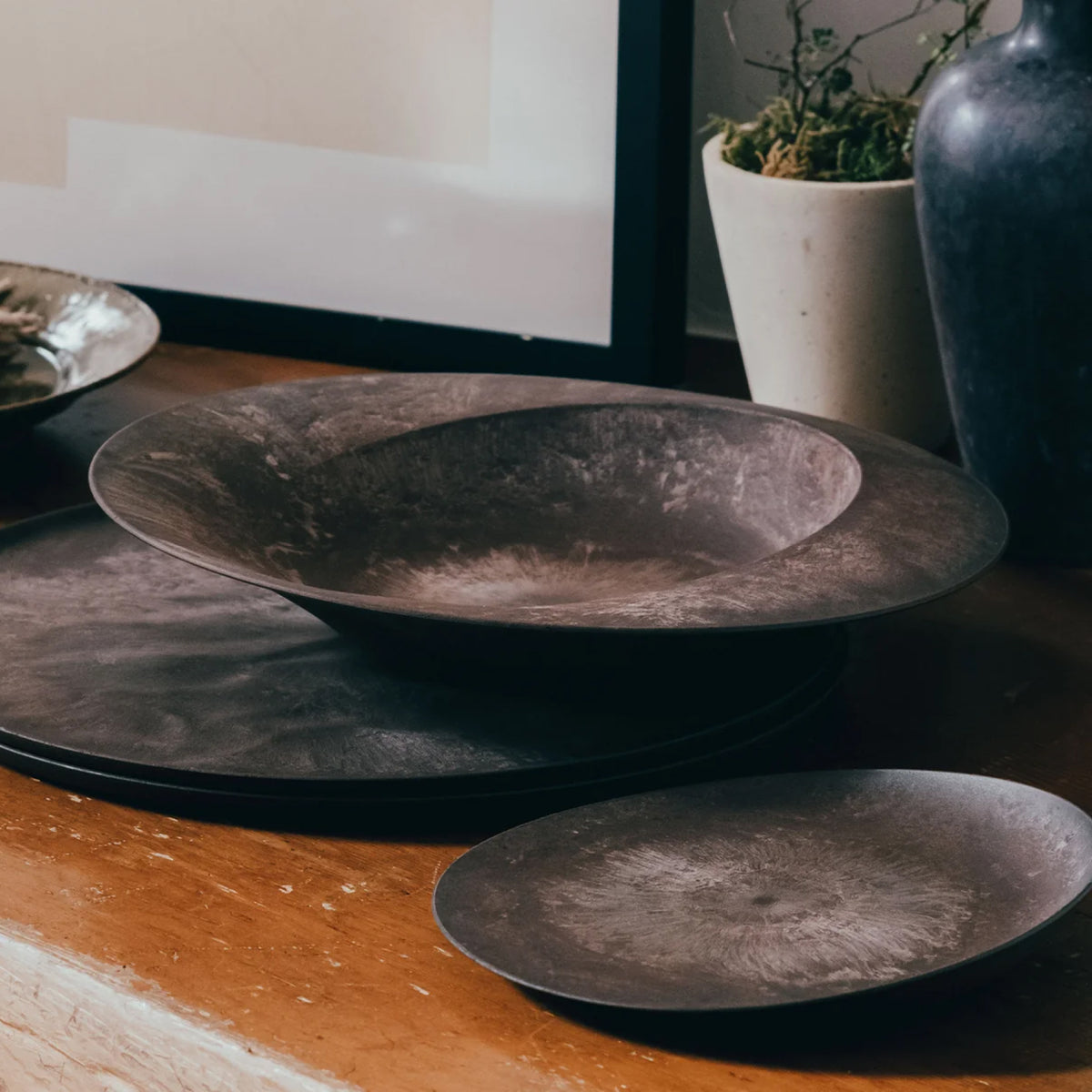
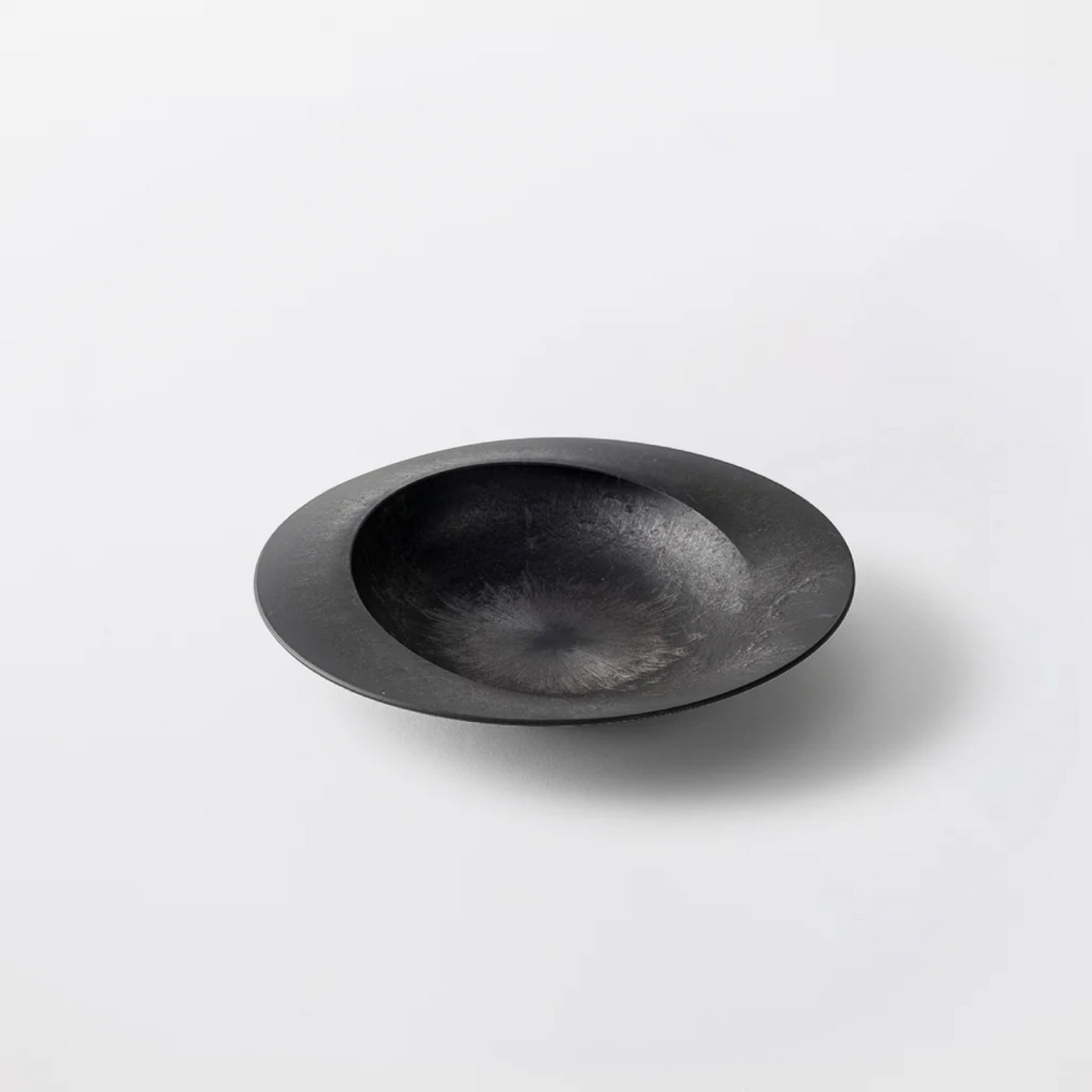
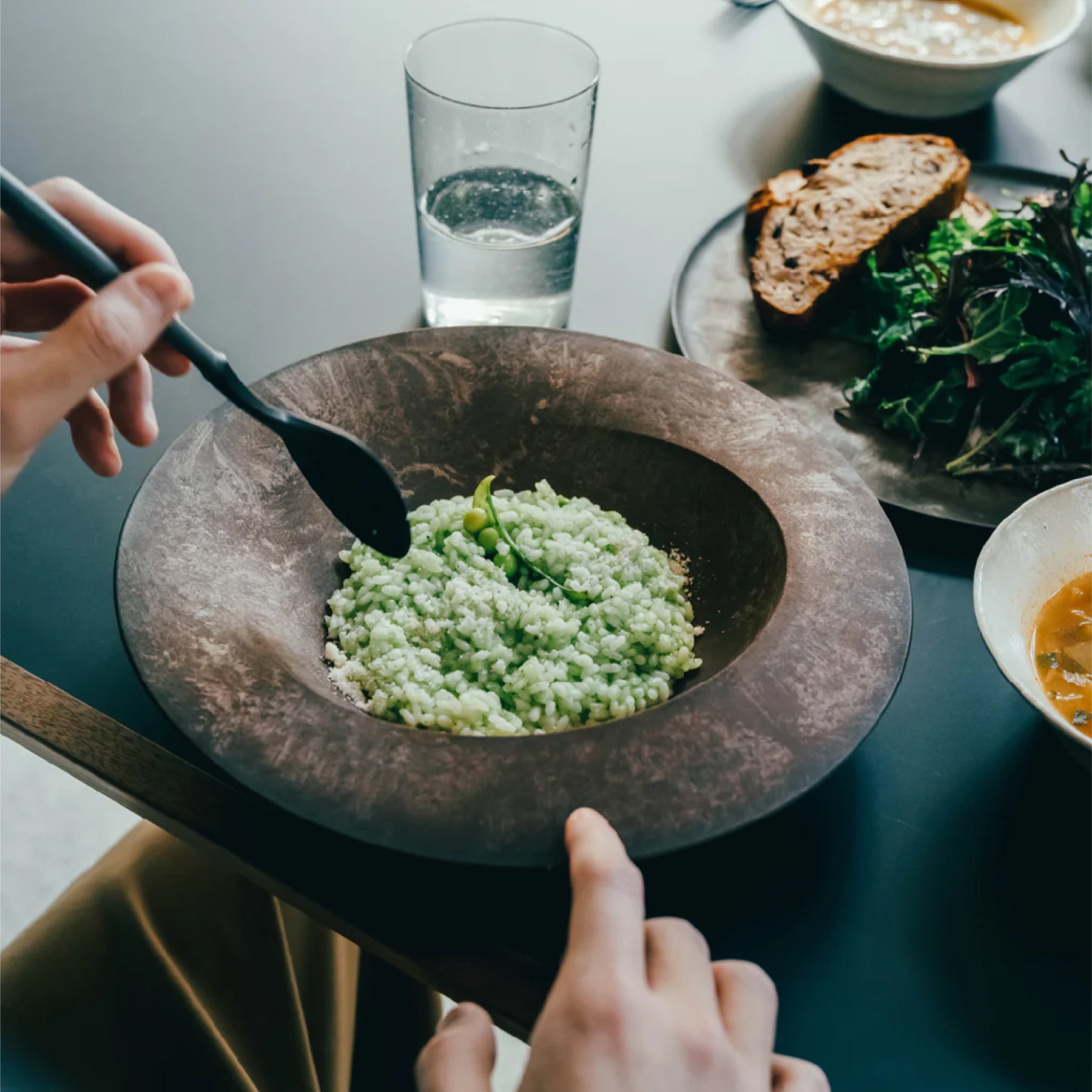
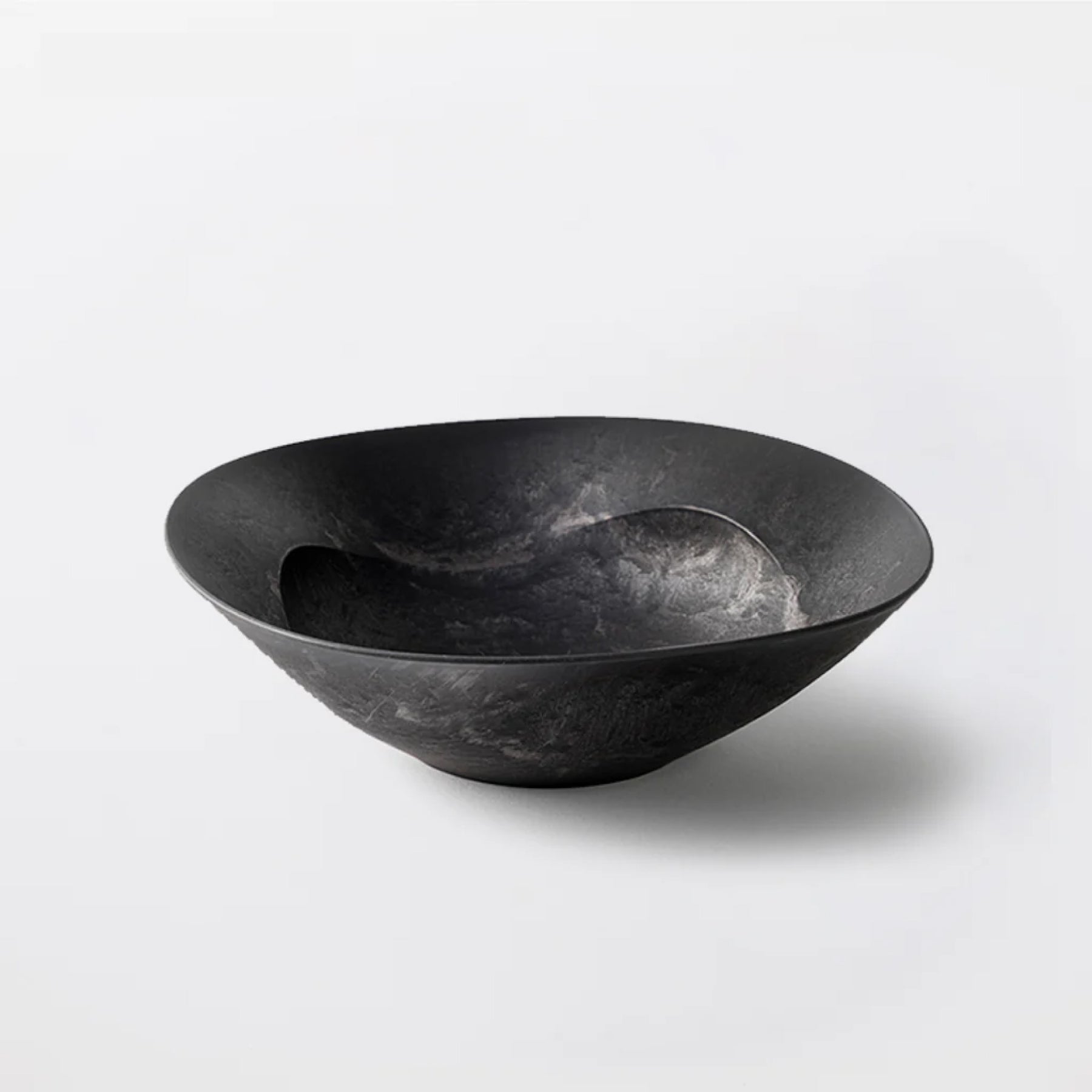
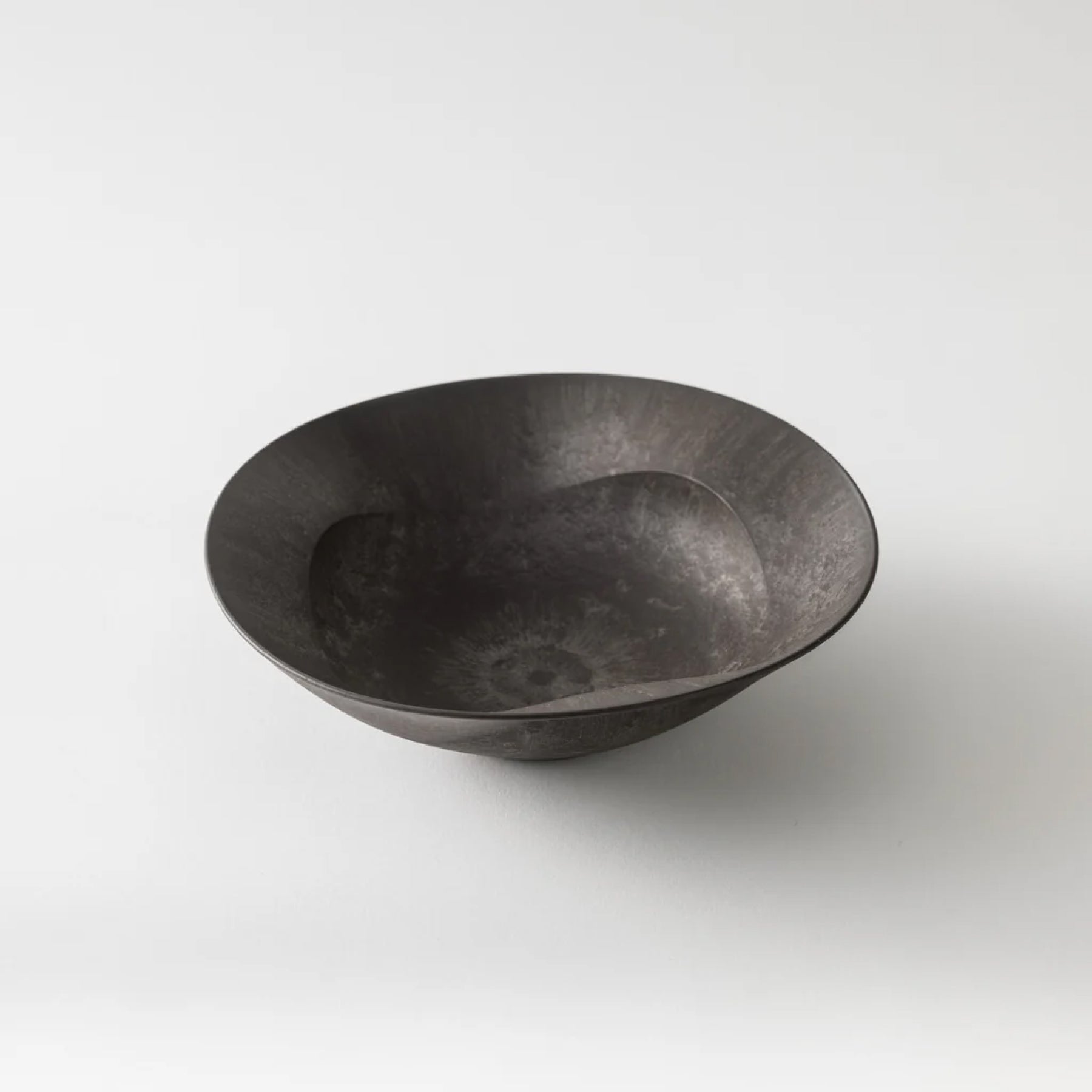
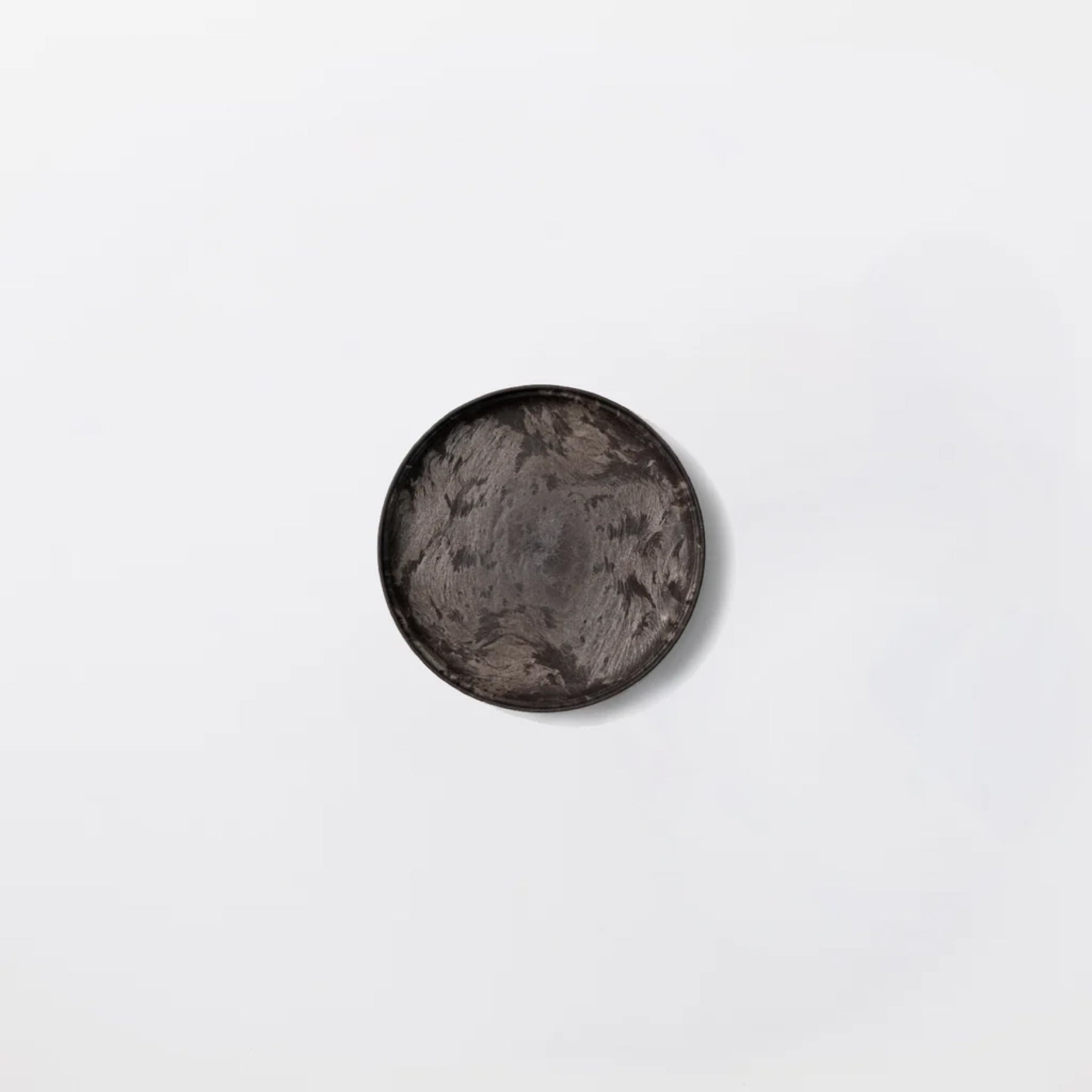
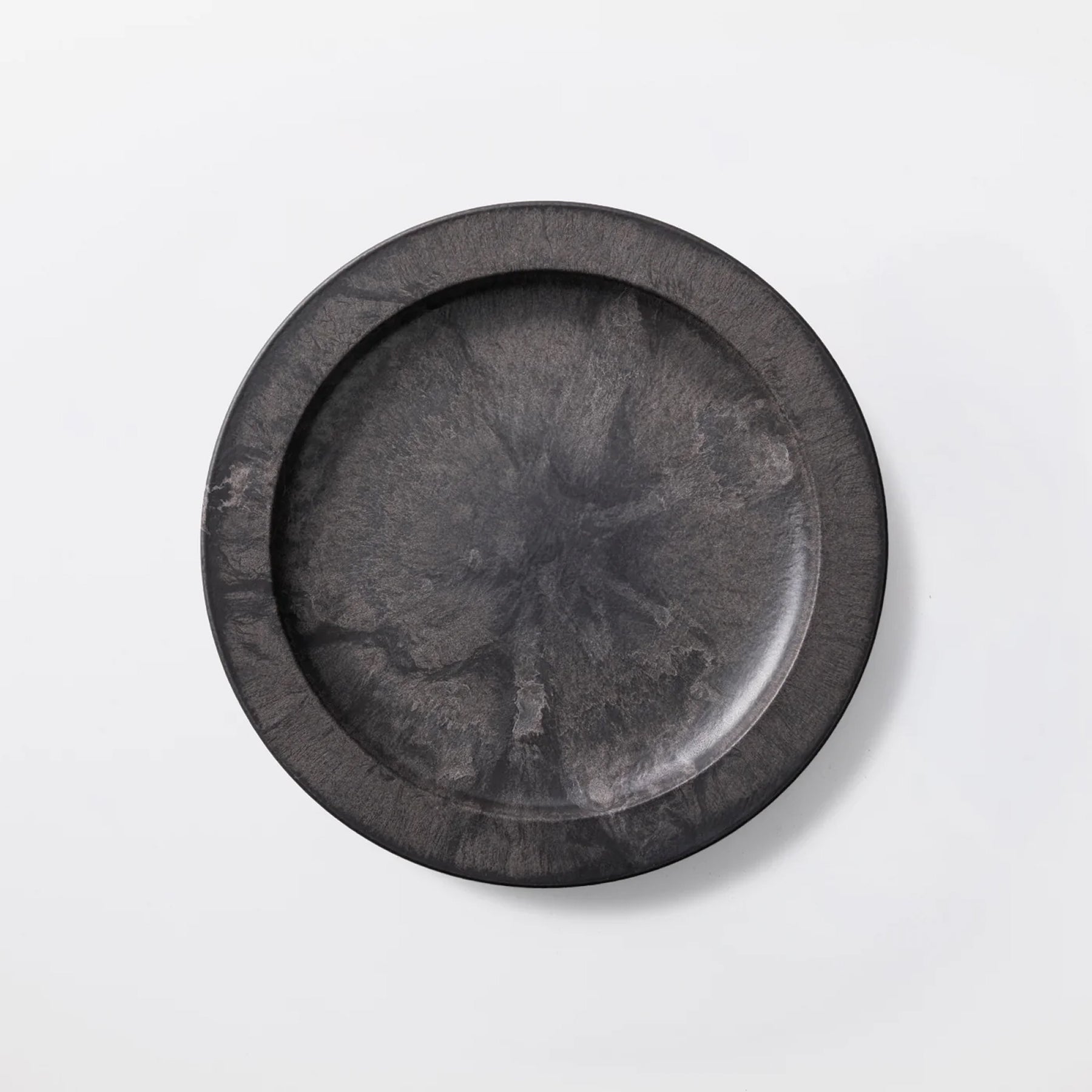
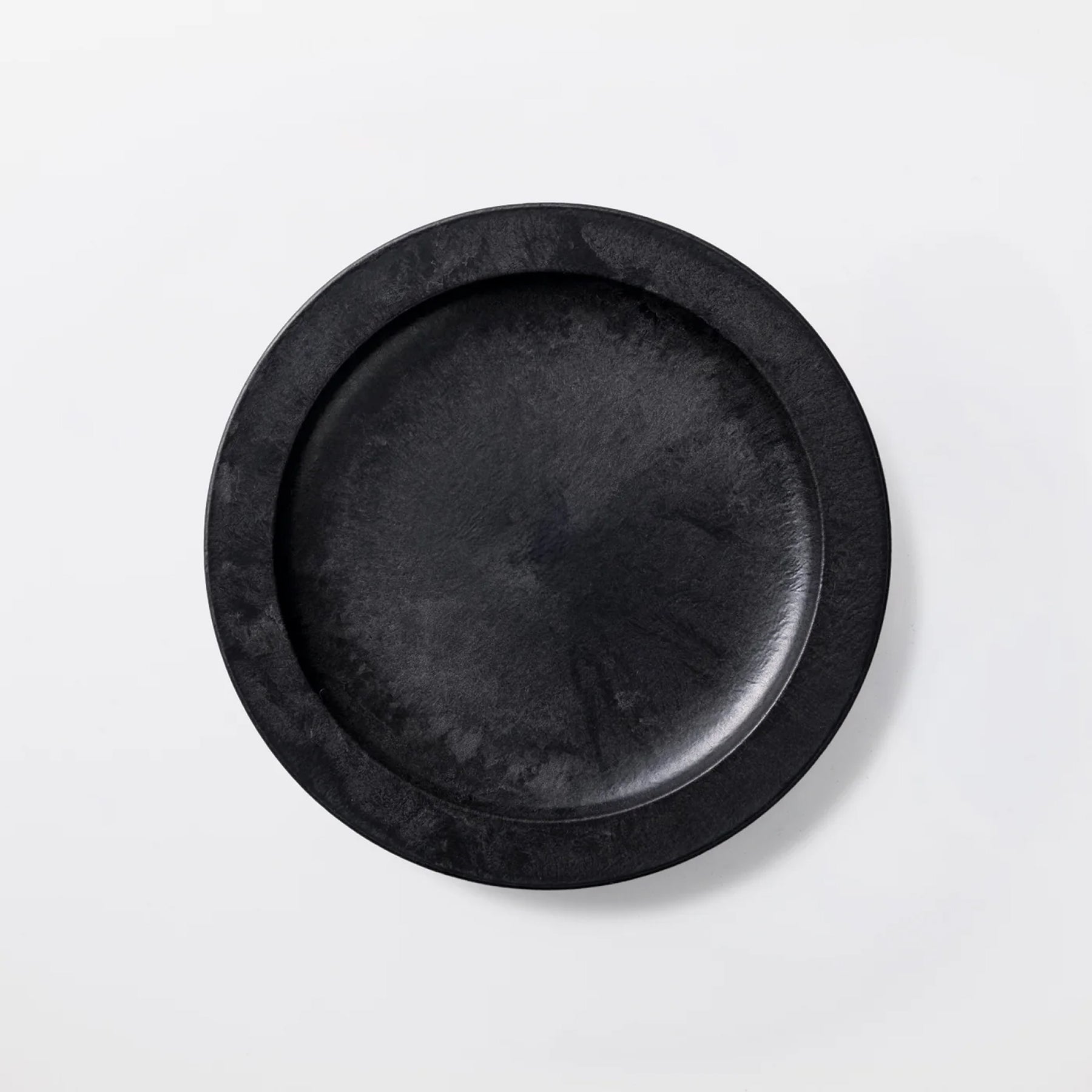
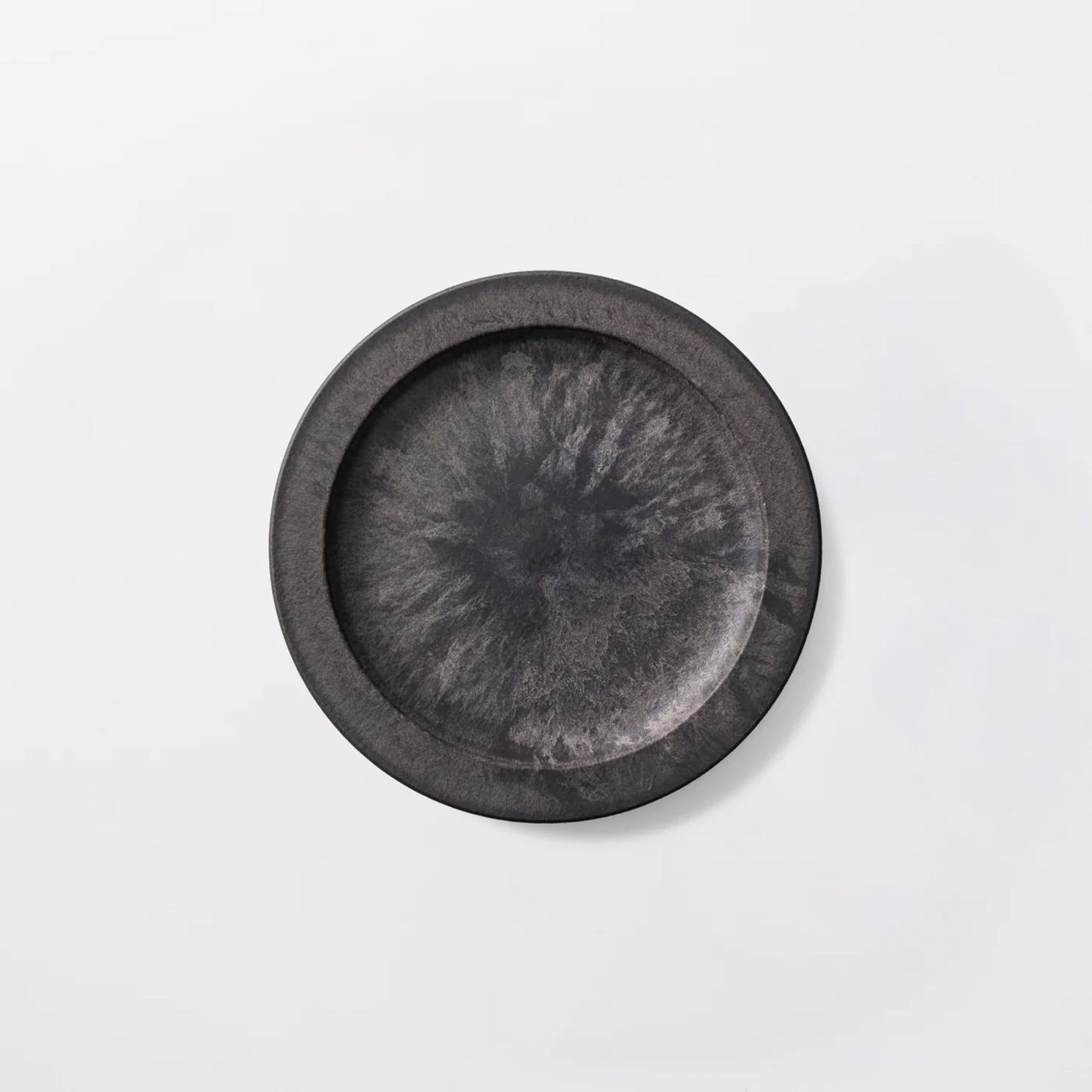
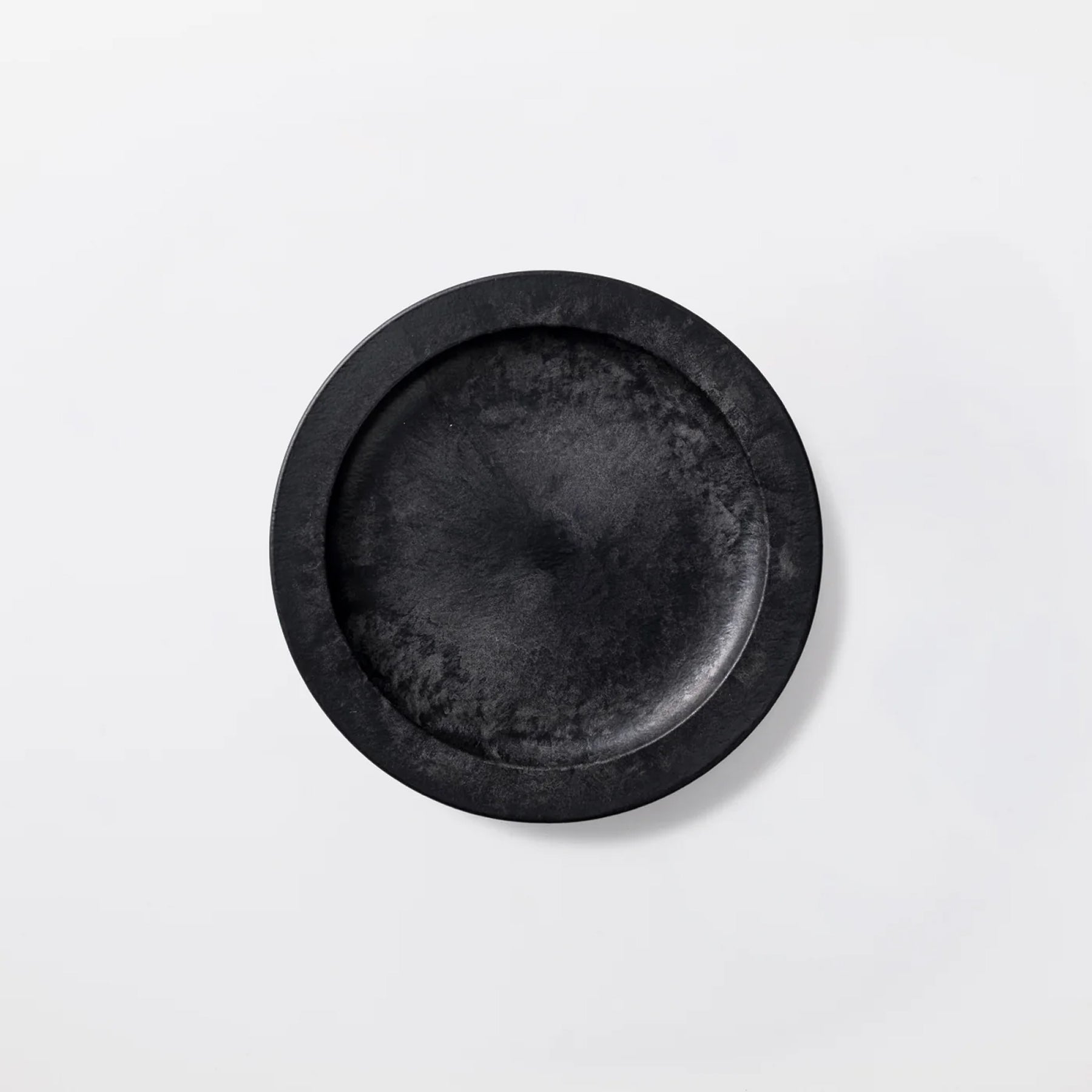
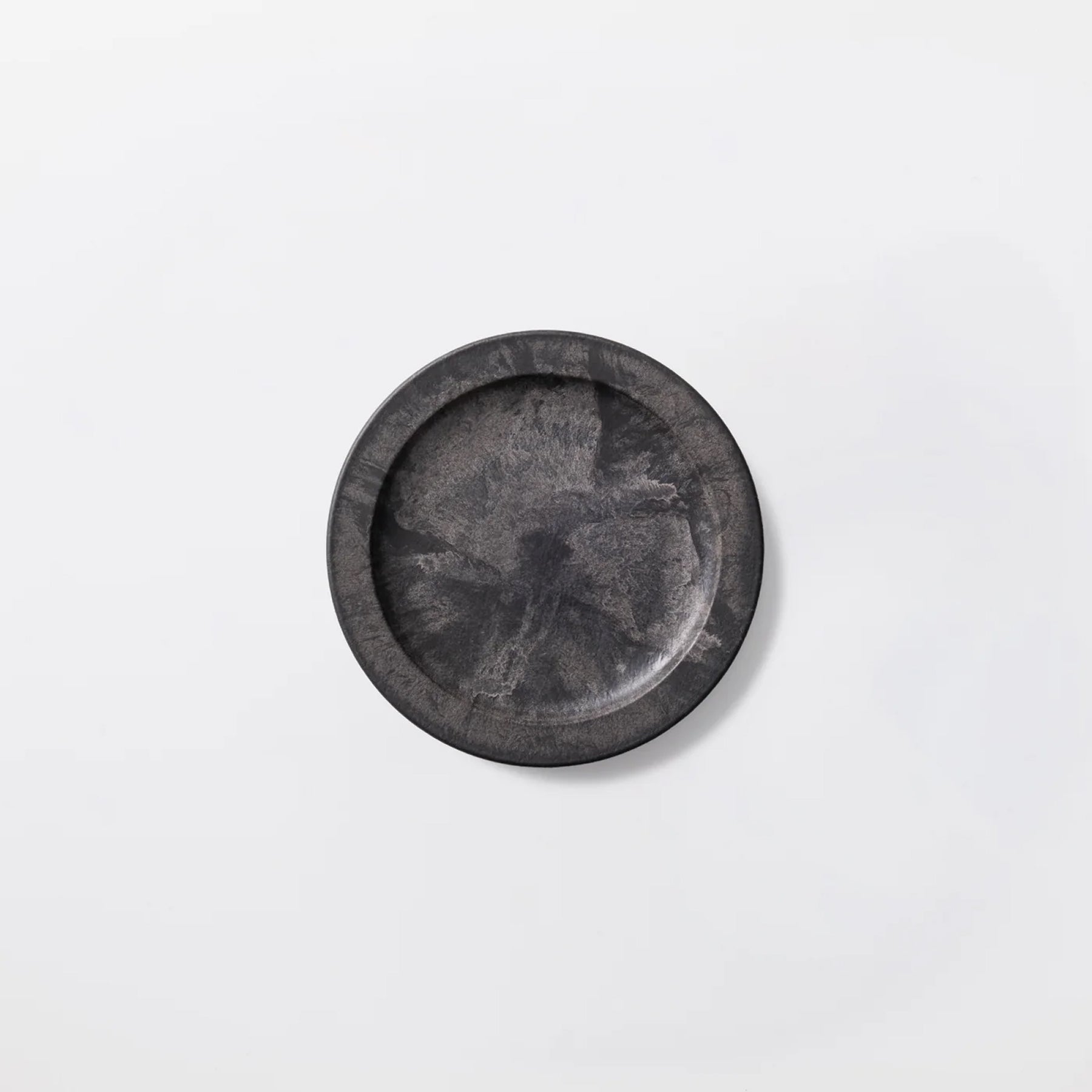
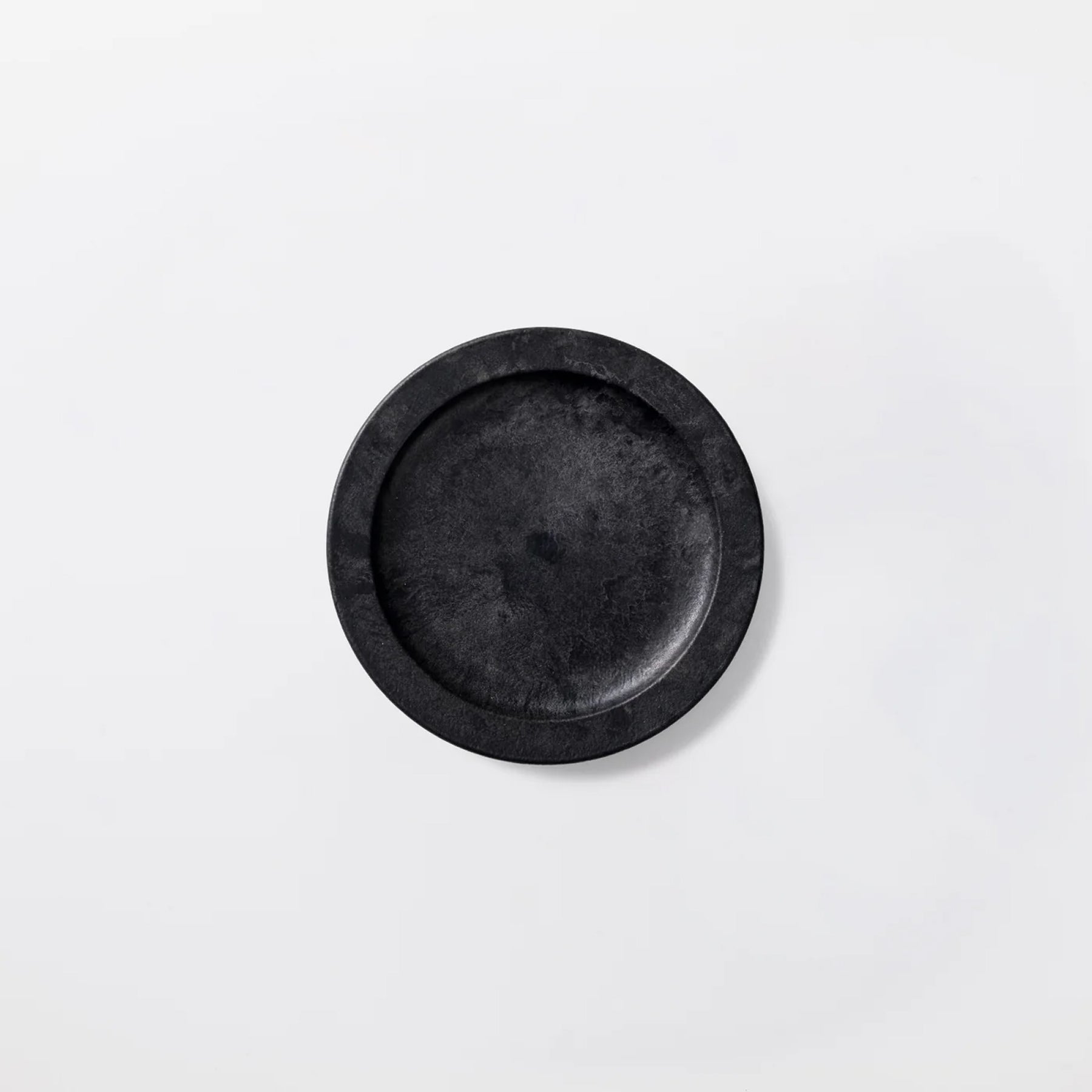
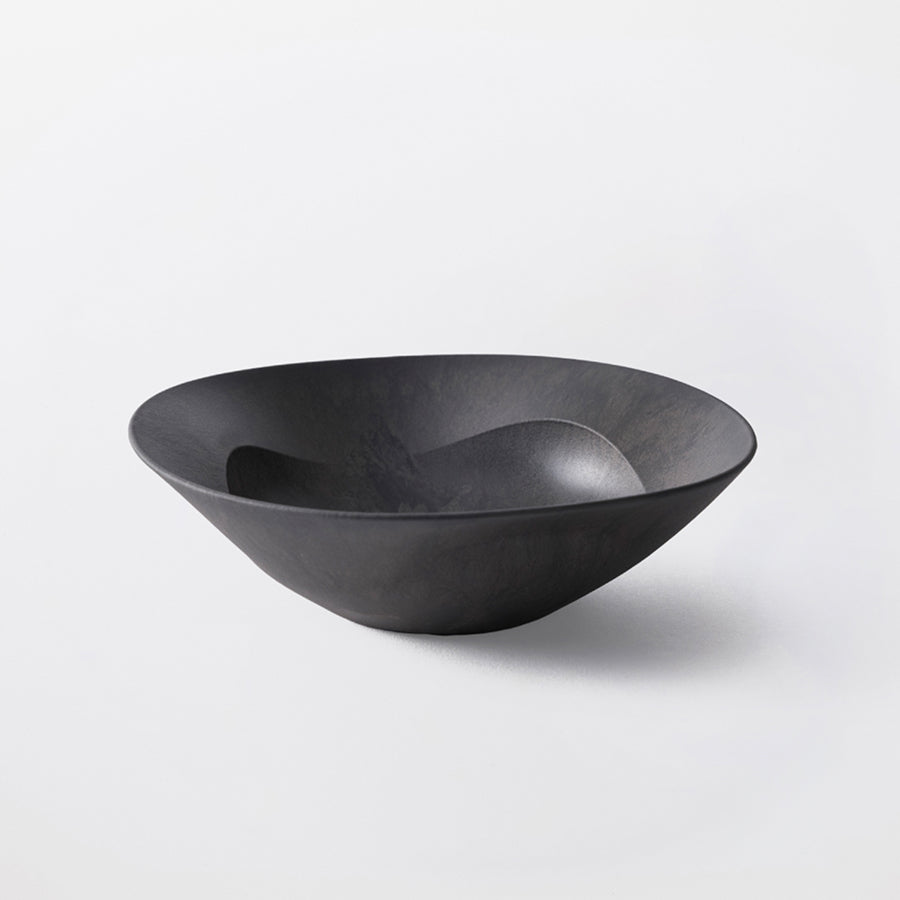
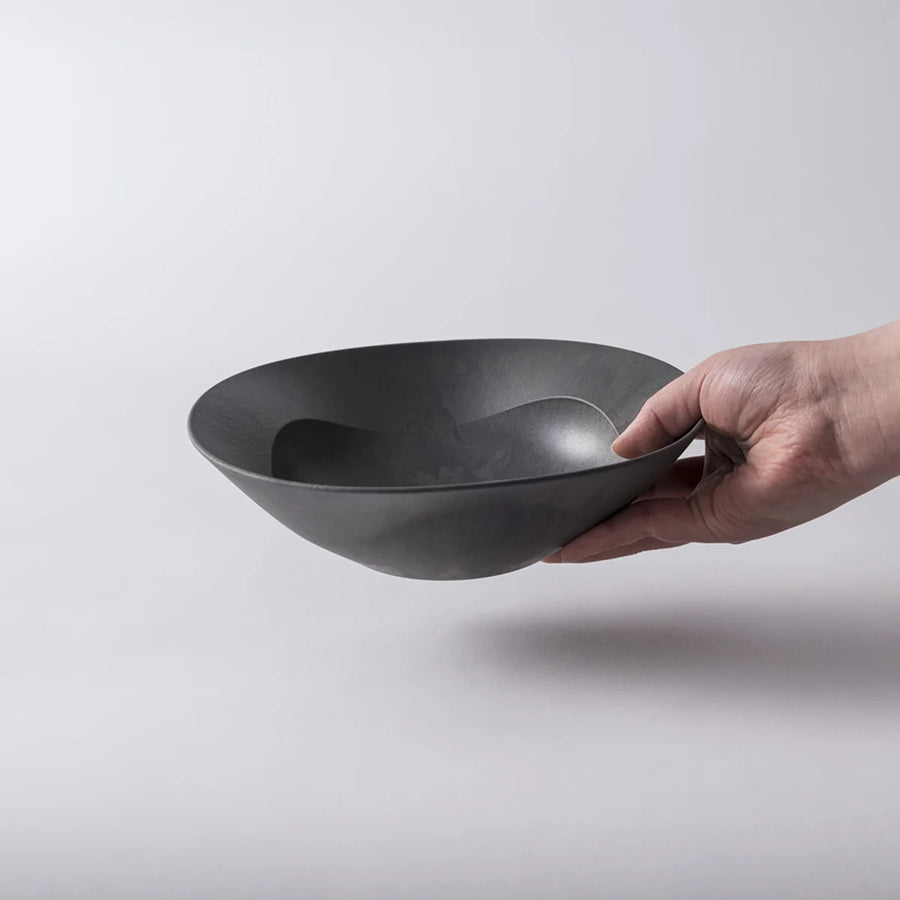
Cedar Bark Small Bowl
Description
Durable and Sustainable Solutions
Enhance the dining experience with environmentally friendly and shatterproof tableware. Crafted from a unique blend of recycled glass, ARAS tableware withstands 1000 drops and is BPA-free. Its resilience supports innovative designs, and temperature resistance ranges from -4°F to 212°F, making it perfect for any occasion.
Made in Ishikawa, Japan
Details
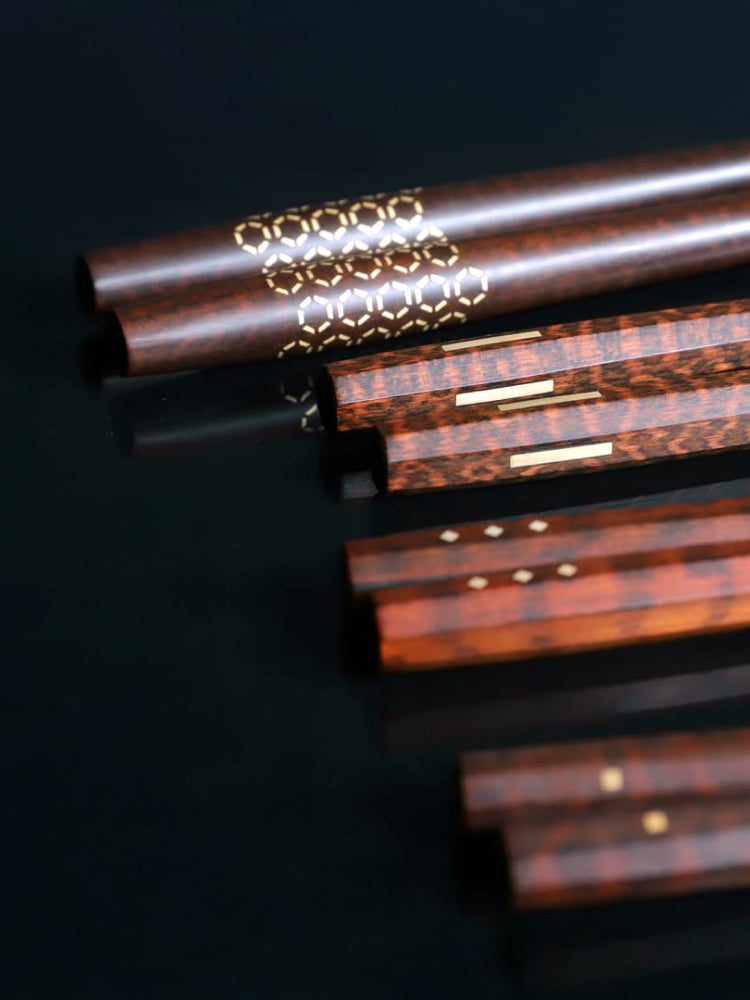
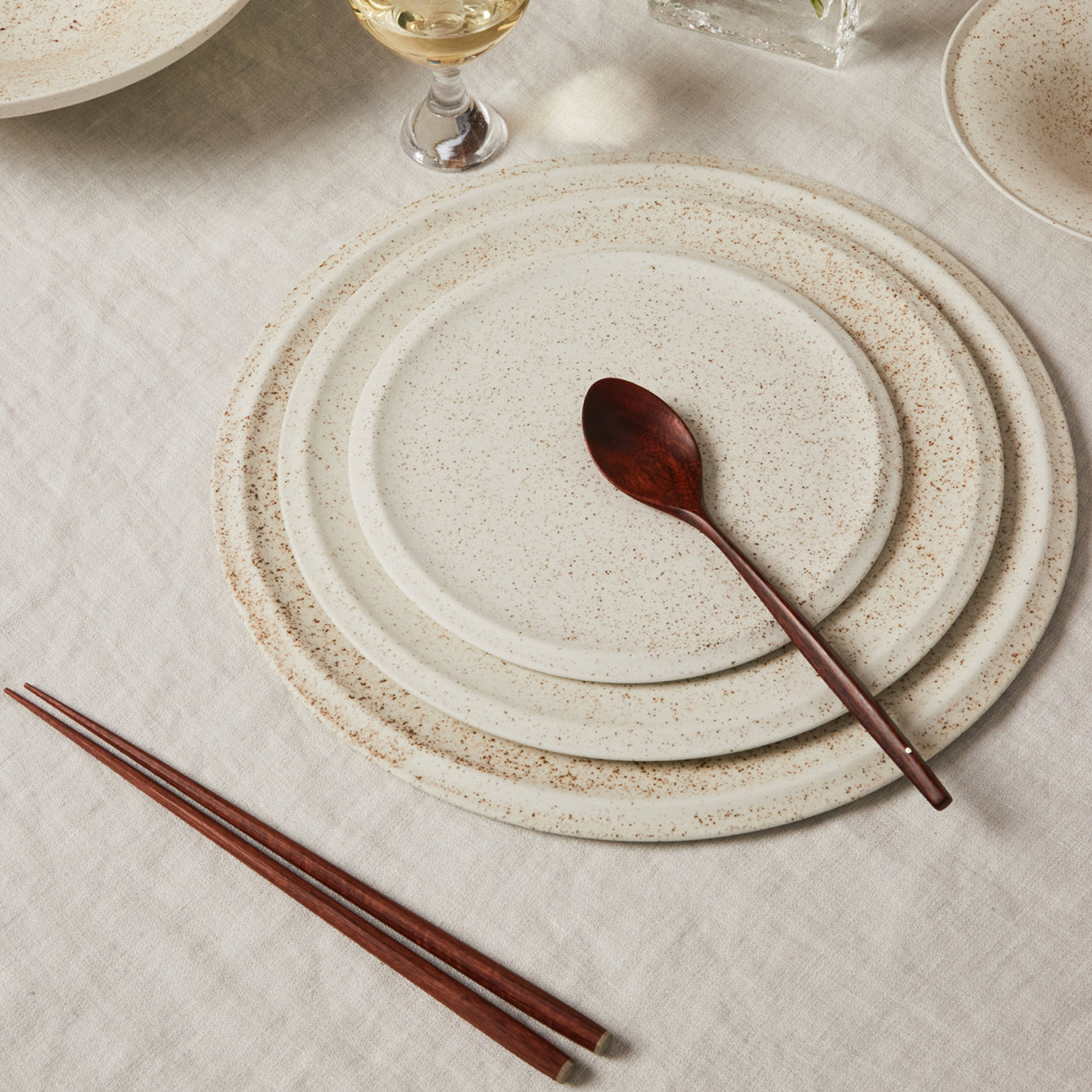
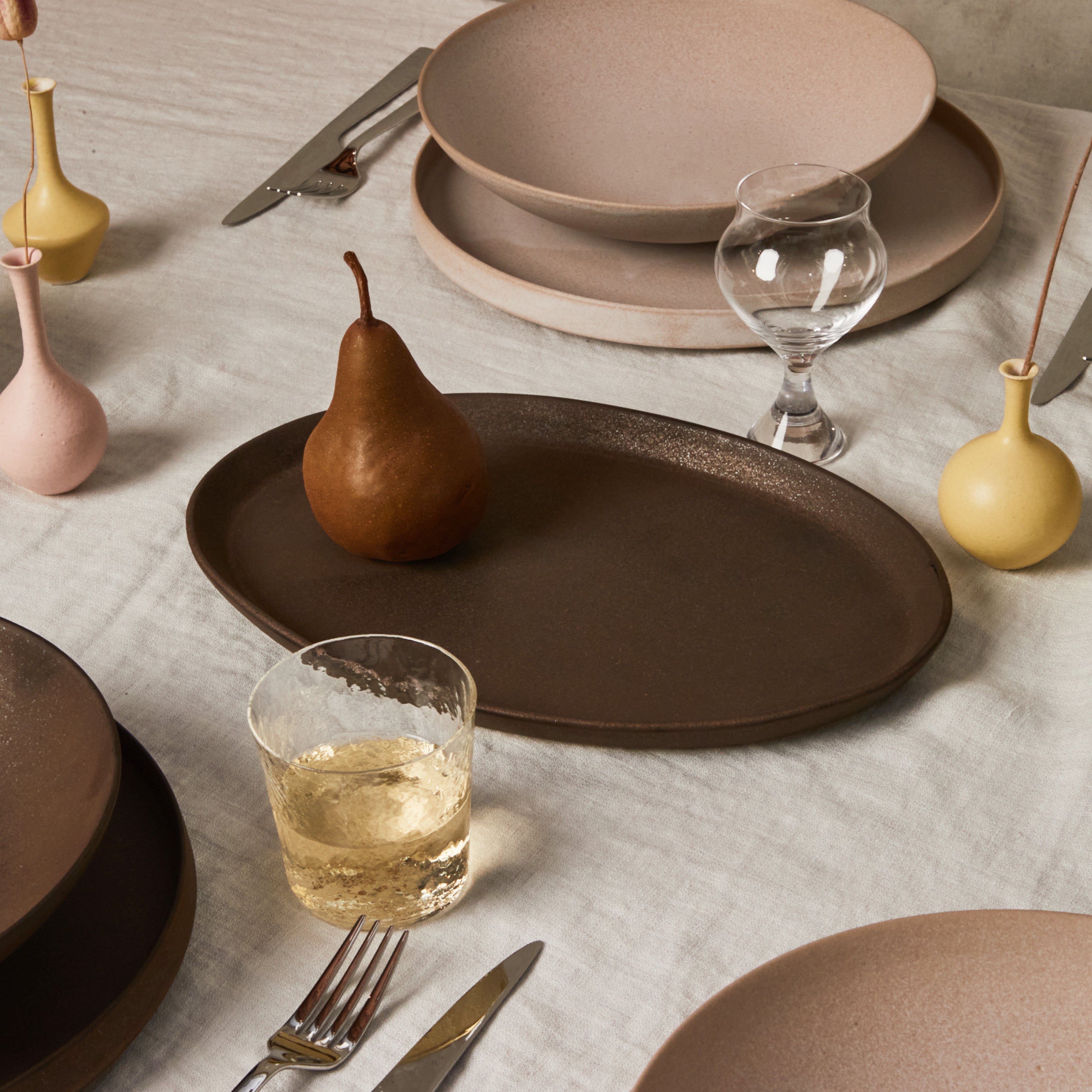
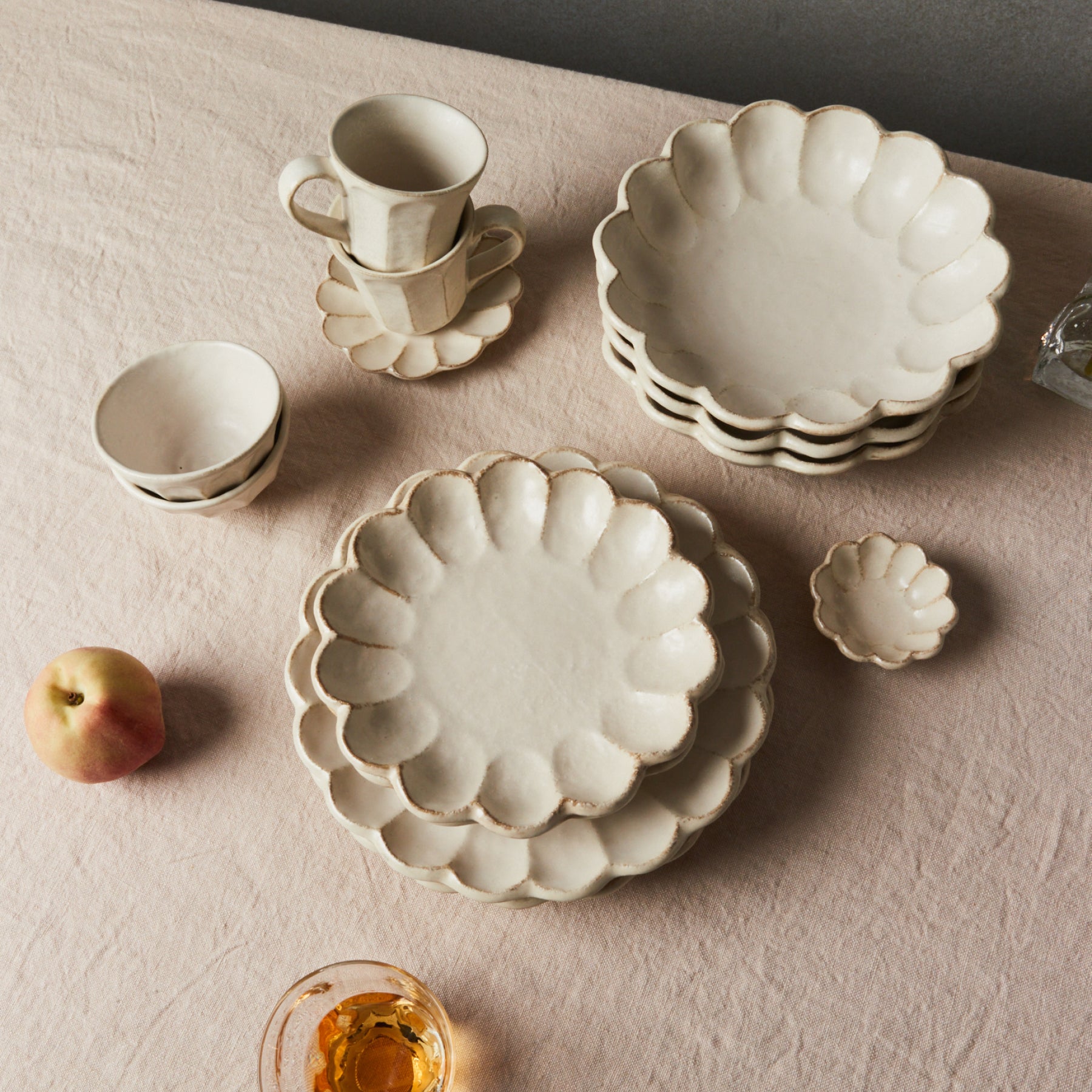
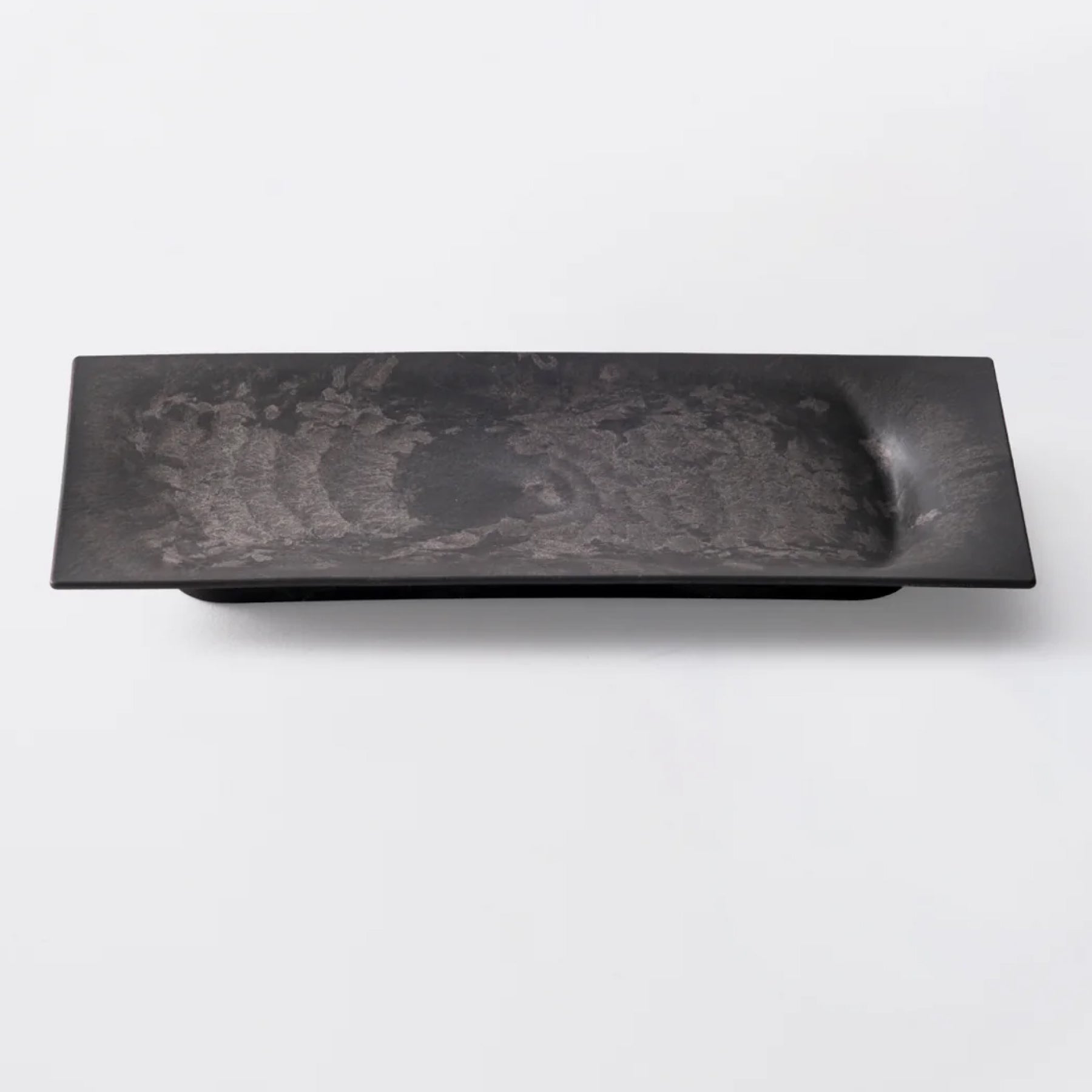
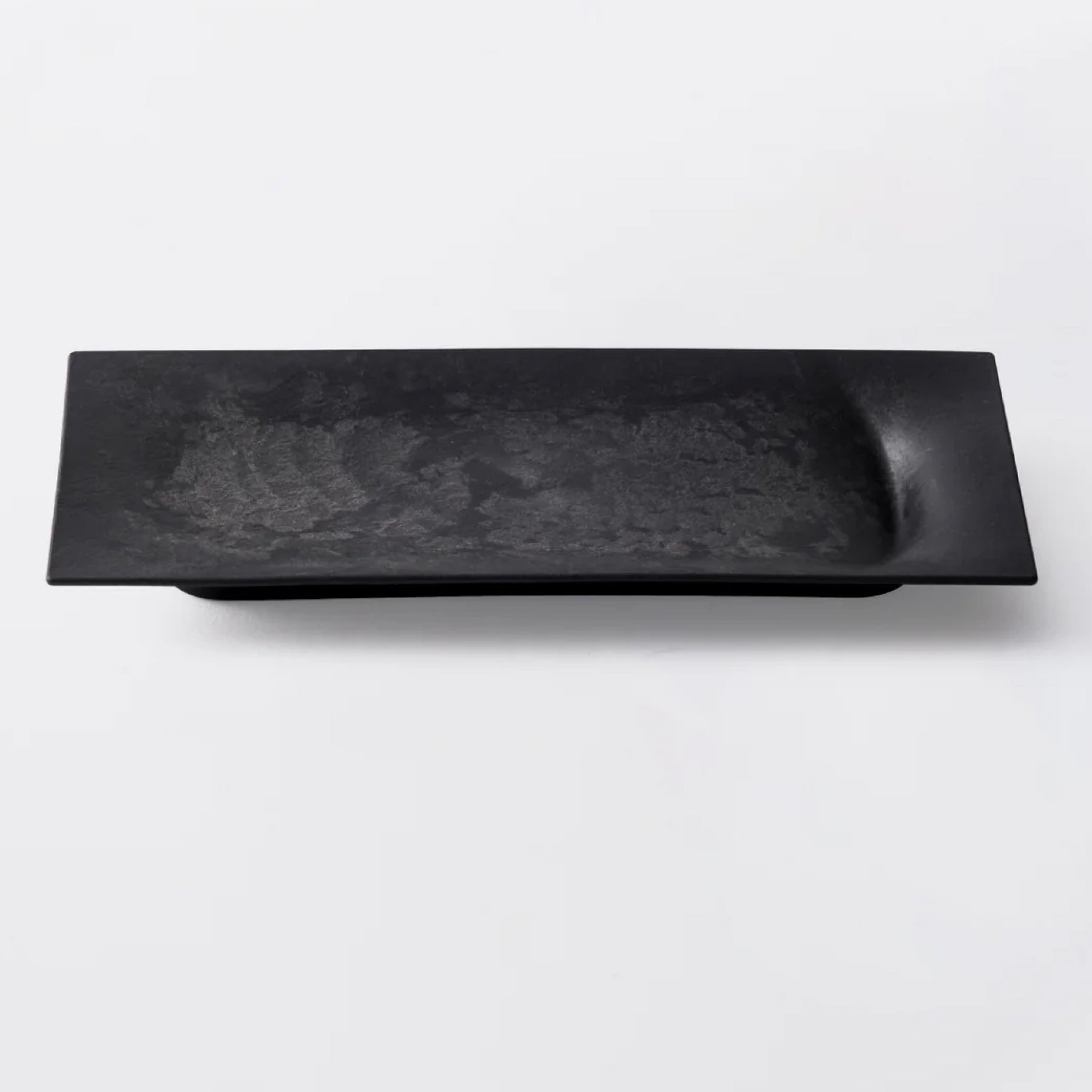
- Material: Natural Cedar Bark, BPA-Free Polypropylene Resin
- Dimensions: Ø 6.0” × 2.0” H (15.7 cm × 4.2 cm)
- Temperature Resistance: −4°F to 212°F (−20°C to 100°C)
Country of Origin: Japan
Care
- Dishwasher safe. When loading, avoid placing heavier items on top to prevent warping or deformation.
- Not microwave safe.
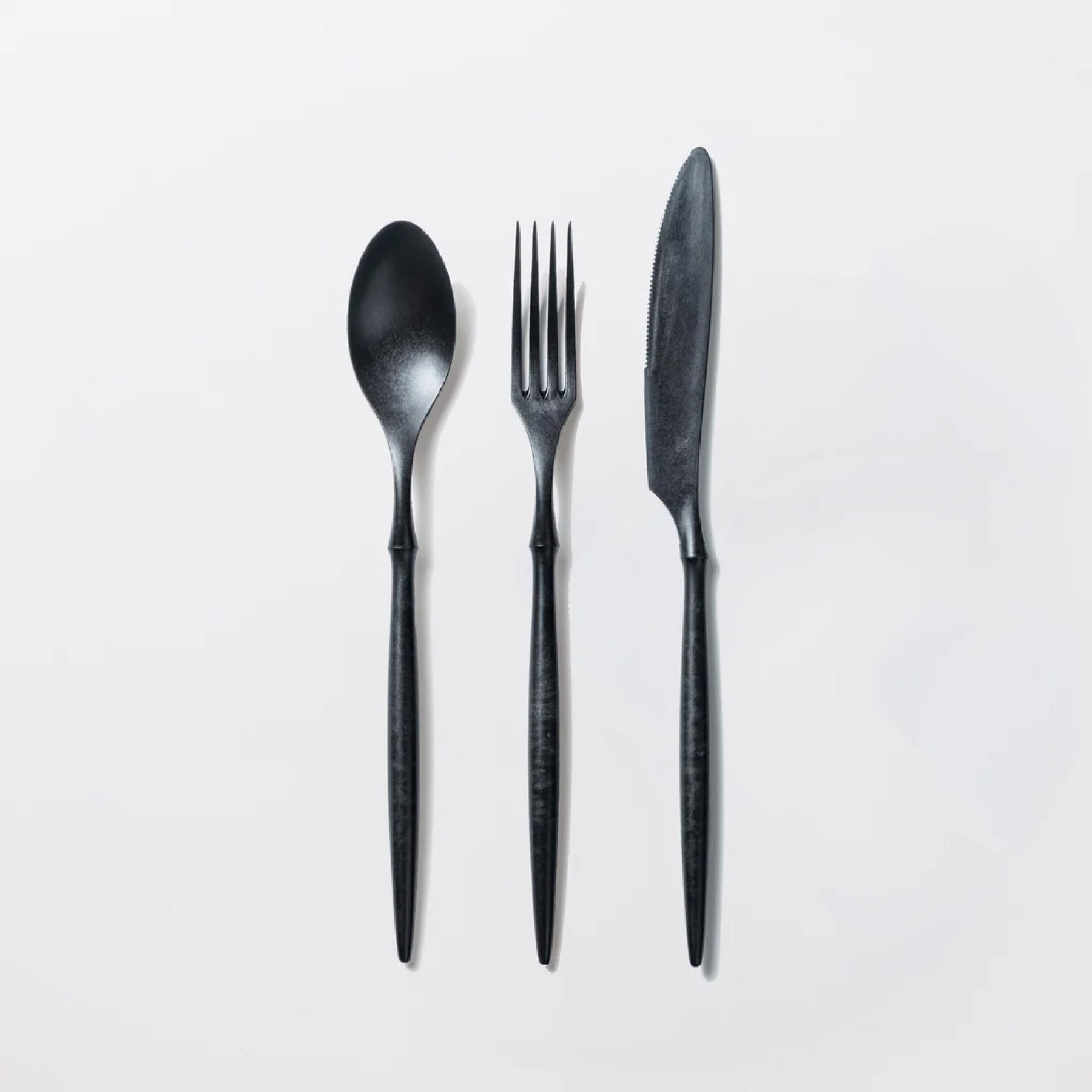
- When hand washing, use a soft sponge or cloth. Avoid scouring pads, abrasive scrubbers, and sharp metal knives, which can cause scratches. We recommend pairing with ARAS cutlery.
- The Cedar Bark collection is resistant to most staining. However, over time and with exposure to oil-rich foods, the cedar bark may undergo natural changes in appearance as part of the beauty of working with natural materials.
Shipping & Delivery
Ships within 2–3 business days if in stock. Backordered ARAS items may take 4-8 weeks. Vases and decorative objects may require additional time. Please contact us at for any inquiries.
Choose options
Cedar Bark Small Bowl
We're here to help. For questions about bulk orders, sizes, finishes, custom gifts, or anything else, please submit an inquiry.Shop ARAS


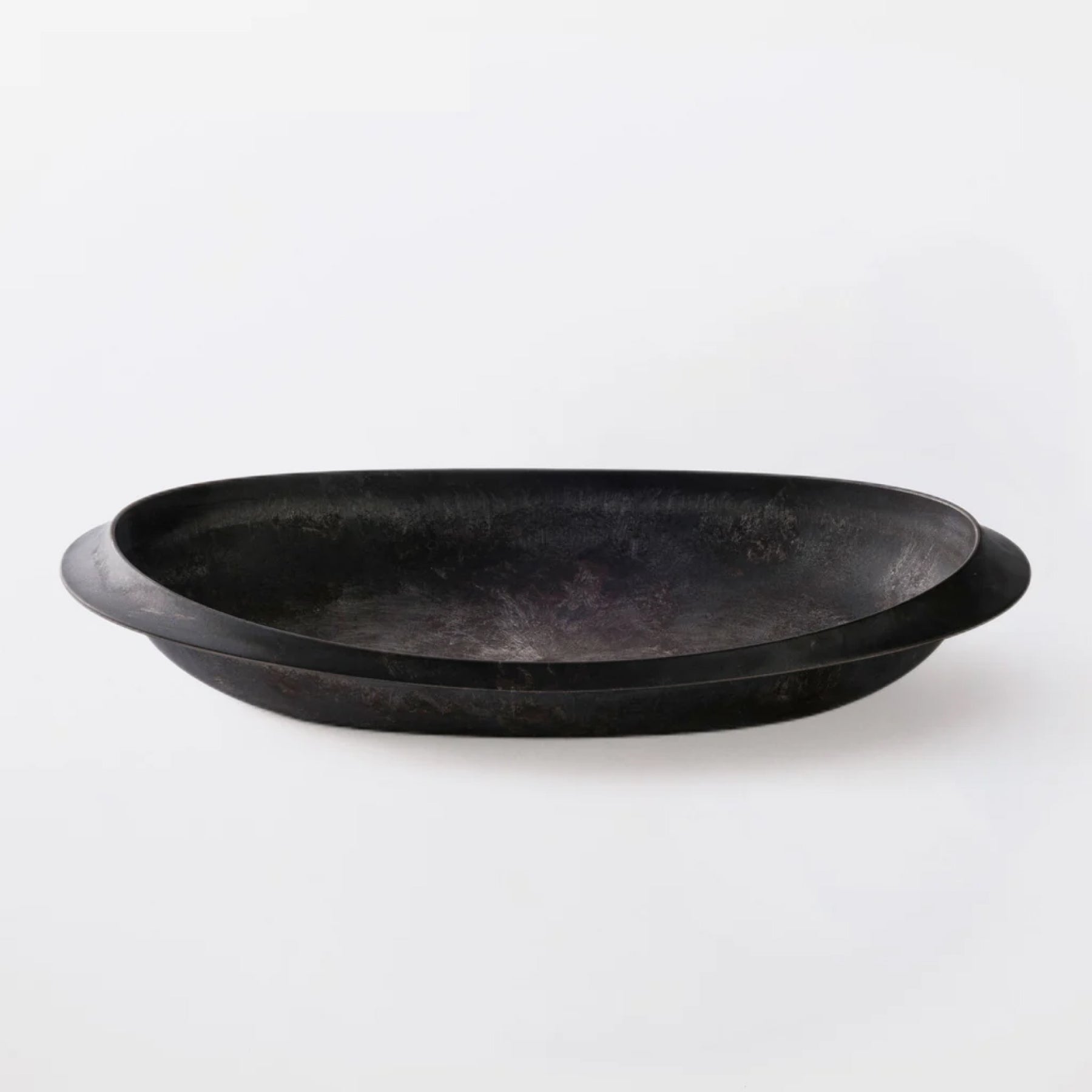
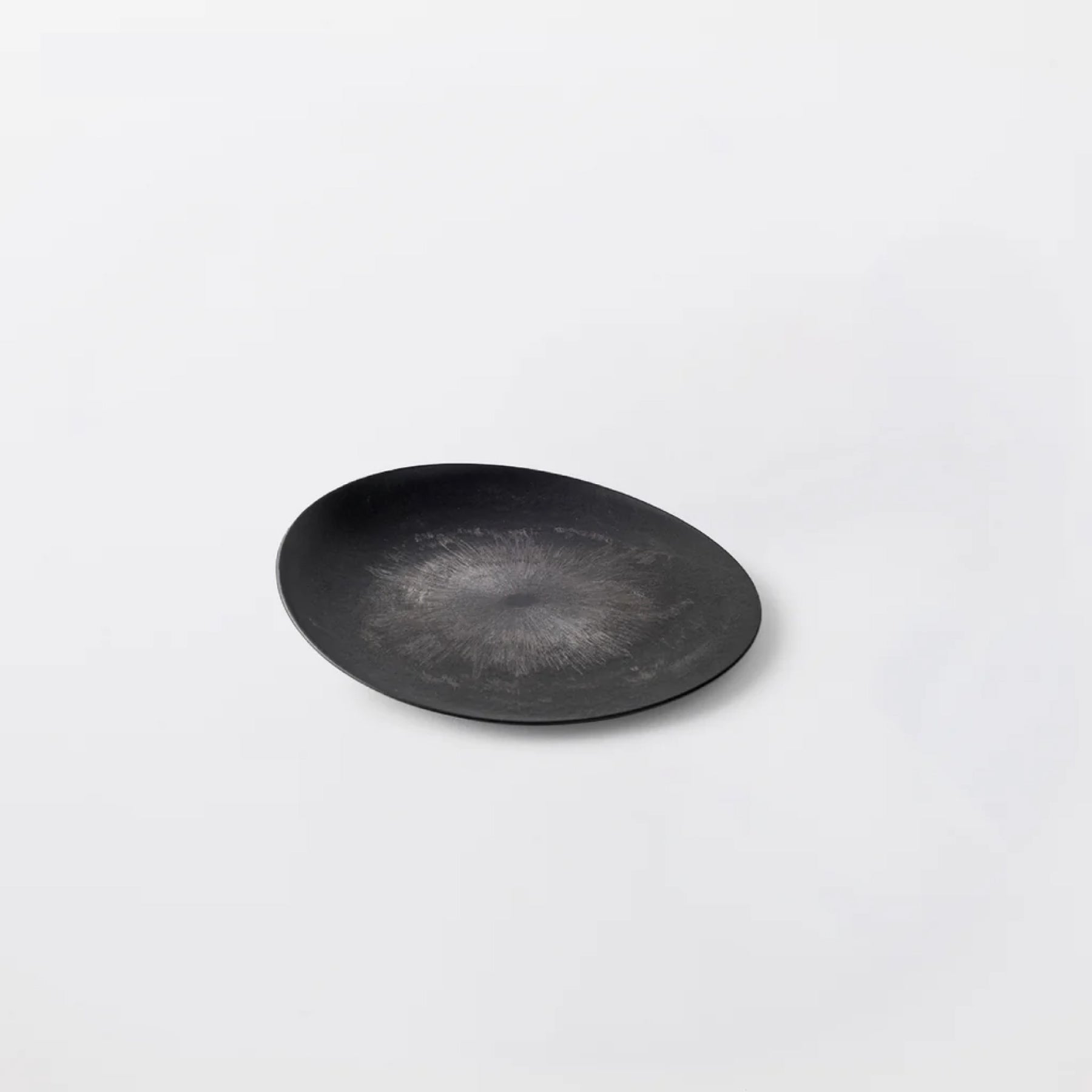



More Cedar Bark Collection

About ARAS
Manufactured in Ishikawa Prefecture, central Japan, ARAS tableware is made from a proprietary material combining Tritan resin and glass fiber, achieving a balance of strength and lightness not possible with traditional ceramics or glass. Some collections incorporate reclaimed materials such as cedar bark or sea-derived minerals, reflecting an ongoing exploration of resin as a sustainable medium.
The material is durable, non-toxic, and designed to resist breaking even after repeated drops. Though produced with precision machinery, subtle surface variations give each piece a quiet, handcrafted character. At its core, ARAS approaches tableware from the ground up, reconsidering material, technique, and form in support of long-term use and a circular lifecycle.